



Yes1 Antibody (YA1897)
(Synonyms: YES1; YES; Tyrosine-protein kinase Yes; Proto-oncogene c-Yes; p61-Yes)Based on 1 publication(s) in Google Scholar
Yes1 Antibody (YA1897) is a Rabbit-derived and non-conjugated IgG monoclonal antibody, targeting to Yes1.
-
Host:
Rabbit
-
Isotype:
IgG
-
Application:
WB, IHC-P, ICC/IF, IP
-
Reactivity :
Human, Mouse, Rat
-
Formulation:
Supplied in PBS(pH 7.4), 150mM sodium chloride, 0.05% BSA, 0.02% sodium azide and 50% glycerol.
-
Conjugation:
Non-conjugated


To place orders, for customer services and technical support, please contact: MedChemExpress USA
Tel: 609-228-6898 E-mail: [email protected] [email protected]



Publications Citing Use of MedChemExpress (MCE) Yes1 Antibody (YA1897)
More

Applications
| Application |
WB

WB: Western Blot
|
IHC-P
IHC-P: Immunohistochemistry-Paraffin
|
ICC/IF
ICC/IF: Immunocytochemistry/
Immunofluorescence |
IP
IP: Immunoprecipitation
|
|---|---|---|---|---|
| Dilution Ratio | 1:1000-2000 | 1:100-200 | 1:50-1:200 | 1:50 |


Product Details
Yes1 Antibody (YA1897) is a Rabbit-derived and non-conjugated IgG monoclonal antibody, targeting to Yes1.
-
Host Rabbit

-
Clonality Recombinant,Monoclonal

-
Species ReactivityHuman, Mouse, Rat
-
Observed Molecular WeightObserved band size: 61 kDa
Note: Due to possible protein modifications or aggregation, the molecular weight should be confirmed by actual measurement, and the predicted value is for reference only.

-
Calculated Molecular Weight Predicted band size: 61 kDa

Entrez Gene: 7525 Human ; 22612 Mouse ; 24884 Rat
SwissProt: P07947 Human ; Q04736 Mouse ; F1LM93 Ra
OMIM: 164880 Human
A synthesized peptide derived from human Yes1 aa500-543/543.
Endogenous
Affinity Chromatography
Non-conjugated
Unmodified
IgG


Product Properties
-
Appearance
Solution
-
Formulation
Supplied in PBS(pH 7.4), 150mM sodium chloride, 0.05% BSA, 0.02% sodium azide and 50% glycerol.
-
Concentration
Batch-dependent, Please check the COA for the concentration of each lot. Check Lot Concentration
-
Storage & Stability
Stored at -20°C for 1 year. Avoid repeated freeze / thaw cycles.
-
Shipping
Shipping with blue ice.


Publications (1)
-
Journal Impact Factor
-
Most Recent
-
Cell Signal
LCZ696 (Sac/Val) protects against high-fat diet-induced kidney injury in mice by targeting ROCK2 to suppress ROCK2/NF-κB signaling. [Abstract]2026 Aug:144:112536. PMID: 41967621


Verification Images
-
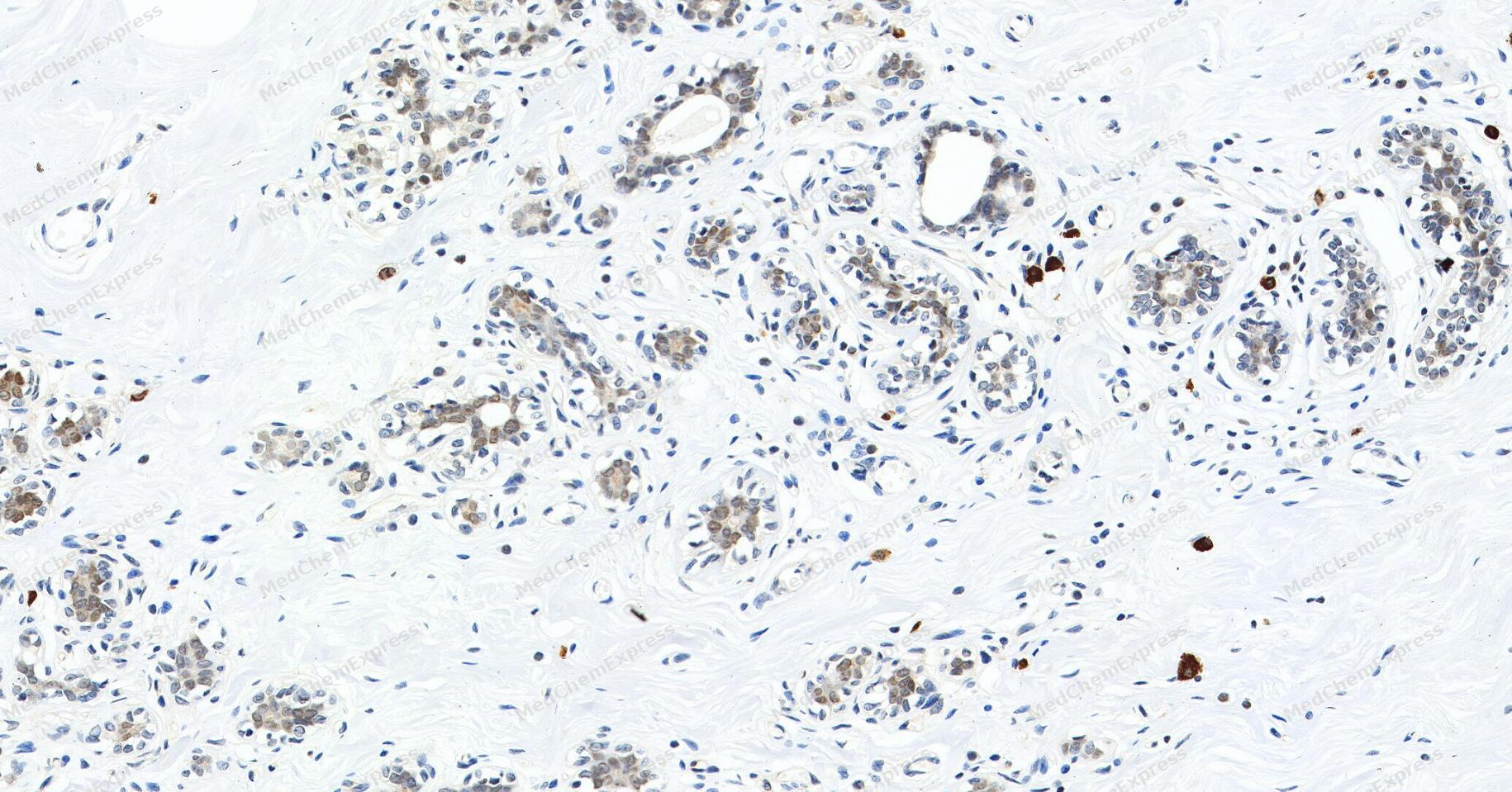 Immunohistochemical analysis of paraffin-embedded human breast tissue using Yes1 Antibody (YA1897). The section was pre-treated using heat mediated antigen retrieval with Tris/EDTA buffer (pH 9.0) for 20 minutes. The tissues were probed with the primary antibody (HY-P82152, 1/100) overnight at 4℃. The detection was performed using an HRP conjugated compact polymer system. DAB was used as the chromogen. Tissues were counterstained with hematoxylin and mounted with neutral balsam.
 -
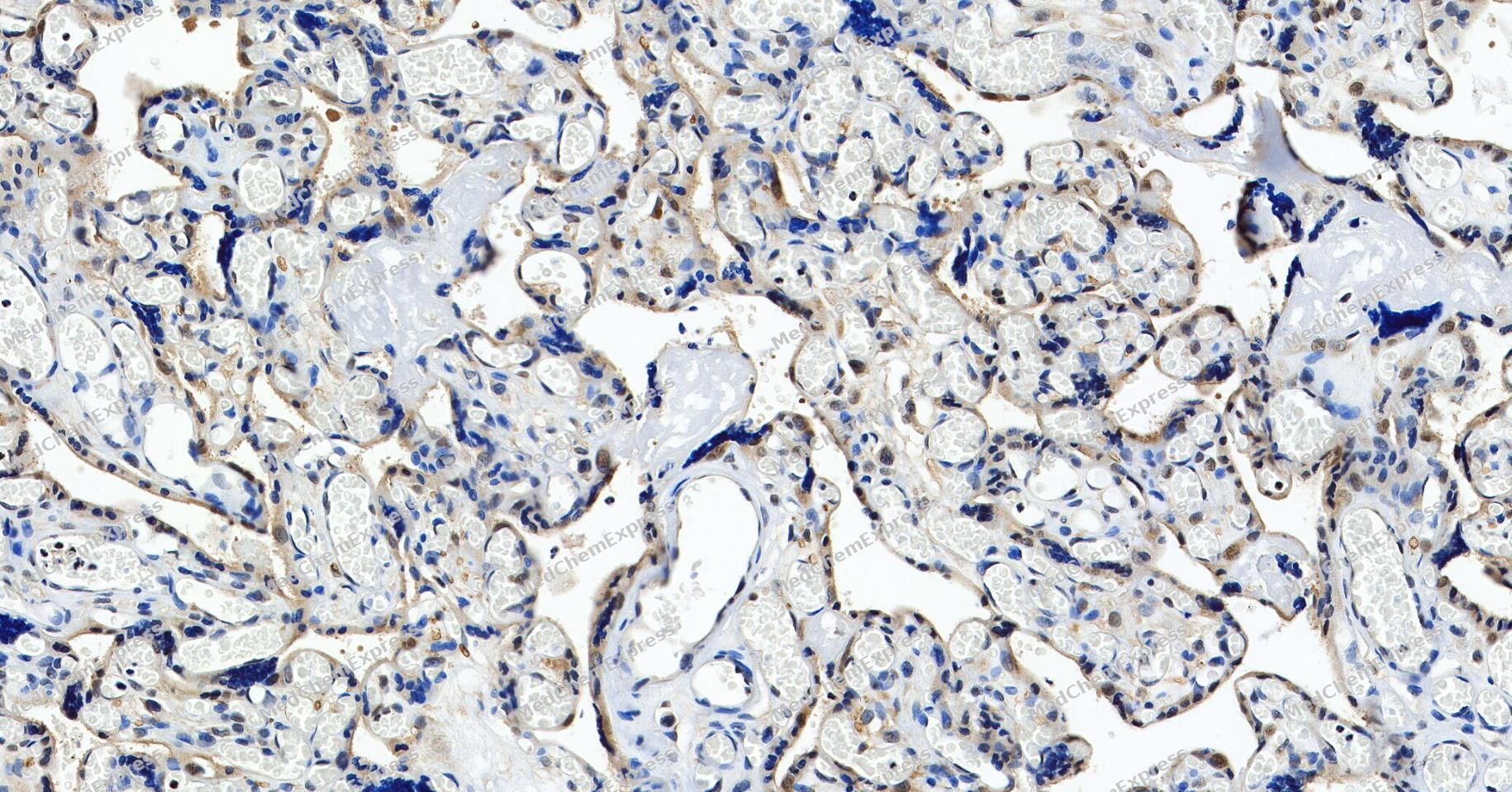 Immunohistochemical analysis of paraffin-embedded human placenta tissue using Yes1 Antibody (YA1897). The section was pre-treated using heat mediated antigen retrieval with Tris/EDTA buffer (pH 9.0) for 20 minutes. The tissues were probed with the primary antibody (HY-P82152, 1/100) overnight at 4℃. The detection was performed using an HRP conjugated compact polymer system. DAB was used as the chromogen. Tissues were counterstained with hematoxylin and mounted with neutral balsam.
 -
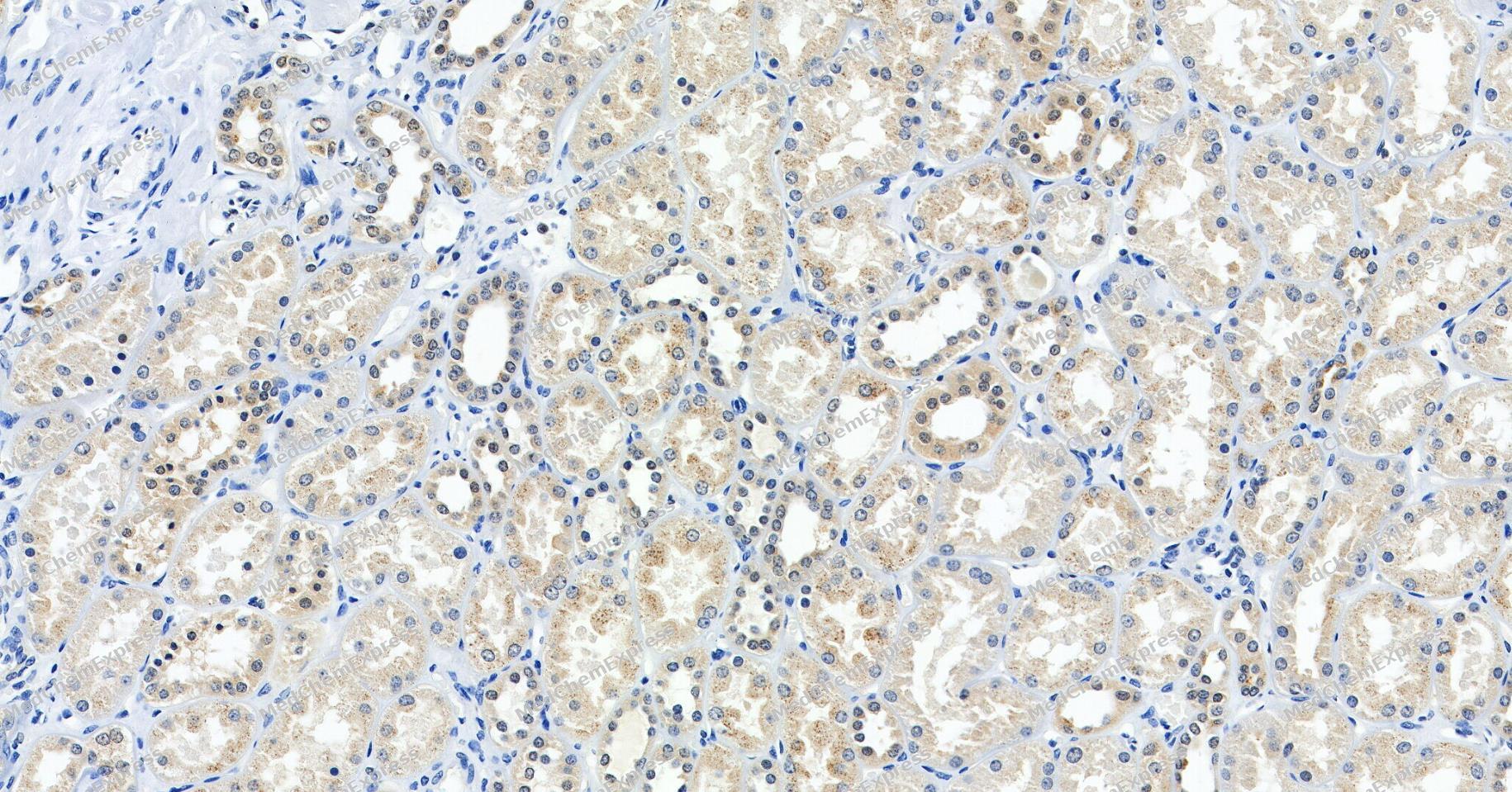 Immunohistochemical analysis of paraffin-embedded human kidney tissue using Yes1 Antibody (YA1897). The section was pre-treated using heat mediated antigen retrieval with Tris/EDTA buffer (pH 9.0) for 20 minutes. The tissues were probed with the primary antibody (HY-P82152, 1/100) overnight at 4℃. The detection was performed using an HRP conjugated compact polymer system. DAB was used as the chromogen. Tissues were counterstained with hematoxylin and mounted with neutral balsam.
 -
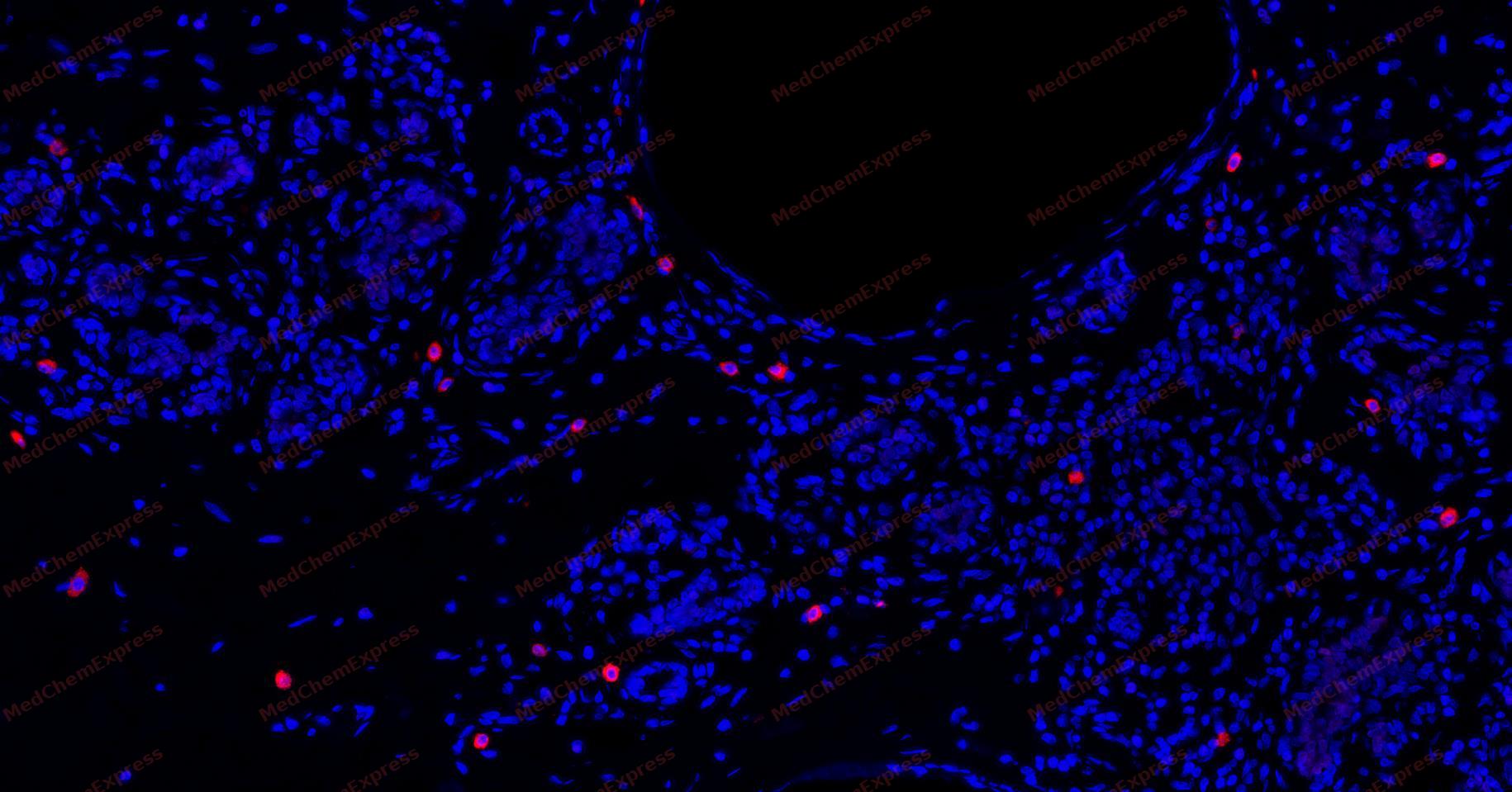 Tyramide signaling amplification based immunofluorescence analysis of paraffin-embedded human breast tissue using Yes1 Antibody (YA1897). The section was pre-treated using heat mediated antigen retrieval with Tris/EDTA buffer (pH 9.0) for 20 minutes. The tissues were probed with the primary antibody (HY-P82152, 1/400) overnight at 4℃. The detection was performed using an HRP conjugated compact polymer and fluorescent tyramide signal amplification system.Immunostaining was performed with Vari Fluor 594 TSA (200×)(HY-D1835). Tissues were counterstained with DAPI (blue) and mounted with Anti-fade fluorescence mounting medium.
 -
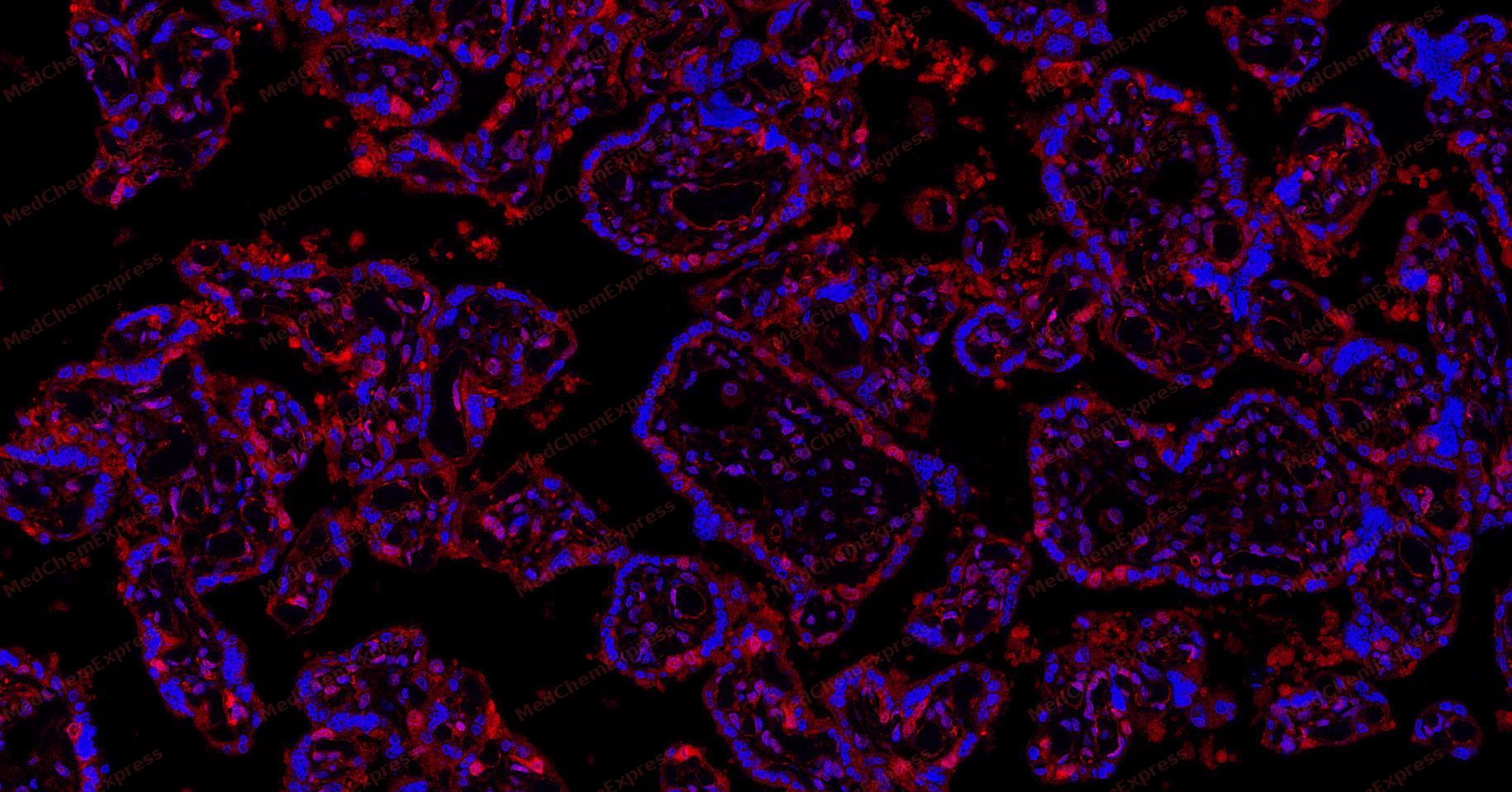 Tyramide signaling amplification based immunofluorescence analysis of paraffin-embedded human placenta tissue using Yes1 Antibody (YA1897). The section was pre-treated using heat mediated antigen retrieval with Tris/EDTA buffer (pH 9.0) for 20 minutes. The tissues were probed with the primary antibody (HY-P82152, 1/400) overnight at 4℃. The detection was performed using an HRP conjugated compact polymer and fluorescent tyramide signal amplification system.Immunostaining was performed with Vari Fluor 594 TSA (200×)(HY-D1835). Tissues were counterstained with DAPI (blue) and mounted with Anti-fade fluorescence mounting medium.
 -
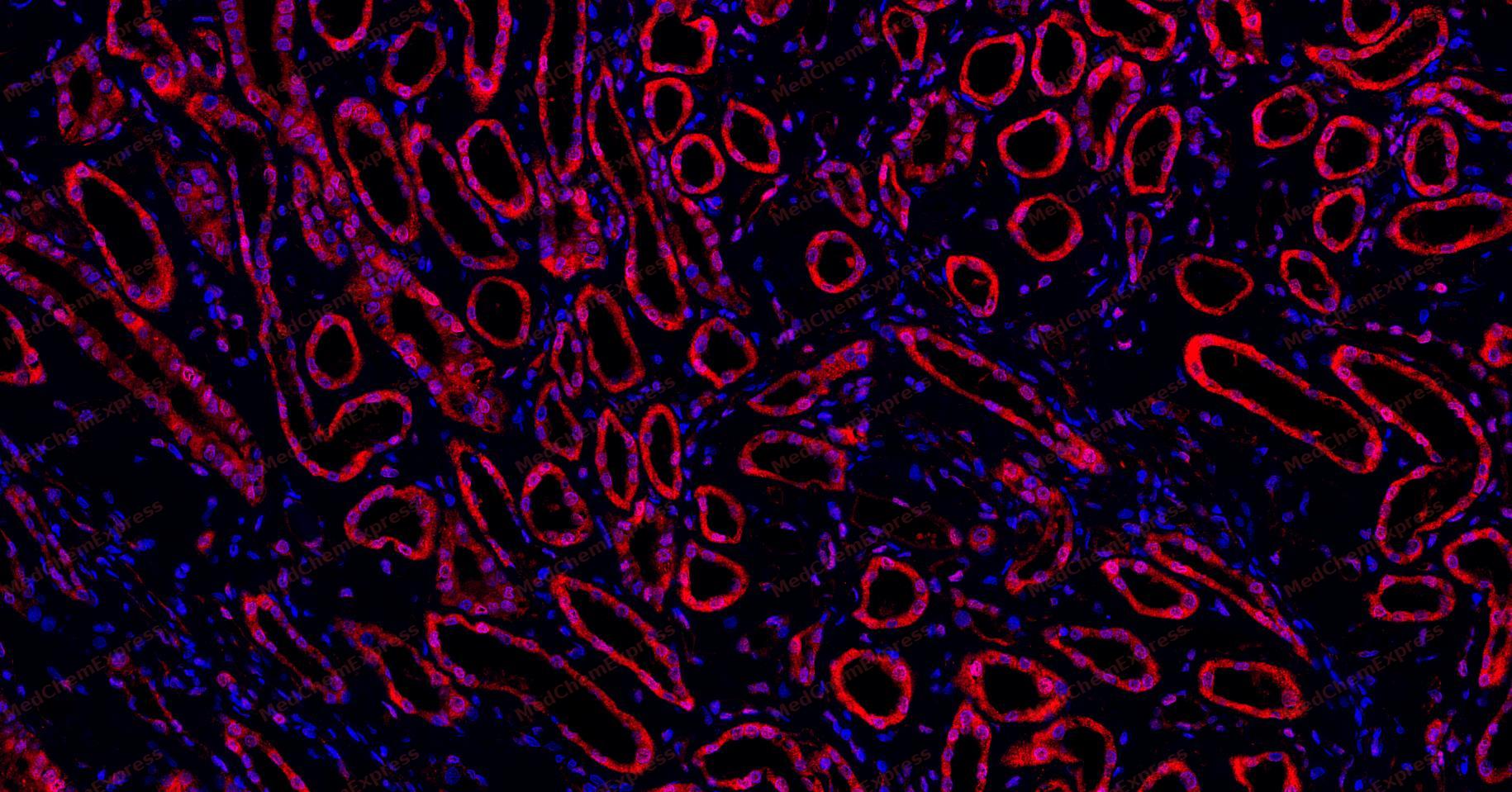 Tyramide signaling amplification based immunofluorescence analysis of paraffin-embedded human kidney tissue using Yes1 Antibody (YA1897). The section was pre-treated using heat mediated antigen retrieval with Tris/EDTA buffer (pH 9.0) for 20 minutes. The tissues were probed with the primary antibody (HY-P82152, 1/400) overnight at 4℃. The detection was performed using an HRP conjugated compact polymer and fluorescent tyramide signal amplification system.Immunostaining was performed with Vari Fluor 594 TSA (200×)(HY-D1835). Tissues were counterstained with DAPI (blue) and mounted with Anti-fade fluorescence mounting medium.
 -
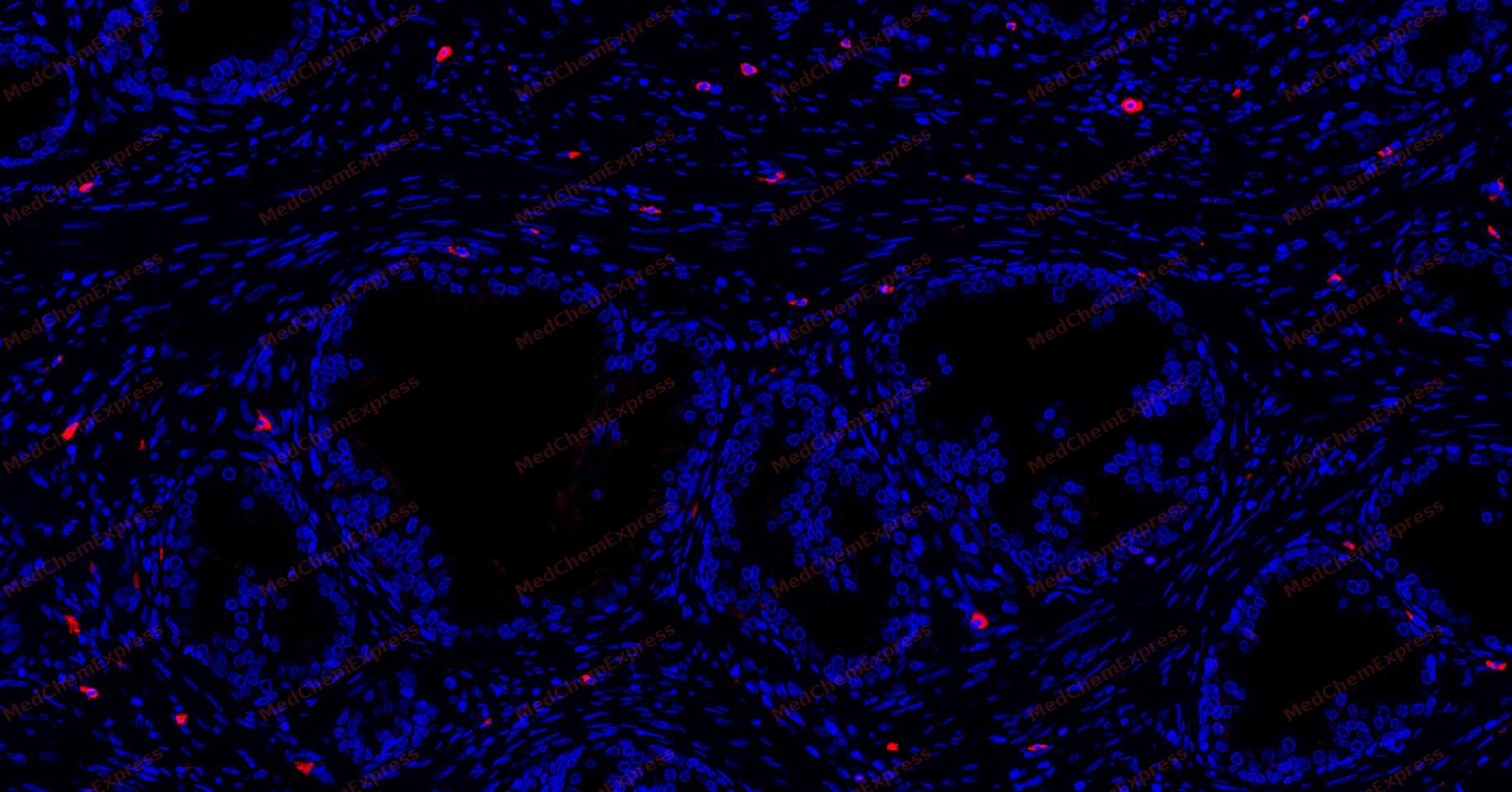 Tyramide signaling amplification based immunofluorescence analysis of paraffin-embedded human prostate tissue using Yes1 Antibody (YA1897). The section was pre-treated using heat mediated antigen retrieval with Tris/EDTA buffer (pH 9.0) for 20 minutes. The tissues were probed with the primary antibody (HY-P82152, 1/300) overnight at 4℃. The detection was performed using an HRP conjugated compact polymer and fluorescent tyramide signal amplification system.Immunostaining was performed using a Bicolor signal amplification fluorescence staining kit. Tissues were counterstained with DAPI (blue) and mounted with Anti-fade fluorescence mounting medium.


Background
-
Function
Yes1 is a Non-receptor protein tyrosine kinase that is involved in the regulation of cell growth and survival, apoptosis, cell-cell adhesion, cytoskeleton remodeling, and differentiation. Stimulation by receptor tyrosine kinases (RTKs) including EGFR, PDGFR, CSF1R and FGFR leads to recruitment of YES1 to the phosphorylated receptor, and activation and phosphorylation of downstream substrates. Upon EGFR activation, promotes the phosphorylation of PARD3 to favor epithelial tight junction assembly. Participates in the phosphorylation of specific junctional components such as CTNND1 by stimulating the FYN and FER tyrosine kinases at cell-cell contacts. Upon T-cell stimulation by CXCL12, phosphorylates collapsin response mediator protein 2/DPYSL2 and induces T-cell migration. Participates in CD95L/FASLG signaling pathway and mediates AKT-mediated cell migration. Plays a role in cell cycle progression by phosphorylating the cyclin-dependent kinase 4/CDK4 thus regulating the G1 phase. Also involved in G2/M progression and cytokinesis. Catalyzes phosphorylation of organic cation transporter OCT2 which induces its transport activity[1].
-
Subcellular Localization
Cell membrane; Cytoplasm, cytoskeleton, microtubule organizing center, centrosome; Cytoplasm, cytosol; Cell junction
-
Expression
Tissue_specificity:In fetal tissues, this gene is expressed in the epithelial cells of the proximal tubules of the kidneys and the stomach, as well as in hematopoietic cells of the bone marrow and spleen. In humans, this gene is expressed in the epithelial cells of the proximal tubules of the kidneys and is present in keratinocytes of the basal layer of the epidermis. -
Subunit
Interacts with YAP1 and CSF1R (By similarity). Interacts with CTNND1; this interaction allows YES1-mediated activation of FYN and FER and subsequent phosphorylation of CTNND1 (By similarity). Interacts with FASLG. Interacts with IL6ST/gp130 (PubMed:25731159). Interacts with SCRIB, when YES1 is in a closed conformation; the interaction facilitates YES1 autophosphorylation (PubMed:33730553)
-
SwissProt ID
-
Synonyms
YES1; YES; Tyrosine-protein kinase Yes; Proto-oncogene c-Yes; p61-Yes
-
Research Field
Signal Transduction
Documentation
-
Data Sheet (259 KB)
-
SDS (251 KB)
- English - EN (251 KB)
- Français - FR (251 KB)
- Deutsch - DE (251 KB)
- Norwegian - NO (251 KB)
- Español - ES (251 KB)
- Swedish - SV (251 KB)
- Italian - IT (251 KB)
- Korean - KR (251 KB)
- Portuguese - PT (251 KB)
-
User Guide for Antibodies (1077 KB)
References

 Powered by Bioz
