



Phospho-STAT3 (Tyr705) Antibody (YA146) (PBS only)
(Synonyms: APRF, STAT3, Signal transducer and activator of transcription 3, Acute-phase response factor)
Based on 1 Customer Validation
Phospho-STAT3 (Tyr705) Antibody (YA146) is a Rabbit-derived and non-conjugated IgG monoclonal antibody, targeting to Phospho-STAT3 (Tyr705).
-
Host:
Rabbit
-
Isotype:
IgG
-
Application:
WB, IHC-P, IP
-
Reactivity :
Human, Mouse, Rat
-
Formulation:
Supplied in PBS (pH7.4).


To place orders, for customer services and technical support, please contact: MedChemExpress USA
Tel: 609-228-6898 E-mail: [email protected] [email protected]





Applications
| Application |
WB

WB: Western Blot
|
IHC-P
IHC-P: Immunohistochemistry-Paraffin
|
IP
IP: Immunoprecipitation
|
|---|---|---|---|
| Dilution Ratio | 1:1000-1:5000 | 1:50-1:500 | 1-2μg/sample |


Product Details
Phospho-STAT3 (Tyr705) Antibody (YA146) is a Rabbit-derived and non-conjugated IgG monoclonal antibody, targeting to Phospho-STAT3 (Tyr705).
-
Host Rabbit

-
Clonality Monoclonal,Recombinant

-
Species ReactivityHuman, Mouse, Rat
-
Observed Molecular WeightObserved band size: 88 kDa
Note: Due to possible protein modifications or aggregation, the molecular weight should be confirmed by actual measurement, and the predicted value is for reference only.

-
Calculated Molecular Weight Predicted band size: 88 kDa

Synthetic phospho-peptide corresponding to residues surrounding Tyr705 of human STAT3.
Protein A affinity purified.
Phosphorylated
IgG


Product Properties
-
Appearance
Solution
-
Formulation
Supplied in PBS (pH7.4).
-
Concentration
Batch-dependent, Please check the COA for the concentration of each lot. Check Lot Concentration
-
Storage & Stability
Stored at -20°C for 1 year. Avoid repeated freeze / thaw cycles.
-
Shipping
Shipping with blue ice.


Verification Images
-
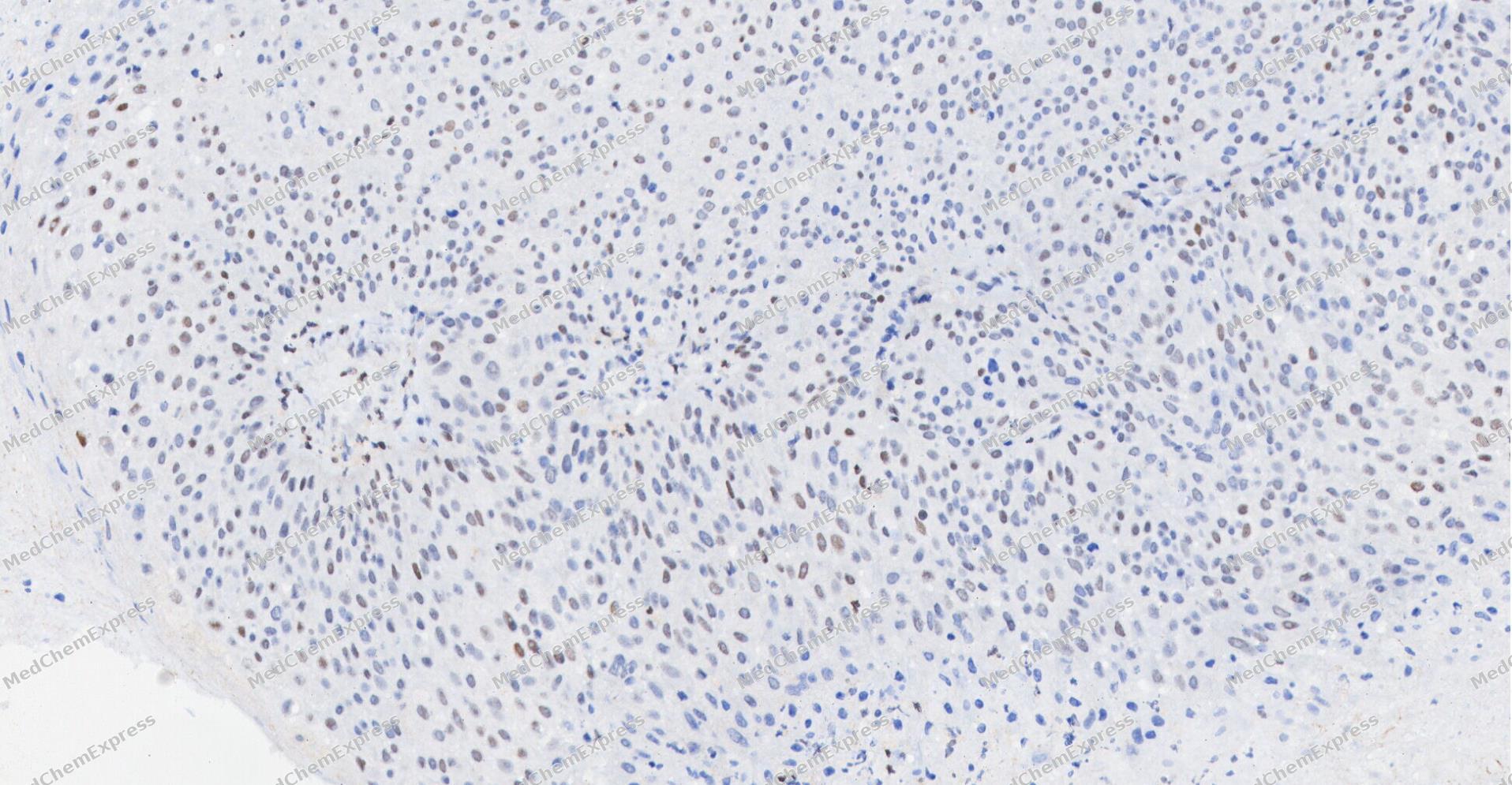 Immunohistochemical analysis of paraffin-embedded human Cervical cancer tissue using Phospho-STAT3 (Tyr705) antibody was performed. The section was pretreated using high-temperature and high-pressure mediated EDTA antigen retrieval buffer (pH 9.0), for 5 minutes. The tissues were incubated overnight at 4°C with the primary antibody (HY-P80282A, 1:50 dilution). Detection was performed using an HRP conjugated compact polymer system. DAB was used as the chromogen. The tissues were counterstained with hematoxylin and mounted with neutral balsam mounting medium.
 -
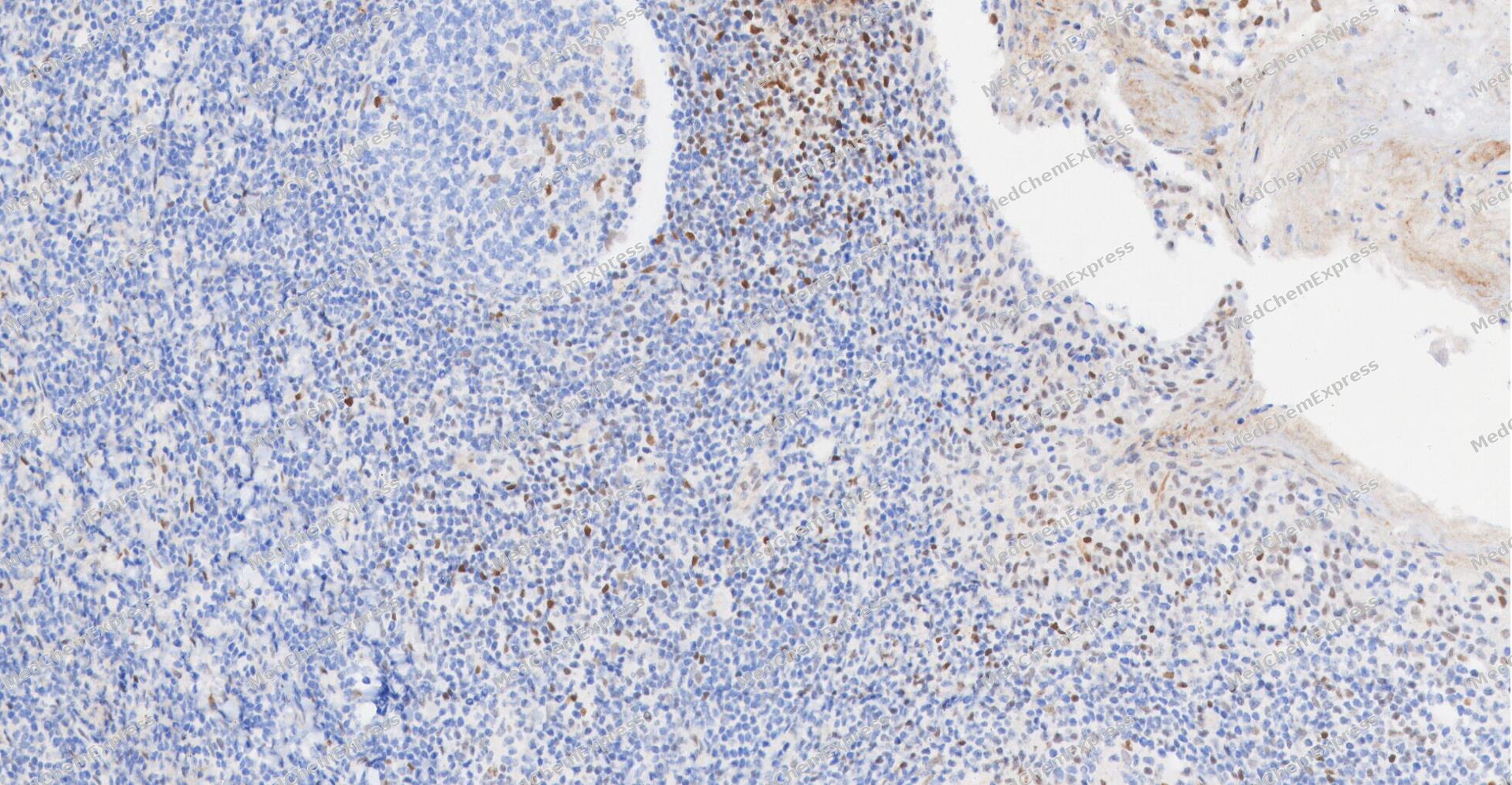 Immunohistochemical analysis of paraffin-embedded human Tonsil tissue using Phospho-STAT3 (Tyr705) antibody was performed. The section was pretreated using high-temperature and high-pressure mediated EDTA antigen retrieval buffer (pH 9.0), for 5 minutes. The tissues were incubated overnight at 4°C with the primary antibody (HY-P80282A, 1:50 dilution). Detection was performed using an HRP conjugated compact polymer system. DAB was used as the chromogen. The tissues were counterstained with hematoxylin and mounted with neutral balsam mounting medium.
 -
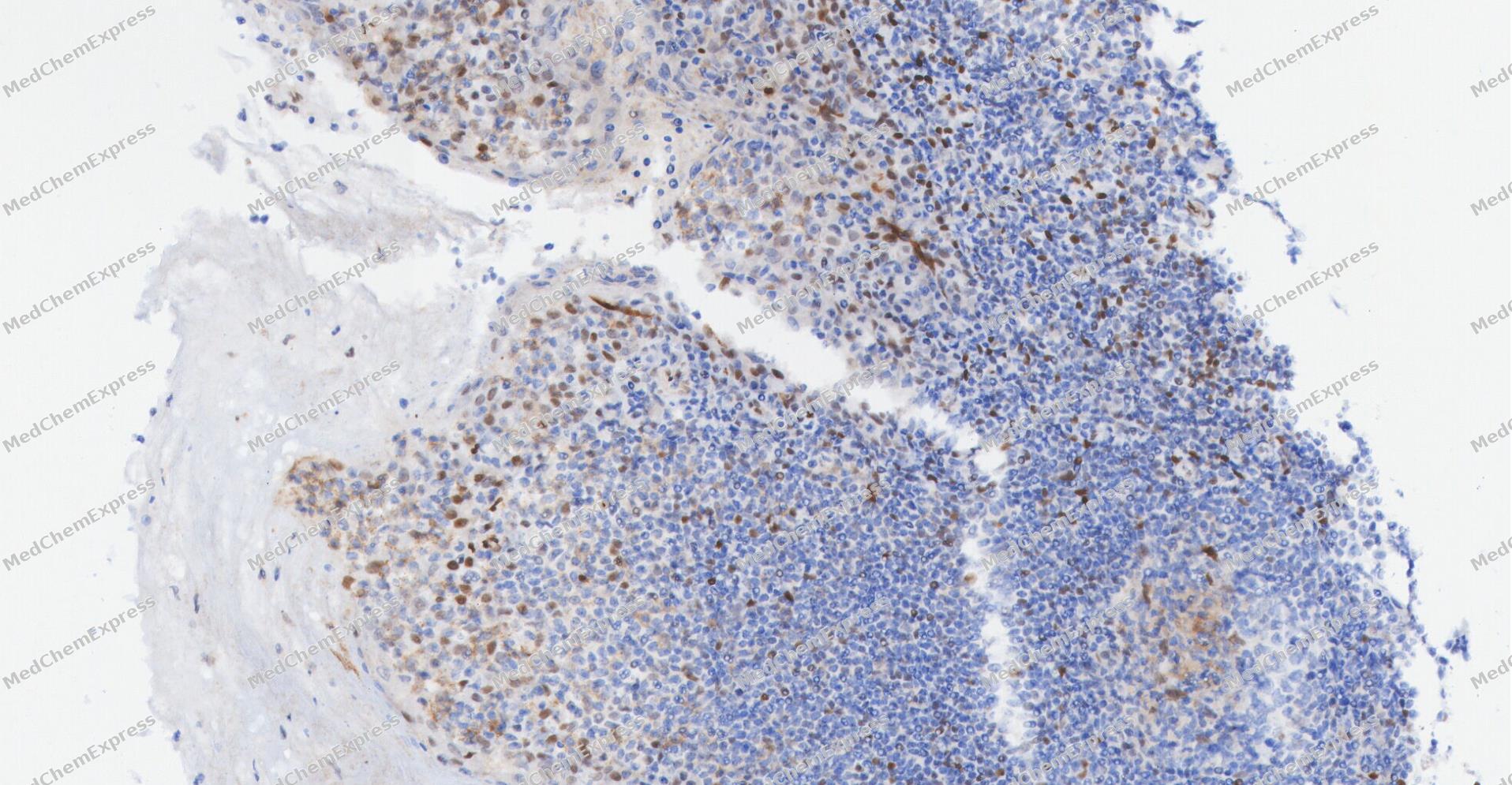 Immunohistochemical analysis of paraffin-embedded human Tonsil tissue using Phospho-STAT3 (Tyr705) antibody was performed. The section was pretreated using high-temperature and high-pressure mediated EDTA antigen retrieval buffer (pH 9.0), for 5 minutes. The tissues were incubated overnight at 4°C with the primary antibody (HY-P80282A, 1:50 dilution). Detection was performed using an HRP conjugated compact polymer system. DAB was used as the chromogen. The tissues were counterstained with hematoxylin and mounted with neutral balsam mounting medium.
 -
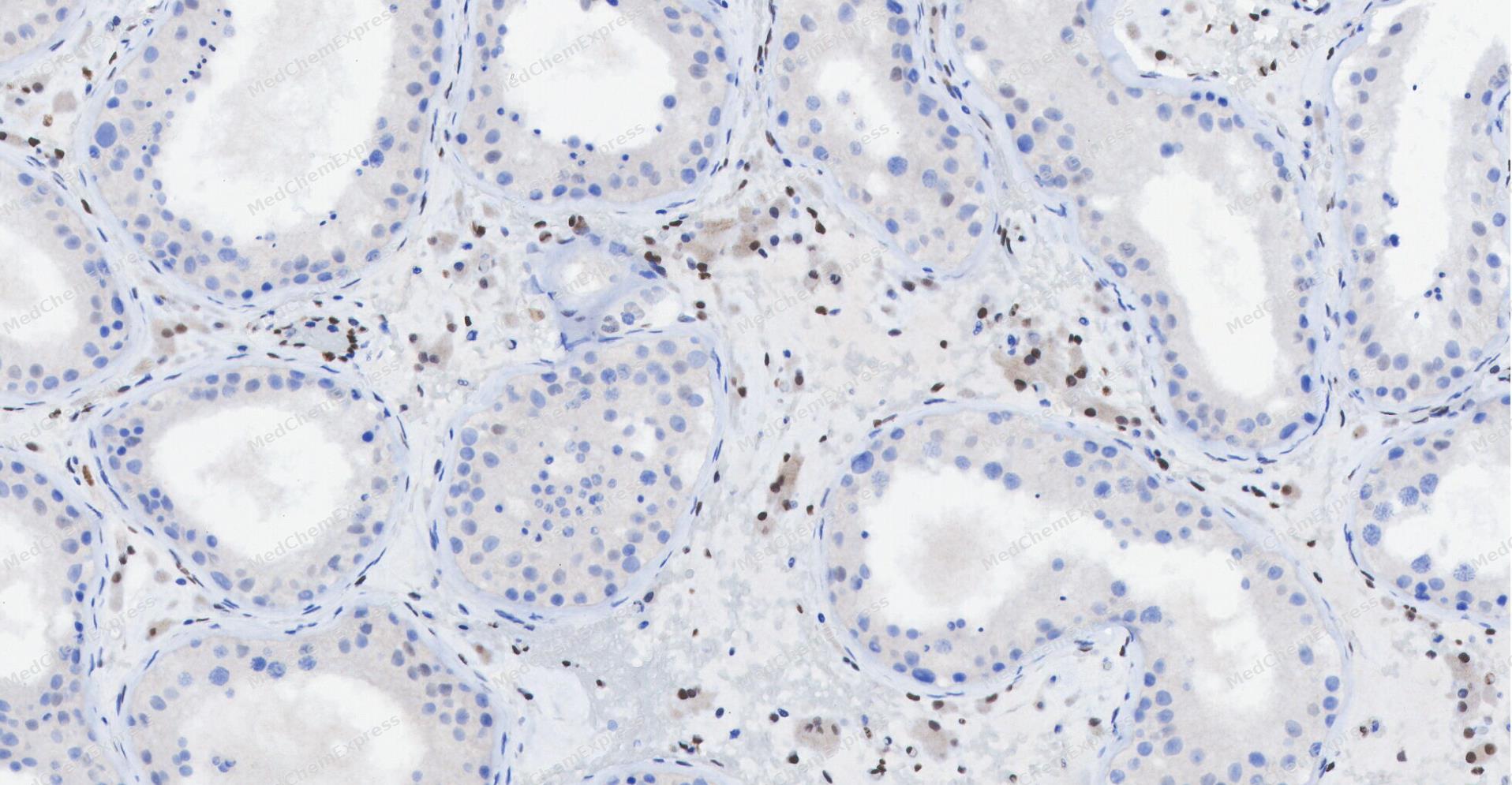 Immunohistochemical analysis of paraffin-embedded human Testis tissue using Phospho-STAT3 (Tyr705) antibody was performed. The section was pretreated using high-temperature and high-pressure mediated EDTA antigen retrieval buffer (pH 9.0), for 5 minutes. The tissues were incubated overnight at 4°C with the primary antibody (HY-P80282A, 1:50 dilution). Detection was performed using an HRP conjugated compact polymer system. DAB was used as the chromogen. The tissues were counterstained with hematoxylin and mounted with neutral balsam mounting medium.
 -
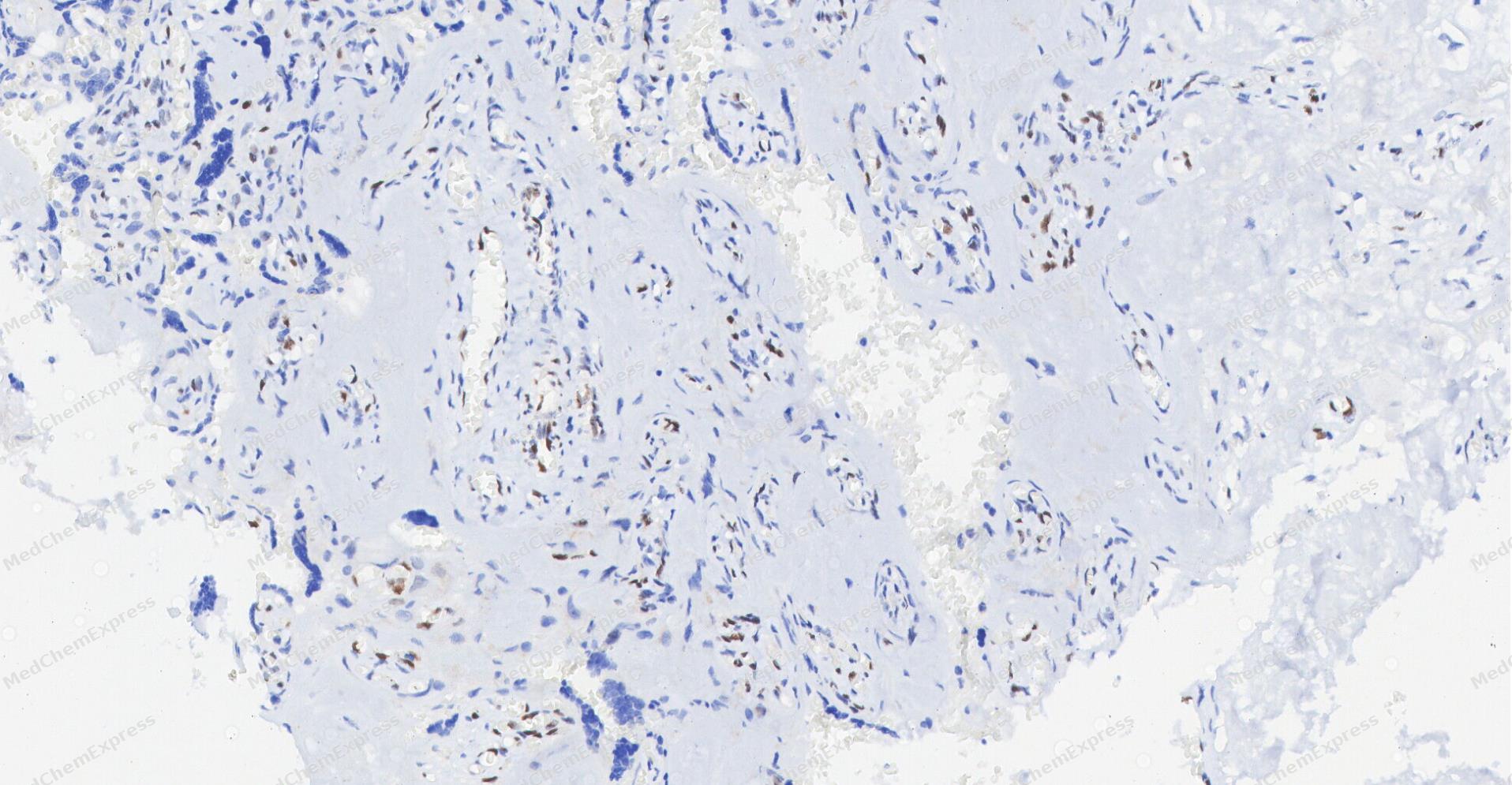 Immunohistochemical analysis of paraffin-embedded human placenta tissue using Phospho-STAT3 (Tyr705) antibody was performed. The section was pretreated using high-temperature and high-pressure mediated EDTA antigen retrieval buffer (pH 9.0), for 5 minutes. The tissues were incubated overnight at 4°C with the primary antibody (HY-P80282A, 1:50 dilution). Detection was performed using an HRP conjugated compact polymer system. DAB was used as the chromogen. The tissues were counterstained with hematoxylin and mounted with neutral balsam mounting medium.
 -
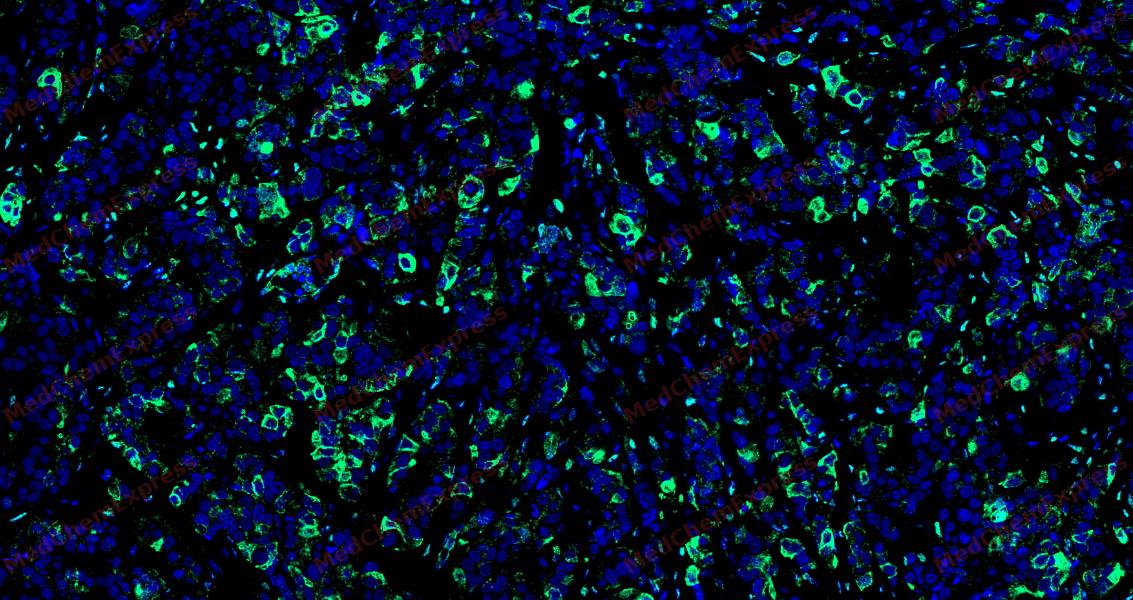 Tyramide signaling amplification based immunofluorescence was performed on paraffin-embedded human Breast Cancer tissue using Phospho-STAT3 (Tyr705) antibody. Antigen retrieval was performed in EDTA buffer pH 9.0 (95 °C, 20 min) followed by cooling to RT. Then incubated with primary antibody (HY-P80282A, 1:100 dilution) at room temperature for 60 minutes and HRP conjugated secondary antibody for 10 minutes. Fluorescence was then developed with Vari Fluor 532 TSA (200×)(HY-D1832). The tissues were counterstained with DAPI and mounted with Anti-fade mounting medium.
 -
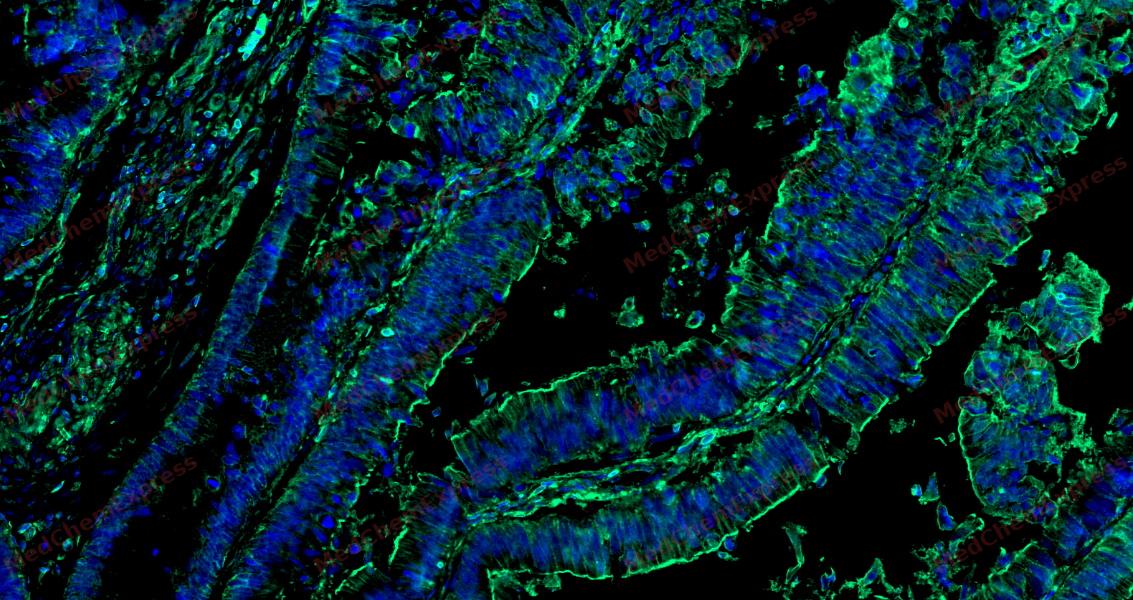 Tyramide signaling amplification based immunofluorescence was performed on paraffin-embedded human Breast Cancer tissue using Phospho-STAT3 (Tyr705) antibody. Antigen retrieval was performed in EDTA buffer pH 9.0 (95 °C, 20 min) followed by cooling to RT. Then incubated with primary antibody (HY-P80282A, 1:100 dilution) at room temperature for 60 minutes and HRP conjugated secondary antibody for 10 minutes. Fluorescence was then developed with Vari Fluor 532 TSA (200×)(HY-D1832). The tissues were counterstained with DAPI and mounted with Anti-fade mounting medium.
 -
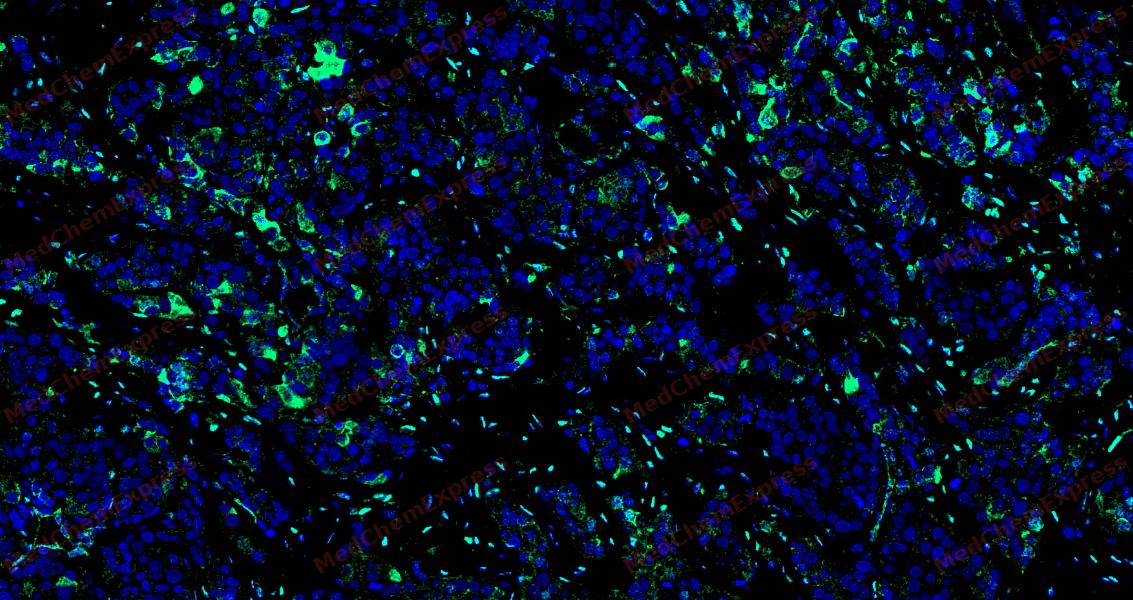 Tyramide signaling amplification based immunofluorescence was performed on paraffin-embedded human Breast Cancer tissue using Phospho-STAT3 (Tyr705) antibody. Antigen retrieval was performed in EDTA buffer pH 9.0 (95 °C, 20 min) followed by cooling to RT. Then incubated with primary antibody (HY-P80282A, 1:100 dilution) at room temperature for 60 minutes and HRP conjugated secondary antibody for 10 minutes. Fluorescence was then developed with Vari Fluor 532 TSA (200×)(HY-D1832). The tissues were counterstained with DAPI and mounted with Anti-fade mounting medium.
 -
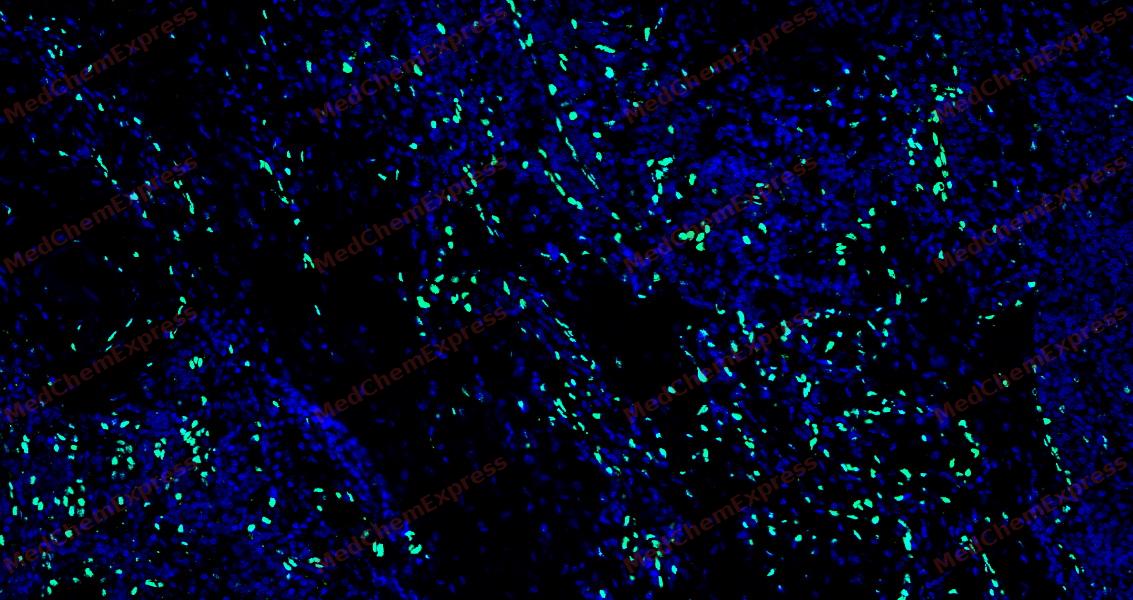 Tyramide signaling amplification based immunofluorescence was performed on paraffin-embedded human Tonsil tissue using Phospho-STAT3 (Tyr705) antibody. Antigen retrieval was performed in EDTA buffer pH 9.0 (95 °C, 20 min) followed by cooling to RT. Then incubated with primary antibody (HY-P80282A, 1:100 dilution) at room temperature for 60 minutes and HRP conjugated secondary antibody for 10 minutes. Fluorescence was then developed with Vari Fluor 532 TSA (200×)(HY-D1832). The tissues were counterstained with DAPI and mounted with Anti-fade mounting medium.
 -
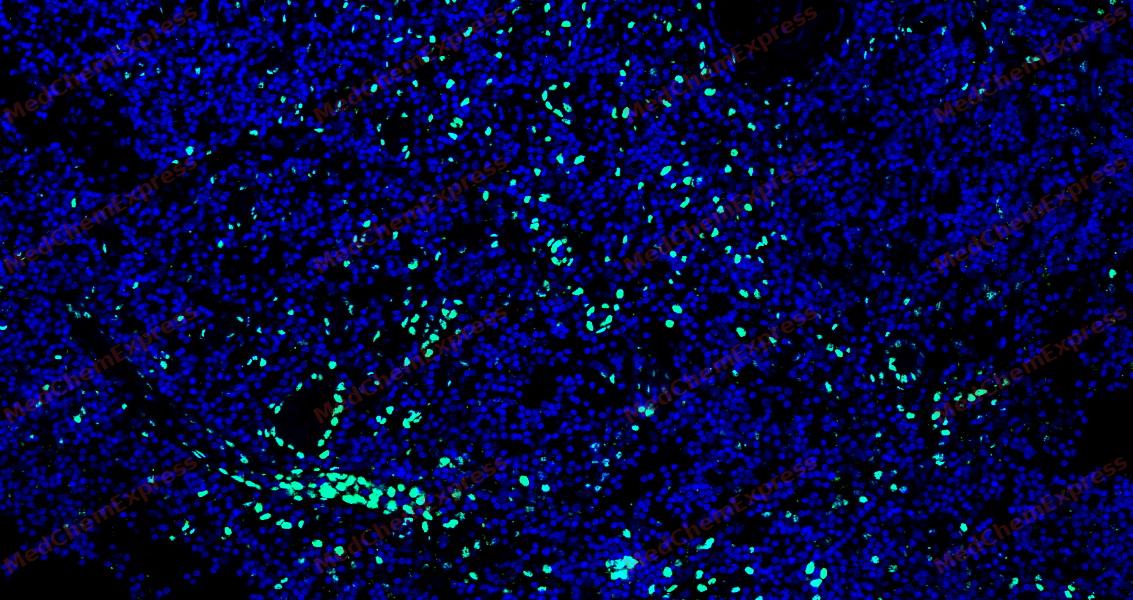 Tyramide signaling amplification based immunofluorescence was performed on paraffin-embedded human Tonsil tissue using Phospho-STAT3 (Tyr705) antibody. Antigen retrieval was performed in EDTA buffer pH 9.0 (95 °C, 20 min) followed by cooling to RT. Then incubated with primary antibody (HY-P80282A, 1:100 dilution) at room temperature for 60 minutes and HRP conjugated secondary antibody for 10 minutes. Fluorescence was then developed with Vari Fluor 532 TSA (200×)(HY-D1832). The tissues were counterstained with DAPI and mounted with Anti-fade mounting medium.
 -
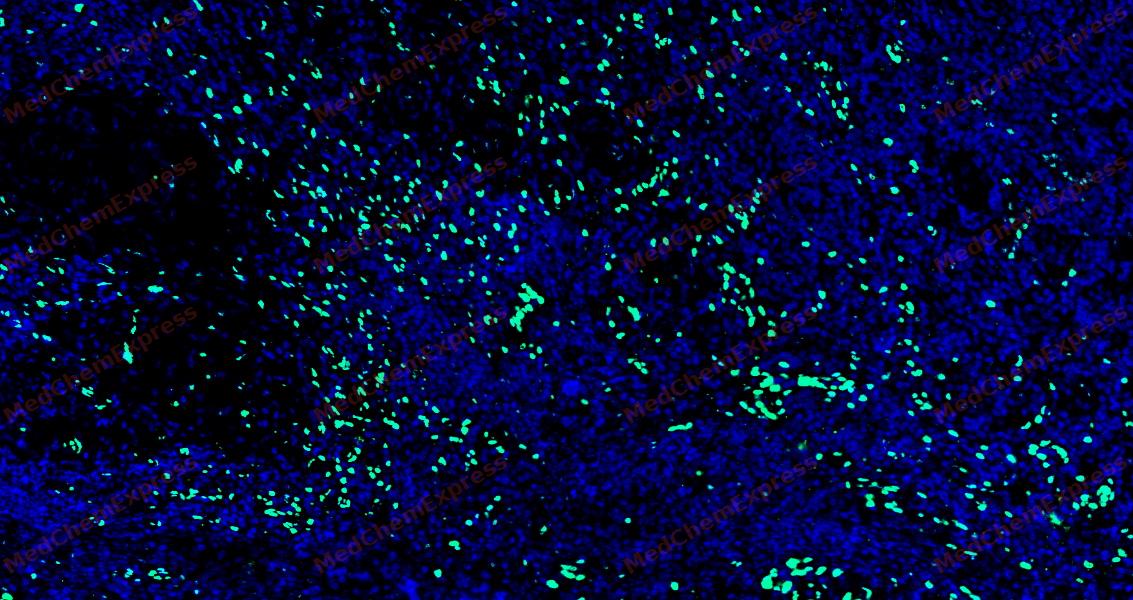 Tyramide signaling amplification based immunofluorescence was performed on paraffin-embedded human Tonsil tissue using Phospho-STAT3 (Tyr705) antibody. Antigen retrieval was performed in EDTA buffer pH 9.0 (95 °C, 20 min) followed by cooling to RT. Then incubated with primary antibody (HY-P80282A, 1:100 dilution) at room temperature for 60 minutes and HRP conjugated secondary antibody for 10 minutes. Fluorescence was then developed with Vari Fluor 532 TSA (200×)(HY-D1832). The tissues were counterstained with DAPI and mounted with Anti-fade mounting medium.


Background
-
Function
STAT3 is a widely expressed STAT family transcription factor that regulates cellular growth, differentiation, survival, immunity, hematopoiesis, and cell migration[1]. Mechanistically, cytokines and growth factors activate JAKs, phosphorylate STAT proteins, promote STAT dimerization, and drive nuclear transcriptional regulation[2]. In inflammatory disease models, STAT3 shows strong tyrosine phosphorylation in human ulcerative colitis, Crohn’s disease, and DSS-induced mouse colitis, where IL-6 deficiency reduces colitis and STAT3 activation[3]. In cancer models, persistent STAT3 activation supports proliferation, survival, invasion, metastasis, immune evasion, and drug resistance, making STAT3 signaling a practical axis for tumor biology research[1][4]. Compared with related isoforms, STAT1 knockout mice mainly show impaired interferon signaling, while STAT3 is emphasized in IL-6-linked inflammation, tumor progression, and Th17-related immune dysfunction[2][5]. For experimental applications, JAK/STAT inhibitors such as AG490 and AZD1480 reduce STAT1/STAT3 activation in renal ischemia-reperfusion and α-synuclein neuroinflammation models[6][7].
-
Subcellular Localization
Cell membrane; Single-pass type I membrane protein; Cell surface
-
Isoforms & Post-Translational Modification
P31785 has 2 isomers: P31785-1: 42287 Da (predicted); P31785-2: 20088 Da (predicted).
-
Subunit
The gamma subunit is common to the IL2, IL4, IL7, IL15, IL21 and probably also the IL13 receptors. Interacts with SHB upon interleukin stimulation. Interacts with IL9 (By similarity)
-
SwissProt ID
-
Synonyms
APRF, STAT3, Signal transducer and activator of transcription 3, Acute-phase response factor


Documentation
-
Data Sheet (262 KB)
-
SDS (251 KB)
- English - EN (251 KB)
- Français - FR (251 KB)
- Deutsch - DE (251 KB)
- Norwegian - NO (251 KB)
- Español - ES (251 KB)
- Swedish - SV (251 KB)
- Italian - IT (251 KB)
- Korean - KR (251 KB)
- Portuguese - PT (251 KB)
-
User Guide for Antibodies (1077 KB)
References
[1]. Liu Y, et al. STAT3 and its targeting inhibitors in osteosarcoma. Cell Prolif. 2021 Feb;54(2):e12974. [Content Brief]
[2]. Heim MH. The Jak-STAT pathway: cytokine signalling from the receptor to the nucleus. J Recept Signal Transduct Res. 1999 Jan-Jul;19(1-4):75-120. doi: 10.3109/10799899909036638. PMID: 10071751. et al. The Jak-STAT pathway: cytokine signalling from the receptor to the nucleus. J Recept Signal Transduct Res. 1999 Jan-Jul;19(1-4):75-120. [Content Brief]
[3]. Suzuki A, et al. CIS3/SOCS3/SSI3 plays a negative regulatory role in STAT3 activation and intestinal inflammation. J Exp Med. 2001 Feb 19;193(4):471-81. [Content Brief]
[4]. Wu CJ, et al. Activation of STAT3 and STAT5 Signaling in Epithelial Ovarian Cancer Progression: Mechanism and Therapeutic Opportunity. Cancers (Basel). 2019 Dec 19;12(1):24. [Content Brief]
[5]. Tolomeo M, et al. The STAT Signaling Pathway in HIV-1 Infection: Roles and Dysregulation. Int J Mol Sci. 2025 Sep 18;26(18):9123. [Content Brief]
[6]. Si Y, et al. Dexmedetomidine protects against renal ischemia and reperfusion injury by inhibiting the JAK/STAT signaling activation. J Transl Med. 2013 Jun 9;11:141. [Content Brief]
[7]. Qin H, et al. Inhibition of the JAK/STAT Pathway Protects Against α-Synuclein-Induced Neuroinflammation and Dopaminergic Neurodegeneration. J Neurosci. 2016 May 4;36(18):5144-59. [Content Brief]

 Powered by Bioz
