



Phospho-mTOR (Ser2448) Antibody (YA171)
(Synonyms: MTOR; FRAP; FRAP1; FRAP2; RAFT1; RAPT1; Serine/threonine-protein kinase mTOR; FK506-binding protein 12-rapamycin complex-associated protein 1; FKBP12-rapamycin complex-associated protein; Mammalian target of rapamycin; mTOR; Mechanistic tar)Based on 2 publication(s) in Google Scholar
Phospho-mTOR (Ser2448) Antibody (YA171) is a Rabbit-derived and non-conjugated IgG monoclonal antibody, targeting to Phospho-mTOR (Ser2448).
-
Host:
Rabbit
-
Isotype:
IgG
-
Application:
WB, IHC-P
-
Reactivity :
Human, Mouse
-
Formulation:
Supplied in 50 mM Tris-Glycine (pH 7.4), 0.15 M NaCl, 40% Glycerol and 0.05% BSA. Preservative: 0.01% Sodium azide
-
Conjugation:
Non-conjugated


To place orders, for customer services and technical support, please contact: MedChemExpress USA
Tel: 609-228-6898 E-mail: [email protected] [email protected]



-

HY-P80231
mTOR Antibody (YA281) -
HY-P80846
Phospho-PI3 Kinase p85/p55 (Tyr467/Tyr199) Antibody -
HY-P80276
Phospho-AKT1(Ser473) Antibody (YA227) -
HY-P80759
mTOR Antibody -
HY-P80535
AKT1+AKT2+AKT3 Antibody (YA635) -
HY-P81211
phospho-PI3 Kinase p110 beta (Ser1070) Antibody -
HY-P80788
Phospho-AKT1 (Ser473) Antibody (YA228) -
HY-P80008
AKT1 Antibody (YA634) -
HY-P80867
PI3 Kinase p85 alpha Antibody (YA689) -
HY-P81162
PI3 Kinase p110 alpha/PIK3CA Antibody (YA3537) -
HY-P80516
PI3 Kinase p85 alpha Antibody (YA134)
Publications Citing Use of MedChemExpress (MCE) Phospho-mTOR (Ser2448) Antibody (YA171)
More
 2 Publications Citing Use of MCE Phospho-mTOR (Ser2448) Antibody (YA171) (1)
-
WB


Applications
| Application |
WB

WB: Western Blot
|
IHC-P
IHC-P: Immunohistochemistry-Paraffin
|
|---|---|---|
| Dilution Ratio | 1:500-1:1000 | 1:50-1:100 |


Product Details
Phospho-mTOR (Ser2448) Antibody (YA171) is a Rabbit-derived and non-conjugated IgG monoclonal antibody, targeting to Phospho-mTOR (Ser2448).
-
Host Rabbit

-
Clonality Recombinant,Monoclonal

-
Species ReactivityHuman, Mouse
-
Observed Molecular WeightObserved band size: 289 kDa
Note: Due to possible protein modifications or aggregation, the molecular weight should be confirmed by actual measurement, and the predicted value is for reference only.

-
Calculated Molecular Weight Predicted band size: 289 kDa

Entrez Gene: 2475 Human ; 56717 Mouse ; 56718 Rat
SwissProt: P42345 Human ; Q9JLN9 Mouse ; P42346 Rat
OMIM: 616638 Human
Synthetic phosphopeptide corresponding to residues surrounding Ser2448 of Human mTOR.The exact sequence is proprietary to MCE.
Endogenous
affinity purified
Non-conjugated
Phosphorylated
IgG


Product Properties
-
Appearance
Solution
-
Formulation
Supplied in 50 mM Tris-Glycine (pH 7.4), 0.15 M NaCl, 40% Glycerol and 0.05% BSA. Preservative: 0.01% Sodium azide
-
Concentration
Batch-dependent, Please check the COA for the concentration of each lot. Check Lot Concentration
-
Storage & Stability
Stored at -20°C for 1 year. Avoid repeated freeze / thaw cycles.
-
Shipping
Shipping with blue ice.


Publications (2)
-
Journal Impact Factor
-
Most Recent
-
Phytomedicine
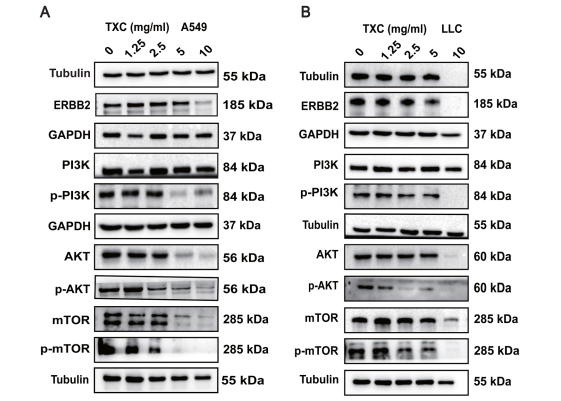
Tougu Xiaotong capsules inhibit lung cancer and gefitinib-resistant cells by blocking ERBB2/PI3K-AKT-mTOR signaling and triggering ferroptosis. [Abstract]2026 Jan:150:157741. PMID: 41477979
Phospho-mTOR (Ser2448) Antibody (YA171) purchased from MedChemExpress. Usage Cited in: Phytomedicine. 2026 Jan:150:157741. [Abstract]
A549 and LLC cells were treated with increasing doses of TXC for 24 h, followed by western blotting for ERBB2, PI3K, phospho-PI3K, AKT, phospho-AKT, mTOR, phospho-Mtor.


Verification Images
-
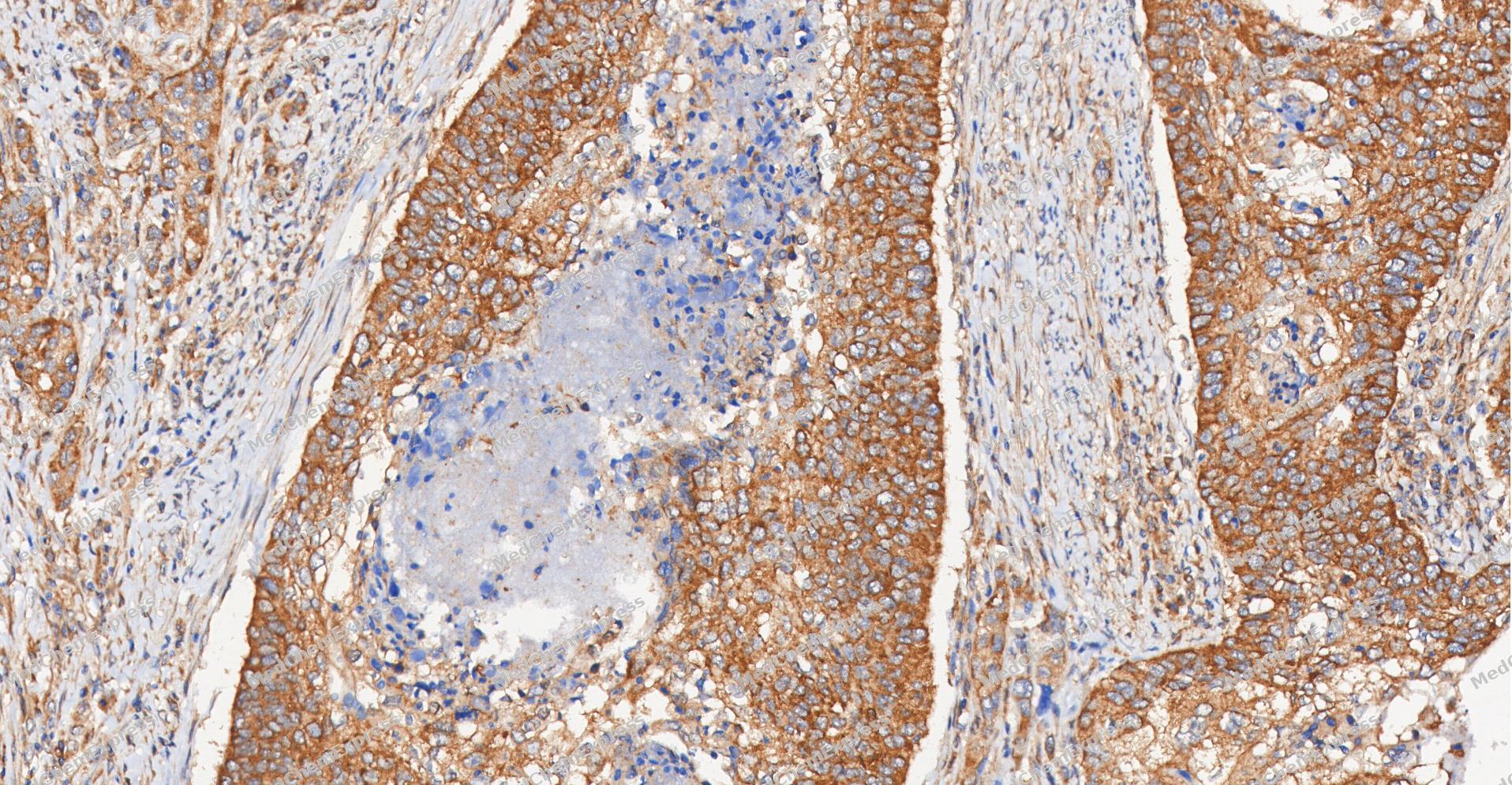 Immunohistochemical analysis of paraffin-embedded human Esophageal Carcinoma tissue using Phospho-mTOR antibody was performed. The section was pretreated using high-temperature and high-pressure mediated EDTA antigen retrieval buffer (pH 9.0), for 5 minutes. The tissues were incubated with primary antibody (HY-P80837, 1:200 dilution) at room temperature for 60 minutes. Detection was performed using an HRP conjugated compact polymer system. DAB was used as the chromogen. The tissues were counterstained with hematoxylin and mounted with neutral balsam mounting medium.
 -
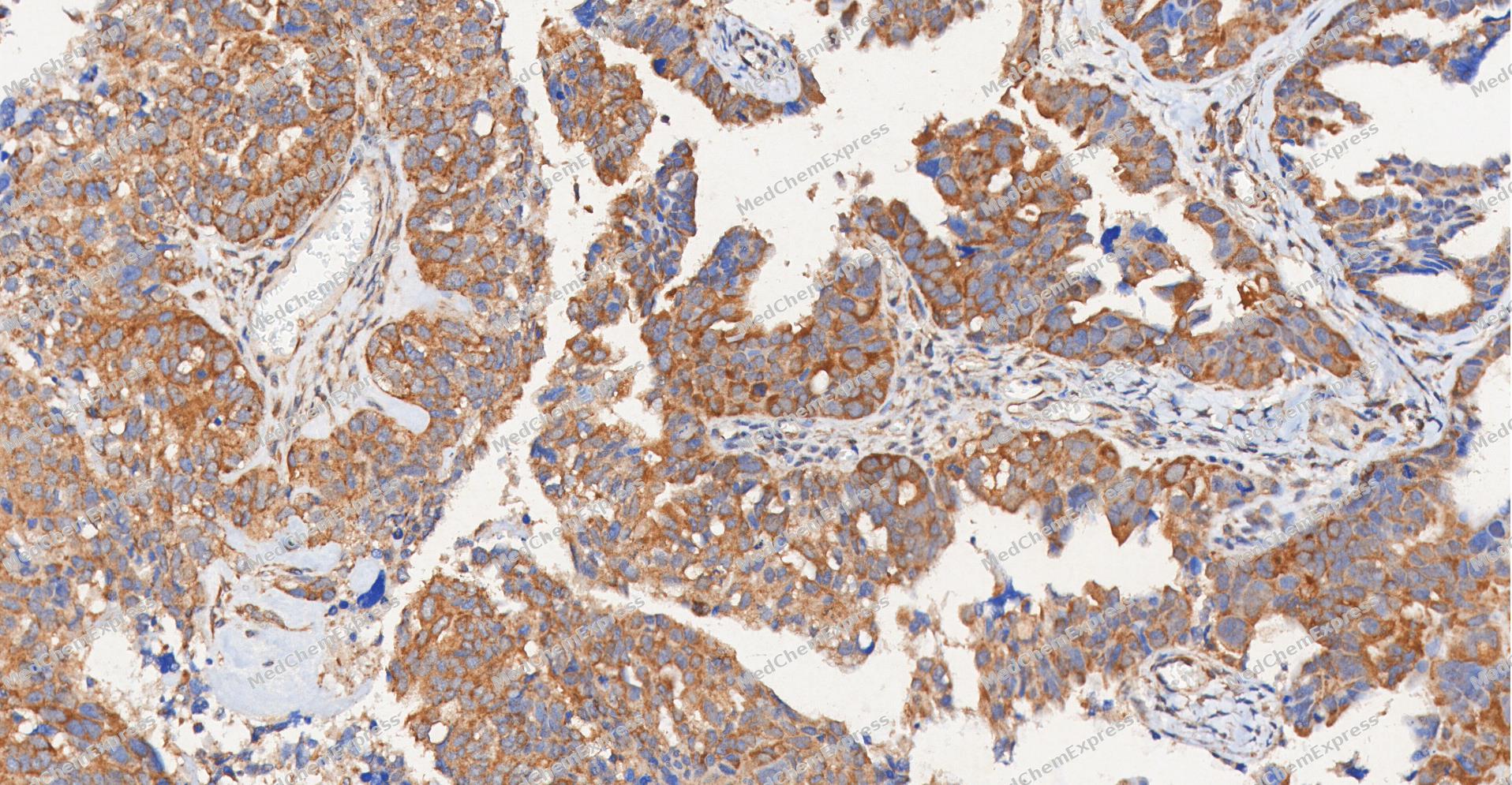 Immunohistochemical analysis of paraffin-embedded human Ovarian Cancer tissue using Phospho-mTOR antibody was performed. The section was pretreated using high-temperature and high-pressure mediated EDTA antigen retrieval buffer (pH 9.0), for 5 minutes. The tissues were incubated with primary antibody (HY-P80837, 1:200 dilution) at room temperature for 60 minutes. Detection was performed using an HRP conjugated compact polymer system. DAB was used as the chromogen. The tissues were counterstained with hematoxylin and mounted with neutral balsam mounting medium.
 -
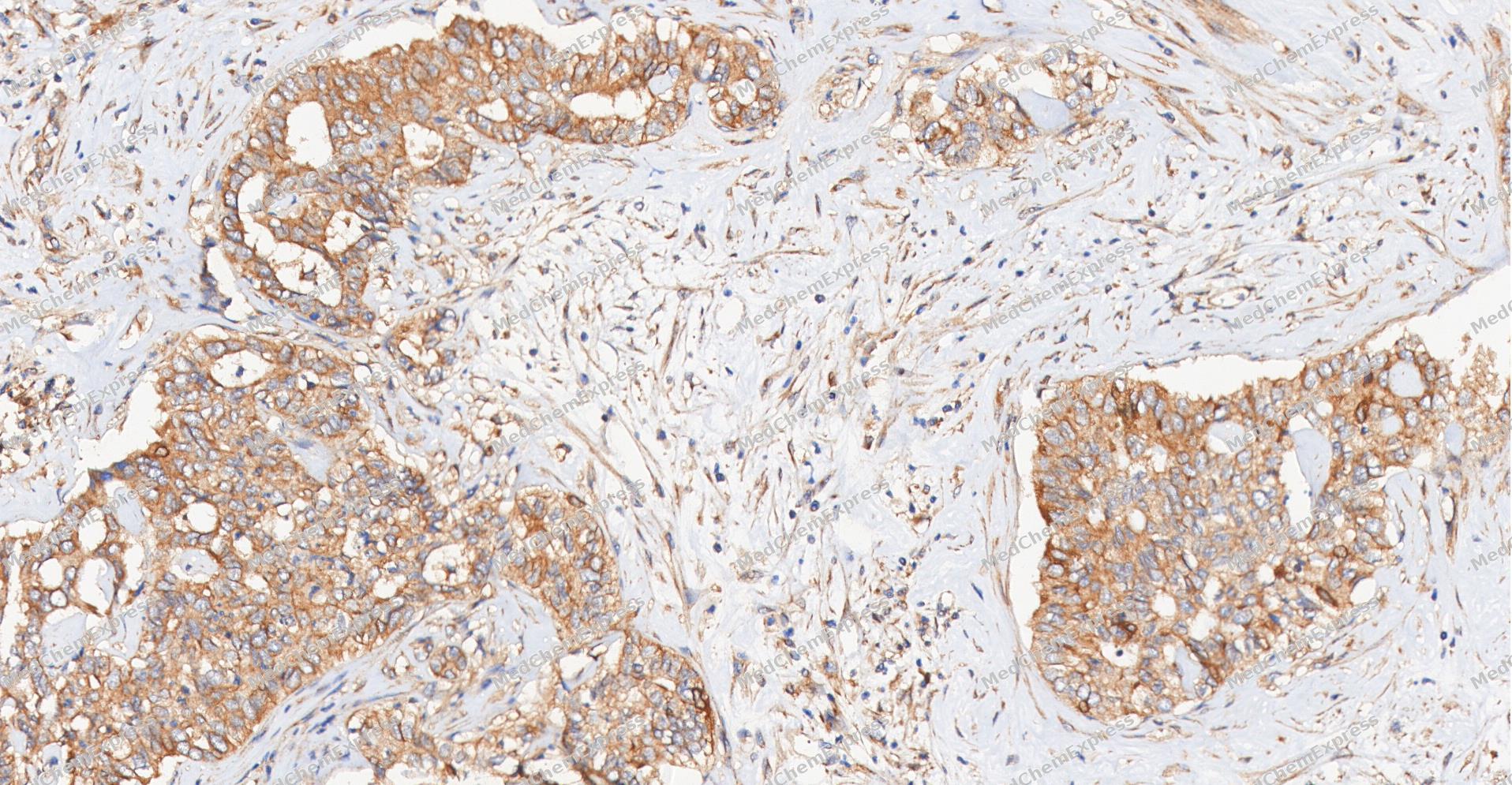 Immunohistochemical analysis of paraffin-embedded human cholangiocarcinoma tissue using Phospho-mTOR antibody was performed. The section was pretreated using high-temperature and high-pressure mediated EDTA antigen retrieval buffer (pH 9.0), for 5 minutes. The tissues were incubated with primary antibody (HY-P80837, 1:200 dilution) at room temperature for 60 minutes. Detection was performed using an HRP conjugated compact polymer system. DAB was used as the chromogen. The tissues were counterstained with hematoxylin and mounted with neutral balsam mounting medium.
 -
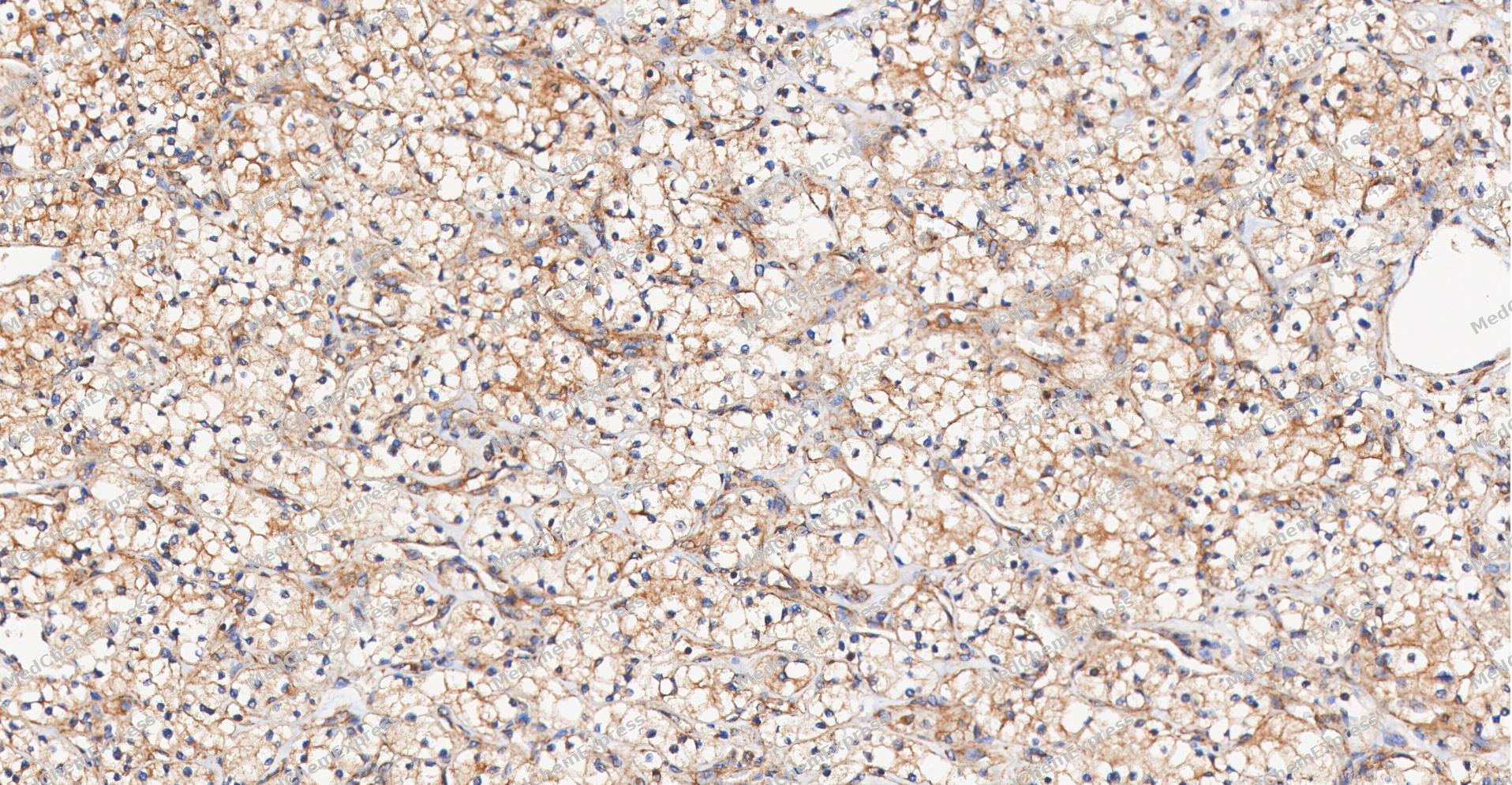 Immunohistochemical analysis of paraffin-embedded human Kidney cancer tissue using Phospho-mTOR antibody was performed. The section was pretreated using high-temperature and high-pressure mediated EDTA antigen retrieval buffer (pH 9.0), for 5 minutes. The tissues were incubated with primary antibody (HY-P80837, 1:200 dilution) at room temperature for 60 minutes. Detection was performed using an HRP conjugated compact polymer system. DAB was used as the chromogen. The tissues were counterstained with hematoxylin and mounted with neutral balsam mounting medium.
 -
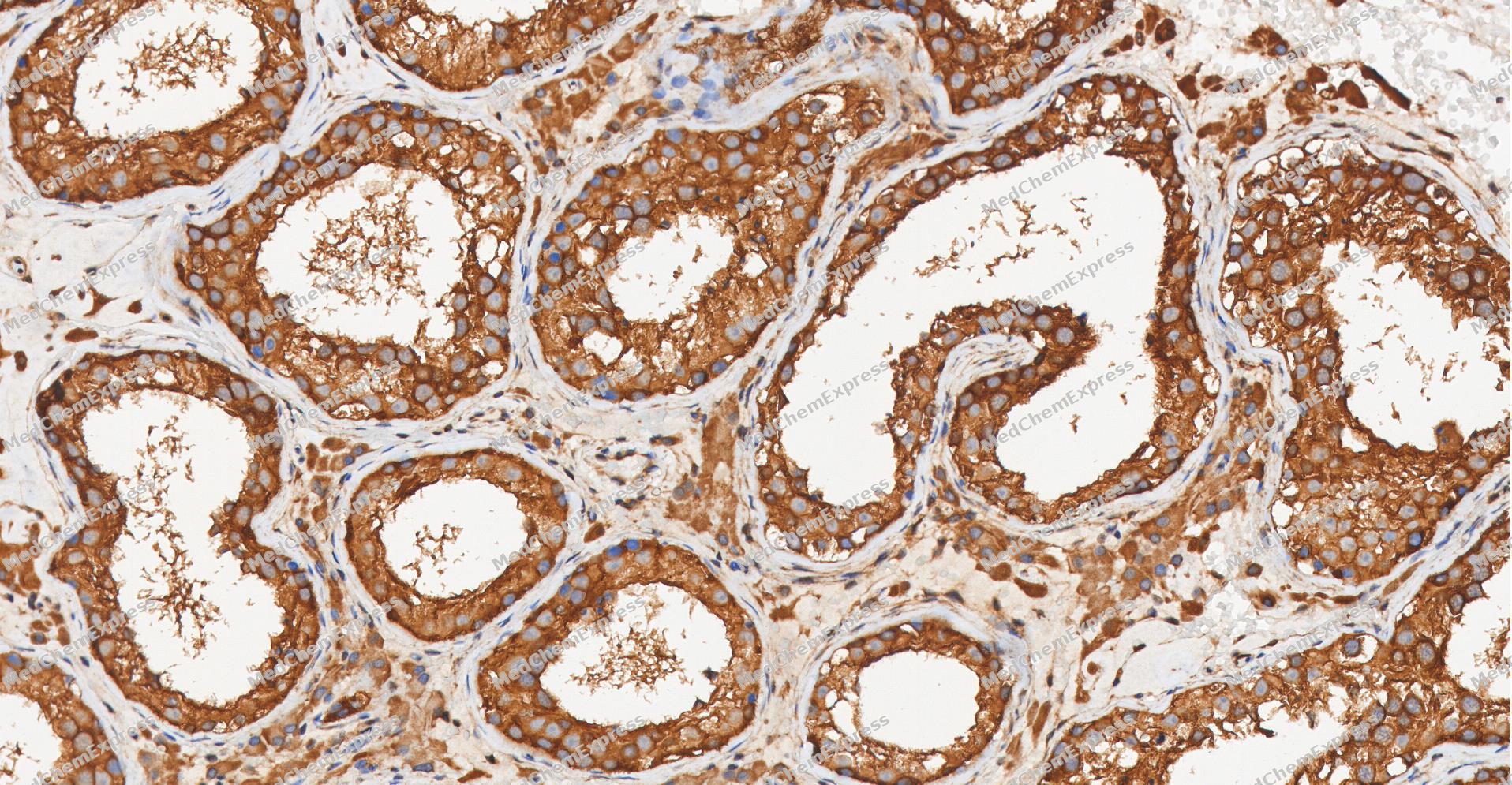 Immunohistochemical analysis of paraffin-embedded human Testis tissue using Phospho-mTOR antibody was performed. The section was pretreated using high-temperature and high-pressure mediated EDTA antigen retrieval buffer (pH 9.0), for 5 minutes. The tissues were incubated with primary antibody (HY-P80837, 1:200 dilution) at room temperature for 60 minutes. Detection was performed using an HRP conjugated compact polymer system. DAB was used as the chromogen. The tissues were counterstained with hematoxylin and mounted with neutral balsam mounting medium.
 -
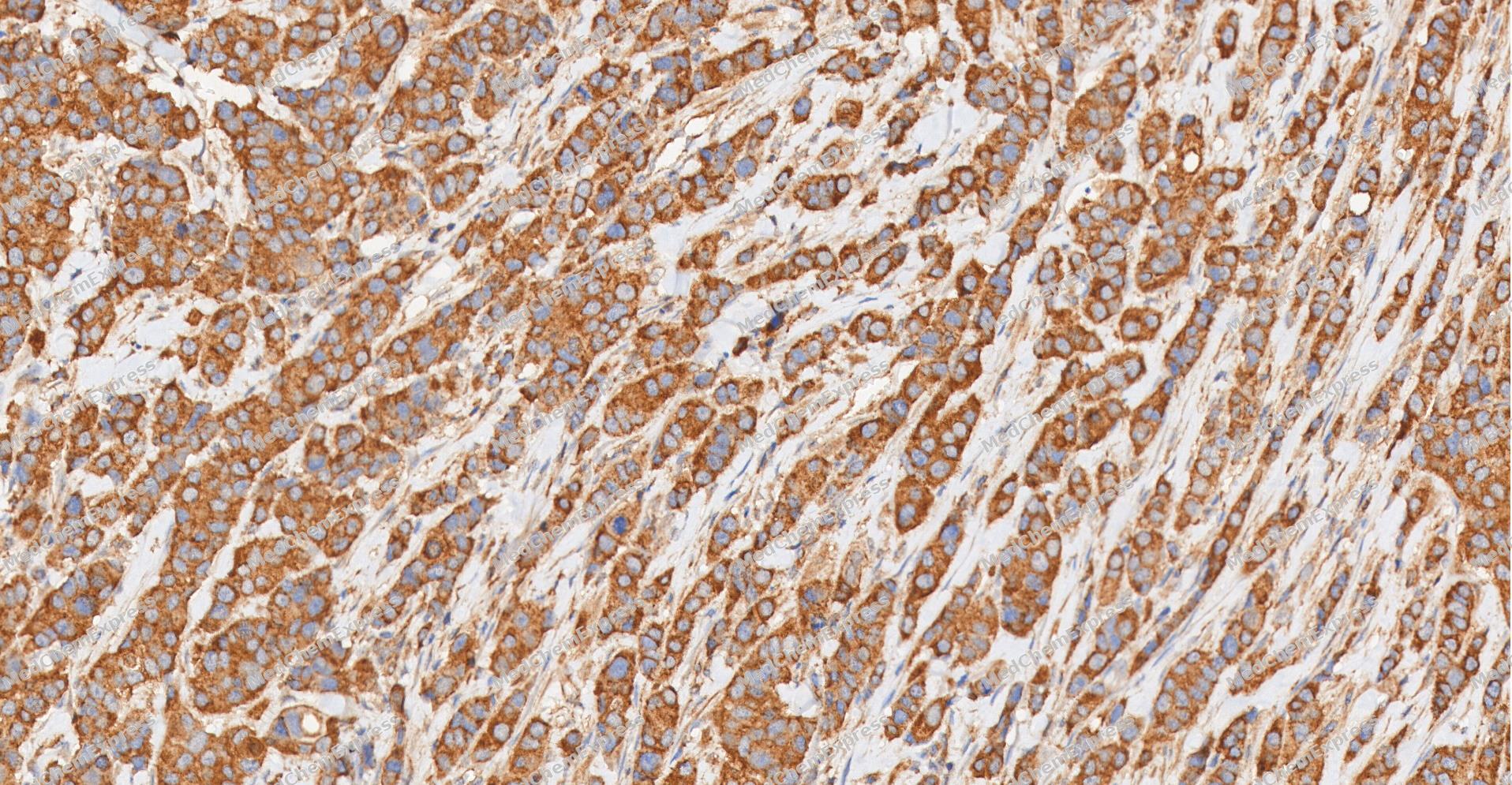 Immunohistochemical analysis of paraffin-embedded human Breast Cancer tissue using Phospho-mTOR antibody was performed. The section was pretreated using high-temperature and high-pressure mediated EDTA antigen retrieval buffer (pH 9.0), for 5 minutes. The tissues were incubated with primary antibody (HY-P80837, 1:200 dilution) at room temperature for 60 minutes. Detection was performed using an HRP conjugated compact polymer system. DAB was used as the chromogen. The tissues were counterstained with hematoxylin and mounted with neutral balsam mounting medium.
 -
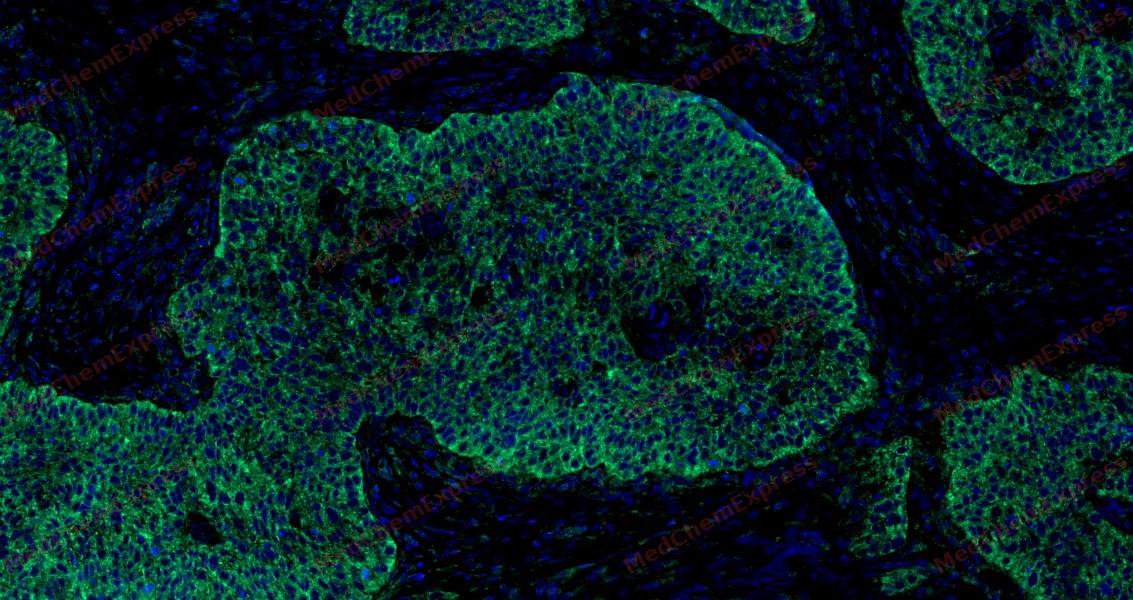 Tyramide signaling amplification based immunofluorescence was performed on paraffin-embedded human Cervical Cancer tissue using Phospho-mTOR (Ser2448) antibody. Antigen retrieval was performed in EDTA buffer pH 9.0 (95 °C, 20 min) followed by cooling to RT. Then incubated with primary antibody (HY-P80837, 1:500 dilution) at room temperature for 60 minutes and HRP conjugated secondary antibody for 10 minutes. Fluorescence was then developed with Vari Fluor 532 TSA (200×)(HY-D1832). The tissues were counterstained with DAPI and mounted with Anti-fade mounting medium.
 -
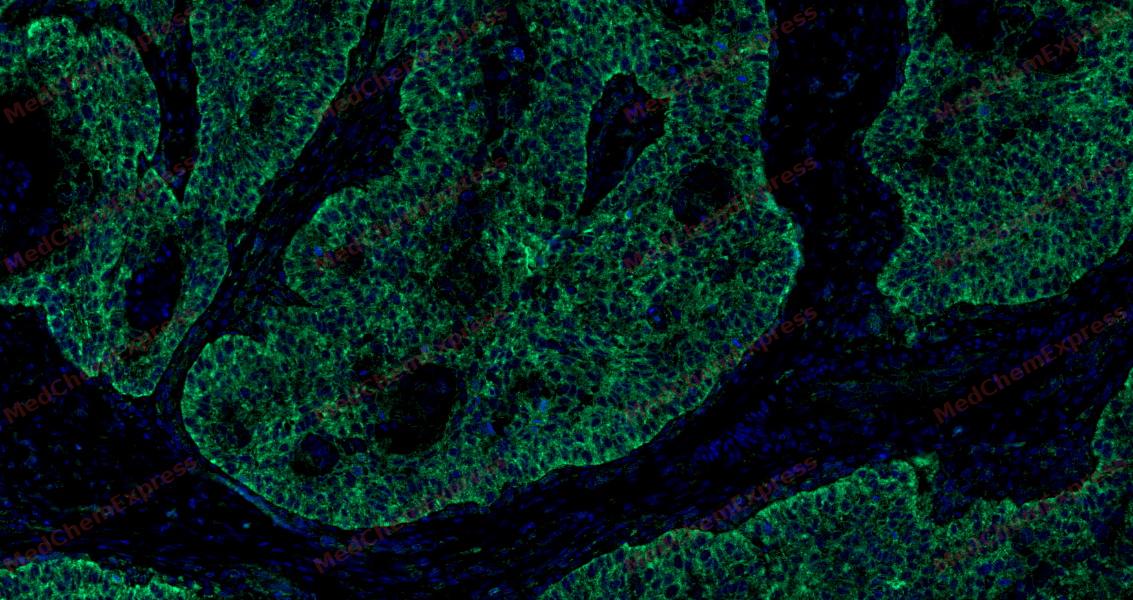 Tyramide signaling amplification based immunofluorescence was performed on paraffin-embedded human Cervical Cancer tissue using Phospho-mTOR (Ser2448) antibody. Antigen retrieval was performed in EDTA buffer pH 9.0 (95 °C, 20 min) followed by cooling to RT. Then incubated with primary antibody (HY-P80837, 1:500 dilution) at room temperature for 60 minutes and HRP conjugated secondary antibody for 10 minutes. Fluorescence was then developed with Vari Fluor 532 TSA (200×)(HY-D1832). The tissues were counterstained with DAPI and mounted with Anti-fade mounting medium.
 -
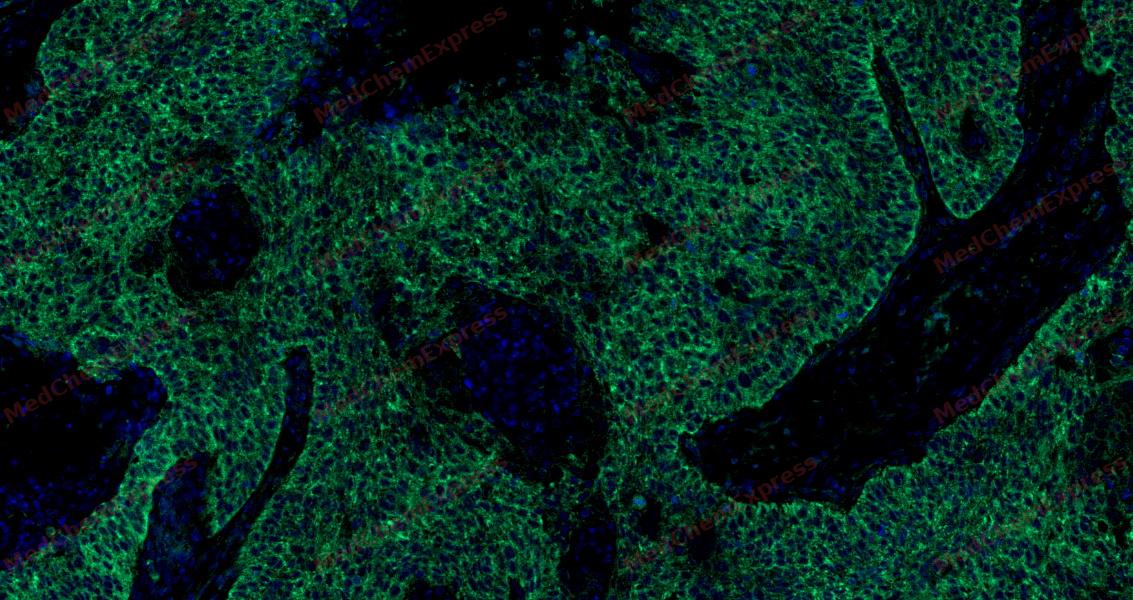 Tyramide signaling amplification based immunofluorescence was performed on paraffin-embedded human Cervical Cancer tissue using Phospho-mTOR (Ser2448) antibody. Antigen retrieval was performed in EDTA buffer pH 9.0 (95 °C, 20 min) followed by cooling to RT. Then incubated with primary antibody (HY-P80837, 1:500 dilution) at room temperature for 60 minutes and HRP conjugated secondary antibody for 10 minutes. Fluorescence was then developed with Vari Fluor 532 TSA (200×)(HY-D1832). The tissues were counterstained with DAPI and mounted with Anti-fade mounting medium.
 -
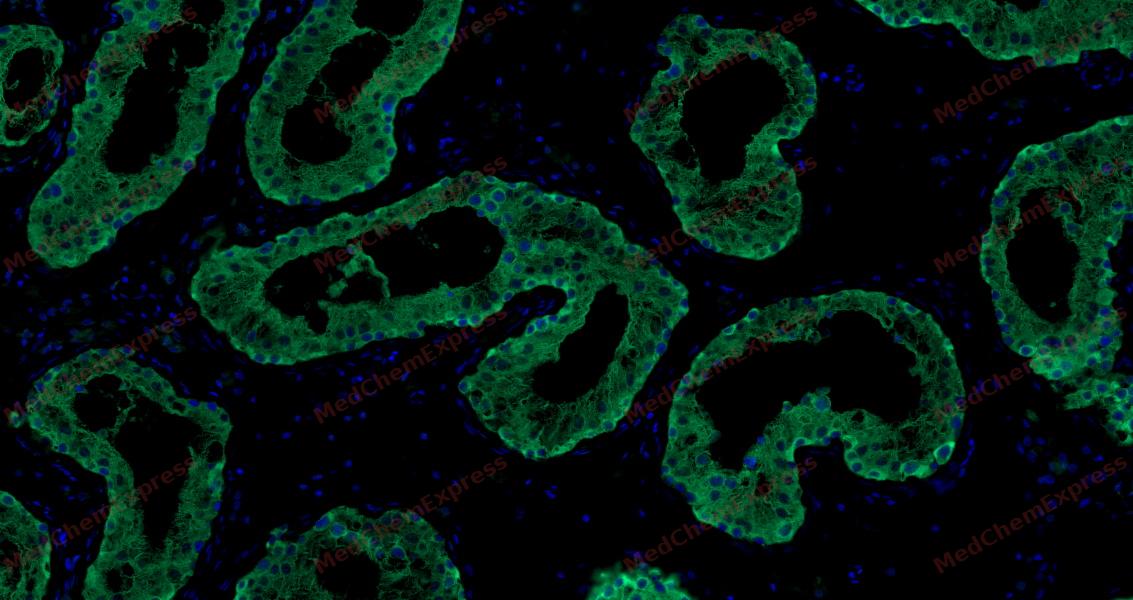 Tyramide signaling amplification based immunofluorescence was performed on paraffin-embedded human Testis tissue using Phospho-mTOR (Ser2448) antibody. Antigen retrieval was performed in EDTA buffer pH 9.0 (95 °C, 20 min) followed by cooling to RT. Then incubated with primary antibody (HY-P80837, 1:500 dilution) at room temperature for 60 minutes and HRP conjugated secondary antibody for 10 minutes. Fluorescence was then developed with Vari Fluor 532 TSA (200×)(HY-D1832). The tissues were counterstained with DAPI and mounted with Anti-fade mounting medium.
 -
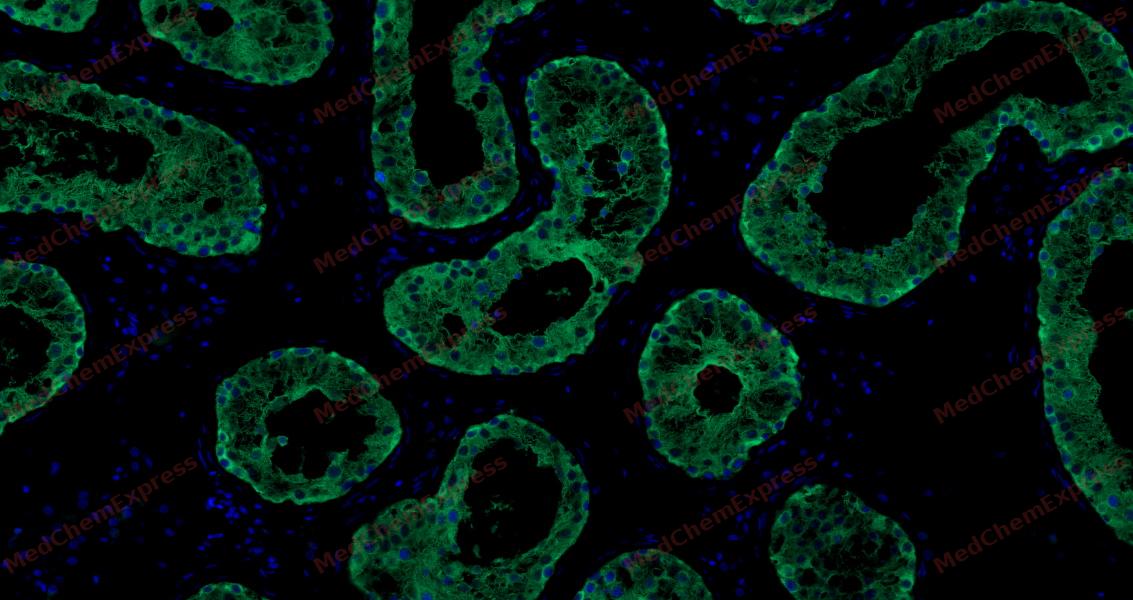 Tyramide signaling amplification based immunofluorescence was performed on paraffin-embedded human Testis tissue using Phospho-mTOR (Ser2448) antibody. Antigen retrieval was performed in EDTA buffer pH 9.0 (95 °C, 20 min) followed by cooling to RT. Then incubated with primary antibody (HY-P80837, 1:500 dilution) at room temperature for 60 minutes and HRP conjugated secondary antibody for 10 minutes. Fluorescence was then developed with Vari Fluor 532 TSA (200×)(HY-D1832). The tissues were counterstained with DAPI and mounted with Anti-fade mounting medium.
 -
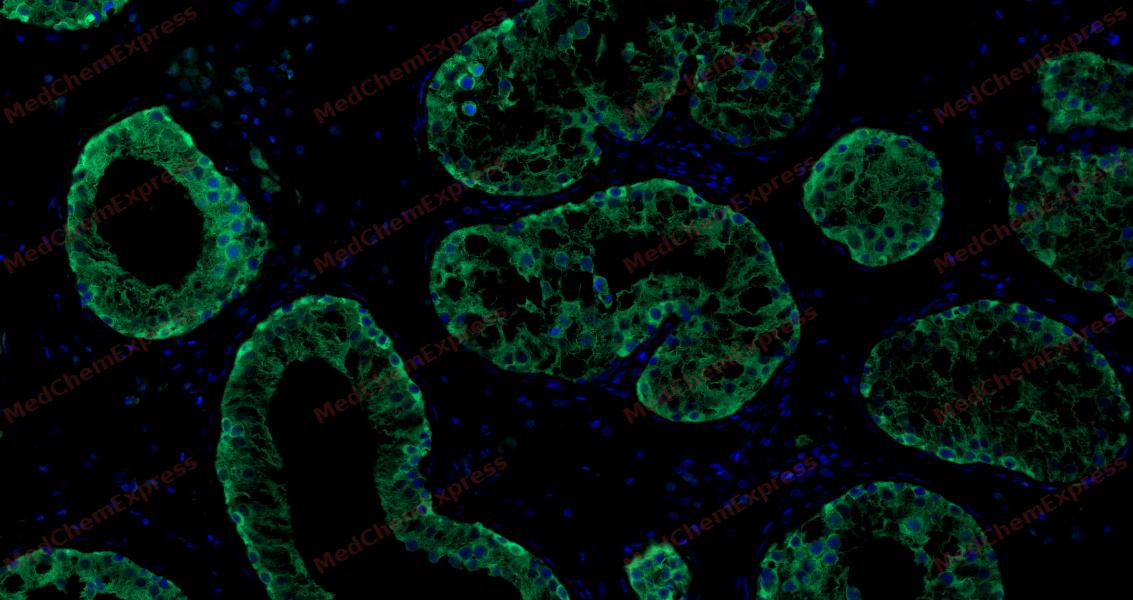 Tyramide signaling amplification based immunofluorescence was performed on paraffin-embedded human Testis tissue using Phospho-mTOR (Ser2448) antibody. Antigen retrieval was performed in EDTA buffer pH 9.0 (95 °C, 20 min) followed by cooling to RT. Then incubated with primary antibody (HY-P80837, 1:500 dilution) at room temperature for 60 minutes and HRP conjugated secondary antibody for 10 minutes. Fluorescence was then developed with Vari Fluor 532 TSA (200×)(HY-D1832). The tissues were counterstained with DAPI and mounted with Anti-fade mounting medium.


Background
-
Function
mTOR (mammalian target of Rapamycin) is a protein that in humans is encoded by the mTOR gene. mTOR is a serine/threonine protein kinase that regulates cell growth, cell proliferation, cell motility, cell survival, protein synthesis, and transcription. mTOR belongs to the phosphatidylinositol 3-kinase-related kinase protein family. mTOR integrates the input from upstream pathways, including growth factors and amino acids. mTOR also senses cellular nutrient, oxygen, and energy levels. The mTOR pathway is dysregulated in human diseases, such as diabetes, obesity, depression, and certain cancers. Rapamycin inhibits mTOR by associating with its intracellular receptor FKBP12. The FKBP12-rapamycin complex binds directly to the FKBP12-Rapamycin Binding (FRB) domain of mTOR, inhibiting its activity.
-
Subcellular Localization
Lysosome membrane; Peripheral membrane protein; Cytoplasmic side; Endoplasmic reticulum membrane; Peripheral membrane protein; Cytoplasmic side; Golgi apparatus membrane; Peripheral membrane protein; Cytoplasmic side; Cell membrane; Peripheral membrane protein; Mitochondrion outer membrane; Peripheral membrane protein; Cytoplasmic side; Cytoplasm; Nucleus; Nucleus, PML body; Microsome membrane; Cytoplasmic vesicle, phagosome
-
Expression
Tissue_specificity:It is expressed in multiple tissues, with the highest concentration in the testes. -
Subunit
Part of the mechanistic target of rapamycin complex 1 (mTORC1) which contains MTOR, MLST8 and RPTOR
-
SwissProt ID
-
Synonyms
MTOR; FRAP; FRAP1; FRAP2; RAFT1; RAPT1; Serine/threonine-protein kinase mTOR; FK506-binding protein 12-rapamycin complex-associated protein 1; FKBP12-rapamycin complex-associated protein; Mammalian target of rapamycin; mTOR; Mechanistic tar
-
Research Field
Cell Biology
Documentation
-
Data Sheet (262 KB)
-
SDS (252 KB)
- English - EN (252 KB)
- Français - FR (252 KB)
- Deutsch - DE (252 KB)
- Norwegian - NO (252 KB)
- Español - ES (252 KB)
- Swedish - SV (252 KB)
- Italian - IT (252 KB)
- Korean - KR (252 KB)
- Portuguese - PT (252 KB)
-
User Guide for Antibodies (1077 KB)
References
[1]. Laplante M, et al. mTOR signaling in growth control and disease. Cell. 2012 Apr 13;149(2):274-93. [Content Brief]
[2]. Panwar V, et al. Multifaceted role of mTOR (mammalian target of rapamycin) signaling pathway in human health and disease. Signal Transduct Target Ther. 2023 Oct 2;8(1):375. [Content Brief]
[3]. Yong J, et al. Regulation of transcriptome plasticity by mTOR signaling pathway. Exp Mol Med. 2025 Aug;57(8):1623-1630. [Content Brief]
[4]. Ballesteros-Álvarez J, et al. mTORC2: The other mTOR in autophagy regulation. Aging Cell. 2021 Aug;20(8):e13431. [Content Brief]
[5]. Patel CH, et al. More TOR: The expanding role of mTOR in regulating immune responses. Immunity. 2025 Jul 8;58(7):1629-1645. [Content Brief]
[6]. Dai DF, et al. The mTOR signaling pathway in cardiac aging. J Cardiovasc Aging. 2023;3(3):24. [Content Brief]
[7]. Wang F, et al. Crosstalks between mTORC1 and mTORC2 variagate cytokine signaling to control NK maturation and effector function. Nat Commun. 2018 Nov 19;9(1):4874. [Content Brief]
[8]. Schaub T, et al. mTORC1 and mTORC2 Differentially Regulate Cell Fate Programs to Coordinate Osteoblastic Differentiation in Mesenchymal Stromal Cells. Sci Rep. 2019 Dec 27;9(1):20071. [Content Brief]
[9]. Mao B, et al. Overview of Research into mTOR Inhibitors. Molecules. 2022 Aug 19;27(16):5295. [Content Brief]

 Powered by Bioz
