



DNA PKcs Antibody (YA959)
(Synonyms: PRKDC; HYRC; HYRC1; DNA-dependent protein kinase catalytic subunit; DNA-PK catalytic subunit; DNA-PKcs; DNPK1; p460)
Based on 1 Customer Validation
DNA PKcs Antibody (YA959) is a Rabbit-derived and non-conjugated IgG monoclonal antibody, targeting to DNA PKcs.
-
Host:
Rabbit
-
Isotype:
IgG
-
Application:
WB, IHC-P, ICC/IF
-
Reactivity :
Human, Mouse, Rat
-
Formulation:
Supplied in Rabbit IgG in 10mM phosphate buffered saline , pH 7.4, 150mM sodium chloride, 0.05% BSA, 0.02% sodium azide and 50% glycerol.
-
Conjugation:
Non-conjugated


To place orders, for customer services and technical support, please contact: MedChemExpress USA
Tel: 609-228-6898 E-mail: [email protected] [email protected]





Applications
| Application |
WB

WB: Western Blot
|
IHC-P
IHC-P: Immunohistochemistry-Paraffin
|
ICC/IF
ICC/IF: Immunocytochemistry/
Immunofluorescence |
|---|---|---|---|
| Dilution Ratio | 1:500-1:1000 | 1:50-1:100 | 1:50-1:200 |


Product Details
DNA PKcs Antibody (YA959) is a Rabbit-derived and non-conjugated IgG monoclonal antibody, targeting to DNA PKcs.
-
Host Rabbit

-
Clonality Recombinant,Monoclonal

-
Species ReactivityHuman, Mouse, Rat
-
Observed Molecular WeightObserved band size: 469 kDa
Note: Due to possible protein modifications or aggregation, the molecular weight should be confirmed by actual measurement, and the predicted value is for reference only.

-
Calculated Molecular Weight Predicted band size: 469 kDa

Entrez Gene: 5591 Human ; 19090 Mouse ; 360748 Rat
SwissProt: P78527 Human ; P97313 Mouse ;
OMIM: 615966 Human
A synthesized peptide derived from human DNA-PKcs aa4050-4128.
Endogenous
Affinity Chromatography
Non-conjugated
Unmodified
IgG


Product Properties
-
Appearance
Liquid
-
Formulation
Supplied in Rabbit IgG in 10mM phosphate buffered saline , pH 7.4, 150mM sodium chloride, 0.05% BSA, 0.02% sodium azide and 50% glycerol.
-
Concentration
Batch-dependent, Please check the COA for the concentration of each lot. Check Lot Concentration
-
Storage & Stability
Stored at -20°C for 1 year. Avoid repeated freeze / thaw cycles.
-
Shipping
Shipping with blue ice.


Verification Images
-
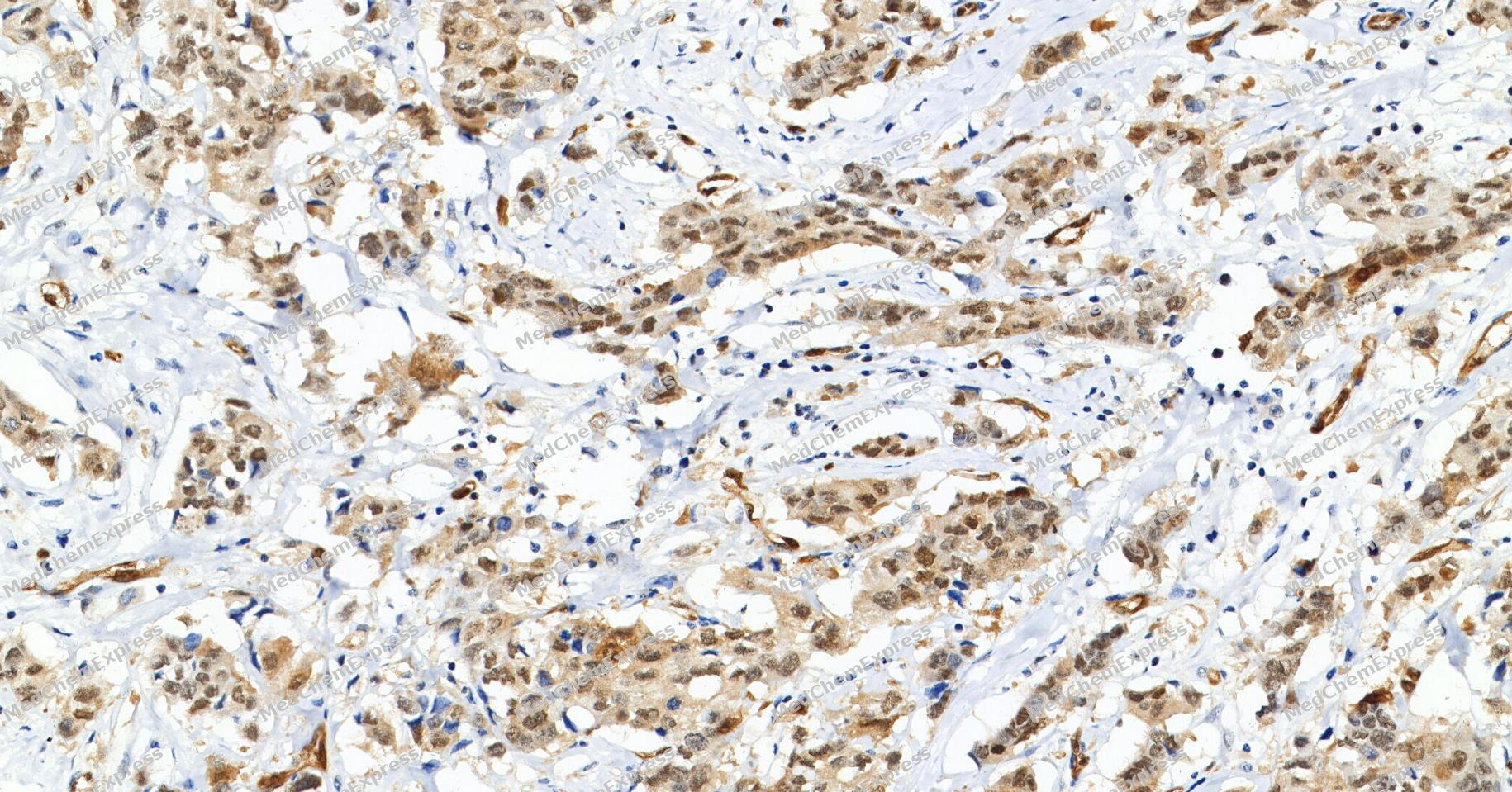 Immunohistochemical analysis of paraffin-embedded human breast cancer tissue using DNA PKcs Antibody (YA959). The section was pre-treated using heat mediated antigen retrieval with Tris/EDTA buffer (pH 9.0) for 20 minutes. The tissues were probed with the primary antibody (HY-P81270B, 1/100) overnight at 4℃. The detection was performed using an HRP conjugated compact polymer system. DAB was used as the chromogen. Tissues were counterstained with hematoxylin and mounted with neutral balsam.
 -
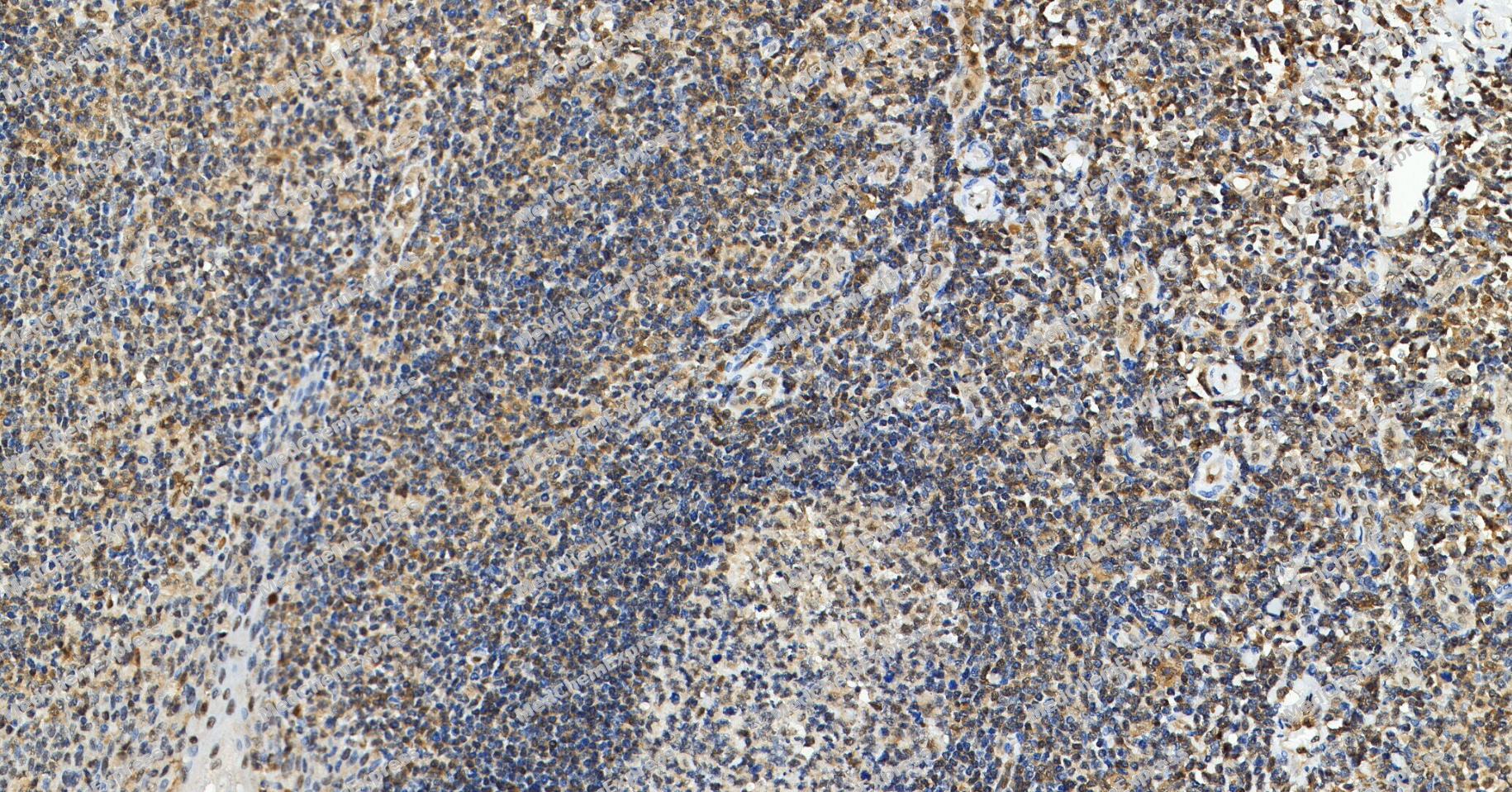 Immunohistochemical analysis of paraffin-embedded human tonsil tissue using DNA PKcs Antibody (YA959). The section was pre-treated using heat mediated antigen retrieval with Tris/EDTA buffer (pH 9.0) for 20 minutes. The tissues were probed with the primary antibody (HY-P81270B, 1/100) overnight at 4℃. The detection was performed using an HRP conjugated compact polymer system. DAB was used as the chromogen. Tissues were counterstained with hematoxylin and mounted with neutral balsam.
 -
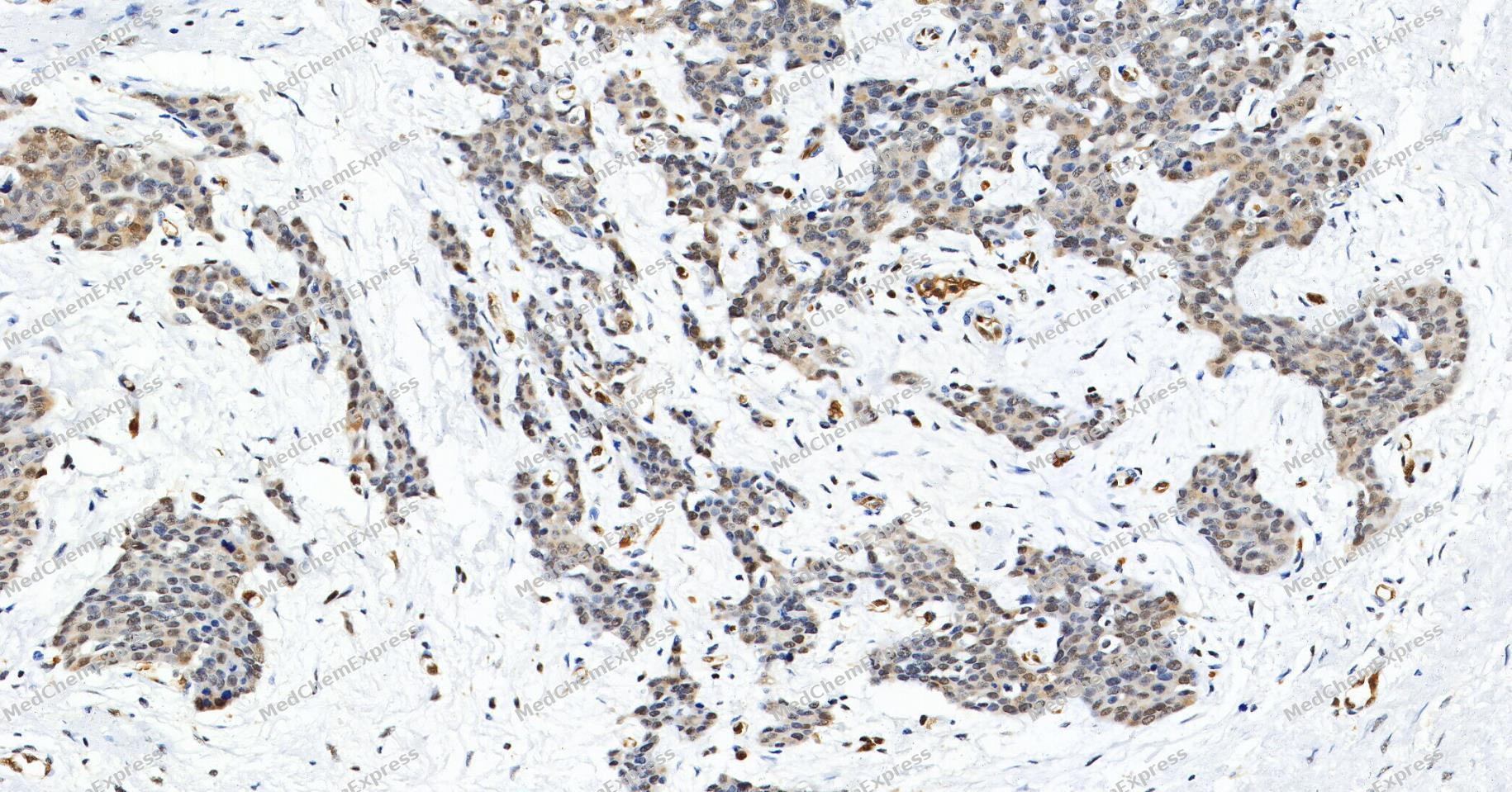 Immunohistochemical analysis of paraffin-embedded human esophageal cancer tissue using DNA PKcs Antibody (YA959). The section was pre-treated using heat mediated antigen retrieval with Tris/EDTA buffer (pH 9.0) for 20 minutes. The tissues were probed with the primary antibody (HY-P81270B, 1/100) overnight at 4℃. The detection was performed using an HRP conjugated compact polymer system. DAB was used as the chromogen. Tissues were counterstained with hematoxylin and mounted with neutral balsam.
 -
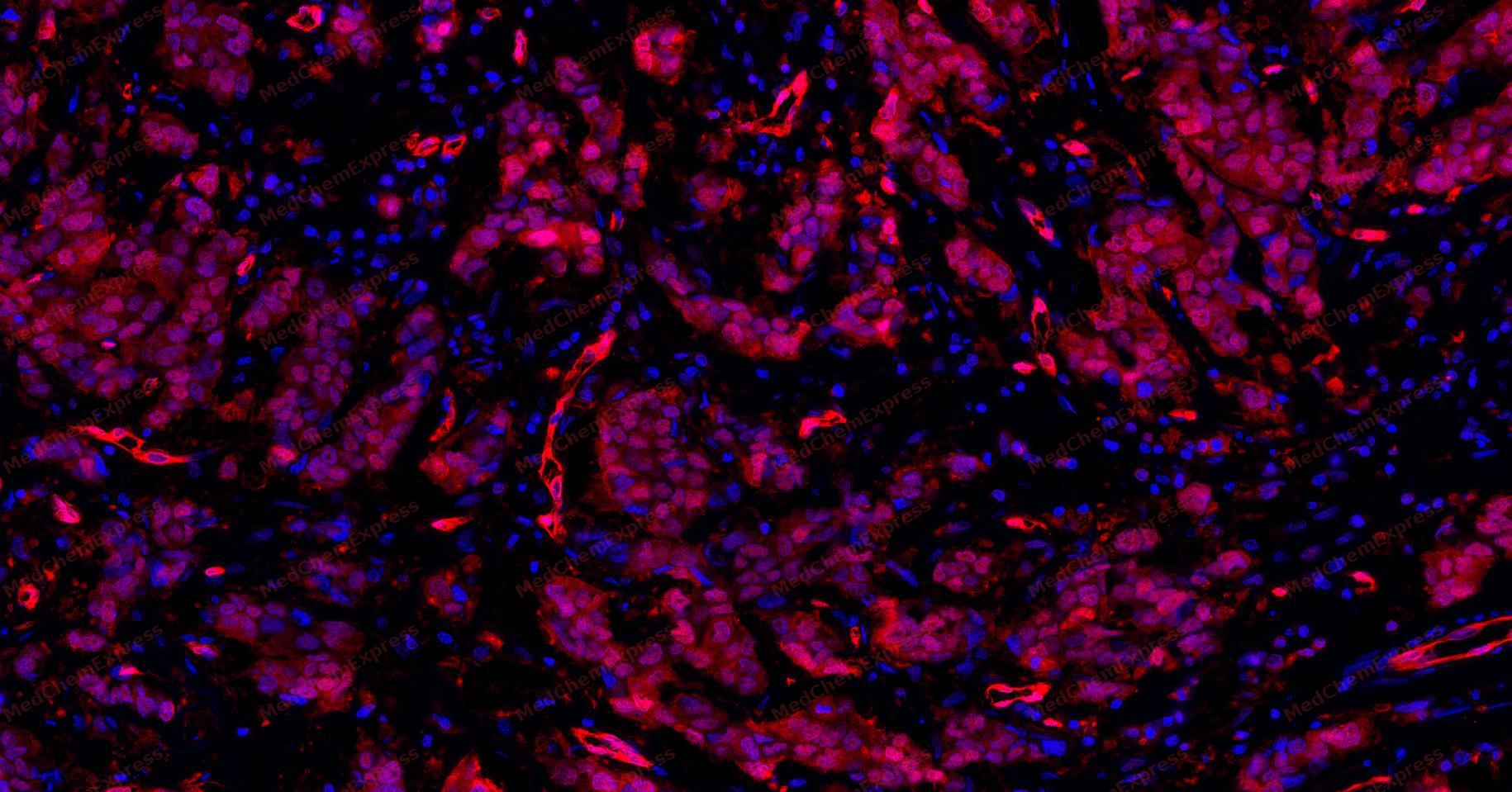 Tyramide signaling amplification based immunofluorescence analysis of paraffin-embedded human breast cancer tissue using DNA PKcs Antibody (YA959) antibody. The section was pre-treated using heat mediated antigen retrieval with Tris/EDTA buffer (pH 9.0) for 20 minutes. The tissues were probed with the primary antibody (HY-P81270B, 1/500) overnight at 4℃. The detection was performed using an HRP conjugated compact polymer and fluorescent tyramide signal amplification system.Immunostaining was performed with Vari Fluor 594 TSA (200×)(HY-D1835). Tissues were counterstained with DAPI (blue) and mounted with Anti-fade fluorescence mounting medium.
 -
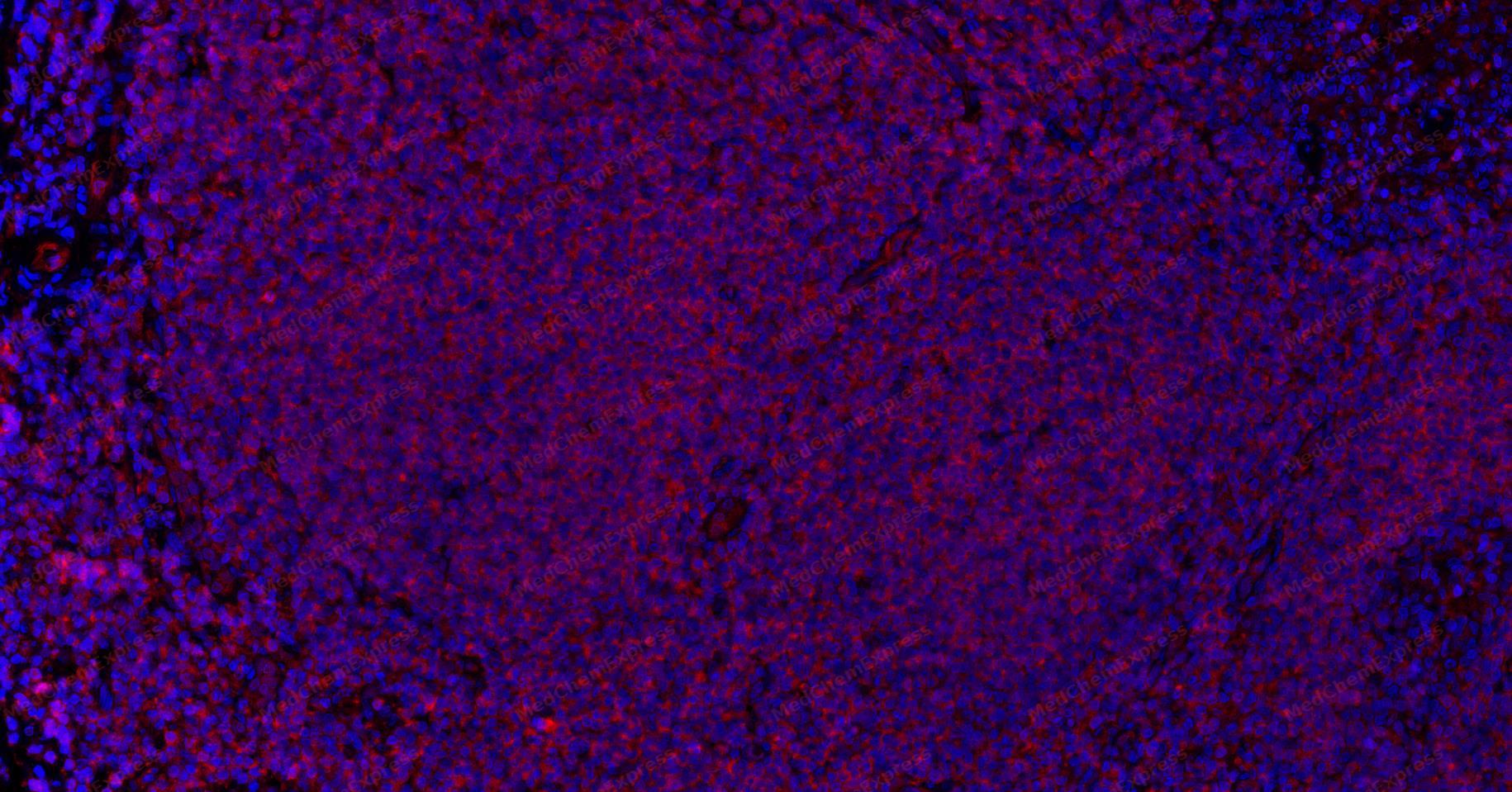 Tyramide signaling amplification based immunofluorescence analysis of paraffin-embedded human tonsil tissue using DNA PKcs Antibody (YA959) antibody. The section was pre-treated using heat mediated antigen retrieval with Tris/EDTA buffer (pH 9.0) for 20 minutes. The tissues were probed with the primary antibody (HY-P81270B, 1/500) overnight at 4℃. The detection was performed using an HRP conjugated compact polymer and fluorescent tyramide signal amplification system.Immunostaining was performed with Vari Fluor 594 TSA (200×)(HY-D1835). Tissues were counterstained with DAPI (blue) and mounted with Anti-fade fluorescence mounting medium.
 -
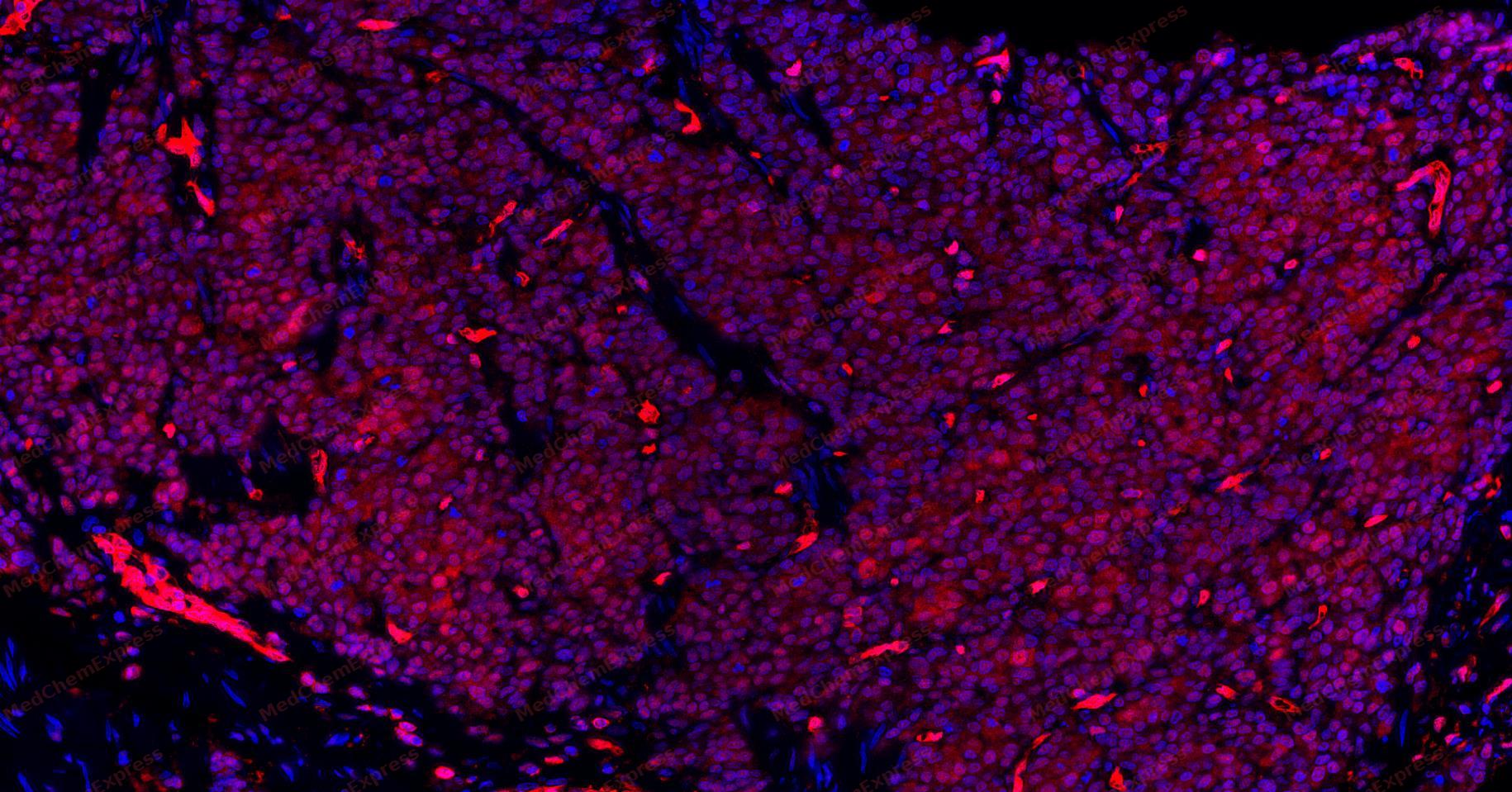 Tyramide signaling amplification based immunofluorescence analysis of paraffin-embedded human esophageal cancer tissue using DNA PKcs Antibody (YA959) antibody. The section was pre-treated using heat mediated antigen retrieval with Tris/EDTA buffer (pH 9.0) for 20 minutes. The tissues were probed with the primary antibody (HY-P81270B, 1/500) overnight at 4℃. The detection was performed using an HRP conjugated compact polymer and fluorescent tyramide signal amplification system.Immunostaining was performed with Vari Fluor 594 TSA (200×)(HY-D1835). Tissues were counterstained with DAPI (blue) and mounted with Anti-fade fluorescence mounting medium.
 -
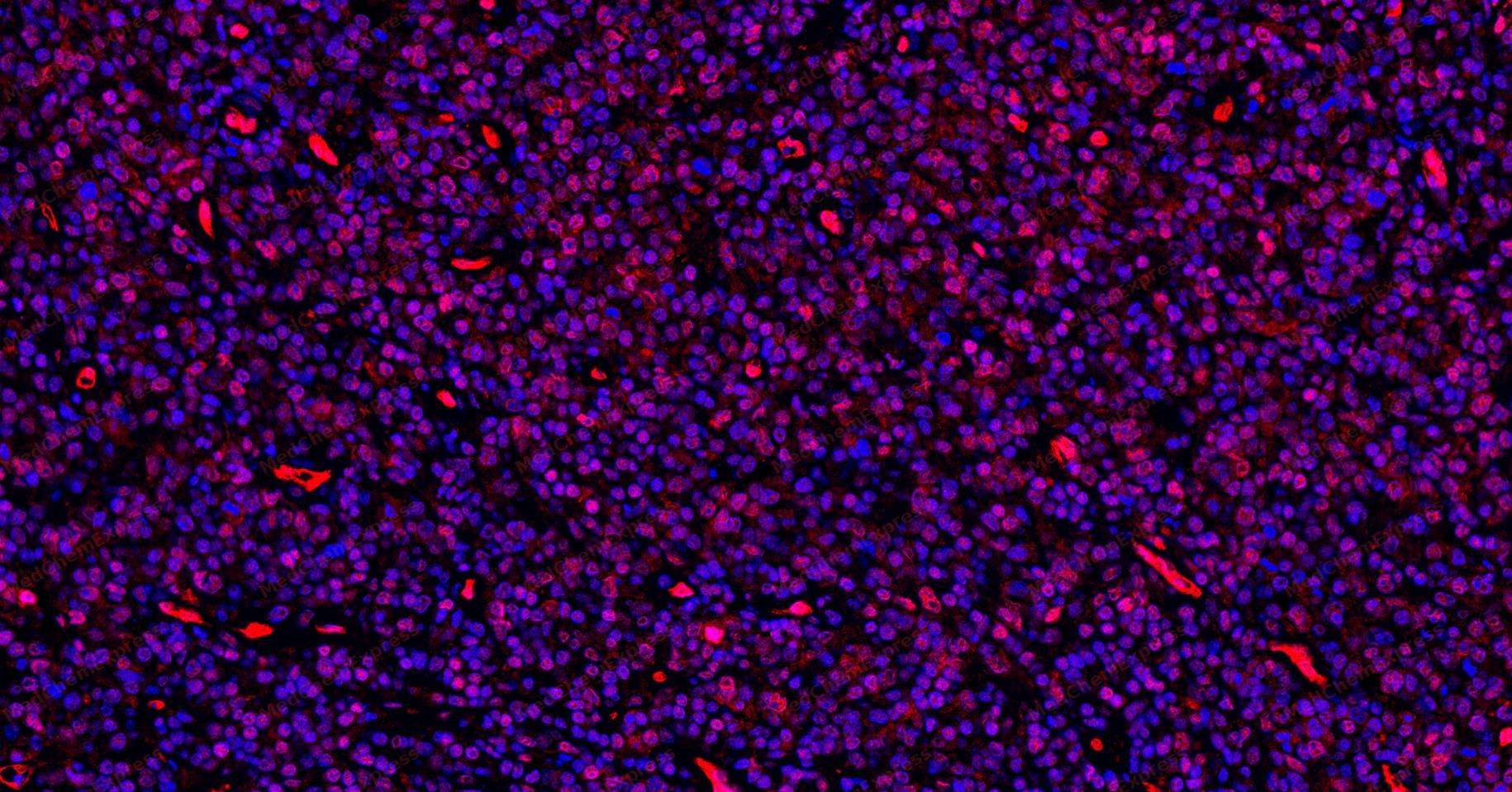 Tyramide signaling amplification based immunofluorescence analysis of paraffin-embedded human lymphoma tissue using DNA PKcs Antibody (YA959). The section was pre-treated using heat mediated antigen retrieval with Tris/EDTA buffer (pH 9.0) for 20 minutes. The tissues were probed with the primary antibody (HY-P81270, 1/500) overnight at 4℃. The detection was performed using an HRP conjugated compact polymer and fluorescent tyramide signal amplification system.Immunostaining was performed using a Bicolor signal amplification fluorescence staining kit. Tissues were counterstained with DAPI (blue) and mounted with Anti-fade fluorescence mounting medium.
 -
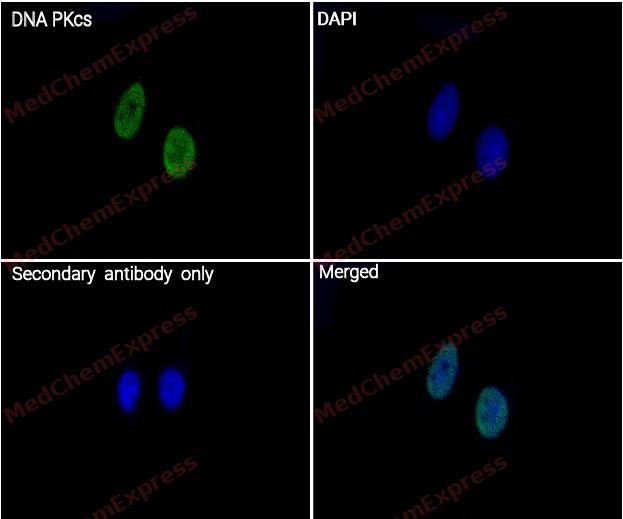 Immunocytochemistry analysis of Hela cells labelingDNA PKcs with DNA PKcs Antibody (HY-P81270B) at 1/100 dilution . Cells were fixed in 4% paraformaldehyde for 15 minutes at room temperature, permeabilized with 0.1% Triton X-100 in PBS for 15 minutes at room temperature, then blocked with quick block buffer for 10 minutes at room temperature. Cells were then incubated withDNA PKcs Antibody (HY-P81270B) at 1/100 dilution in quick block buffer overnight at 4 ℃. AF488-conjugated Goat Anti-Rabbit IgG H&L(HY-P8002, Green) was used as the secondary antibody at 1/1,000 dilution. PBS instead of the primary antibody was used as the secondary antibody only control. The Nuclear counterstain was DAPI (Blue).
 -
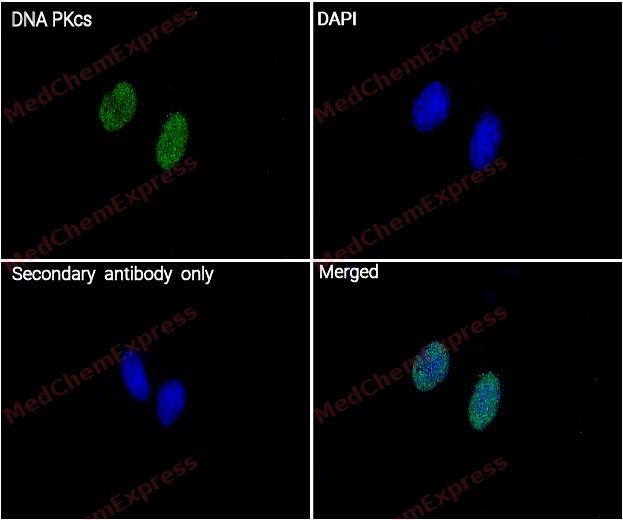 Immunocytochemistry analysis of SH-SY5Y cells labelingDNA PKcs with DNA PKcs Antibody (HY-P81270B) at 1/100 dilution . Cells were fixed in 4% paraformaldehyde for 15 minutes at room temperature, permeabilized with 0.1% Triton X-100 in PBS for 15 minutes at room temperature, then blocked with quick block buffer for 10 minutes at room temperature. Cells were then incubated withDNA PKcs Antibody (HY-P81270B) at 1/100 dilution in quick block buffer overnight at 4 ℃. AF488-conjugated Goat Anti-Rabbit IgG H&L(HY-P8002, Green) was used as the secondary antibody at 1/1,000 dilution. PBS instead of the primary antibody was used as the secondary antibody only control. The Nuclear counterstain was DAPI (Blue).


Background
-
Function
DNA PKcs is a Serine/threonine-protein kinase that acts as a molecular sensor for DNA damage. Involved in DNA non-homologous end joining (NHEJ) required for double-strand break (DSB) repair and V(D)J recombination. Must be bound to DNA to express its catalytic properties. Promotes processing of hairpin DNA structures in V(D)J recombination by activation of the hairpin endonuclease artemis (DCLRE1C). Recruited by XRCC5 and XRCC6 to DNA ends and is required to (1) protect and align broken ends of DNA, thereby preventing their degradation, (2) and sequester the DSB for repair by NHEJ. Acts as a scaffold protein to aid the localization of DNA repair proteins to the site of damage. The assembly of the DNA-PK complex at DNA ends is also required for the NHEJ ligation step. Found at the ends of chromosomes, suggesting a further role in the maintenance of telomeric stability and the prevention of chromosomal end fusion. Also involved in modulation of transcription. As part of the DNA-PK complex, involved in the early steps of ribosome assembly by promoting the processing of precursor rRNA into mature 18S rRNA in the small-subunit processome. Binding to U3 small nucleolar RNA, recruits PRKDC and XRCC5/Ku86 to the small-subunit processome. Recognizes the substrate consensus sequence [ST]-Q. Phosphorylates 'Ser-139' of histone variant H2AX, thereby regulating DNA damage response mechanism. Phosphorylates ASF1A, DCLRE1C, c-Abl/ABL1, histone H1, HSPCA, c-jun/JUN, p53/TP53, PARP1, POU2F1, DHX9, FH, SRF, NHEJ1/XLF, XRCC1, XRCC4, XRCC5, XRCC6, WRN, MYC and RFA2. Can phosphorylate C1D not only in the presence of linear DNA but also in the presence of supercoiled DNA. Ability to phosphorylate p53/TP53 in the presence of supercoiled DNA is dependent on C1D. Acts as a regulator of the phosphatidylinositol 3-kinase/protein kinase B signal transduction by mediating phosphorylation of 'Ser-473' of protein kinase B (PKB/AKT1, PKB/AKT2, PKB/AKT3), promoting their activation. Contributes to the determination of the circadian period length by antagonizing phosphorylation of CRY1 'Ser-588' and increasing CRY1 protein stability, most likely through an indirect mechanism. Plays a role in the regulation of DNA virus-mediated innate immune response by assembling into the HDP-RNP complex, a complex that serves as a platform for IRF3 phosphorylation and subsequent innate immune response activation through the cGAS-STING pathway. Also regulates the cGAS-STING pathway by catalyzing phosphorylation of CGAS, thereby impairing CGAS oligomerization and activation. Also regulates the cGAS-STING pathway by mediating phosphorylation of PARP1[1][2][3][4][5][6][7][8][9][10][11][12][13][14][15][16][17][18][19][20][21][22][23][24][25][26][27][28][29][30][31][32][33][34][35][36].
-
Subcellular Localization
Nucleus; Nucleus, nucleolus; Cytoplasm, cytosol
-
Isoforms & Post-Translational Modification
P78527 has 2 isomers: P78527-1: 469089 Da (predicted); P78527-2: 465501 Da (predicted).
Autophosphorylated at two clusters, the T2609 cluster and the S2056 cluster (PubMed:33854234). Autophosphorylated on Ser-2056, Thr-2609, Thr-2638 and Thr-2647 (PubMed:12186630, PubMed:12231622, PubMed:14734805, PubMed:33854234). Ser-2056 and Thr-2609 are DNA damage-inducible phosphorylation sites (inducible with ionizing radiation, IR) dephosphorylated by PPP5C (PubMed:12186630, PubMed:12231622, PubMed:14734805). Autophosphorylation induces a conformational change that leads to remodeling of the DNA-PK complex, requisite for efficient end processing and DNA repair (PubMed:12186630, PubMed:12231622, PubMed:14734805). Autophosphorylation in trans within DNA-PK complexes loaded on DNA ends leads to the dissociation of PRKDC from DNA and the transition into the short-range NHEJ complex (PubMed:33854234). Autophosphorylation of the T2609 cluster is required for hematopoietic development and protein synthesis in erythrocytes precursors (By similarity);S-nitrosylated by GAPDH;Polyubiquitinated by RNF144A, leading to proteasomal degradation -
Subunit
DNA-PK is a heterotrimer of PRKDC and the Ku dimer (composed of XRCC6/Ku70 and XRCC5/Ku86) (PubMed:15758953, PubMed:25670504). Formation of this complex may be promoted by interaction with ILF3 (PubMed:9442054). Component of the core long-range non-homologous end joining (NHEJ) complex (also named DNA-PK complex) composed of PRKDC, LIG4, XRCC4, XRCC6/Ku70, XRCC5/Ku86 and NHEJ1/XLF (PubMed:15758953, PubMed:25670504, PubMed:33854234, PubMed:34352203). Additional component of the NHEJ complex includes PAXX (PubMed:25574025, PubMed:25941166). Following autophosphorylation, PRKDC dissociates from DNA (PubMed:33854234). Interacts with DNA-PKcs-interacting protein (KIP) with the region upstream the kinase domain (PubMed:9372844). PRKDC alone also interacts with and phosphorylates DCLRE1C, thereby activating the latent endonuclease activity of this protein (PubMed:11955432, PubMed:14744996, PubMed:15071507, PubMed:15456891, PubMed:15574326, PubMed:15811628, PubMed:15936993). Interacts with C1D (PubMed:9679063). Interacts with TTI1 and TELO2 (PubMed:20427287, PubMed:20801936, PubMed:20810650). Interacts with CIB1 (PubMed:9372844). Interacts with SETX (PubMed:23149945). Interacts with NR4A3; the DNA-dependent protein kinase complex DNA-PK phosphorylates and activates NR4A3 and prevents NR4A3 ubiquitination and degradation (PubMed:25852083). Interacts with BRAT1 (PubMed:22977523). Part of the HDP-RNP complex composed of at least HEXIM1, PRKDC, XRCC5, XRCC6, paraspeckle proteins (SFPQ, NONO, PSPC1, RBM14, and MATR3) and NEAT1 RNA (PubMed:28712728). Interacts with KAT5 (PubMed:32832608)
-
SwissProt ID
-
Synonyms
PRKDC; HYRC; HYRC1; DNA-dependent protein kinase catalytic subunit; DNA-PK catalytic subunit; DNA-PKcs; DNPK1; p460
-
Research Field
Epigenetics and Nuclear Signaling


Documentation
-
Data Sheet (234 KB)
-
SDS (252 KB)
- English - EN (252 KB)
- Français - FR (252 KB)
- Deutsch - DE (252 KB)
- Norwegian - NO (252 KB)
- Español - ES (252 KB)
- Swedish - SV (252 KB)
- Italian - IT (252 KB)
- Korean - KR (252 KB)
- Portuguese - PT (252 KB)
-
User Guide for Antibodies (1077 KB)

 Powered by Bioz
