



Smad1 Antibody (YA077)
(Synonyms: BSP1, MADH1, MADR1, SMAD1, Mothers against decapentaplegic homolog 1, MAD homolog 1, Mothers against DPP homolog 1, JV4-1, Mad-related protein 1, SMAD family member 1, Transforming growth factor-beta-signaling protein 1, SMAD 1, Smad1, hSMAD1, BSP-1)
Based on 1 Customer Validation
Smad1 Antibody (YA077) is a Rabbit-derived and non-conjugated IgG monoclonal antibody, targeting to Smad1.
-
Host:
Rabbit
-
Isotype:
IgG
-
Application:
WB, ICC/IF, IHC-P
-
Reactivity :
Human, Mouse
-
Formulation:
Supplied in 1*TBS (pH7.4), 0.05% BSA and 40% Glycerol. Preservative: 0.05% Sodium Azide.
-
Conjugation:
Non-conjugated


To place orders, for customer services and technical support, please contact: MedChemExpress USA
Tel: 609-228-6898 E-mail: [email protected] [email protected]





Applications
| Application |
WB

WB: Western Blot
|
ICC/IF
ICC/IF: Immunocytochemistry/
Immunofluorescence |
IHC-P
IHC-P: Immunohistochemistry-Paraffin
|
|---|---|---|---|
| Dilution Ratio | 1:500 | 1:100-1:500 | 1:50-1:200 |


Product Details
Smad1 Antibody (YA077) is a Rabbit-derived and non-conjugated IgG monoclonal antibody, targeting to Smad1.
-
Host Rabbit

-
Clonality Recombinant,Monoclonal

-
Species ReactivityHuman, Mouse
-
Observed Molecular WeightObserved band size: 65 kDa
Note: Due to possible protein modifications or aggregation, the molecular weight should be confirmed by actual measurement, and the predicted value is for reference only.

-
Calculated Molecular Weight Predicted band size: 52 kDa

Entrez Gene: 4086 Human ; 17125 Mouse ; 25671 Rat
SwissProt: Q15797 Human ; P70340 Mouse ; P97588 Rat
OMIM: 601595 Human
Synthetic peptide corresponding to Human Smad1.AA range:150-200.
Endogenous
Protein A affinity purified.
Non-conjugated
Unmodified
IgG


Product Properties
-
Appearance
Solution
-
Formulation
Supplied in 1*TBS (pH7.4), 0.05% BSA and 40% Glycerol. Preservative: 0.05% Sodium Azide.
-
Concentration
Batch-dependent, Please check the COA for the concentration of each lot. Check Lot Concentration
-
Storage & Stability
Stored at -20°C for 1 year. Avoid repeated freeze / thaw cycles.
-
Shipping
Shipping with blue ice.


Verification Images
-
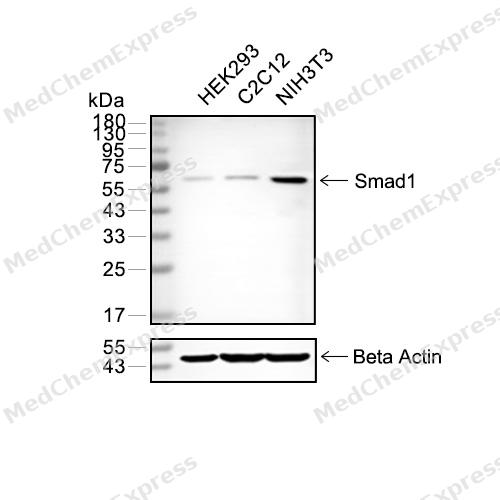 Western blot analysis of extracts from HEK293(lane 2(20μg), C2C12(lane 3(20μg) and NIH3T3(lane 4(20μg) using Smad1(HY-P80323) Rabbit mAb. Proteins were transferred to a PVDF membrane and blocked with 5% non-fat milk in TBST for 2 hour at room temperature. The primary antibody (1/1000) and Loading control antibody (Beta Actin, HY-P80438, 1/10000) was used in 5% non-fat milk in TBST at 4°C overnight. Goat Anti-Mouse IgG-HRP Secondary Antibody (1/10000) was used for 1 hour at room temperature.
 -
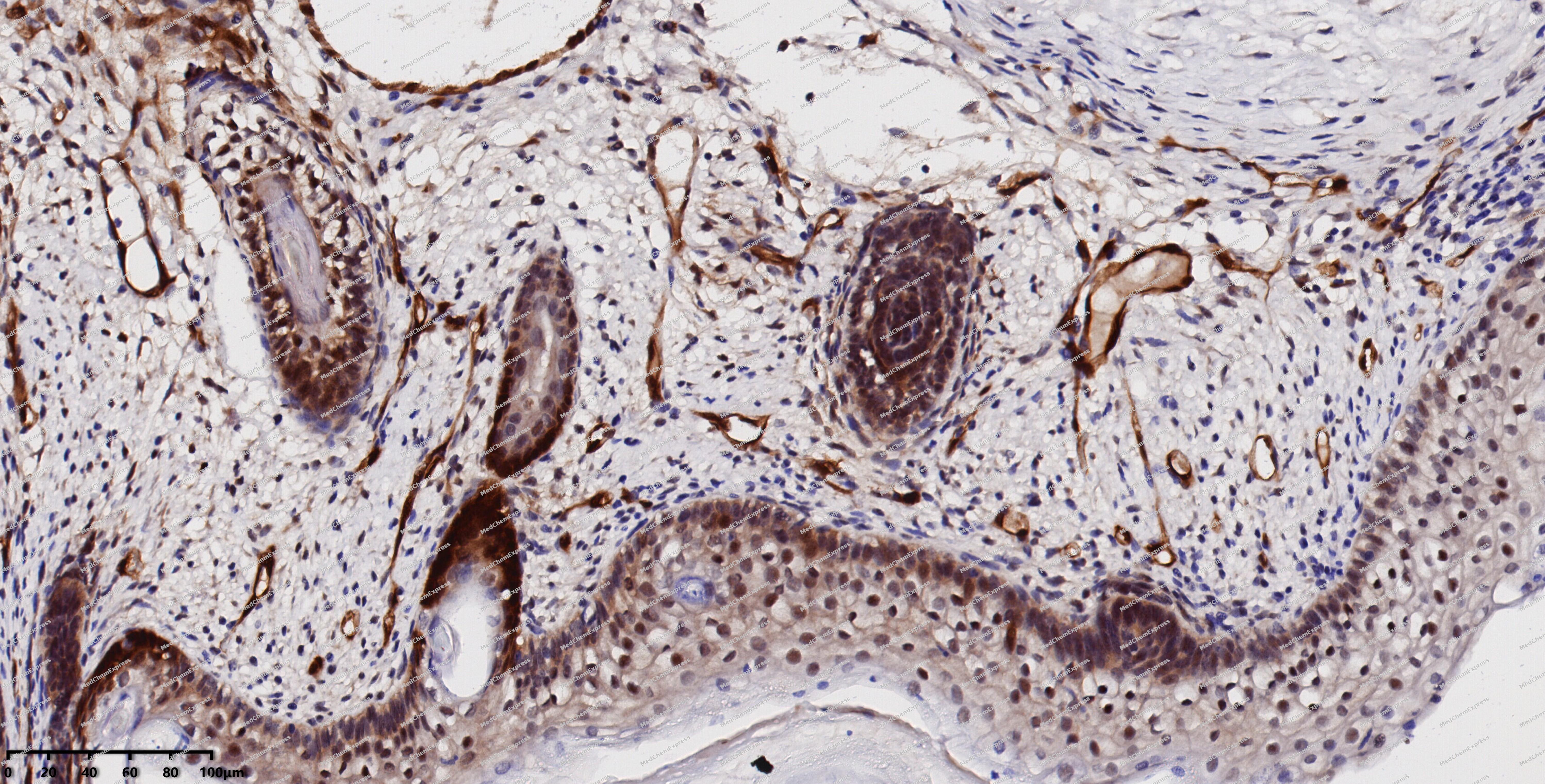 Immunohistochemical analysis of paraffin-embedded human ovarian cancer using Smad1 antibody. The section was pre-treated using heat mediated antigen retrieval with EDTA (pH 9.0) for 14 minutes. The tissues were blocked in 5% BSA for 30 minutes at room temperature, washed with TBST, and then probed with the primary antibody (HY-P80323, 1/200) for 30 minutes at room temperature. The detection was performed using Polymer HRP-conjugated Goat Anti-Mouse/Rabbit lgG(H&L) secondary antibody (HY-P83652). DAB was used as the chromogen. Tissues were counterstained with hematoxylin and mounted with DPX.
 -
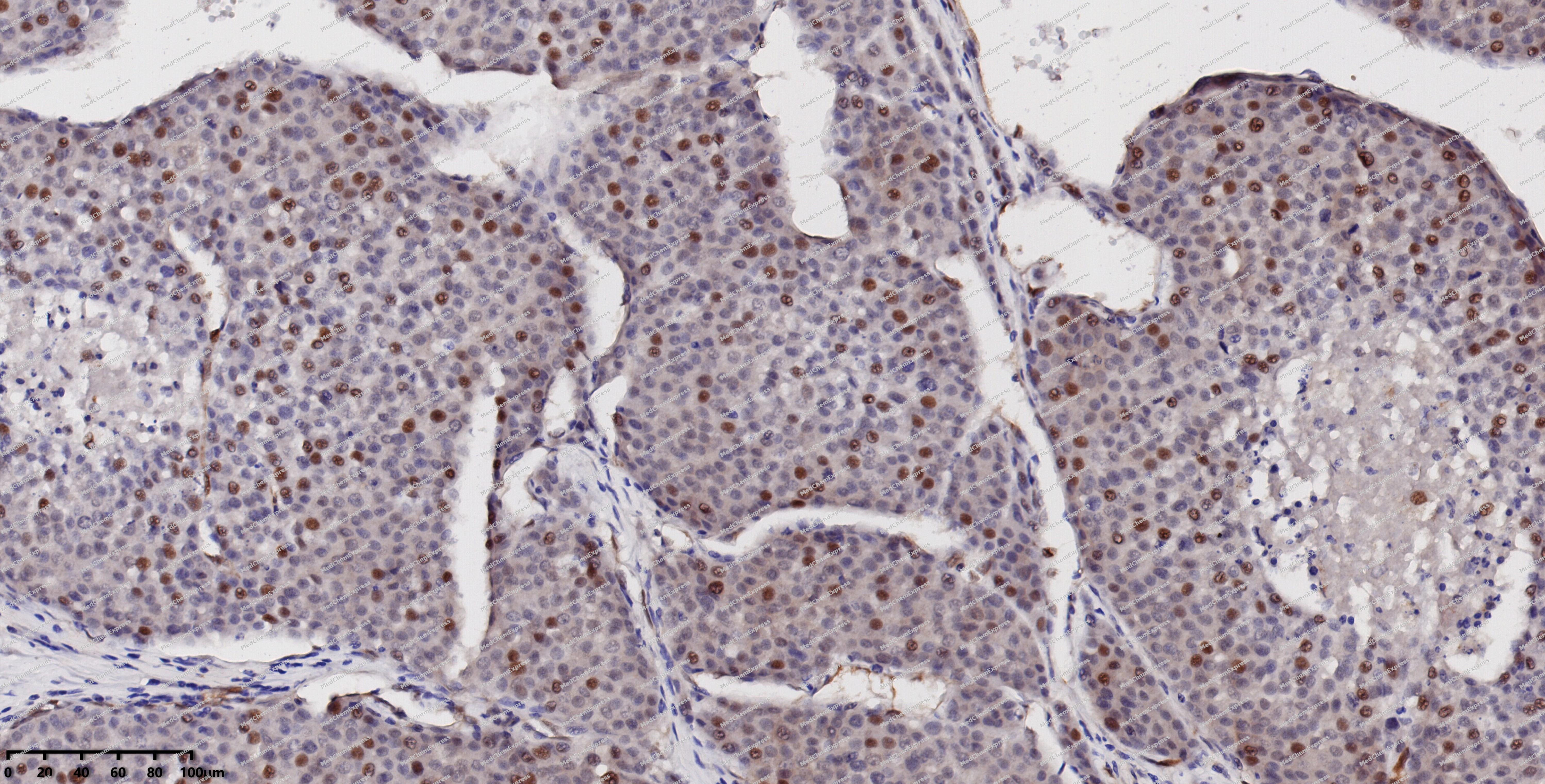 Immunohistochemical analysis of paraffin-embedded human liver cancer using Smad1 antibody. The section was pre-treated using heat mediated antigen retrieval with EDTA (pH 9.0) for 14 minutes. The tissues were blocked in 5% BSA for 30 minutes at room temperature, washed with TBST, and then probed with the primary antibody (HY-P80323, 1/200) for 30 minutes at room temperature. The detection was performed using Polymer HRP-conjugated Goat Anti-Mouse/Rabbit lgG(H&L) secondary antibody (HY-P83652). DAB was used as the chromogen. Tissues were counterstained with hematoxylin and mounted with DPX.
 -
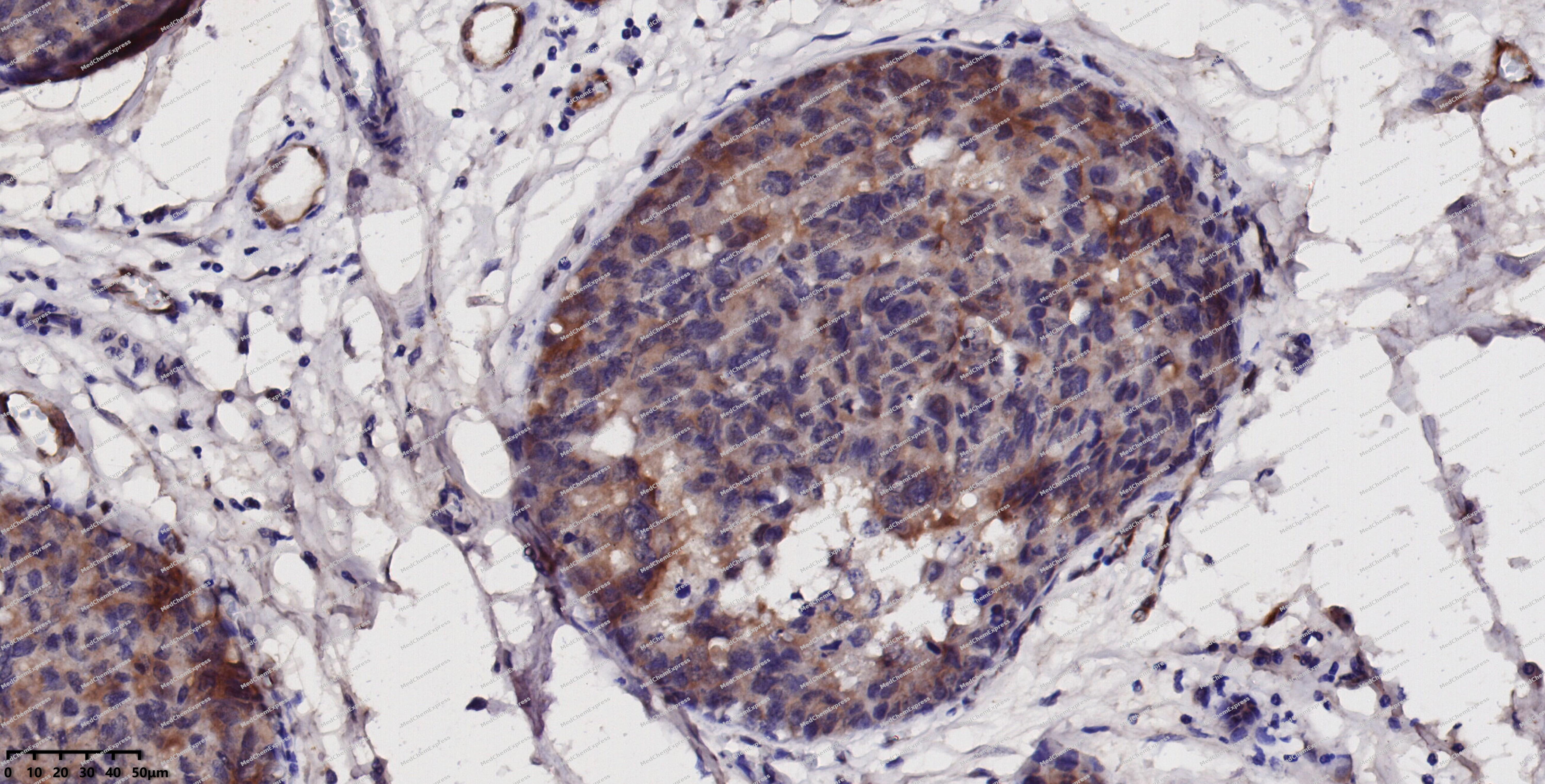 Immunohistochemical analysis of paraffin-embedded human breast cancer using Smad1 antibody. The section was pre-treated using heat mediated antigen retrieval with EDTA (pH 9.0) for 14 minutes. The tissues were blocked in 5% BSA for 30 minutes at room temperature, washed with TBST, and then probed with the primary antibody (HY-P80323, 1/200) for 30 minutes at room temperature. The detection was performed using Polymer HRP-conjugated Goat Anti-Mouse/Rabbit lgG(H&L) secondary antibody (HY-P83652). DAB was used as the chromogen. Tissues were counterstained with hematoxylin and mounted with DPX.
 -
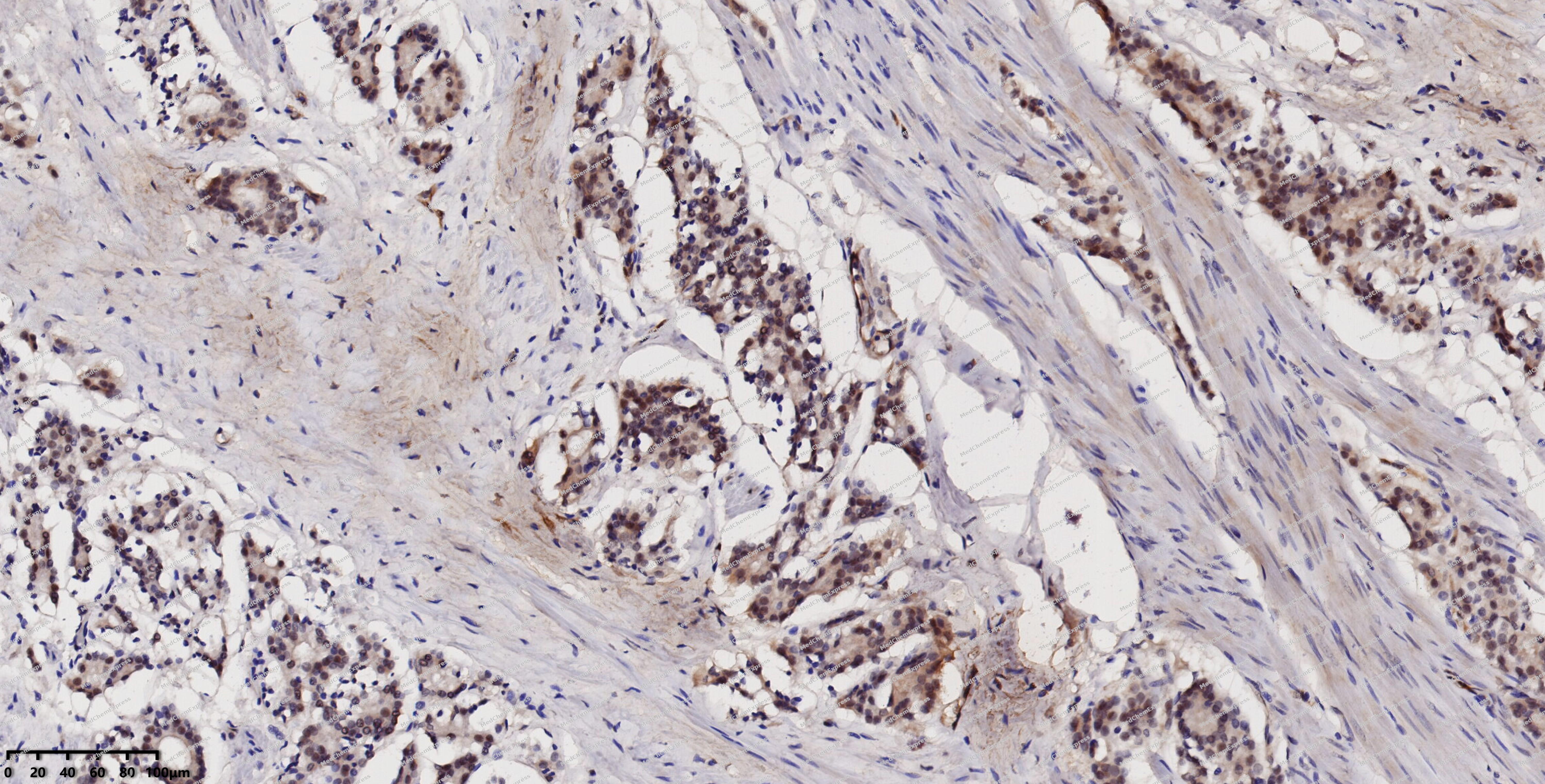 Immunohistochemical analysis of paraffin-embedded human prostate cancer using Smad1 antibody. The section was pre-treated using heat mediated antigen retrieval with EDTA (pH 9.0) for 14 minutes. The tissues were blocked in 5% BSA for 30 minutes at room temperature, washed with TBST, and then probed with the primary antibody (HY-P80323, 1/200) for 30 minutes at room temperature. The detection was performed using Polymer HRP-conjugated Goat Anti-Mouse/Rabbit lgG(H&L) secondary antibody (HY-P83652). DAB was used as the chromogen. Tissues were counterstained with hematoxylin and mounted with DPX.
 -
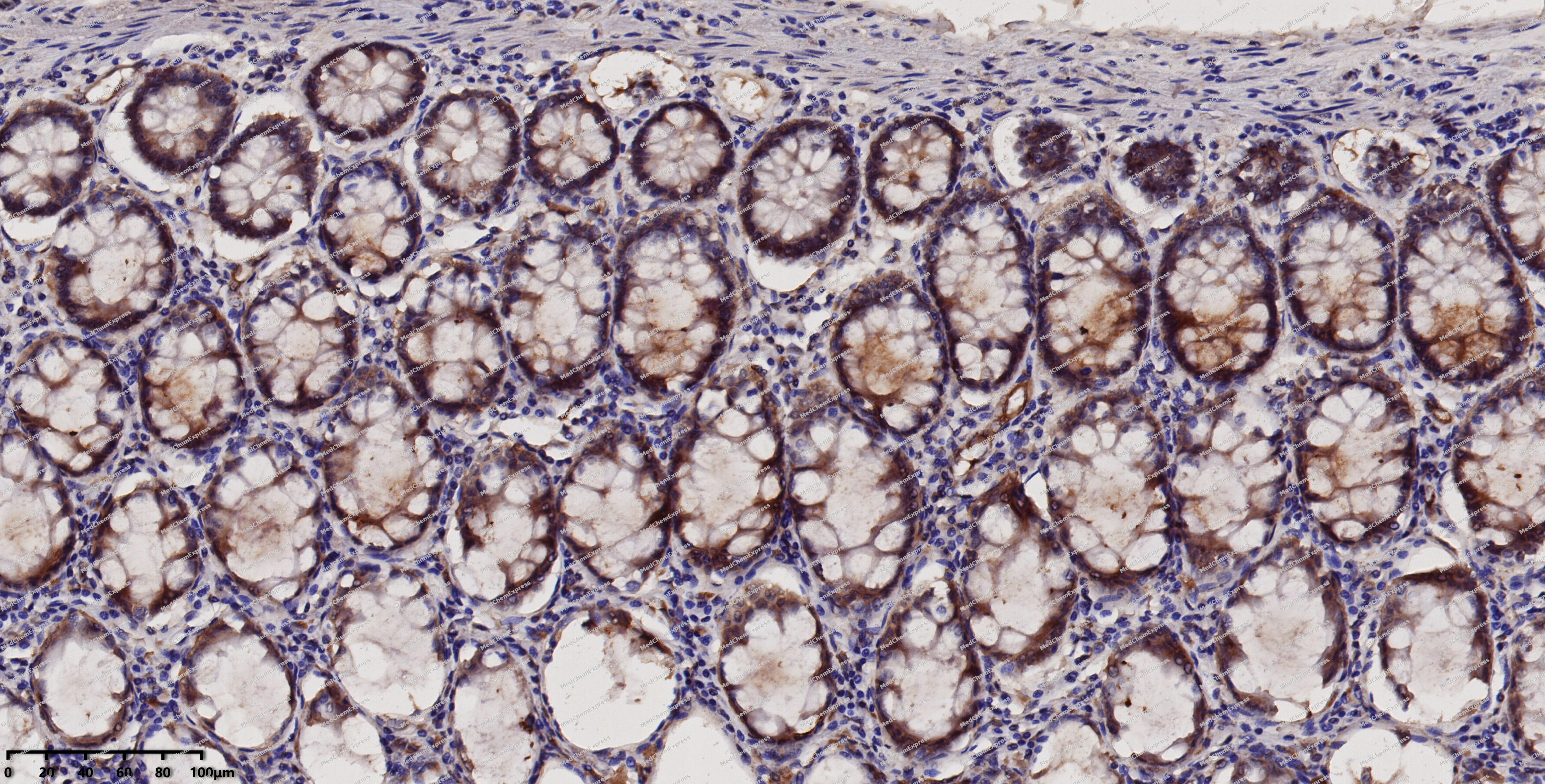 Immunohistochemical analysis of paraffin-embedded human colon using Smad1 antibody. The section was pre-treated using heat mediated antigen retrieval with EDTA (pH 9.0) for 14 minutes. The tissues were blocked in 5% BSA for 30 minutes at room temperature, washed with TBST, and then probed with the primary antibody (HY-P80323, 1/200) for 30 minutes at room temperature. The detection was performed using Polymer HRP-conjugated Goat Anti-Mouse/Rabbit lgG(H&L) secondary antibody (HY-P83652). DAB was used as the chromogen. Tissues were counterstained with hematoxylin and mounted with DPX.
 -
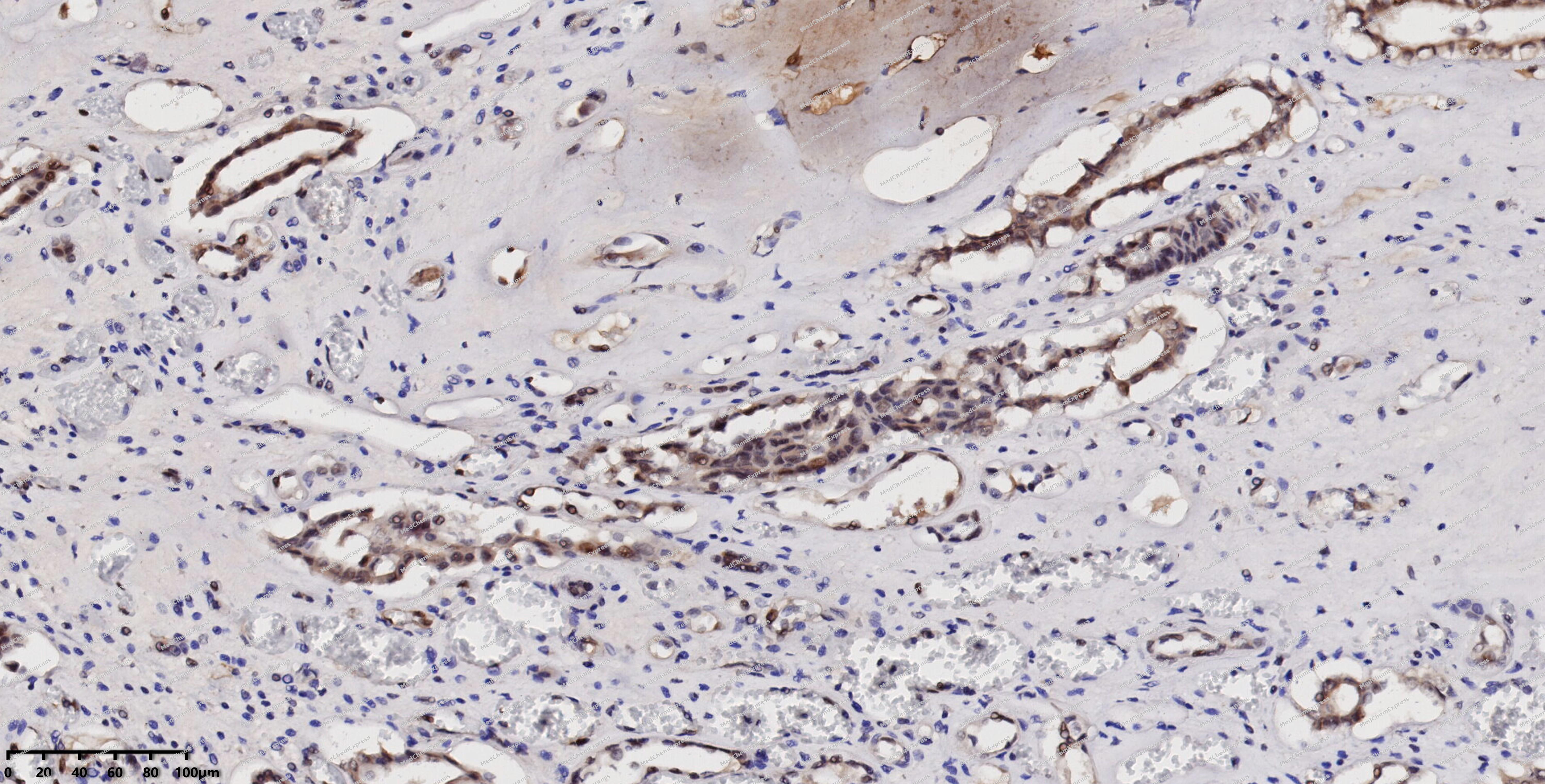 Immunohistochemical analysis of paraffin-embedded human kidney using Smad1 antibody. The section was pre-treated using heat mediated antigen retrieval with EDTA (pH 9.0) for 14 minutes. The tissues were blocked in 5% BSA for 30 minutes at room temperature, washed with TBST, and then probed with the primary antibody (HY-P80323, 1/200) for 30 minutes at room temperature. The detection was performed using Polymer HRP-conjugated Goat Anti-Mouse/Rabbit lgG(H&L) secondary antibody (HY-P83652). DAB was used as the chromogen. Tissues were counterstained with hematoxylin and mounted with DPX.
 -
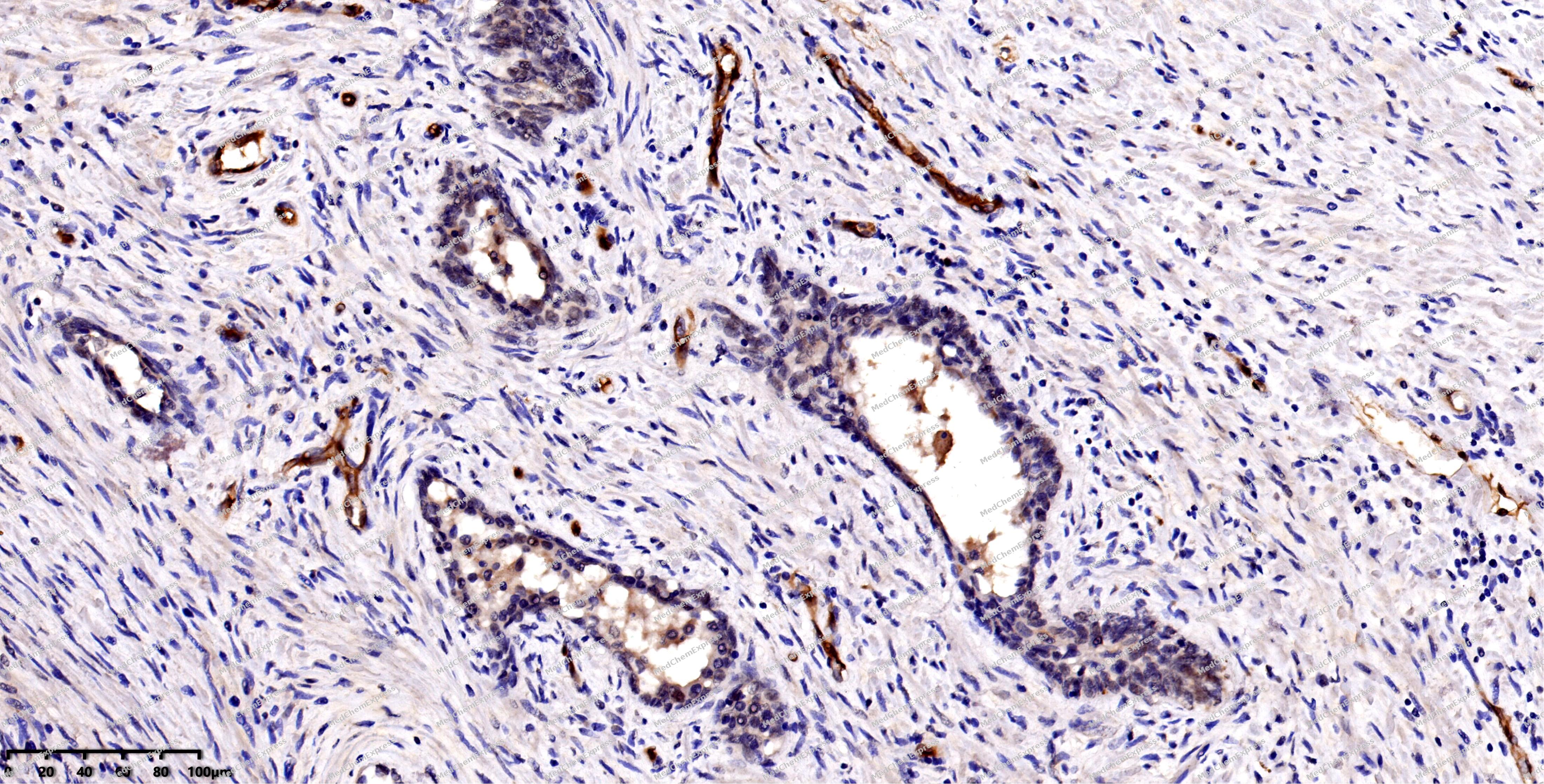 Immunohistochemical analysis of paraffin-embedded human prostate using Smad1 antibody. The section was pre-treated using heat mediated antigen retrieval with EDTA (pH 9.0) for 14 minutes. The tissues were blocked in 5% BSA for 30 minutes at room temperature, washed with TBST, and then probed with the primary antibody (HY-P80323, 1/200) for 30 minutes at room temperature. The detection was performed using Polymer HRP-conjugated Goat Anti-Mouse/Rabbit lgG(H&L) secondary antibody (HY-P83652). DAB was used as the chromogen. Tissues were counterstained with hematoxylin and mounted with DPX.
 -
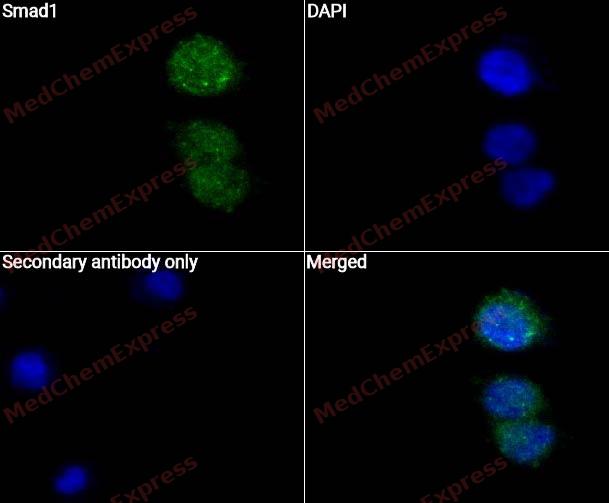 Immunocytochemistry analysis of Hela cells labeling Smad1 with Smad1 Antibody (HY-P80323)at 1/50 dilution. Cells were fixed in 4% paraformaldehyde for 15 minutes at room temperature, permeabilized with 0.1% Triton X-100 for 10 minutes at room temperature, then blocked with QuickBlock™ Blocking Buffer for Immunol Staining for 10 min at room temperature. Cells were then incubated with Smad1 Antibody (HY-P80323) at 1/50 dilution in QuickBlock™ Blocking Buffer for Immunol Staining at 4 ℃. Alexa Fluor® 488-conjugated AffiniPure Goat Anti-Rabbit IgG H&L(HY-P8002, Green) was used as the secondary antibody at 1/1,000 dilution. PBS instead of the primary antibody was used as the secondary antibody only control. The Nuclear counterstain was DAPI (Blue).
 -
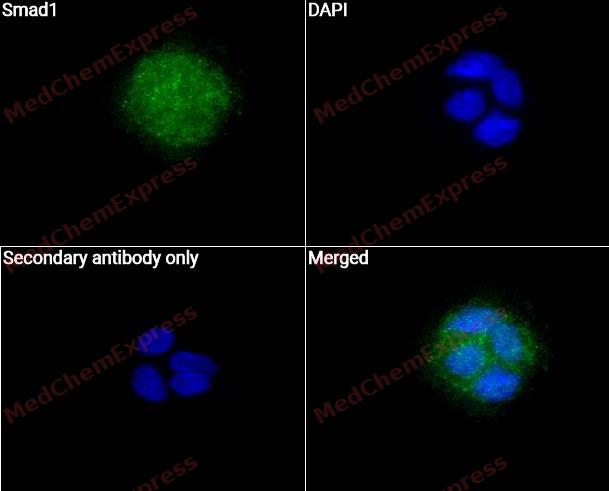 Immunocytochemistry analysis of A431 cells labeling Smad1 with Smad1 Antibody (HY-P80323) at 1/50 dilution. Cells were fixed in 4% paraformaldehyde for 15 minutes at room temperature, permeabilized with 0.1% Triton X-100 for 10 minutes at room temperature, then blocked with QuickBlock™ Blocking Buffer for Immunol Staining for 10 min at room temperature. Cells were then incubated with Smad1 Antibody (HY-P80323) at 1/50 dilution in QuickBlock™ Blocking Buffer for Immunol Staining at 4 ℃. Alexa Fluor® 488-conjugated AffiniPure Goat Anti-Rabbit IgG H&L(HY-P8002, Green) was used as the secondary antibody at 1/1,000 dilution. PBS instead of the primary antibody was used as the secondary antibody only control. The Nuclear counterstain was DAPI (Blue).


Background
-
Function
Smad1 is a BMP-responsive receptor-regulated Smad whose phosphorylation is rapidly induced by BMP2, driving nuclear accumulation and BMP signal transduction[1]. Mechanistically, BMP receptors phosphorylate Smad1, Smad1 associates with Smad4, and the complex enters the nucleus to activate transcription[2]. In BMP-responsive promoters such as ID1, Smad1/Smad4-dependent DNA binding supports BMP-specific transcriptional activation[3]. In developmental models, canonical Smad1/5 signaling is required for endochondral bone formation, and SMAD1/5 activity controls spinal neural progenitor division modes[4][5]. In disease-relevant models, BMP-Smad1 signaling participates in DNA damage response and oncogenesis through the Atm-p53 pathway[6]. Compared with related BMP-regulated isoforms, Smad9 shows lower transcriptional activity than Smad1 or Smad5 despite Smad4 association and target-DNA binding, distinguishing Smad1 as a stronger BMP transcriptional effector[7]. For experimental applications, Smad6 blocks BMP/Smad1 signaling by competing with Smad4, while dorsomorphin and LDN-193189 inhibit BMP-mediated Smad signaling in C2C12 cells[2][8].
-
Subcellular Localization
Cytoplasm; Nucleus
-
Expression
Tissue_specificity:It is widely distributed. It is expressed most highly in the heart and skeletal muscle. -
Subunit
Found in a complex with SMAD4 and YY1. Interacts with HGS, NANOG and ZCCHC12 (By similarity). Upon C-terminus phosphorylation: forms trimers with another SMAD1 and the co-SMAD SMAD4 (PubMed:21454478, PubMed:33667543). Interacts with PEBP2-alpha subunit, CREB-binding protein (CBP), p300, SMURF1, SMURF2, USP15 and HOXC8. Associates with ZNF423 or ZNF521 in response to BMP2 leading to activate transcription of BMP target genes. Interacts with SKOR1. Interacts (via MH2 domain) with LEMD3. Binding to LEMD3 results in at least a partial reduction of receptor-mediated phosphorylation. Forms a ternary complex with PSMB4 and OAZ1 before PSMB4 is incorporated into the 20S proteasome. Interacts (via MH2 domain) with FAM83G (via MH2 domain); in a SMAD4-independent manner (PubMed:24554596, PubMed:29789297). Interacts with ZC3H3 (By similarity). Interacts with TMEM119 (By similarity). Interacts (via MH1 and MH2 domains) with ZNF8 (By similarity). Interacts with RANBP3L; the interaction increases when SMAD1 is not phosphorylated and mediates SMAD1 nuclear export (PubMed:25755279). Interacts with EGR1; this interaction inhibits SMAD1 dephosphorylation (By similarity). Interacts with SMAD6 (PubMed:33667543). Interacts with YAP1 (PubMed:21685363). Interacts with MTMR4; negatively regulates BMP signaling through SMAD1 dephosphorylation and retention in endosomes (PubMed:23150675)
-
SwissProt ID
-
Synonyms
BSP1, MADH1, MADR1, SMAD1, Mothers against decapentaplegic homolog 1, MAD homolog 1, Mothers against DPP homolog 1, JV4-1, Mad-related protein 1, SMAD family member 1, Transforming growth factor-beta-signaling protein 1, SMAD 1, Smad1, hSMAD1, BSP-1
-
Research Field
Signal Transduction


Documentation
-
Data Sheet (263 KB)
-
SDS (251 KB)
- English - EN (251 KB)
- Français - FR (251 KB)
- Deutsch - DE (251 KB)
- Norwegian - NO (251 KB)
- Español - ES (251 KB)
- Swedish - SV (251 KB)
- Italian - IT (251 KB)
- Korean - KR (251 KB)
- Portuguese - PT (251 KB)
-
User Guide for Antibodies (1077 KB)
References
[1]. Hoodless PA, et al. MADR1, a MAD-related protein that functions in BMP2 signaling pathways. Cell. 1996 May 17;85(4):489-500. [Content Brief]
[2]. Hata A, et al. Smad6 inhibits BMP/Smad1 signaling by specifically competing with the Smad4 tumor suppressor. Genes Dev. 1998 Jan 15;12(2):186-97. [Content Brief]
[3]. López-Rovira T, et al. Direct binding of Smad1 and Smad4 to two distinct motifs mediates bone morphogenetic protein-specific transcriptional activation of Id1 gene. J Biol Chem. 2002 Feb 1;277(5):3176-85. [Content Brief]
[4]. Retting KN, et al. BMP canonical Smad signaling through Smad1 and Smad5 is required for endochondral bone formation. Development. 2009 Apr;136(7):1093-104. [Content Brief]
[5]. Le Dréau G, et al. The strength of SMAD1/5 activity determines the mode of stem cell division in the developing spinal cord. J Cell Biol. 2014 Feb 17;204(4):591-605. [Content Brief]
[6]. Chau JF, et al. A crucial role for bone morphogenetic protein-Smad1 signalling in the DNA damage response. Nat Commun. 2012 May 15;3:836. [Content Brief]
[7]. Tsukamoto S, et al. Smad9 is a new type of transcriptional regulator in bone morphogenetic protein signaling. Sci Rep. 2014 Dec 23;4:7596. [Content Brief]
[8]. Li B, et al. Differences in endoplasmic reticulum stress signalling kinetics determine cell survival outcome through activation of MKP-1. Cell Signal. 2011 Jan;23(1):35-45. [Content Brief]

 Powered by Bioz
