



PEX7 Antibody (YA9969)
(Synonyms: PTS2R, PEX7, Peroxisomal targeting signal 2 receptor, PTS2 receptor, Peroxin-7)PEX7 Antibody (YA9969) is a Rabbit-derived and non-conjugated IgG Monoclonal antibody, targeting to PEX7 Antibody.
-
Host:
Rabbit
-
Isotype:
IgG
-
Application:
WB, IHC-P, ICC/IF
-
Reactivity :
Human, Mouse, Rat
-
Formulation:
Supplied in PBS, containing 50% glycerol, 0.05% BSA and 0.01% sodium azide.
-
Conjugation:
Non-conjugated


To place orders, for customer services and technical support, please contact: MedChemExpress USA
Tel: 609-228-6898 E-mail: [email protected] [email protected]





Applications
| Application |
WB

WB: Western Blot
|
IHC-P
IHC-P: Immunohistochemistry-Paraffin
|
ICC/IF
ICC/IF: Immunocytochemistry/
Immunofluorescence |
|---|---|---|---|
| Dilution Ratio | 1:1000-2000 | 1:100-200 | 1:100-200 |


Product Details
PEX7 Antibody (YA9969) is a Rabbit-derived and non-conjugated IgG Monoclonal antibody, targeting to PEX7 Antibody.
-
Host Rabbit

-
Species ReactivityHuman, Mouse, Rat

-
Observed Molecular WeightObserved band size: 36 kDa
Note: Due to possible protein modifications or aggregation, the molecular weight should be confirmed by actual measurement, and the predicted value is for reference only.

-
Calculated Molecular Weight Predicted band size: 36 kDa

Synthetic peptide corresponding to human PEX7.
Endogenous
affinity purified
Non-conjugated
Unmodified
IgG


Product Properties
-
Appearance
Solution
-
Formulation
Supplied in PBS, containing 50% glycerol, 0.05% BSA and 0.01% sodium azide.
-
Storage & Stability
Stored at -20°C for 1 year. Avoid repeated freeze / thaw cycles.
-
Shipping
Shipping with blue ice.


Verification Images
-
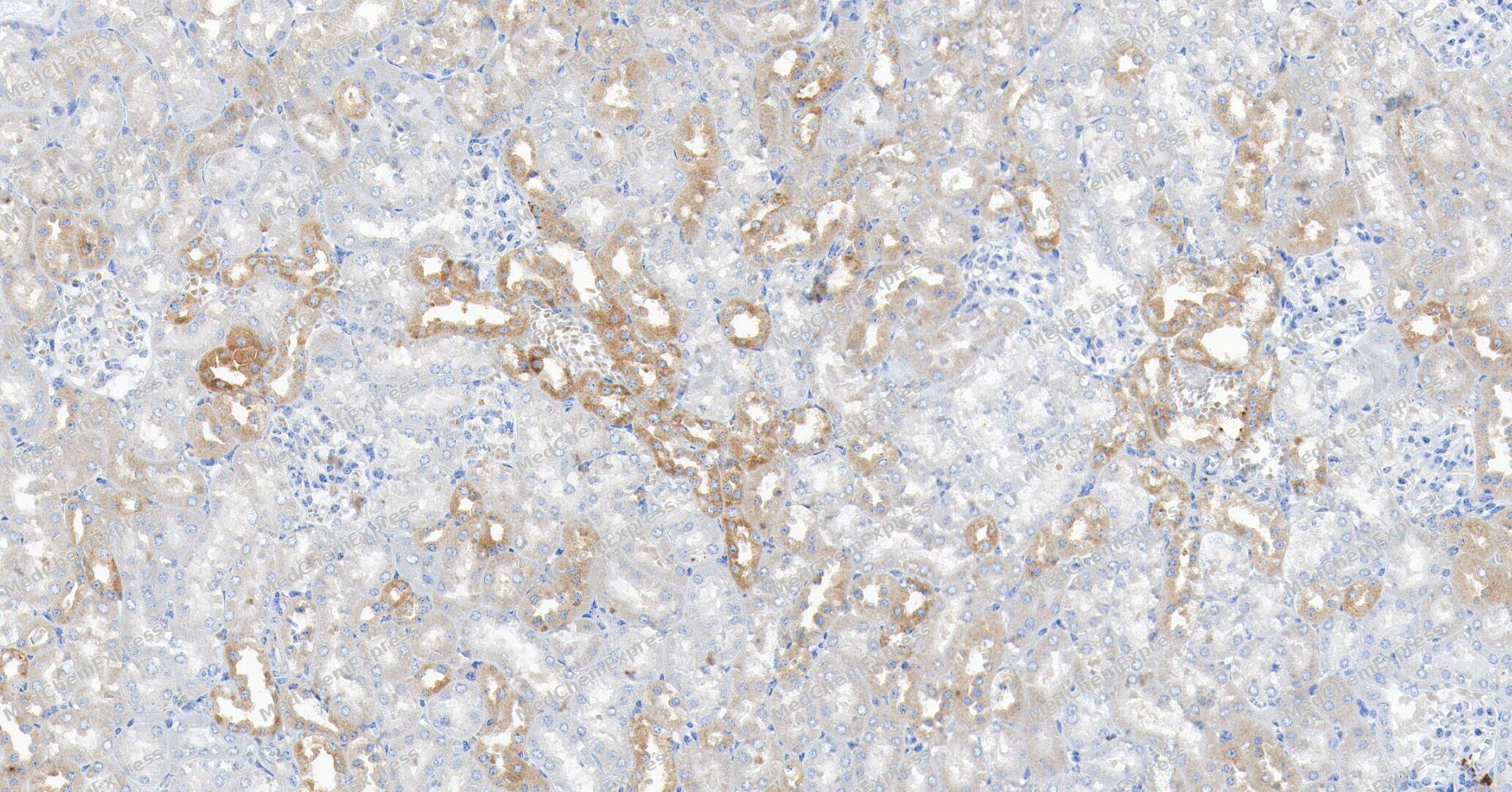 Immunohistochemical analysis of paraffin-embedded mouse kidney tissue using PEX7 Antibody. The section was pre-treated using heat mediated antigen retrieval with Tris/EDTA buffer (pH 9.0) for 20 minutes. The tissues were probed with the primary antibody (HY-P810725, 1/100) overnight at 4℃. The detection was performed using an HRP conjugated compact polymer system (HY-P83652). DAB was used as the chromogen. Tissues were counterstained with hematoxylin and mounted with neutral balsam.
 -
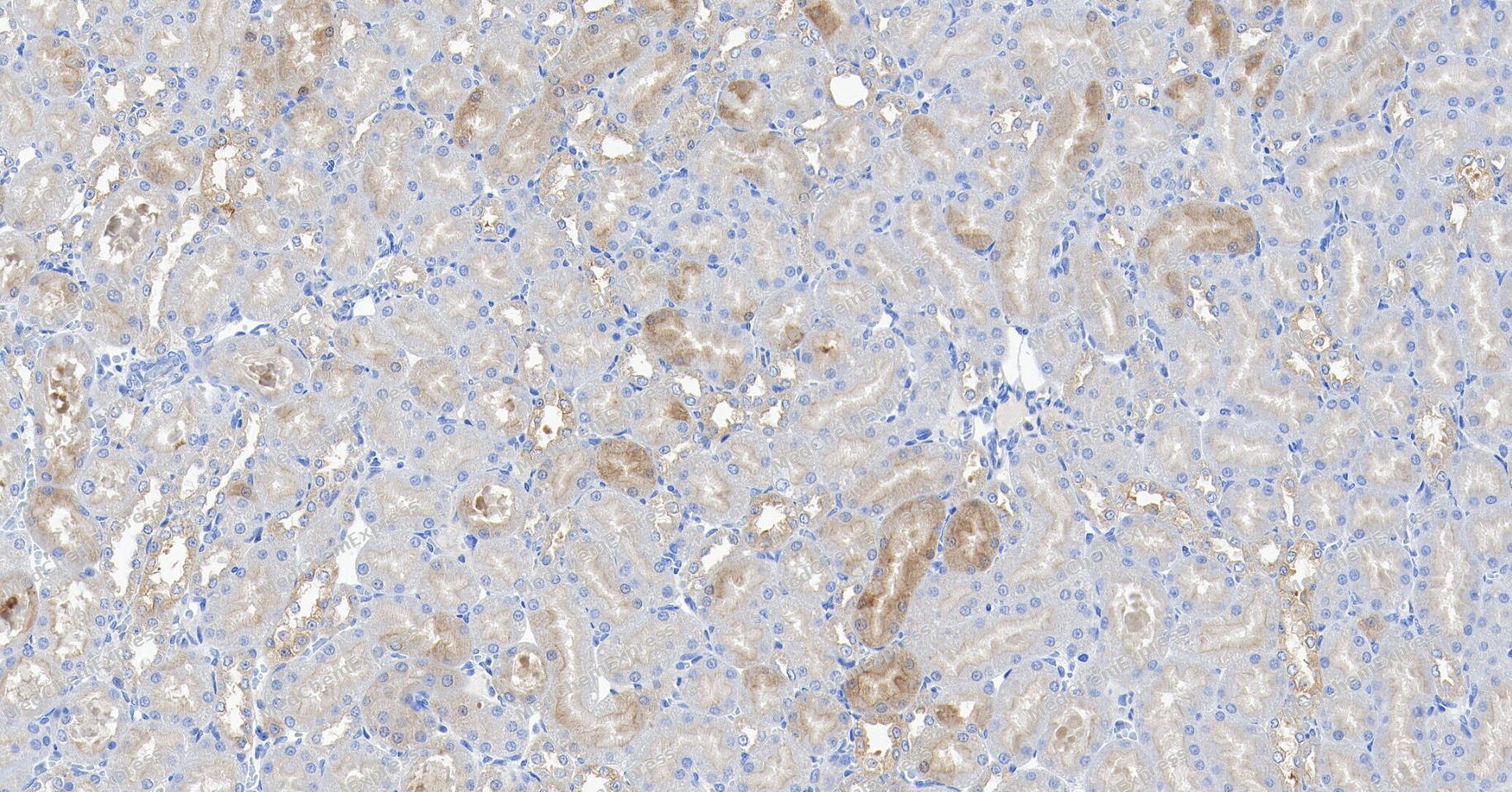 Immunohistochemical analysis of paraffin-embedded rat kidney tissue using PEX7 Antibody. The section was pre-treated using heat mediated antigen retrieval with Tris/EDTA buffer (pH 9.0) for 20 minutes. The tissues were probed with the primary antibody (HY-P810725, 1/100) overnight at 4℃. The detection was performed using an HRP conjugated compact polymer system (HY-P83652). DAB was used as the chromogen. Tissues were counterstained with hematoxylin and mounted with neutral balsam.
 -
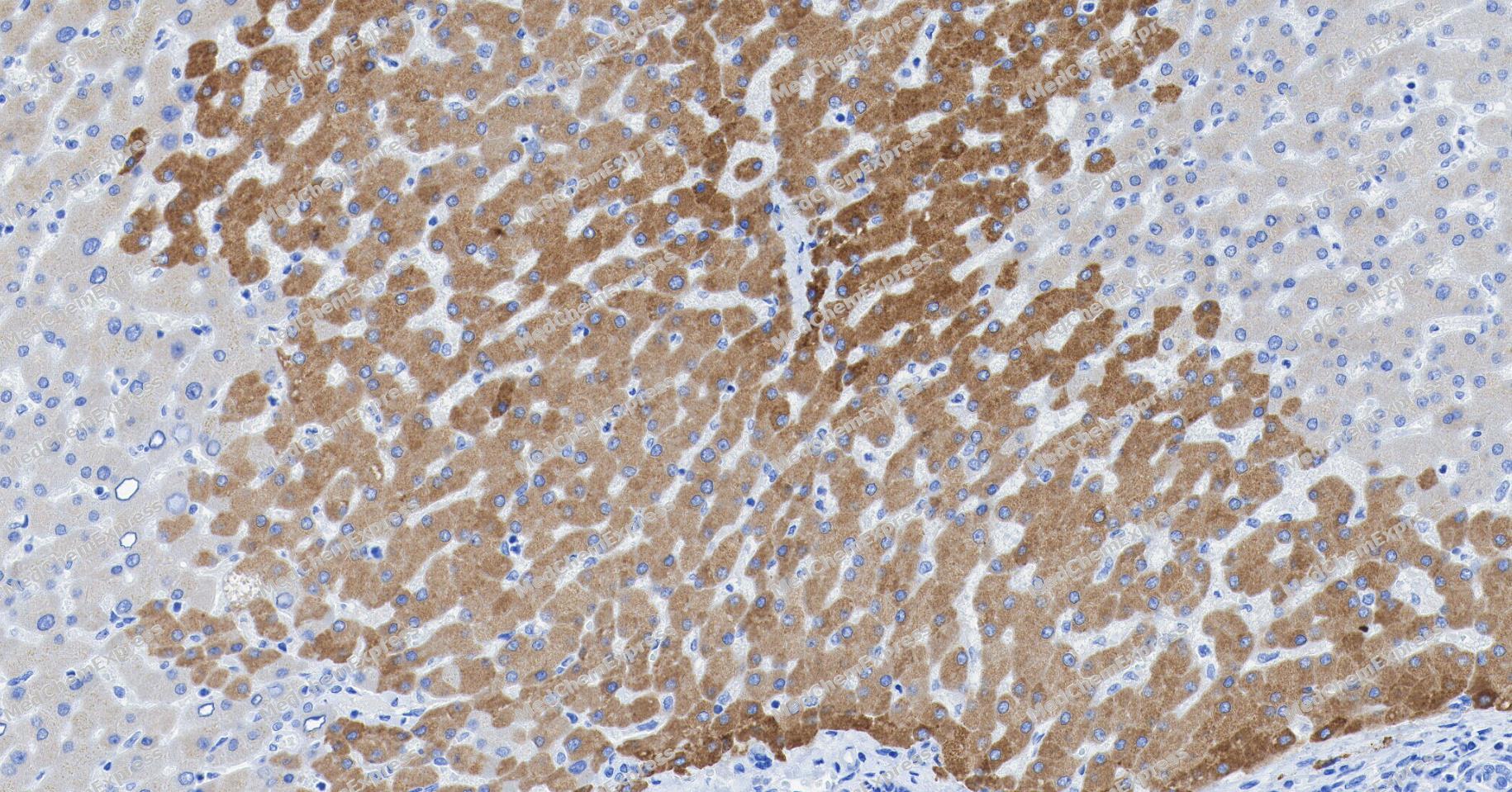 Immunohistochemical analysis of paraffin-embedded human liver tissue using PEX7 Antibody. The section was pre-treated using heat mediated antigen retrieval with Tris/EDTA buffer (pH 9.0) for 20 minutes. The tissues were probed with the primary antibody (HY-P810725, 1/100) overnight at 4℃. The detection was performed using an HRP conjugated compact polymer system (HY-P83652). DAB was used as the chromogen. Tissues were counterstained with hematoxylin and mounted with neutral balsam.
 -
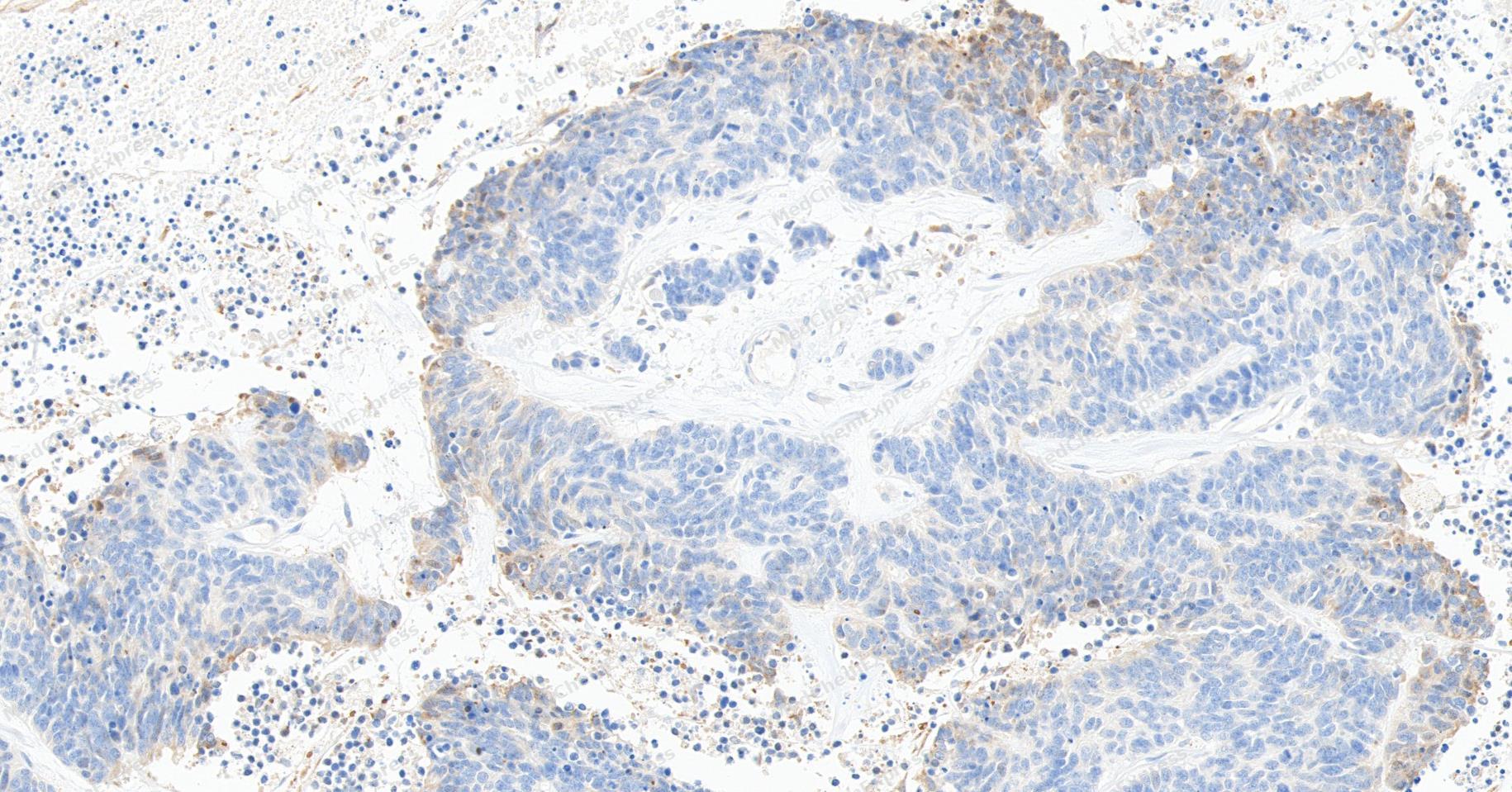 Immunohistochemical analysis of paraffin-embedded human pancreatic cancer tissue using PEX7 Antibody. The section was pre-treated using heat mediated antigen retrieval with Tris/EDTA buffer (pH 9.0) for 20 minutes. The tissues were probed with the primary antibody (HY-P810725, 1/150) overnight at 4℃. The detection was performed using an HRP conjugated compact polymer system (HY-P83652). DAB was used as the chromogen. Tissues were counterstained with hematoxylin and mounted with neutral balsam.
 -
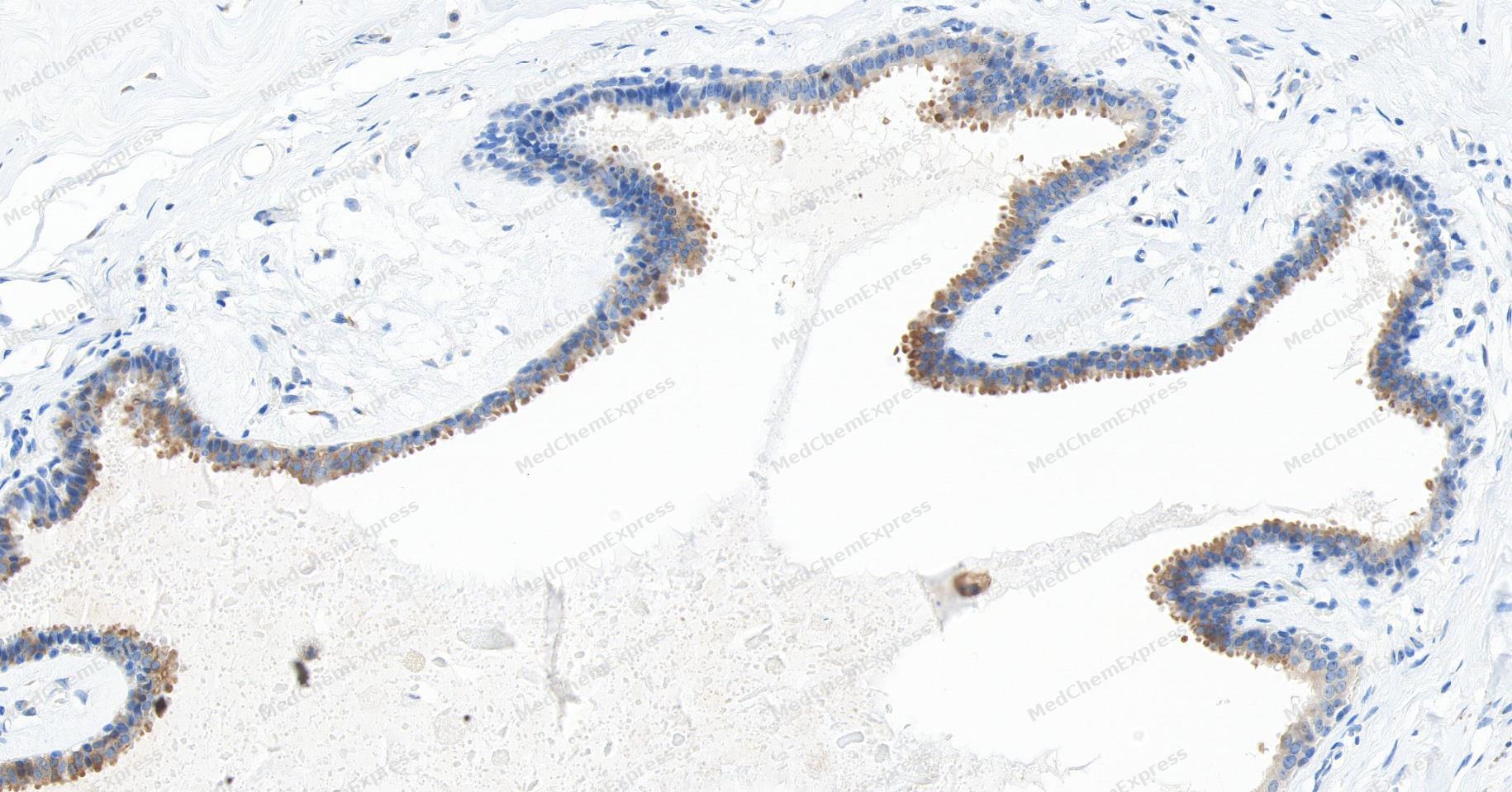 Immunohistochemical analysis of paraffin-embedded human breast tissue using PEX7 Antibody. The section was pre-treated using heat mediated antigen retrieval with Tris/EDTA buffer (pH 9.0) for 20 minutes. The tissues were probed with the primary antibody (HY-P810725, 1/150) overnight at 4℃. The detection was performed using an HRP conjugated compact polymer system (HY-P83652). DAB was used as the chromogen. Tissues were counterstained with hematoxylin and mounted with neutral balsam.
 -
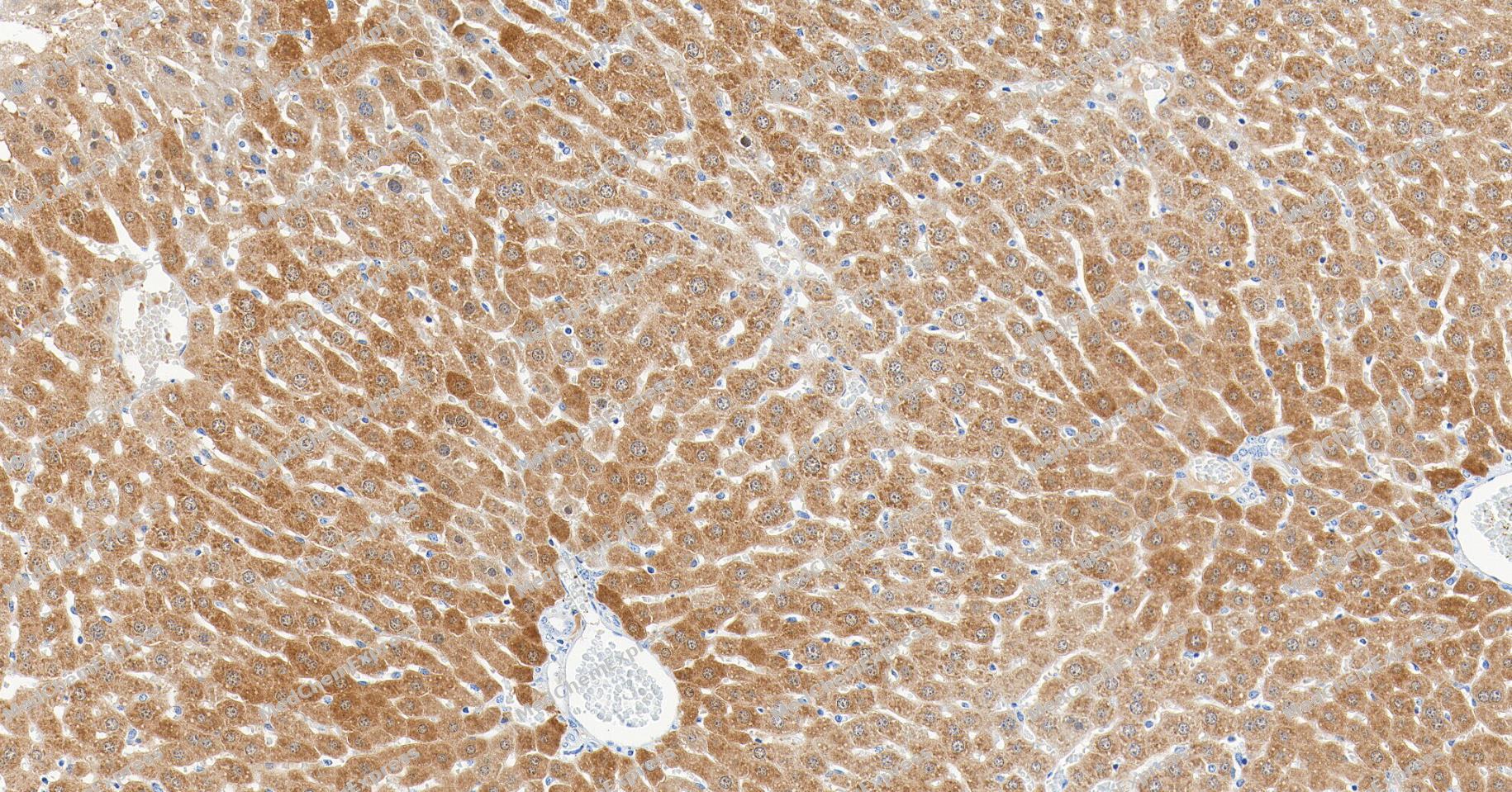 Immunohistochemical analysis of paraffin-embedded mouse liver tissue using PEX7 Antibody. The section was pre-treated using heat mediated antigen retrieval with Tris/EDTA buffer (pH 9.0) for 20 minutes. The tissues were probed with the primary antibody (HY-P810725, 1/100) overnight at 4℃. The detection was performed using an HRP conjugated compact polymer system (HY-P83652). DAB was used as the chromogen. Tissues were counterstained with hematoxylin and mounted with neutral balsam.
 -
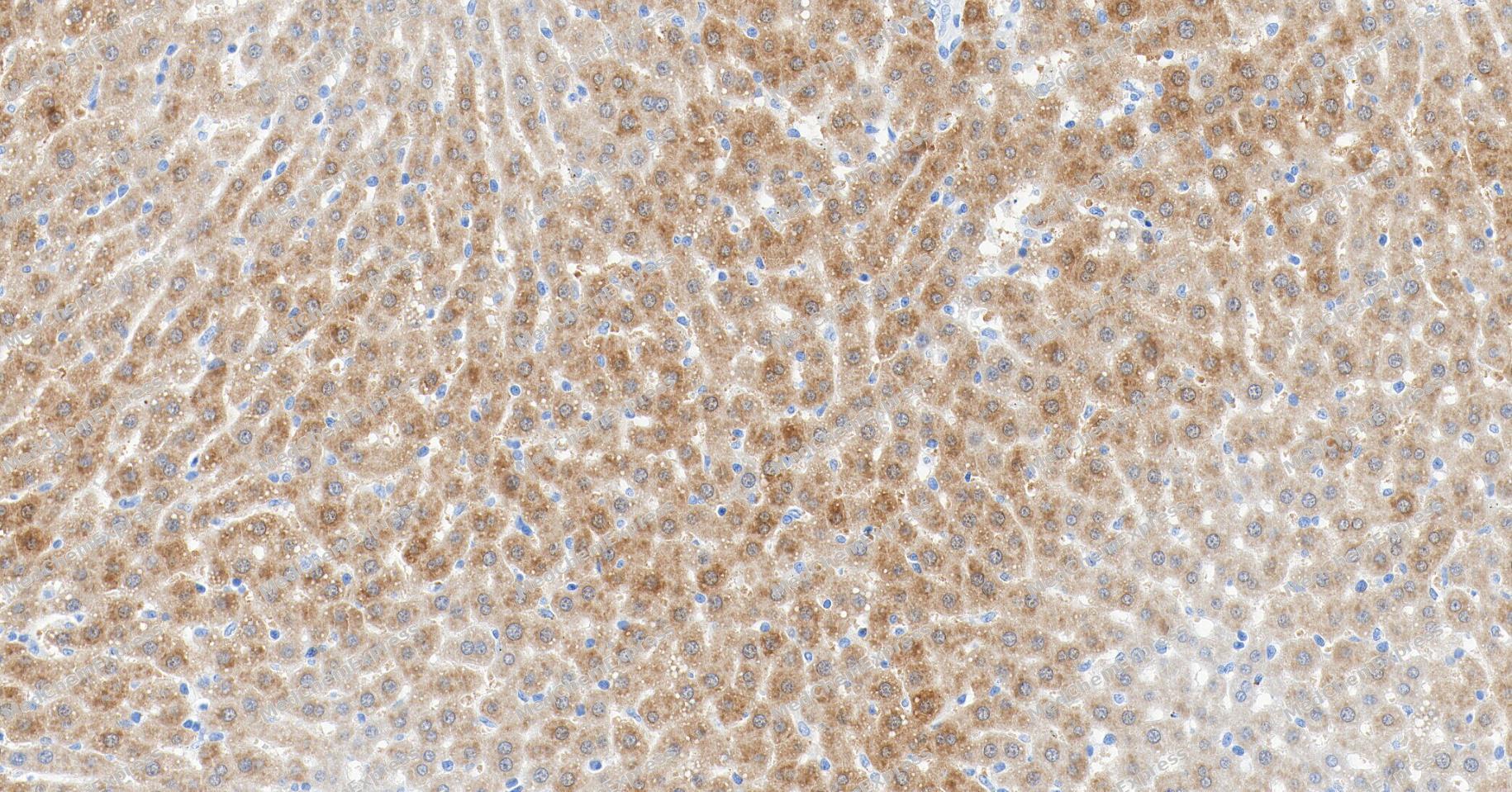 Immunohistochemical analysis of paraffin-embedded rat liver tissue using PEX7 Antibody. The section was pre-treated using heat mediated antigen retrieval with Tris/EDTA buffer (pH 9.0) for 20 minutes. The tissues were probed with the primary antibody (HY-P810725, 1/100) overnight at 4℃. The detection was performed using an HRP conjugated compact polymer system (HY-P83652). DAB was used as the chromogen. Tissues were counterstained with hematoxylin and mounted with neutral balsam.


Background
-
Function
PEX7 is a Receptor required for the peroxisomal import of proteins containing an N-terminal PTS2-type peroxisomal targeting signal. Specifically binds to cargo proteins containing a PTS2 peroxisomal targeting signal in the cytosol. Cargo protein-binding triggers interaction with PEX5 and formation of a ternary complex composed of PEX5 and PEX7 along with PTS2-containing cargo proteins, which is translocated into peroxisomes by passing through the PEX13-PEX14 docking complex[1][2][3][4][5][6].
-
Subcellular Localization
Cytoplasm, cytosol; Peroxisome matrix
-
Expression
Tissue_Specificity: Ubiquitous. Highest expression in pancreas, skeletal muscle and heart. -
Isoforms & Post-Translational Modification
PEX7 has 2 isoforms, O00628-1: amino acid length is 323, molecular weight is 35892 Da (predicted); O00628-2: amino acid length is 280, molecular weight is 30947 Da (predicted).
-
Subunit
Interacts with PEX5; interaction only takes place when PEX7 is associated with cargo proteins.
-
SwissProt ID
-
Synonyms
PTS2R, PEX7, Peroxisomal targeting signal 2 receptor, PTS2 receptor, Peroxin-7


Documentation
References
[1]. Ghys K, et al. Functional studies on human Pex7p: subcellular localization and interaction with proteins containing a peroxisome-targeting signal type 2 and other peroxins. Biochem J. 2002 Jul 1;365(Pt 1):41-50. [Content Brief]
[2]. Kunze M, et al. Structural requirements for interaction of peroxisomal targeting signal 2 and its receptor PEX7. J Biol Chem. 2011 Dec 30;286(52):45048-62. [Content Brief]
[3]. Kunze M, et al. Mechanistic insights into PTS2-mediated peroxisomal protein import: the co-receptor PEX5L drastically increases the interaction strength between the cargo protein and the receptor PEX7. J Biol Chem. 2015 Feb 20;290(8):4928-4940. [Content Brief]
[4]. Braverman N, et al. Human PEX7 encodes the peroxisomal PTS2 receptor and is responsible for rhizomelic chondrodysplasia punctata. Nat Genet. 1997 Apr;15(4):369-76. [Content Brief]
[5]. Chen WW, et al. PEX39 facilitates the peroxisomal import of PTS2-containing proteins. Nat Cell Biol. 2025 Aug;27(8):1256-1271. [Content Brief]
[6]. Dodt G, et al. Domain mapping of human PEX5 reveals functional and structural similarities to Saccharomyces cerevisiae Pex18p and Pex21p. J Biol Chem. 2001 Nov 9;276(45):41769-81. [Content Brief]

 Powered by Bioz
