



CD44 Antibody (YA3819)
(Synonyms: IN; LHR; MC56; MDU2; MDU3; MIC4; Pgp1; CDW44; CSPG8; HCELL)Based on 1 publication(s) in Google Scholar
CD44 Antibody (YA3819) is a Mouse-derived and non-conjugated IgG1 monoclonal antibody, targeting to CD44.
-
Host:
Mouse
-
Isotype:
IgG
-
Application:
WB, IHC-P, ICC/IF, FC, ELISA
-
Reactivity :
Human, Mouse, Rat, Monkey
-
Formulation:
Supplied in PBS with 0.05% sodium azide.
-
Conjugation:
Non-conjugated


To place orders, for customer services and technical support, please contact: MedChemExpress USA
Tel: 609-228-6898 E-mail: [email protected] [email protected]



Publications Citing Use of MedChemExpress (MCE) CD44 Antibody (YA3819)
More

Applications
| Application |
WB

WB: Western Blot
|
IHC-P
IHC-P: Immunohistochemistry-Paraffin
|
ICC/IF
ICC/IF: Immunocytochemistry/
Immunofluorescence |
FC
FC: Flow Cytometry
|
ELISA
ELISA: Enzyme Linked Immunosorbent Assay
|
|---|---|---|---|---|---|
| Dilution Ratio | 1:500-1:1000 | 1:200-1:1000 | 1:200-1:1000 | 1:200-1:400 | 1:10000 |


Product Details
CD44 Antibody (YA3819) is a Mouse-derived and non-conjugated IgG1 monoclonal antibody, targeting to CD44.
-
Host Mouse

-
Clonality Monoclonal

-
Species ReactivityHuman, Mouse, Rat, Monkey
-
Observed Molecular WeightObserved band size: 82 kDa
Note: Due to possible protein modifications or aggregation, the molecular weight should be confirmed by actual measurement, and the predicted value is for reference only.

-
Calculated Molecular Weight Predicted band size: 82 kDa

Purified recombinant fragment of human CD44 (628-699) expressed in E. Coli.
affinity purified.
Non-conjugated
Unmodified
IgG


Product Properties
-
Appearance
Solution
-
Formulation
Supplied in PBS with 0.05% sodium azide.
-
Concentration
Batch-dependent, Please check the COA for the concentration of each lot. Check Lot Concentration
-
Storage & Stability
Stored at -20°C for 1 year. Avoid repeated freeze / thaw cycles.
-
Versand
Shipping with blue ice.


Publications (1)
-
Journal Impact Factor
-
Most Recent
-
Biochem Biophys Res Commun
CENPA-driven transcriptional activation of ECT2 enhances EGFR inhibitor resistance in lung adenocarcinoma. [Abstract]2025 Sep 1:777:152287. PMID: 40618443


Verification Images
-
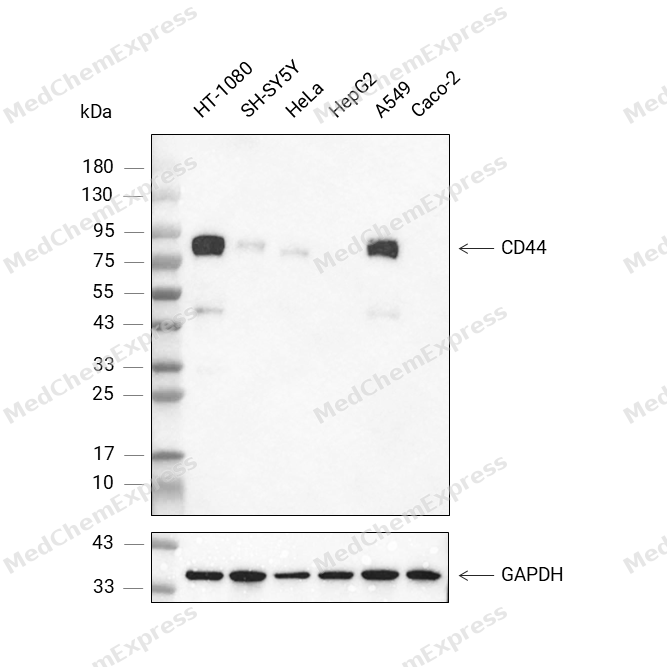 Western blot analysis was performed on protein extracts (25 μg) from HT-1080 (lane 2), SH-SY5Y (lane 3), HeLa (lane 4), HepG2 (lane 5, Negative), A549 (lane 6), Caco-2 (lane 7, Negative) using CD44 antibody. Proteins were transferred onto a 0.45 μm PVDF membrane using the Trans-Blot® Turbo™ system for 13 min. The membrane was then blocked with 5% nonfat milk in TBST (HY-K1025) for 1 h at room temperature. Thhe primary antibody (1:1000) and loading control antibody GAPDH Antibody (HRP) (HY-P80954A) (1:2500) were diluted in 5% nonfat milk in TBST and incubated with the membrane overnight at 4°C. After washing, the membrane of primary antibody was incubated with HRP-conjugated goat anti-mouse IgG (H&L) secondary antibody (HY-P8004) (1:5000) diluted in 5% nonfat milk in TBST for 1 h at room temperature. Protein bands were visualized using an Ultra High Sensitivity ECL detection kit (HY-K1005).
 -
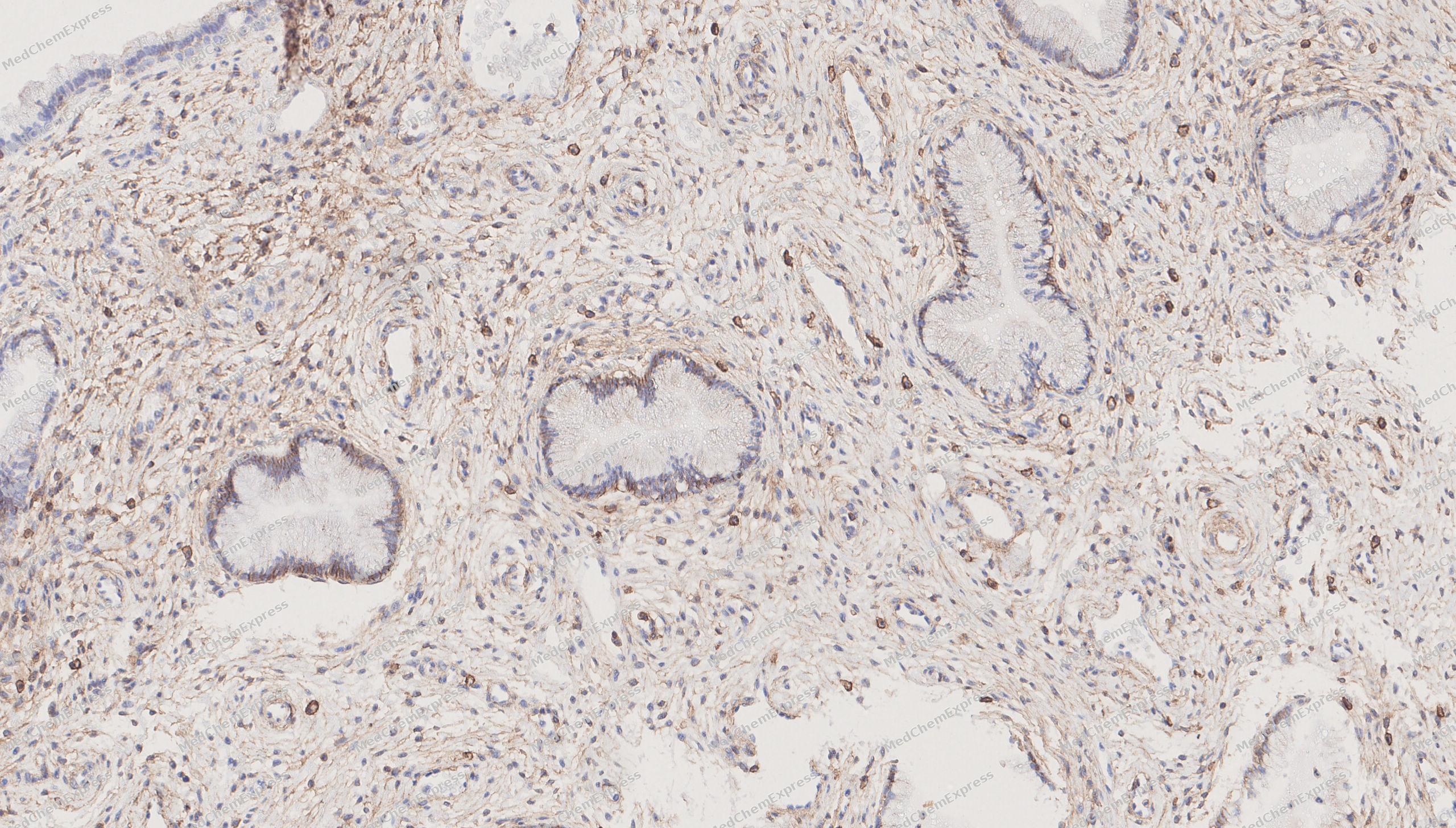 Immunohistochemical analysis of paraffin-embedded human cervix of uterus tissue using CD44 antibody was performed. The section was pretreated using high-temperature mediated EDTA antigen retrieval buffer (pH 9.0), for 20 minutes. The tissues were incubated with primary antibody (HY-P84122, 1:9000 dilution) at room temperature for 20 minutes. Detection was performed using an HRP conjugated compact polymer system. DAB was used as the chromogen. The tissues were counterstained with hematoxylin and mounted with neutral balsam mounting medium.
 -
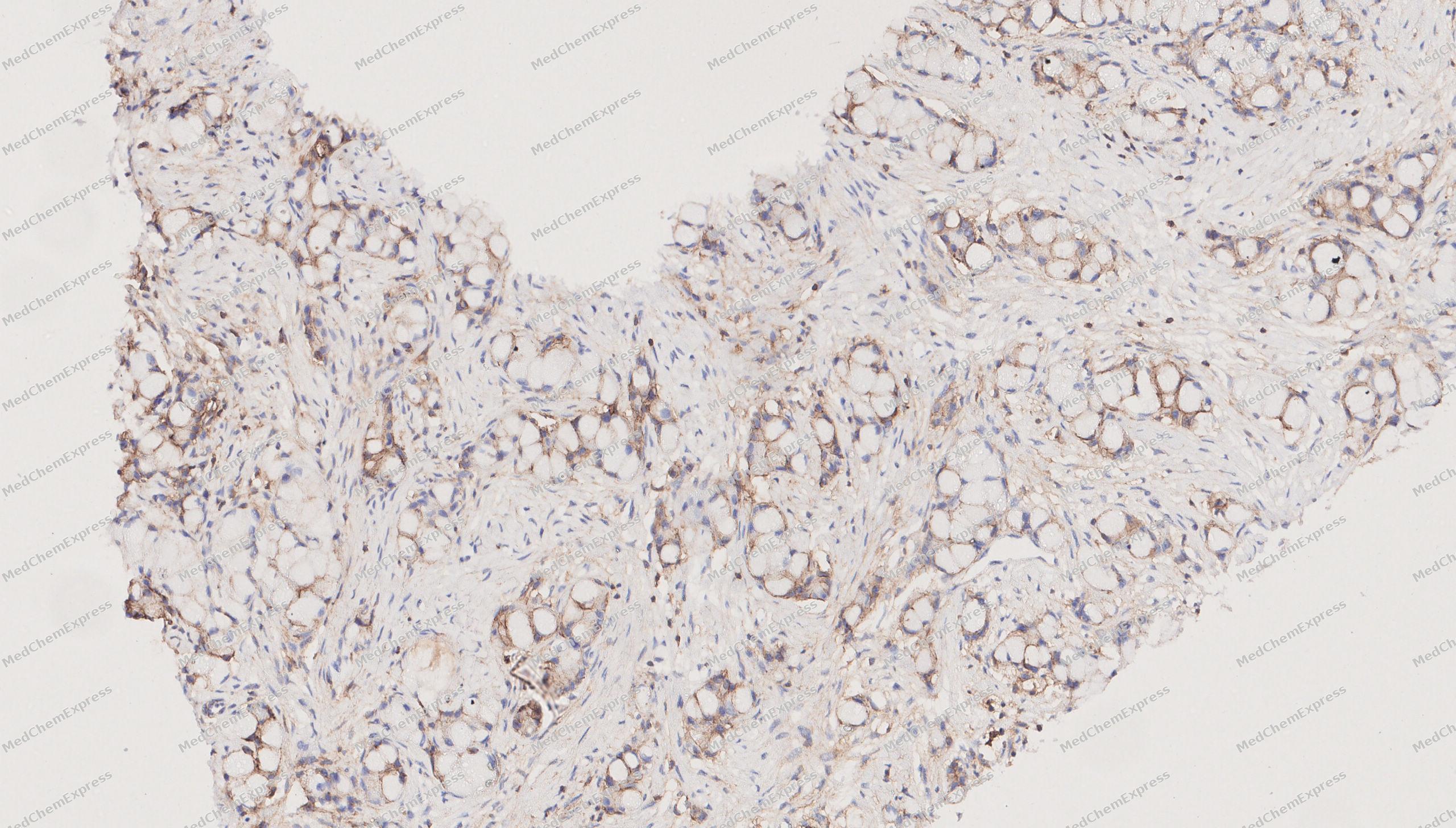 Immunohistochemical analysis of paraffin-embedded human uterine appendages tissue using CD44 antibody was performed. The section was pretreated using high-temperature mediated EDTA antigen retrieval buffer (pH 9.0), for 20 minutes. The tissues were incubated with primary antibody (HY-P84122, 1:9000 dilution) at room temperature for 20 minutes. Detection was performed using an HRP conjugated compact polymer system. DAB was used as the chromogen. The tissues were counterstained with hematoxylin and mounted with neutral balsam mounting medium.
 -
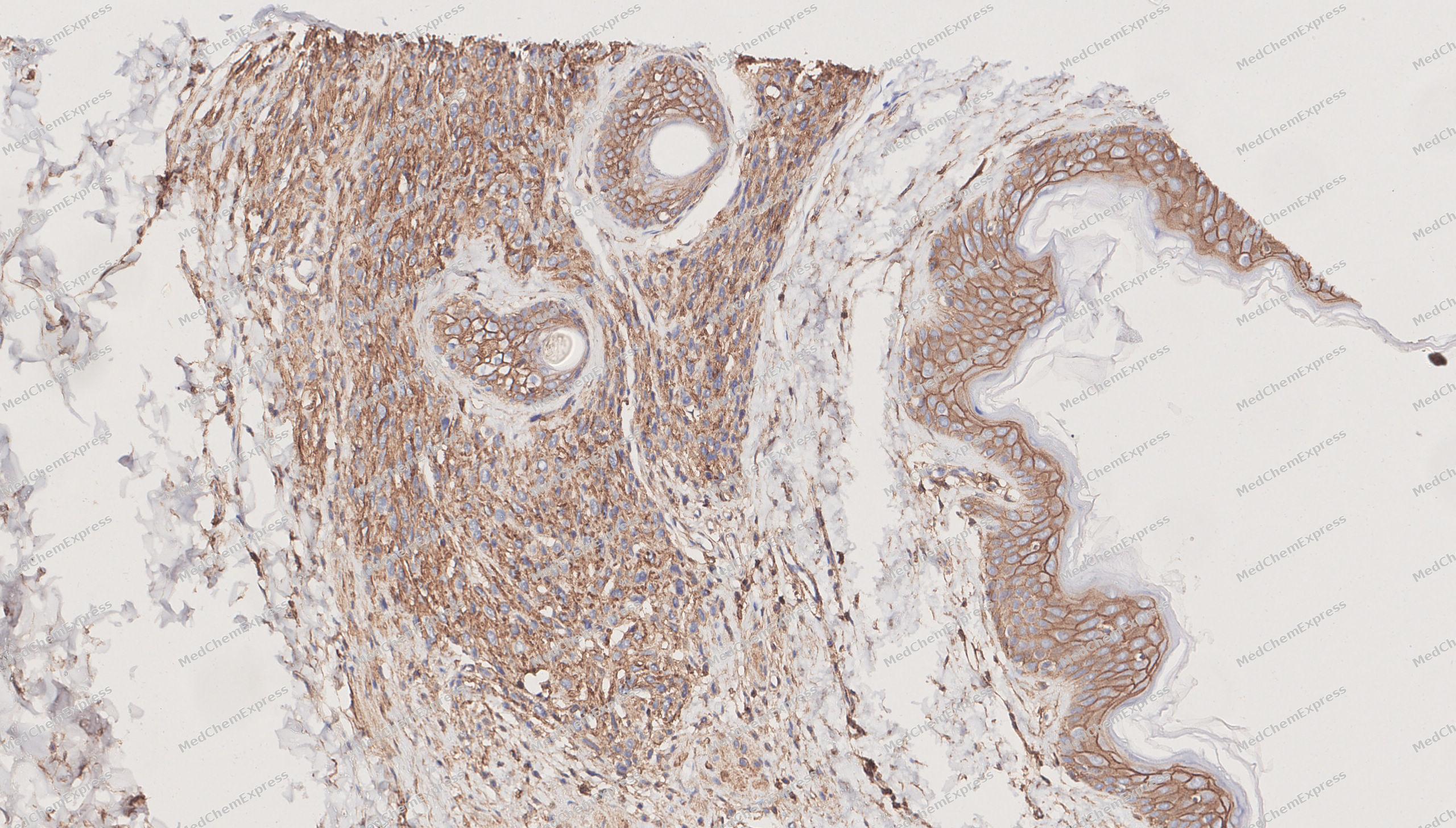 Immunohistochemical analysis of paraffin-embedded human melanoma tissue using CD44 antibody was performed. The section was pretreated using high-temperature mediated EDTA antigen retrieval buffer (pH 9.0), for 20 minutes. The tissues were incubated with primary antibody (HY-P84122, 1:9000 dilution) at room temperature for 20 minutes. Detection was performed using an HRP conjugated compact polymer system. DAB was used as the chromogen. The tissues were counterstained with hematoxylin and mounted with neutral balsam mounting medium.
 -
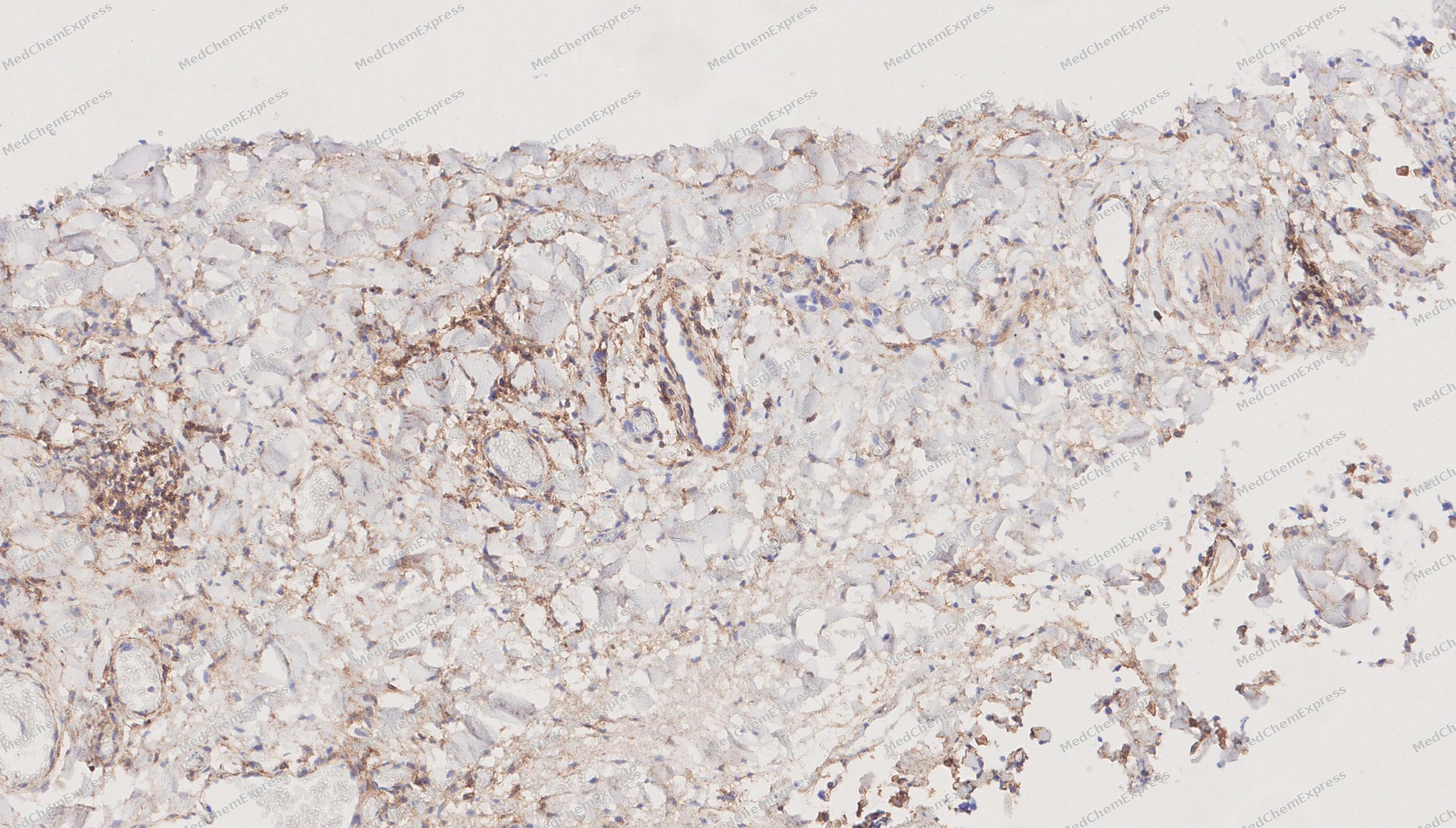 Immunohistochemical analysis of paraffin-embedded human lymphoma tissue using CD44 antibody was performed. The section was pretreated using high-temperature mediated EDTA antigen retrieval buffer (pH 9.0), for 20 minutes. The tissues were incubated with primary antibody (HY-P84122, 1:9000 dilution) at room temperature for 20 minutes. Detection was performed using an HRP conjugated compact polymer system. DAB was used as the chromogen. The tissues were counterstained with hematoxylin and mounted with neutral balsam mounting medium.
 -
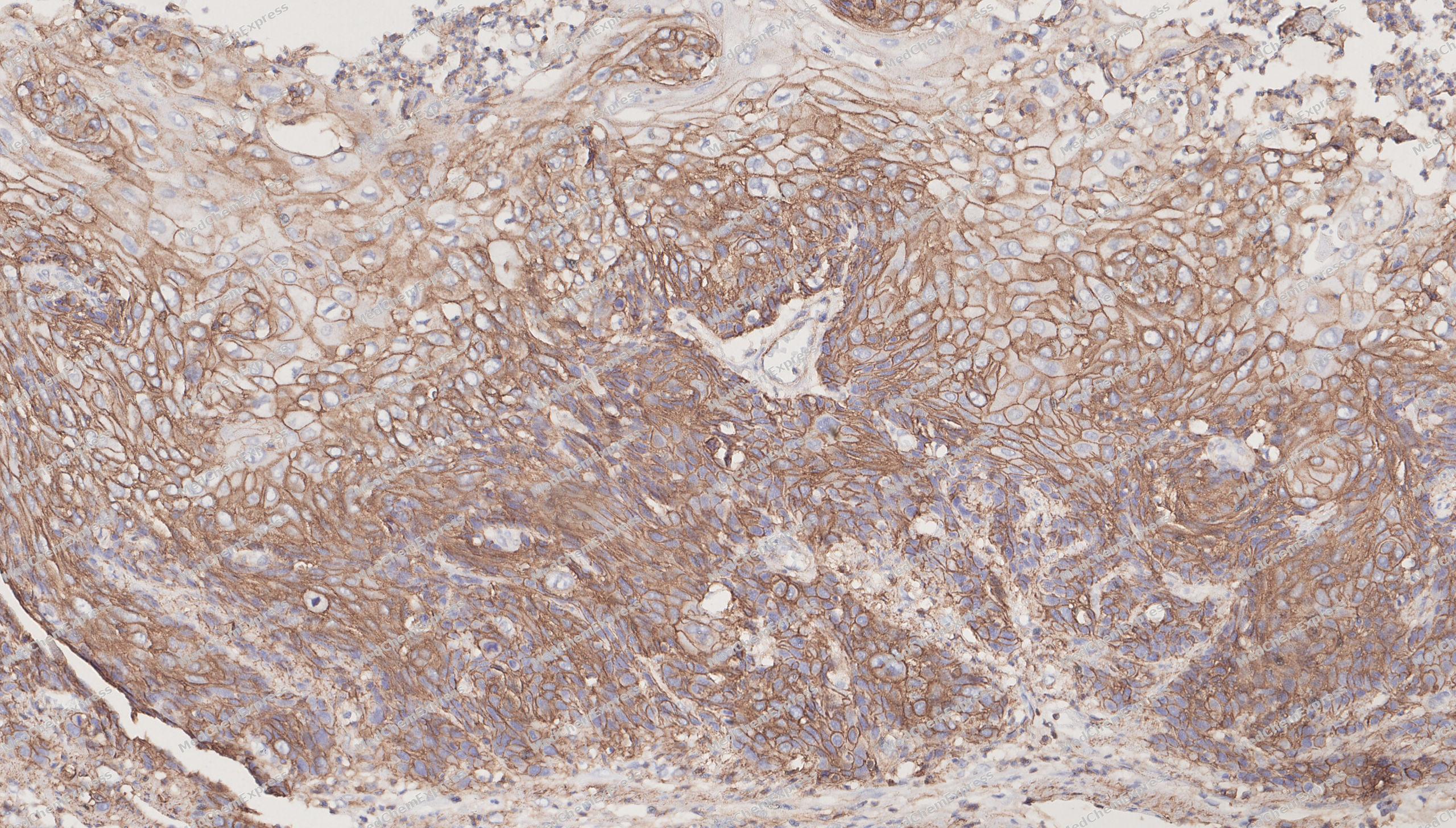 Immunohistochemical analysis of paraffin-embedded human esophagus tissue using CD44 antibody was performed. The section was pretreated using high-temperature mediated EDTA antigen retrieval buffer (pH 9.0), for 20 minutes. The tissues were incubated with primary antibody (HY-P84122, 1:9000 dilution) at room temperature for 20 minutes. Detection was performed using an HRP conjugated compact polymer system. DAB was used as the chromogen. The tissues were counterstained with hematoxylin and mounted with neutral balsam mounting medium.
 -
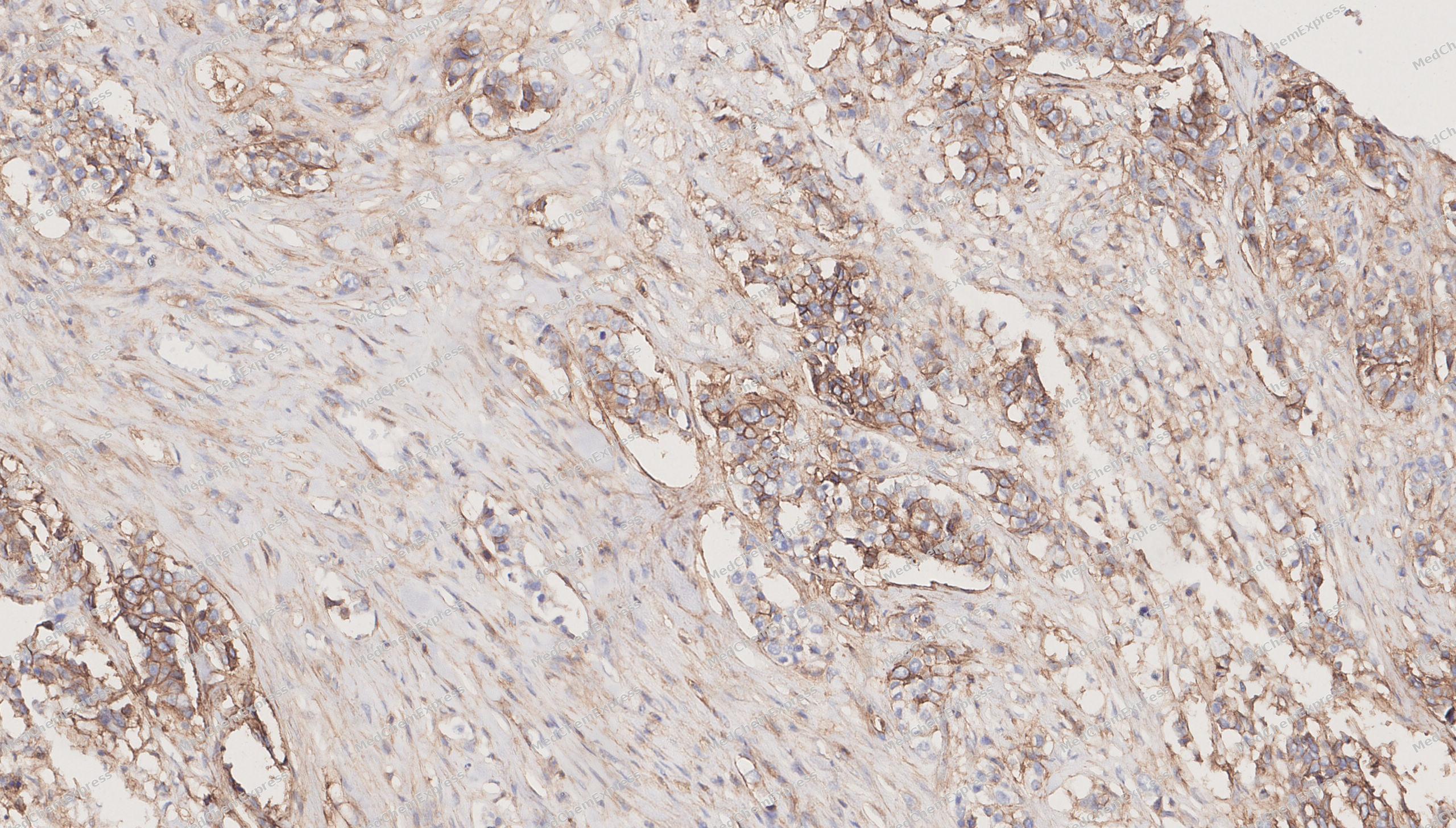 Immunohistochemical analysis of paraffin-embedded human breast cancer tissue using CD44 antibody was performed. The section was pretreated using high-temperature mediated EDTA antigen retrieval buffer (pH 9.0), for 20 minutes. The tissues were incubated with primary antibody (HY-P84122, 1:9000 dilution) at room temperature for 20 minutes. Detection was performed using an HRP conjugated compact polymer system. DAB was used as the chromogen. The tissues were counterstained with hematoxylin and mounted with neutral balsam mounting medium.


Background
-
Function
CD44 is a hyaluronic acid receptor and cell adhesion molecule that plays a broad role in cell migration, immune cell activation, stem cell maintenance, and tumorigenesis. CD44 serves as both a key marker for memory T cells and a classic surface marker in research on mesenchymal stem cells and cancer stem cells.
-
Subcellular Localization
Cell membrane; Single-pass type I membrane protein; Cell projection, microvillus; Secreted
-
Expression
Tissue_specificity:Protein levels were detected in fibroblasts and urine (PubMed:25326458, PubMed:36213313, PubMed:37453717) . Protein levels were also detected in the placenta (PubMed:32337544) . Isomer 10 (epithelial isomer) is expressed in epithelial cells and is highly expressed in cancer cells. Expression is suppressed in neuroblastoma cells. -
Isoforms & Post-Translational Modification
CD44 has 19 isomers: P16070-1: 81538 Da (predicted); P16070-2: 3327 Da (predicted); P16070-3: 77983 Da (predicted); P16070-4: 76612 Da (predicted); P16070-5: 80790 Da (predicted); P16070-6: 76705 Da (predicted); P16070-7: 78446 Da (predicted); P16070-8: 74388 Da (predicted); P16070-9: 74196 Da (predicted); P16070-10: 53411 Da (predicted); P16070-11: 46565 Da (predicted); P16070-12: 39416 Da (predicted); P16070-13: 46261 Da (predicted); P16070-14: 43169 Da (predicted); P16070-15: 32075 Da (predicted); P16070-16: 73150 Da (predicted); P16070-17: 75957 Da (predicted); P16070-18: 37278 Da (predicted); P16070-19: 15635 Da (predicted).
Proteolytically cleaved in the extracellular matrix by specific proteinases (possibly MMPs) in several cell lines and tumors;N-glycosylated;O-glycosylated; contains chondroitin sulfate glycans which can be more or less sulfated and whose number may affect the accessibility of specific proteinases to their cleavage site(s). It is uncertain if O-glycosylation occurs on Thr-637 or Thr-638;Phosphorylated; activation of PKC results in the dephosphorylation of Ser-706 (constitutive phosphorylation site), and the phosphorylation of Ser-672 -
Subunit
Interacts with PKN2. Interacts with HA, as well as other glycosaminoglycans, collagen, laminin, and fibronectin via its N-terminal segment. Interacts with UNC119. Interacts with PDPN (via extracellular domain); this interaction is required for PDPN-mediated directional migration and regulation of lamellipodia extension/stabilization during cell spreading and migration. Interacts with EGFR.
-
SwissProt ID
-
Synonyms
IN; LHR; MC56; MDU2; MDU3; MIC4; Pgp1; CDW44; CSPG8; HCELL
Documentation
-
Data Sheet (235 KB)
-
SDS (251 KB)
- English - EN (251 KB)
- Français - FR (251 KB)
- Deutsch - DE (251 KB)
- Norwegian - NO (251 KB)
- Español - ES (251 KB)
- Swedish - SV (251 KB)
- Italian - IT (251 KB)
- Korean - KR (251 KB)
- Portuguese - PT (251 KB)
-
User Guide for Antibodies (1077 KB)

 Powered by Bioz
