



Fos B Antibody (YA1498)
(Synonyms: G0/G1 switch regulatory protein 3; G0S3; Protein fosB; GOSB; Oncogene FOSB; Activator protein 1)
Based on 1 Customer Validation
Fos B Antibody (YA1498) is a Rabbit-derived and non-conjugated IgG monoclonal antibody, targeting to Fos B.
-
Host:
Rabbit
-
Isotype:
IgG
-
Application:
WB, IHC-P, ICC/IF, IP
-
Reactivity :
Human, Mouse, Rat
-
Formulation:
Supplied in rabbit IgG in 50mM Tris-Glycine(pH 7.4), 0.15M NaCl, 40%Glycerol, 0.01% sodium azide and 0.05%BSA.
-
Conjugation:
Non-conjugated


To place orders, for customer services and technical support, please contact: MedChemExpress USA
Tel: 609-228-6898 E-mail: [email protected] [email protected]





Applications
| Application |
WB

WB: Western Blot
|
IHC-P
IHC-P: Immunohistochemistry-Paraffin
|
ICC/IF
ICC/IF: Immunocytochemistry/
Immunofluorescence |
IP
IP: Immunoprecipitation
|
|---|---|---|---|---|
| Dilution Ratio | 1:500-1:1000 | 1:50-1:100 | 1:50-1:200 | 1:20 |


Product Details
Fos B Antibody (YA1498) is a Rabbit-derived and non-conjugated IgG monoclonal antibody, targeting to Fos B.
-
Host Rabbit

-
Clonality Recombinant,Monoclonal

-
Species ReactivityHuman, Mouse, Rat
-
Observed Molecular WeightObserved band size: 38/48 kDa
Note: Due to possible protein modifications or aggregation, the molecular weight should be confirmed by actual measurement, and the predicted value is for reference only.

-
Calculated Molecular Weight Predicted band size: 36 kDa

Entrez Gene: 2354 Human ; 14282 Mouse ; 100360880 Rat
SwissProt: P53539 Human ; P13346 Mouse ;
OMIM: 164772 Human
A synthesized peptide derived from human Fos B aa1-150/338.
Endogenous
Affinity Chromatography
Non-conjugated
Unmodified
IgG


Product Properties
-
Appearance
Solution
-
Formulation
Supplied in rabbit IgG in 50mM Tris-Glycine(pH 7.4), 0.15M NaCl, 40%Glycerol, 0.01% sodium azide and 0.05%BSA.
-
Concentration
Batch-dependent, Please check the COA for the concentration of each lot. Check Lot Concentration
-
Storage & Stability
Stored at -20°C for 1 year. Avoid repeated freeze / thaw cycles.
-
Shipping
Shipping with blue ice.


Verification Images
-
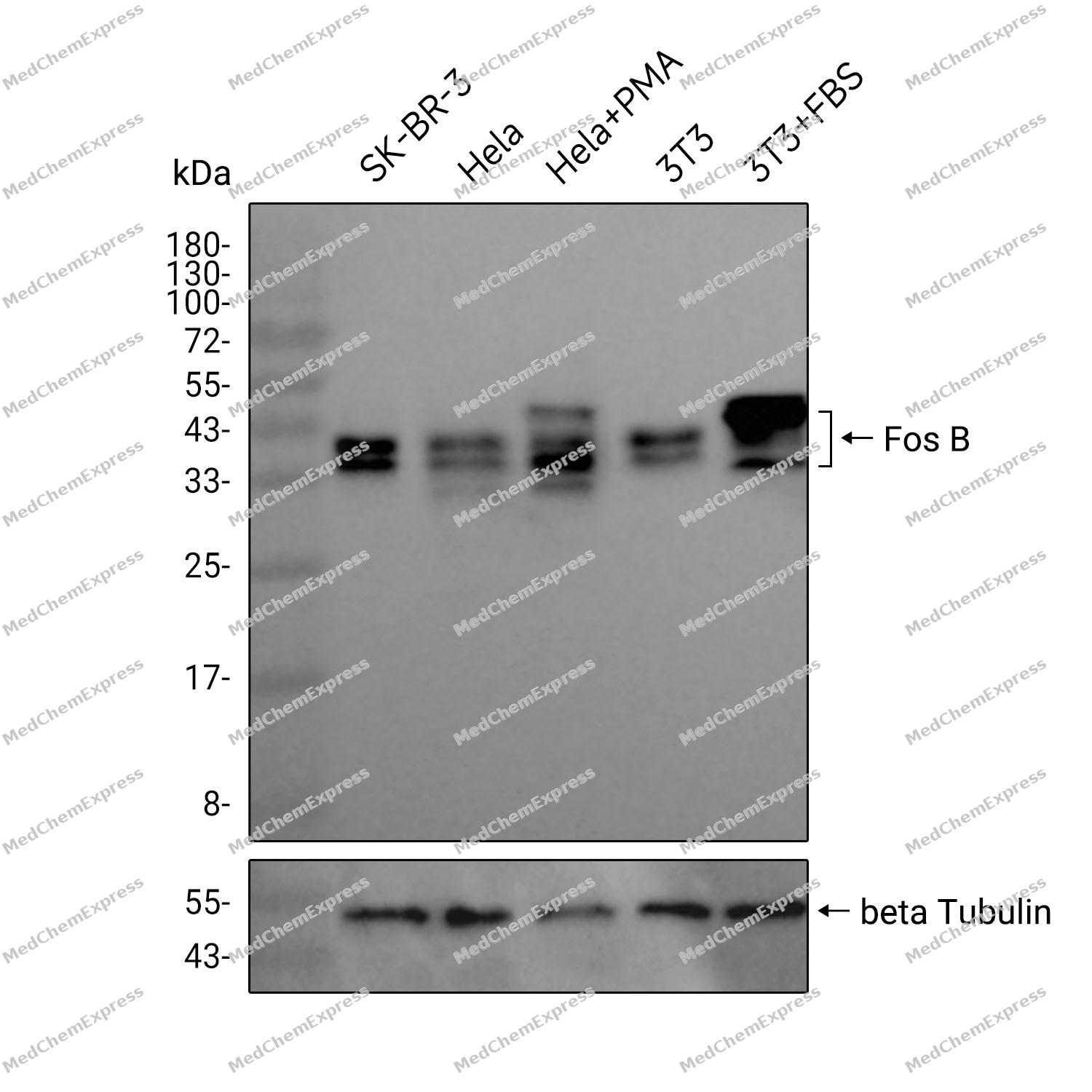
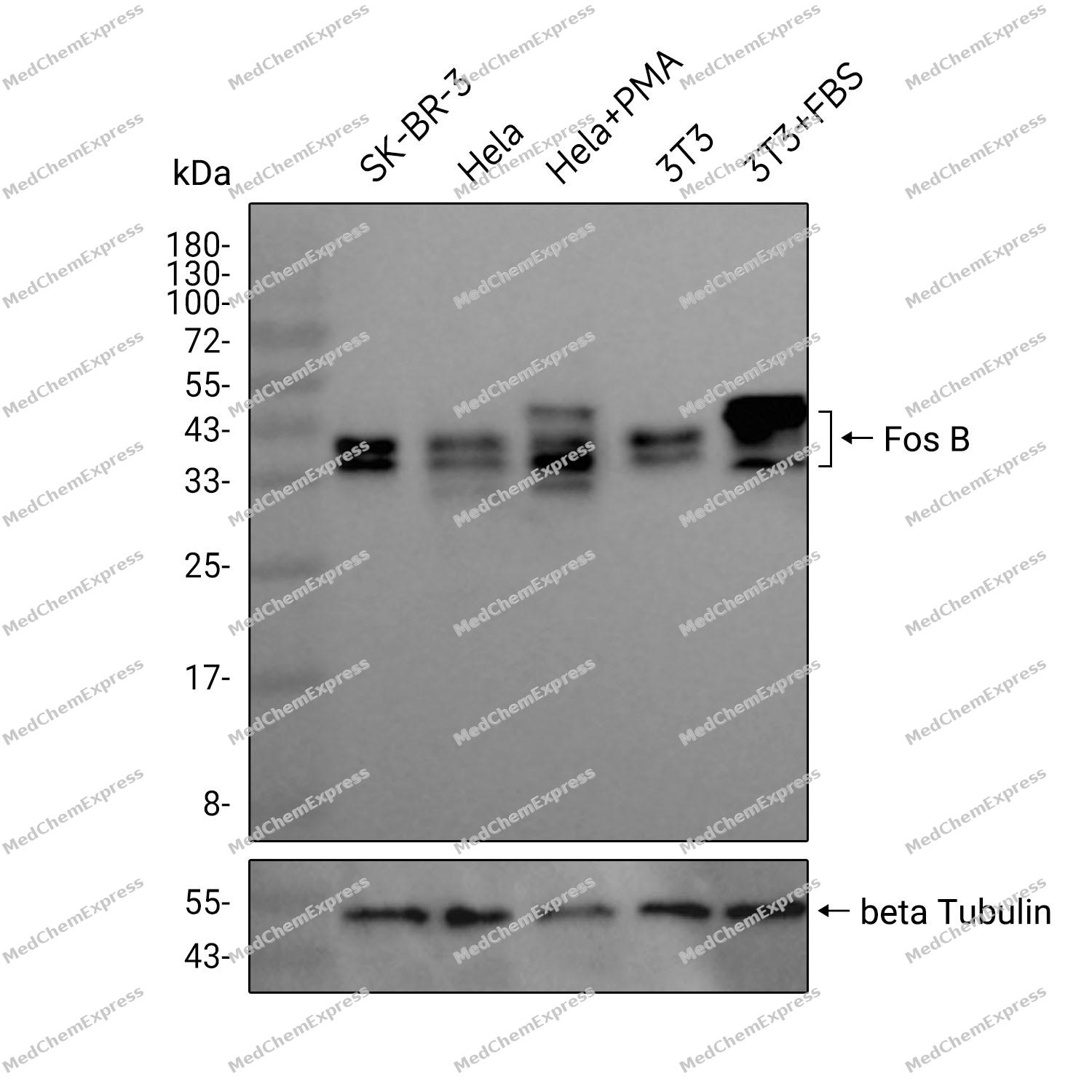 Western blot analysis was performed on extracts from SK-BR-3 (lane 1, 15 μg), Hela (lane 2, 15 μg), Hela+PMA (lane 3, 15 μg), 3T3 (lane 4, 15 μg), and 3T3+FBS (lane 5, 15 μg) using Fos B Rabbit mAb .Proteins were transferred to a PVDF membrane and blocked with 5% non-fat milk in TBST at 4°C overnight.The primary antibody (1:1000 dilution) and the loading control antibody (beta-Tubulin, HY-P80955, 1:10000 dilution) were incubated in 5% non-fat milk in TBST for 1 hour at 37°C.Goat Anti-Rabbit IgG-HRP Secondary Antibody (1:20000 dilution) was then applied for 40 minutes at 37°C.
 -
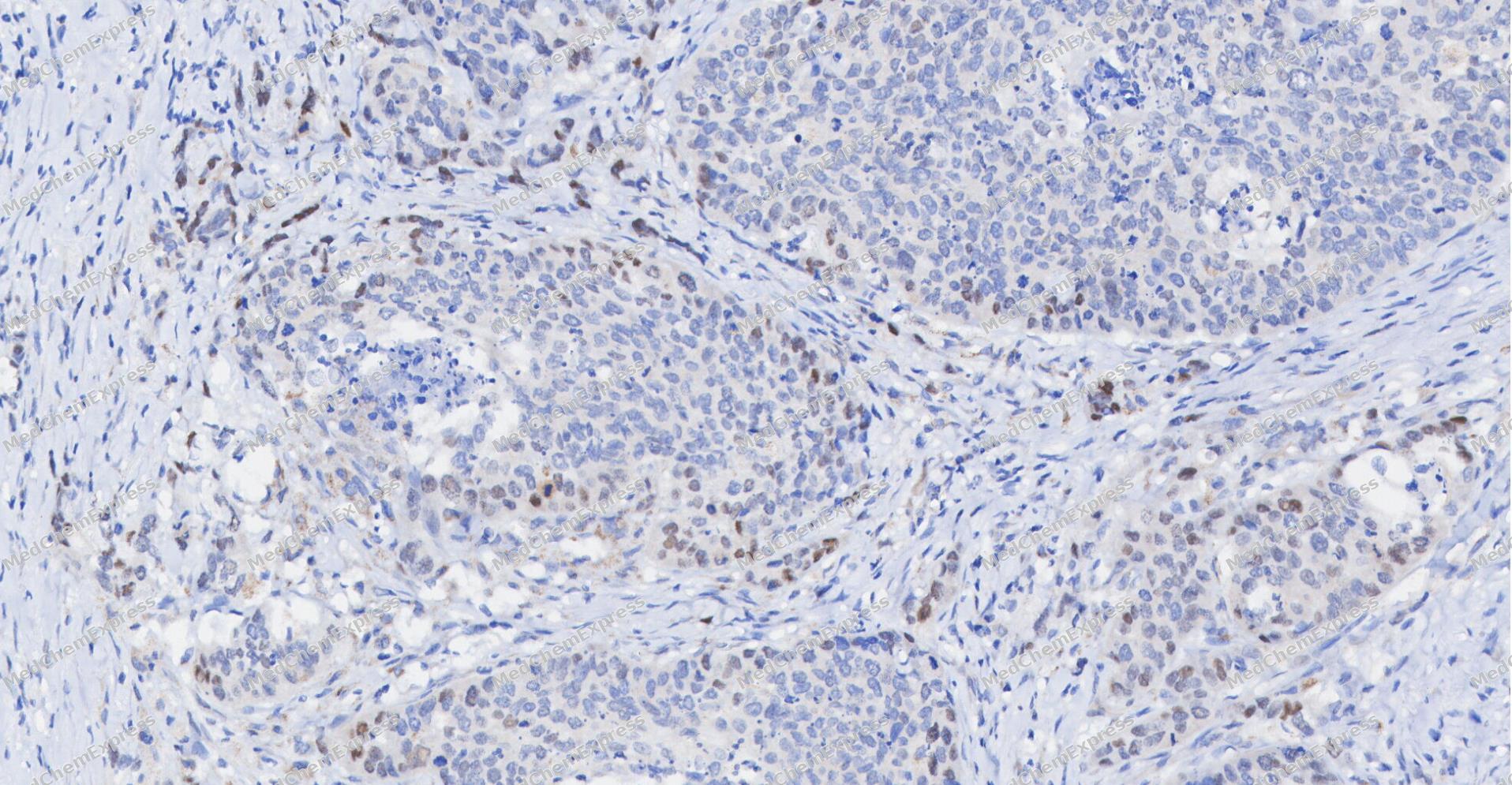 Immunohistochemical analysis of paraffin-embedded human Esophageal Carcinoma tissue using Fos B antibody was performed. The section was pretreated using high-temperature and high-pressure mediated EDTA antigen retrieval buffer (pH 9.0), for 5 minutes. The tissues were incubated with primary antibody (HY-P81753,1:100 dilution) at room temperature for 60 minutes. Detection was performed using an HRP conjugated compact polymer system. DAB was used as the chromogen. The tissues were counterstained with hematoxylin and mounted with neutral balsam mounting medium.
 -
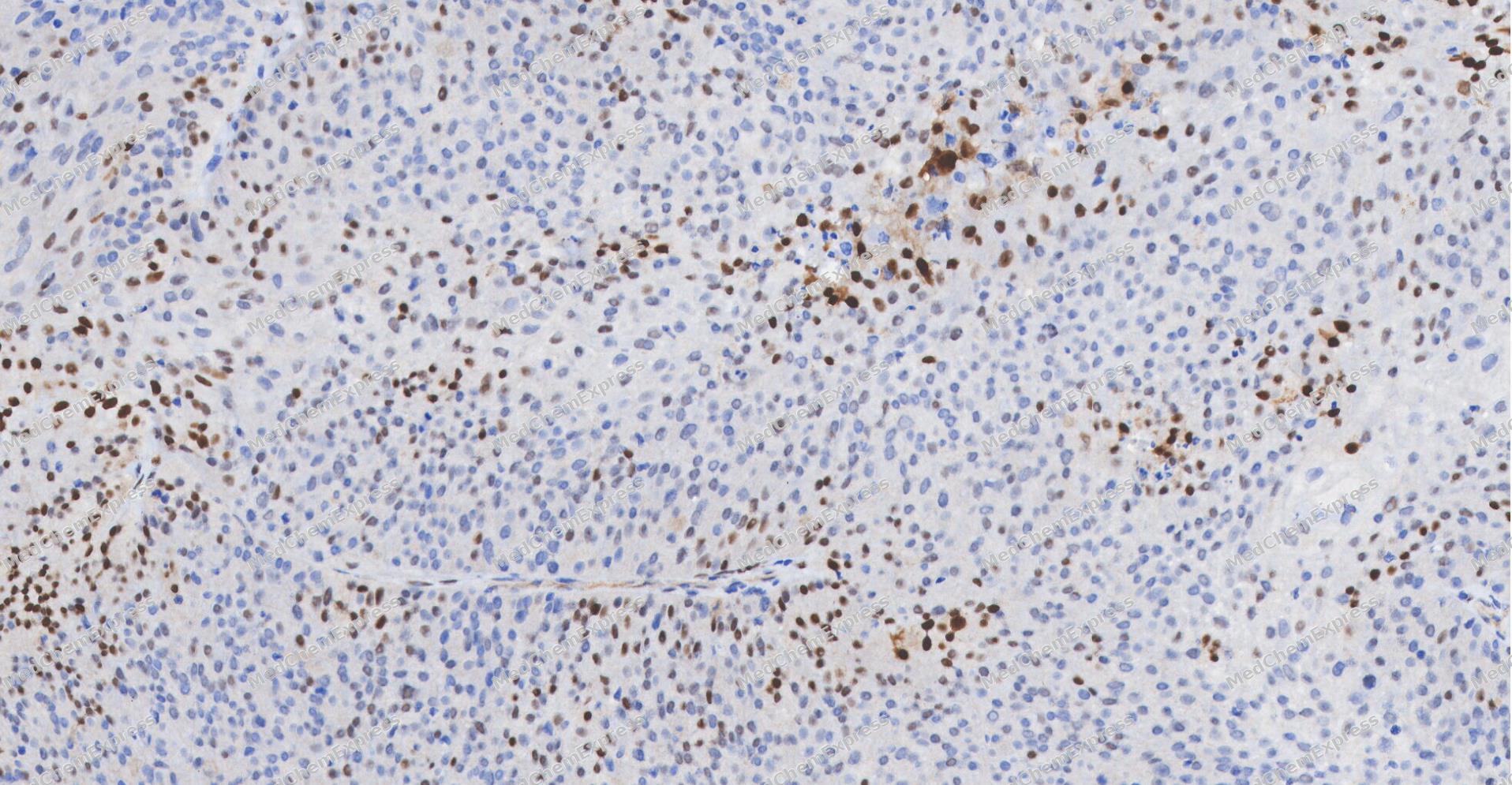 Immunohistochemical analysis of paraffin-embedded human Cervical cancer tissue using Fos B antibody was performed. The section was pretreated using high-temperature and high-pressure mediated EDTA antigen retrieval buffer (pH 9.0), for 5 minutes. The tissues were incubated with primary antibody (HY-P81753,1:100 dilution) at room temperature for 60 minutes. Detection was performed using an HRP conjugated compact polymer system. DAB was used as the chromogen. The tissues were counterstained with hematoxylin and mounted with neutral balsam mounting medium.
 -
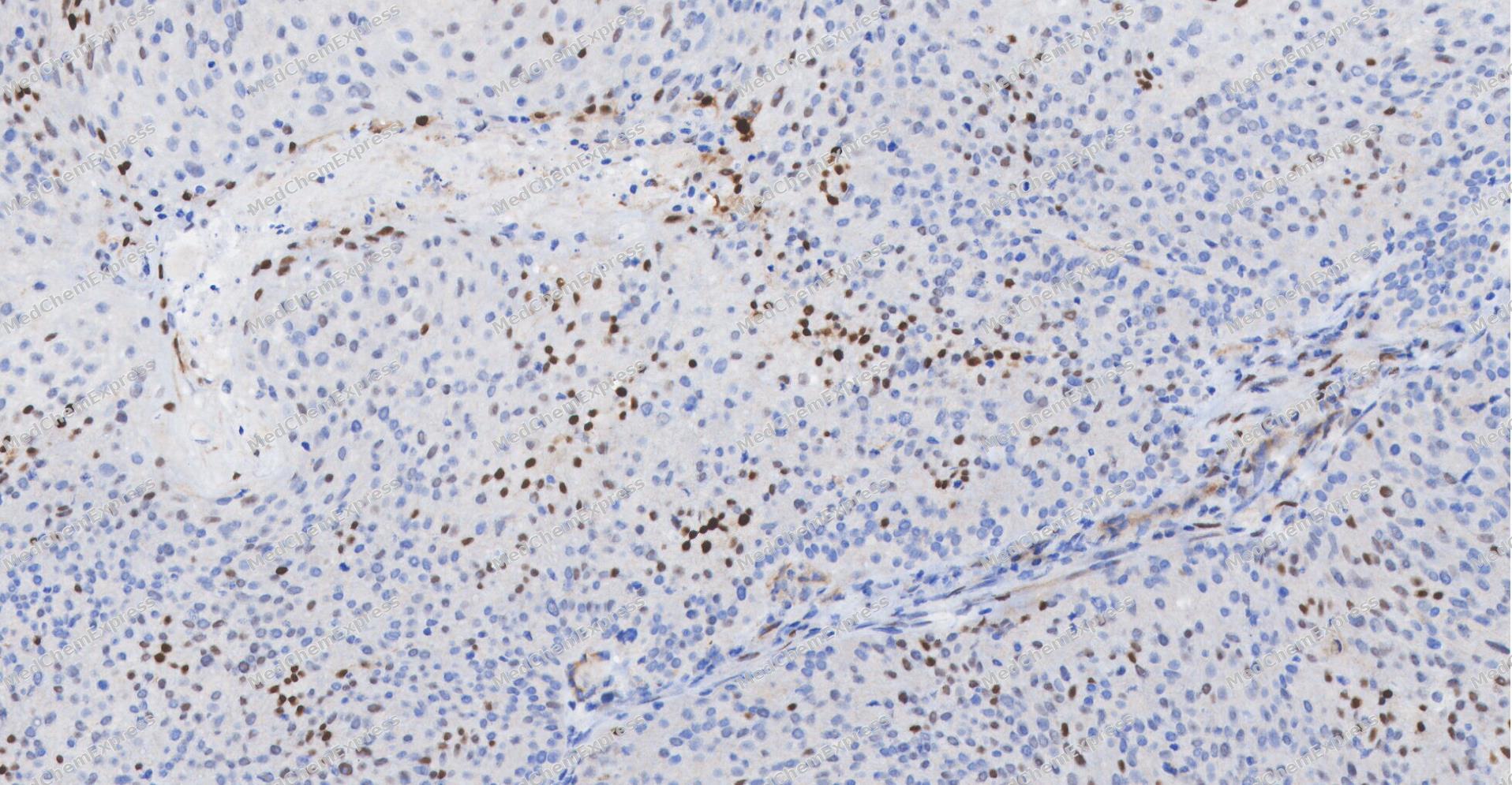 Immunohistochemical analysis of paraffin-embedded human Cervical cancer tissue using Fos B antibody was performed. The section was pretreated using high-temperature and high-pressure mediated EDTA antigen retrieval buffer (pH 9.0), for 5 minutes. The tissues were incubated with primary antibody (HY-P81753,1:100 dilution) at room temperature for 60 minutes. Detection was performed using an HRP conjugated compact polymer system. DAB was used as the chromogen. The tissues were counterstained with hematoxylin and mounted with neutral balsam mounting medium.
 -
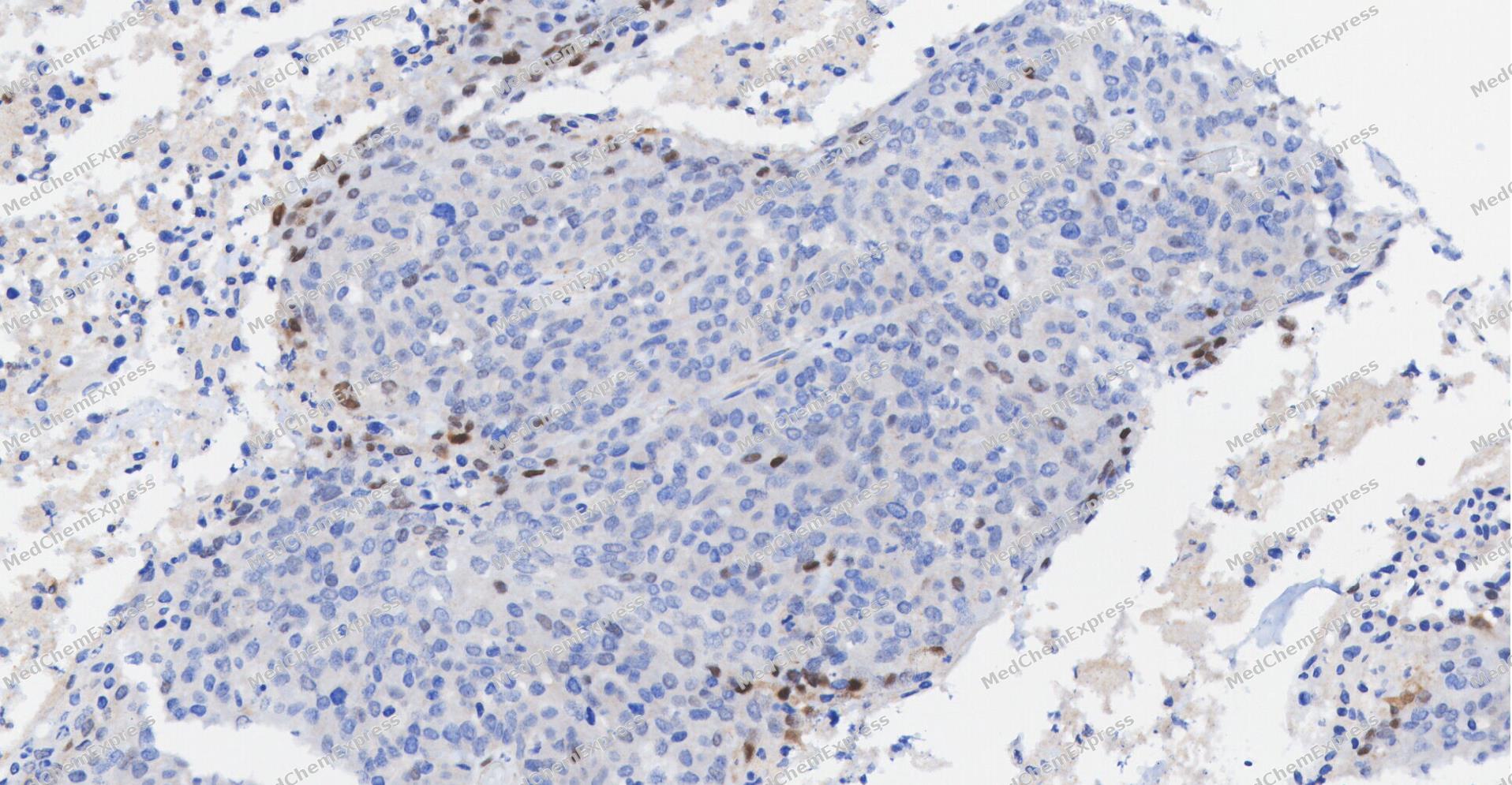 Immunohistochemical analysis of paraffin-embedded human Cervical cancer tissue using Fos B antibody was performed. The section was pretreated using high-temperature and high-pressure mediated EDTA antigen retrieval buffer (pH 9.0), for 5 minutes. The tissues were incubated with primary antibody (HY-P81753,1:100 dilution) at room temperature for 60 minutes. Detection was performed using an HRP conjugated compact polymer system. DAB was used as the chromogen. The tissues were counterstained with hematoxylin and mounted with neutral balsam mounting medium.
 -
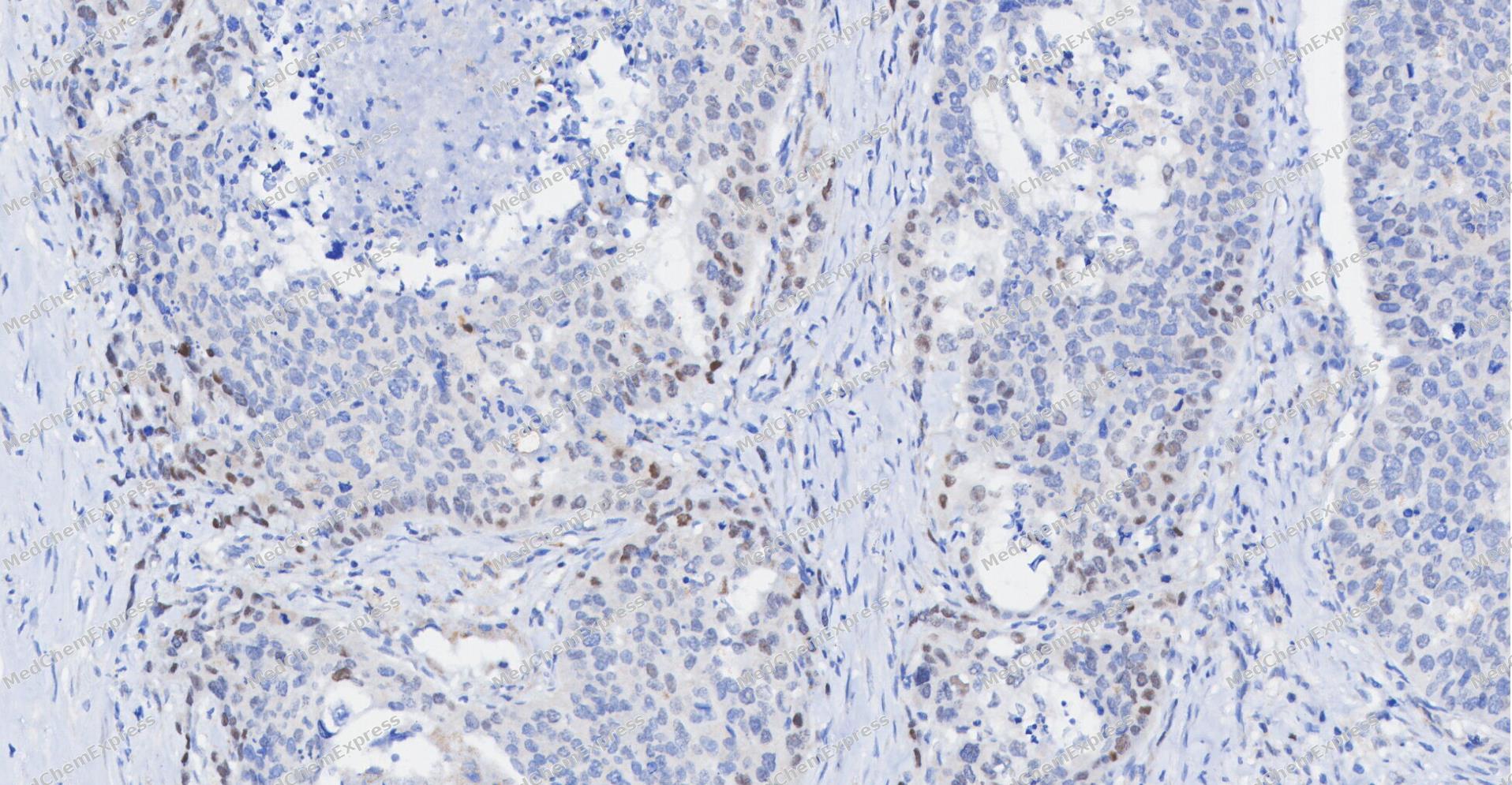 Immunohistochemical analysis of paraffin-embedded human Esophageal Carcinoma tissue using Fos B antibody was performed. The section was pretreated using high-temperature and high-pressure mediated EDTA antigen retrieval buffer (pH 9.0), for 5 minutes. The tissues were incubated with primary antibody (HY-P81753,1:100 dilution) at room temperature for 60 minutes. Detection was performed using an HRP conjugated compact polymer system. DAB was used as the chromogen. The tissues were counterstained with hematoxylin and mounted with neutral balsam mounting medium.
 -
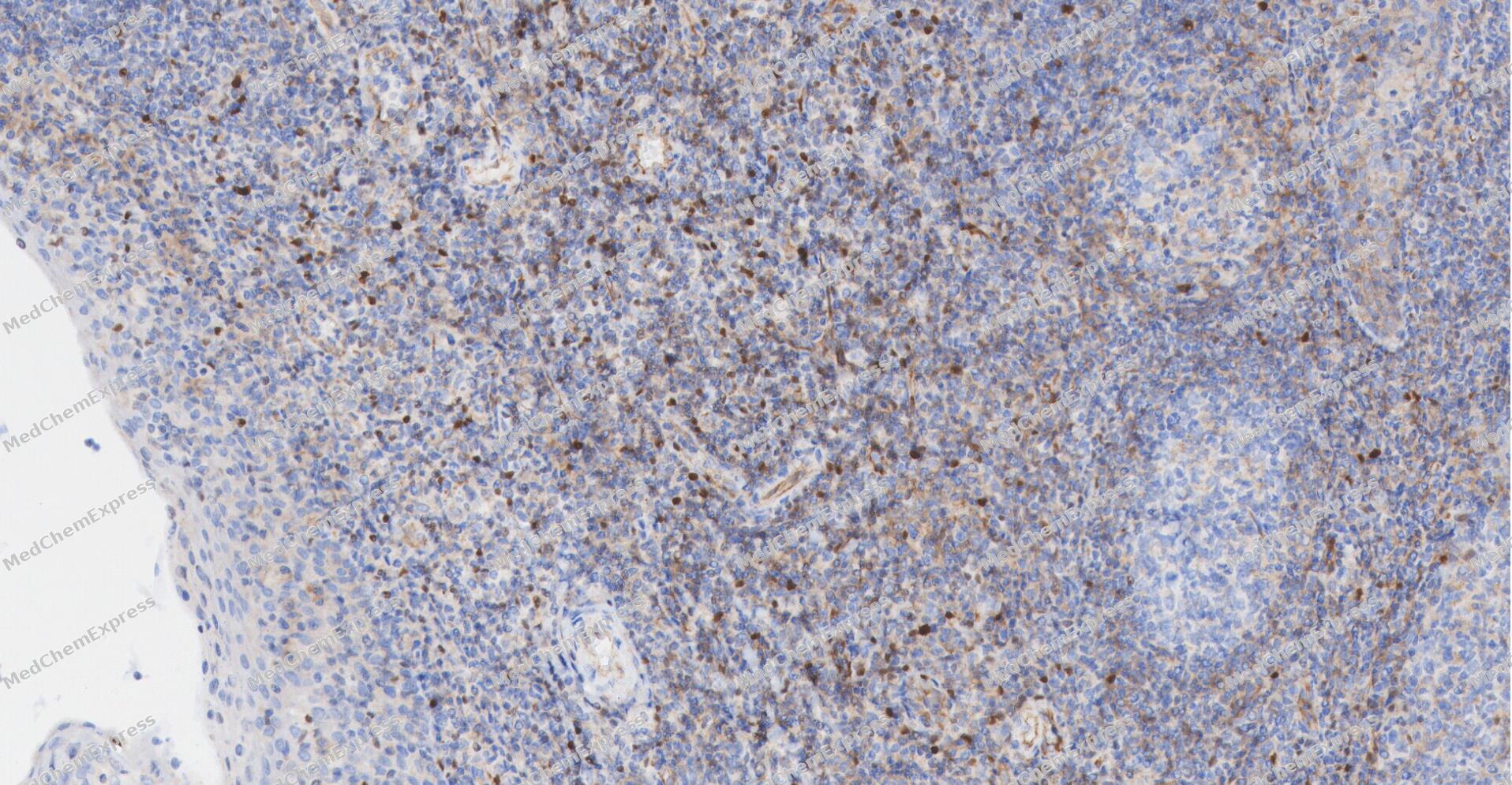 Immunohistochemical analysis of paraffin-embedded human Tonsil tissue using Fos B antibody was performed. The section was pretreated using high-temperature and high-pressure mediated EDTA antigen retrieval buffer (pH 9.0), for 5 minutes. The tissues were incubated with primary antibody (HY-P81753,1:100 dilution) at room temperature for 60 minutes. Detection was performed using an HRP conjugated compact polymer system. DAB was used as the chromogen. The tissues were counterstained with hematoxylin and mounted with neutral balsam mounting medium.
 -
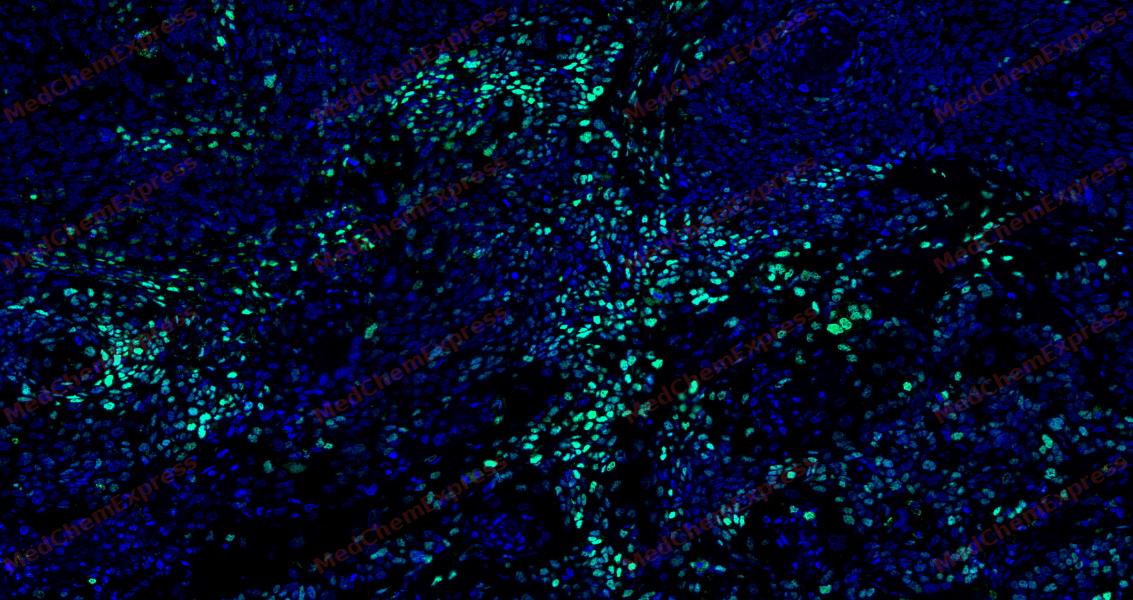 Tyramide signaling amplification based immunofluorescence was performed on paraffin-embedded human Esophageal Carcinoma tissue using Fos B antibody. Antigen retrieval was performed in EDTA buffer pH 9.0 (95 °C, 20 min) followed by cooling to RT. Then incubated with primary antibody (HY-P81753, 1:300 dilution) at room temperature for 60 minutes and HRP conjugated secondary antibody for 10 minutes. Fluorescence was then developed with Vari Fluor 532 TSA (200×)(HY-D1832). The tissues were counterstained with DAPI and mounted with Anti-fade mounting medium.
 -
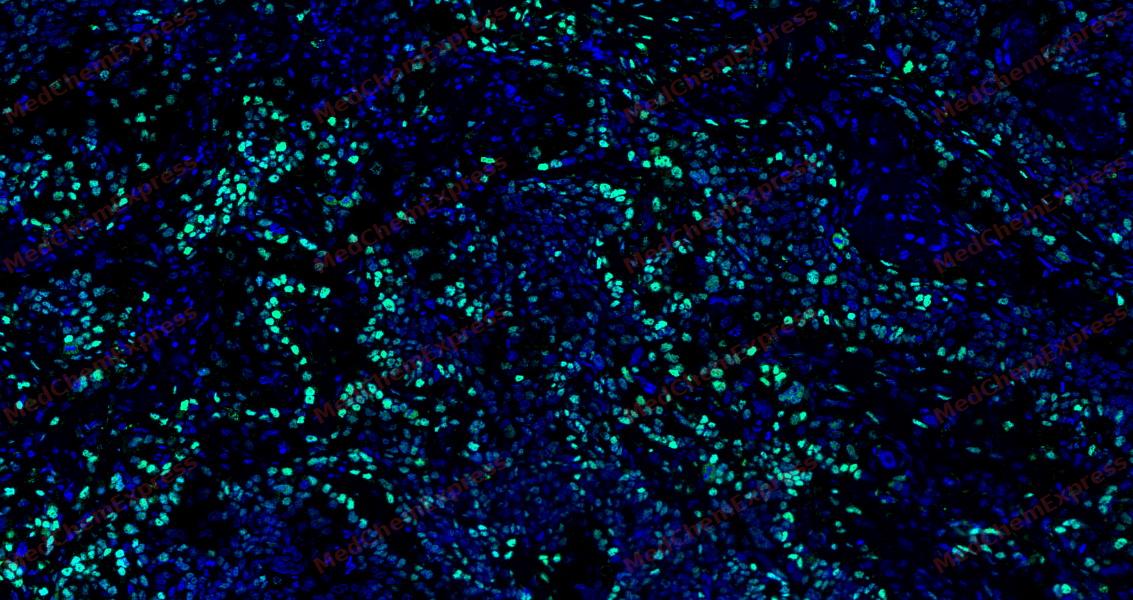 Tyramide signaling amplification based immunofluorescence was performed on paraffin-embedded human Esophageal Carcinoma tissue using Fos B antibody. Antigen retrieval was performed in EDTA buffer pH 9.0 (95 °C, 20 min) followed by cooling to RT. Then incubated with primary antibody (HY-P81753, 1:300 dilution) at room temperature for 60 minutes and HRP conjugated secondary antibody for 10 minutes. Fluorescence was then developed with Vari Fluor 532 TSA (200×)(HY-D1832). The tissues were counterstained with DAPI and mounted with Anti-fade mounting medium.
 -
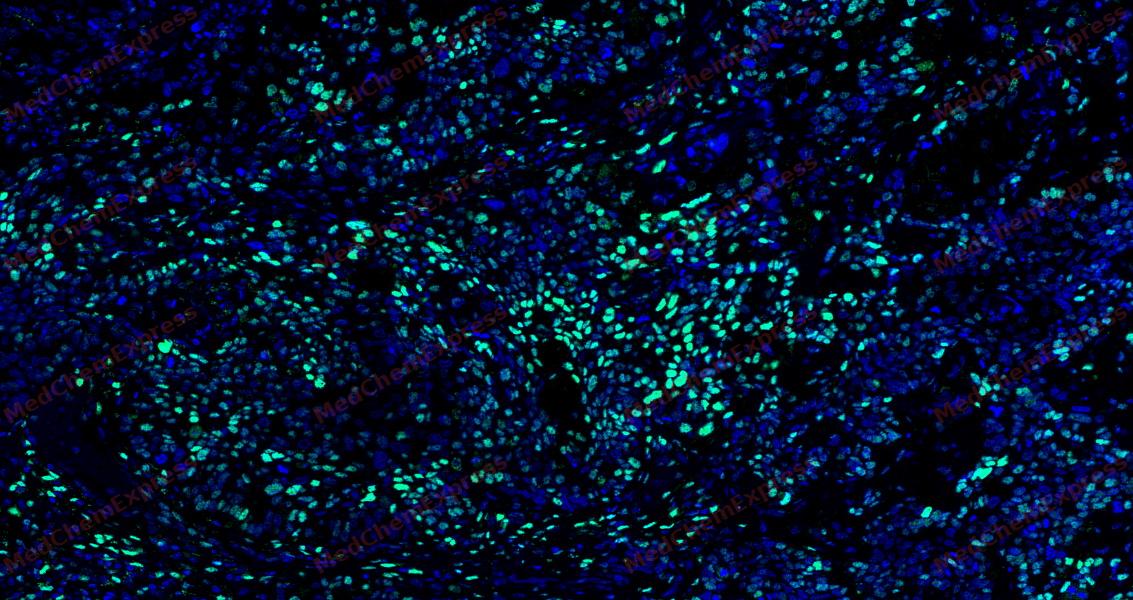 Tyramide signaling amplification based immunofluorescence was performed on paraffin-embedded human Esophageal Carcinoma tissue using Fos B antibody. Antigen retrieval was performed in EDTA buffer pH 9.0 (95 °C, 20 min) followed by cooling to RT. Then incubated with primary antibody (HY-P81753, 1:300 dilution) at room temperature for 60 minutes and HRP conjugated secondary antibody for 10 minutes. Fluorescence was then developed with Vari Fluor 532 TSA (200×)(HY-D1832). The tissues were counterstained with DAPI and mounted with Anti-fade mounting medium.
 -
 Immunocytochemistry analysis of MCF-7 cells labeling Fos B with Fos B Antibody (HY-P81753) at 1/100 dilution. Cells were fixed in 4% paraformaldehyde for 15 minutes at room temperature, permeabilized with 0.1% Triton X-100 in PBS for 15 minutes at room temperature, then blocked with quick block buffer for 10 minutes at room temperature. Cells were then incubated with Fos B Antibody (HY-P81753) at 1/100 dilution in quick block buffer overnight at 4 ℃. AF488-conjugated Goat Anti-Rabbit IgG H&L (HY-P8002, Green) was used as the secondary antibody at 1/1,000 dilution. PBS instead of the primary antibody was used as the secondary antibody only control. The Nuclear counterstain was DAPI (Blue).
 -
 Immunocytochemistry analysis of MCF-7 cells labeling Fos B with Fos B Antibody (HY-P81753) at 1/200 dilution. Cells were fixed in 4% paraformaldehyde for 15 minutes at room temperature, permeabilized with 0.1% Triton X-100 in PBS for 15 minutes at room temperature, then blocked with quick block buffer for 10 minutes at room temperature. Cells were then incubated with Fos B Antibody (HY-P81753) at 1/200 dilution in quick block buffer overnight at 4 ℃. AF488-conjugated Goat Anti-Rabbit IgG H&L (HY-P8002, Green) was used as the secondary antibody at 1/1,000 dilution. PBS instead of the primary antibody was used as the secondary antibody only control. The Nuclear counterstain was DAPI (Blue).


Background
-
Function
FosB is a member of the Activator Protein-1 (AP-1) transcription factor family that regulates gene expression in response to extracellular stimuli[1][2]. Mechanistically, FosB integrates signals from pathways including P2RX7 nucleotide receptor activation, TGF-β signaling, and IL-1-mediated inflammatory pathways, modulating cellular proliferation, differentiation, migration, and osteogenic or immune responses[1][3]. In disease models, FosB isoforms such as ΔFosB exhibit region-specific effects in the brain, influencing reward circuitry, stress response, and cognitive function in addiction, depression, and Parkinson’s disease[4][5][6]. Compared with related Fos isoforms, ΔFosB demonstrates enhanced nuclear stability and prolonged transcriptional activity, which allows sustained regulation of target genes including GluA2, parkin, and COX-2[4][5][1]. FosB also forms heterodimeric complexes with other transcription factors such as NFATc3 to regulate tissue factor expression and monocyte trafficking in inflammatory models[7]. Functionally, pharmacological or genetic manipulation of FosB or ΔFosB alters migration, invasion, and fibrosis-related pathways, highlighting their utility as targets in neurodegeneration and cancer research[8][3]. Isoform-specific transcriptional activity and inducibility make FosB a critical node in linking extracellular signals to downstream gene networks, offering mechanistic insight for experimental designs involving transcriptional regulation, stress response, and tissue-specific pathology[1][2].
-
Subcellular Localization
Nucleus
-
Expression
Tissue_specificity:Expression (protein level) in the nucleus accumbens of the striatum. -
Isoforms & Post-Translational Modification
P53539 has 11 isomers: P53539-1: 35928 Da (predicted); P53539-2: 31497 Da (predicted); P53539-3: 31837 Da (predicted); P53539-4: 30953 Da (predicted); P53539-5: 27406 Da (predicted); P53539-6: 26522 Da (predicted); P53539-7: 26863 Da (predicted); P53539-8: 20676 Da (predicted); P53539-9: 15701 Da (predicted); P53539-10: 30978 Da (predicted); P53539-11: 25377 Da (predicted).
Phosphorylated;Phosphorylated at Ser-27 by CSNK2A1; phosphorylation increases protein stability and transactivation potential -
Subunit
Heterodimer; binds to DNA as heterodimer (PubMed:28981703). Component of an AP-1 transcription factor complex; composed of FOS-JUN heterodimers (By similarity). As part of the AP-1 transcription factor complex, forms heterodimers with JUN, JUNB or JUND, thereby binding to the AP-1 consensus sequence and stimulating transcription (PubMed:28981703). Interacts with the BAF multiprotein chromatin-remodeling complex subunits SMARCB1 and SMARCD1 (By similarity). Interacts with ARID1A and JUN (By similarity)
-
SwissProt ID
-
Synonyms
G0/G1 switch regulatory protein 3; G0S3; Protein fosB; GOSB; Oncogene FOSB; Activator protein 1
-
Research Field
Epigenetics and Nuclear Signaling


Documentation
-
Data Sheet (263 KB)
-
SDS (252 KB)
- English - EN (252 KB)
- Français - FR (252 KB)
- Deutsch - DE (252 KB)
- Norwegian - NO (252 KB)
- Español - ES (252 KB)
- Swedish - SV (252 KB)
- Italian - IT (252 KB)
- Korean - KR (252 KB)
- Portuguese - PT (252 KB)
-
User Guide for Antibodies (1077 KB)
References
[1]. Gavala ML, et al. Activation of the transcription factor FosB/activating protein-1 (AP-1) is a prominent downstream signal of the extracellular nucleotide receptor P2RX7 in monocytic and osteoblastic cells. J Biol Chem. 2010 Oct 29;285(44):34288-98. [Content Brief]
[2]. Gajewski PA, et al. Differential Expression of FosB Proteins and Potential Target Genes in Select Brain Regions of Addiction and Depression Patients. PLoS One. 2016 Aug 5;11(8):e0160355. [Content Brief]
[3]. Patterson JR, et al. FosB and ΔFosB expression in brain regions containing differentially susceptible dopamine neurons following acute neurotoxicant exposure. Brain Res. 2016 Oct 15;1649(Pt A):53-66. [Content Brief]
[4]. Saaoud F, et al. Organelle stresses and energetic metabolisms promote endothelial-to-mesenchymal transition and fibrosis via upregulating FOSB and MEOX1 in Alzheimer's disease. Front Mol Neurosci. 2025 Aug 22;18:1605012. [Content Brief]
[5]. Kotla S, et al. Heterodimers of the transcriptional factors NFATc3 and FosB mediate tissue factor expression for 15(S)-hydroxyeicosatetraenoic acid-induced monocyte trafficking. J Biol Chem. 2017 Sep 8;292(36):14885-14901. [Content Brief]
[6]. Wagner EF, et al. Signalling in osteoclasts and the role of Fos/AP1 proteins. Ann Rheum Dis. 2003 Nov;62 Suppl 2(Suppl 2):ii83-5. [Content Brief]
[7]. Barrett CS, et al. TGF-β Effects on Prostate Cancer Cell Migration and Invasion Require FosB. Prostate. 2017 Jan;77(1):72-81. [Content Brief]
[8]. Grueter BA, et al. ∆FosB differentially modulates nucleus accumbens direct and indirect pathway function. Proc Natl Acad Sci U S A. 2013 Jan 29;110(5):1923-8. [Content Brief]

 Powered by Bioz
