



Caspase-10 Antibody (YA559)
(Synonyms: MCH4, CASP10, Caspase-10, CASP-10, Apoptotic protease Mch-4, FAS-associated death domain protein interleukin-1B-converting enzyme 2, ICE-like apoptotic protease 4, FLICE2)
Based on 1 Customer Validation
Caspase-10 Antibody (YA559) is a Rabbit-derived and non-conjugated IgG monoclonal antibody, targeting to Caspase-10.
-
Host:
Rabbit
-
Isotype:
IgG
-
Application:
WB, IHC-P, FC, IP
-
Reactivity :
Human
-
Formulation:
Supplied in 1*TBS (pH7.4), 0.05% BSA and 40% Glycerol. Preservative: 0.05% Sodium Azide.
-
Conjugation:
Non-conjugated


To place orders, for customer services and technical support, please contact: MedChemExpress USA
Tel: 609-228-6898 E-mail: [email protected] [email protected]





Applications
| Application |
WB

WB: Western Blot
|
FC
FC: Flow Cytometry
|
IHC-P
IHC-P: Immunohistochemistry-Paraffin
|
IP
IP: Immunoprecipitation
|
|---|---|---|---|---|
| Dilution Ratio | 1:1000-1:2000 | 1:50-1:100 | 1:50-1:200 | Use at an assay dependent concentration. |


Product Details
Caspase-10 Antibody (YA559) is a Rabbit-derived and non-conjugated IgG monoclonal antibody, targeting to Caspase-10.
-
Host Rabbit

-
Clonality Recombinant,Monoclonal

-
Species ReactivityHuman
-
Observed Molecular WeightObserved band size: 59 kDa
Note: Due to possible protein modifications or aggregation, the molecular weight should be confirmed by actual measurement, and the predicted value is for reference only.

-
Calculated Molecular Weight Predicted band size: 59 kDa

Synthetic peptide corresponding to Human Caspase-10.AA range:254-452.
Endogenous
Protein A affinity purified.
Non-conjugated
Unmodified
IgG


Product Properties
-
Appearance
Solution
-
Formulation
Supplied in 1*TBS (pH7.4), 0.05% BSA and 40% Glycerol. Preservative: 0.05% Sodium Azide.
-
Concentration
Batch-dependent, Please check the COA for the concentration of each lot. Check Lot Concentration
-
Storage & Stability
Stored at -20°C for 1 year. Avoid repeated freeze / thaw cycles.
-
Shipping
Shipping with blue ice.


Verification Images
-
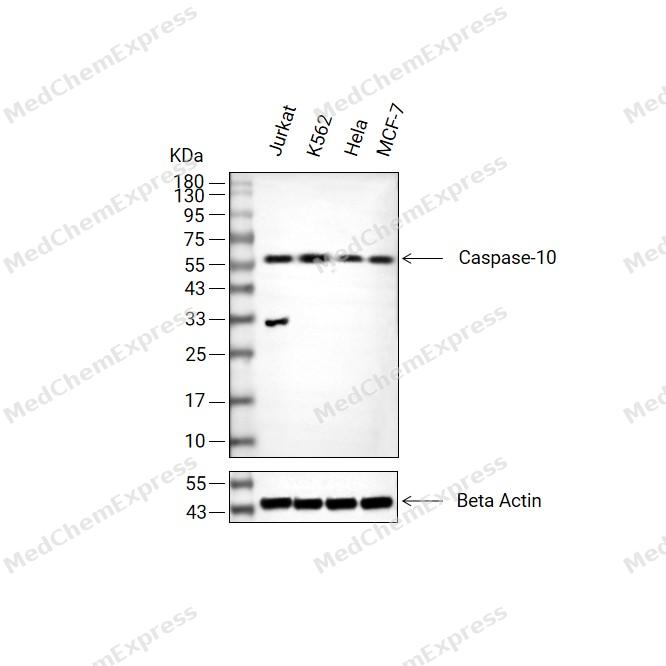 Western blot analysis of extracts from Jurkat(lane 2(20μg) , K562 (lane 3(20μg) ,Hela(lane 4(20μg)and MCF-7( lane 5(20μg) using Caspase-10 Antibody (HY-P80044). Proteins were transferred to a PVDF membrane and blocked with 5% non-fat milk in TBST for 2 hour at room temperature. The primary antibody ( 1/1000) and Loading control antibody (Beta Actin, HY-P80993,1/10000) was used in 5% non-fat milk in TBST at 4°C overnight. Goat Anti-Rabbit IgG-HRP Secondary Antibody (HY-P8001,1/10,000) was used for 1 hour at room temperature.
 -
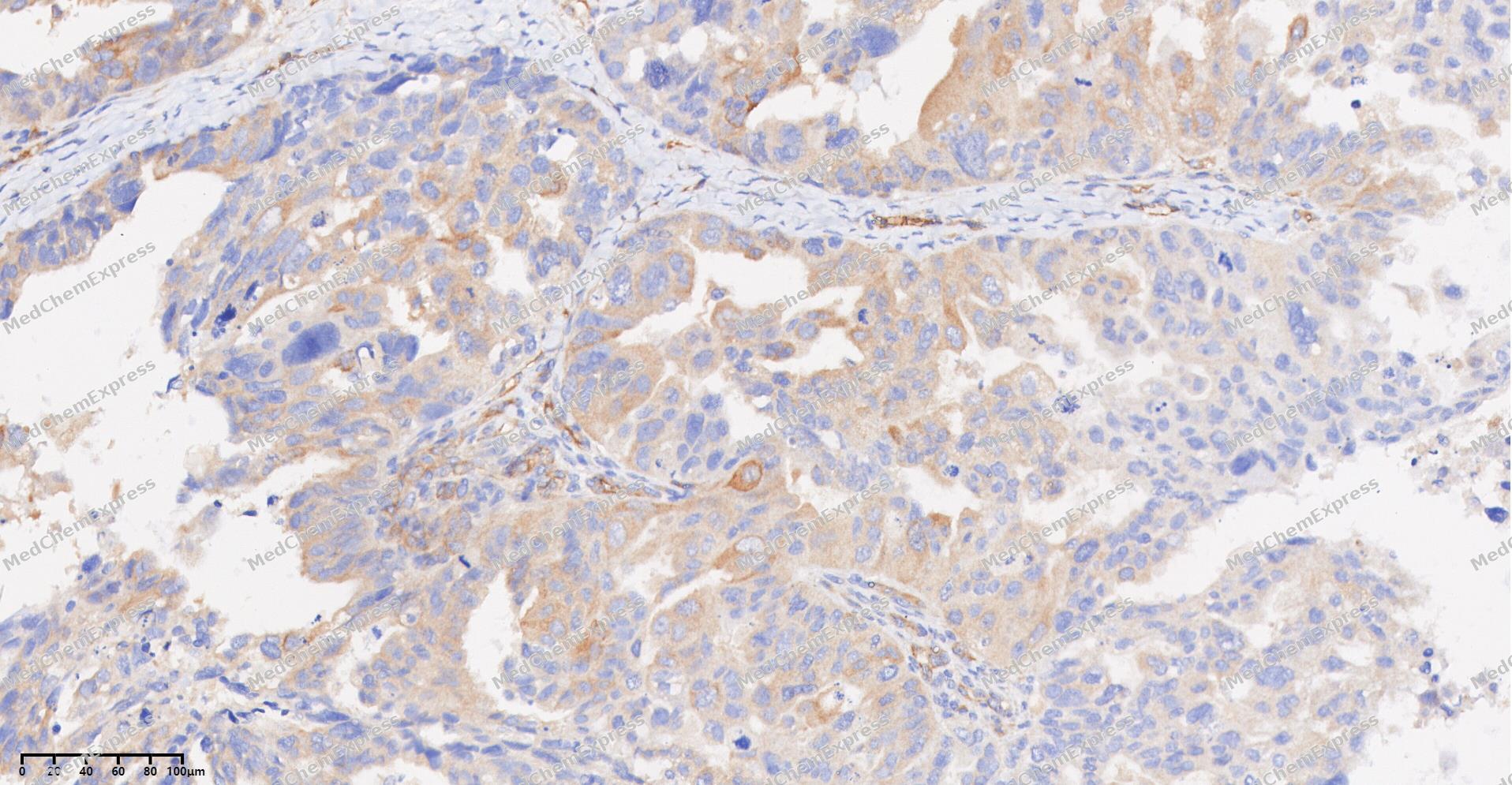 Immunohistochemical analysis of paraffin-embedded human Ovarian Cancer tissue using Caspase-10 antibody was performed. The section was pretreated using high-temperature and high-pressure mediated EDTA antigen retrieval buffer (pH 9.0), for 5 minutes. The tissues were incubated with primary antibody (HY-P80044, 1:100 dilution) at room temperature for 60 minutes. Detection was performed using an HRP conjugated compact polymer system. DAB was used as the chromogen. The tissues were counterstained with hematoxylin and mounted with neutral balsam mounting medium.
 -
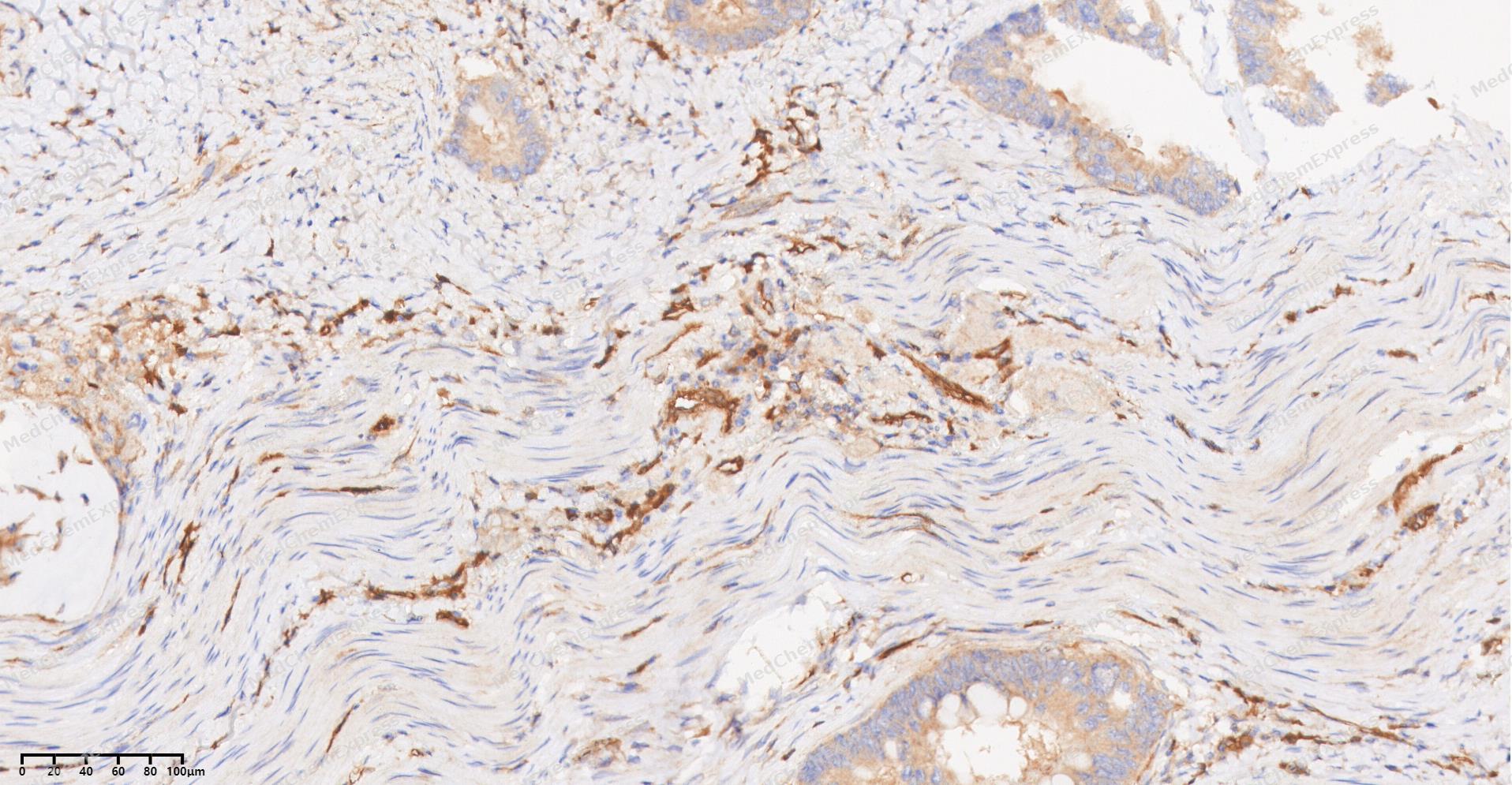 Immunohistochemical analysis of paraffin-embedded human Colon cancer tissue using Caspase-10 antibody was performed. The section was pretreated using high-temperature and high-pressure mediated EDTA antigen retrieval buffer (pH 9.0), for 5 minutes. The tissues were incubated with primary antibody (HY-P80044, 1:100 dilution) at room temperature for 60 minutes. Detection was performed using an HRP conjugated compact polymer system. DAB was used as the chromogen. The tissues were counterstained with hematoxylin and mounted with neutral balsam mounting medium.
 -
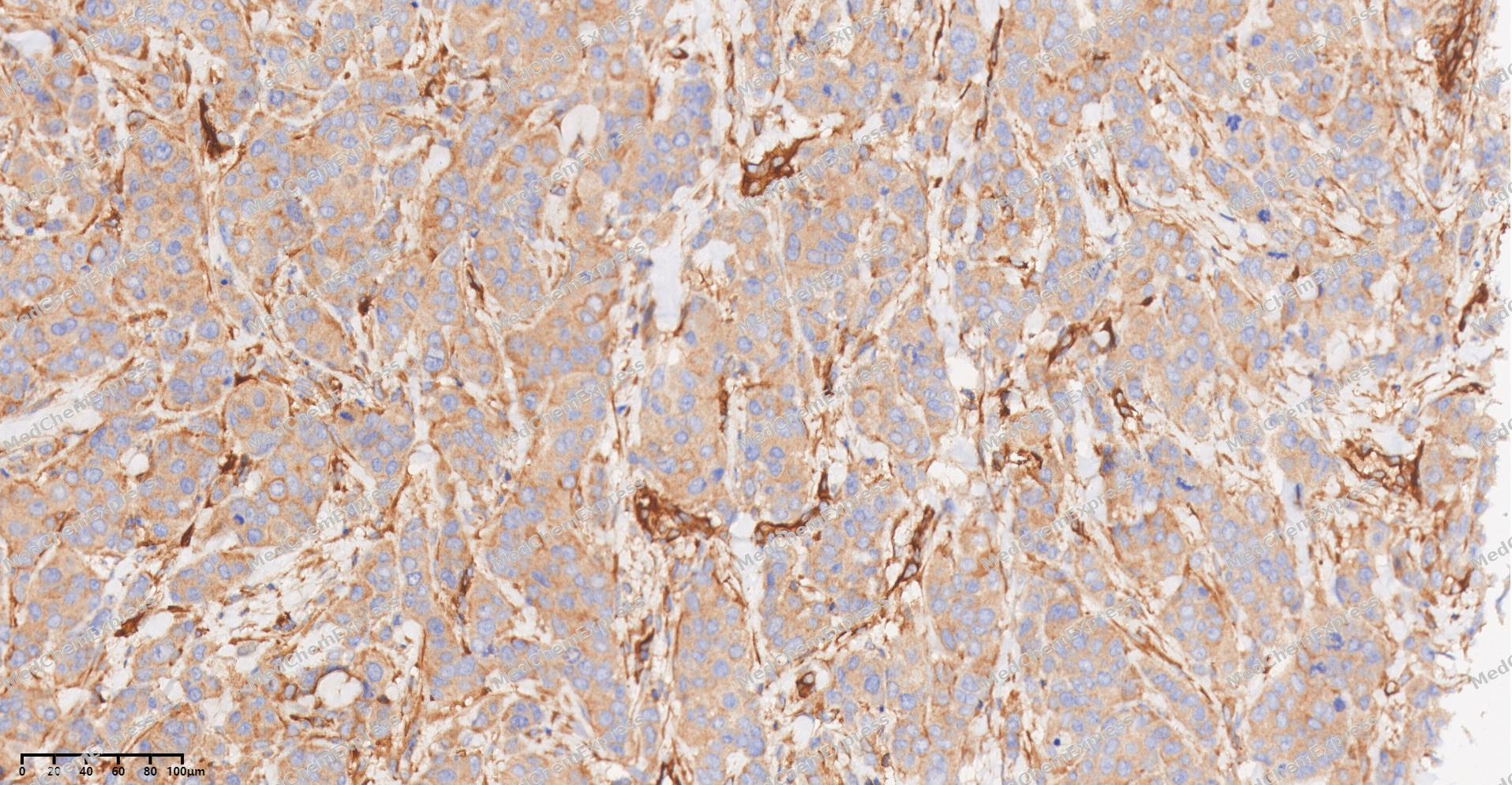 Immunohistochemical analysis of paraffin-embedded human Breast Cancer tissue using Caspase-10 antibody was performed. The section was pretreated using high-temperature and high-pressure mediated EDTA antigen retrieval buffer (pH 9.0), for 5 minutes. The tissues were incubated with primary antibody (HY-P80044, 1:100 dilution) at room temperature for 60 minutes. Detection was performed using an HRP conjugated compact polymer system. DAB was used as the chromogen. The tissues were counterstained with hematoxylin and mounted with neutral balsam mounting medium.
 -
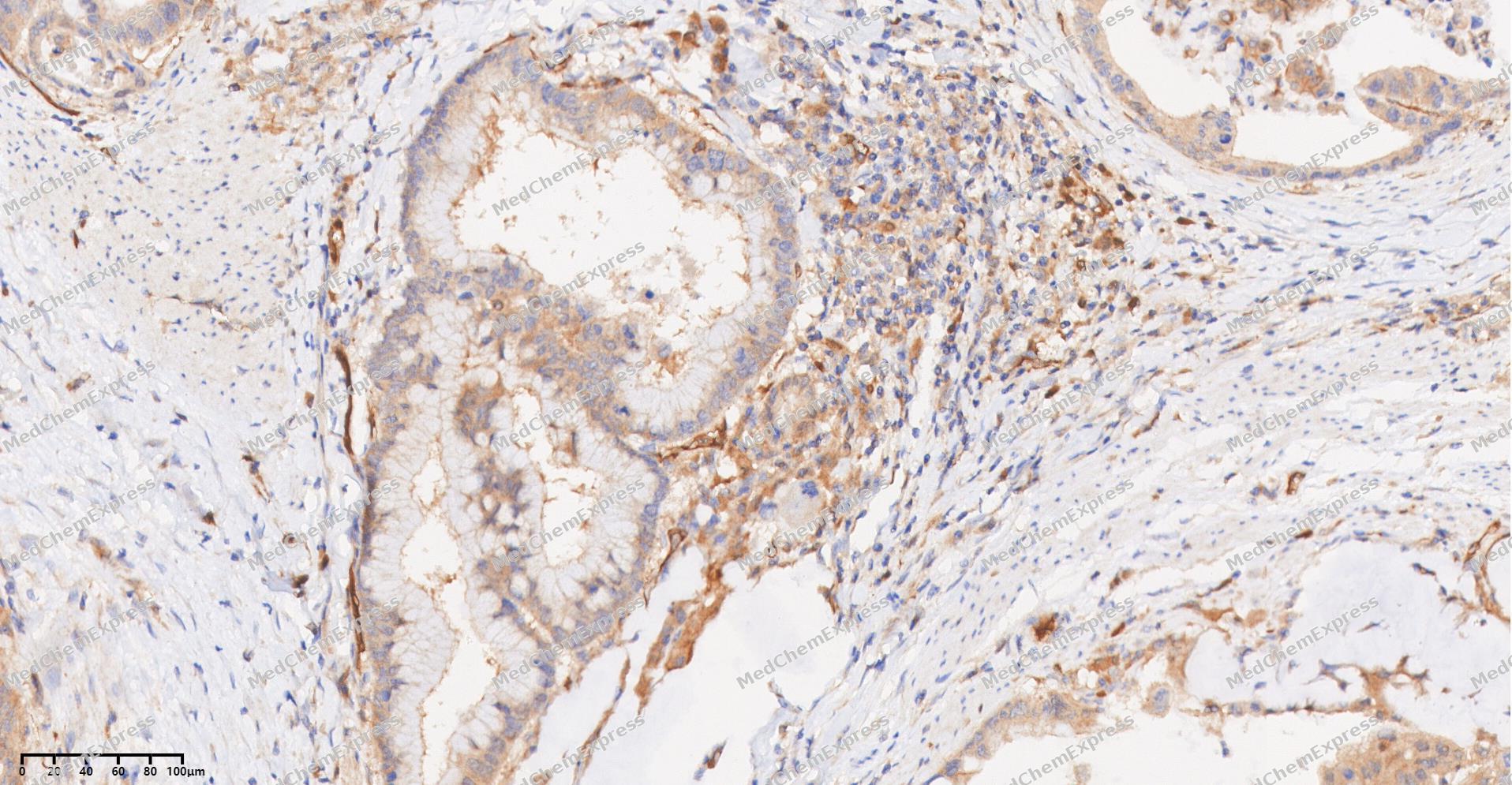 Immunohistochemical analysis of paraffin-embedded human Gastric Cancer tissue using Caspase-10 antibody was performed. The section was pretreated using high-temperature and high-pressure mediated EDTA antigen retrieval buffer (pH 9.0), for 5 minutes. The tissues were incubated with primary antibody (HY-P80044, 1:100 dilution) at room temperature for 60 minutes. Detection was performed using an HRP conjugated compact polymer system. DAB was used as the chromogen. The tissues were counterstained with hematoxylin and mounted with neutral balsam mounting medium.
 -
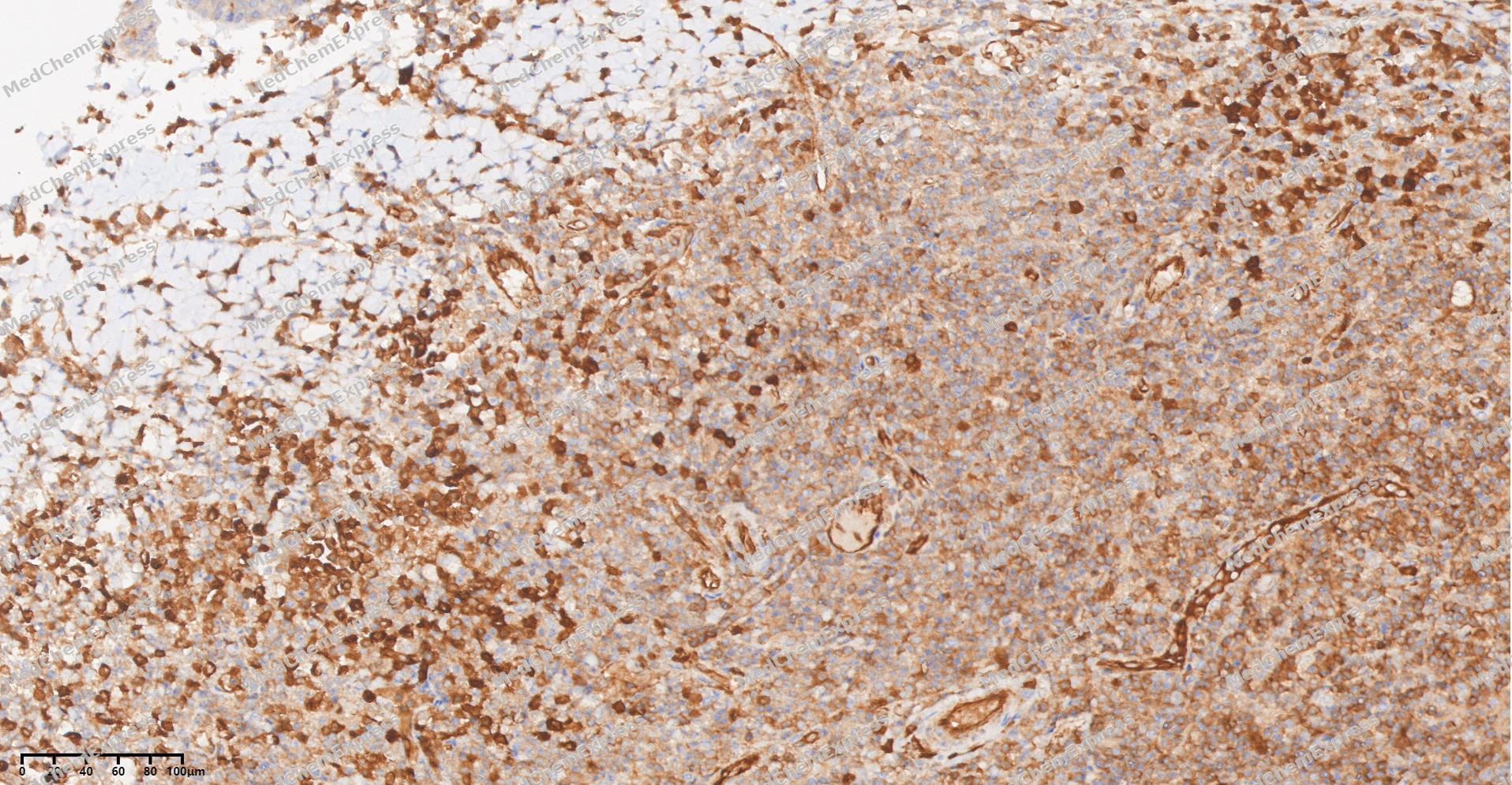 Immunohistochemical analysis of paraffin-embedded human Tonsil tissue using Caspase-10 antibody was performed. The section was pretreated using high-temperature and high-pressure mediated EDTA antigen retrieval buffer (pH 9.0), for 5 minutes. The tissues were incubated with primary antibody (HY-P80044, 1:100 dilution) at room temperature for 60 minutes. Detection was performed using an HRP conjugated compact polymer system. DAB was used as the chromogen. The tissues were counterstained with hematoxylin and mounted with neutral balsam mounting medium.
 -
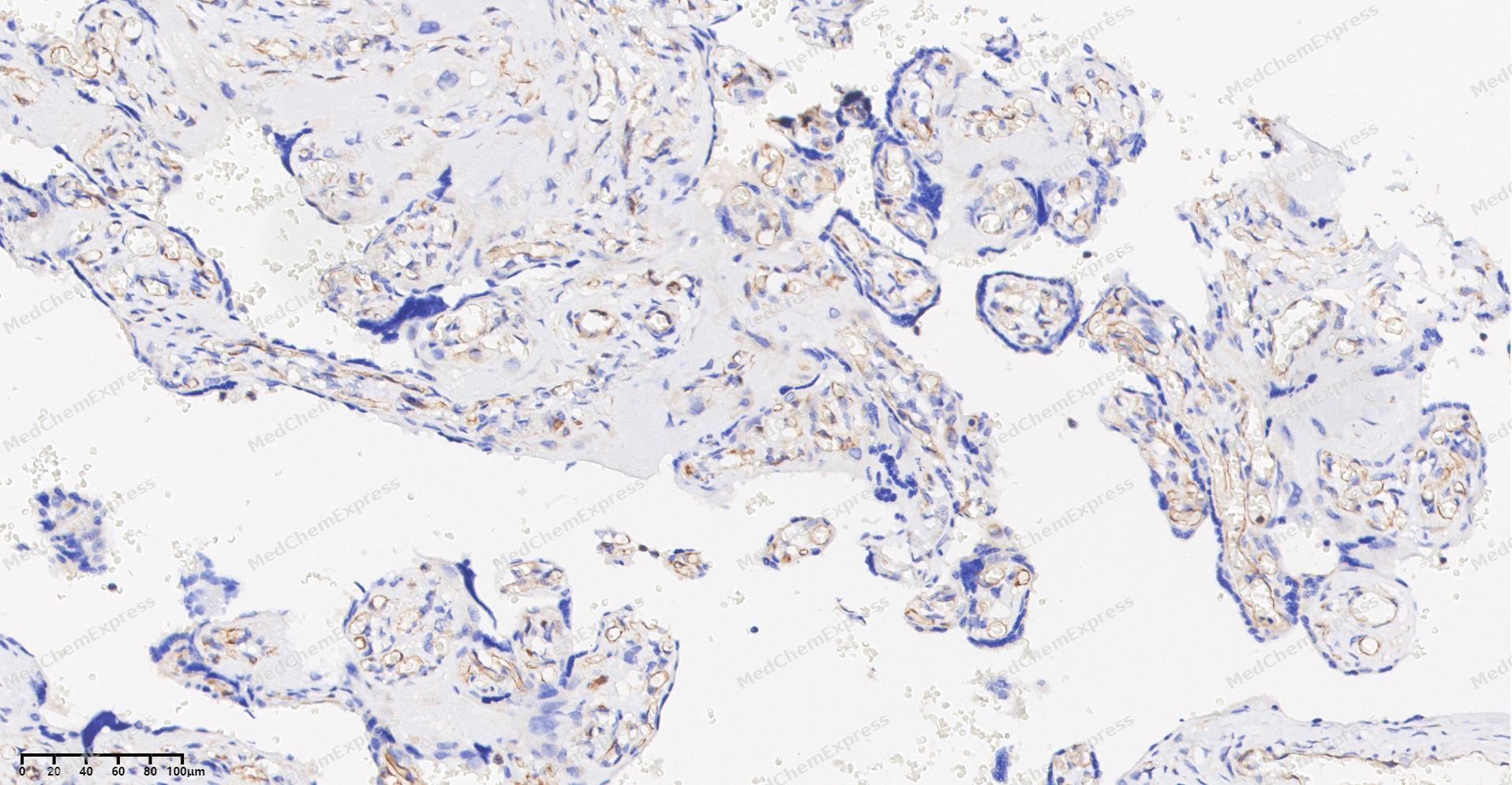 Immunohistochemical analysis of paraffin-embedded human Placenta tissue using Caspase-10 antibody was performed. The section was pretreated using high-temperature and high-pressure mediated EDTA antigen retrieval buffer (pH 9.0), for 5 minutes. The tissues were incubated with primary antibody (HY-P80044, 1:100 dilution) at room temperature for 60 minutes. Detection was performed using an HRP conjugated compact polymer system. DAB was used as the chromogen. The tissues were counterstained with hematoxylin and mounted with neutral balsam mounting medium.
 -
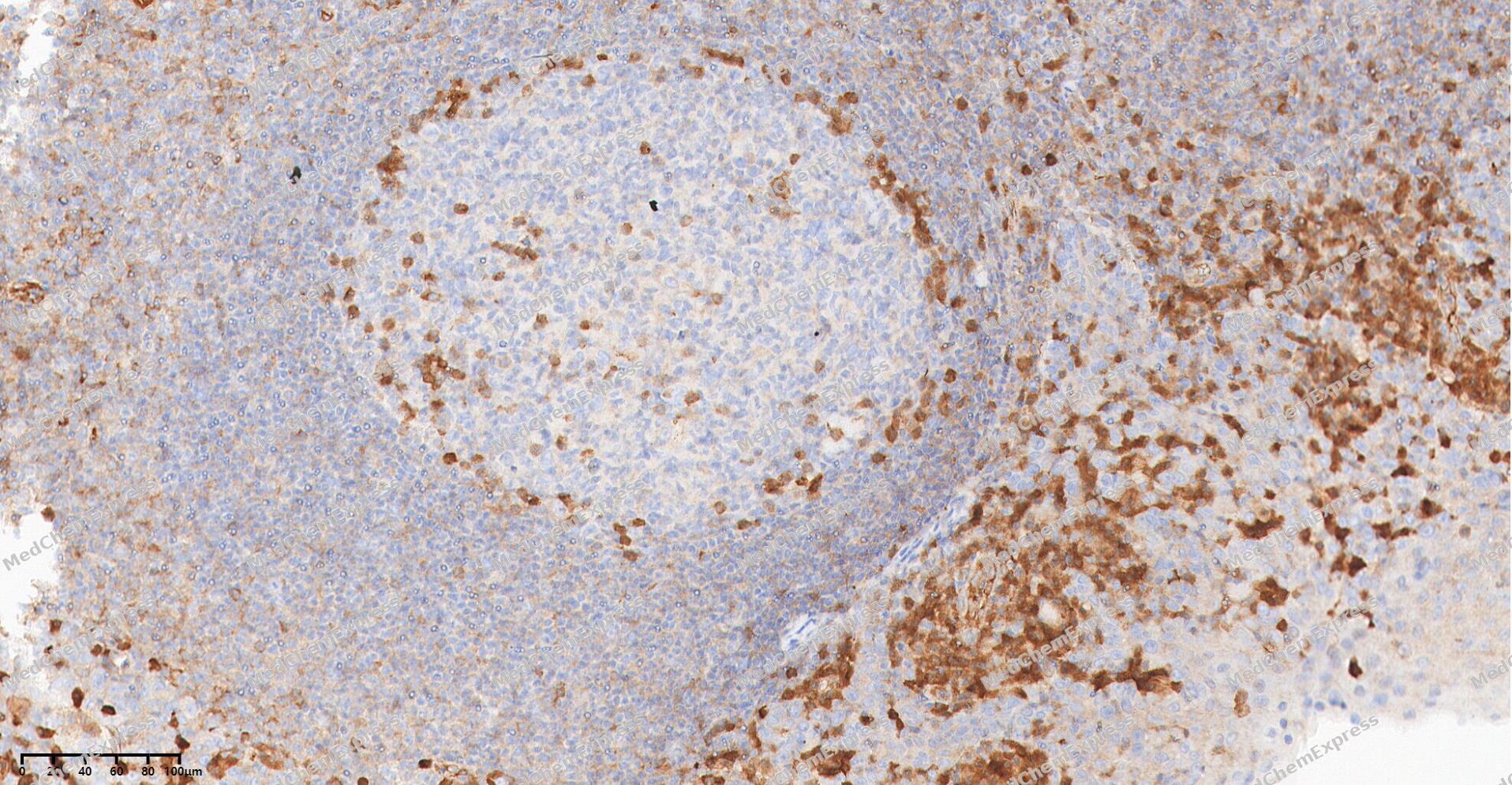 Immunohistochemical analysis of paraffin-embedded human Tonsil tissue using Caspase-10 antibody was performed. The section was pretreated using high-temperature and high-pressure mediated EDTA antigen retrieval buffer (pH 9.0), for 5 minutes. The tissues were incubated with primary antibody (HY-P80044, 1:500 dilution) at room temperature for 30 minutes. Detection was performed using an HRP conjugated compact polymer system. DAB was used as the chromogen. The tissues were counterstained with hematoxylin and mounted with neutral balsam mounting medium.
 -
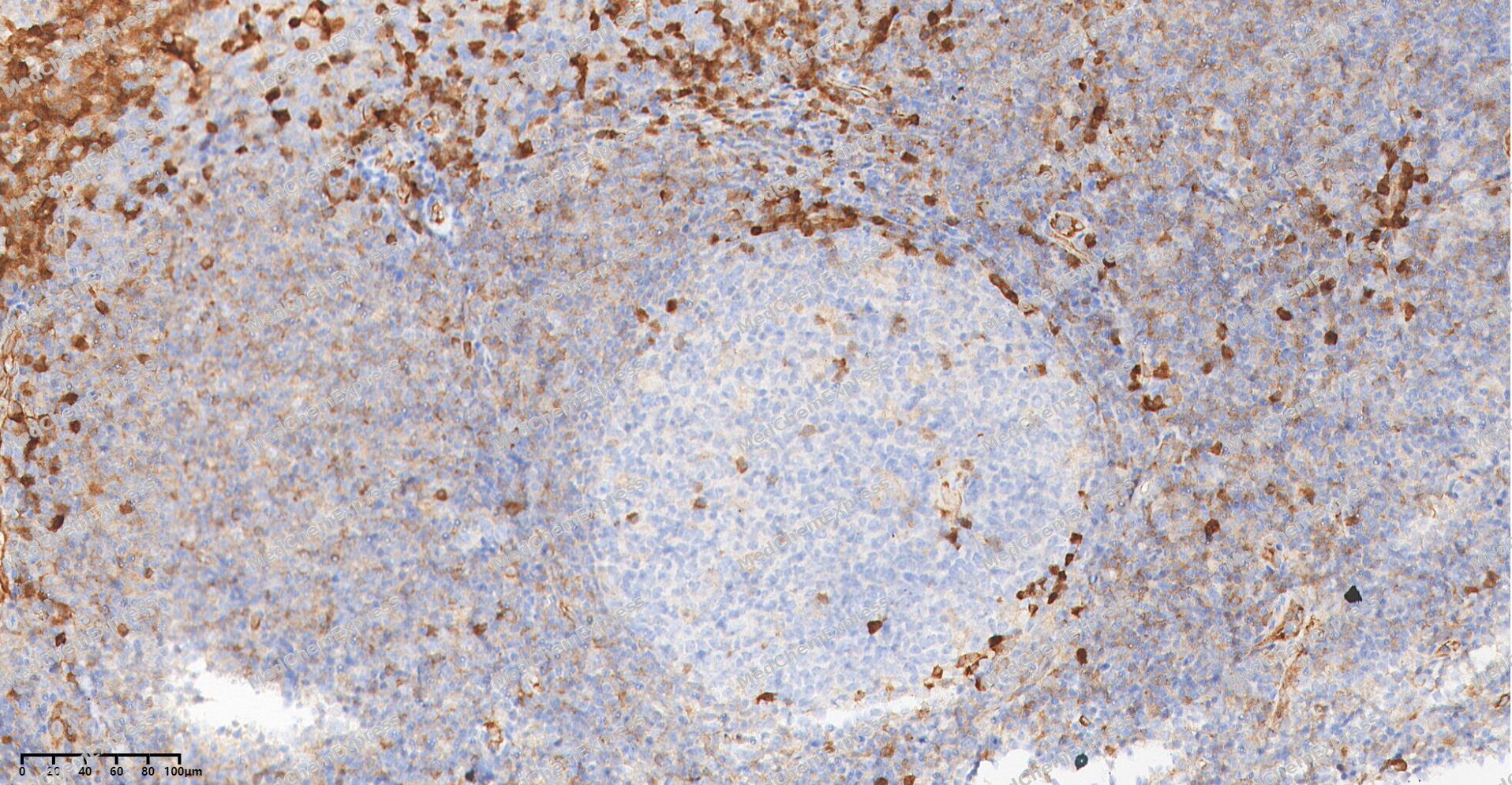 Immunohistochemical analysis of paraffin-embedded human Tonsil tissue using Caspase-10 antibody was performed. The section was pretreated using high-temperature and high-pressure mediated EDTA antigen retrieval buffer (pH 9.0), for 5 minutes. The tissues were incubated with primary antibody (HY-P80044, 1:500 dilution) at room temperature for 30 minutes. Detection was performed using an HRP conjugated compact polymer system. DAB was used as the chromogen. The tissues were counterstained with hematoxylin and mounted with neutral balsam mounting medium.
 -
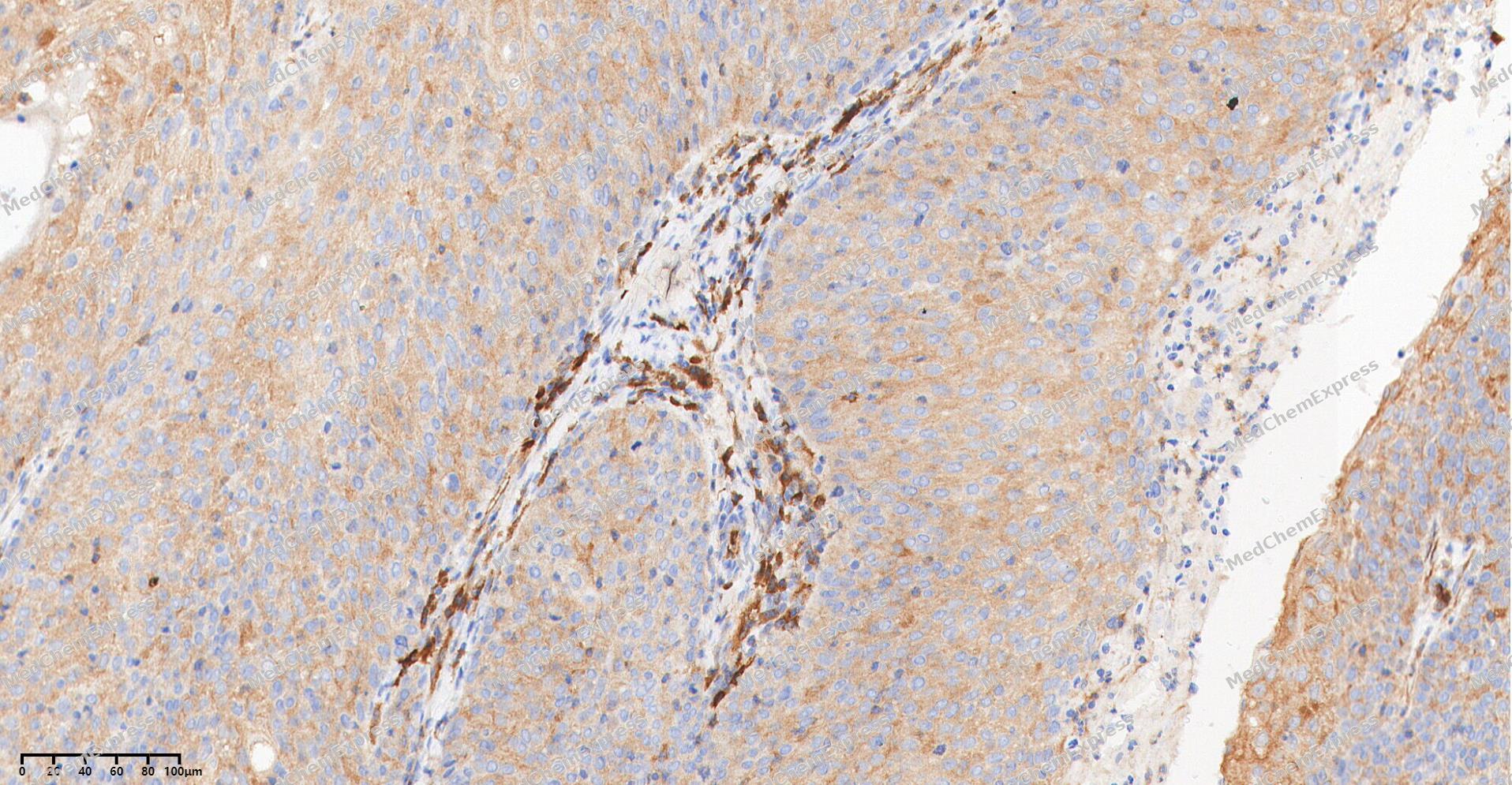 Immunohistochemical analysis of paraffin-embedded human Cervical Cancer tissue using Caspase-10 antibody was performed. The section was pretreated using high-temperature and high-pressure mediated EDTA antigen retrieval buffer (pH 9.0), for 5 minutes. The tissues were incubated with primary antibody (HY-P80044, 1:500 dilution) at room temperature for 30 minutes. Detection was performed using an HRP conjugated compact polymer system. DAB was used as the chromogen. The tissues were counterstained with hematoxylin and mounted with neutral balsam mounting medium.
 -
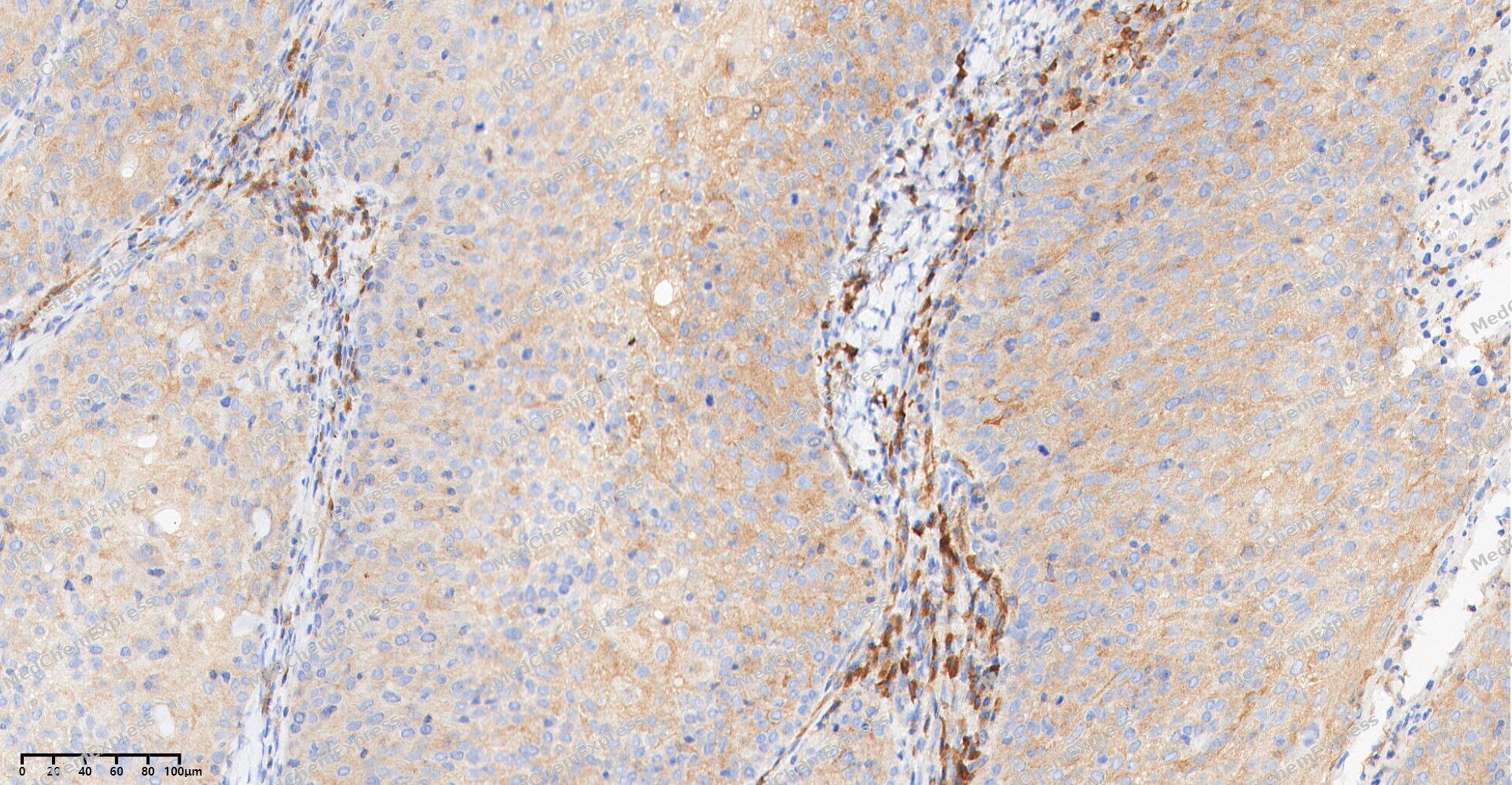 Immunohistochemical analysis of paraffin-embedded human Cervical Cancer tissue using Caspase-10 antibody was performed. The section was pretreated using high-temperature and high-pressure mediated EDTA antigen retrieval buffer (pH 9.0), for 5 minutes. The tissues were incubated with primary antibody (HY-P80044, 1:500 dilution) at room temperature for 30 minutes. Detection was performed using an HRP conjugated compact polymer system. DAB was used as the chromogen. The tissues were counterstained with hematoxylin and mounted with neutral balsam mounting medium.
 -
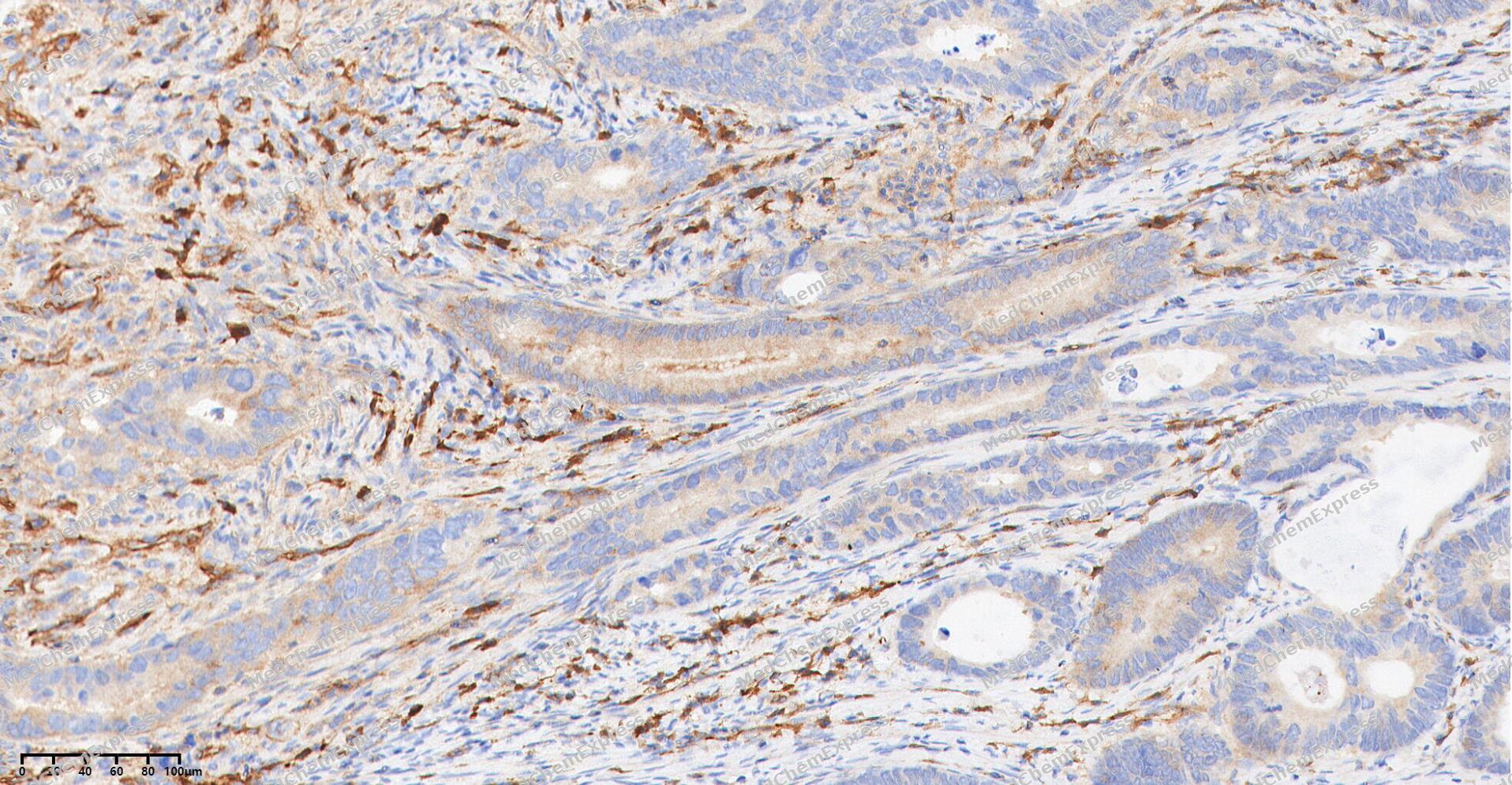 Immunohistochemical analysis of paraffin-embedded human Colon cancer tissue using Caspase-10 antibody was performed. The section was pretreated using high-temperature and high-pressure mediated EDTA antigen retrieval buffer (pH 9.0), for 5 minutes. The tissues were incubated with primary antibody (HY-P80044, 1:500 dilution) at room temperature for 30 minutes. Detection was performed using an HRP conjugated compact polymer system. DAB was used as the chromogen. The tissues were counterstained with hematoxylin and mounted with neutral balsam mounting medium.
 -
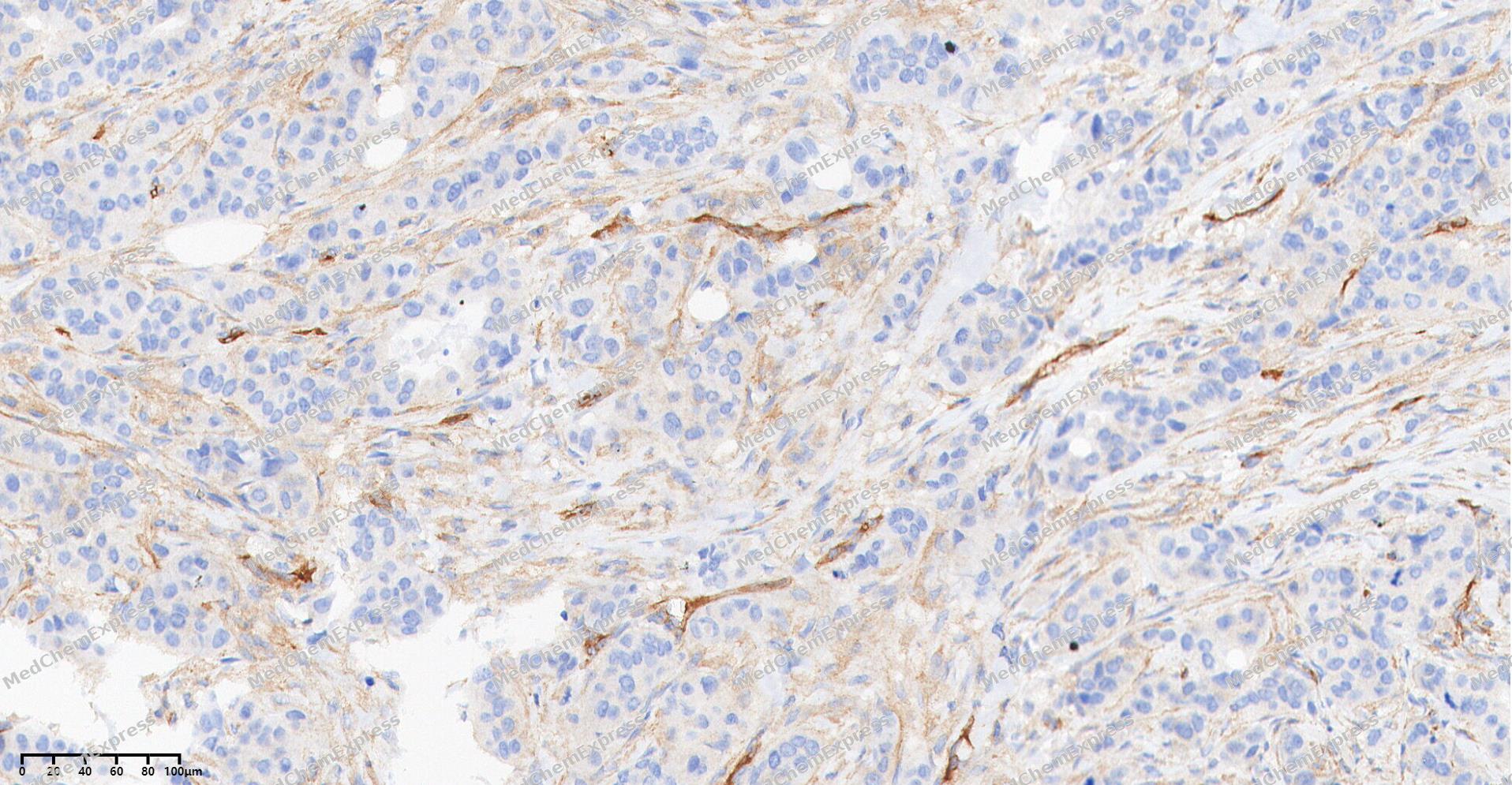 Immunohistochemical analysis of paraffin-embedded human Breast Cancer tissue using Caspase-10 antibody was performed. The section was pretreated using high-temperature and high-pressure mediated EDTA antigen retrieval buffer (pH 9.0), for 5 minutes. The tissues were incubated with primary antibody (HY-P80044, 1:500 dilution) at room temperature for 30 minutes. Detection was performed using an HRP conjugated compact polymer system. DAB was used as the chromogen. The tissues were counterstained with hematoxylin and mounted with neutral balsam mounting medium.
 -
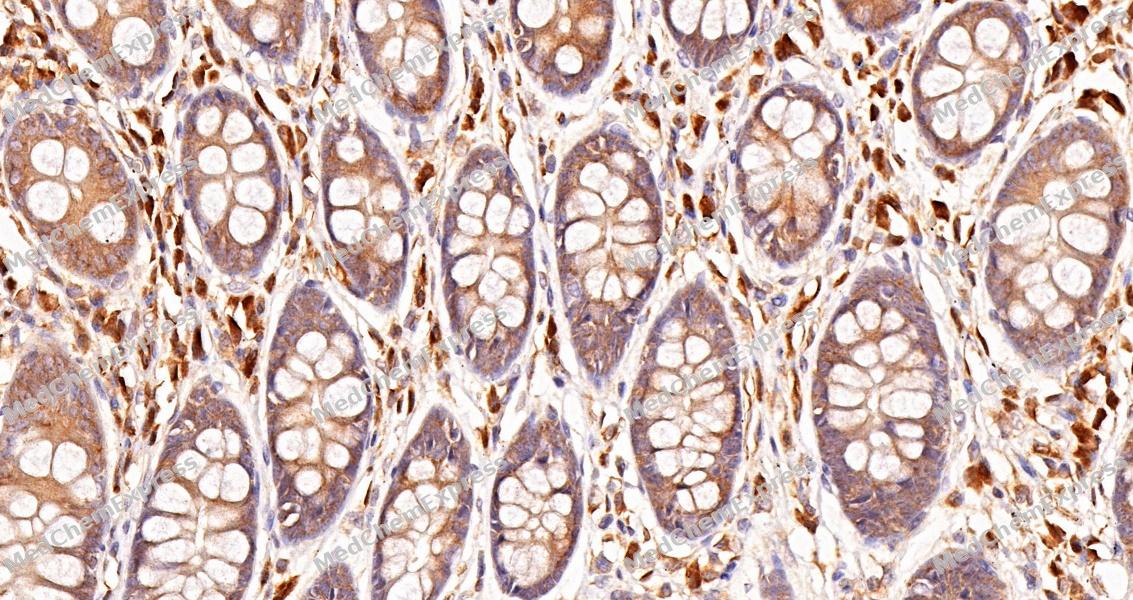 mmunohistochemical analysis of paraffin-embedded Human rectun tissue using Caspase-10 Antibody (HY-P80044, 1/200) . The section was pretreated using heat mediated antigen retrieval with sodium citrate buffer (PH 6.0)for 8 minutes. The tissues were blocked with quick block buffer for 0.5 hours at room temperature, washed with PBS and PBST, and then incubated with the primary antibody overnight at 4℃. The detection was performed using an HRP conjugated compact polymer system. DAB was used as the chromogen. Tissues were counterstained with hematoxylin and mounted with DPX.
 -
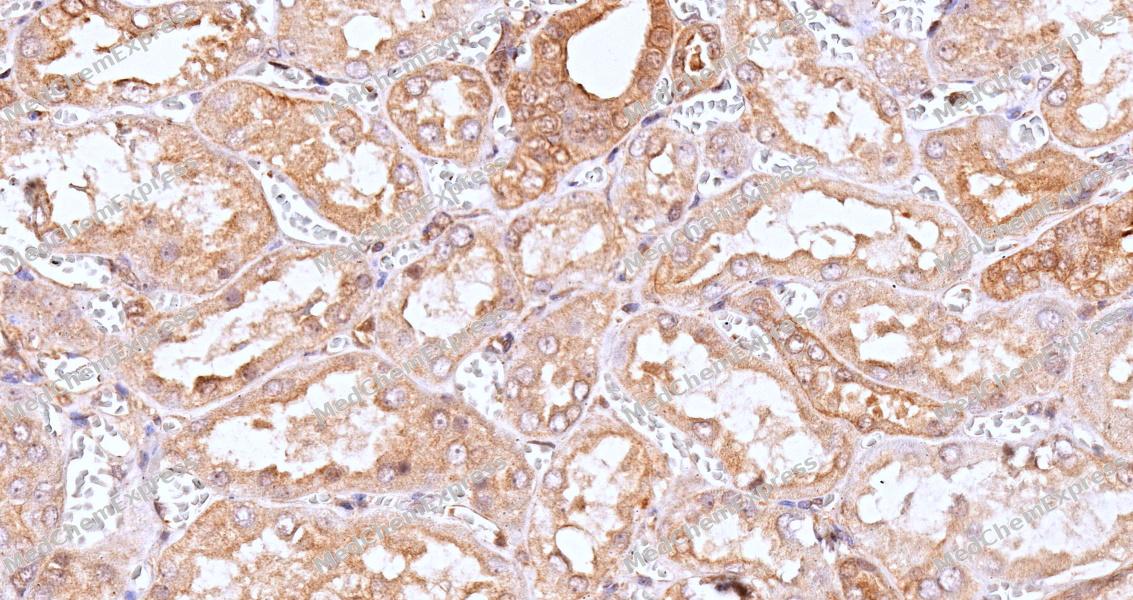 mmunohistochemical analysis of paraffin-embedded Human kidney tissue using Caspase-10 Antibody (HY-P80044, 1/200) . The section was pretreated using heat mediated antigen retrieval with sodium citrate buffer (PH 6.0)for 8 minutes. The tissues were blocked with quick block buffer for 0.5 hours at room temperature, washed with PBS and PBST, and then incubated with the primary antibody overnight at 4℃. The detection was performed using an HRP conjugated compact polymer system. DAB was used as the chromogen. Tissues were counterstained with hematoxylin and mounted with DPX.
 -
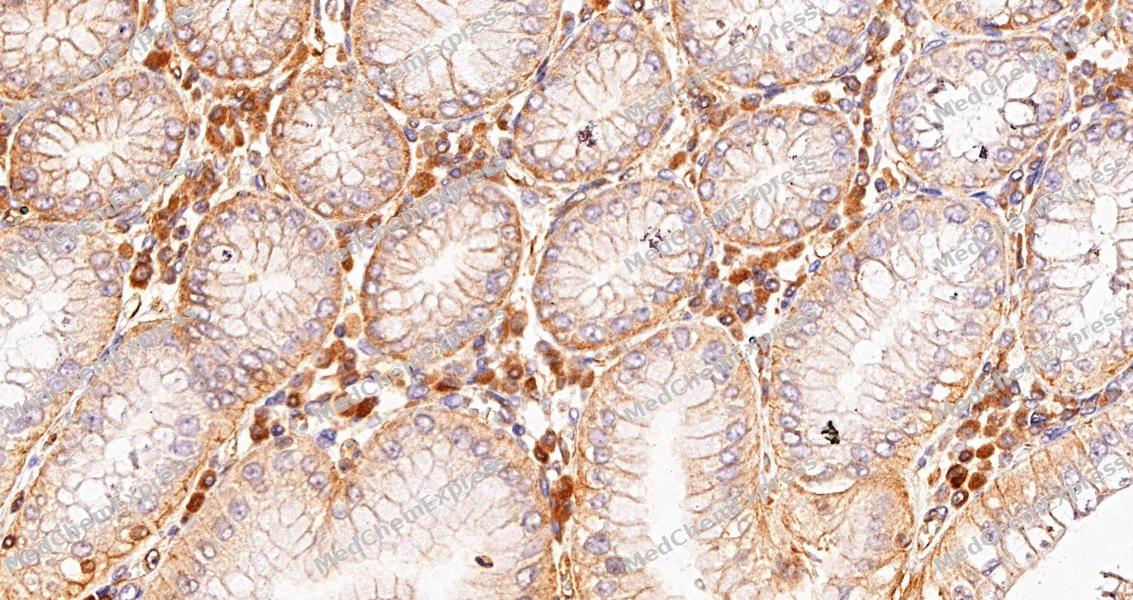 mmunohistochemical analysis of paraffin-embedded Human colon tissue using Caspase-10 Antibody (HY-P80044, 1/200) . The section was pretreated using heat mediated antigen retrieval with sodium citrate buffer (PH 6.0)for 8 minutes. The tissues were blocked with quick block buffer for 0.5 hours at room temperature, washed with PBS and PBST, and then incubated with the primary antibody overnight at 4℃. The detection was performed using an HRP conjugated compact polymer system. DAB was used as the chromogen. Tissues were counterstained with hematoxylin and mounted with DPX.
 -
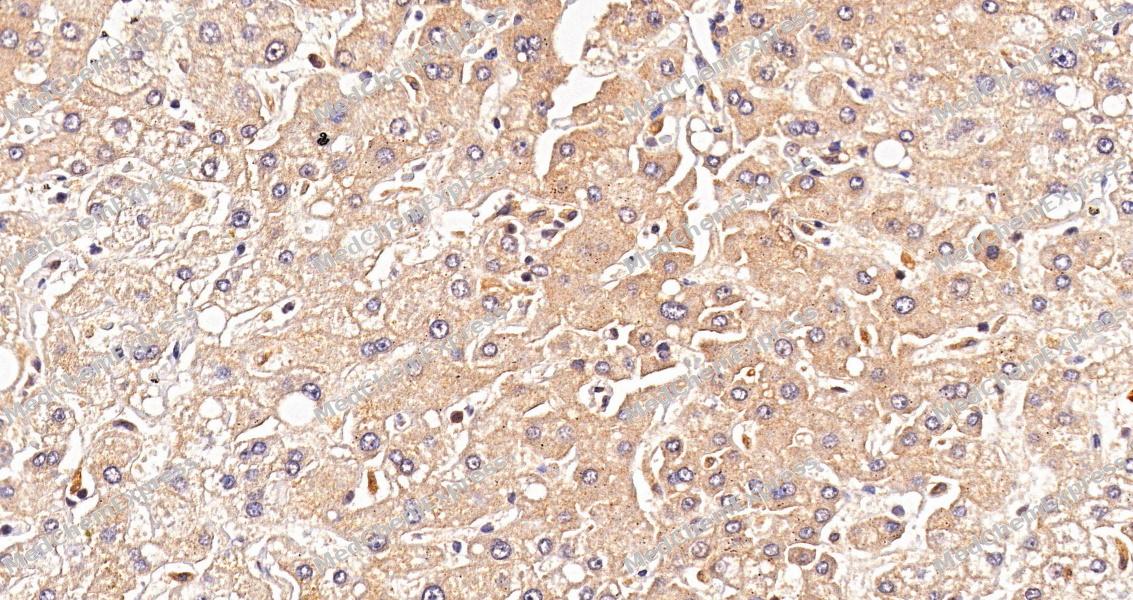 mmunohistochemical analysis of paraffin-embedded Human liver tissue using Caspase-10 Antibody (HY-P80044, 1/200) . The section was pretreated using heat mediated antigen retrieval with sodium citrate buffer (PH 6.0)for 8 minutes. The tissues were blocked with quick block buffer for 0.5 hours at room temperature, washed with PBS and PBST, and then incubated with the primary antibody overnight at 4℃. The detection was performed using an HRP conjugated compact polymer system. DAB was used as the chromogen. Tissues were counterstained with hematoxylin and mounted with DPX.
 -
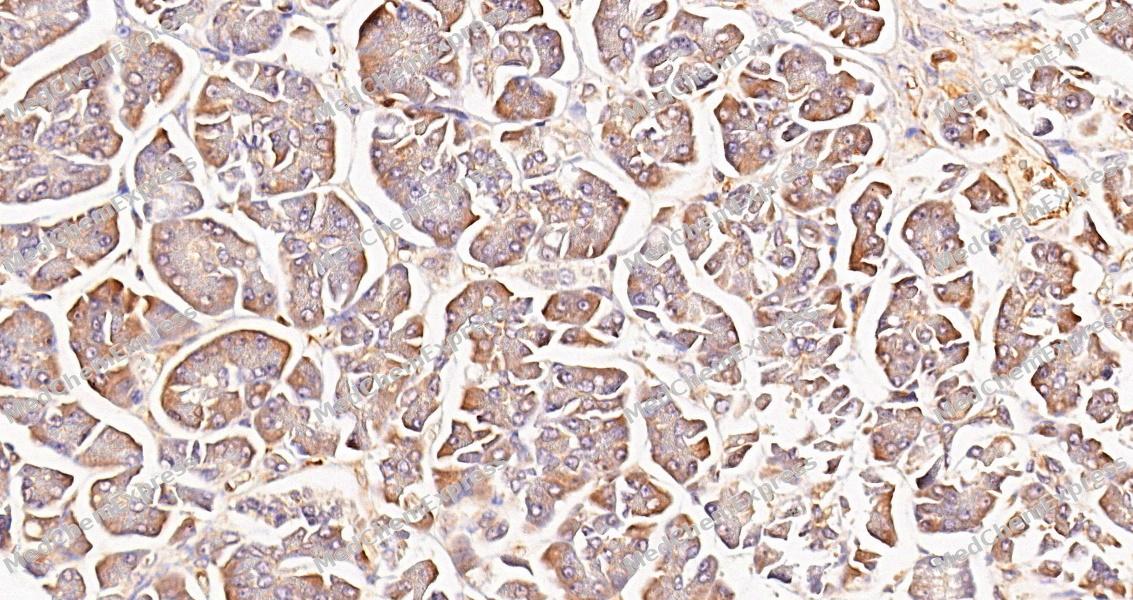 mmunohistochemical analysis of paraffin-embedded Human pancreas tissue using Caspase-10 Antibody (HY-P80044, 1/200) . The section was pretreated using heat mediated antigen retrieval with sodium citrate buffer (PH 6.0)for 8 minutes. The tissues were blocked with quick block buffer for 0.5 hours at room temperature, washed with PBS and PBST, and then incubated with the primary antibody overnight at 4℃. The detection was performed using an HRP conjugated compact polymer system. DAB was used as the chromogen. Tissues were counterstained with hematoxylin and mounted with DPX.
 -
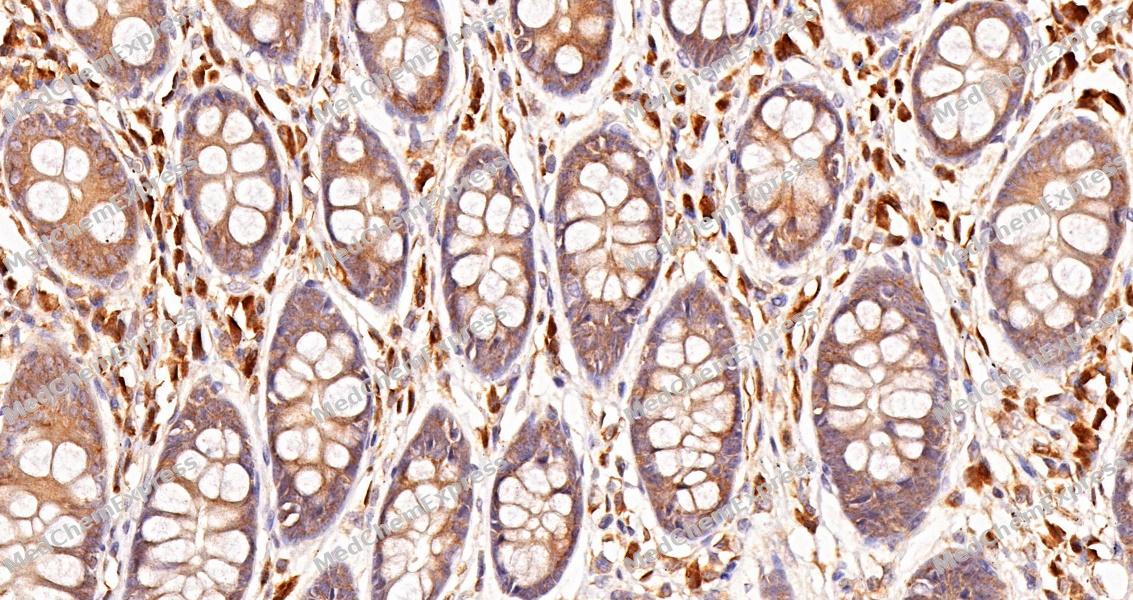 mmunohistochemical analysis of paraffin-embedded huamn rectum tissue using Caspase-10 Antibody (HY-P80044, 1/200) . The section was pretreated using heat mediated antigen retrieval with sodium citrate buffer (PH 6.0)for 8 minutes. The tissues were blocked with quick block buffer for 0.5 hours at room temperature, washed with PBS and PBST, and then incubated with the primary antibody overnight at 4℃. The detection was performed using an HRP conjugated compact polymer system. DAB was used as the chromogen. Tissues were counterstained with hematoxylin and mounted with DPX.
 -
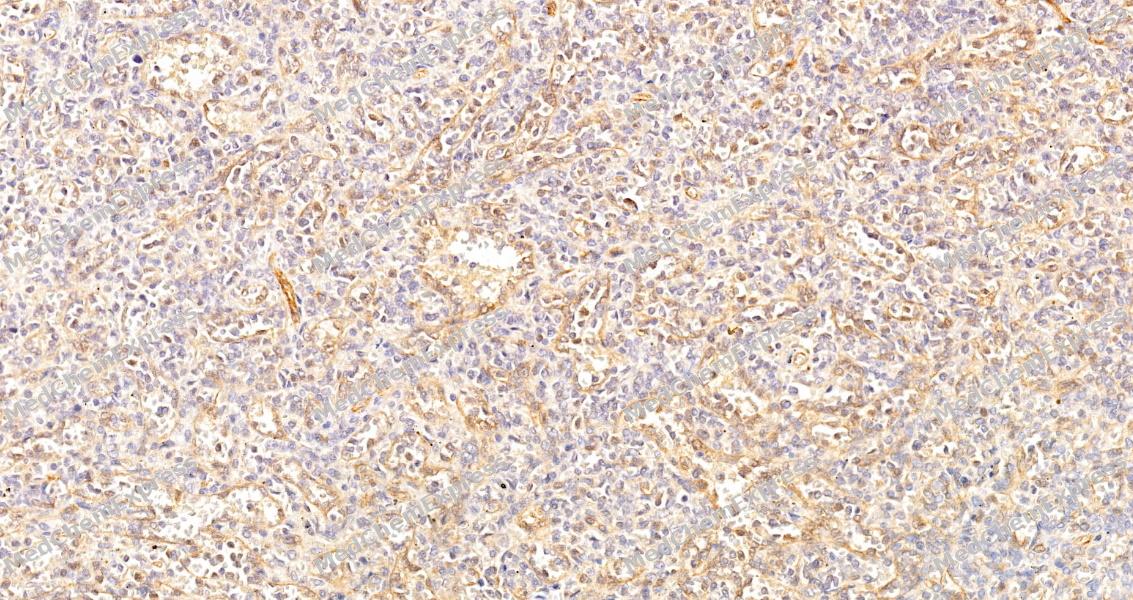 mmunohistochemical analysis of paraffin-embedded huamn spleen tissue using Caspase-10 Antibody (HY-P80044, 1/200) . The section was pretreated using heat mediated antigen retrieval with sodium citrate buffer (PH 6.0)for 8 minutes. The tissues were blocked with quick block buffer for 0.5 hours at room temperature, washed with PBS and PBST, and then incubated with the primary antibody overnight at 4℃. The detection was performed using an HRP conjugated compact polymer system. DAB was used as the chromogen. Tissues were counterstained with hematoxylin and mounted with DPX.
 -
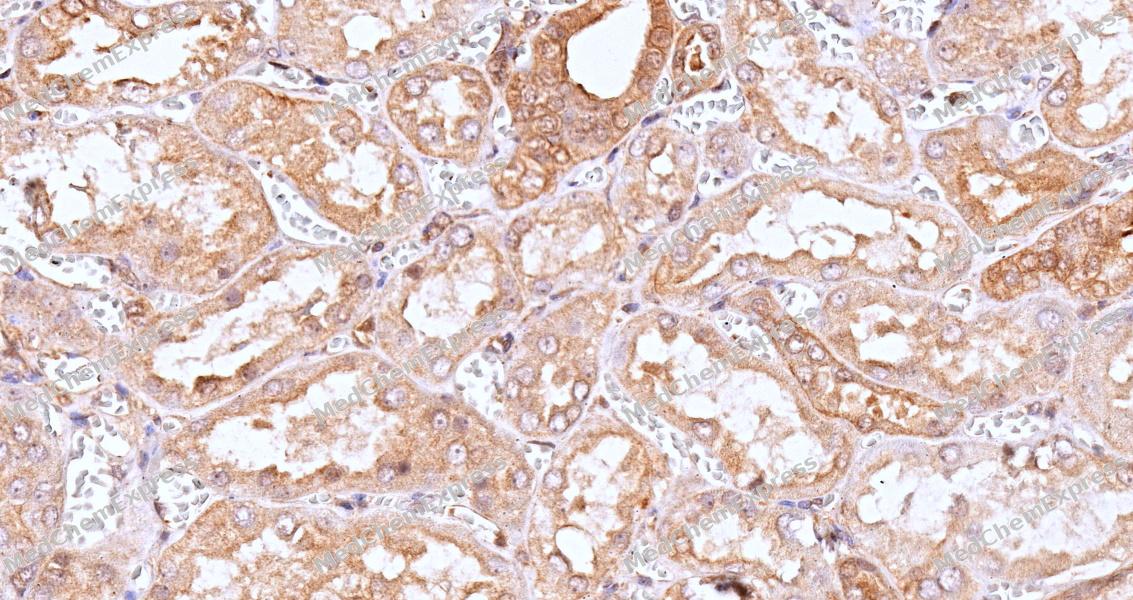 mmunohistochemical analysis of paraffin-embedded huamn kidney tissue using Caspase-10 Antibody (HY-P80044, 1/200) . The section was pretreated using heat mediated antigen retrieval with sodium citrate buffer (PH 6.0)for 8 minutes. The tissues were blocked with quick block buffer for 0.5 hours at room temperature, washed with PBS and PBST, and then incubated with the primary antibody overnight at 4℃. The detection was performed using an HRP conjugated compact polymer system. DAB was used as the chromogen. Tissues were counterstained with hematoxylin and mounted with DPX.
 -
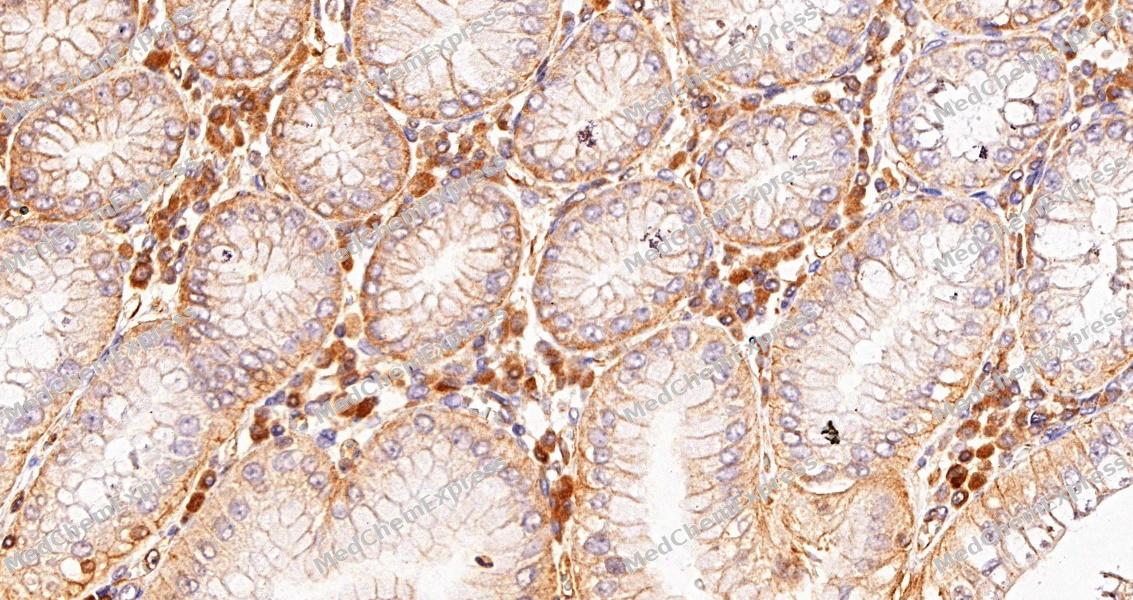 mmunohistochemical analysis of paraffin-embedded huamn colon tissue using Caspase-10 Antibody (HY-P80044, 1/200) . The section was pretreated using heat mediated antigen retrieval with sodium citrate buffer (PH 6.0)for 8 minutes. The tissues were blocked with quick block buffer for 0.5 hours at room temperature, washed with PBS and PBST, and then incubated with the primary antibody overnight at 4℃. The detection was performed using an HRP conjugated compact polymer system. DAB was used as the chromogen. Tissues were counterstained with hematoxylin and mounted with DPX.
 -
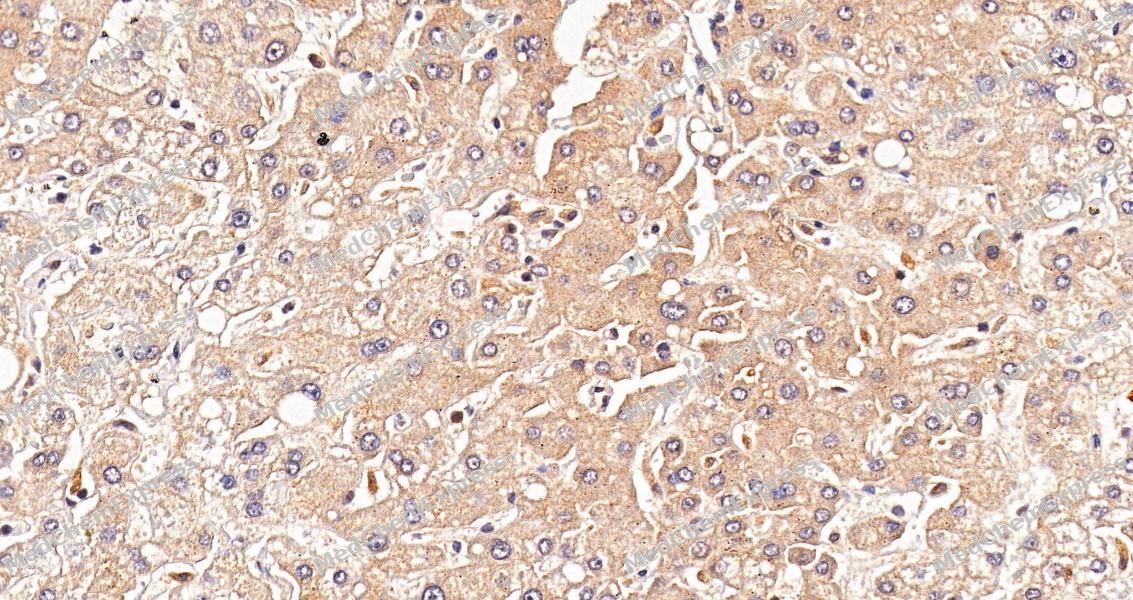 mmunohistochemical analysis of paraffin-embedded huamn liver tissue using Caspase-10 Antibody (HY-P80044, 1/200) . The section was pretreated using heat mediated antigen retrieval with sodium citrate buffer (PH 6.0)for 8 minutes. The tissues were blocked with quick block buffer for 0.5 hours at room temperature, washed with PBS and PBST, and then incubated with the primary antibody overnight at 4℃. The detection was performed using an HRP conjugated compact polymer system. DAB was used as the chromogen. Tissues were counterstained with hematoxylin and mounted with DPX.
 -
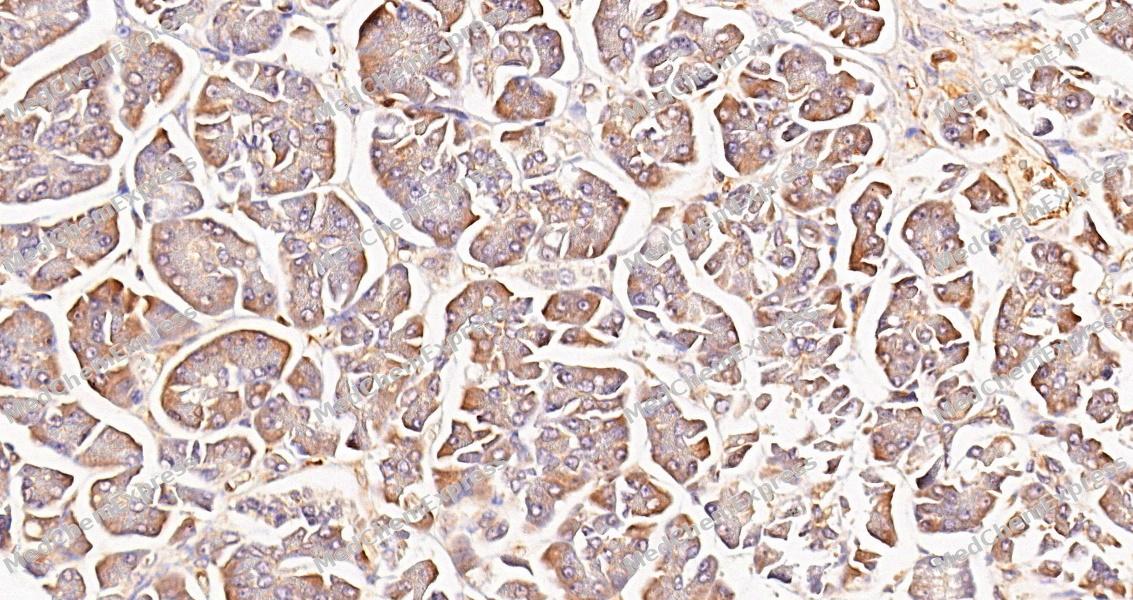 mmunohistochemical analysis of paraffin-embedded huamn pancreas tissue using Caspase-10 Antibody (HY-P80044, 1/200) . The section was pretreated using heat mediated antigen retrieval with sodium citrate buffer (PH 6.0)for 8 minutes. The tissues were blocked with quick block buffer for 0.5 hours at room temperature, washed with PBS and PBST, and then incubated with the primary antibody overnight at 4℃. The detection was performed using an HRP conjugated compact polymer system. DAB was used as the chromogen. Tissues were counterstained with hematoxylin and mounted with DPX.
 -
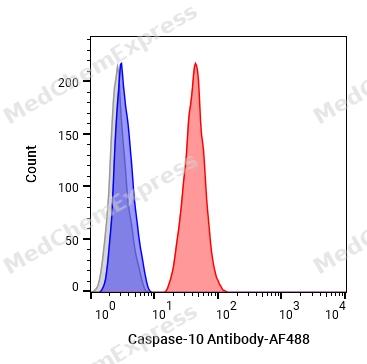 Flow cytometric analysis of 1X10⁶ HeLa cells labeling Caspase-10 Antibody (HY-P80044, red). Cells were fixed with 4% paraformaldehyde and permeabilised with 90% methanol. Then stained with the primary antibody at 1/50 dilution for an hour at 4℃. AF488-conjugated Goat Anti-Rabbit IgG H&L (HY-P8002) was used as the secondary antibody at 1/1,000 dilution for 30 minutes at 4℃. Rabbit IgG Isotype Control (HY-P80879, blue) was used as the isotype control, cells without incubation with primary antibody were used as the unlabeled control (black).


Background
-
Function
Caspase-10 (CASP10) functions as an initiator caspase in death receptor signaling and can initiate Fas- and TRAIL-receptor-mediated apoptosis independently of caspase-8[1]. Mechanistically, caspase-10 is recruited to native TRAIL and CD95/Fas death-inducing signaling complexes (DISC) in a FADD-dependent manner, but it cannot functionally substitute caspase-8 in caspase-8-deficient cells[2]. Compared with caspase-8, caspase-10 acts as a regulatory isoform that reduces caspase-8 DISC association and activation, thereby switching CD95L signaling toward NF-κB activation and cell survival[3]. Caspase-8 and caspase-10 also activate NF-κB through RIP, NIK, and IKKα kinases, linking apoptotic machinery to inflammatory gene regulation[4]. In primary biliary cholangitis models, caspase-10 knockout macrophages showed stronger regulation of inflammatory cell death than caspase-8 knockout macrophages, including necroptosis and pyroptosis[5]. CASP10 mutations were reported in autoimmune lymphoproliferative syndrome type II with defective lymphocyte and dendritic cell apoptosis, but later human variant analyses found CASP10 dispensable for Fas-mediated apoptosis and unlikely to drive ALPS pathogenesis[6][7]. Substrate studies show overlapping caspase-8/caspase-10 cleavage preferences for RIP and PAK2, but distinct Bid cleavage patterns[8]. For experimental applications, the caspase-10 inhibitor z-AEVD-Fmk reduced terminal erythroid differentiation in CD36+ cultures, supporting pathway-specific functional testing[9].
-
Expression
Tissue_specificity:It can be detected in most tissues. The lowest expression levels are found in the brain, kidneys, prostate, testes, and colon. -
Isoforms & Post-Translational Modification
Q92851 has 7 isomers: Q92851-1: 58951 Da (predicted); Q92851-2: 54566 Da (predicted); Q92851-4: 58994 Da (predicted); Q92851-3: 31419 Da (predicted); Q92851-5: 54523 Da (predicted); Q92851-6: 51785 Da (predicted); Q92851-7: 28364 Da (predicted).
Cleavage by granzyme B and autocatalytic activity generate the two active subunits -
Subunit
Heterotetramer that consists of two anti-parallel arranged heterodimers, each one formed by a 23/17 kDa (p23/17) (depending on the splicing events) and a 12 kDa (p12) subunit (By similarity). Self-associates. Interacts with FADD and CASP8. Found in a Fas signaling complex consisting of FAS, FADD, CASP8 and CASP10. Interacts with RFFL and RNF34; negatively regulate CASP10 through proteasomal degradation. Interacts with RIOK3
-
SwissProt ID
-
Synonyms
MCH4, CASP10, Caspase-10, CASP-10, Apoptotic protease Mch-4, FAS-associated death domain protein interleukin-1B-converting enzyme 2, ICE-like apoptotic protease 4, FLICE2
-
Research Field
Cell Biology


Documentation
-
Data Sheet (262 KB)
-
SDS (252 KB)
- English - EN (252 KB)
- Français - FR (252 KB)
- Deutsch - DE (252 KB)
- Norwegian - NO (252 KB)
- Español - ES (252 KB)
- Swedish - SV (252 KB)
- Italian - IT (252 KB)
- Korean - KR (252 KB)
- Portuguese - PT (252 KB)
-
User Guide for Antibodies (1077 KB)
References
[1]. Wang J, et al. Caspase-10 is an initiator caspase in death receptor signaling. Proc Natl Acad Sci U S A. 2001 Nov 20;98(24):13884-8. [Content Brief]
[2]. Sprick MR, et al. Caspase-10 is recruited to and activated at the native TRAIL and CD95 death-inducing signalling complexes in a FADD-dependent manner but can not functionally substitute caspase-8. EMBO J. 2002 Sep 2;21(17):4520-30. [Content Brief]
[3]. Horn S, et al. Caspase-10 Negatively Regulates Caspase-8-Mediated Cell Death, Switching the Response to CD95L in Favor of NF-κB Activation and Cell Survival. Cell Rep. 2017 Apr 25;19(4):785-797. [Content Brief]
[4]. Shikama Y, et al. Caspase-8 and caspase-10 activate NF-kappaB through RIP, NIK and IKKalpha kinases. Eur J Immunol. 2003 Jul;33(7):1998-2006. [Content Brief]
[5]. Cho M, et al. Caspase-10 affects the pathogenesis of primary biliary cholangitis by regulating inflammatory cell death. J Autoimmun. 2022 Dec;133:102940. [Content Brief]
[6]. Wang J, et al. Inherited human Caspase 10 mutations underlie defective lymphocyte and dendritic cell apoptosis in autoimmune lymphoproliferative syndrome type II. Cell. 1999 Jul 9;98(1):47-58. [Content Brief]
[7]. Consonni F, et al. Study of the potential role of CASPASE-10 mutations in the development of autoimmune lymphoproliferative syndrome. Cell Death Dis. 2024 May 4;15(5):315. [Content Brief]
[8]. Fischer U, et al. Unique and overlapping substrate specificities of caspase-8 and caspase-10. Oncogene. 2006 Jan 5;25(1):152-9. [Content Brief]
[9]. Lamarque M, et al. Role of Caspase-10-P13tBID axis in erythropoiesis regulation. Cell Death Differ. 2023 Jan;30(1):208-220. [Content Brief]

 Powered by Bioz
