



JAK1 Antibody (YA331)
(Synonyms: JAK1A, JAK1B, JAK1, Tyrosine-protein kinase JAK1, Janus kinase 1, JAK-1)
Based on 1 Customer Validation
JAK1 Antibody (YA331) is a Rabbit-derived and non-conjugated IgG monoclonal antibody, targeting to JAK1.
-
Host:
Rabbit
-
Isotype:
IgG
-
Application:
WB, IHC-P, FC
-
Reactivity :
Human, Mouse, Rat
-
Formulation:
Supplied in 1*TBS (pH7.4), 0.05% BSA and 40% Glycerol. Preservative: 0.05% Sodium Azide.
-
Conjugation:
Non-conjugated


To place orders, for customer services and technical support, please contact: MedChemExpress USA
Tel: 609-228-6898 E-mail: [email protected] [email protected]





Applications
| Application |
WB

WB: Western Blot
|
IHC-P
IHC-P: Immunohistochemistry-Paraffin
|
FC
FC: Flow Cytometry
|
|---|---|---|---|
| Dilution Ratio | 1:500-1:1000 | 1:50-1:500 | 1:50-1:100 |


Product Details
JAK1 Antibody (YA331) is a Rabbit-derived and non-conjugated IgG monoclonal antibody, targeting to JAK1.
-
Host Rabbit

-
Clonality Recombinant,Monoclonal

-
Species ReactivityHuman, Mouse, Rat
-
Observed Molecular WeightObserved band size: 133 kDa
Note: Due to possible protein modifications or aggregation, the molecular weight should be confirmed by actual measurement, and the predicted value is for reference only.

-
Calculated Molecular Weight Predicted band size: 133 kDa

Entrez Gene: 3716 Human ; 16451 Mouse ; 84598 Rat
SwissProt: P23458 Human ; P52332 Mouse ; G3V9W2 Rat
OMIM: 618999 Human
Synthetic peptide corresponding to Human JAK1.AA range:621-670.
Endogenous
Protein A affinity purified.
Non-conjugated
Unmodified
IgG


Product Properties
-
Appearance
Solution
-
Formulation
Supplied in 1*TBS (pH7.4), 0.05% BSA and 40% Glycerol. Preservative: 0.05% Sodium Azide.
-
Concentration
Batch-dependent, Please check the COA for the concentration of each lot. Check Lot Concentration
-
Storage & Stability
Stored at -20°C for 1 year. Avoid repeated freeze / thaw cycles.
-
Shipping
Shipping with blue ice.


Verification Images
-
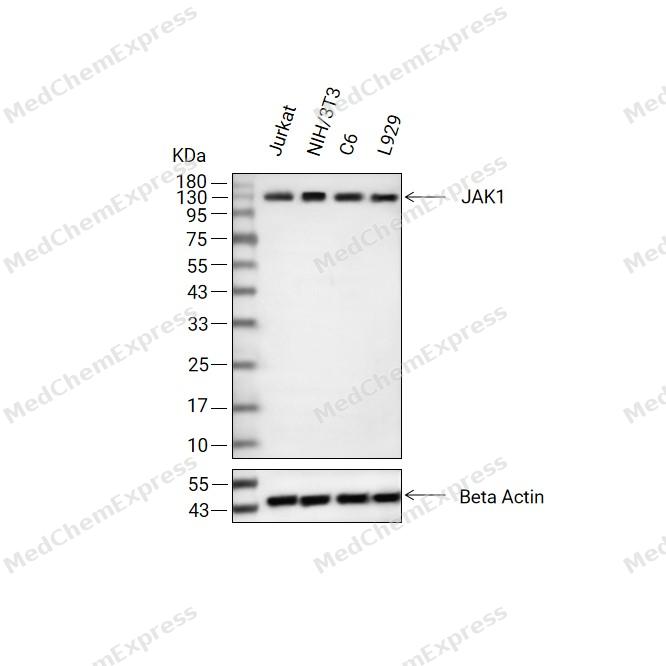 Western blot analysis of extracts from Jurkat(lane 2(20μg) , NIH/3T3 (lane 3(20μg) ,C6(lane 4(20μg)and L929( lane 5(20μg) using JAK1 Antibody (HY-P80196). Proteins were transferred to a PVDF membrane and blocked with 5% non-fat milk in TBST for 2 hour at room temperature. The primary antibody ( 1/1000) and Loading control antibody (Beta Actin, HY-P80993,1/10000) was used in 5% non-fat milkk in TBST at 4°C overnight. Goat Anti-Rabbit IgG-HRP Secondary Antibody (HY-P8001,1/10,000) was used for 1 hour at room temperature.
 -
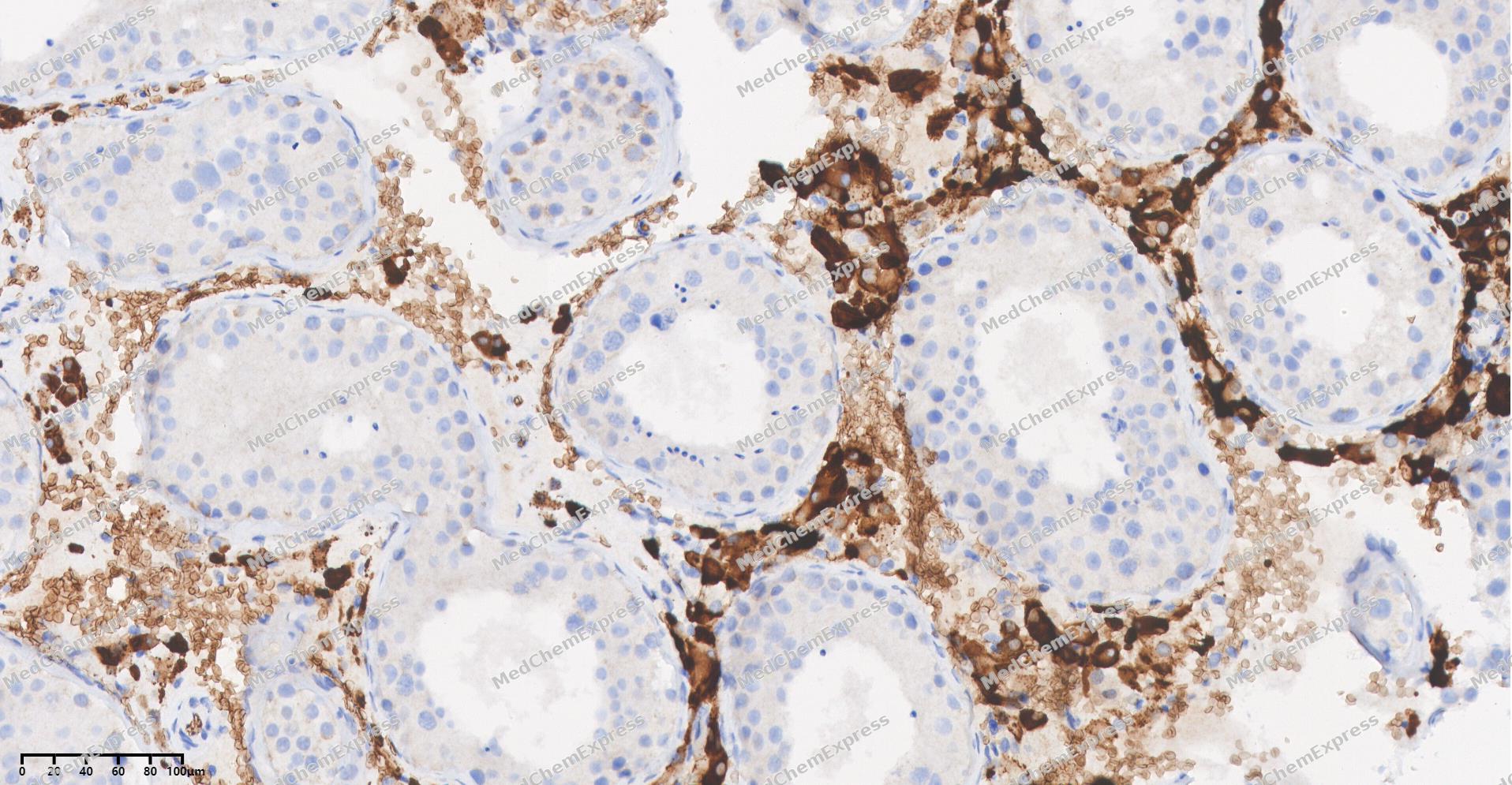 Immunohistochemical analysis of paraffin-embedded human Testis tissue using JAK1 antibody was performed. The section was pretreated using high-temperature and high-pressure mediated EDTA antigen retrieval buffer (pH 9.0), for 5 minutes. The tissues were incubated with primary antibody (HY-P80196, 1:100 dilution) at room temperature for 60 minutes. Detection was performed using an HRP conjugated compact polymer system. DAB was used as the chromogen. The tissues were counterstained with hematoxylin and mounted with neutral balsam mounting medium.
 -
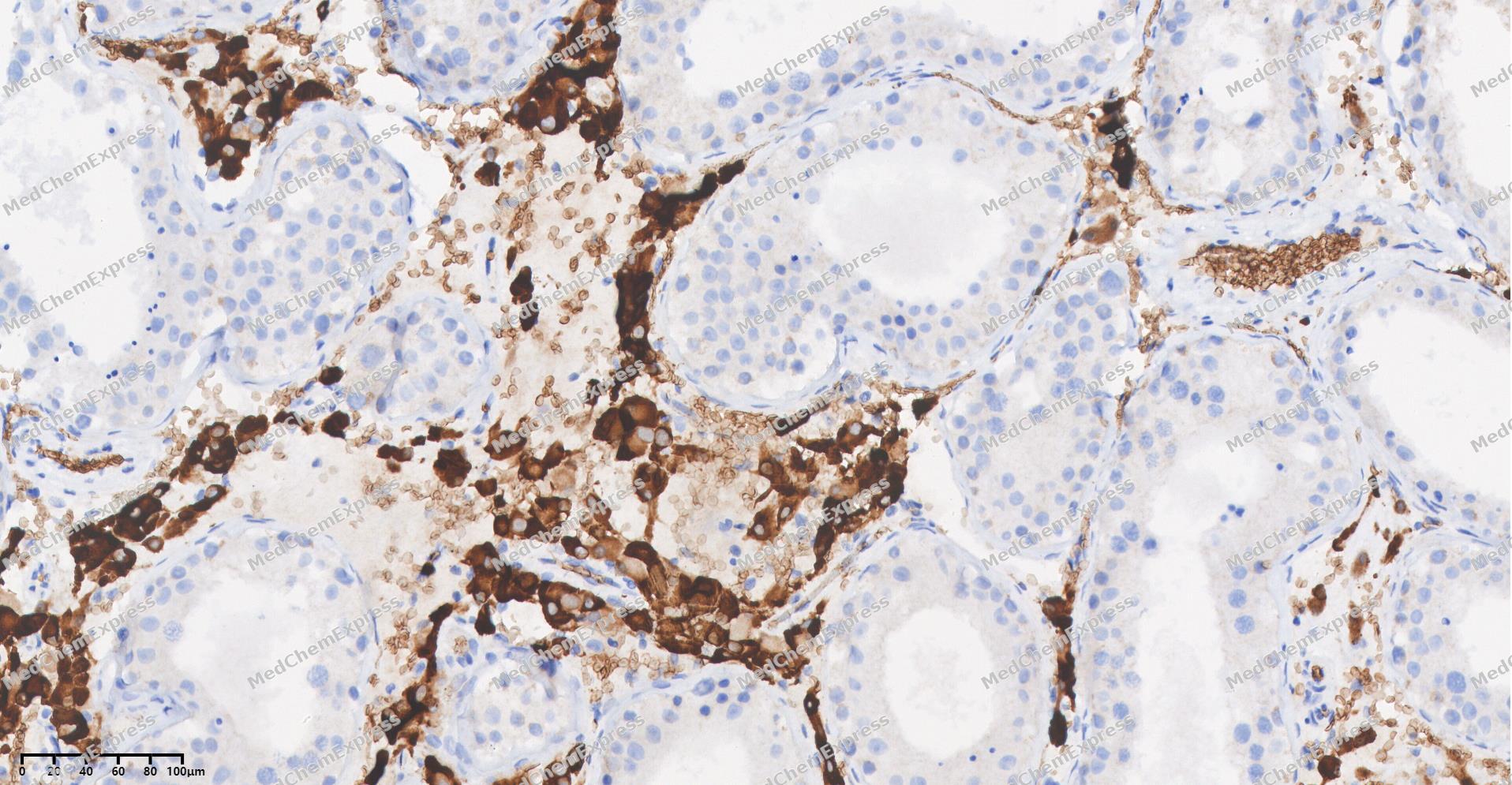 Immunohistochemical analysis of paraffin-embedded human Testis tissue using JAK1 antibody was performed. The section was pretreated using high-temperature and high-pressure mediated EDTA antigen retrieval buffer (pH 9.0), for 5 minutes. The tissues were incubated with primary antibody (HY-P80196, 1:100 dilution) at room temperature for 60 minutes. Detection was performed using an HRP conjugated compact polymer system. DAB was used as the chromogen. The tissues were counterstained with hematoxylin and mounted with neutral balsam mounting medium.
 -
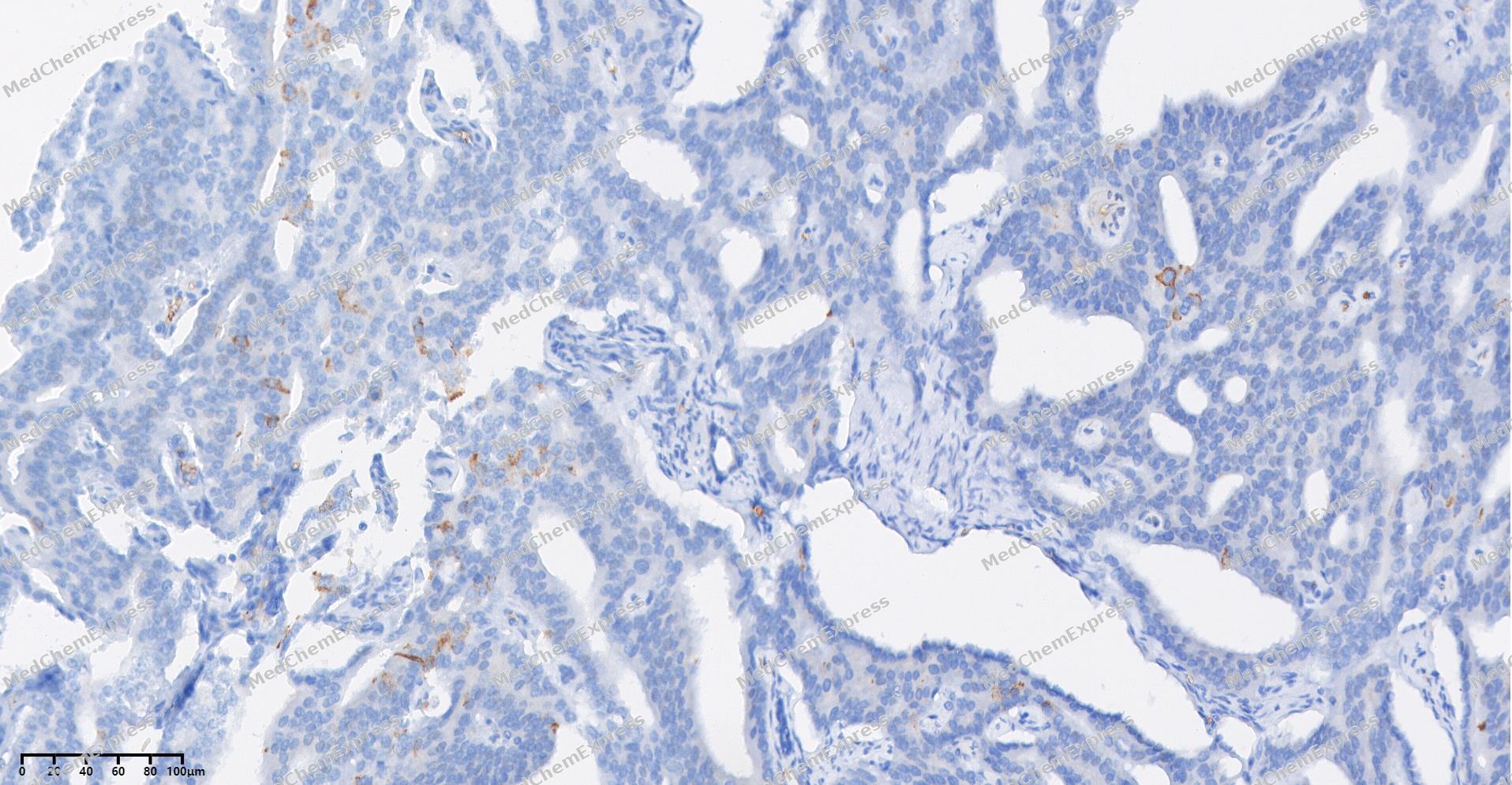 Immunohistochemical analysis of paraffin-embedded human Prostate Cancer tissue using JAK1 antibody was performed. The section was pretreated using high-temperature and high-pressure mediated EDTA antigen retrieval buffer (pH 9.0), for 5 minutes. The tissues were incubated with primary antibody (HY-P80196, 1:100 dilution) at room temperature for 60 minutes. Detection was performed using an HRP conjugated compact polymer system. DAB was used as the chromogen. The tissues were counterstained with hematoxylin and mounted with neutral balsam mounting medium.
 -
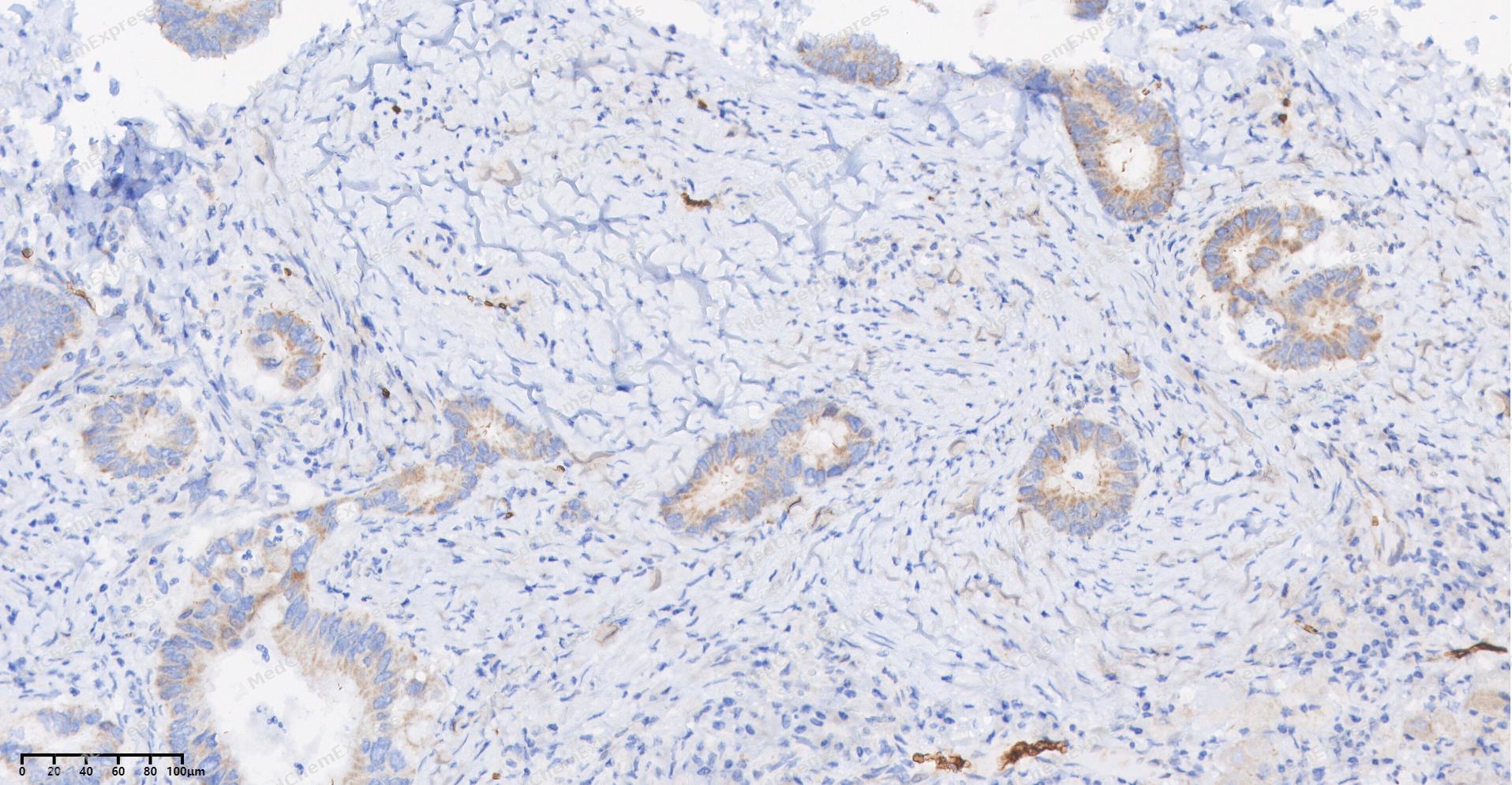 Immunohistochemical analysis of paraffin-embedded human Colon cancer tissue using JAK1 antibody was performed. The section was pretreated using high-temperature and high-pressure mediated EDTA antigen retrieval buffer (pH 9.0), for 5 minutes. The tissues were incubated with primary antibody (HY-P80196, 1:100 dilution) at room temperature for 60 minutes. Detection was performed using an HRP conjugated compact polymer system. DAB was used as the chromogen. The tissues were counterstained with hematoxylin and mounted with neutral balsam mounting medium.
 -
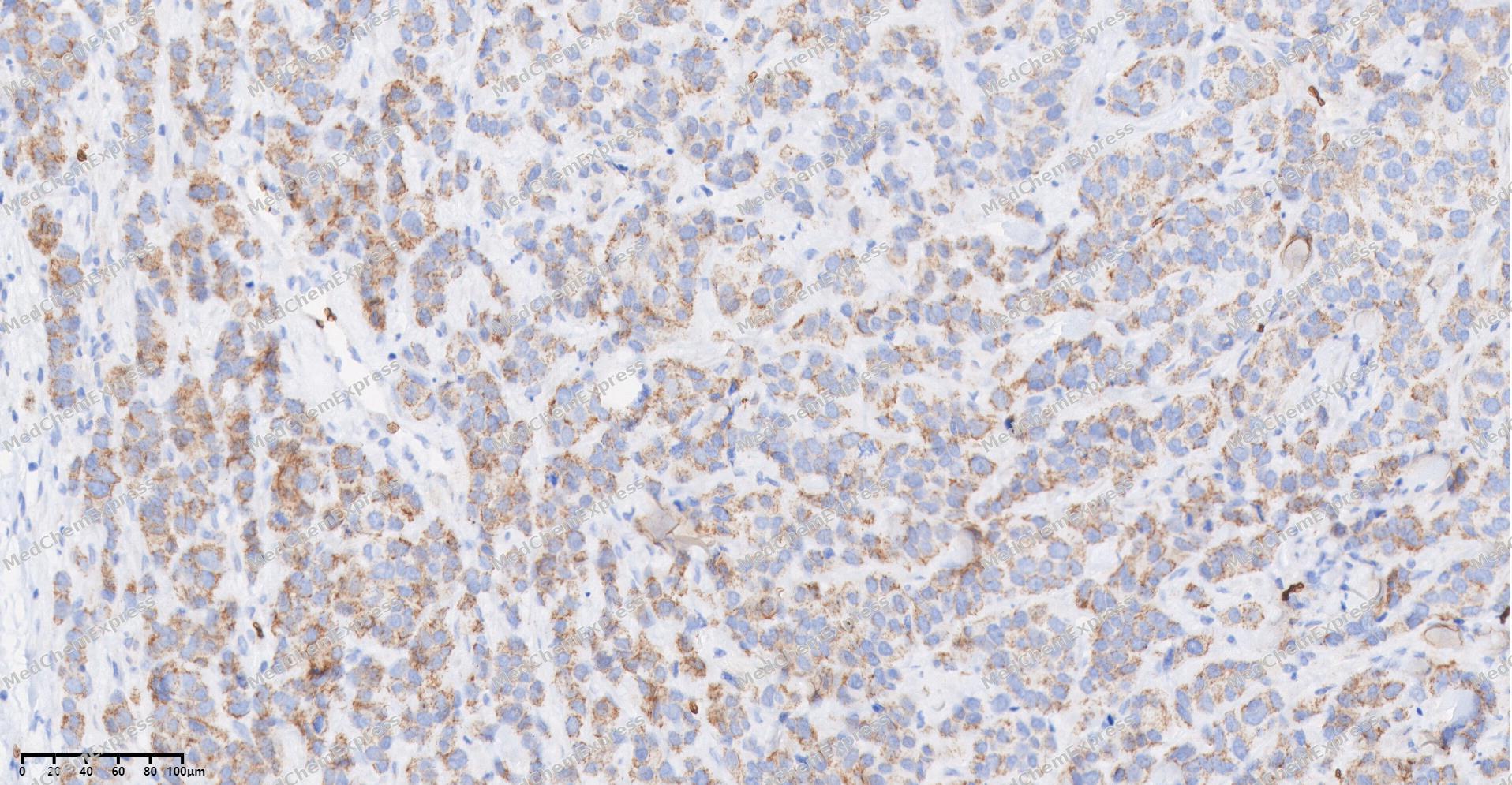 Immunohistochemical analysis of paraffin-embedded human Breast Cancer tissue using JAK1 antibody was performed. The section was pretreated using high-temperature and high-pressure mediated EDTA antigen retrieval buffer (pH 9.0), for 5 minutes. The tissues were incubated with primary antibody (HY-P80196, 1:100 dilution) at room temperature for 60 minutes. Detection was performed using an HRP conjugated compact polymer system. DAB was used as the chromogen. The tissues were counterstained with hematoxylin and mounted with neutral balsam mounting medium.
 -
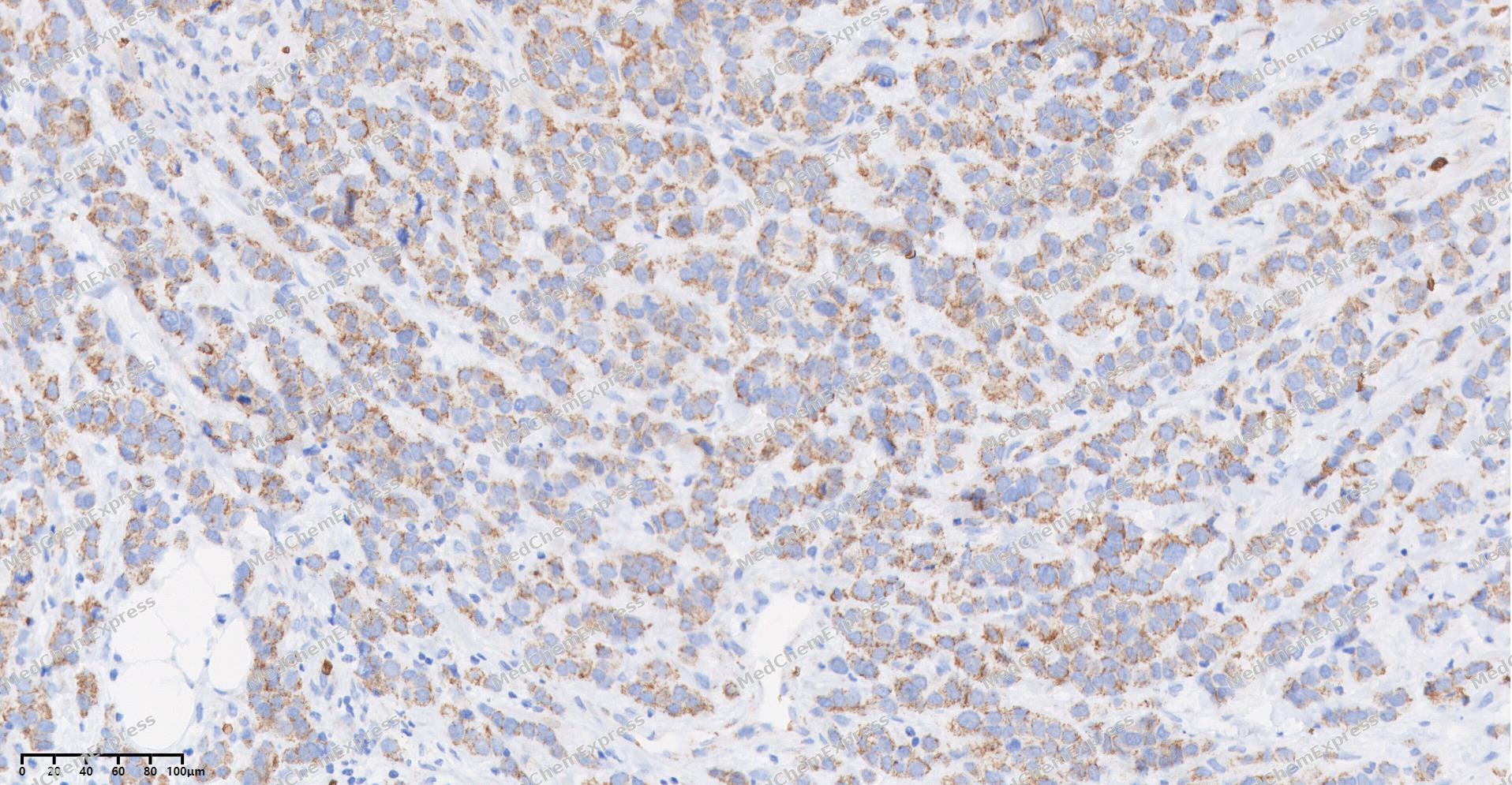 Immunohistochemical analysis of paraffin-embedded human Breast Cancer tissue using JAK1 antibody was performed. The section was pretreated using high-temperature and high-pressure mediated EDTA antigen retrieval buffer (pH 9.0), for 5 minutes. The tissues were incubated with primary antibody (HY-P80196, 1:100 dilution) at room temperature for 60 minutes. Detection was performed using an HRP conjugated compact polymer system. DAB was used as the chromogen. The tissues were counterstained with hematoxylin and mounted with neutral balsam mounting medium.
 -
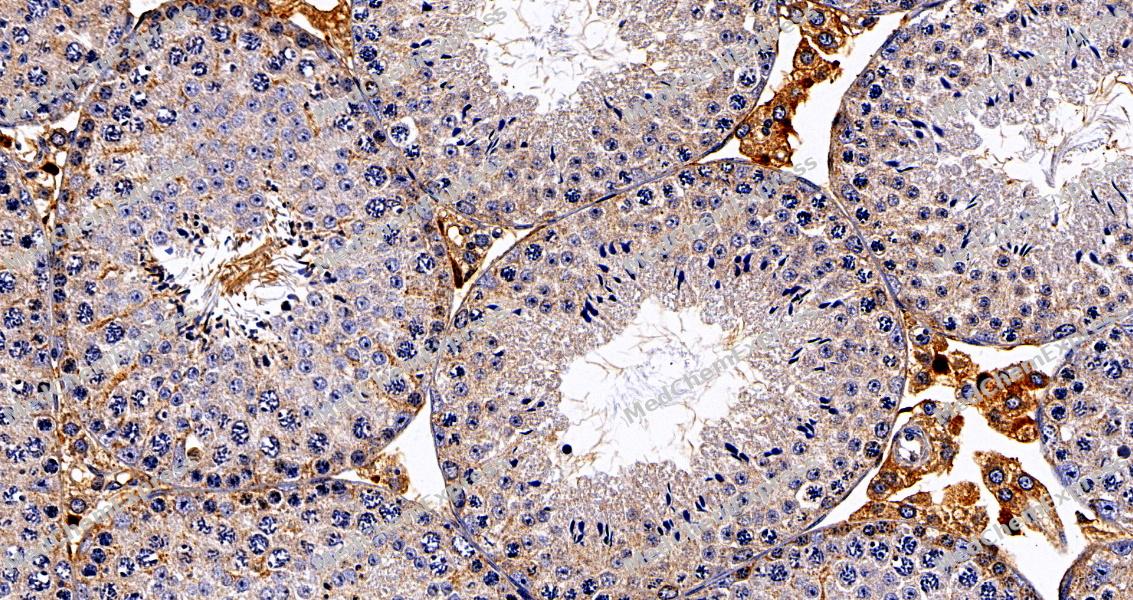 Immunohistochemical analysis of paraffin-embedded Mouse testis tissue using JAK1 Antibody (HY-P80196, 1/300) . The section was pretreated using heat mediated antigen retrieval with sodium citrate buffer (PH 6.0)for 8 minutes. The tissues were blocked with quick block buffer for 0.5 hours at room temperature, washed with PBS and PBST, and then incubated with the primary antibody overnight at 4℃. The detection was performed using an HRP conjugated compact polymer system. DAB was used as the chromogen. Tissues were counterstained with hematoxylin and mounted with DPX.
 -
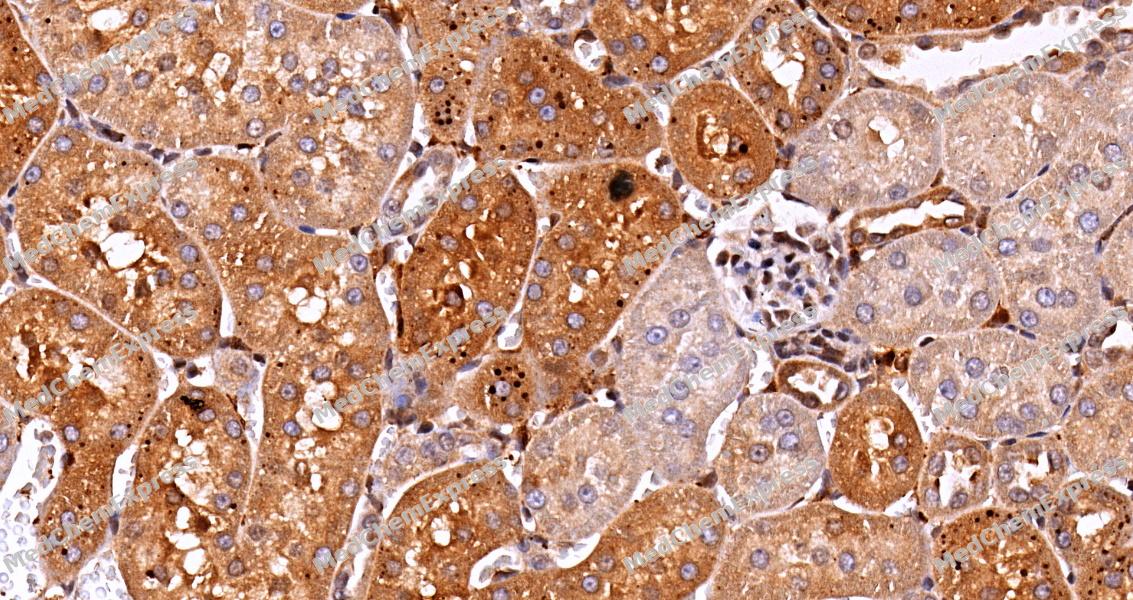 Immunohistochemical analysis of paraffin-embedded Rat kidney tissue using JAK1 Antibody (HY-P80196, 1/300) . The section was pretreated using heat mediated antigen retrieval with sodium citrate buffer (PH 6.0)for 8 minutes. The tissues were blocked with quick block buffer for 0.5 hours at room temperature, washed with PBS and PBST, and then incubated with the primary antibody overnight at 4℃. The detection was performed using an HRP conjugated compact polymer system. DAB was used as the chromogen. Tissues were counterstained with hematoxylin and mounted with DPX.
 -
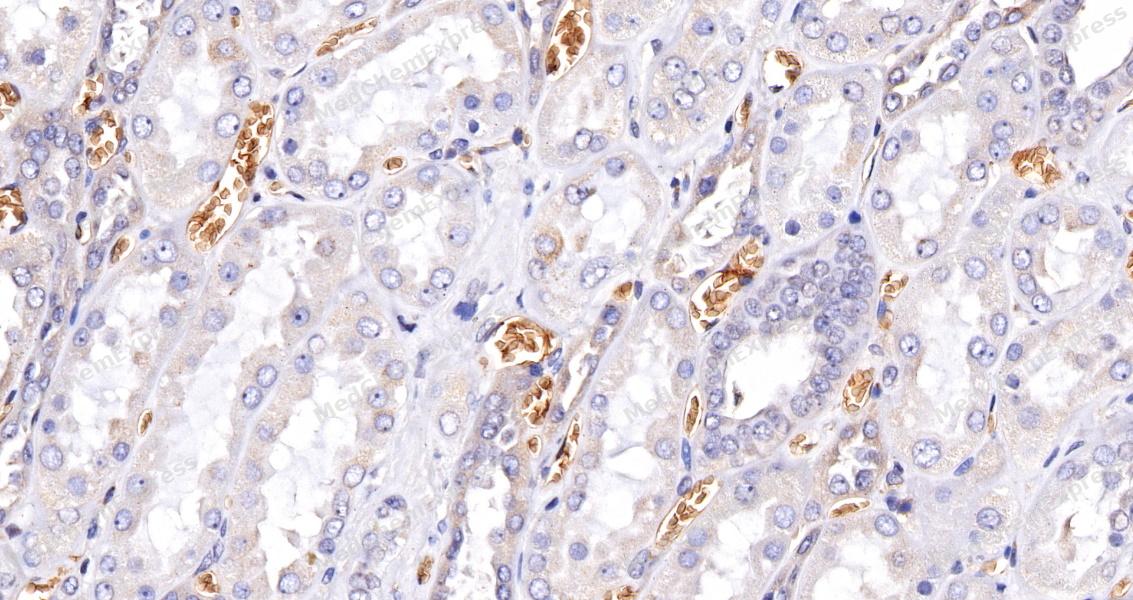 Immunohistochemical analysis of paraffin-embedded human kidney tissue using JAK1 Antibody (HY-P80196, 1/300) . The section was pretreated using heat mediated antigen retrieval with sodium citrate buffer (PH 6.0)for 8 minutes. The tissues were blocked with quick block buffer for 0.5 hours at room temperature, washed with PBS and PBST, and then incubated with the primary antibody overnight at 4℃. The detection was performed using an HRP conjugated compact polymer system. DAB was used as the chromogen. Tissues were counterstained with hematoxylin and mounted with DPX.
 -
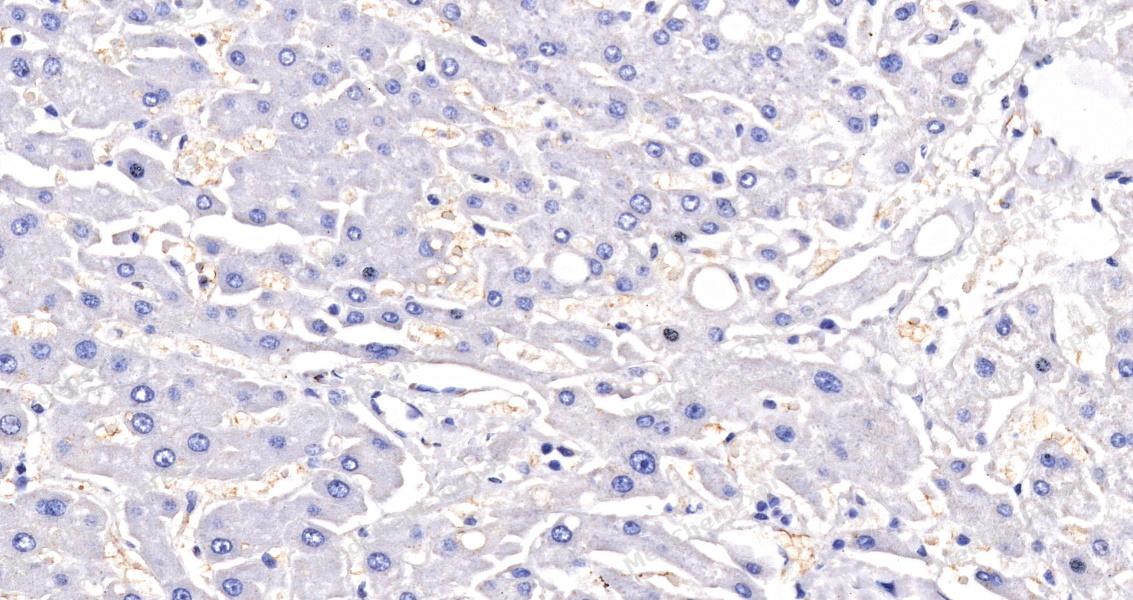 Immunohistochemical analysis of paraffin-embedded human liver tissue using JAK1 Antibody (HY-P80196, 1/300) . The section was pretreated using heat mediated antigen retrieval with sodium citrate buffer (PH 6.0)for 8 minutes. The tissues were blocked with quick block buffer for 0.5 hours at room temperature, washed with PBS and PBST, and then incubated with the primary antibody overnight at 4℃. The detection was performed using an HRP conjugated compact polymer system. DAB was used as the chromogen. Tissues were counterstained with hematoxylin and mounted with DPX.
 -
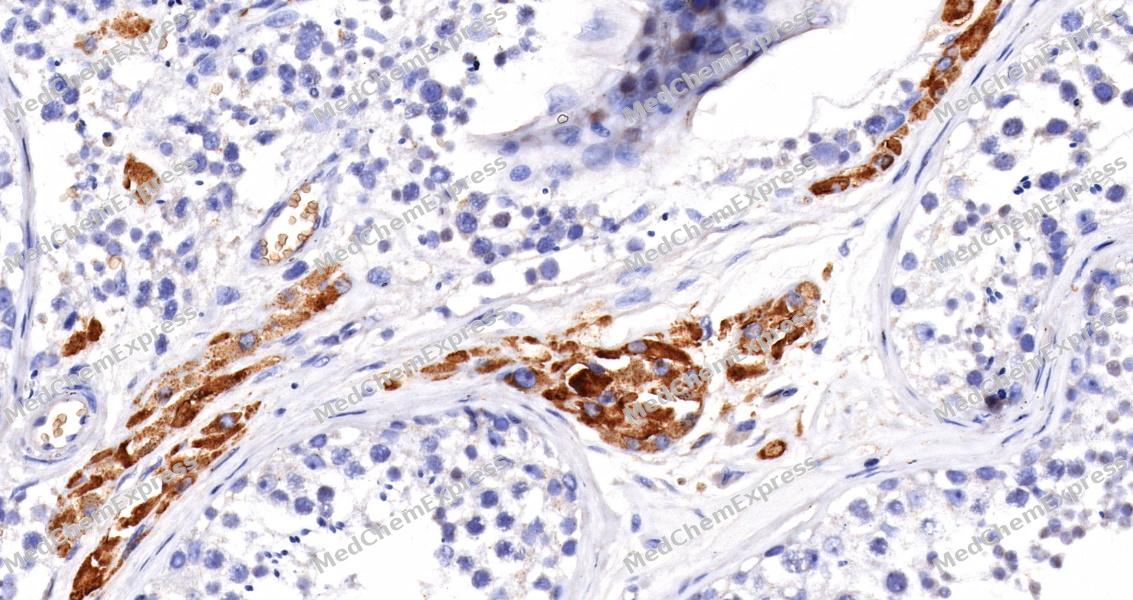 Immunohistochemical analysis of paraffin-embedded human testis tissue using JAK1 Antibody (HY-P80196, 1/300) . The section was pretreated using heat mediated antigen retrieval with sodium citrate buffer (PH 6.0)for 8 minutes. The tissues were blocked with quick block buffer for 0.5 hours at room temperature, washed with PBS and PBST, and then incubated with the primary antibody overnight at 4℃. The detection was performed using an HRP conjugated compact polymer system. DAB was used as the chromogen. Tissues were counterstained with hematoxylin and mounted with DPX.
 -
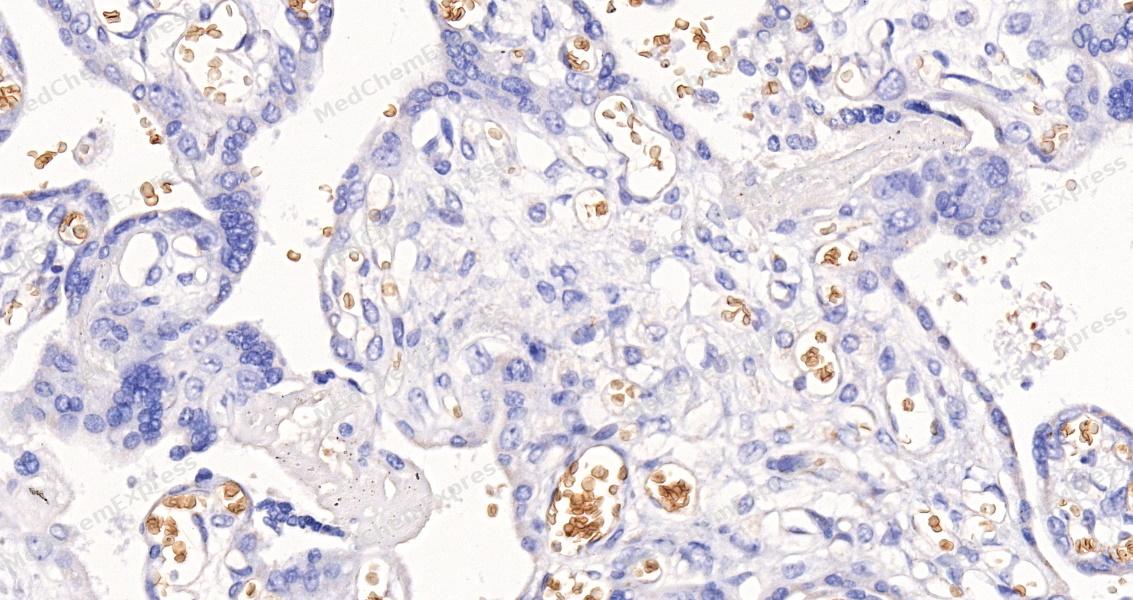 Immunohistochemical analysis of paraffin-embedded human placenta tissue using JAK1 Antibody (HY-P80196, 1/300) . The section was pretreated using heat mediated antigen retrieval with sodium citrate buffer (PH 6.0)for 8 minutes. The tissues were blocked with quick block buffer for 0.5 hours at room temperature, washed with PBS and PBST, and then incubated with the primary antibody overnight at 4℃. The detection was performed using an HRP conjugated compact polymer system. DAB was used as the chromogen. Tissues were counterstained with hematoxylin and mounted with DPX.
 -
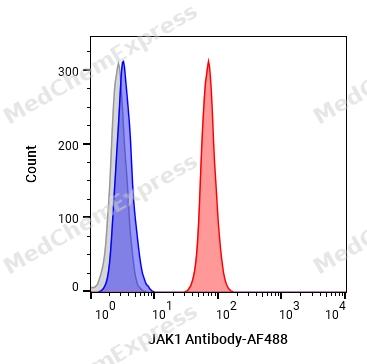 Flow cytometric analysis of 1X10⁶ Jurkat cells labeling JAK1 Antibody (HY-P80196, red). Cells were fixed with 4% paraformaldehyde and permeabilised with 90% methanol. Then stained with the primary antibody at 1/100 dilution for an hour at 4℃. AF488-conjugated Goat Anti-Rabbit IgG H&L (HY-P8002) was used as the secondary antibody at 1/1,000 dilution for 30 minutes at 4℃. Rabbit IgG Isotype Control (HY-P80879, blue) was used as the isotype control, cells without incubation with primary antibody were used as the unlabeled control (black).


Background
-
Function
JAK1 is an essential Janus kinase that mediates biologic responses downstream of class II cytokine receptors, γc-containing receptors, and gp130-dependent receptors[1]. Mechanistically, the JAK/STAT pathway provides a rapid membrane-to-nucleus signaling module that drives transcriptional programs linked to inflammation, immunity, cancer, and autoimmune disease[2]. In inflammatory contexts, JAK1 transduces signals from γc cytokines, IL-6, interferons, and IL-10, connecting cytokine receptor activation to immune-cell regulation and synovial inflammation[3]. Disease models and human genetics support this role, because JAK1 gain-of-function variants drive immune dysregulation with atopic dermatitis, allergy, eosinophilia, and gastrointestinal inflammation[4][5]. Compared with related isoforms, JAK1 shows nonredundant signaling, and Jak1 has a dominant role over Jak3 in γc receptor signaling[1][6]. JAK2 more directly supports hematopoietic growth-factor pathways, whereas JAK3 is mainly linked to common γc receptor biology[3][6]. For experimental applications, selective JAK1 inhibitors help separate cytokine-driven inflammatory signaling from broader JAK blockade[7]. Chemical proteomics identified an allosteric cysteine in JAK1 C817, absent from JAK2 and JAK3, enabling inhibitors that block JAK1-dependent trans-phosphorylation and cytokine signaling[8].
-
Subcellular Localization
Endomembrane system; Peripheral membrane protein
-
Expression
Tissue_specificity:The expression level in primary colon tumors is higher than that in normal colon tissue. The expression level in metastatic colon tumors is comparable to that in normal colon tissue. -
Subunit
Interacts with IL31RA (PubMed:15194700). Interacts with IFNGR1 (PubMed:7615558). Interacts with JAKMIP1 (PubMed:15277531). Interacts with SHB (PubMed:12200137).
-
SwissProt ID
-
Synonyms
JAK1A, JAK1B, JAK1, Tyrosine-protein kinase JAK1, Janus kinase 1, JAK-1
-
Research Field
Cell Biology


Documentation
-
Data Sheet (262 KB)
-
SDS (251 KB)
- English - EN (251 KB)
- Français - FR (251 KB)
- Deutsch - DE (251 KB)
- Norwegian - NO (251 KB)
- Español - ES (251 KB)
- Swedish - SV (251 KB)
- Italian - IT (251 KB)
- Korean - KR (251 KB)
- Portuguese - PT (251 KB)
-
User Guide for Antibodies (1077 KB)
References
[1]. Rodig SJ, et al. Disruption of the Jak1 gene demonstrates obligatory and nonredundant roles of the Jaks in cytokine-induced biologic responses. Cell. 1998 May 1;93(3):373-83. [Content Brief]
[2]. Hu X, et al. The JAK/STAT signaling pathway: from bench to clinic. Signal Transduct Target Ther. 2021 Nov 26;6(1):402. [Content Brief]
[3]. Spinelli FR, et al. JAK1: Number one in the family; number one in inflammation? Rheumatology (Oxford). 2021 May 5;60(Suppl 2):ii3-ii10. [Content Brief]
[4]. Del Bel KL, et al. JAK1 gain-of-function causes an autosomal dominant immune dysregulatory and hypereosinophilic syndrome. J Allergy Clin Immunol. 2017 Jun;139(6):2016-2020.e5. [Content Brief]
[5]. Fayand A, et al. Successful treatment of JAK1-associated inflammatory disease. J Allergy Clin Immunol. 2023 Oct;152(4):972-983. [Content Brief]
[6]. Haan C, et al. Jak1 has a dominant role over Jak3 in signal transduction through γc-containing cytokine receptors. Chem Biol. 2011 Mar 25;18(3):314-23. [Content Brief]
[7]. Schwartz DM, et al. JAK inhibition as a therapeutic strategy for immune and inflammatory diseases. Nat Rev Drug Discov. 2017 Dec;16(12):843-862. [Content Brief]
[8]. Kavanagh ME, et al. Selective inhibitors of JAK1 targeting an isoform-restricted allosteric cysteine. Nat Chem Biol. 2022 Dec;18(12):1388-1398. [Content Brief]

 Powered by Bioz
