



Optineurin Antibody (YA3127)
(Synonyms: NRP; FIP2; HIP7; HYPL; ALS12; GLC1E; TFIIIA-INTP)
Based on 1 Customer Validation
Optineurin Antibody (YA3127) is a Rabbit-derived and non-conjugated IgG monoclonal antibody, targeting to Optineurin.
-
Host:
Rabbit
-
Isotype:
IgG
-
Application:
WB, IHC-P
-
Reactivity :
Human
-
Formulation:
Supplied in 50mM Tris-Glycine(pH 7.4), 0.15M NaCl, 40% Glycerol, 0.01% Sodium azide and 0.05% BSA
-
Conjugation:
Non-conjugated


To place orders, for customer services and technical support, please contact: MedChemExpress USA
Tel: 609-228-6898 E-mail: [email protected] [email protected]





Applications
| Application |
WB

WB: Western Blot
|
IHC-P
IHC-P: Immunohistochemistry-Paraffin
|
|---|---|---|
| Dilution Ratio | 1:500-1:1000 | 1:50-1:100 |


Product Details
Optineurin Antibody (YA3127) is a Rabbit-derived and non-conjugated IgG monoclonal antibody, targeting to Optineurin.
-
Host Rabbit

-
Clonality Recombinant,Monoclonal

-
Species ReactivityHuman
-
Observed Molecular WeightObserved band size: 75 kDa
Note: Due to possible protein modifications or aggregation, the molecular weight should be confirmed by actual measurement, and the predicted value is for reference only.

-
Calculated Molecular Weight Predicted band size: 66 kDa

Recombinant protein of human Optineurin
Endogenous
Affinity Purified
Non-conjugated
Unmodified
IgG


Product Properties
-
Appearance
Solution
-
Formulation
Supplied in 50mM Tris-Glycine(pH 7.4), 0.15M NaCl, 40% Glycerol, 0.01% Sodium azide and 0.05% BSA
-
Concentration
Batch-dependent, Please check the COA for the concentration of each lot. Check Lot Concentration
-
Storage & Stability
Stored at -20°C for 1 year. Avoid repeated freeze / thaw cycles.
-
Shipping
Shipping with blue ice.


Verification Images
-
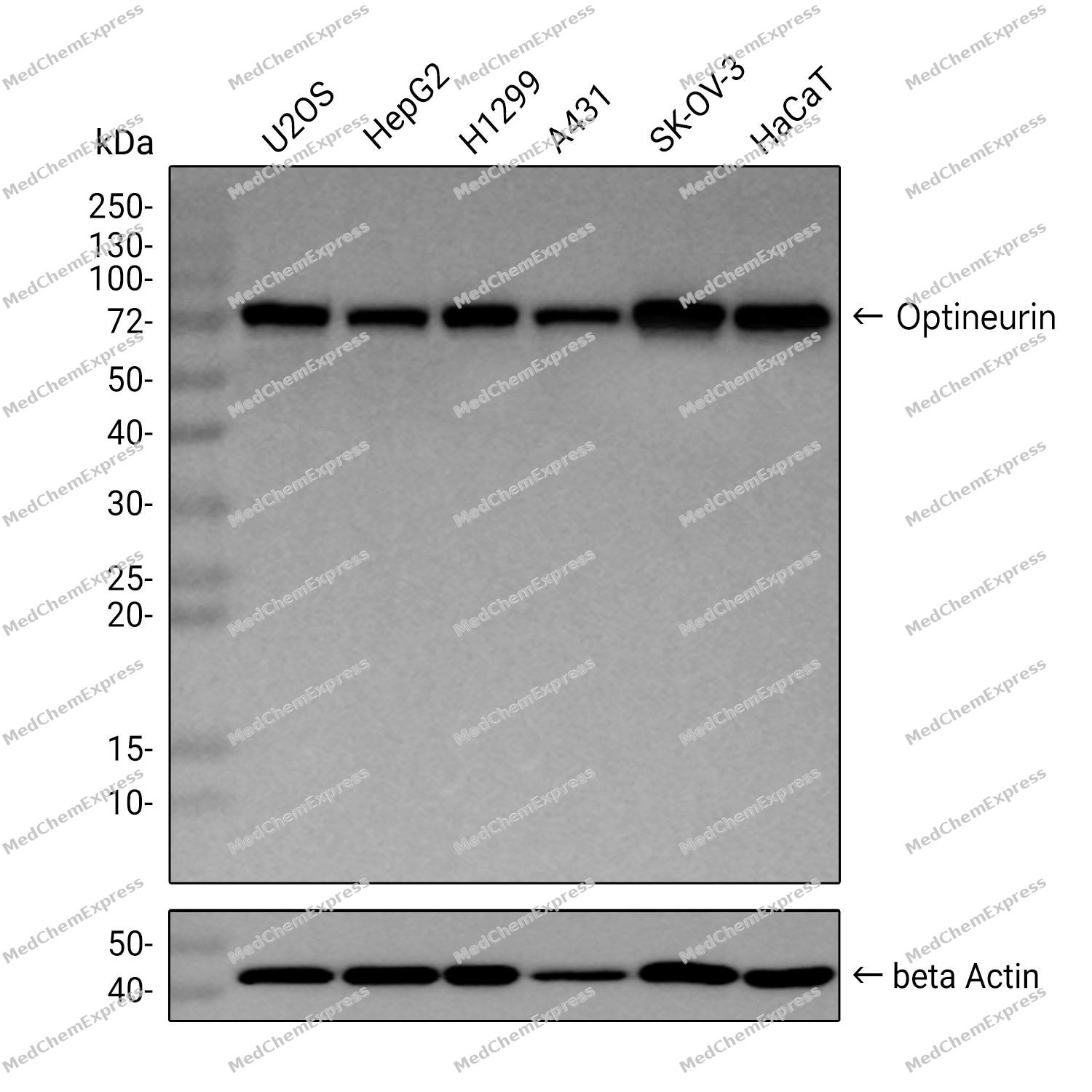 Western blot analysis was performed on extracts from U2OS (lane 1, 15 μg), HepG2 (lane 2, 15 μg), H1299 (lane 3, 15 μg), A431 (lane 4, 15 μg), SK-OV-3 (lane 5, 15 μg), HaCaT (lane 6, 15 μg) using Optineurin Rabbit mAb.Proteins were transferred to a PVDF membrane and blocked with 5% non-fat milk in TBST at 4°C overnight.The primary antibody (1:1000 dilution) and the loading control antibody (beta-Actin, HY-P80438, 1:5000 dilution) were incubated in 5% non-fat milk in TBST for 1 hour at 37°C.Goat Anti-Rabbit IgG-HRP Secondary Antibody (1:20000 dilution) was then applied for 40 minutes at 37°C.
 -
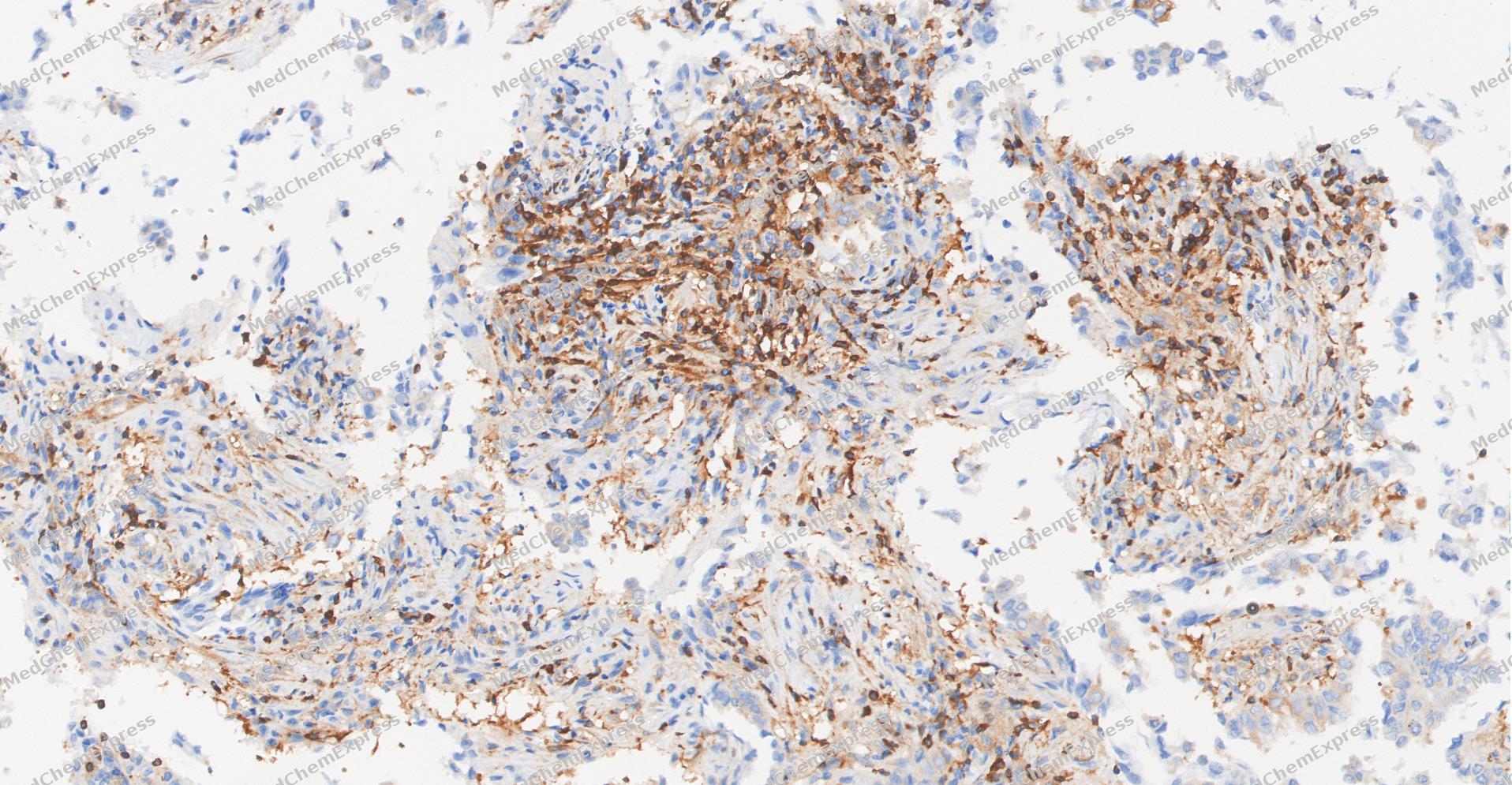 Immunohistochemical analysis of paraffin-embedded human Lung Adenocarcinoma tissue using Optineurin antibody was performed. The section was pretreated using high-temperature and high-pressure mediated EDTA antigen retrieval buffer (pH 9.0), for 5 minutes. The tissues were incubated with primary antibody (HY-P83382, 1:100 dilution) at room temperature for 60 minutes. Detection was performed using an HRP conjugated compact polymer system. DAB was used as the chromogen. The tissues were counterstained with hematoxylin and mounted with neutral balsam mounting medium.
 -
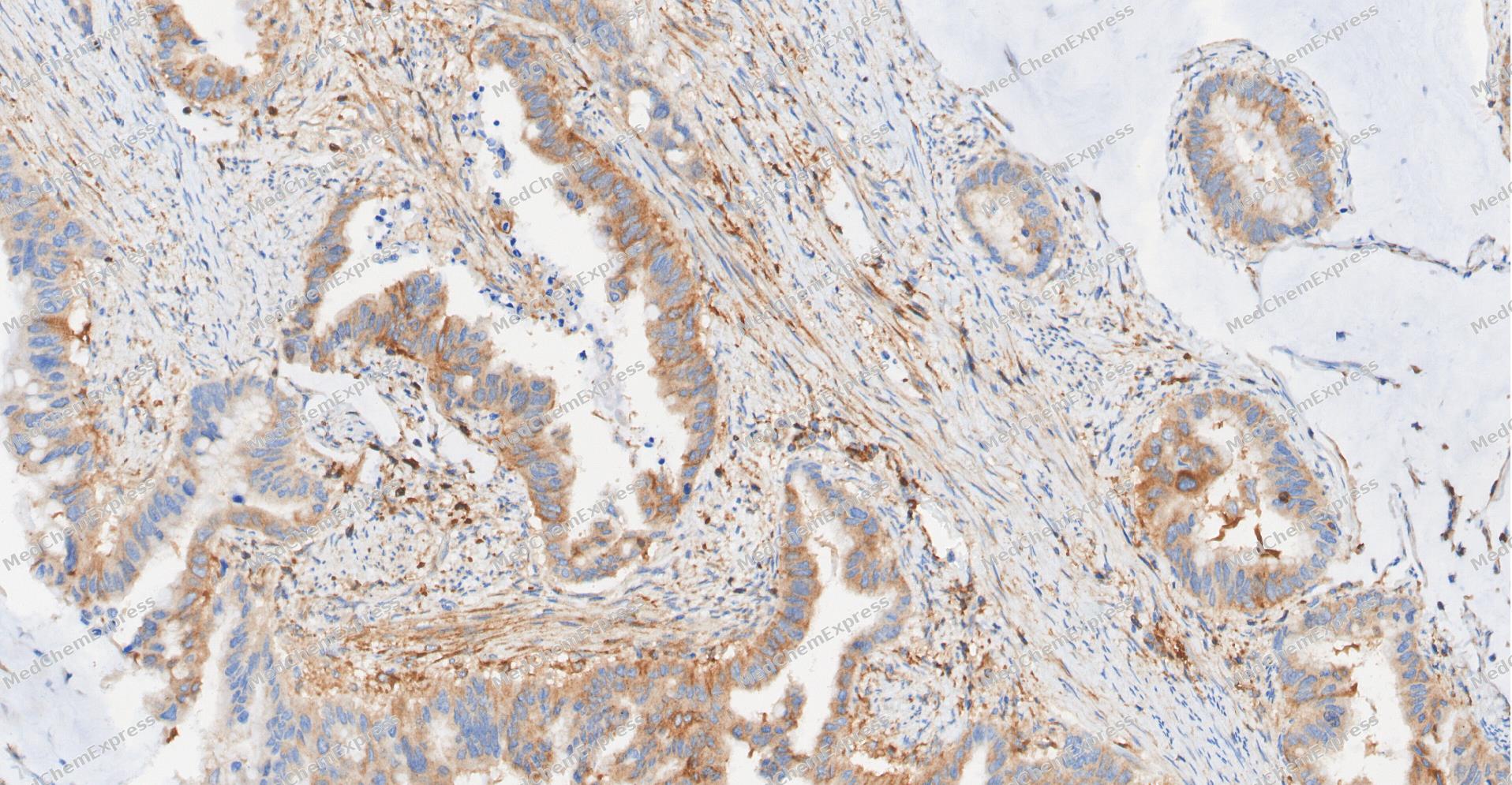 Immunohistochemical analysis of paraffin-embedded human Gastric Cancer tissue using Optineurin antibody was performed. The section was pretreated using high-temperature and high-pressure mediated EDTA antigen retrieval buffer (pH 9.0), for 5 minutes. The tissues were incubated with primary antibody (HY-P83382, 1:100 dilution) at room temperature for 60 minutes. Detection was performed using an HRP conjugated compact polymer system. DAB was used as the chromogen. The tissues were counterstained with hematoxylin and mounted with neutral balsam mounting medium.
 -
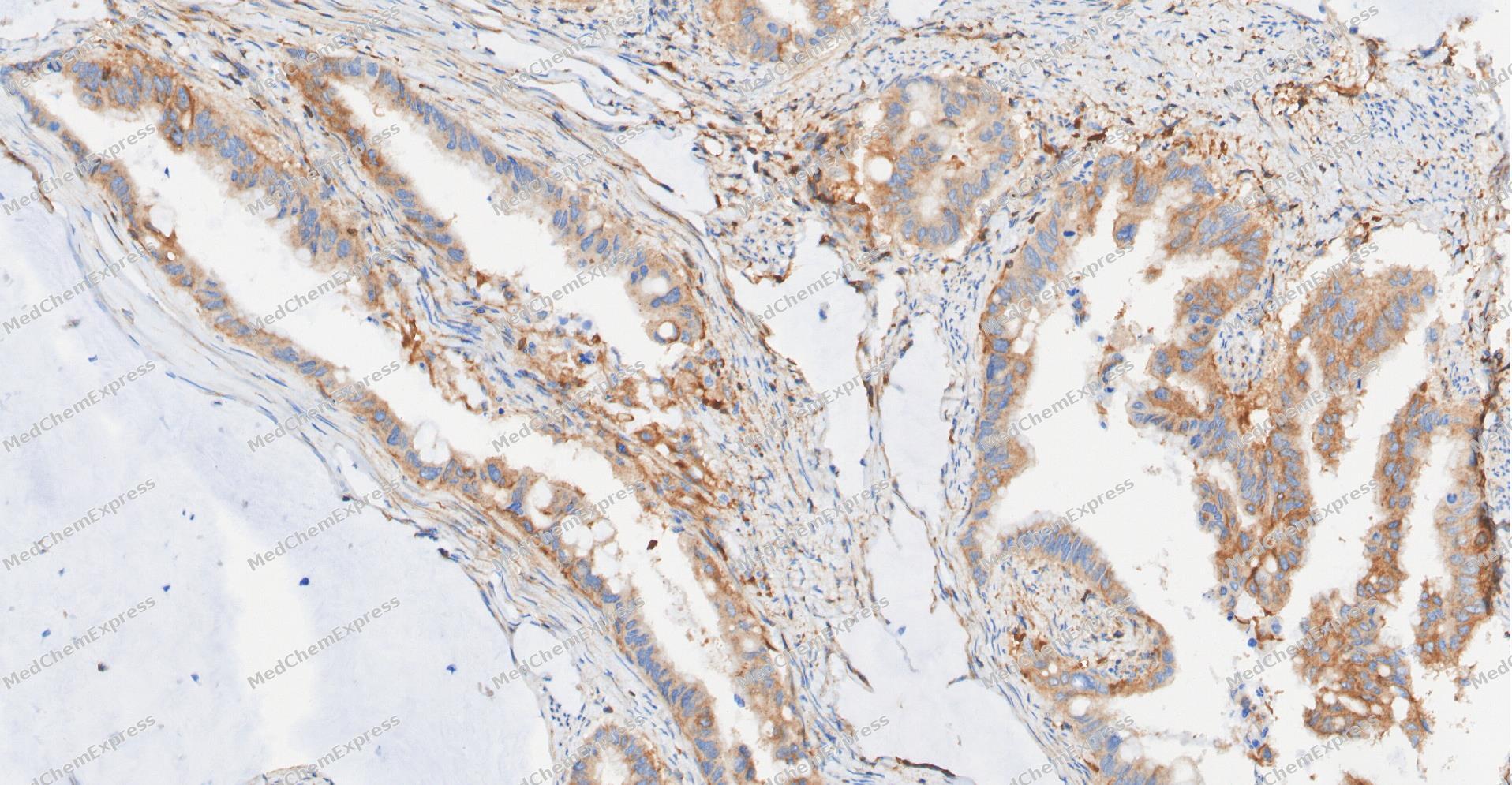 Immunohistochemical analysis of paraffin-embedded human Gastric Cancer tissue using Optineurin antibody was performed. The section was pretreated using high-temperature and high-pressure mediated EDTA antigen retrieval buffer (pH 9.0), for 5 minutes. The tissues were incubated with primary antibody (HY-P83382, 1:100 dilution) at room temperature for 60 minutes. Detection was performed using an HRP conjugated compact polymer system. DAB was used as the chromogen. The tissues were counterstained with hematoxylin and mounted with neutral balsam mounting medium.
 -
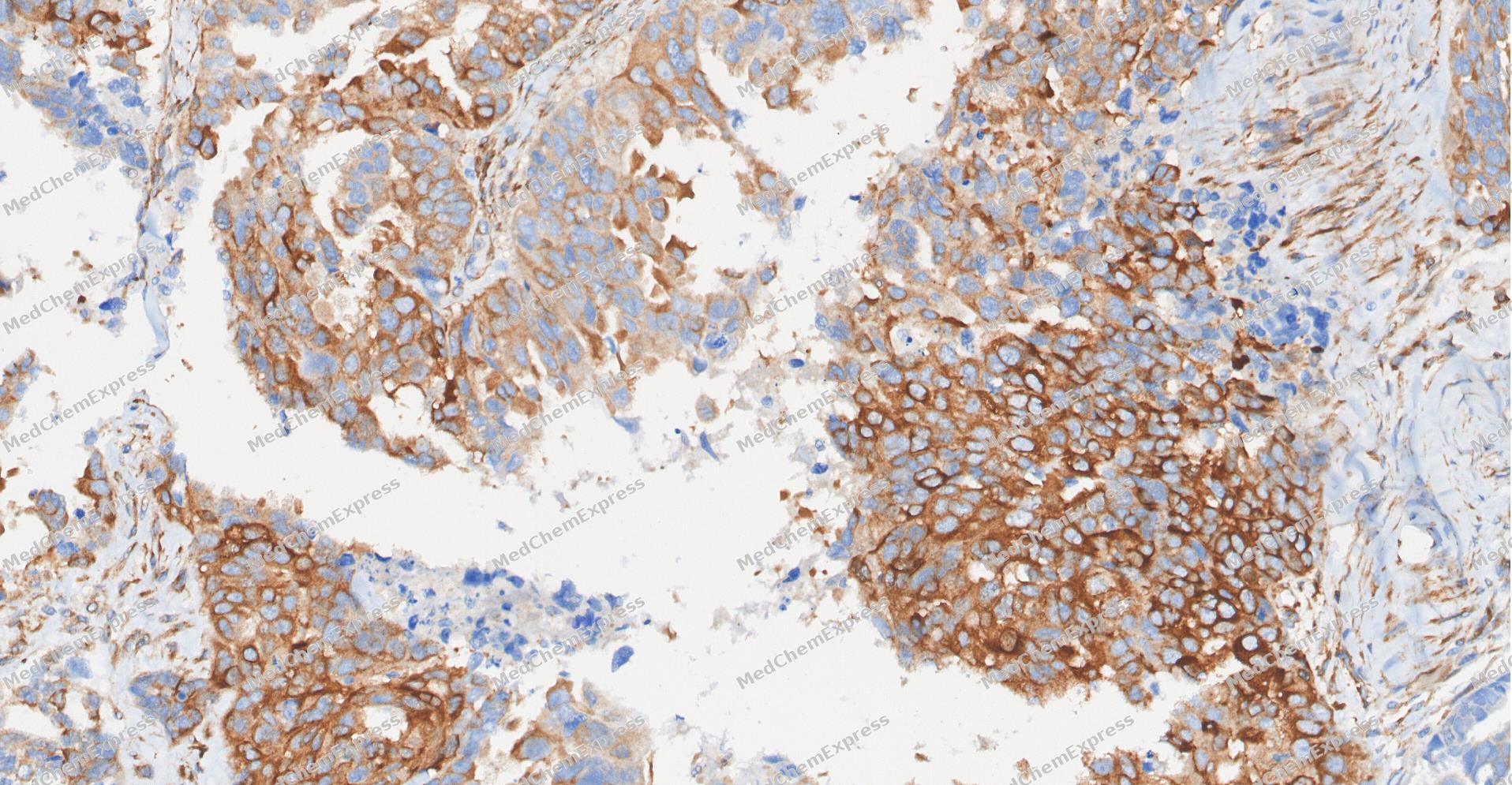 Immunohistochemical analysis of paraffin-embedded human Ovarian Cancer tissue using Optineurin antibody was performed. The section was pretreated using high-temperature and high-pressure mediated EDTA antigen retrieval buffer (pH 9.0), for 5 minutes. The tissues were incubated with primary antibody (HY-P83382, 1:100 dilution) at room temperature for 60 minutes. Detection was performed using an HRP conjugated compact polymer system. DAB was used as the chromogen. The tissues were counterstained with hematoxylin and mounted with neutral balsam mounting medium.
 -
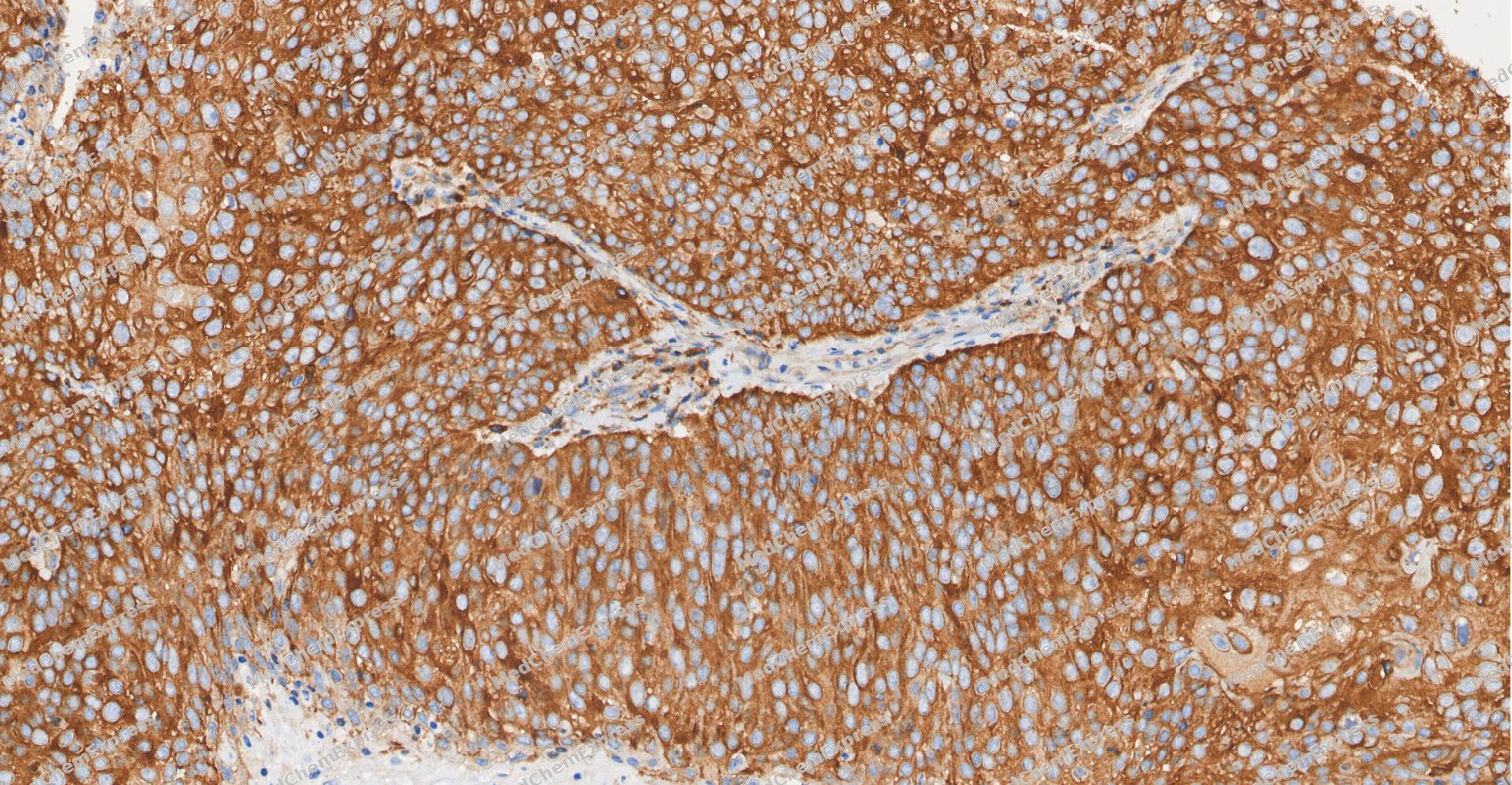 Immunohistochemical analysis of paraffin-embedded human Cervical Cancer tissue using Optineurin antibody was performed. The section was pretreated using high-temperature and high-pressure mediated EDTA antigen retrieval buffer (pH 9.0), for 5 minutes. The tissues were incubated with primary antibody (HY-P83382, 1:100 dilution) at room temperature for 60 minutes. Detection was performed using an HRP conjugated compact polymer system. DAB was used as the chromogen. The tissues were counterstained with hematoxylin and mounted with neutral balsam mounting medium.
 -
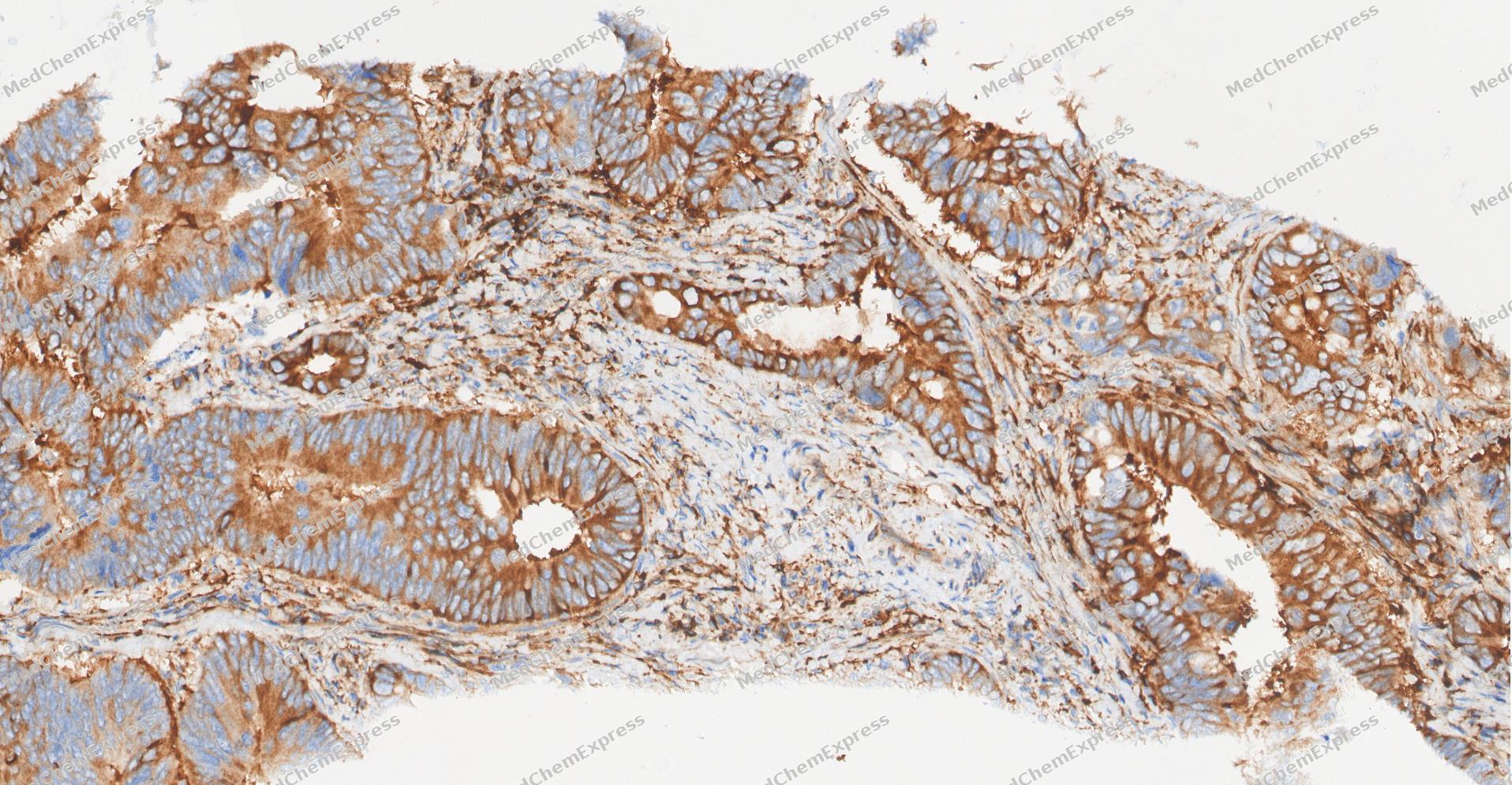 Immunohistochemical analysis of paraffin-embedded human Colon cancer tissue using Optineurin antibody was performed. The section was pretreated using high-temperature and high-pressure mediated EDTA antigen retrieval buffer (pH 9.0), for 5 minutes. The tissues were incubated with primary antibody (HY-P83382, 1:100 dilution) at room temperature for 60 minutes. Detection was performed using an HRP conjugated compact polymer system. DAB was used as the chromogen. The tissues were counterstained with hematoxylin and mounted with neutral balsam mounting medium.
 -
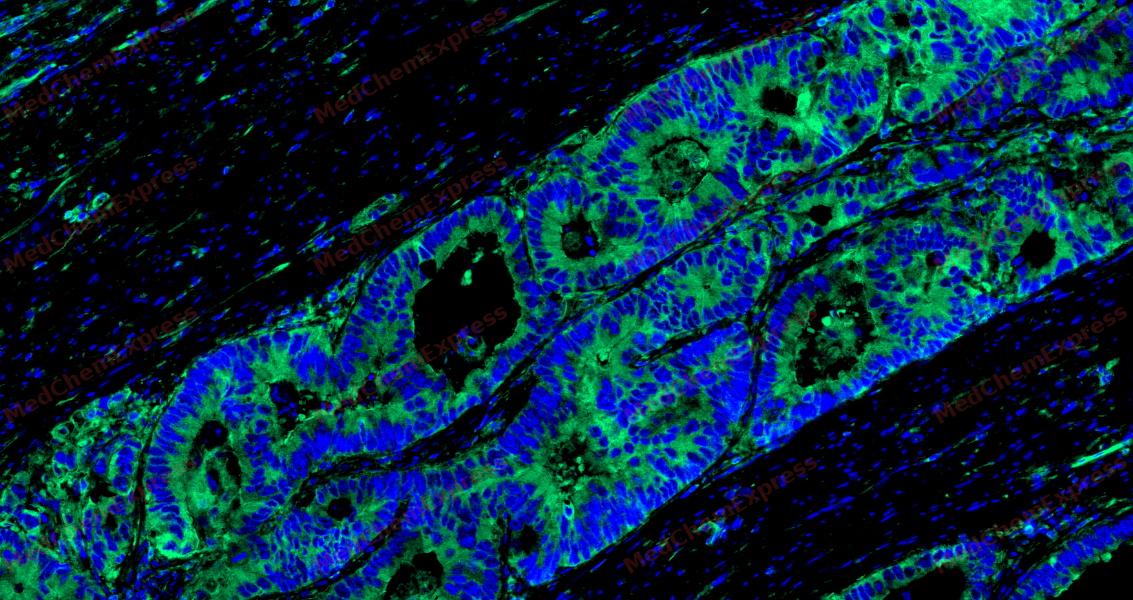 Tyramide signaling amplification based immunofluorescence was performed on paraffin-embedded human Colon cancer tissue using Optineurin antibody. Antigen retrieval was performed in EDTA buffer pH 9.0 (95 °C, 20 min) followed by cooling to RT. Then incubated with primary antibody (HY-P83382, 1:300 dilution) at room temperature for 60 minutes and HRP conjugated secondary antibody for 10 minutes. Fluorescence was then developed with Vari Fluor 532 TSA (200×)(HY-D1832). The tissues were counterstained with DAPI and mounted with Anti-fade mounting medium.
 -
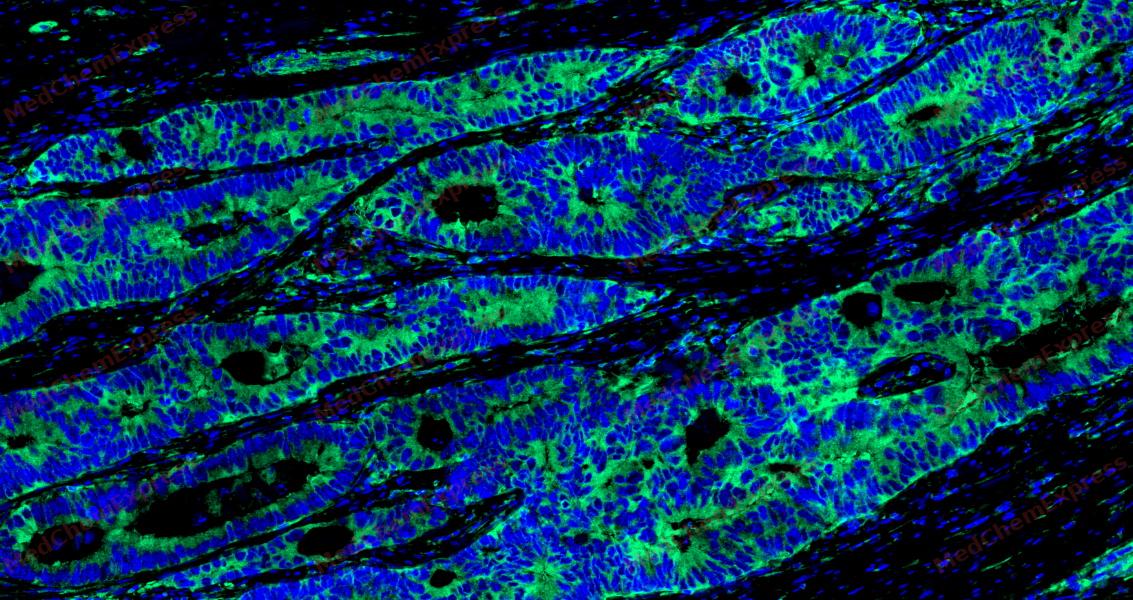 Tyramide signaling amplification based immunofluorescence was performed on paraffin-embedded human Colon cancer tissue using Optineurin antibody. Antigen retrieval was performed in EDTA buffer pH 9.0 (95 °C, 20 min) followed by cooling to RT. Then incubated with primary antibody (HY-P83382, 1:300 dilution) at room temperature for 60 minutes and HRP conjugated secondary antibody for 10 minutes. Fluorescence was then developed with Vari Fluor 532 TSA (200×)(HY-D1832). The tissues were counterstained with DAPI and mounted with Anti-fade mounting medium.
 -
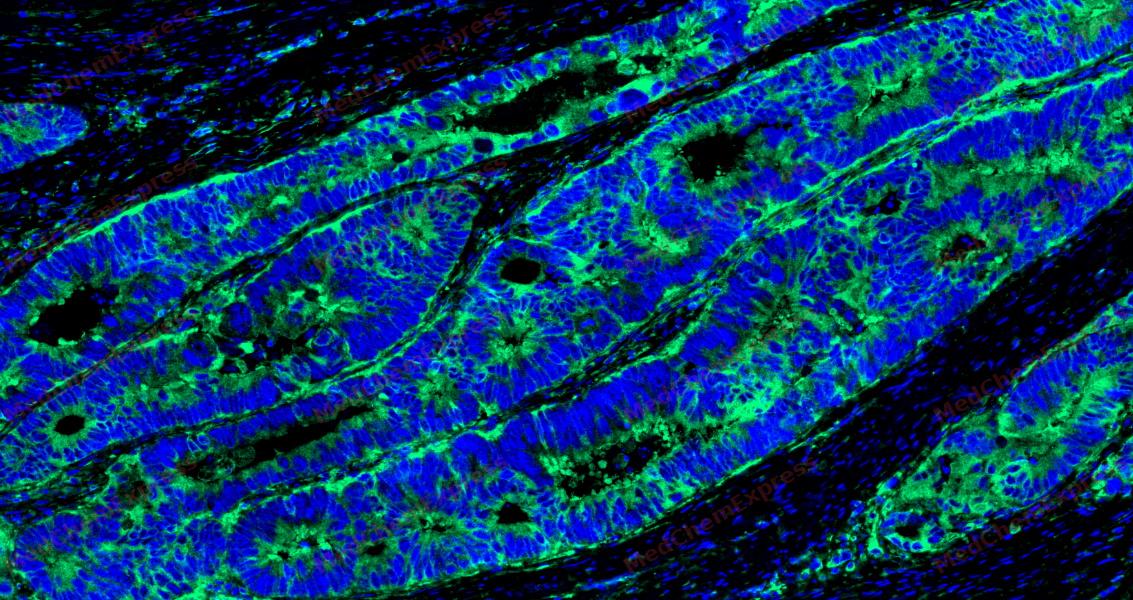 Tyramide signaling amplification based immunofluorescence was performed on paraffin-embedded human Colon cancer tissue using Optineurin antibody. Antigen retrieval was performed in EDTA buffer pH 9.0 (95 °C, 20 min) followed by cooling to RT. Then incubated with primary antibody (HY-P83382, 1:300 dilution) at room temperature for 60 minutes and HRP conjugated secondary antibody for 10 minutes. Fluorescence was then developed with Vari Fluor 532 TSA (200×)(HY-D1832). The tissues were counterstained with DAPI and mounted with Anti-fade mounting medium.
 -
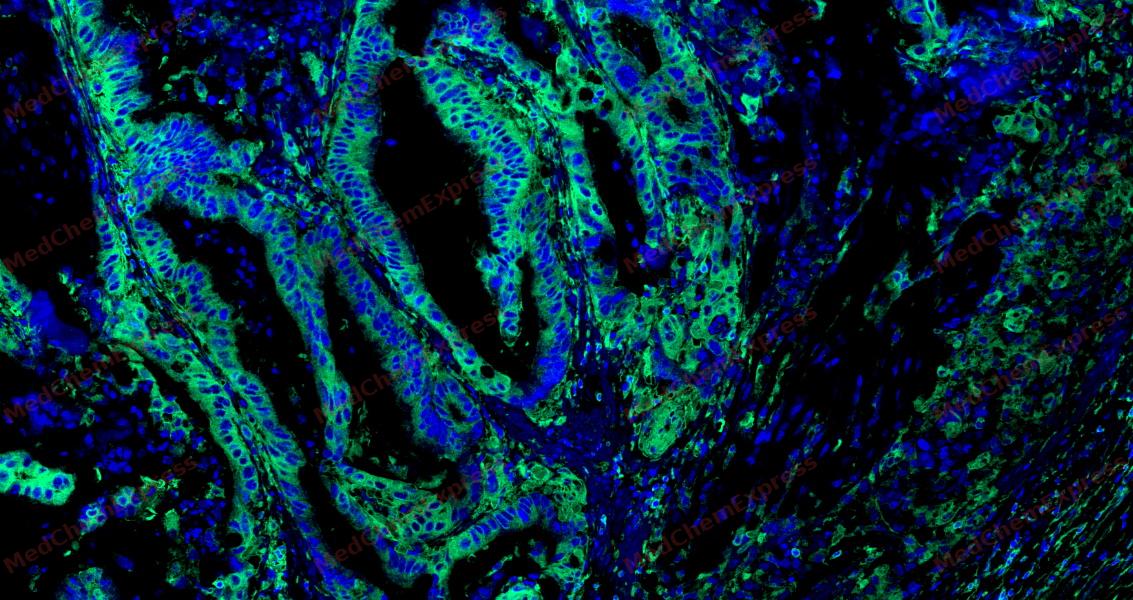 Tyramide signaling amplification based immunofluorescence was performed on paraffin-embedded human Gastric Cancer tissue using Optineurin antibody. Antigen retrieval was performed in EDTA buffer pH 9.0 (95 °C, 20 min) followed by cooling to RT. Then incubated with primary antibody (HY-P83382, 1:300 dilution) at room temperature for 60 minutes and HRP conjugated secondary antibody for 10 minutes. Fluorescence was then developed with Vari Fluor 532 TSA (200×)(HY-D1832). The tissues were counterstained with DAPI and mounted with Anti-fade mounting medium.
 -
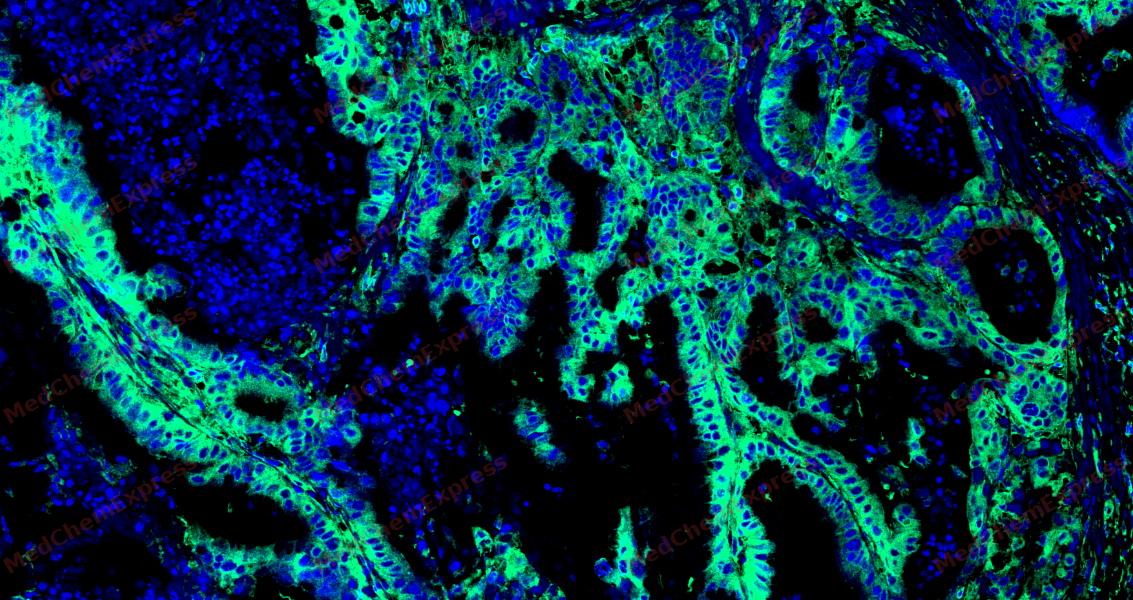 Tyramide signaling amplification based immunofluorescence was performed on paraffin-embedded human Gastric Cancer tissue using Optineurin antibody. Antigen retrieval was performed in EDTA buffer pH 9.0 (95 °C, 20 min) followed by cooling to RT. Then incubated with primary antibody (HY-P83382, 1:300 dilution) at room temperature for 60 minutes and HRP conjugated secondary antibody for 10 minutes. Fluorescence was then developed with Vari Fluor 532 TSA (200×)(HY-D1832). The tissues were counterstained with DAPI and mounted with Anti-fade mounting medium.
 -
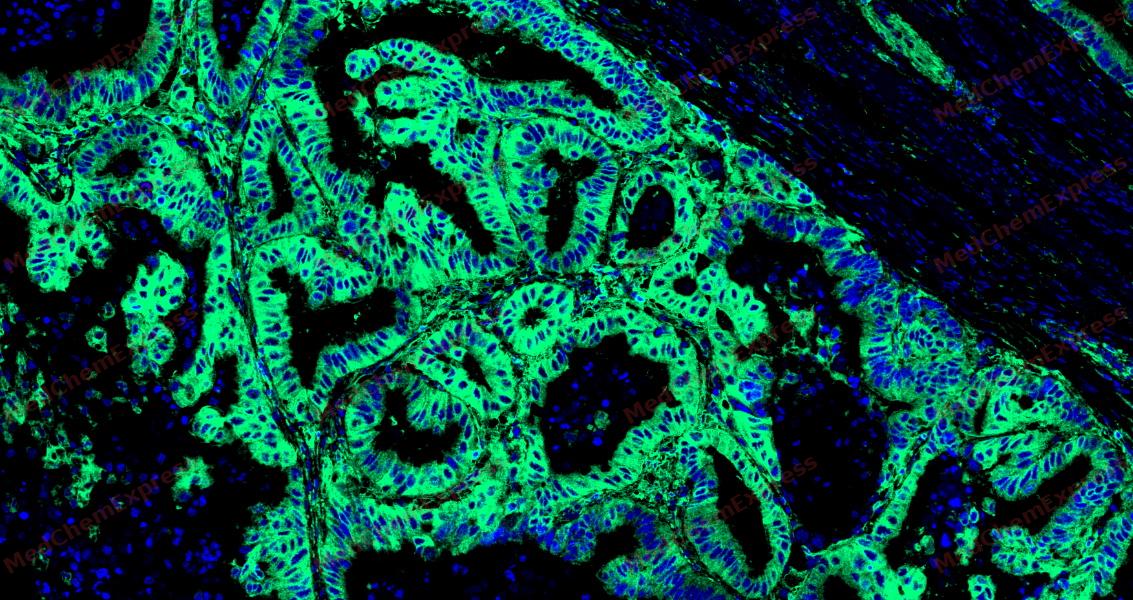 Tyramide signaling amplification based immunofluorescence was performed on paraffin-embedded human Gastric Cancer tissue using Optineurin antibody. Antigen retrieval was performed in EDTA buffer pH 9.0 (95 °C, 20 min) followed by cooling to RT. Then incubated with primary antibody (HY-P83382, 1:300 dilution) at room temperature for 60 minutes and HRP conjugated secondary antibody for 10 minutes. Fluorescence was then developed with Vari Fluor 532 TSA (200×)(HY-D1832). The tissues were counterstained with DAPI and mounted with Anti-fade mounting medium.


Background
-
Function
Optineurin plays an important role in the maintenance of the Golgi complex, in membrane trafficking, in exocytosis, through its interaction with myosin VI and Rab8. Links myosin VI to the Golgi complex and plays an important role in Golgi ribbon formation. Plays a role in the activation of innate immune response during viral infection. Mechanistically, recruits TBK1 at the Golgi apparatus, promoting its trans-phosphorylation after RLR or TLR3 stimulation. In turn, activated TBK1 phosphorylates its downstream partner IRF3 to produce IFN-beta/IFNB1. Plays a neuroprotective role in the eye and optic nerve. May act by regulating membrane trafficking and cellular morphogenesis via a complex that contains Rab8 and huntingtin (HD). Mediates the interaction of Rab8 with the probable GTPase-activating protein TBC1D17 during Rab8-mediated endocytic trafficking, such as that of transferrin receptor (TFRC/TfR); regulates Rab8 recruitment to tubules emanating from the endocytic recycling compartment. Autophagy receptor that interacts directly with both the cargo to become degraded and an autophagy modifier of the MAP1 LC3 family; targets ubiquitin-coated bacteria (xenophagy), such as cytoplasmic Salmonella enterica, and appears to function in the same pathway as SQSTM1 and CALCOCO2/NDP52; (Microbial infection) May constitute a cellular target for various viruses, such as adenovirus E3 14.7 or Bluetongue virus, to inhibit innate immune response. During RNA virus infection, such as that of Sendai virus, negatively regulates the induction of IFNB1[1][2][3][4][5].
-
Subcellular Localization
Cytoplasm, perinuclear region; Golgi apparatus; Golgi apparatus, trans-Golgi network; Cytoplasmic vesicle, autophagosome; Cytoplasmic vesicle; Recycling endosome
-
Expression
Tissue_specificity:It is present in the aqueous humor (protein level) . It is expressed in the trabecular meshwork (protein level) (PubMed:11834836, PubMed:12379221, PubMed:12646749) . It is expressed in non-pigmented ciliary body epithelium (protein level) (PubMed:11834836) . It is highly expressed in skeletal muscle and has also been detected in the heart, brain, pancreas, kidney, placenta, and liver (PubMed:9488477) . It is expressed in dermal fibroblasts (protein level) (PubMed:11834836) .
Induction:Up-regulated by TNF (PubMed:10807909, PubMed:12379221, PubMed:9488477) . Up-regulated by IFNG. TNF and IFNG act synergistically to stimulate OPTN expression (PubMed:10807909) . Induced by glucocorticoids, such as dexamethasone (PubMed:12379221) . In an in vitro experimental setting, in which donor eyes are subjected to increased perfusion pressure (10 to 30 mm Hg) in the anterior chamber, there is no up-regulation in the trabecular meshwork at the transcript level for periods ranging between 1 and 24 hours (PubMed:12646749) . However, exposure to continuous elevated pressure for several days shows an induction of OPTN expression, with a 56% increase after 7 days (PubMed:12379221) ; (Microbial infection) Up-regulated in response to Sendai virus infection or double stranded RNA treatment (at protein level) ; the up-regulation is direct and not mediated through a response to type I interferons; this may negatively regulate the interferon response to RNA-activated antiviral signaling pathways -
Isoforms & Post-Translational Modification
Q96CV9 has 3 isomers: Q96CV9-1: 65922 Da (predicted); Q96CV9-2: 65203 Da (predicted); Q96CV9-3: 59560 Da (predicted).
Phosphorylated by TBK1, leading to restrict bacterial proliferation in case of infection. Phosphorylation is induced by phorbol esters and decreases its half-time -
Subunit
Self-associates (PubMed:23669351). Interacts with HD (PubMed:11137014, PubMed:9700202). Interacts with GTF3A (PubMed:10756201). Interacts with MYO6 (PubMed:31371777). Interacts (via UBAN) with ubiquitinated TFRC (PubMed:20085643). Interacts with GTP-bound Rab8 (RAB8A and/or RAB8B) (PubMed:11137014, PubMed:20085643, PubMed:22854040). Interacts with TBC1D17 (PubMed:22854040). Interacts with TBK1 (PubMed:20174559, PubMed:23669351, PubMed:27538435). Interacts with TRAF3 (PubMed:20174559). Binds to linear ubiquitin chains (PubMed:20085643). Interacts with LC3 family members MAP1LC3A, MAP1LC3B, GABARAP, GABARAPL1 and GABARAPL2; OPTN phosphorylation increases the association (at least with MAP1LC3B). Interacts with RAB12; the interaction may be indirect. Interacts with TBK1; this interaction leads to the Golgi localization of TBK1 and its subsequent activation. Interacts with palmitoyltransferase ZDHHC17/HIP14; the interaction does not lead to palmitoylation of OPTN (PubMed:24705354). Interacts with CYLD (PubMed:32185393). Interacts with TOM1; the interaction is indirect and is mediated by MYO6, which acts as a bridge between TOM1 and OPTN (PubMed:31371777). Interacts with USP12; the interaction is independent of USP12 deubiquitinase activity and may be involved in regulation of autophagic flux (PubMed:30266909)
-
SwissProt ID
-
Synonyms
NRP; FIP2; HIP7; HYPL; ALS12; GLC1E; TFIIIA-INTP
-
Research Field
Immunology


Documentation
-
Data Sheet (261 KB)
-
SDS (251 KB)
- English - EN (251 KB)
- Français - FR (251 KB)
- Deutsch - DE (251 KB)
- Norwegian - NO (251 KB)
- Español - ES (251 KB)
- Swedish - SV (251 KB)
- Italian - IT (251 KB)
- Korean - KR (251 KB)
- Portuguese - PT (251 KB)
-
User Guide for Antibodies (1077 KB)
References
[1]. Fifita JA, et al. A novel amyotrophic lateral sclerosis mutation in OPTN induces ER stress and Golgi fragmentation in vitro. Amyotroph Lateral Scler Frontotemporal Degener. 2017 Feb;18(1-2):126-133. [Content Brief]
[2]. Pourcelot M, et al. The Golgi apparatus acts as a platform for TBK1 activation after viral RNA sensing. BMC Biol. 2016 Aug 18;14:69. [Content Brief]
[3]. Vaibhava V, et al. Optineurin mediates a negative regulation of Rab8 by the GTPase-activating protein TBC1D17. J Cell Sci. 2012 Nov 1;125(Pt 21):5026-39. [Content Brief]
[4]. Li Y, et al. Interaction of an adenovirus E3 14.7-kilodalton protein with a novel tumor necrosis factor alpha-inducible cellular protein containing leucine zipper domains. Mol Cell Biol. 1998 Mar;18(3):1601-10. [Content Brief]
[5]. Mankouri J, et al. Optineurin negatively regulates the induction of IFNbeta in response to RNA virus infection. PLoS Pathog. 2010 Feb 19;6(2):e1000778. [Content Brief]

 Powered by Bioz
