



MC1R Antibody (YA2019)
(Synonyms: MC1R; MSHR; Melanocyte-stimulating hormone receptor; MSH-R; Melanocortin receptor 1; MC1-R)
Based on 1 Customer Validation
MC1R Antibody (YA2019) is a Rabbit-derived and non-conjugated IgG monoclonal antibody, targeting to MC1R.
-
Host:
Rabbit
-
Isotype:
IgG
-
Application:
WB, IHC-P
-
Reactivity :
Human
-
Formulation:
Supplied in 50mM Tris-Glycine(pH 7.4), 0.15M NaCl, 40%Glycerol, 0.01% sodium azide and 0.05% BSA.
-
Conjugation:
Non-conjugated


To place orders, for customer services and technical support, please contact: MedChemExpress USA
Tel: 609-228-6898 E-mail: [email protected] [email protected]





Applications
| Application |
WB

WB: Western Blot
|
IHC-P
IHC-P: Immunohistochemistry-Paraffin
|
|---|---|---|
| Dilution Ratio | 1:500-1:1000 | 1:50-1:100 |


Product Details
MC1R Antibody (YA2019) is a Rabbit-derived and non-conjugated IgG monoclonal antibody, targeting to MC1R.
-
Host Rabbit

-
Clonality Recombinant,Monoclonal

-
Species ReactivityHuman
-
Observed Molecular WeightObserved band size: 35 kDa
Note: Due to possible protein modifications or aggregation, the molecular weight should be confirmed by actual measurement, and the predicted value is for reference only.

-
Calculated Molecular Weight Predicted band size: 35 kDa

A synthesized peptide derived from human MC1 Receptor aa1-46.
Endogenous
Affinity Chromatography
Non-conjugated
Unmodified
IgG


Product Properties
-
Appearance
Solution
-
Formulation
Supplied in 50mM Tris-Glycine(pH 7.4), 0.15M NaCl, 40%Glycerol, 0.01% sodium azide and 0.05% BSA.
-
Concentration
Batch-dependent, Please check the COA for the concentration of each lot. Check Lot Concentration
-
Storage & Stability
Stored at -20°C for 1 year. Avoid repeated freeze / thaw cycles.
-
Shipping
Shipping with blue ice.


Verification Images
-
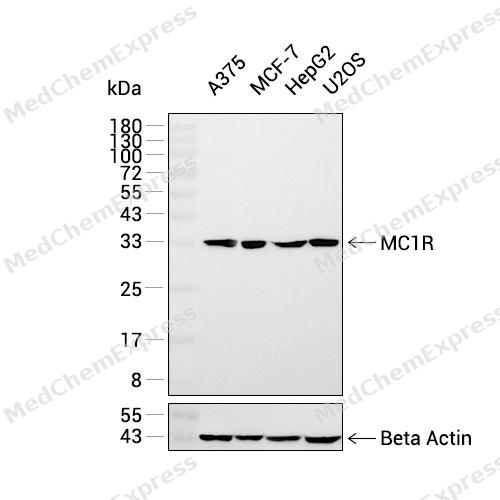 Western blot analysis was performed on extracts from A375 (lane 1, 15 μg), MCF-7 (lane 2, 15 μg), HepG2 (lane 3, 15 μg), and U2OS (lane 4, 15 μg) using MC1R Rabbit mAb.Proteins were transferred to a PVDF membrane and blocked with 5% non-fat milk in TBST at 4°C overnight.The primary antibody (1:1000 dilution) and the loading control antibody (beta-Actin, HY-P83730, 1:20000 dilution) were incubated in 5% non-fat milk in TBST for 1 hour at 37°C.Goat Anti-Rabbit IgG-HRP Secondary Antibody (1:20000 dilution) was then applied for 40 minutes at 37°C.
 -
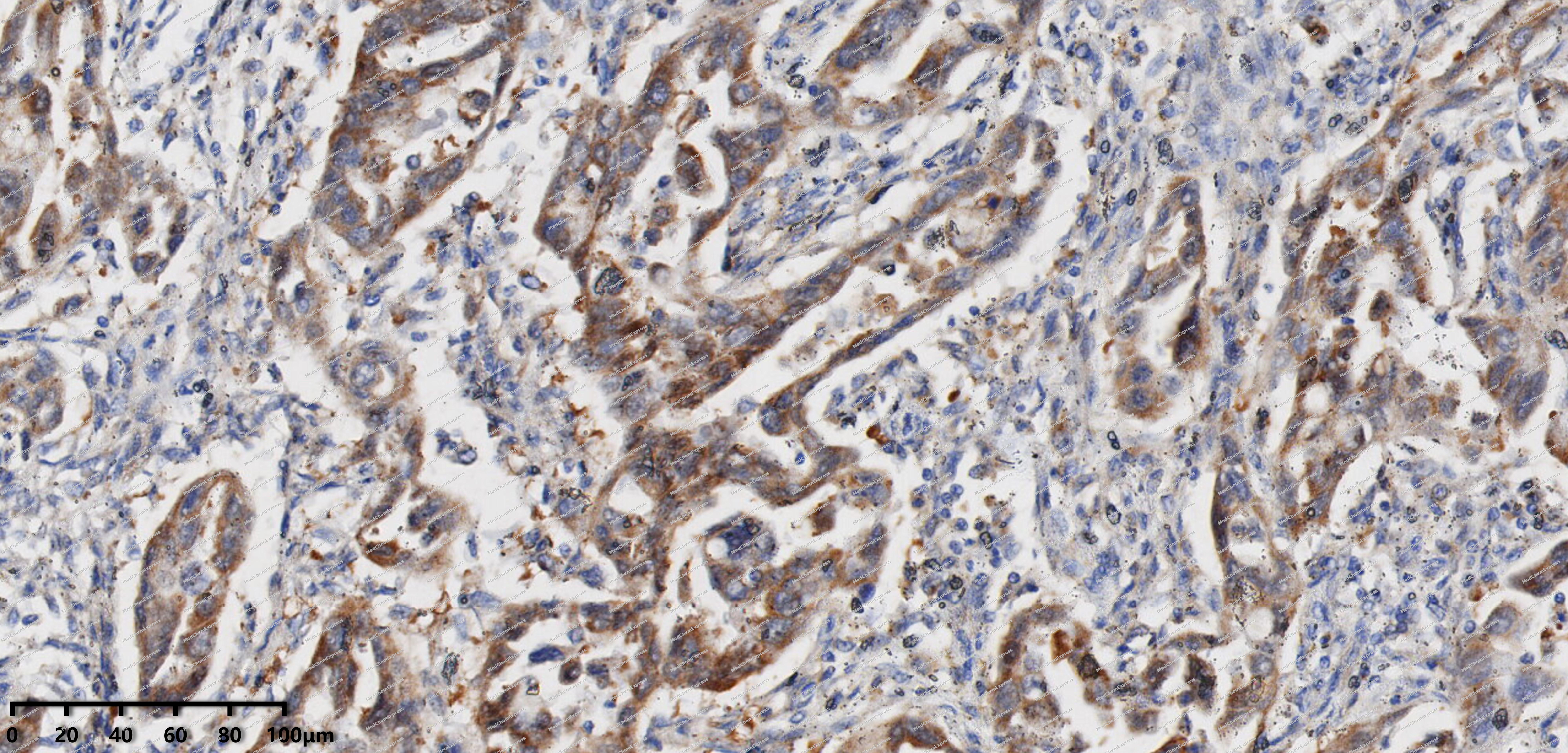 Immunohistochemical analysis of paraffin-embedded human cervical squamous cell carcinoma tissue using MC1R antibody was performed. The section was pretreated using high-temperature mediated EDTA antigen retrieval buffer (pH 9.0), for 20 minutes. The tissues were incubated with primary antibody (HY-P82274, 1:100 dilution) at room temperature for 20 minutes. Detection was performed using an HRP conjugated compact polymer system. DAB was used as the chromogen. The tissues were counterstained with hematoxylin and mounted with neutral balsam mounting medium.
 -
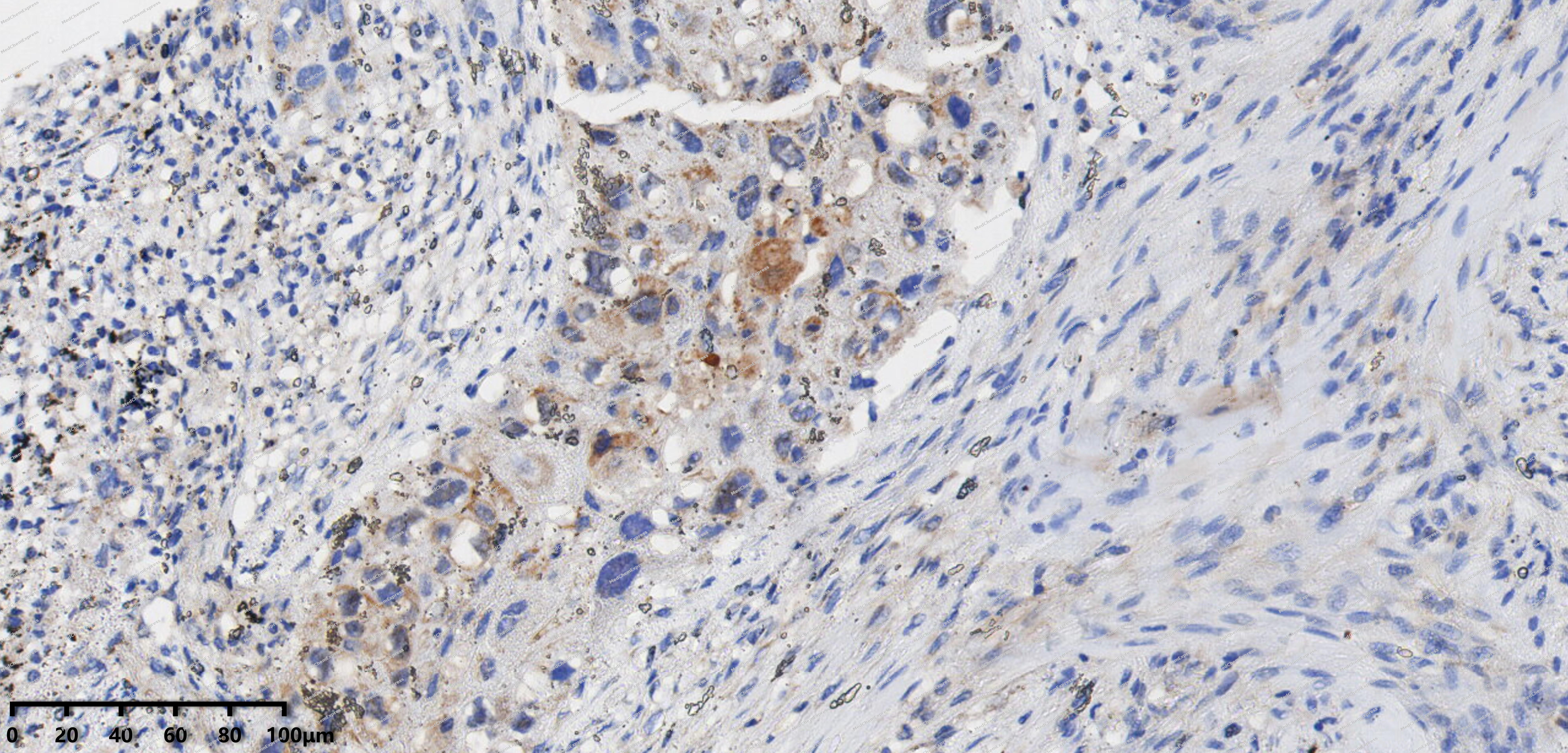 Immunohistochemical analysis of paraffin-embedded human lung cancer tissue using MC1R antibody was performed. The section was pretreated using high-temperature mediated EDTA antigen retrieval buffer (pH 9.0), for 20 minutes. The tissues were incubated with primary antibody (HY-P82274, 1:100 dilution) at room temperature for 20 minutes. Detection was performed using an HRP conjugated compact polymer system. DAB was used as the chromogen. The tissues were counterstained with hematoxylin and mounted with neutral balsam mounting medium.
 -
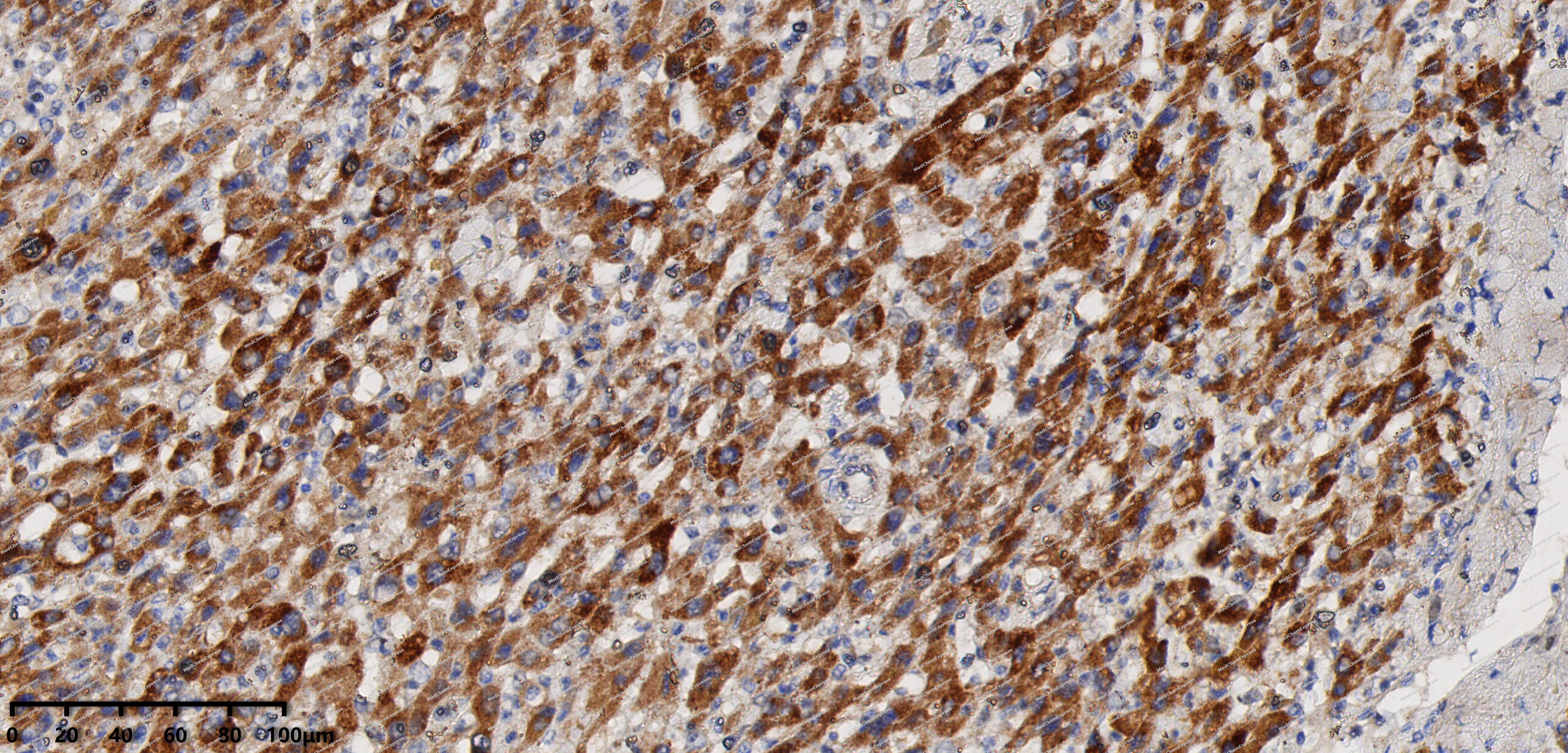 Immunohistochemical analysis of paraffin-embedded human Intrahepatic cholangiocarcinoma tissue using MC1R antibody was performed. The section was pretreated using high-temperature mediated EDTA antigen retrieval buffer (pH 9.0), for 20 minutes. The tissues were incubated with primary antibody (HY-P82274, 1:100 dilution) at room temperature for 20 minutes. Detection was performed using an HRP conjugated compact polymer system. DAB was used as the chromogen. The tissues were counterstained with hematoxylin and mounted with neutral balsam mounting medium.
 -
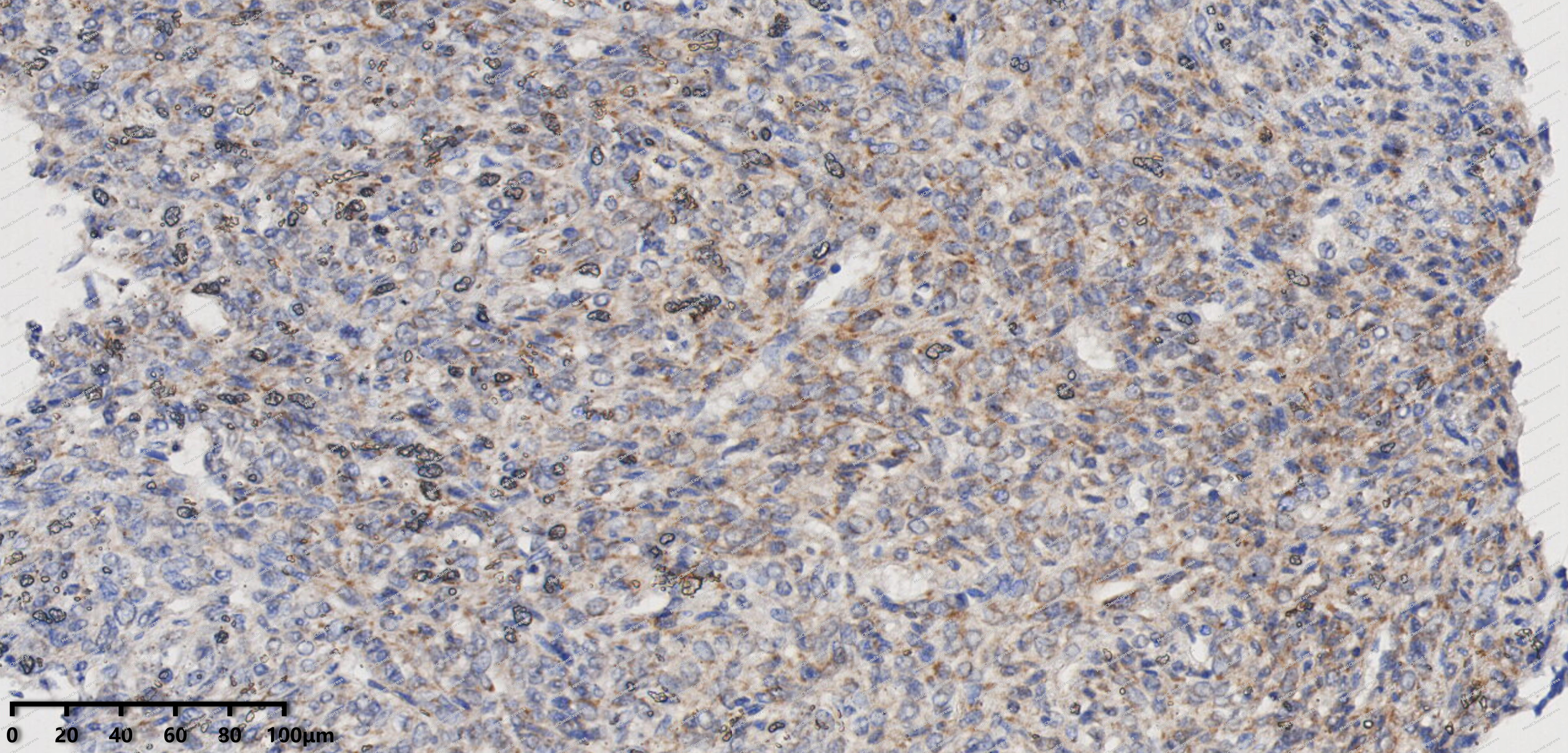 Immunohistochemical analysis of paraffin-embedded human solitary fibrous tumor tissue using MC1R antibody was performed. The section was pretreated using high-temperature mediated EDTA antigen retrieval buffer (pH 9.0), for 20 minutes. The tissues were incubated with primary antibody (HY-P82274, 1:100 dilution) at room temperature for 20 minutes. Detection was performed using an HRP conjugated compact polymer system. DAB was used as the chromogen. The tissues were counterstained with hematoxylin and mounted with neutral balsam mounting medium.
 -
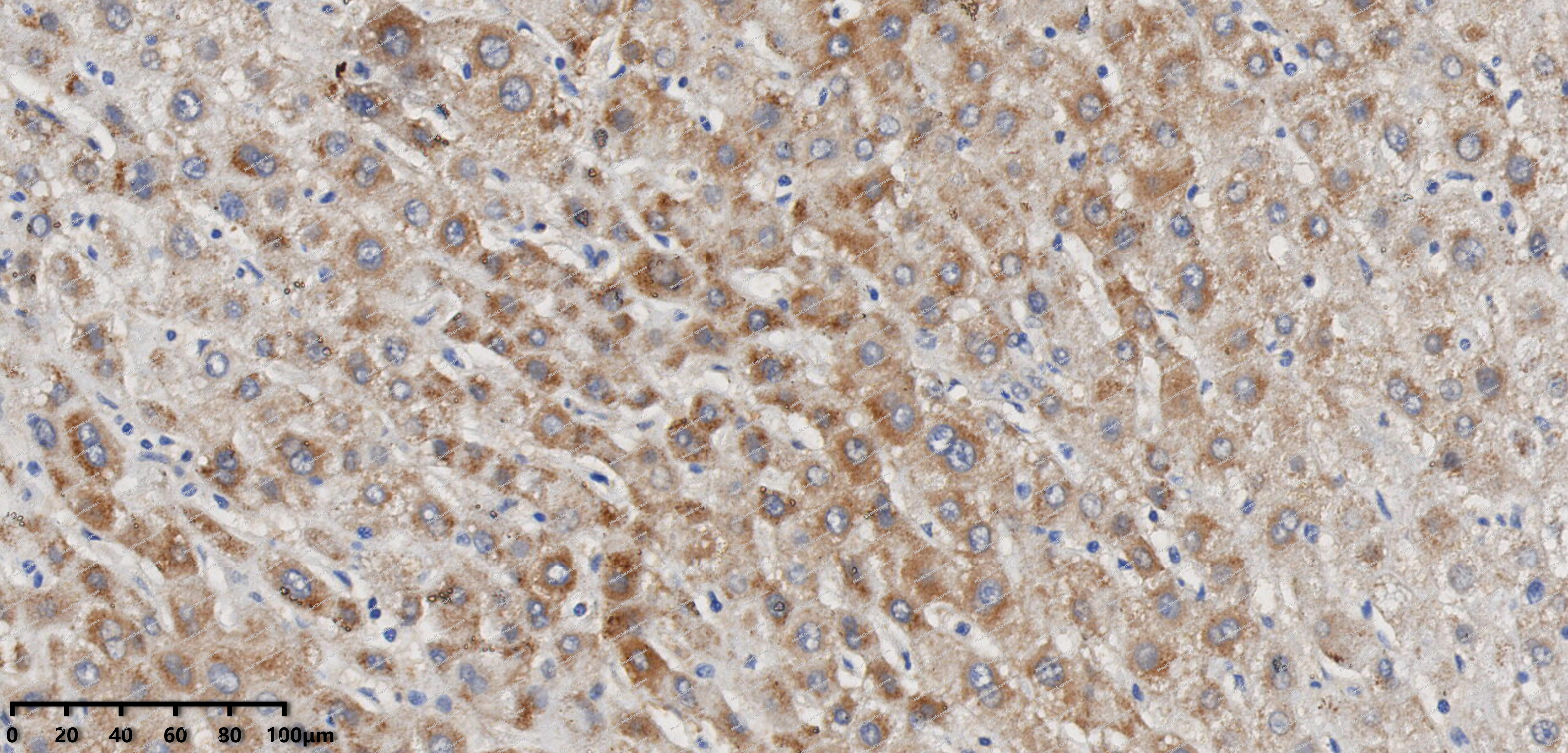 Immunohistochemical analysis of paraffin-embedded human Liver tissue using MC1R antibody was performed. The section was pretreated using high-temperature mediated EDTA antigen retrieval buffer (pH 9.0), for 20 minutes. The tissues were incubated with primary antibody (HY-P82274, 1:100 dilution) at room temperature for 20 minutes. Detection was performed using an HRP conjugated compact polymer system. DAB was used as the chromogen. The tissues were counterstained with hematoxylin and mounted with neutral balsam mounting medium.
 -
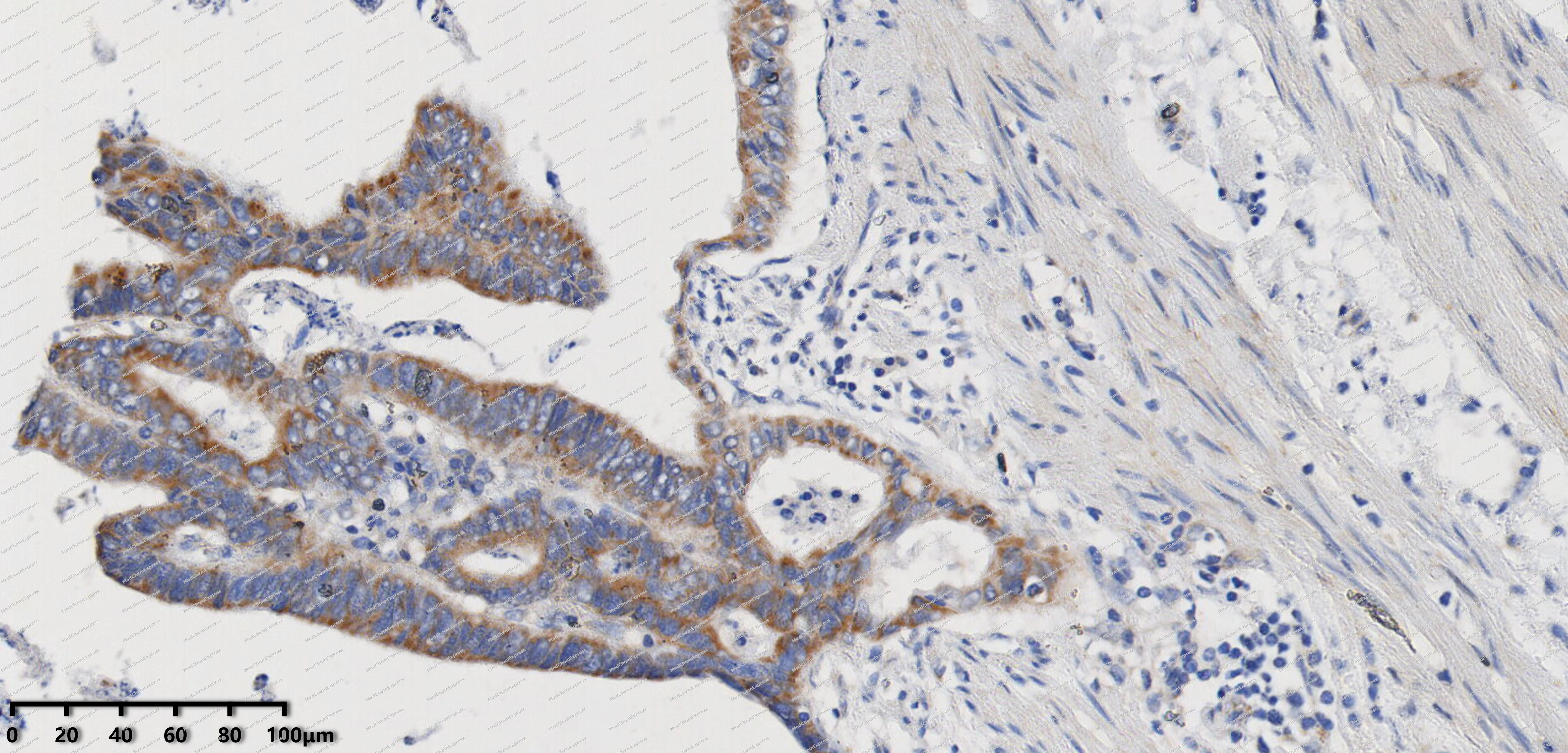 Immunohistochemical analysis of paraffin-embedded human Colorectal cancer tissue using MC1R antibody was performed. The section was pretreated using high-temperature mediated EDTA antigen retrieval buffer (pH 9.0), for 20 minutes. The tissues were incubated with primary antibody (HY-P82274, 1:100 dilution) at room temperature for 20 minutes. Detection was performed using an HRP conjugated compact polymer system. DAB was used as the chromogen. The tissues were counterstained with hematoxylin and mounted with neutral balsam mounting medium.
 -
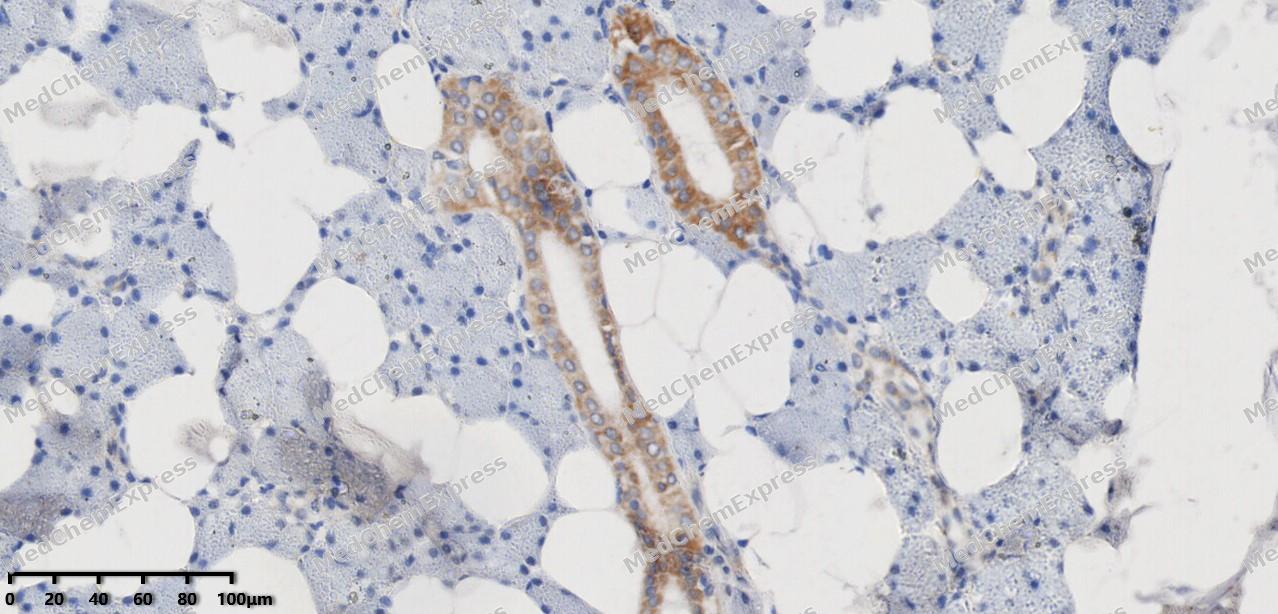 Immunohistochemical analysis of paraffin-embedded human adenolymphoma tissue using MC1R antibody was performed. The section was pretreated using high-temperature mediated EDTA antigen retrieval buffer (pH 9.0), for 20 minutes. The tissues were incubated with primary antibody (HY-P82274, 1:100 dilution) at room temperature for 20 minutes. Detection was performed using an HRP conjugated compact polymer system. DAB was used as the chromogen. The tissues were counterstained with hematoxylin and mounted with neutral balsam mounting medium.


Background
-
Function
MC1R (Melanocortin 1 Receptor) is a melanocyte-enriched Gs-coupled receptor that functions as a central regulator of pigmentation, ultraviolet (UV) response, and melanoma susceptibility through control of melanin synthesis and cellular photoprotection[1]. Upon activation by melanocortin ligands such as α-melanocyte-stimulating hormone (α-MSH) or adrenocorticotropic hormone (ACTH), MC1R stimulates adenylate cyclase and elevates cAMP signaling, leading to activation of CREB and MITF and promoting eumelanin production, DNA repair, and antioxidant defense programs in melanocytes[2][3]. Mechanistically, MC1R signaling extends beyond pigmentation and contributes to adaptive responses against UV-induced genomic damage, linking melanogenesis with maintenance of genome stability[1][3]. In disease contexts, loss-of-function MC1R variants are associated with fair skin, red-hair phenotypes, impaired photoprotection, and increased melanoma risk, making MC1R a widely used genetic and experimental model for studying pigment biology and skin cancer susceptibility[1][2]. Compared with other melanocortin receptor family members, MC1R is distinguished by its predominant role in melanocyte biology and regulation of epidermal pigmentation, whereas other melanocortin receptors mediate endocrine, metabolic, or energy-homeostasis functions[4]. For experimental applications, both endogenous and synthetic MC1R agonists are used to investigate melanogenesis, DNA repair signaling, and photoprotective mechanisms, supporting continued interest in MC1R-targeted pharmacological studies[3][5].
-
Subcellular Localization
Cell membrane; Multi-pass membrane protein
-
Expression
Tissue_specificity:Expressed in melanocytes (PubMed:1325670, PubMed:31097585) . Expressed in corticoadrenal tissue (PubMed:1325670) -
Subunit
Interacts with MGRN1, but does not undergo MGRN1-mediated ubiquitination; this interaction competes with GNAS-binding and thus inhibits agonist-induced cAMP production (PubMed:19737927). Interacts with OPN3; the interaction results in a decrease in MC1R-mediated cAMP signaling and ultimately a decrease in melanin production in melanocytes (PubMed:31097585)
-
SwissProt ID
-
Synonyms
MC1R; MSHR; Melanocyte-stimulating hormone receptor; MSH-R; Melanocortin receptor 1; MC1-R
-
Research Field
Epigenetics and Nuclear Signaling


Documentation
-
Data Sheet (261 KB)
-
SDS (252 KB)
- English - EN (252 KB)
- Français - FR (252 KB)
- Deutsch - DE (252 KB)
- Norwegian - NO (252 KB)
- Español - ES (252 KB)
- Swedish - SV (252 KB)
- Italian - IT (252 KB)
- Korean - KR (252 KB)
- Portuguese - PT (252 KB)
-
User Guide for Antibodies (1077 KB)
References
[1]. Wolf Horrell EM, et al. Melanocortin 1 Receptor: Structure, Function, and Regulation. Front Genet. 2016 May 31;7:95. [Content Brief]
[2]. Medicine-and-dentistry/melanocortin-1-receptor. sciencedirect.topics.
[3]. Guida S, Guida G, Goding CR. MC1R Functions, Expression, and Implications for Targeted Therapy. J Invest Dermatol. 2022 Feb;142(2):293-302.e1. [Content Brief]
[4]. Wikipedia.

 Powered by Bioz
