



NK1R Antibody
(Synonyms: Neurokinin 1; Neurokinin 1 Receptor; NK 1 receptor; NK 1R; NK1 receptor; NK-1R; NK1R; NKIR; SPR; Substance P receptor; TAC 1R; TAC1R; Tachykinin 1 receptor; Tachykinin receptor 1; Tachykinin receptor 1; TACR1; NK1-R; NK1R)
Based on 1 Customer Validation
NK1R Antibody is a Rabbit-derived and non-conjugated IgG polyclonal antibody, targeting to NK1R.
-
Host:
Rabbit
-
Isotype:
IgG
-
Application:
WB, ELISA, IHC-P, IHC-F, FC, ICC/IF
-
Reactivity :
Human, Rat, Guinea Pig
-
Formulation:
1.Supplied in 0.01M TBS(pH7.4) with 1% BSA, 0.03% Proclin300 and 50% Glycerol.
2.Supplied in 0.01M TBS(pH7.4) with 1% BSA, 0.02% Proclin300 and 50% Glycerol.
Please refer to the lot-specific COA for specific buffer information.
-
Conjugation:
Non-conjugated


To place orders, for customer services and technical support, please contact: MedChemExpress USA
Tel: 609-228-6898 E-mail: [email protected] [email protected]





Applications
| Application |
WB

WB: Western Blot
|
ELISA
ELISA: Enzyme Linked Immunosorbent Assay
|
IHC-P
IHC-P: Immunohistochemistry-Paraffin
|
IHC-F
IHC-F: Immunohistochemistry-Frozen
|
FC
FC: Flow Cytometry
|
ICC/IF
ICC/IF: Immunocytochemistry/
Immunofluorescence |
|---|---|---|---|---|---|---|
| Dilution Ratio | 1:500-2000 | 1:5000-10000 | 1:100-500 | 1:100-500 | 2ug:Test | 1:100-500 |


Product Details
NK1R Antibody is a Rabbit-derived and non-conjugated IgG polyclonal antibody, targeting to NK1R.
-
Host Rabbit

-
Clonality Polyclonal

-
Species ReactivityHuman, Rat, Guinea Pig Predicted Reactivity: Mouse,Dog,Pig,Cow,Horse
Note: The predicted reactivity is for reference only and should not be considered a guarantee of product performance.
-
Observed Molecular WeightObserved band size: 50 kDa
Note: Due to possible protein modifications or aggregation, the molecular weight should be confirmed by actual measurement, and the predicted value is for reference only.

-
Calculated Molecular Weight Predicted band size: 48 kDa

Entrez Gene: 6869 Human ; 21336 Mouse ; 24807 Rat
SwissProt: P25103 Human ; P30548 Mouse ; P14600 Rat
OMIM: 162323 Human
KLH conjugated synthetic peptide derived from human SPR: 2-50/407
Endogenous
Affinity Purified
Non-conjugated
Unmodified
IgG


Product Properties
-
Appearance
Solution
-
Formulation
1.Supplied in 0.01M TBS(pH7.4) with 1% BSA, 0.03% Proclin300 and 50% Glycerol.
2.Supplied in 0.01M TBS(pH7.4) with 1% BSA, 0.02% Proclin300 and 50% Glycerol.
Please refer to the lot-specific COA for specific buffer information. -
Concentration
Batch-dependent, Please check the COA for the concentration of each lot. Check Lot Concentration
-
Storage & Stability
Stored at -20°C for 1 year. Avoid repeated freeze / thaw cycles.
-
Shipping
Shipping with blue ice.


Verification Images
-
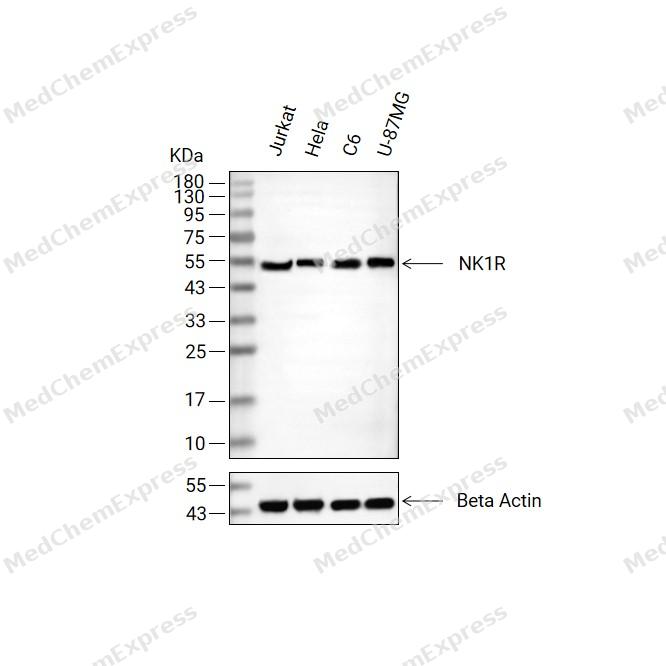 Western blot analysis of extracts from Jurkat(lane 2(20μg) , Hela (lane 3(20μg) ,C6(lane 4(20μg)and U-87MG( lane 5(20μg) using NK1R Antibody (HY-P81073). Proteins were transferred to a PVDF membrane and blocked with 5% non-fat milk in TBST for 2 hour at room temperature. The primary antibody ( 1/1000) and Loading control antibody (Beta Actin, HY-P80993,1/10000) was used in 5% non-fat milk in TBST at 4°C overnight. Goat Anti-Rabbit IgG-HRP Secondary Antibody (HY-P8001,1/10,000) was used for 1 hour at room temperature.
 -
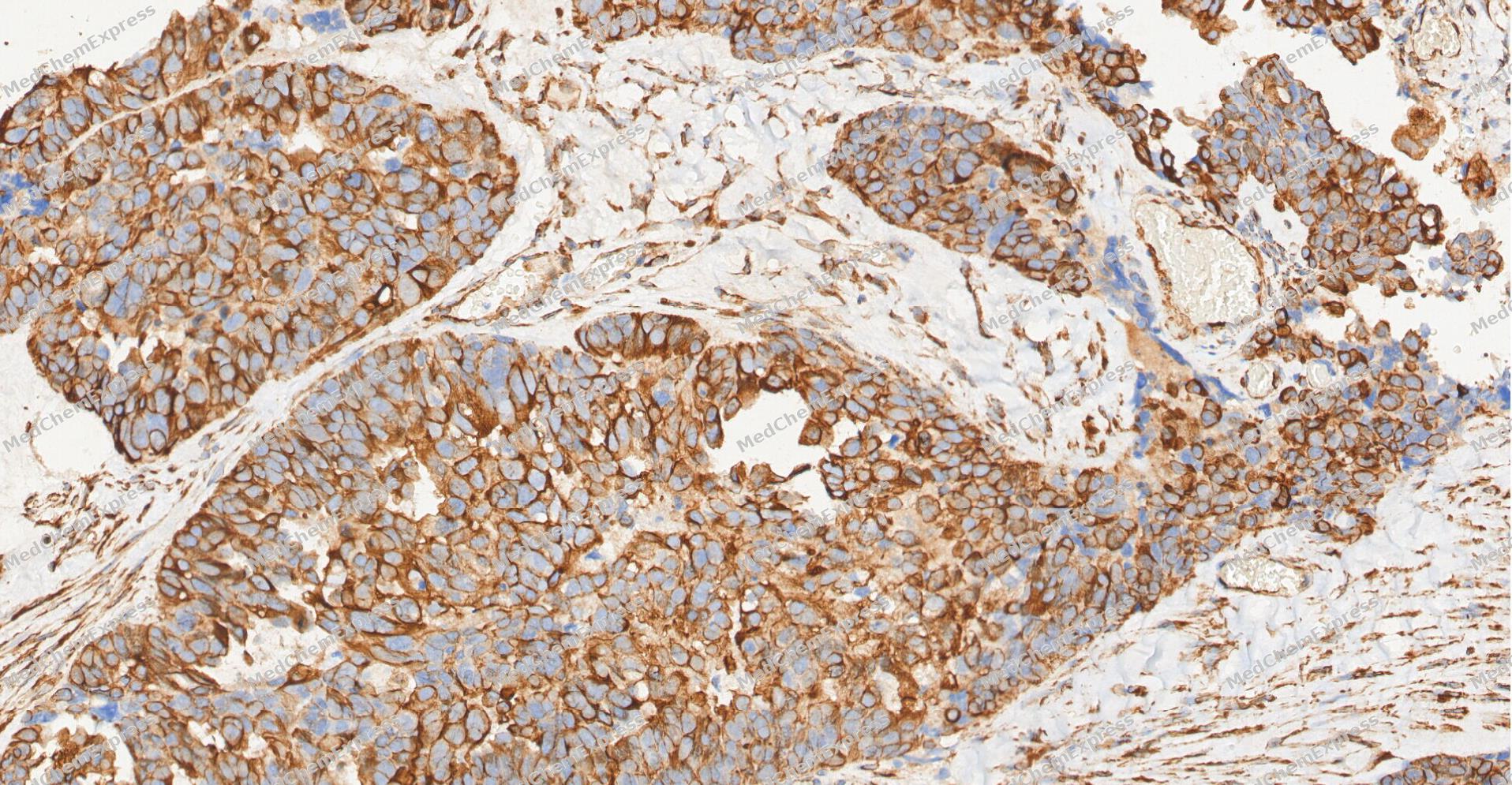 Immunohistochemical analysis of paraffin-embedded human Ovarian Cancer tissue using NK1R antibody was performed. The section was pretreated using high-temperature and high-pressure mediated EDTA antigen retrieval buffer (pH 9.0), for 5 minutes. The tissues were incubated with primary antibody (HY-P81073, 1:100 dilution) at room temperature for 60 minutes. Detection was performed using an HRP conjugated compact polymer system. DAB was used as the chromogen. The tissues were counterstained with hematoxylin and mounted with neutral balsam mounting medium.
 -
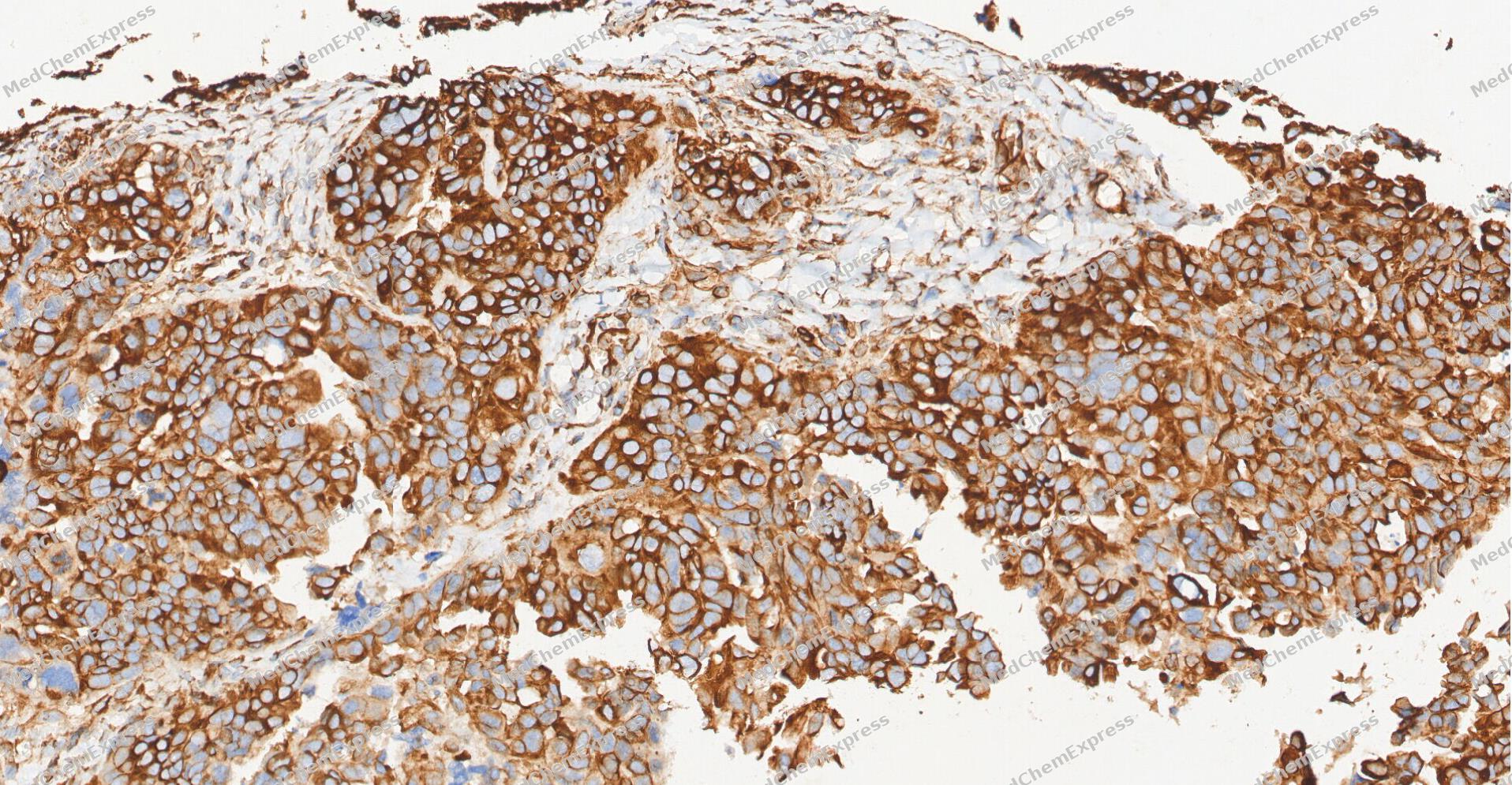 Immunohistochemical analysis of paraffin-embedded human Ovarian Cancer tissue using NK1R antibody was performed. The section was pretreated using high-temperature and high-pressure mediated EDTA antigen retrieval buffer (pH 9.0), for 5 minutes. The tissues were incubated with primary antibody (HY-P81073, 1:100 dilution) at room temperature for 60 minutes. Detection was performed using an HRP conjugated compact polymer system. DAB was used as the chromogen. The tissues were counterstained with hematoxylin and mounted with neutral balsam mounting medium.
 -
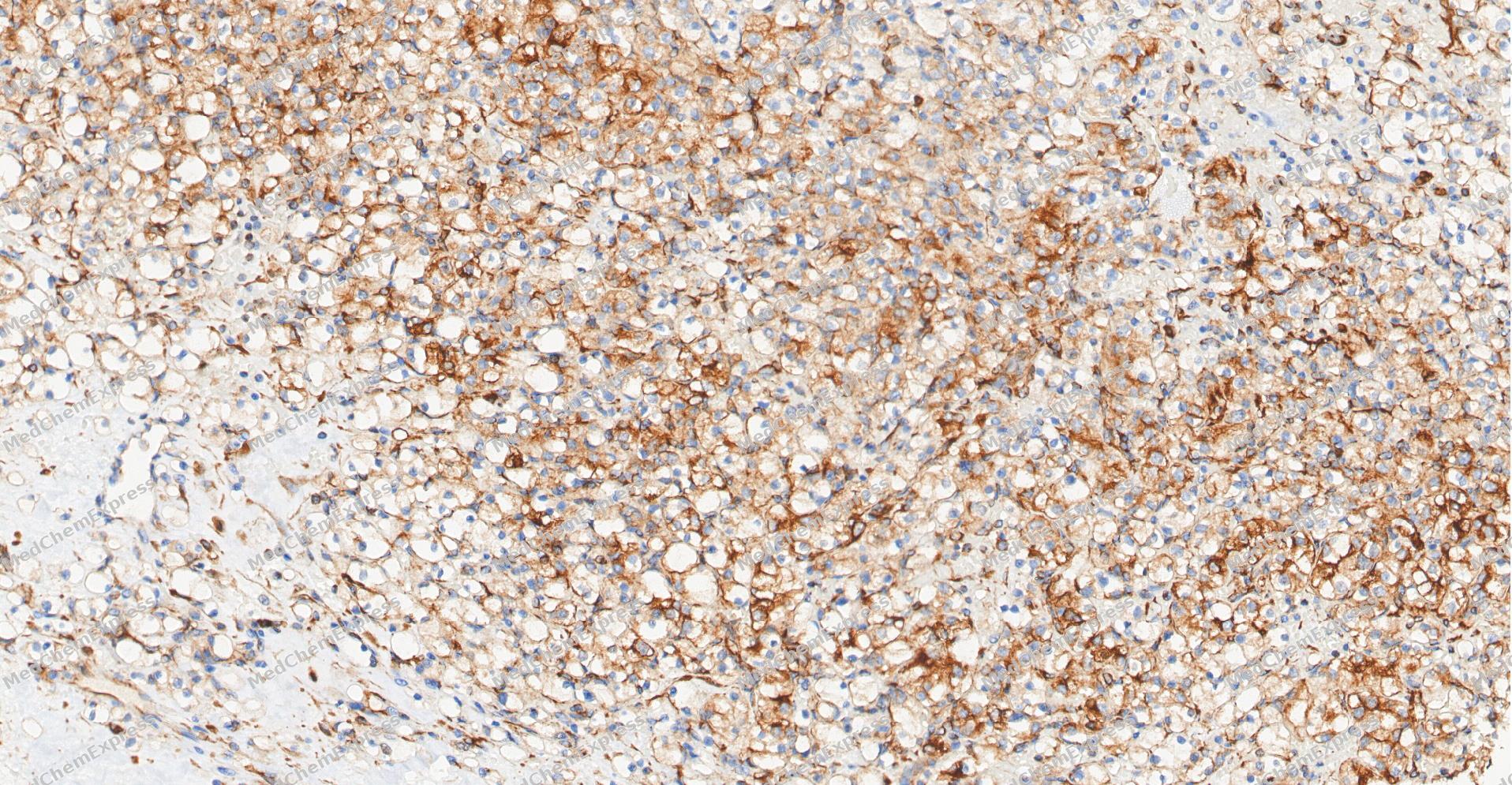 Immunohistochemical analysis of paraffin-embedded human Kidney cancer tissue using NK1R antibody was performed. The section was pretreated using high-temperature and high-pressure mediated EDTA antigen retrieval buffer (pH 9.0), for 5 minutes. The tissues were incubated with primary antibody (HY-P81073, 1:100 dilution) at room temperature for 60 minutes. Detection was performed using an HRP conjugated compact polymer system. DAB was used as the chromogen. The tissues were counterstained with hematoxylin and mounted with neutral balsam mounting medium.
 -
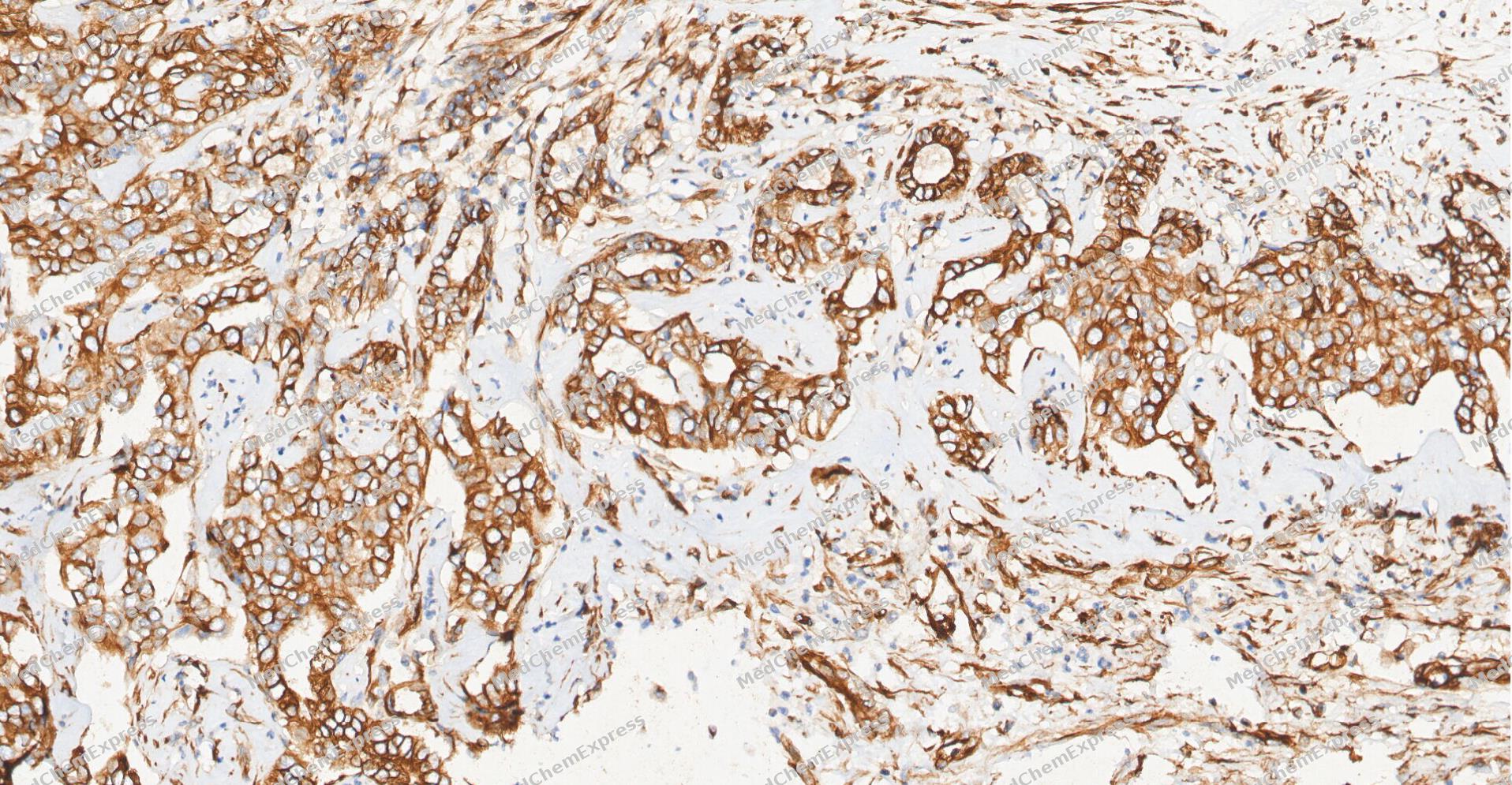 Immunohistochemical analysis of paraffin-embedded human cholangiocarcinoma tissue using NK1R antibody was performed. The section was pretreated using high-temperature and high-pressure mediated EDTA antigen retrieval buffer (pH 9.0), for 5 minutes. The tissues were incubated with primary antibody (HY-P81073, 1:100 dilution) at room temperature for 60 minutes. Detection was performed using an HRP conjugated compact polymer system. DAB was used as the chromogen. The tissues were counterstained with hematoxylin and mounted with neutral balsam mounting medium.
 -
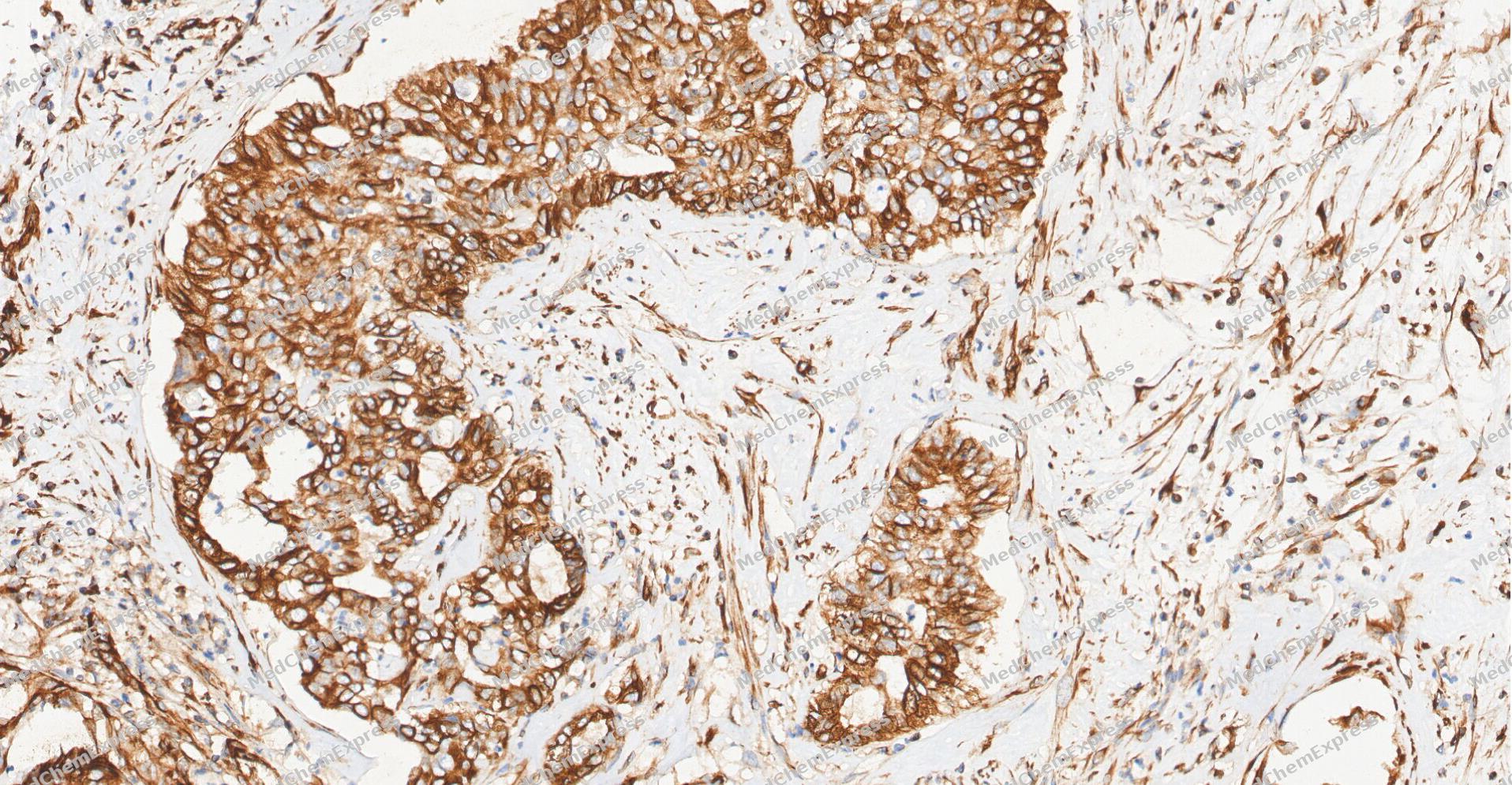 Immunohistochemical analysis of paraffin-embedded human cholangiocarcinoma tissue using NK1R antibody was performed. The section was pretreated using high-temperature and high-pressure mediated EDTA antigen retrieval buffer (pH 9.0), for 5 minutes. The tissues were incubated with primary antibody (HY-P81073, 1:100 dilution) at room temperature for 60 minutes. Detection was performed using an HRP conjugated compact polymer system. DAB was used as the chromogen. The tissues were counterstained with hematoxylin and mounted with neutral balsam mounting medium.
 -
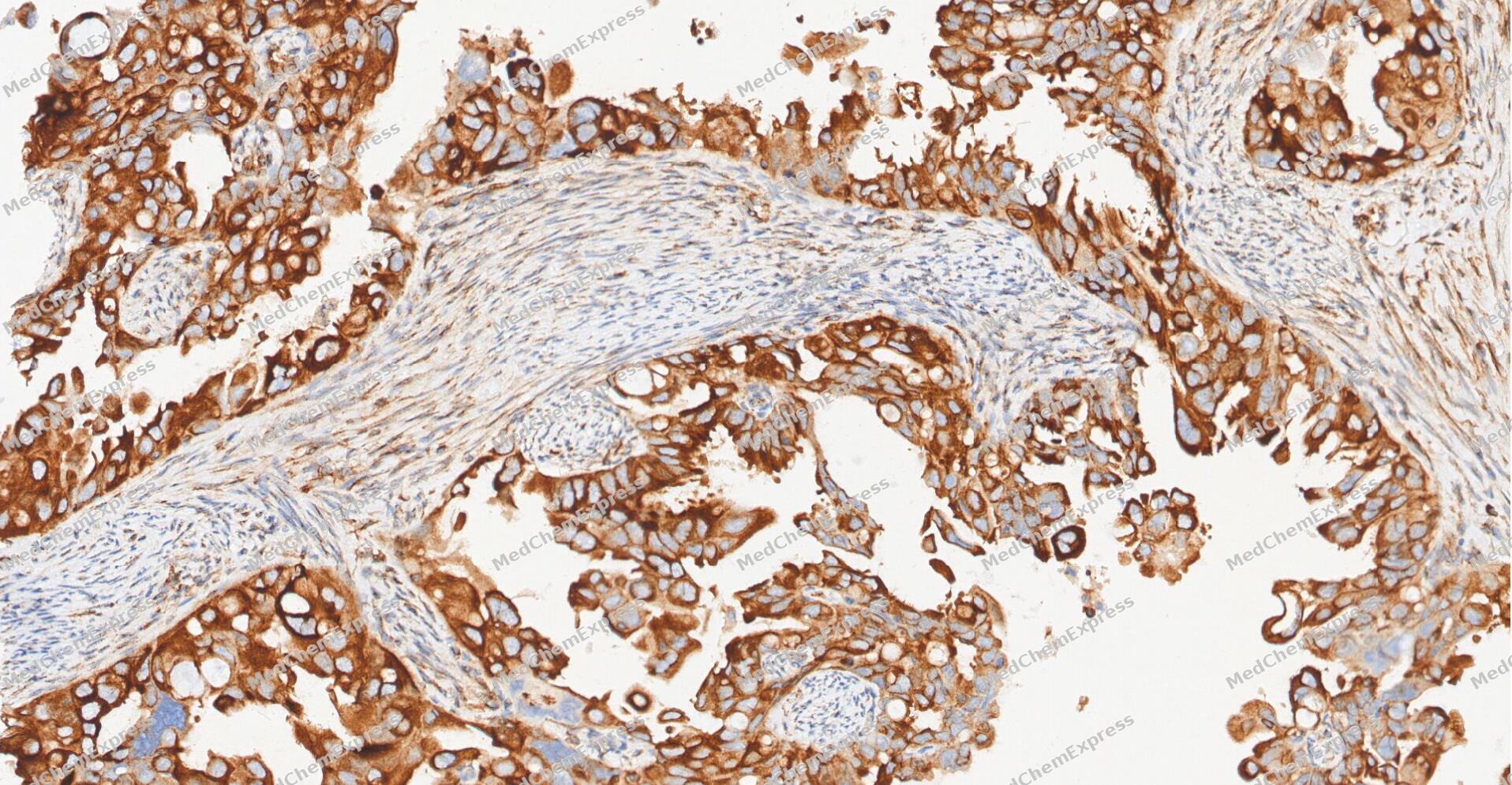 Immunohistochemical analysis of paraffin-embedded human Endometrial Carcinoma tissue using NK1R antibody was performed. The section was pretreated using high-temperature and high-pressure mediated EDTA antigen retrieval buffer (pH 9.0), for 5 minutes. The tissues were incubated with primary antibody (HY-P81073, 1:100 dilution) at room temperature for 60 minutes. Detection was performed using an HRP conjugated compact polymer system. DAB was used as the chromogen. The tissues were counterstained with hematoxylin and mounted with neutral balsam mounting medium.
 -
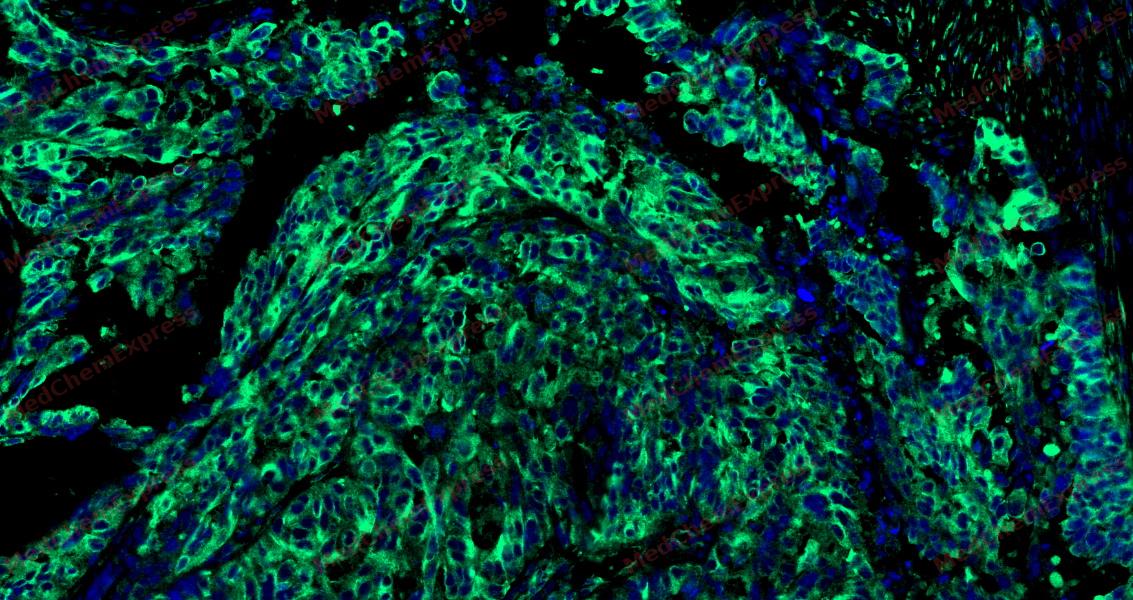 Tyramide signaling amplification based immunofluorescence was performed on paraffin-embedded human ovarian carcinoma tissue using NK1R antibody. Antigen retrieval was performed in EDTA buffer pH 9.0 (95 °C, 20 min) followed by cooling to RT. Then incubated with primary antibody (HY-P81073, 1:300 dilution) at room temperature for 60 minutes and HRP conjugated secondary antibody for 10 minutes. Fluorescence was then developed with Vari Fluor 532 TSA (200×)(HY-D1832). The tissues were counterstained with DAPI and mounted with Anti-fade mounting medium.
 -
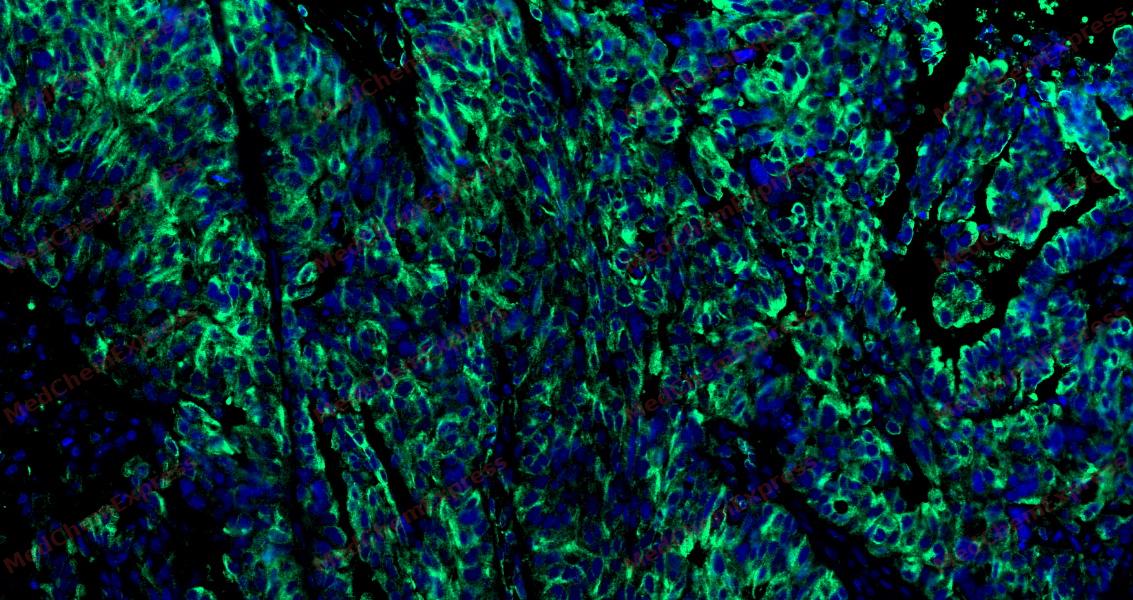 Tyramide signaling amplification based immunofluorescence was performed on paraffin-embedded human ovarian carcinoma tissue using NK1R antibody. Antigen retrieval was performed in EDTA buffer pH 9.0 (95 °C, 20 min) followed by cooling to RT. Then incubated with primary antibody (HY-P81073, 1:300 dilution) at room temperature for 60 minutes and HRP conjugated secondary antibody for 10 minutes. Fluorescence was then developed with Vari Fluor 532 TSA (200×)(HY-D1832). The tissues were counterstained with DAPI and mounted with Anti-fade mounting medium.
 -
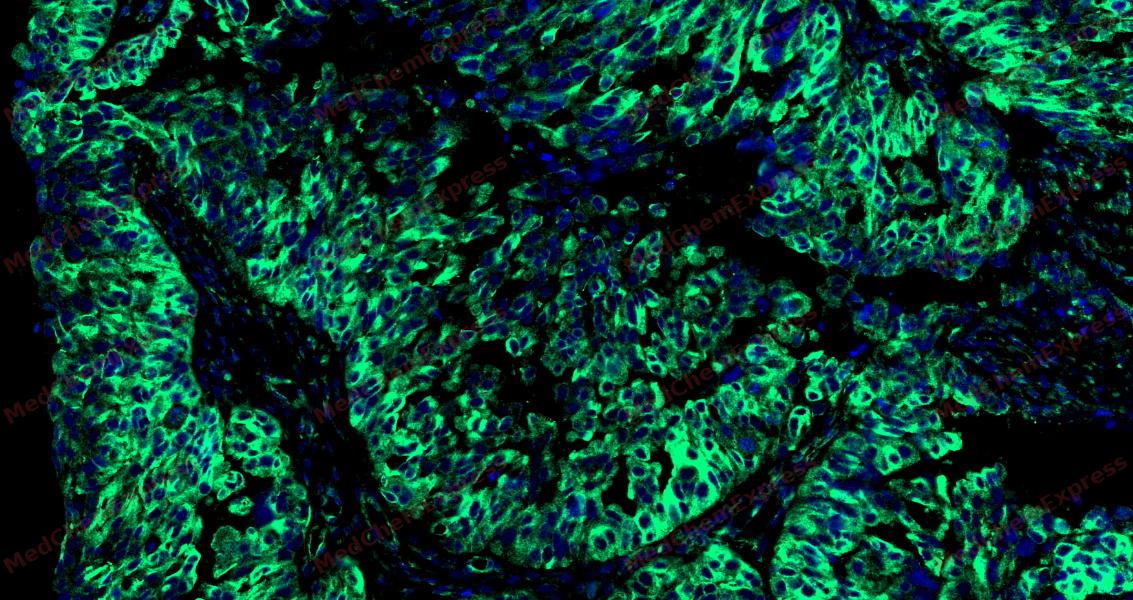 Tyramide signaling amplification based immunofluorescence was performed on paraffin-embedded human ovarian carcinoma tissue using NK1R antibody. Antigen retrieval was performed in EDTA buffer pH 9.0 (95 °C, 20 min) followed by cooling to RT. Then incubated with primary antibody (HY-P81073, 1:300 dilution) at room temperature for 60 minutes and HRP conjugated secondary antibody for 10 minutes. Fluorescence was then developed with Vari Fluor 532 TSA (200×)(HY-D1832). The tissues were counterstained with DAPI and mounted with Anti-fade mounting medium.
 -
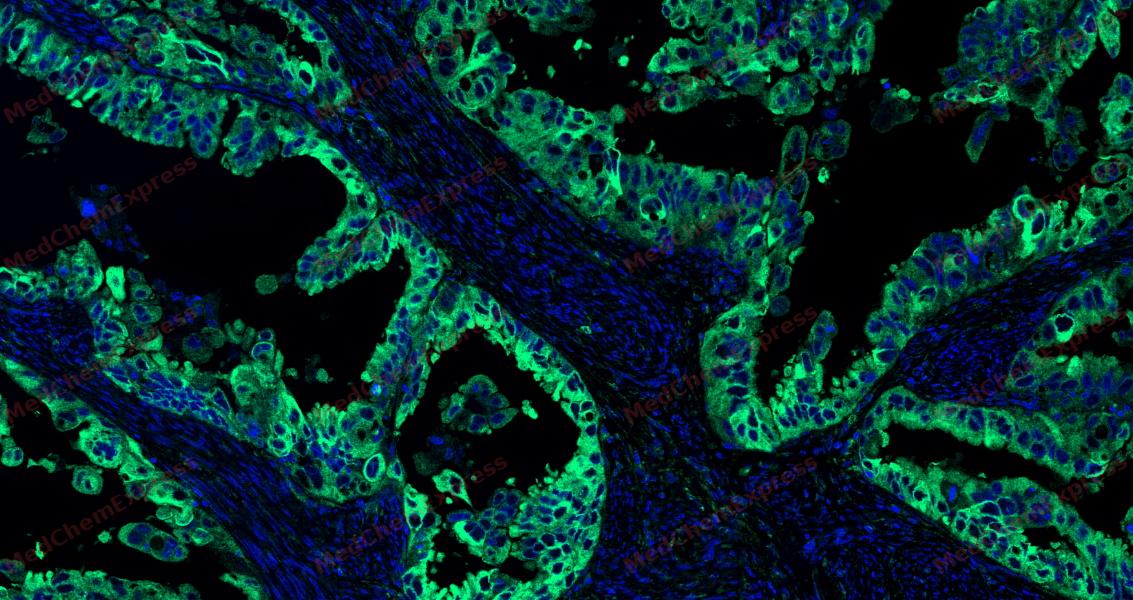 Tyramide signaling amplification based immunofluorescence was performed on paraffin-embedded human Endometrial Carcinoma tissue using NK1R antibody. Antigen retrieval was performed in EDTA buffer pH 9.0 (95 °C, 20 min) followed by cooling to RT. Then incubated with primary antibody (HY-P81073, 1:300 dilution) at room temperature for 60 minutes and HRP conjugated secondary antibody for 10 minutes. Fluorescence was then developed with Vari Fluor 532 TSA (200×)(HY-D1832). The tissues were counterstained with DAPI and mounted with Anti-fade mounting medium.
 -
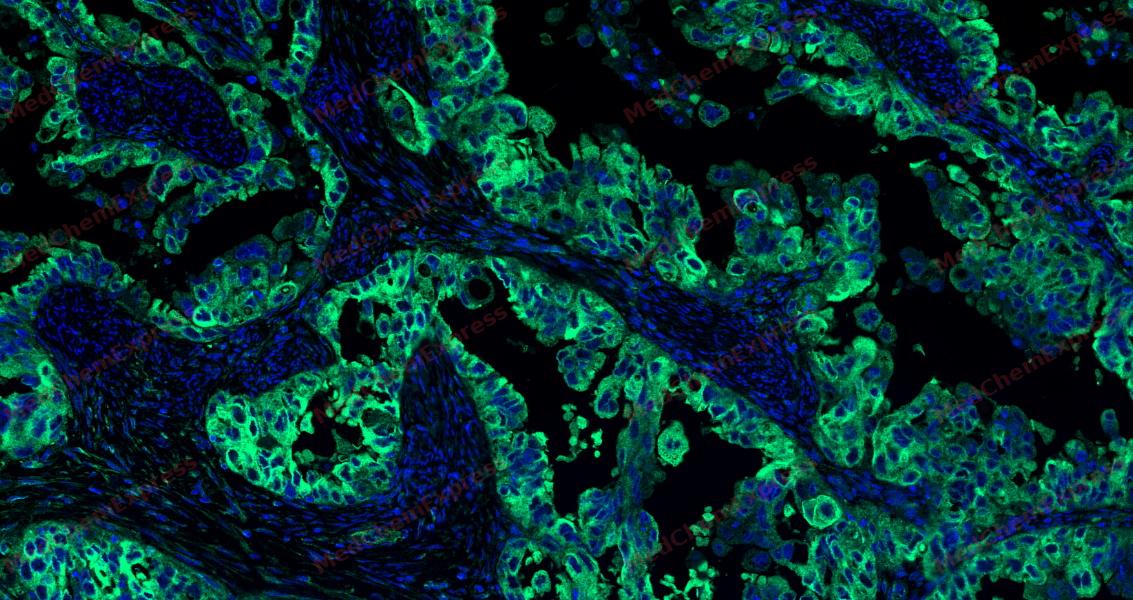 Tyramide signaling amplification based immunofluorescence was performed on paraffin-embedded human Endometrial Carcinoma tissue using NK1R antibody. Antigen retrieval was performed in EDTA buffer pH 9.0 (95 °C, 20 min) followed by cooling to RT. Then incubated with primary antibody (HY-P81073, 1:300 dilution) at room temperature for 60 minutes and HRP conjugated secondary antibody for 10 minutes. Fluorescence was then developed with Vari Fluor 532 TSA (200×)(HY-D1832). The tissues were counterstained with DAPI and mounted with Anti-fade mounting medium.
 -
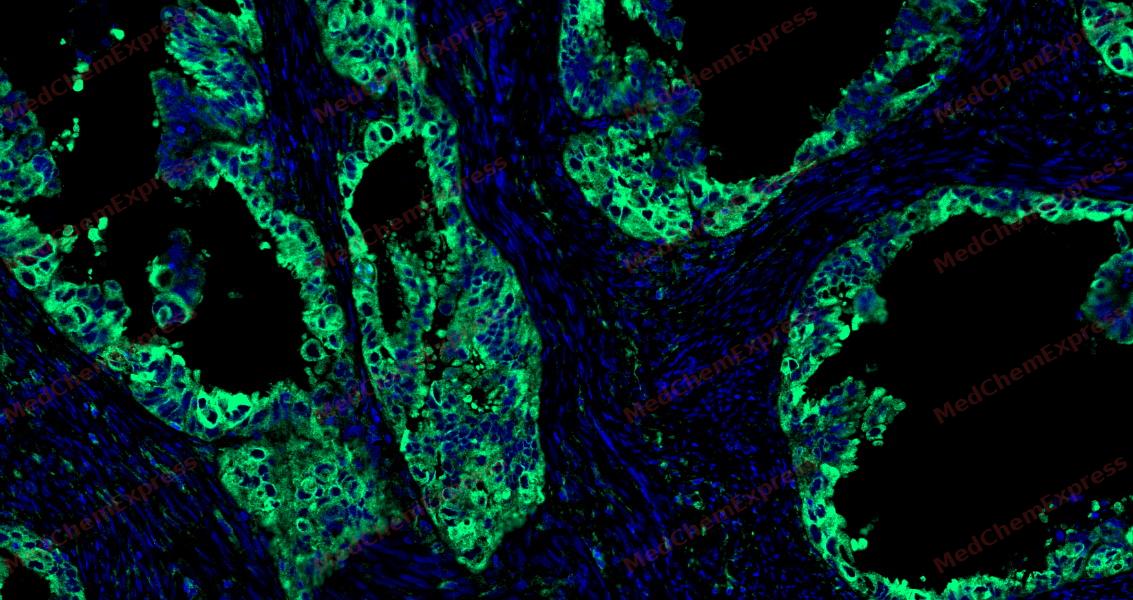 Tyramide signaling amplification based immunofluorescence was performed on paraffin-embedded human Endometrial Carcinoma tissue using NK1R antibody. Antigen retrieval was performed in EDTA buffer pH 9.0 (95 °C, 20 min) followed by cooling to RT. Then incubated with primary antibody (HY-P81073, 1:300 dilution) at room temperature for 60 minutes and HRP conjugated secondary antibody for 10 minutes. Fluorescence was then developed with Vari Fluor 532 TSA (200×)(HY-D1832). The tissues were counterstained with DAPI and mounted with Anti-fade mounting medium.
 -
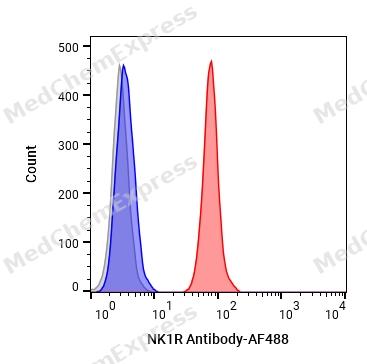 Flow cytometric analysis of 1X10⁶ Jurkat cells labeling NK1R Antibody (HY-P81073, red). Cells were fixed with 4% paraformaldehyde and permeabilised with 90% methanol. Then stained with the primary antibody at 2ug/Test for an hour at 4℃. AF488-conjugated Goat Anti-Rabbit IgG H&L (HY-P8002) was used as the secondary antibody at 1/1,000 dilution for 30 minutes at 4℃. Rabbit IgG Isotype Control (HY-P80879, blue) was used as the isotype control, cells without incubation with primary antibody were used as the unlabeled control (black).


Background
-
Function
Neurokinin-1 receptor (NK1R), encoded by TACR1, is the preferred receptor for substance P and functions as a G protein-coupled receptor that links neuronal, immune, and inflammatory signaling systems[1][2]. Upon substance P binding, NK1R activates phospholipase C-, protein kinase C-, and MAPK-associated pathways, leading to intracellular calcium mobilization, NF-κB activation, and production of pro-inflammatory mediators[2][3]. Mechanistically, the substance P/NK1R axis regulates neurogenic inflammation, immune cell activity, vascular permeability, cytokine production, and cellular responses relevant to pain, stress, and tissue injury[1][2][3]. In disease models, increased NK1R signaling has been associated with neuroinflammation, inflammatory disorders, infection-related pathology, and multiple cancer types, where receptor activation contributes to cell proliferation, migration, angiogenesis, and survival signaling[1][2][4]. Compared with related tachykinin receptors NK2R and NK3R, NK1R exhibits the highest affinity for substance P and possesses two major isoforms, a full-length receptor and a truncated receptor that differ in signaling capacity and biological function[1][5]. The full-length isoform more effectively supports NF-κB-dependent inflammatory signaling, whereas the truncated isoform displays distinct regulatory properties and has been implicated in immune modulation and cancer-associated biology[3][5]. For experimental applications, selective NK1R antagonists have been widely used to investigate substance P-dependent signaling pathways and have demonstrated therapeutic utility in chemotherapy-induced nausea and vomiting, while remaining valuable pharmacological tools for studying inflammation, neurobiology, and tumor-related mechanisms[2][4].
-
Subcellular Localization
Cell membrane; Multi-pass membrane protein
-
Isoforms & Post-Translational Modification
P25103 has 2 isomers: P25103-1: 46251 Da (predicted); P25103-3: 35713 Da (predicted).
-
Subunit
Interacts with ARRB1
-
SwissProt ID
-
Synonyms
Neurokinin 1; Neurokinin 1 Receptor; NK 1 receptor; NK 1R; NK1 receptor; NK-1R; NK1R; NKIR; SPR; Substance P receptor; TAC 1R; TAC1R; Tachykinin 1 receptor; Tachykinin receptor 1; Tachykinin receptor 1; TACR1; NK1-R; NK1R
-
Research Field
Neuroscience


Documentation
-
Data Sheet (260 KB)
-
SDS (252 KB)
- English - EN (252 KB)
- Français - FR (252 KB)
- Deutsch - DE (252 KB)
- Norwegian - NO (252 KB)
- Español - ES (252 KB)
- Swedish - SV (252 KB)
- Italian - IT (252 KB)
- Korean - KR (252 KB)
- Portuguese - PT (252 KB)
-
User Guide for Antibodies (1077 KB)
References
[1]. Douglas SD, et al. Neurokinin-1 receptor: functional significance in the immune system in reference to selected infections and inflammation. Ann N Y Acad Sci. 2011 Jan;1217:83-95. [Content Brief]
[2]. Mishra A, et al. Neurokinin receptors and their implications in various autoimmune diseases. Curr Res Immunol. 2021 Jul 1;2:66-78. [Content Brief]
[3]. Peter EK, et al. A Hybrid Hamiltonian for the Accelerated Sampling along Experimental Restraints. Int J Mol Sci. 2019 Jan 16;20(2):370. [Content Brief]
[4]. Garcia-Recio S, et al. Biological and Pharmacological Aspects of the NK1-Receptor. Biomed Res Int. 2015;2015:495704. [Content Brief]
[5]. Tuluc F, et al. Neurokinin 1 receptor isoforms and the control of innate immunity. Trends Immunol. 2009 Jun;30(6):271-6. [Content Brief]

 Powered by Bioz
