



METTL3 Antibody (YA6290)
(Synonyms: N6-adenosine-methyltransferase 70 kDa subunit; MT-A70; Methyltransferase-like protein 3; )
Based on 1 Customer Validation
METTL3 Antibody (YA6290) is a Rabbit-derived and non-conjugated IgG monoclonal antibody, targeting to METTL3.
-
Host:
Rabbit
-
Isotype:
IgG
-
Application:
WB, IHC-P, ICC/IF, IP, ELISA
-
Reactivity :
Human, Mouse, Rat
-
Formulation:
Supplied in PBS, 50% glycerol, 0.05% Proclin 300, 0.05%BSA
-
Conjugation:
Non-conjugated


To place orders, for customer services and technical support, please contact: MedChemExpress USA
Tel: 609-228-6898 E-mail: [email protected] [email protected]





Applications
| Application |
IHC-P

IHC-P: Immunohistochemistry-Paraffin
|
WB
WB: Western Blot
|
ICC/IF
ICC/IF: Immunocytochemistry/
Immunofluorescence |
ELISA
ELISA: Enzyme Linked Immunosorbent Assay
|
IP
IP: Immunoprecipitation
|
|---|---|---|---|---|---|
| Dilution Ratio | 1:200-400 | 1:1000-5000 | 1:200-1000 | 1:5000-20000 | 1:50-200 |


Product Details
METTL3 Antibody (YA6290) is a Rabbit-derived and non-conjugated IgG monoclonal antibody, targeting to METTL3.
-
Host Rabbit

-
Clonality Monoclonal

-
Species ReactivityHuman, Mouse, Rat
-
Observed Molecular WeightObserved band size: 70 kDa
Note: Due to possible protein modifications or aggregation, the molecular weight should be confirmed by actual measurement, and the predicted value is for reference only.

-
Calculated Molecular Weight Predicted band size: 64 kDa

Protein A
Non-conjugated
Unmodified
IgG


Product Properties
-
Appearance
Solution
-
Formulation
Supplied in PBS, 50% glycerol, 0.05% Proclin 300, 0.05%BSA
-
Concentration
Batch-dependent, Please check the COA for the concentration of each lot. Check Lot Concentration
-
Storage & Stability
Stored at -20°C for 1 year. Avoid repeated freeze / thaw cycles.
-
Shipping
Shipping with blue ice.


Verification Images
-
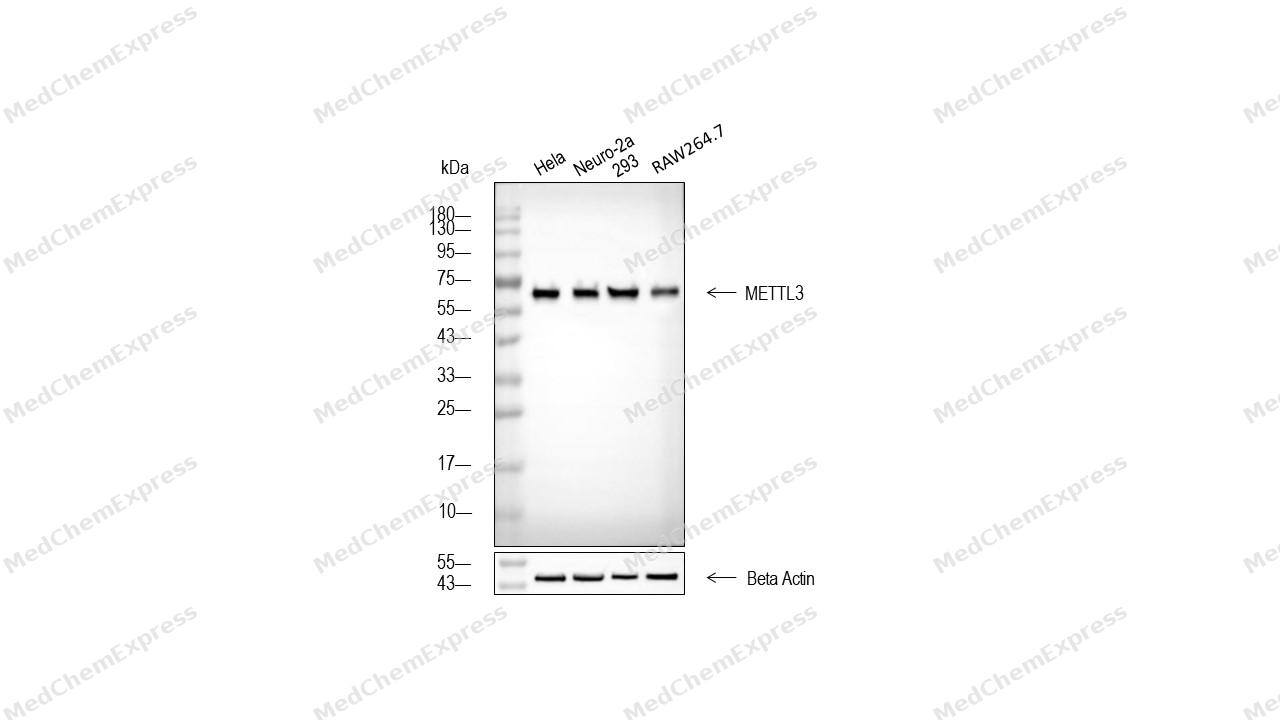 Western blot analysis of extracts from Hela (lane2(20μg), Neuro-2a (lane3(20μg), 293 (lane4(20μg) and RAW264.7 (lane5(20μg) using METTL3 Antibody (HY-P86598). Proteins were transferred to a PVDF membrane and blocked with 5% non-fat milk in TBST for 2 hour at room temperature. The primary antibody (1/3000) and Loading control antibody (Beta Actin, HY-P80993, 1/10,000) was used in 5% non-fat milk in TBST at 4°C overnight. Goat Anti-Rabbit IgG-HRP Secondary Antibody (HY-P8001 ,1/10,000) was used for 1 hour at room temperature.
 -
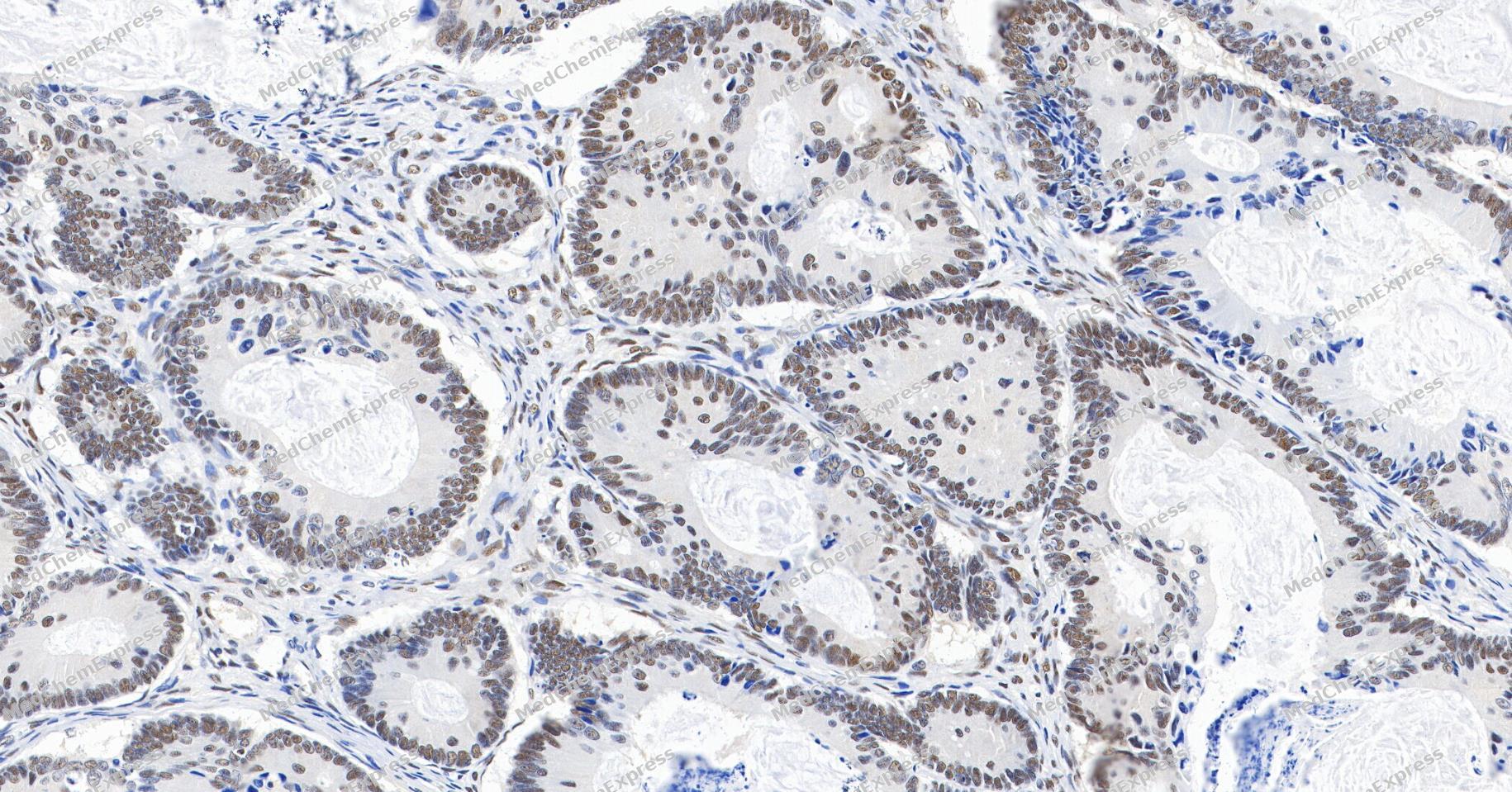 Immunohistochemical analysis of paraffin-embedded human ovarian cancer tissue using METTL3 Antibody (YA6290). The section was pre-treated using heat mediated antigen retrieval with Tris/EDTA buffer (pH 9.0) for 20 minutes. The tissues were probed with the primary antibody (HY-P86598, 1/100) overnight at 4℃. The detection was performed using an HRP conjugated compact polymer system. DAB was used as the chromogen. Tissues were counterstained with hematoxylin and mounted with neutral balsam.
 -
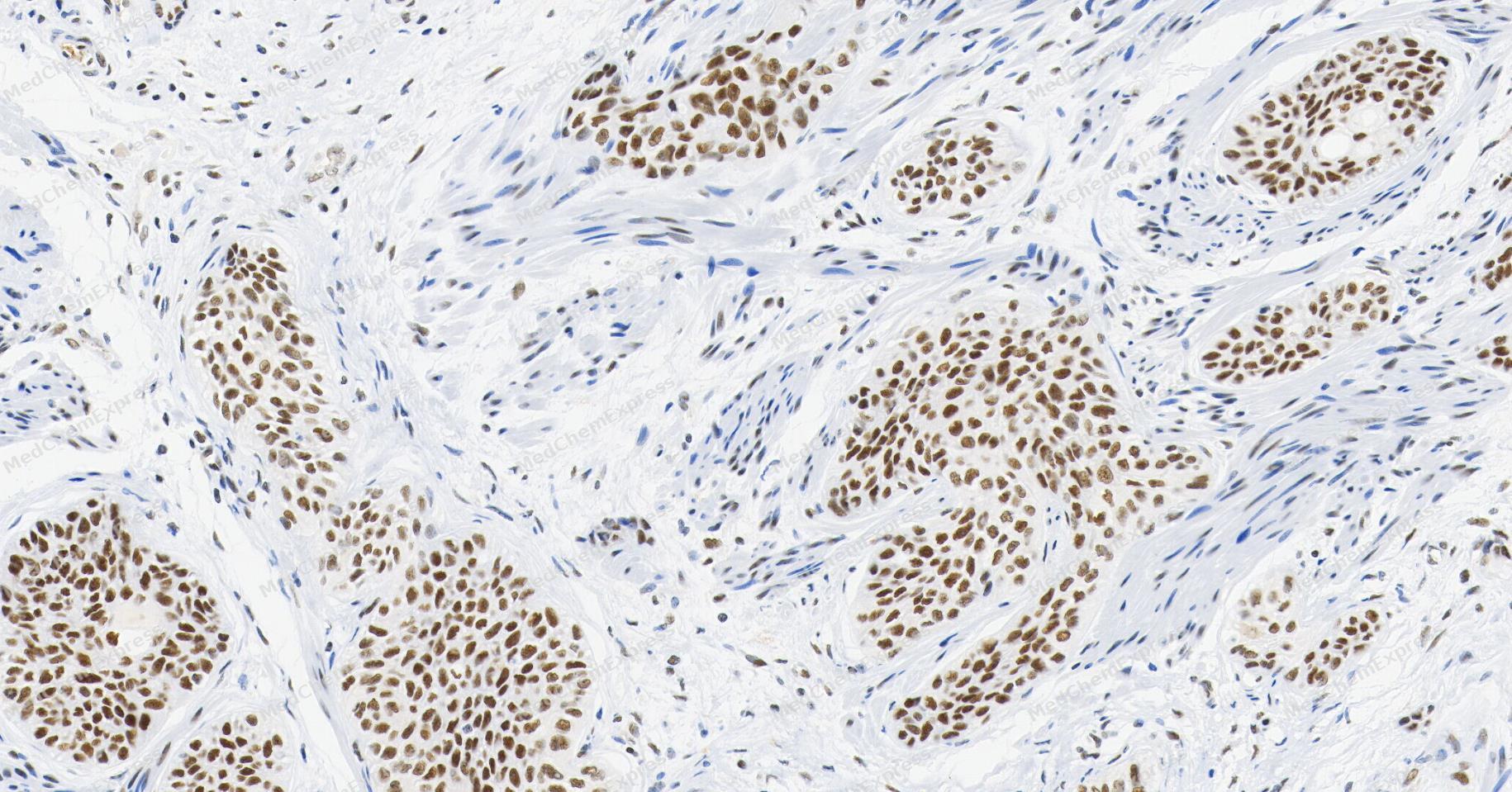 Immunohistochemical analysis of paraffin-embedded human bladder cancer tissue using METTL3 Antibody (YA6290). The section was pre-treated using heat mediated antigen retrieval with Tris/EDTA buffer (pH 9.0) for 20 minutes. The tissues were probed with the primary antibody (HY-P86598, 1/100) overnight at 4℃. The detection was performed using an HRP conjugated compact polymer system. DAB was used as the chromogen. Tissues were counterstained with hematoxylin and mounted with neutral balsam.
 -
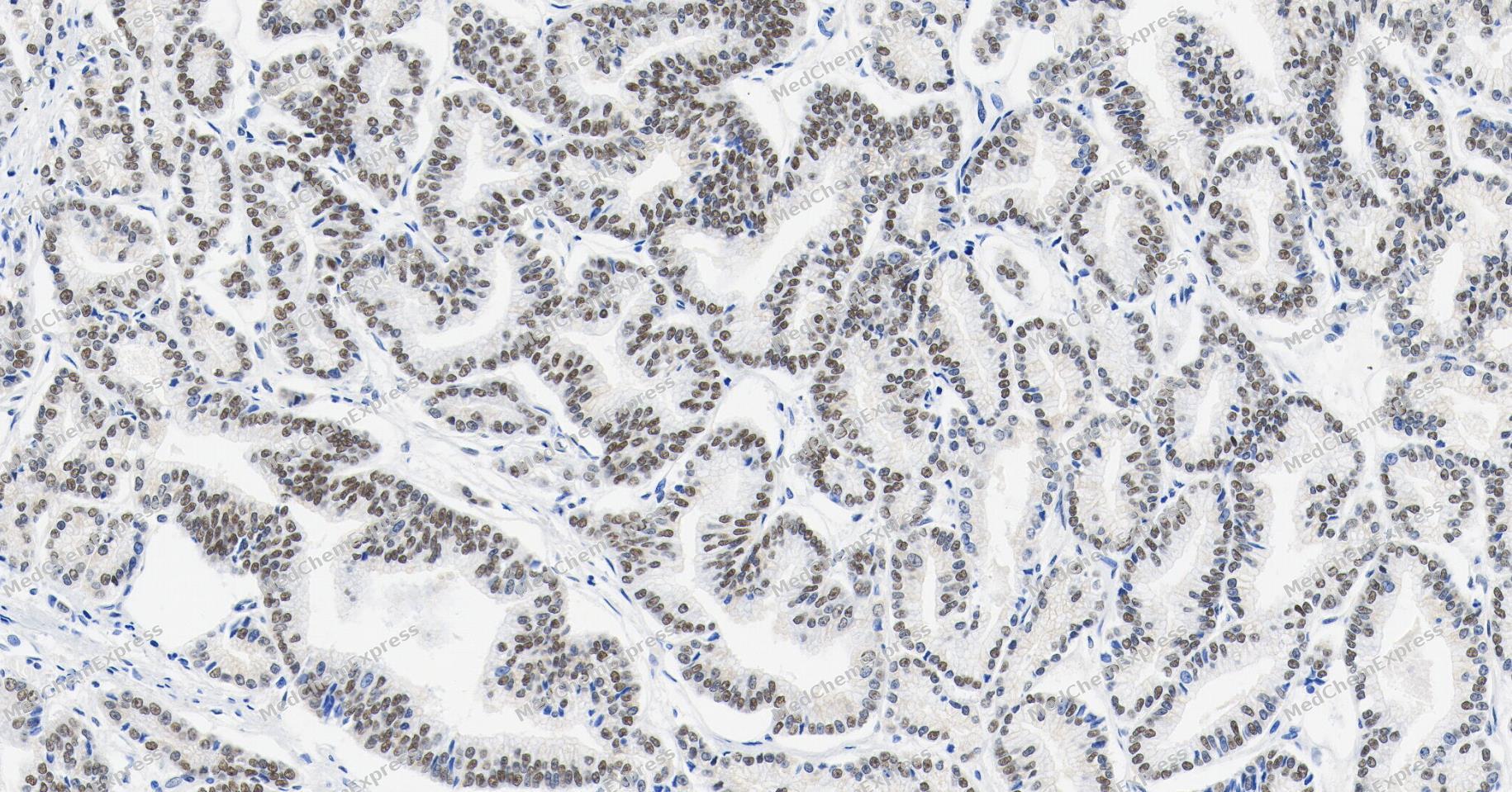 Immunohistochemical analysis of paraffin-embedded human prostate cancer tissue using METTL3 Antibody (YA6290). The section was pre-treated using heat mediated antigen retrieval with Tris/EDTA buffer (pH 9.0) for 20 minutes. The tissues were probed with the primary antibody (HY-P86598, 1/100) overnight at 4℃. The detection was performed using an HRP conjugated compact polymer system. DAB was used as the chromogen. Tissues were counterstained with hematoxylin and mounted with neutral balsam.
 -
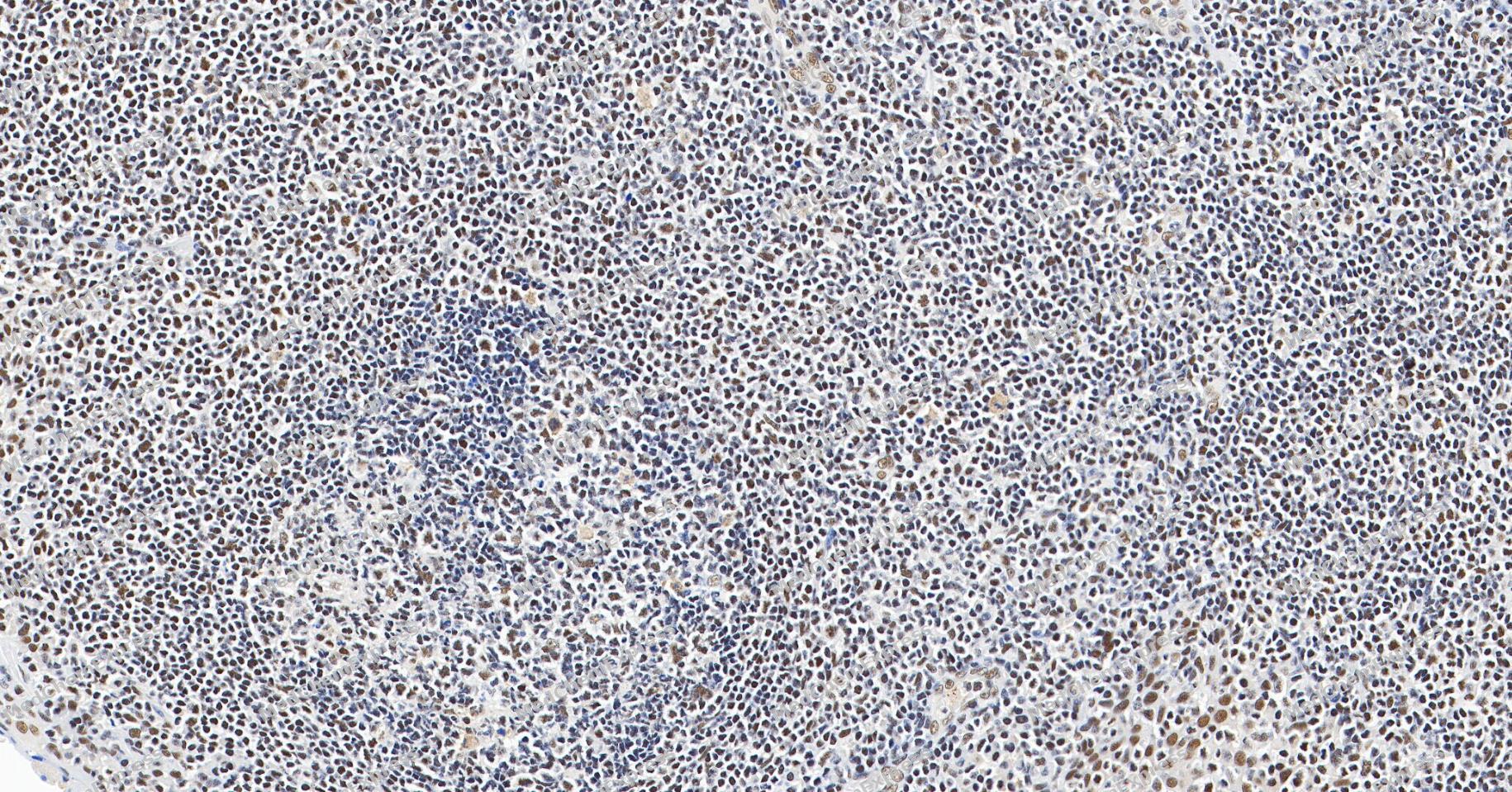 Immunohistochemical analysis of paraffin-embedded human tonsil tissue using METTL3 Antibody (YA6290). The section was pre-treated using heat mediated antigen retrieval with Tris/EDTA buffer (pH 9.0) for 20 minutes. The tissues were probed with the primary antibody (HY-P86598, 1/100) overnight at 4℃. The detection was performed using an HRP conjugated compact polymer system. DAB was used as the chromogen. Tissues were counterstained with hematoxylin and mounted with neutral balsam.
 -
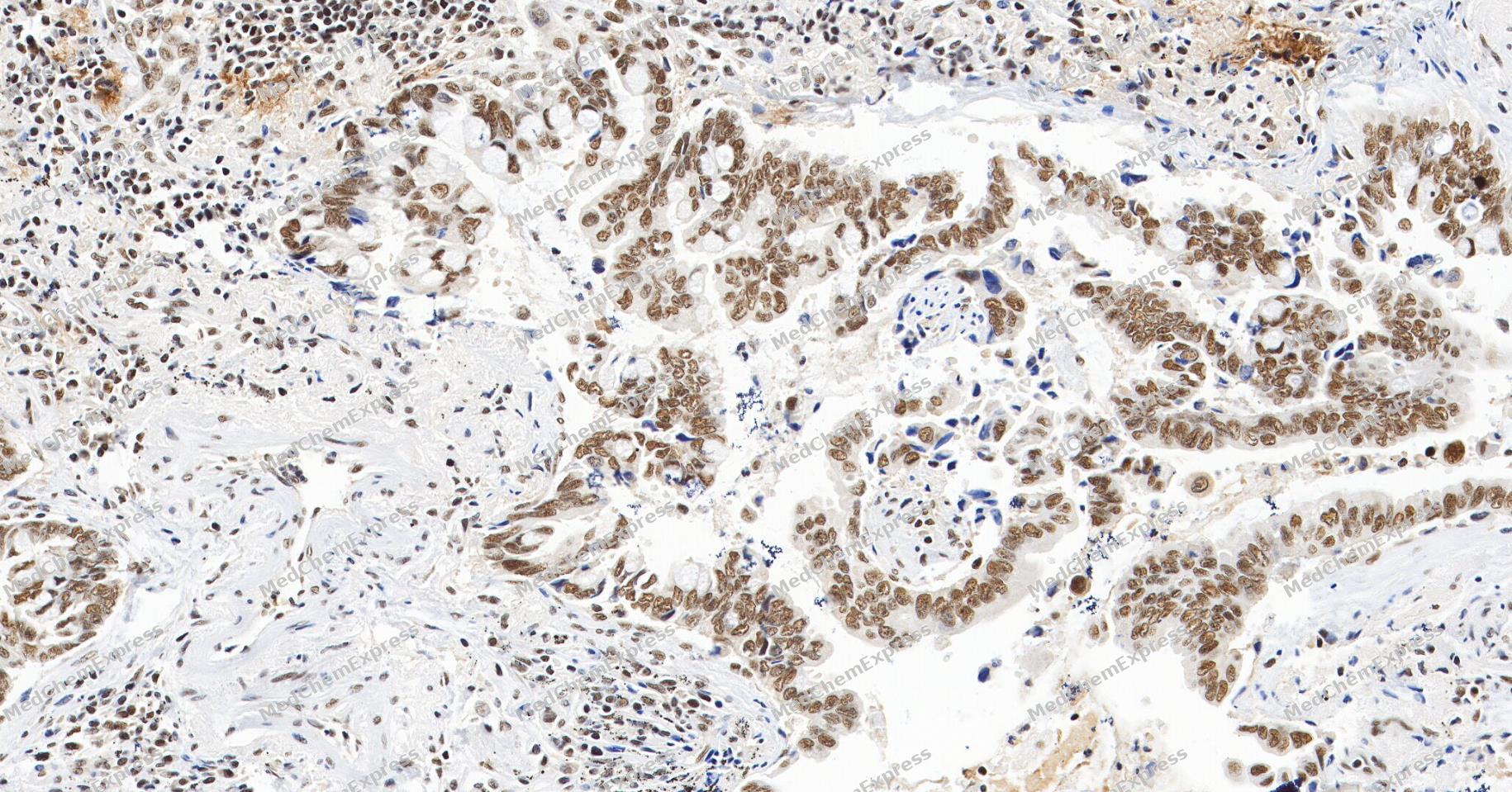 Immunohistochemical analysis of paraffin-embedded human lung cancer tissue using METTL3 Antibody (YA6290). The section was pre-treated using heat mediated antigen retrieval with Tris/EDTA buffer (pH 9.0) for 20 minutes. The tissues were probed with the primary antibody (HY-P86598, 1/100) overnight at 4℃. The detection was performed using an HRP conjugated compact polymer system. DAB was used as the chromogen. Tissues were counterstained with hematoxylin and mounted with neutral balsam.
 -
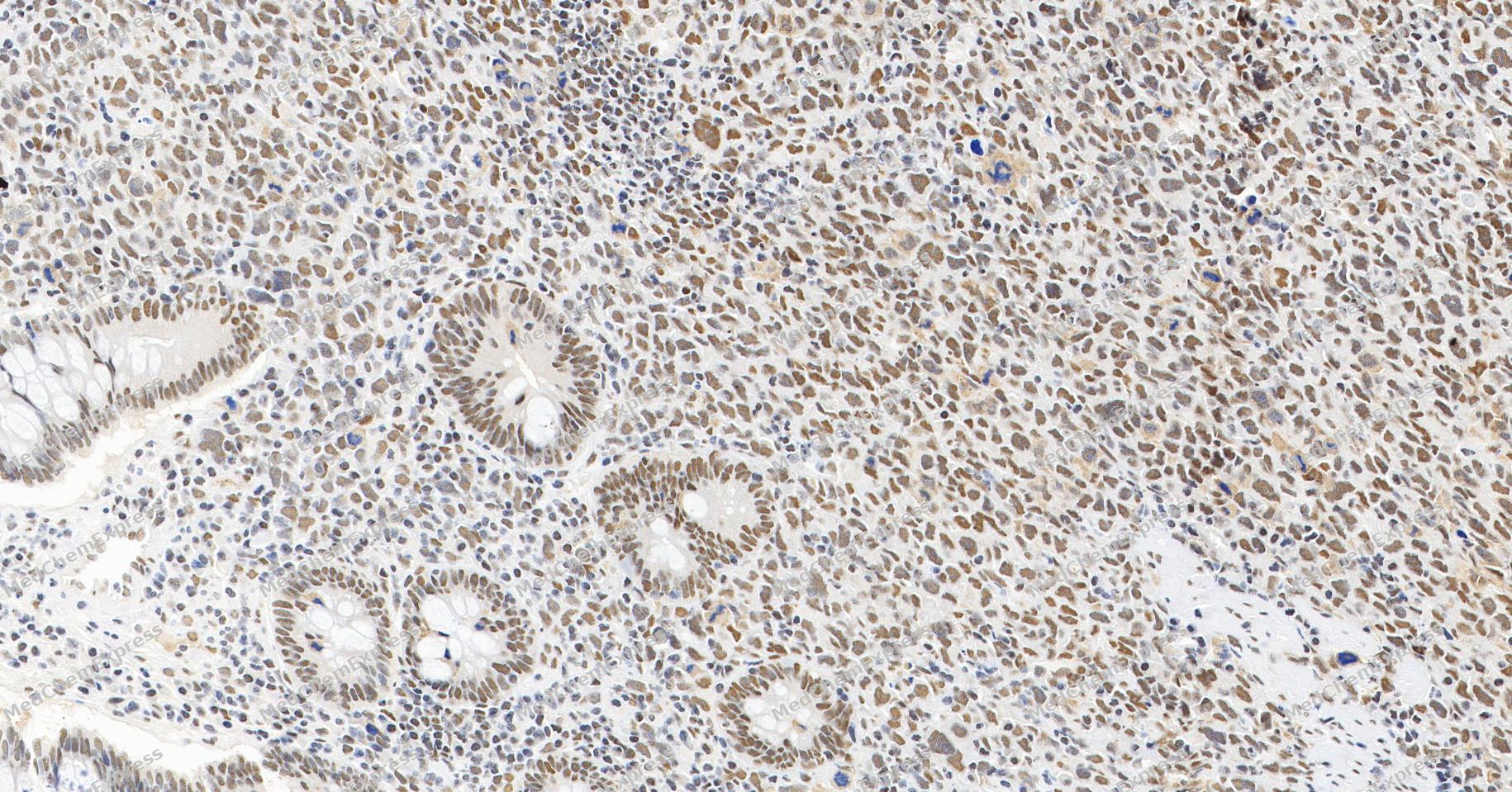 Immunohistochemical analysis of paraffin-embedded human colon cancer tissue using METTL3 Antibody (YA6290). The section was pre-treated using heat mediated antigen retrieval with Tris/EDTA buffer (pH 9.0) for 20 minutes. The tissues were probed with the primary antibody (HY-P86598, 1/100) overnight at 4℃. The detection was performed using an HRP conjugated compact polymer system. DAB was used as the chromogen. Tissues were counterstained with hematoxylin and mounted with neutral balsam.
 -
 Immunohistochemical analysis of paraffin-embedded human endometrial cancer tissue using METTL3 Antibody (HY-P86598, 1/400). The section was pretreated using heat mediated antigen retrieval with sodium citrate buffer (pH 6.0) for 8 minutes. The tissues were blocked with quick block buffer for 0.5 hours at room temperature, washed with PBS and PBST, and then incubated with the primary antibody overnight at 4℃. The detection was performed using an HRP conjugated compact polymer system. DAB was used as the chromogen. Tissues were counterstained with hematoxylin and mounted with DPX.
 -
 Immunohistochemical analysis of paraffin-embedded human prostate cancer tissue using METTL3 Antibody (HY-P86598, 1/400). The section was pretreated using heat mediated antigen retrieval with sodium citrate buffer (pH 6.0) for 8 minutes. The tissues were blocked with quick block buffer for 0.5 hours at room temperature, washed with PBS and PBST, and then incubated with the primary antibody overnight at 4℃. The detection was performed using an HRP conjugated compact polymer system. DAB was used as the chromogen. Tissues were counterstained with hematoxylin and mounted with DPX.
 -
 Immunohistochemical analysis of paraffin-embedded human breast cancer tissue using METTL3 Antibody (HY-P86598, 1/400). The section was pretreated using heat mediated antigen retrieval with sodium citrate buffer (pH 6.0) for 8 minutes. The tissues were blocked with quick block buffer for 0.5 hours at room temperature, washed with PBS and PBST, and then incubated with the primary antibody overnight at 4℃. The detection was performed using an HRP conjugated compact polymer system. DAB was used as the chromogen. Tissues were counterstained with hematoxylin and mounted with DPX.
 -
 Immunohistochemical analysis of paraffin-embedded human rectum cancer tissue using METTL3 Antibody (HY-P86598, 1/400). The section was pretreated using heat mediated antigen retrieval with sodium citrate buffer (pH 6.0) for 8 minutes. The tissues were blocked with quick block buffer for 0.5 hours at room temperature, washed with PBS and PBST, and then incubated with the primary antibody overnight at 4℃. The detection was performed using an HRP conjugated compact polymer system. DAB was used as the chromogen. Tissues were counterstained with hematoxylin and mounted with DPX.
 -
 Immunohistochemical analysis of paraffin-embedded human pancreatic cancer tissue using METTL3 Antibody (HY-P86598, 1/400). The section was pretreated using heat mediated antigen retrieval with sodium citrate buffer (pH 6.0) for 8 minutes. The tissues were blocked with quick block buffer for 0.5 hours at room temperature, washed with PBS and PBST, and then incubated with the primary antibody overnight at 4℃. The detection was performed using an HRP conjugated compact polymer system. DAB was used as the chromogen. Tissues were counterstained with hematoxylin and mounted with DPX.
 -
 Immunohistochemical analysis of paraffin-embedded human glioma tissue using METTL3 Antibody (HY-P86598, 1/400). The section was pretreated using heat mediated antigen retrieval with sodium citrate buffer (pH 6.0) for 8 minutes. The tissues were blocked with quick block buffer for 0.5 hours at room temperature, washed with PBS and PBST, and then incubated with the primary antibody overnight at 4℃. The detection was performed using an HRP conjugated compact polymer system. DAB was used as the chromogen. Tissues were counterstained with hematoxylin and mounted with DPX.
 -
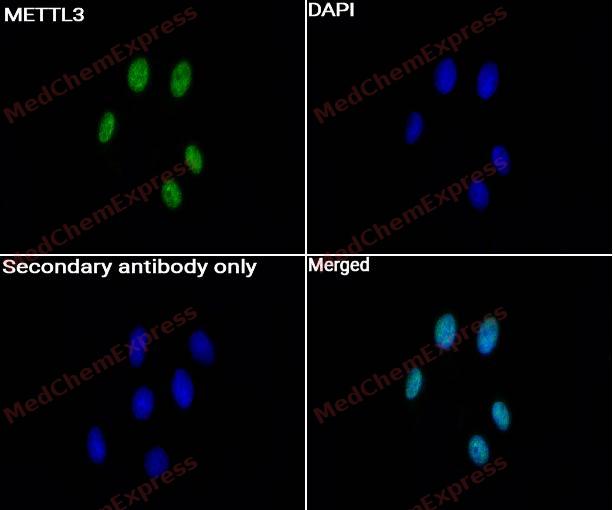 Immunocytochemistry analysis of Hela cells labeling METTL3 with METTL3 Antibody (HY-P86598) at 1:200 dilution. Cells were fixed in 4% paraformaldehyde for 15 minutes at room temperature, permeabilized with 0.1% Triton X-100 in PBS for 15 minutes at room temperature, then blocked with quick block buffer for 10 minutes at room temperature. Cells were then incubated with METTL3 Antibody (HY-P86598) at 1:200 dilution in quick block buffer overnight at 4 ℃. AF488-conjugated Goat Anti-Rabbit IgG H&L(HY-P8002, Green) was used as the secondary antibody at 1/1,000 dilution. PBS instead of the primary antibody was used as the secondary antibody only control. The Nuclear counterstain was DAPI (Blue).
 -
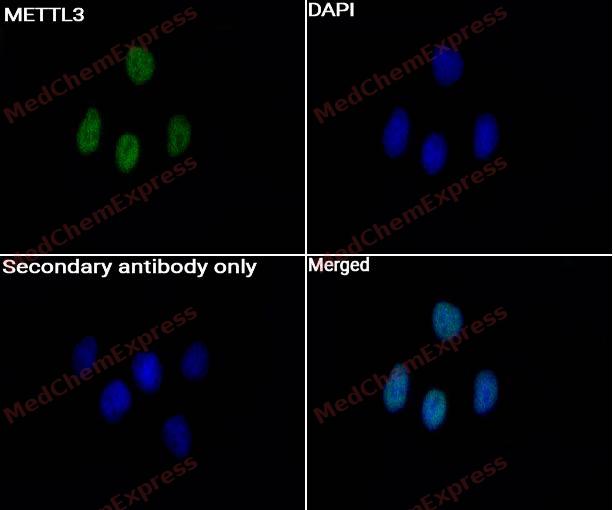 Immunocytochemistry analysis of Neuro-2a cells labeling METTL3 with METTL3 Antibody (HY-P86598) at 1:200 dilution. Cells were fixed in 4% paraformaldehyde for 15 minutes at room temperature, permeabilized with 0.1% Triton X-100 in PBS for 15 minutes at room temperature, then blocked with quick block buffer for 10 minutes at room temperature. Cells were then incubated with METTL3 Antibody (HY-P86598) at 1:200 dilution in quick block buffer overnight at 4 ℃. AF488-conjugated Goat Anti-Rabbit IgG H&L(HY-P8002, Green) was used as the secondary antibody at 1/1,000 dilution. PBS instead of the primary antibody was used as the secondary antibody only control. The Nuclear counterstain was DAPI (Blue).


Background
-
Function
Methyltransferase-like 3 (METTL3) is an enzyme that functions as a key methyltransferase in the process of N6-methyladenosine (m6A) RNA methylation. METTL3 contains a catalytic domain that is responsible for the transfer of methyl groups to adenosine residues in RNA. METTL3 usually forms a complex with METTL14 and other proteins to enhance its catalytic activity and substrate specificity. The m6A modification mediated by METTL3 plays crucial roles in various biological processes, including RNA splicing, stability, translation efficiency and degradation. METTL3 is involved in the regulation of gene expression and has a significant impact on cell differentiation, development and disease occurrence. Dysregulation of METTL3 has been implicated in many human diseases, especially in the occurrence and development of various cancers[1][2].
-
Subcellular Localization
Nucleus; Nucleus speckle; Cytoplasm
-
Expression
Tissue_specificity:It is widely expressed, but at low levels. It is expressed in the spleen, thymus, prostate, testes, ovaries, small intestine, colon, and peripheral blood leukocytes.
Induction:Overexpressed in a number of cancer tissues, such as lung adenocarcinoma and colon adenocarcinoma (PubMed:27117702) -
Isoforms & Post-Translational Modification
Q86U44 has 2 isomers: Q86U44-1: 64474 Da (predicted); Q86U44-2: 25479 Da (predicted).
Sumoylation inhibits the N6-adenosine-methyltransferase activity. Sumoylation does not affect subcellular location or interaction with METTL14. Desumoylated by SENP1 -
Subunit
Heterodimer; heterodimerizes with METTL14 to form an antiparallel heterodimer that constitutes an active methyltransferase (PubMed:27281194, PubMed:27373337, PubMed:27627798). Component of the WMM complex, a N6-methyltransferase complex composed of a catalytic subcomplex, named MAC, and of an associated subcomplex, named MACOM (PubMed:24407421, PubMed:24981863, PubMed:27602518, PubMed:29348140, PubMed:29506078, PubMed:29507755). The MAC subcomplex is composed of METTL3 and METTL14 (PubMed:24407421, PubMed:24981863, PubMed:27602518, PubMed:29507755). The MACOM subcomplex is composed of WTAP, ZC3H13, CBLL1/HAKAI, VIRMA, and, in some cases of RBM15 (RBM15 or RBM15B) (PubMed:27602518, PubMed:29507755). Interacts with NCBP1/CBP80 (PubMed:27117702). Interacts with EIF4E (PubMed:27117702). Interacts with EIF3B (PubMed:27117702)
-
SwissProt ID
-
Synonyms
N6-adenosine-methyltransferase 70 kDa subunit; MT-A70; Methyltransferase-like protein 3;


Documentation
-
Data Sheet (262 KB)
-
SDS (252 KB)
- English - EN (252 KB)
- Français - FR (252 KB)
- Deutsch - DE (252 KB)
- Norwegian - NO (252 KB)
- Español - ES (252 KB)
- Swedish - SV (252 KB)
- Italian - IT (252 KB)
- Korean - KR (252 KB)
- Portuguese - PT (252 KB)
-
User Guide for Antibodies (1077 KB)
References
[1]. Wang CX, et al. METTL3-mediated m6A modification is required for cerebellar development. PLoS Biol. 2018 Jun 7;16(6):e2004880. [Content Brief]
[2]. Xu P, et al. Roles and drug development of METTL3 (methyltransferase-like 3) in anti-tumor therapy. Eur J Med Chem. 2022 Feb 15;230:114118. [Content Brief]

 Powered by Bioz
