



PPAR-γ Antibody (YA7397)
(Synonyms: NR1C3, PPARG, Peroxisome proliferator-activated receptor gamma, PPAR-gamma, Nuclear receptor subfamily 1 group C member 3)Based on 1 publication(s) in Google Scholar
PPAR-γ Antibody (YA7397) is a Rabbit-derived and non-conjugated IgG, Kappa monoclonal antibody, targeting to PPAR-γ.
-
Host:
Rabbit
-
Isotype:
IgG
-
Application:
WB, IHC-P, ICC/IF, IP, ELISA
-
Reactivity :
Human, Mouse
-
Formulation:
Supplied in PBS (pH7.4) containing 50% glycerol, 0.05% Proclin 300, 0.05%BSA
-
Conjugation:
Non-conjugated


To place orders, for customer services and technical support, please contact: MedChemExpress USA
Tel: 609-228-6898 E-mail: [email protected] [email protected]



Publications Citing Use of MedChemExpress (MCE) PPAR-γ Antibody (YA7397)
More

Applications
| Application |
IHC-P

IHC-P: Immunohistochemistry-Paraffin
|
WB
WB: Western Blot
|
ICC/IF
ICC/IF: Immunocytochemistry/
Immunofluorescence |
ELISA
ELISA: Enzyme Linked Immunosorbent Assay
|
IP
IP: Immunoprecipitation
|
|---|---|---|---|---|---|
| Dilution Ratio | 1:500-1:1000 | 1:2000-1:10000 | 1:200-1:1000 | 1:5000-1:20000 | 1:50-1:200 |


Product Details
PPAR-γ Antibody (YA7397) is a Rabbit-derived and non-conjugated IgG, Kappa monoclonal antibody, targeting to PPAR-γ.
-
Host Rabbit

-
Clonality Monoclonal,Recombinant

-
Species ReactivityHuman, Mouse
-
Observed Molecular WeightObserved band size: 53 kDa
Note: Due to possible protein modifications or aggregation, the molecular weight should be confirmed by actual measurement, and the predicted value is for reference only.

-
Calculated Molecular Weight Predicted band size: 58 kDa

The exact sequence is proprietary to MCE.
Endogenous
Protein A affinity purified
Non-conjugated
Unmodified
IgG


Product Properties
-
Appearance
Solution
-
Formulation
Supplied in PBS (pH7.4) containing 50% glycerol, 0.05% Proclin 300, 0.05%BSA
-
Concentration
Batch-dependent, Please check the COA for the concentration of each lot. Check Lot Concentration
-
Storage & Stability
Stored at -20°C for 1 year. Avoid repeated freeze / thaw cycles.
-
Shipping
Shipping with blue ice.


Publications (1)
-
Journal Impact Factor
-
Most Recent


Verification Images
-
 Immunohistochemical analysis of paraffin-embedded human rectum tissue using PPAR-γ Antibody (YA7397). The section was pre-treated using heat mediated antigen retrieval with Tris/EDTA buffer (pH 9.0) for 20 minutes. The tissues were probed with the primary antibody (HY-P87712,1/100) overnight at 4℃. The detection was performed using an HRP conjugated compact polymer system. DAB was used as the chromogen. Tissues were counterstained with hematoxylin and mounted with neutral balsam.
 -
 Immunohistochemical analysis of paraffin-embedded human placenta tissue using PPAR-γ Antibody (YA7397). The section was pre-treated using heat mediated antigen retrieval with Tris/EDTA buffer (pH 9.0) for 20 minutes. The tissues were probed with the primary antibody (HY-P87712,1/100) overnight at 4℃. The detection was performed using an HRP conjugated compact polymer system. DAB was used as the chromogen. Tissues were counterstained with hematoxylin and mounted with neutral balsam.
 -
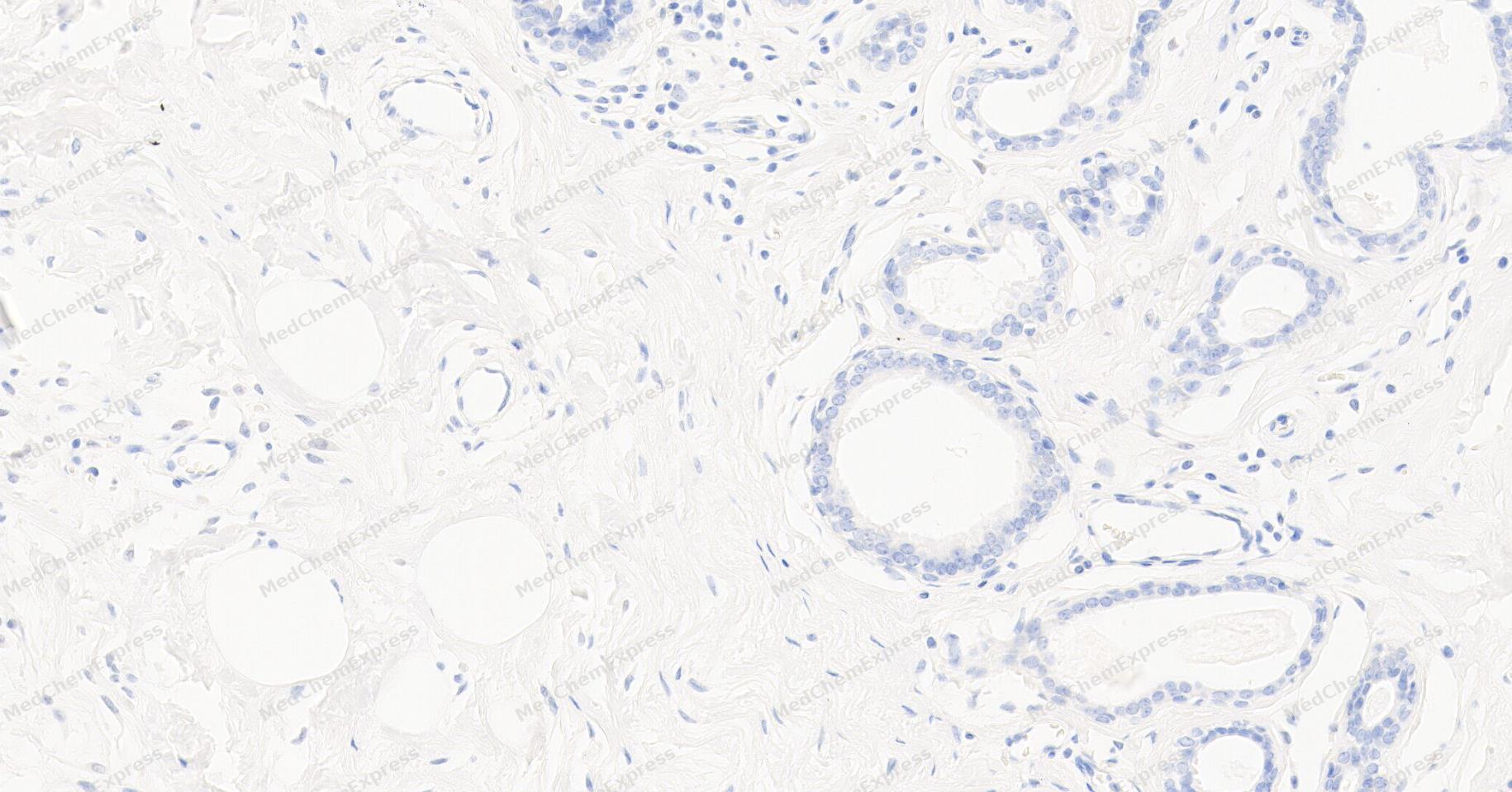 Immunohistochemical analysis of paraffin-embedded human breast tissue (negetive) using PPAR-γ Antibody (YA7397). The section was pre-treated using heat mediated antigen retrieval with Tris/EDTA buffer (pH 9.0) for 20 minutes. The tissues were probed with the primary antibody (HY-P87712,1/100) overnight at 4℃. The detection was performed using an HRP conjugated compact polymer system. DAB was used as the chromogen. Tissues were counterstained with hematoxylin and mounted with neutral balsam.
 -
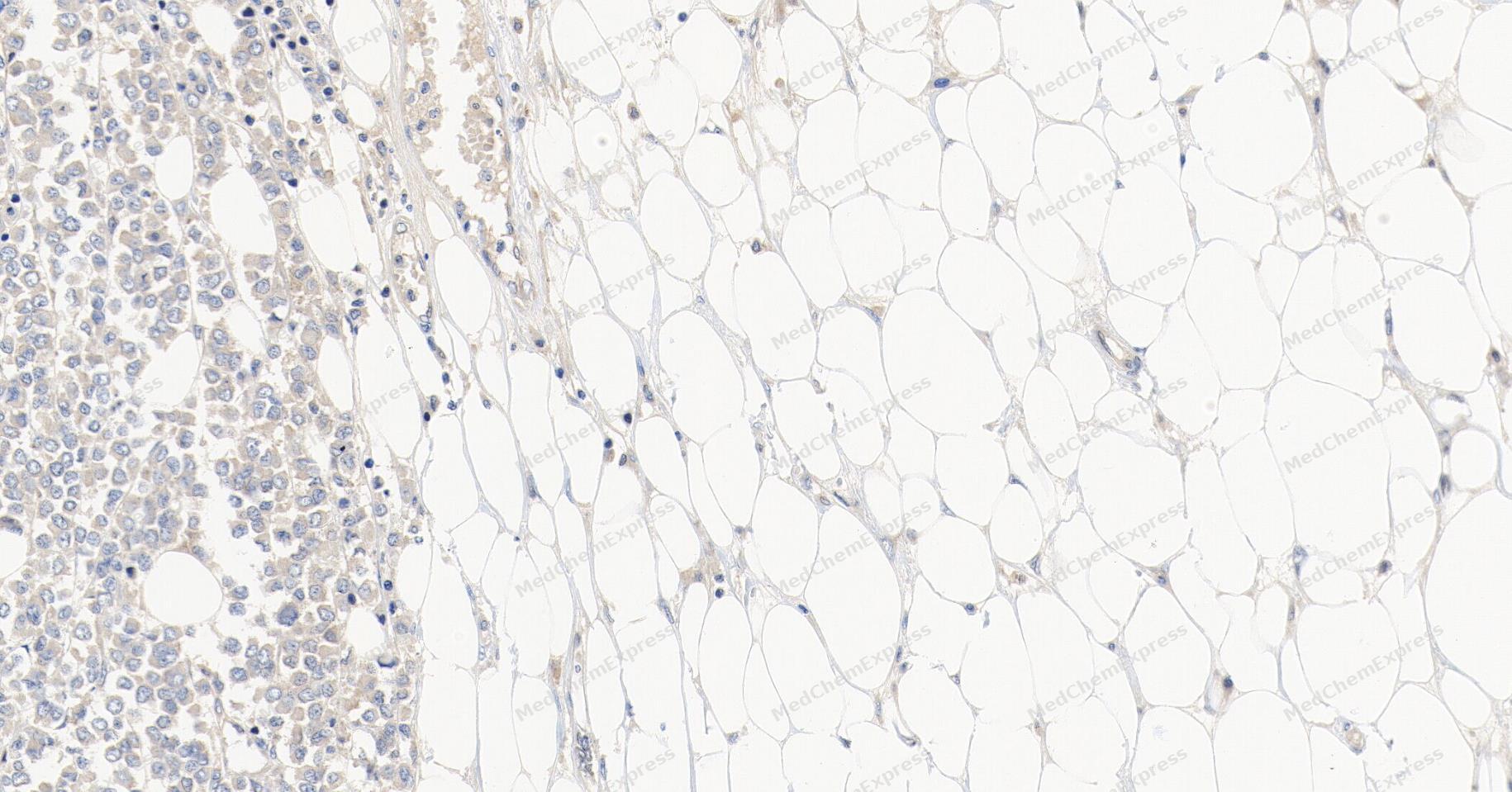 Immunohistochemical analysis of paraffin-embedded human breast cancer tissue using PPAR-γ Antibody (YA7397). The section was pre-treated using heat mediated antigen retrieval with Tris/EDTA buffer (pH 9.0) for 20 minutes. The tissues were probed with the primary antibody (HY-P87712,1/100) overnight at 4℃. The detection was performed using an HRP conjugated compact polymer system. DAB was used as the chromogen. Tissues were counterstained with hematoxylin and mounted with neutral balsam.
 -
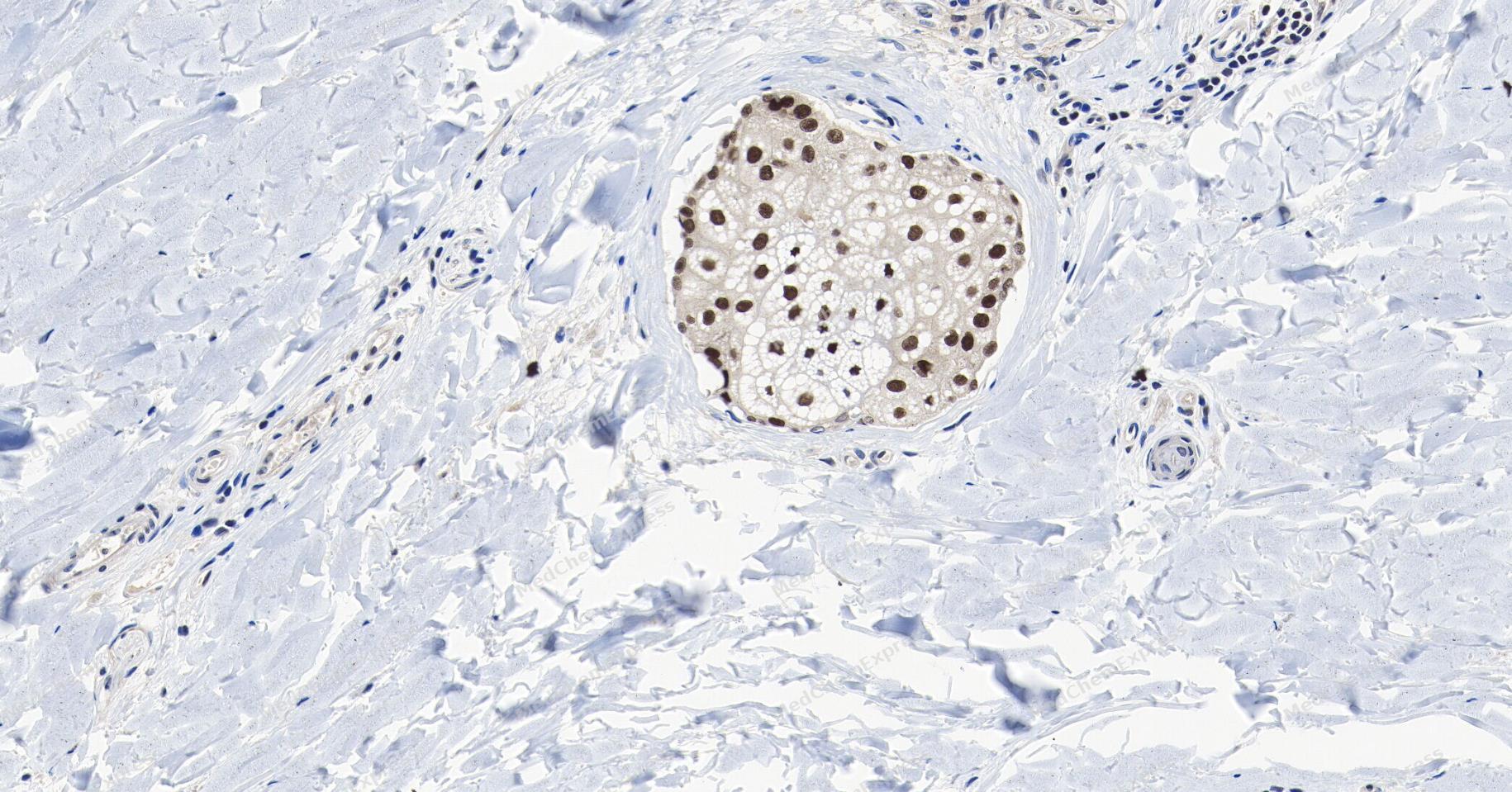 Immunohistochemical analysis of paraffin-embedded human skin tissue using PPAR-γ Antibody (YA7397). The section was pre-treated using heat mediated antigen retrieval with Tris/EDTA buffer (pH 9.0) for 20 minutes. The tissues were probed with the primary antibody (HY-P87712,1/100) overnight at 4℃. The detection was performed using an HRP conjugated compact polymer system. DAB was used as the chromogen. Tissues were counterstained with hematoxylin and mounted with neutral balsam.
 -
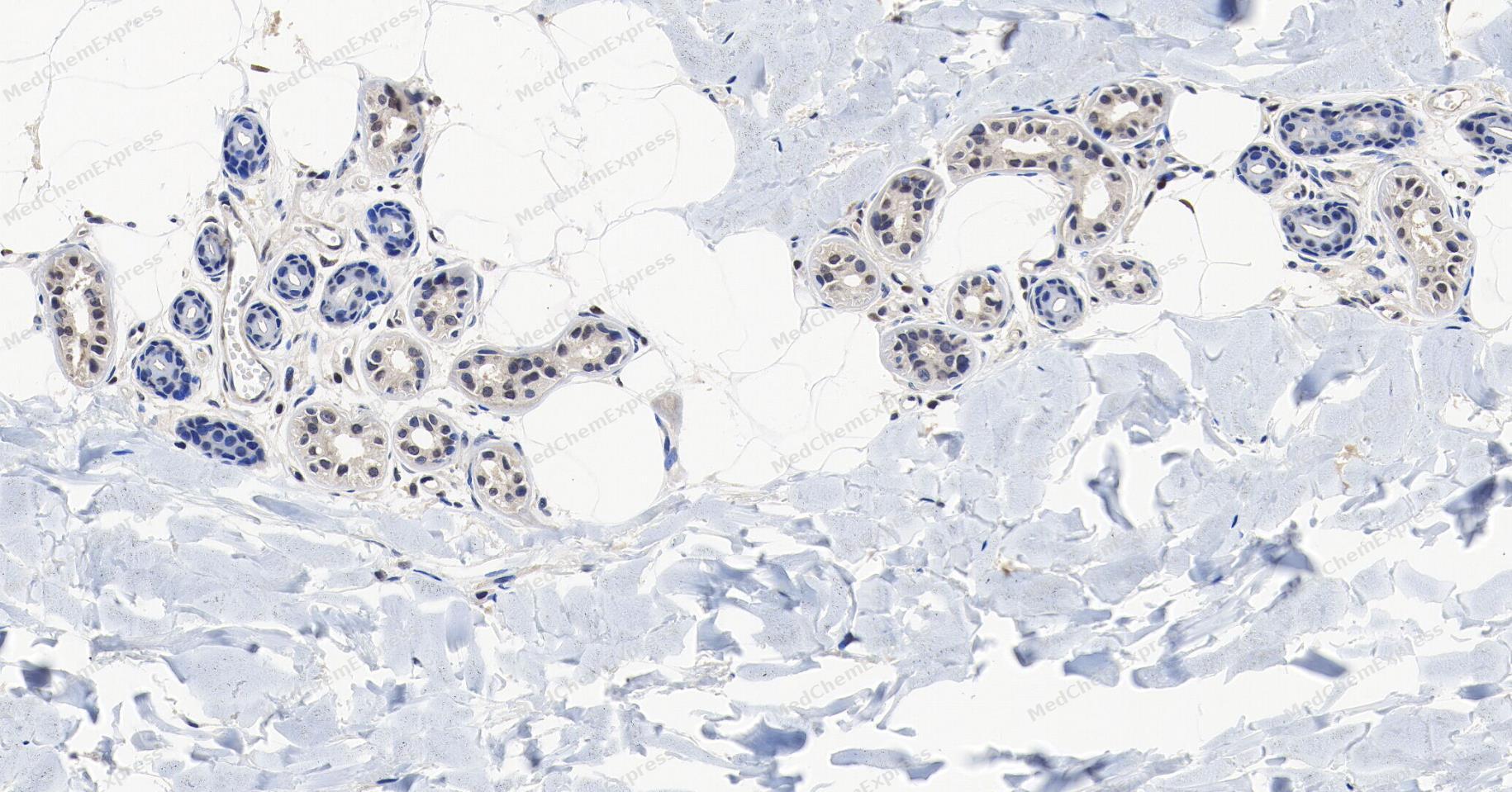 Immunohistochemical analysis of paraffin-embedded human skin tissue using PPAR-γ Antibody (YA7397). The section was pre-treated using heat mediated antigen retrieval with Tris/EDTA buffer (pH 9.0) for 20 minutes. The tissues were probed with the primary antibody (HY-P87712,1/100) overnight at 4℃. The detection was performed using an HRP conjugated compact polymer system. DAB was used as the chromogen. Tissues were counterstained with hematoxylin and mounted with neutral balsam.
 -
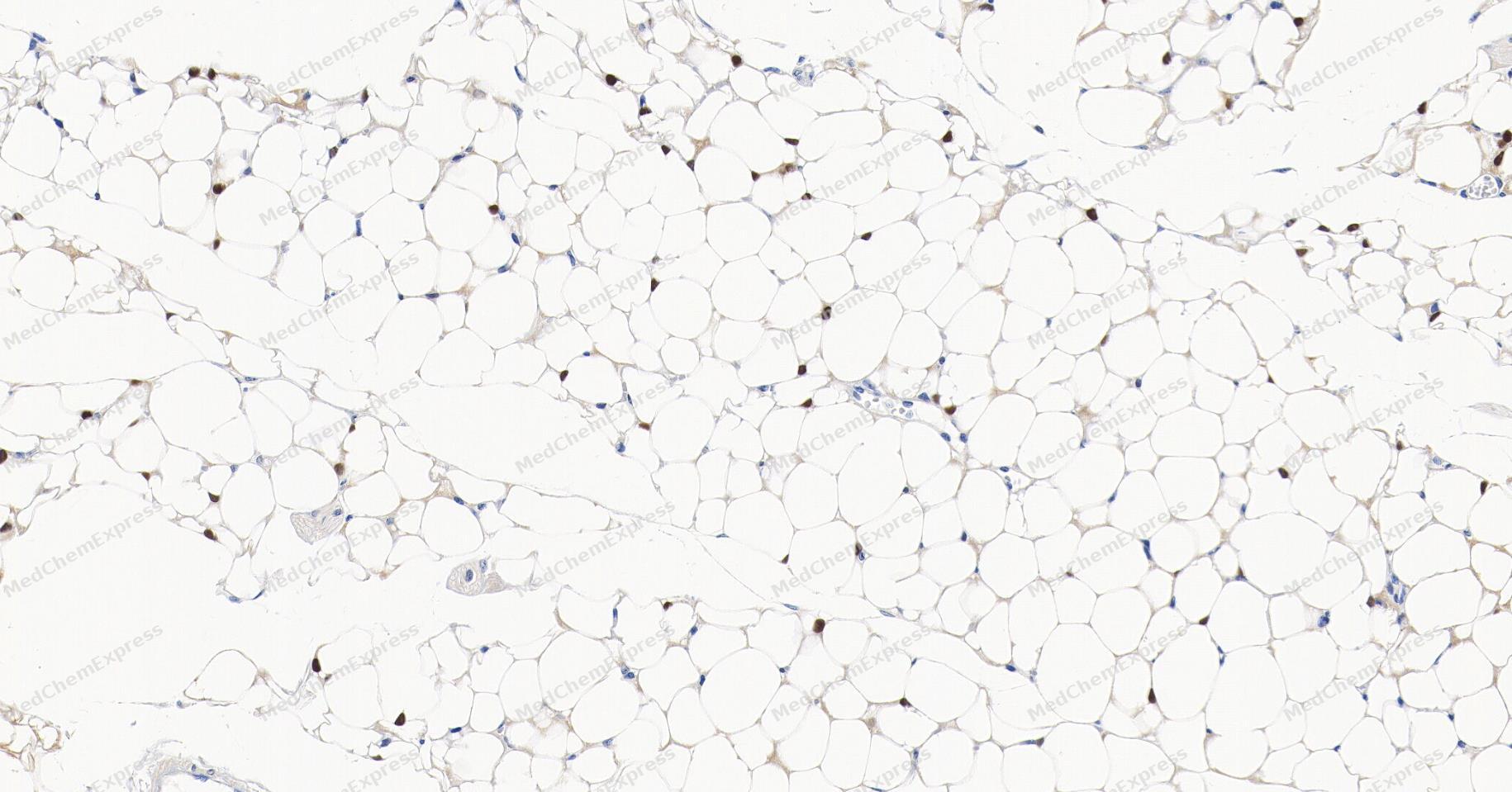 Immunohistochemical analysis of paraffin-embedded mouse fat tissue using PPAR-γ Antibody (YA7397). The section was pre-treated using heat mediated antigen retrieval with Tris/EDTA buffer (pH 9.0) for 20 minutes. The tissues were probed with the primary antibody (HY-P87712,1/100) overnight at 4℃. The detection was performed using an HRP conjugated compact polymer system. DAB was used as the chromogen. Tissues were counterstained with hematoxylin and mounted with neutral balsam.
 -
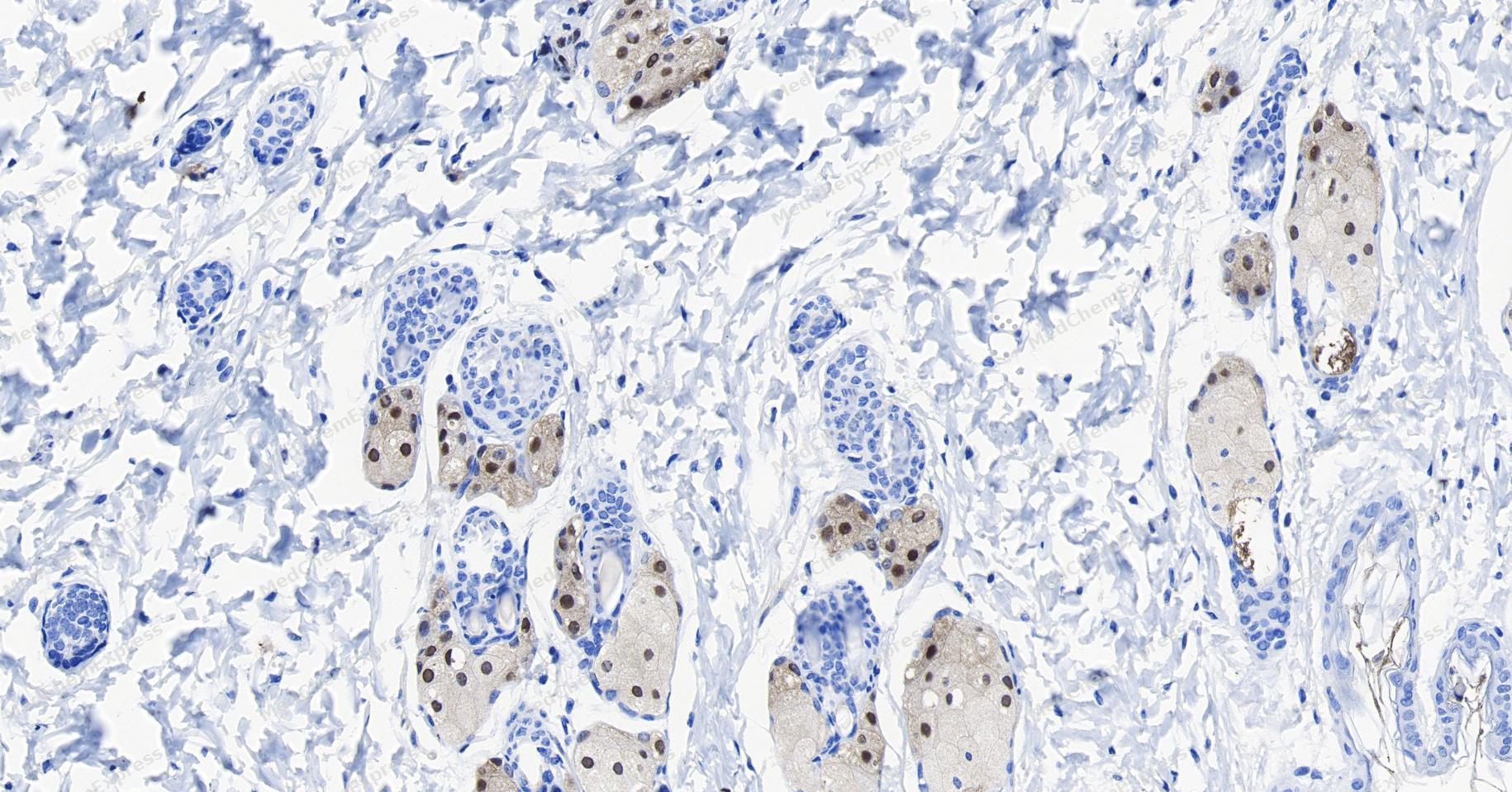 Immunohistochemical analysis of paraffin-embedded mouse breast tissue using PPAR-γ Antibody (YA7397). The section was pre-treated using heat mediated antigen retrieval with Tris/EDTA buffer (pH 9.0) for 20 minutes. The tissues were probed with the primary antibody (HY-P87712,1/100) overnight at 4℃. The detection was performed using an HRP conjugated compact polymer system. DAB was used as the chromogen. Tissues were counterstained with hematoxylin and mounted with neutral balsam.
 -
 Immunohistochemical analysis of paraffin-embedded mouse lung tissue using PPAR-γ Antibody (HY-P87712, 1/1000). The section was pretreated using heat mediated antigen retrieval with sodium citrate buffer (pH 6.0) for 8 minutes. The tissues were blocked with quick block buffer for 0.5 hours at room temperature, washed with PBS and PBST, and then incubated with the primary antibody overnight at 4℃. The detection was performed using an HRP conjugated compact polymer system. DAB was used as the chromogen. Tissues were counterstained with hematoxylin and mounted with DPX.
 -
 Immunohistochemical analysis of paraffin-embedded mouse small intestine tissue using PPAR-γ Antibody (HY-P87712, 1/1000). The section was pretreated using heat mediated antigen retrieval with sodium citrate buffer (pH 6.0) for 8 minutes. The tissues were blocked with quick block buffer for 0.5 hours at room temperature, washed with PBS and PBST, and then incubated with the primary antibody overnight at 4℃. The detection was performed using an HRP conjugated compact polymer system. DAB was used as the chromogen. Tissues were counterstained with hematoxylin and mounted with DPX.
 -
 Immunohistochemical analysis of paraffin-embedded mouse duodenum tissue using PPAR-γ Antibody (HY-P87712, 1/1000). The section was pretreated using heat mediated antigen retrieval with sodium citrate buffer (pH 6.0) for 8 minutes. The tissues were blocked with quick block buffer for 0.5 hours at room temperature, washed with PBS and PBST, and then incubated with the primary antibody overnight at 4℃. The detection was performed using an HRP conjugated compact polymer system. DAB was used as the chromogen. Tissues were counterstained with hematoxylin and mounted with DPX.
 -
 Immunohistochemical analysis of paraffin-embedded mouse spleen tissue using PPAR-γ Antibody (HY-P87712, 1/1000). The section was pretreated using heat mediated antigen retrieval with sodium citrate buffer (pH 6.0) for 8 minutes. The tissues were blocked with quick block buffer for 0.5 hours at room temperature, washed with PBS and PBST, and then incubated with the primary antibody overnight at 4℃. The detection was performed using an HRP conjugated compact polymer system. DAB was used as the chromogen. Tissues were counterstained with hematoxylin and mounted with DPX.


Background
-
Function
PPARγ (Peroxisome Proliferator-Activated Receptor Gamma) is a ligand-activated nuclear receptor that functions as a central transcriptional regulator of adipocyte differentiation, lipid metabolism, insulin sensitivity, inflammation, and cellular energy homeostasis[1][2]. Mechanistically, PPARγ forms heterodimers with retinoid X receptors and regulates target gene expression through PPAR response elements, thereby coordinating metabolic and transcriptional programs that govern adipose tissue development and systemic glucose and lipid metabolism[3][4]. Because of its pivotal role in adipogenesis and insulin-responsive pathways, PPARγ has been extensively implicated in obesity, type 2 diabetes, metabolic syndrome, and related metabolic disorders[1][3]. In addition to metabolic regulation, PPARγ contributes to immune-cell maturation and function, particularly in macrophages and other inflammatory cell populations, linking metabolic signaling with inflammatory responses[4]. Compared with the related PPARα and PPARδ isoforms, which are predominantly associated with fatty acid oxidation and broader energy utilization pathways, PPARγ is distinguished by its dominant role in adipocyte differentiation and adipose tissue function[3]. Furthermore, alternative promoter usage and splicing generate multiple PPARG transcript variants, including γ1, γ2, and γ3, with evidence indicating isoform-specific regulation and distinct metabolic functions in different tissues[2][5]. For experimental applications, synthetic thiazolidinedione agonists activate PPARγ and improve insulin sensitivity, making them valuable pharmacological tools for investigating metabolic regulation, although their clinical use is limited by adverse effects such as weight gain[3][5].
-
Subcellular Localization
Nucleus,Cytoplasm
-
Expression
Tissue_Specificity: Highest expression in adipose tissue. Lower in skeletal muscle, spleen, heart and liver. Also detectable in placenta, lung and ovary
Induction: (Microbial infection) Expression increases when incubated with M.tuberculosis or its lipoprotein LpqH; induction is TLR2-dependent (at protein level) -
Isoforms & Post-Translational Modification
P37231 has three isomers: P37231-1: 57620 Da (predicted); P37231-2: 54681 Da (predicted); P37231-3: 21580 Da (predicted).
O-GlcNAcylation at Thr-84 reduces transcriptional activity in adipocytes丨Phosphorylated in basal conditions and dephosphorylated when treated with the ligand丨Ubiquitinated by E3 ubiquitin-protein ligase complex containing FBXO9; leading to proteasomal degradation (By similarity) -
Subunit
Interacts with FOXO1 (acetylated form) (By similarity)
-
SwissProt ID
-
Synonyms
NR1C3, PPARG, Peroxisome proliferator-activated receptor gamma, PPAR-gamma, Nuclear receptor subfamily 1 group C member 3
Documentation
-
Data Sheet (260 KB)
-
SDS (252 KB)
- English - EN (252 KB)
- Français - FR (252 KB)
- Deutsch - DE (252 KB)
- Norwegian - NO (252 KB)
- Español - ES (252 KB)
- Swedish - SV (252 KB)
- Italian - IT (252 KB)
- Korean - KR (252 KB)
- Portuguese - PT (252 KB)
-
User Guide for Antibodies (1077 KB)
References
[1]. Houseknecht KL, et al. Peroxisome proliferator-activated receptor gamma (PPARgamma) and its ligands: a review. Domest Anim Endocrinol. 2002 Mar;22(1):1-23. [Content Brief]
[2]. Liu X, et al. Physical layer encryption scheme based on biological genetic variation mechanisms in CO-OFDM system. Opt Express. 2025 Oct 6;33(20):42528-42541. [Content Brief]
[3]. Semple RK, et al. PPAR gamma and human metabolic disease. J Clin Invest. 2006 Mar;116(3):581-9. [Content Brief]
[4]. Hernandez-Quiles M, et al. PPARgamma in Metabolism, Immunity, and Cancer: Unified and Diverse Mechanisms of Action. Front Endocrinol (Lausanne). 2021 Feb 26;12:624112. [Content Brief]
[5]. Hermans A, et al. A 3D-Printed and Freely Available Device to Measure the Zebrafish Optokinetic Response Before and After Injury. Zebrafish. 2024 Apr;21(2):144-148. [Content Brief]

 Powered by Bioz
