



TP53INP1 Antibody (YA9976)
(Synonyms: P53DINP1; SIP; Tumor protein p53-inducible nuclear protein 1; Stress-induced protein; p53-dependent damage-inducible nuclear protein 1; p53DINP1)TP53INP1 Antibody (YA9976) is a Rabbit-derived and non-conjugated IgG Monoclonal antibody, targeting to TP53INP1 Antibody.
-
Host:
Rabbit
-
Isotype:
IgG
-
Application:
WB, IHC-P, ICC/IF
-
Reactivity :
Human, Mouse, Rat
-
Formulation:
Supplied in PBS, 50% glycerol, 0.05% BSA, and 0.05% Proclin300.
-
Conjugation:
Non-conjugated


To place orders, for customer services and technical support, please contact: MedChemExpress USA
Tel: 609-228-6898 E-mail: [email protected] [email protected]





Applications
| Application |
WB

WB: Western Blot
|
IHC-P
IHC-P: Immunohistochemistry-Paraffin
|
ICC/IF
ICC/IF: Immunocytochemistry/
Immunofluorescence |
|---|---|---|---|
| Dilution Ratio | 1:1000-2000 | 1:100-200 | 1:100-200 |


Product Details
TP53INP1 Antibody (YA9976) is a Rabbit-derived and non-conjugated IgG Monoclonal antibody, targeting to TP53INP1 Antibody.
-
Host Rabbit

-
Clonality Monoclonal,Recombinant

-
Species ReactivityHuman, Mouse, Rat
-
Observed Molecular WeightObserved band size: 32 kDa
Note: Due to possible protein modifications or aggregation, the molecular weight should be confirmed by actual measurement, and the predicted value is for reference only.

-
Calculated Molecular Weight Predicted band size: 27 kDa

Synthetic peptide corresponding to human TP53INP1.
Endogenous
affinity purified
Non-conjugated
Unmodified
IgG


Product Properties
-
Appearance
Solution
-
Formulation
Supplied in PBS, 50% glycerol, 0.05% BSA, and 0.05% Proclin300.
-
Storage & Stability
Stored at -20°C for 1 year. Avoid repeated freeze / thaw cycles.
-
Shipping
Shipping with blue ice.


Verification Images
-
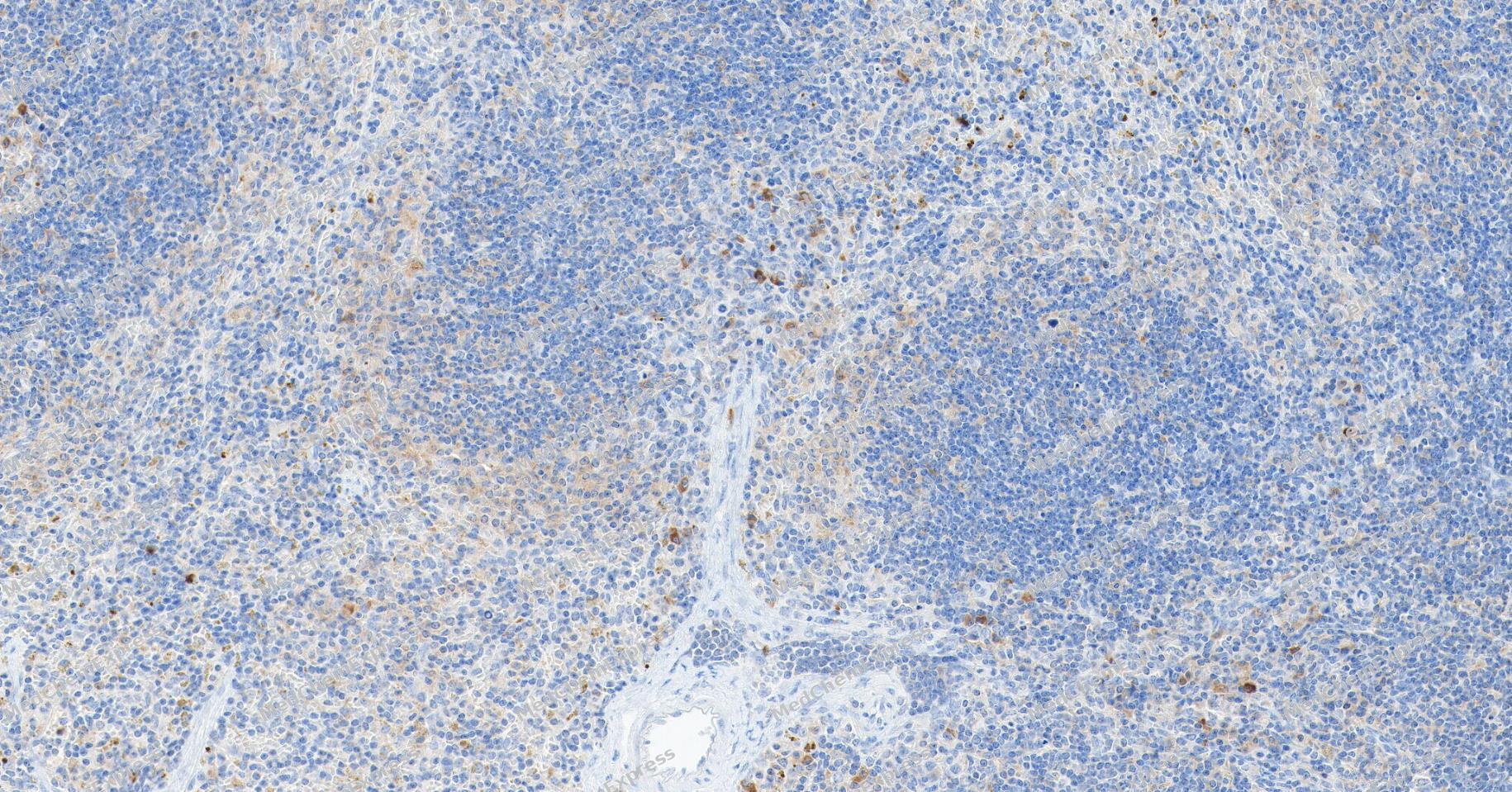 Immunohistochemical analysis of paraffin-embedded mouse spleen tissue using TP53INP1 Antibody. The section was pre-treated using heat mediated antigen retrieval with Tris/EDTA buffer (pH 9.0) for 20 minutes. The tissues were probed with the primary antibody (HY-P810732, 1/100) overnight at 4℃. The detection was performed using an HRP conjugated compact polymer system (HY-P83652). DAB was used as the chromogen. Tissues were counterstained with hematoxylin and mounted with neutral balsam.
 -
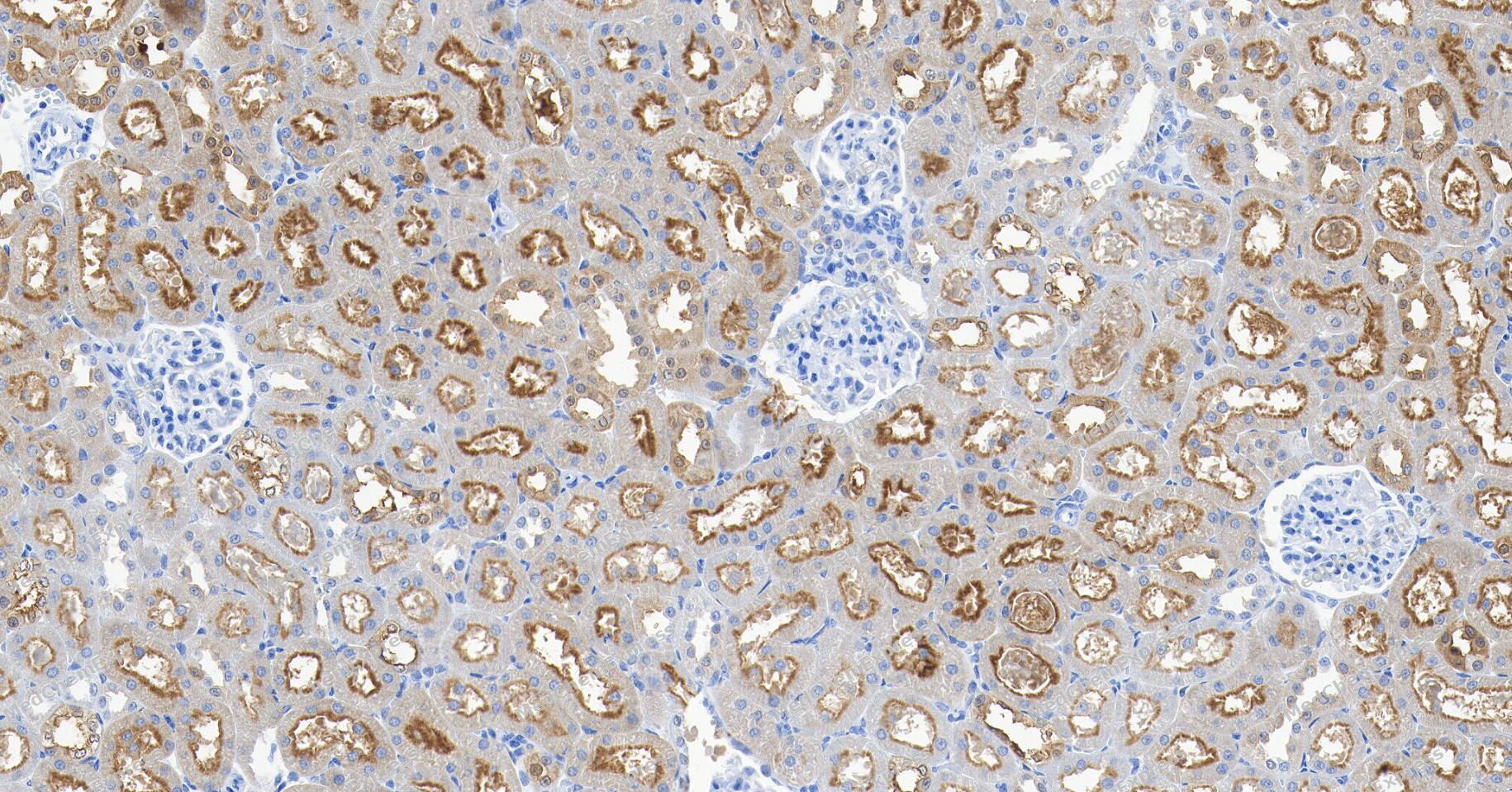 Immunohistochemical analysis of paraffin-embedded rat kidney tissue using TP53INP1 Antibody. The section was pre-treated using heat mediated antigen retrieval with Tris/EDTA buffer (pH 9.0) for 20 minutes. The tissues were probed with the primary antibody (HY-P810732, 1/100) overnight at 4℃. The detection was performed using an HRP conjugated compact polymer system (HY-P83652). DAB was used as the chromogen. Tissues were counterstained with hematoxylin and mounted with neutral balsam.
 -
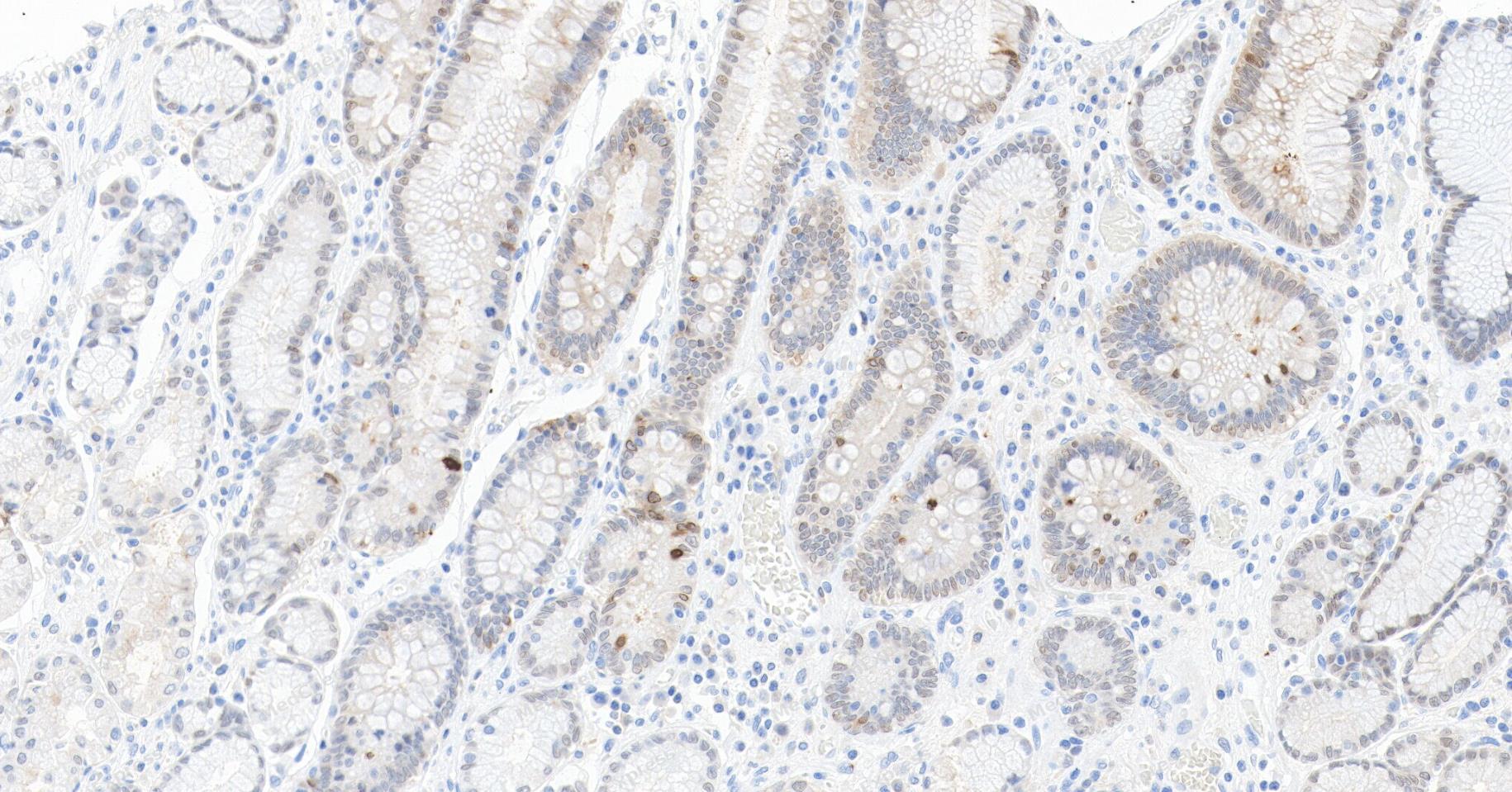 Immunohistochemical analysis of paraffin-embedded human gastric cancer tissue using TP53INP1 Antibody. The section was pre-treated using heat mediated antigen retrieval with Tris/EDTA buffer (pH 9.0) for 20 minutes. The tissues were probed with the primary antibody (HY-P810732, 1/100) overnight at 4℃. The detection was performed using an HRP conjugated compact polymer system (HY-P83652). DAB was used as the chromogen. Tissues were counterstained with hematoxylin and mounted with neutral balsam.
 -
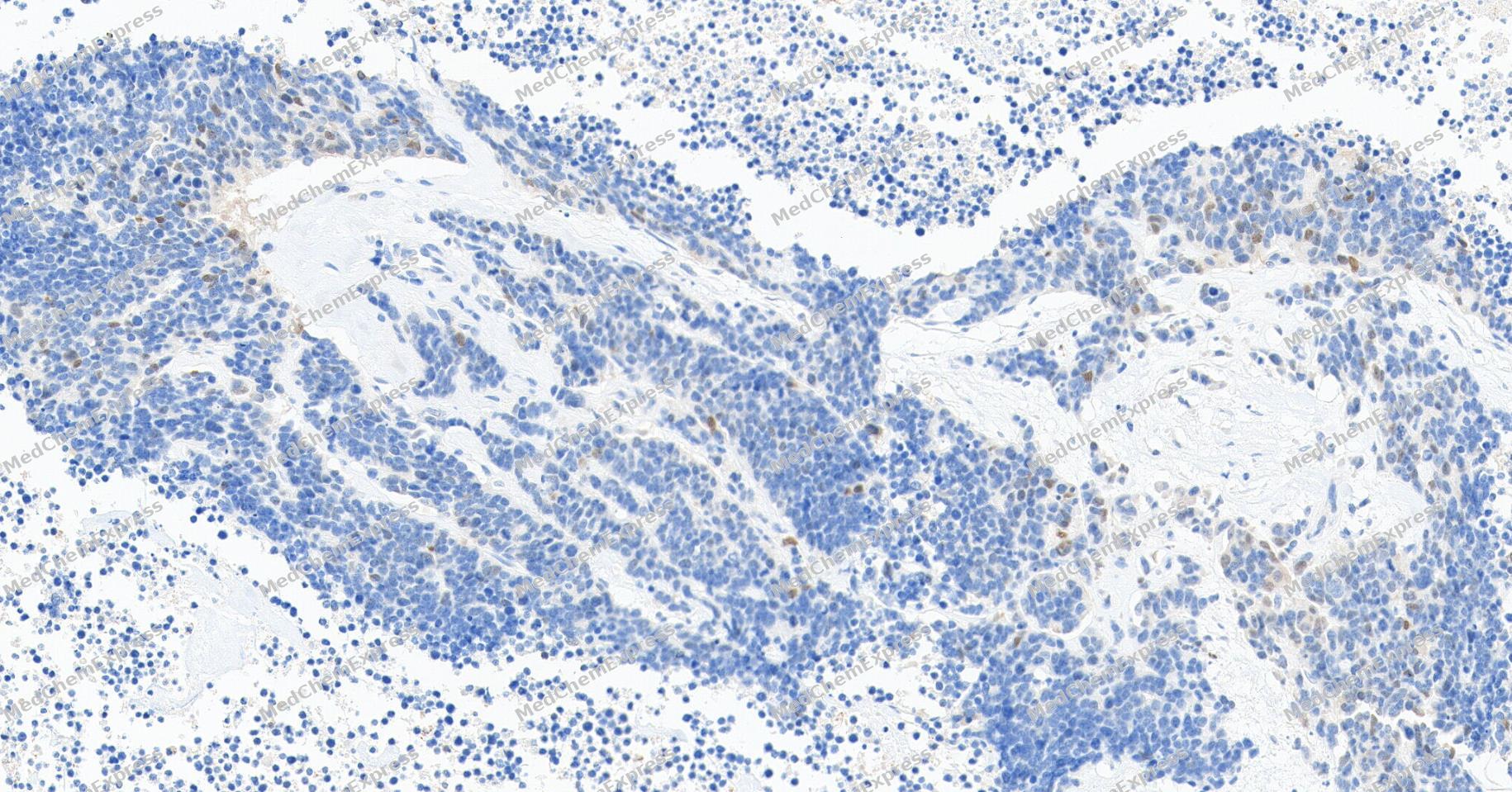 Immunohistochemical analysis of paraffin-embedded human pancreatic cancer tissue using TP53INP1 Antibody. The section was pre-treated using heat mediated antigen retrieval with Tris/EDTA buffer (pH 9.0) for 20 minutes. The tissues were probed with the primary antibody (HY-P810732, 1/200) overnight at 4℃. The detection was performed using an HRP conjugated compact polymer system (HY-P83652). DAB was used as the chromogen. Tissues were counterstained with hematoxylin and mounted with neutral balsam.
 -
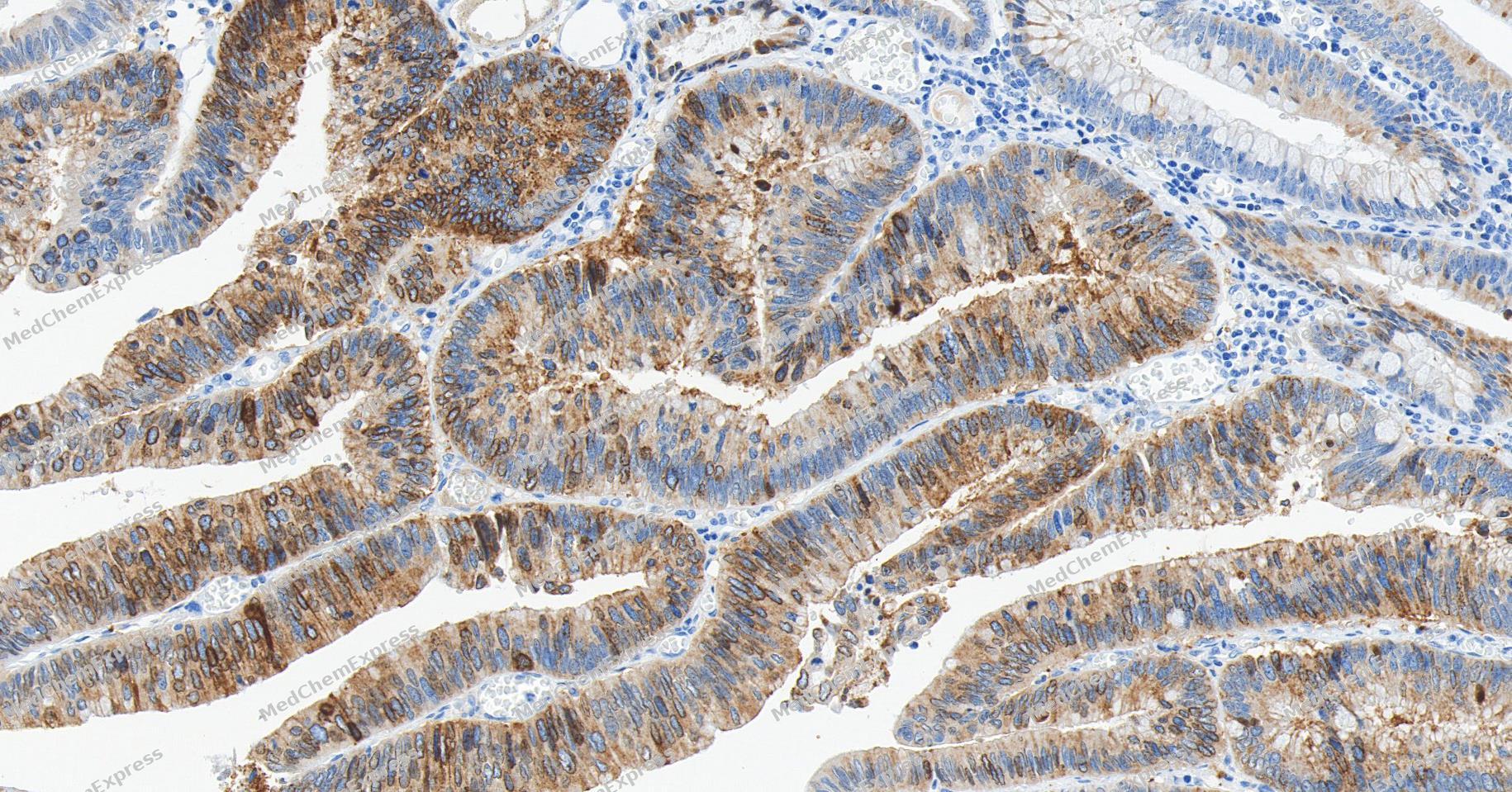 Immunohistochemical analysis of paraffin-embedded human colon cancer tissue using TP53INP1 Antibody. The section was pre-treated using heat mediated antigen retrieval with Tris/EDTA buffer (pH 9.0) for 20 minutes. The tissues were probed with the primary antibody (HY-P810732, 1/150) overnight at 4℃. The detection was performed using an HRP conjugated compact polymer system (HY-P83652). DAB was used as the chromogen. Tissues were counterstained with hematoxylin and mounted with neutral balsam.
 -
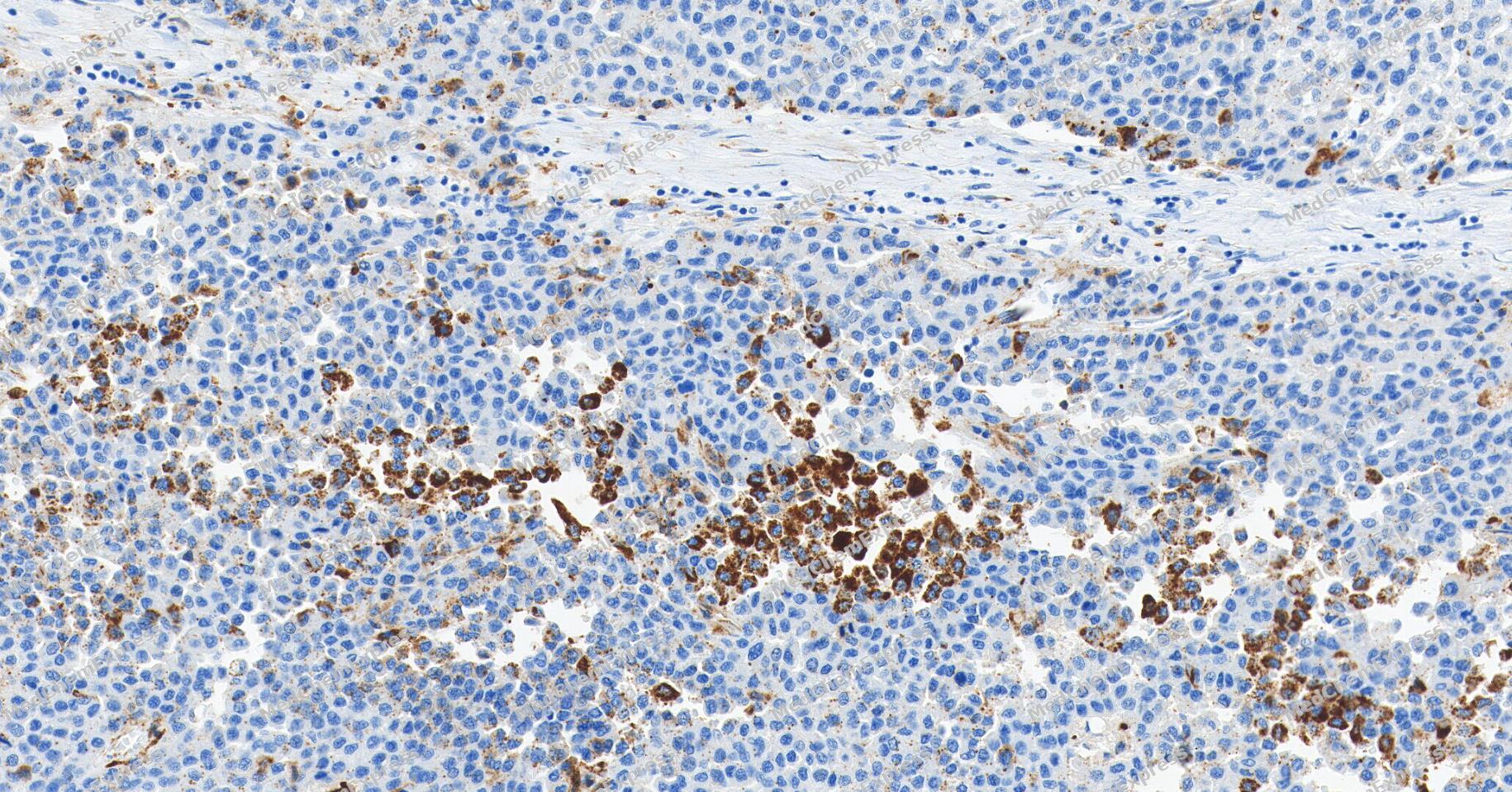 Immunohistochemical analysis of paraffin-embedded human liver cancer tissue using TP53INP1 Antibody. The section was pre-treated using heat mediated antigen retrieval with Tris/EDTA buffer (pH 9.0) for 20 minutes. The tissues were probed with the primary antibody (HY-P810732, 1/150) overnight at 4℃. The detection was performed using an HRP conjugated compact polymer system (HY-P83652). DAB was used as the chromogen. Tissues were counterstained with hematoxylin and mounted with neutral balsam.


Background
-
Function
TP53INP1 is an Antiproliferative and proapoptotic protein involved in cell stress response which acts as a dual regulator of transcription and autophagy. Acts as a positive regulator of autophagy. In response to cellular stress or activation of autophagy, relocates to autophagosomes where it interacts with autophagosome-associated proteins GABARAP, GABARAPL1/L2, MAP1LC3A/B/C and regulates autophagy. Acts as an antioxidant and plays a major role in p53/TP53-driven oxidative stress response. Possesses both a p53/TP53-independent intracellular reactive oxygen species (ROS) regulatory function and a p53/TP53-dependent transcription regulatory function. Positively regulates p53/TP53 and p73/TP73 and stimulates their capacity to induce apoptosis and regulate cell cycle. In response to double-strand DNA breaks, promotes p53/TP53 phosphorylation on 'Ser-46' and subsequent apoptosis. Acts as a tumor suppressor by inducing cell death by an autophagy and caspase-dependent mechanism. Can reduce cell migration by regulating the expression of SPARC
-
Subcellular Localization
Cytoplasm, cytosol; Nucleus; Nucleus, PML body; Cytoplasmic vesicle, autophagosome
-
Expression
Tissue_Specificity: Ubiquitously expressed.
Induction: By adriamycin, gamma irradiation and H(2)O(2), in a p53/TP53-dependent way. At lower levels by UV irradiation. By TP73. -
Isoforms & Post-Translational Modification
TP53INP1 has 2 isoforms, Q96A56-1: amino acid length is 240, molecular weight is 27366 Da (predicted); Q96A56-2: amino acid length is 164, molecular weight is 18244 Da (predicted).
-
Subunit
Interacts with p53/TP53 and HIPK2.
-
SwissProt ID
-
Synonyms
P53DINP1; SIP; Tumor protein p53-inducible nuclear protein 1; Stress-induced protein; p53-dependent damage-inducible nuclear protein 1; p53DINP1


Documentation

 Powered by Bioz
