



RUNX2 Antibody (YA6091)
(Synonyms: RUNX2; AML3; CBFA1; OSF2; PEBP2A; Runt-related transcription factor 2; Acute myeloid leukemia 3 protein; Core-binding factor subunit alpha-1; CBF-alpha-1; Oncogene AML-3Osteoblast-specific transcription factor 2; OSF-2; Polyomavirus enhancer-binding protein 2 alpha A subunit; PEA2-alpha A; PEBP2-alpha A; SL3-3 enhancer factor 1 alpha A subunit; SL3/AKV core-binding factor alpha A subunit)
Based on 1 Customer Validation
RUNX2 Antibody (YA6091) is a Rabbit-derived and non-conjugated IgG monoclonal antibody, targeting to RUNX2.
-
Host:
Rabbit
-
Isotype:
IgG
-
Application:
WB, IHC-P, ICC/IF, IP, ELISA
-
Reactivity :
Human, Mouse, Rat
-
Formulation:
Supplied in PBS, 50% glycerol, 0.05% Proclin 300, 0.05%BSA
-
Conjugation:
Non-conjugated


To place orders, for customer services and technical support, please contact: MedChemExpress USA
Tel: 609-228-6898 E-mail: [email protected] [email protected]





Applications
| Application |
IHC-P

IHC-P: Immunohistochemistry-Paraffin
|
WB
WB: Western Blot
|
ICC/IF
ICC/IF: Immunocytochemistry/
Immunofluorescence |
ELISA
ELISA: Enzyme Linked Immunosorbent Assay
|
IP
IP: Immunoprecipitation
|
|---|---|---|---|---|---|
| Dilution Ratio | 1:1000-1:5000 | 1:2000-1:10000 | 1:200-1:1000 | 1:5000-1:20000 | 1:50-1:200 |


Product Details
RUNX2 Antibody (YA6091) is a Rabbit-derived and non-conjugated IgG monoclonal antibody, targeting to RUNX2.
-
Host Rabbit

-
Clonality Monoclonal

-
Species ReactivityHuman, Mouse, Rat
-
Observed Molecular WeightObserved band size: 57 kDa
Note: Due to possible protein modifications or aggregation, the molecular weight should be confirmed by actual measurement, and the predicted value is for reference only.

-
Calculated Molecular Weight Predicted band size: 57 kDa

Protein A
Non-conjugated
Unmodified
IgG


Product Properties
-
Appearance
Solution
-
Formulation
Supplied in PBS, 50% glycerol, 0.05% Proclin 300, 0.05%BSA
-
Concentration
Batch-dependent, Please check the COA for the concentration of each lot. Check Lot Concentration
-
Storage & Stability
Stored at -20°C for 1 year. Avoid repeated freeze / thaw cycles.
-
Shipping
Shipping with blue ice.


Verification Images
-
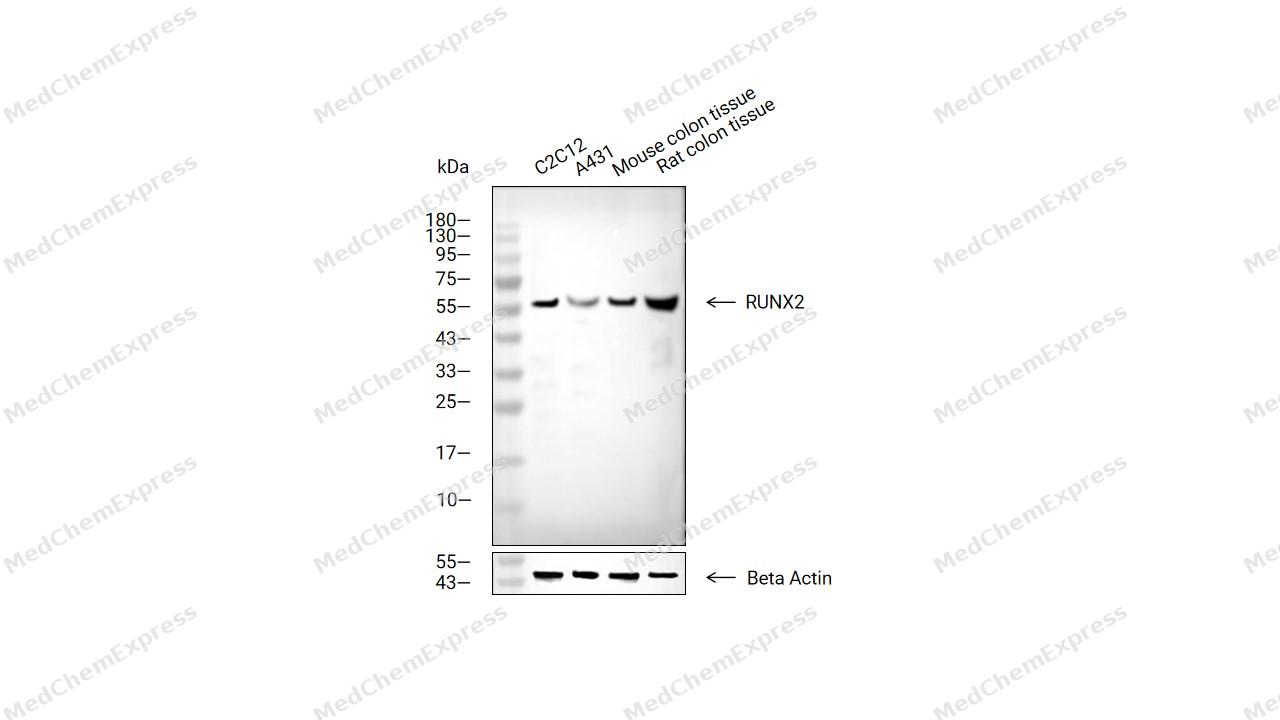 Western blot analysis of extracts from C2C12 (lane2(20μg), A431 (lane3(20μg), Mouse colon tissue (lane4(20μg) and Rat colon tissue (lane5(20μg) using RUNX2 Antibody (HY-P86399). Proteins were transferred to a PVDF membrane and blocked with 5% non-fat milk in TBST for 2 hour at room temperature. The primary antibody (1/5000) and Loading control antibody (Beta Actin, HY-P80993, 1/10,000) was used in 5% non-fat milk in TBST at 4°C overnight. Goat Anti-Rabbit IgG-HRP Secondary Antibody (HY-P8001 ,1/10,000) was used for 1 hour at room temperature.
 -
 Immunohistochemical analysis of paraffin-embedded human liver cancer tissue using RUNX2 Antibody (HY-P86399, 1/2000). The section was pretreated using heat mediated antigen retrieval with sodium citrate buffer (pH 6.0) for 8 minutes. The tissues were blocked with quick block buffer for 0.5 hours at room temperature, washed with PBS and PBST, and then incubated with the primary antibody overnight at 4℃. The detection was performed using an HRP conjugated compact polymer system. DAB was used as the chromogen. Tissues were counterstained with hematoxylin and mounted with DPX.
 -
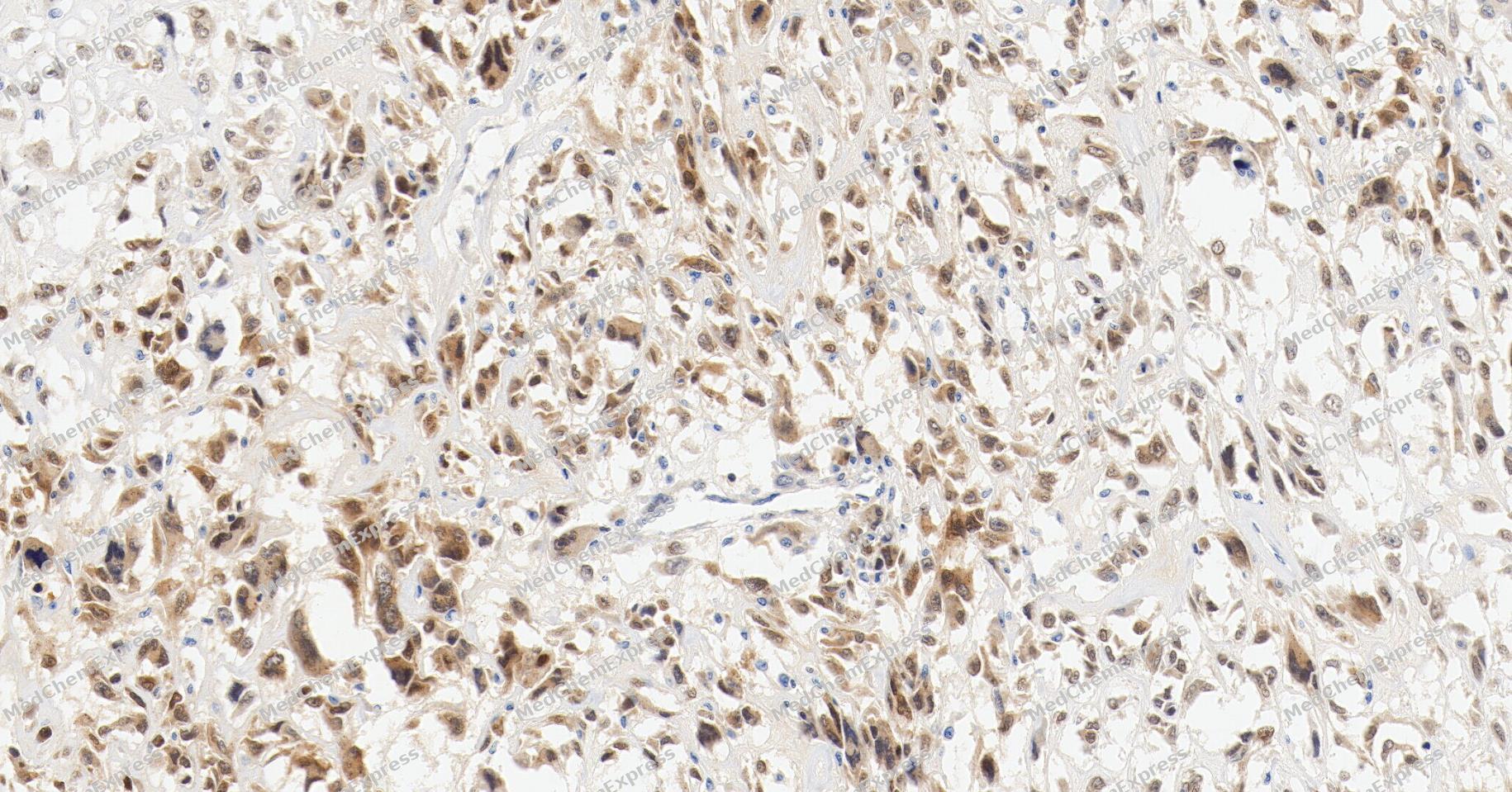 Immunohistochemical analysis of paraffin-embedded human osteosarcoma tissue using RUNX2 Antibody (YA6091). The section was pre-treated using heat mediated antigen retrieval with Tris/EDTA buffer (pH 9.0) for 20 minutes. The tissues were probed with the primary antibody (HY-P86399, 1/150) overnight at 4℃. The detection was performed using an HRP conjugated compact polymer system. DAB was used as the chromogen. Tissues were counterstained with hematoxylin and mounted with neutral balsam.
 -
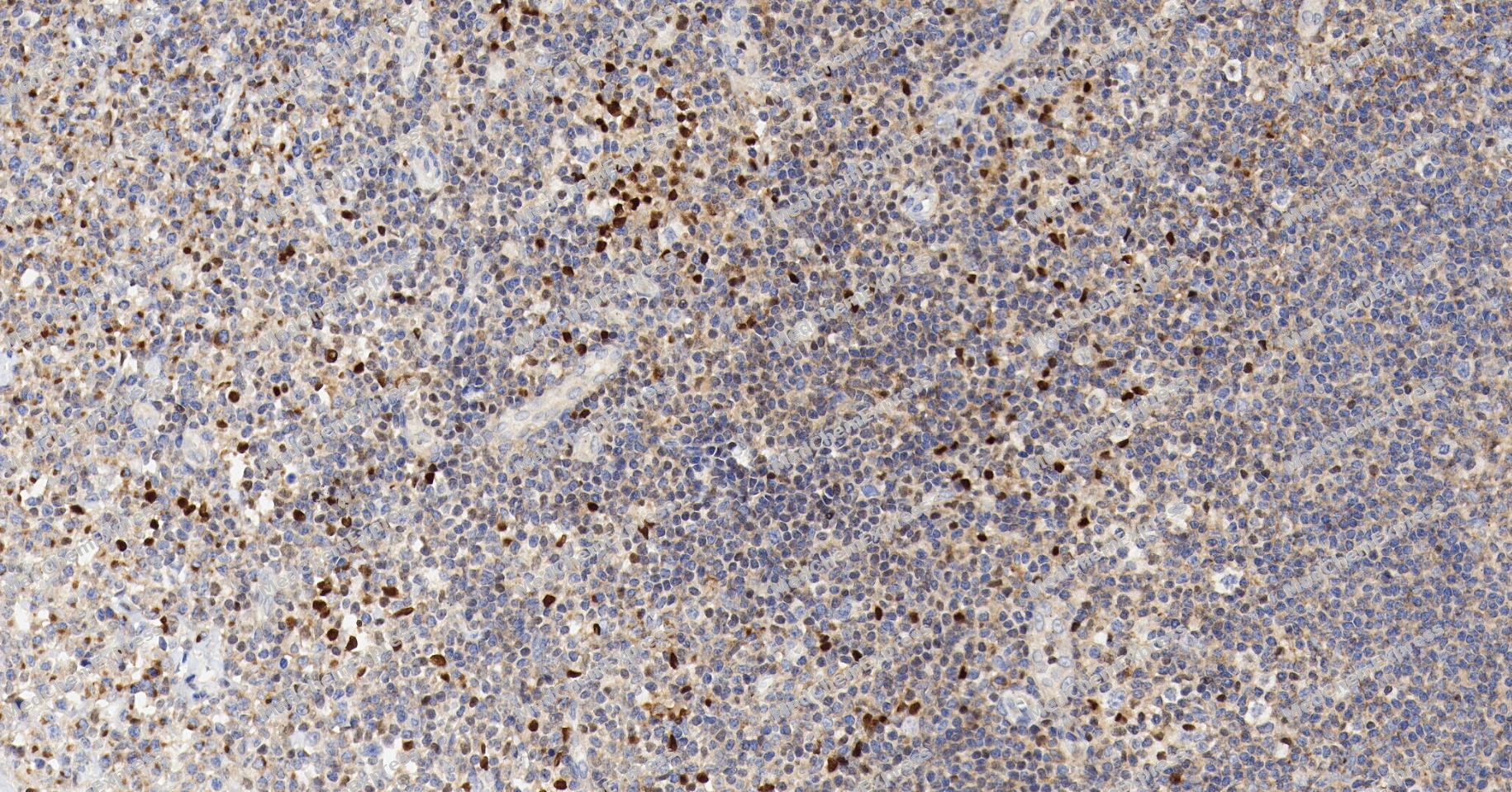 Immunohistochemical analysis of paraffin-embedded human tonsil tissue using RUNX2 Antibody (YA6091). The section was pre-treated using heat mediated antigen retrieval with Tris/EDTA buffer (pH 9.0) for 20 minutes. The tissues were probed with the primary antibody (HY-P86399, 1/150) overnight at 4℃. The detection was performed using an HRP conjugated compact polymer system. DAB was used as the chromogen. Tissues were counterstained with hematoxylin and mounted with neutral balsam.
 -
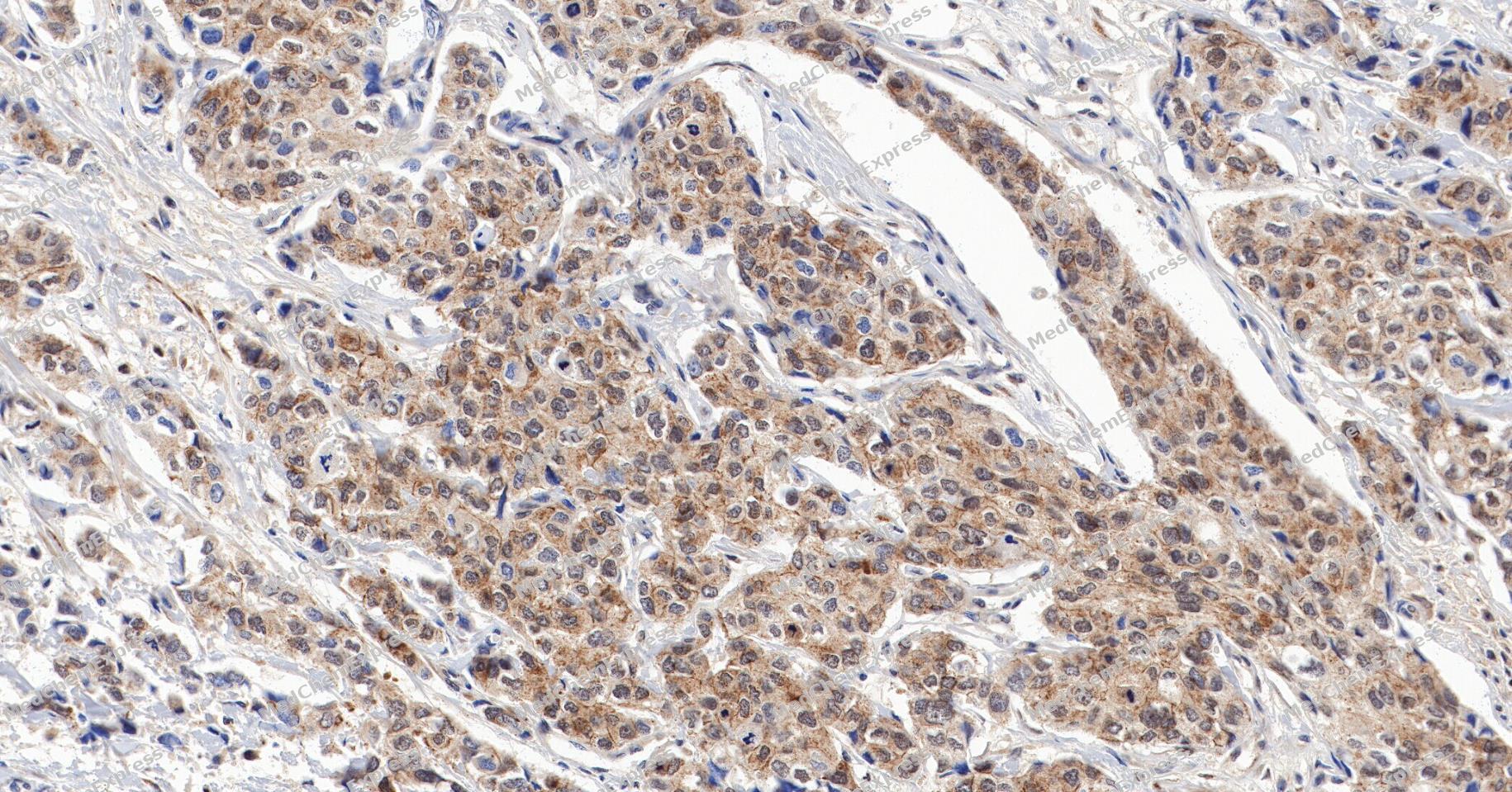 Immunohistochemical analysis of paraffin-embedded human breast cancer tissue using RUNX2 Antibody (YA6091). The section was pre-treated using heat mediated antigen retrieval with Tris/EDTA buffer (pH 9.0) for 20 minutes. The tissues were probed with the primary antibody (HY-P86399, 1/150) overnight at 4℃. The detection was performed using an HRP conjugated compact polymer system. DAB was used as the chromogen. Tissues were counterstained with hematoxylin and mounted with neutral balsam.
 -
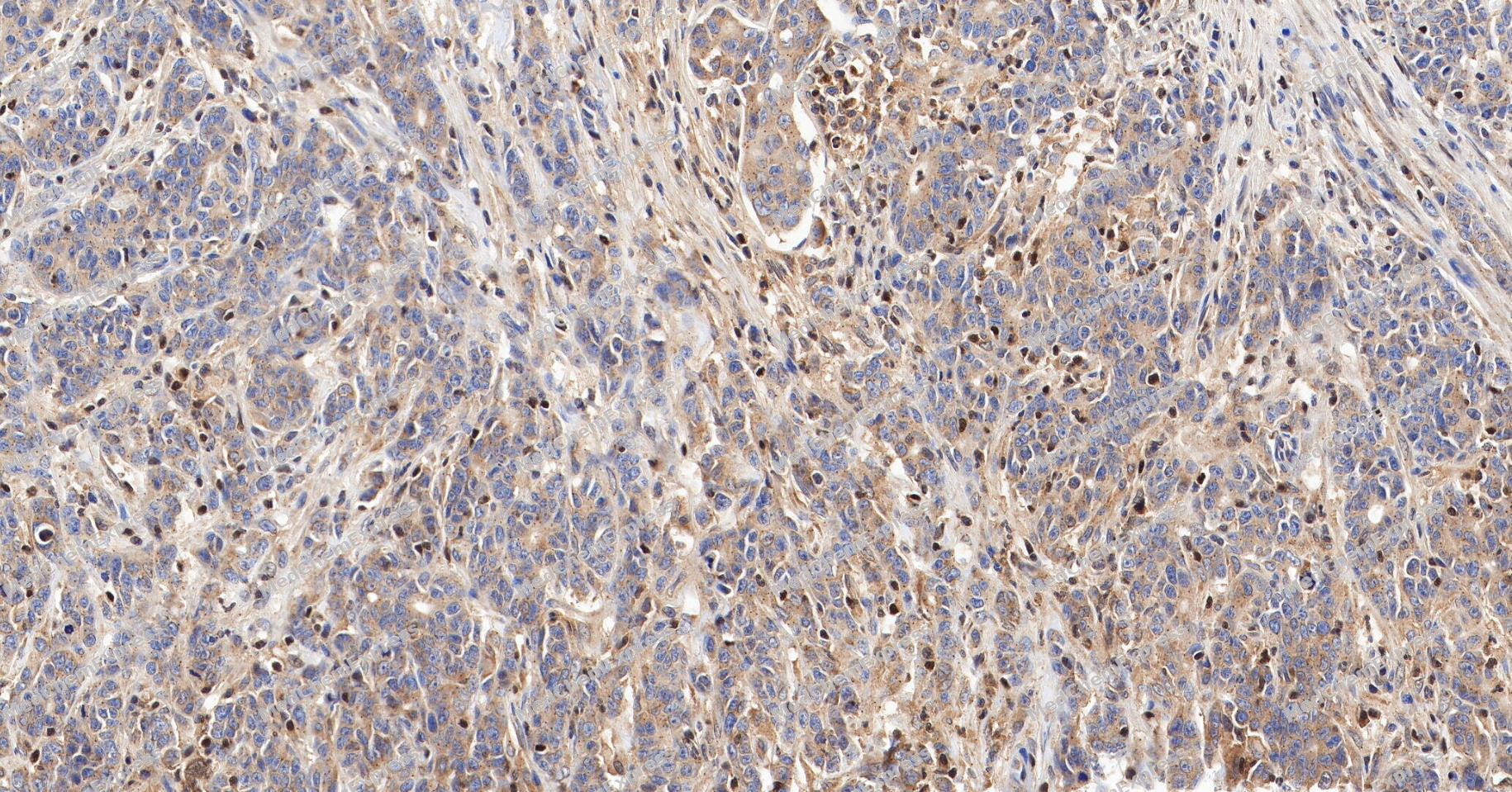 Immunohistochemical analysis of paraffin-embedded human stomach cancer tissue using RUNX2 Antibody (YA6091). The section was pre-treated using heat mediated antigen retrieval with Tris/EDTA buffer (pH 9.0) for 20 minutes. The tissues were probed with the primary antibody (HY-P86399, 1/150) overnight at 4℃. The detection was performed using an HRP conjugated compact polymer system. DAB was used as the chromogen. Tissues were counterstained with hematoxylin and mounted with neutral balsam.
 -
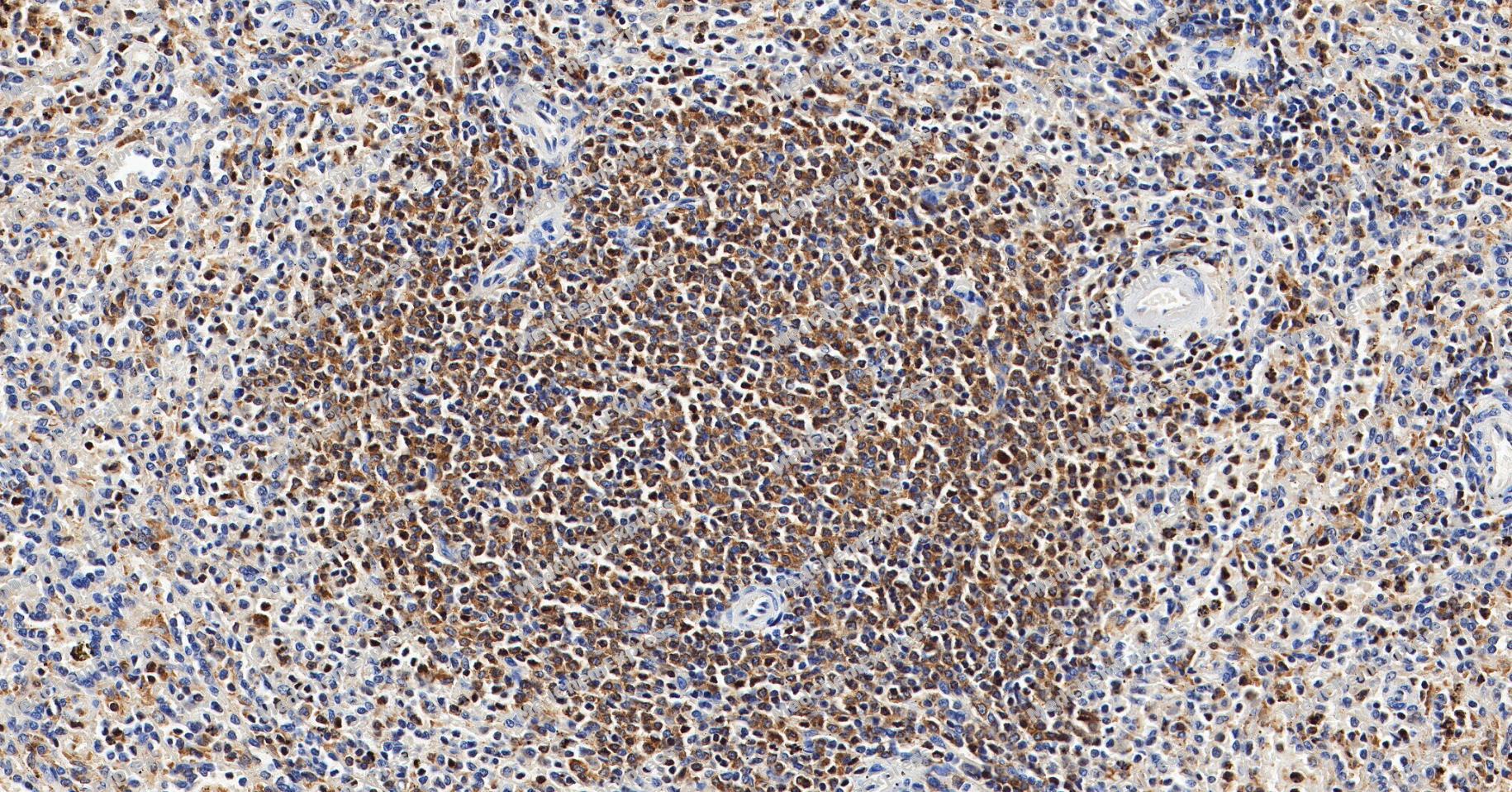 Immunohistochemical analysis of paraffin-embedded human spleen tissue using RUNX2 Antibody (YA6091). The section was pre-treated using heat mediated antigen retrieval with Tris/EDTA buffer (pH 9.0) for 20 minutes. The tissues were probed with the primary antibody (HY-P86399, 1/150) overnight at 4℃. The detection was performed using an HRP conjugated compact polymer system. DAB was used as the chromogen. Tissues were counterstained with hematoxylin and mounted with neutral balsam.
 -
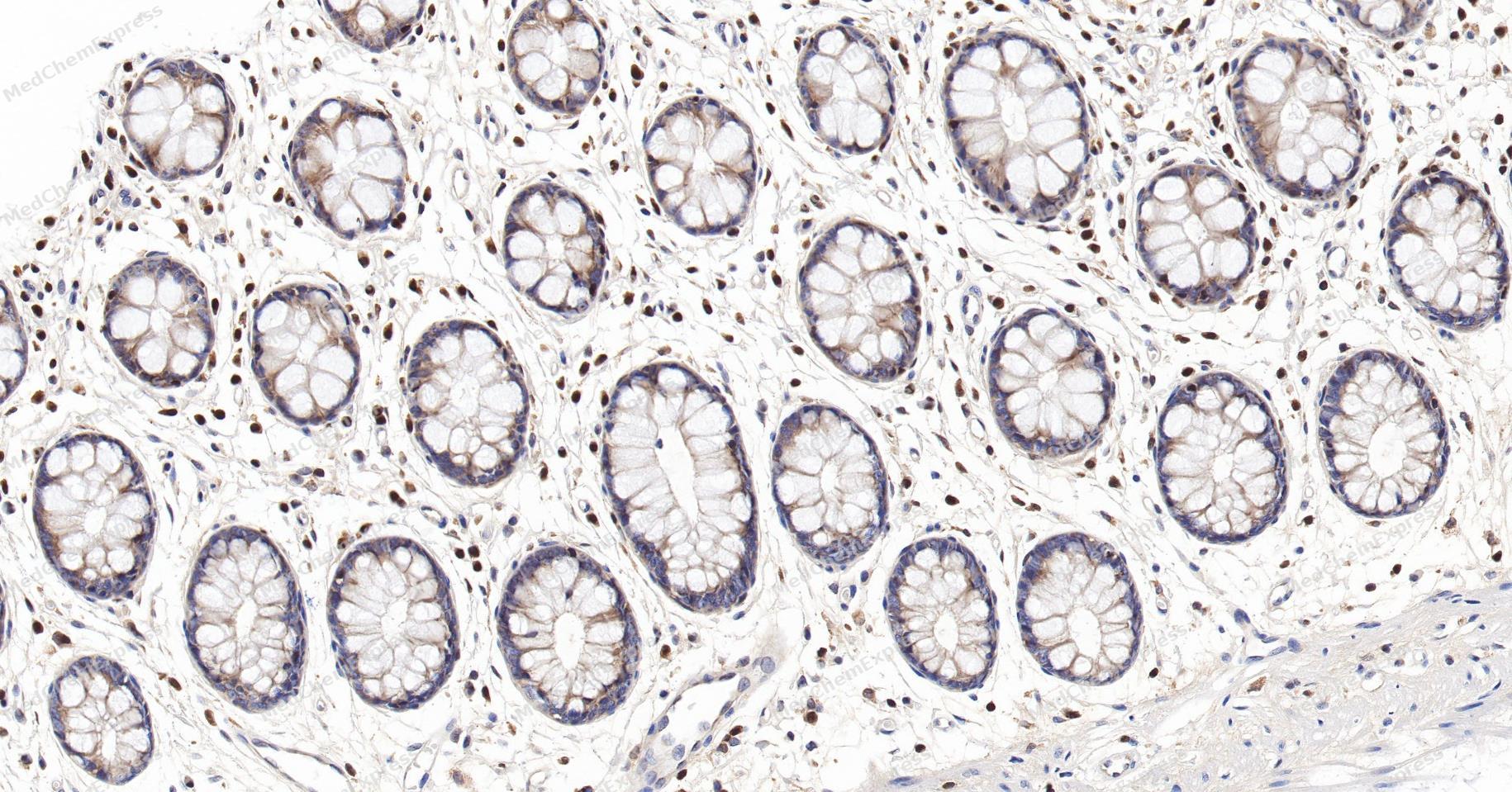 Immunohistochemical analysis of paraffin-embedded human colon tissue using RUNX2 Antibody (YA6091). The section was pre-treated using heat mediated antigen retrieval with Tris/EDTA buffer (pH 9.0) for 20 minutes. The tissues were probed with the primary antibody (HY-P86399, 1/150) overnight at 4℃. The detection was performed using an HRP conjugated compact polymer system. DAB was used as the chromogen. Tissues were counterstained with hematoxylin and mounted with neutral balsam.


Background
-
Function
RUNX2 (Runt-related transcription factor 2) is a master transcription factor that governs osteoblast differentiation, bone formation, and skeletal development by regulating osteogenic gene expression programs[1][2]. RUNX2 functions early during mesenchymal stem cell commitment to the osteoblast lineage and remains essential for progression through multiple stages of osteogenesis, while its expression is tightly controlled during osteoblast maturation[3][4]. Mechanistically, RUNX2 integrates signals from developmental and intracellular pathways, including MAPK-mediated activation and BMP-2/SMAD signaling, to coordinate transcriptional programs required for bone matrix production and mineralization[2][5]. RUNX2 also participates in chondrocyte maturation and endochondral bone development, highlighting its central role in skeletal tissue formation beyond osteoblast biology[3][6]. In disease and experimental models, loss of RUNX2 function causes profound skeletal abnormalities, and RUNX2 deficiency in mice results in the absence of osteoblasts and impaired bone formation, establishing RUNX2 as an indispensable regulator of skeletal development[3][7]. In humans, heterozygous mutations in RUNX2 cause cleidocranial dysplasia, a hereditary skeletal disorder characterized by defects in bone development[7][8]. Compared with related RUNX family members, RUNX2 exhibits a specialized role in osteoblast lineage specification and bone-forming activity, although partial functional overlap with RUNX3 has been reported during chondrocyte maturation[3]. Two major RUNX2 isoforms have been described, with evidence indicating distinct contributions to osteoblast development, where type I is associated with early osteoblastogenesis and type II contributes to later stages of osteoblastic maturation[9]. For experimental applications, RUNX2 activity is widely used as a molecular indicator of osteogenic differentiation, and modulation of BMP-2 signaling can alter RUNX2 expression in osteoblast models, providing a useful framework for studying bone formation mechanisms[5].
-
Subcellular Localization
Nucleus; Cytoplasm
-
Expression
Tissue_specificity:Specifically expressed in osteoblasts -
Isoforms & Post-Translational Modification
Q13950 has 3 isomers: Q13950-1: 56648 Da (predicted); Q13950-2: 55054 Da (predicted); Q13950-3: 54249 Da (predicted).
Phosphorylated; probably by MAP kinases (MAPK). Phosphorylation by HIPK3 is required for the SPEN/MINT and FGF2 transactivation during osteoblastic differentiation (By similarity). Phosphorylation at Ser-451 by CDK1 promotes endothelial cell proliferation required for tumor angiogenesis probably by facilitating cell cycle progression. Isoform 3 is phosphorylated on Ser-340 -
Subunit
Heterodimer of an alpha and a beta subunit. The alpha subunit binds DNA as a monomer and through the Runt domain. DNA-binding is increased by heterodimerization. Interacts with XRCC6 (Ku70) and XRCC5 (Ku80). Interacts with HIVEP3. Interacts with IFI204. Interaction with SATB2; the interaction results in enhanced DNA binding and transactivation by these transcription factors. Binds to HIPK3. Interacts with FOXO1 (via a C-terminal region); the interaction inhibits RUNX2 transcriptional activity towards BGLAP. This interaction is prevented on insulin or IGF1 stimulation as FOXO1 is exported from the nucleus (By similarity). Interacts with CCNB1, KAT6A and KAT6B. Interacts with FOXP3. Interacts with TMEM119 (By similarity). Interacts with OLFM2 (By similarity). Interacts with IPO7; the interaction inhibits RUNX2 nuclear translocation in osteoblasts (By similarity)
-
SwissProt ID
-
Synonyms
RUNX2; AML3; CBFA1; OSF2; PEBP2A; Runt-related transcription factor 2; Acute myeloid leukemia 3 protein; Core-binding factor subunit alpha-1; CBF-alpha-1; Oncogene AML-3Osteoblast-specific transcription factor 2; OSF-2; Polyomavirus enhancer-binding protein 2 alpha A subunit; PEA2-alpha A; PEBP2-alpha A; SL3-3 enhancer factor 1 alpha A subunit; SL3/AKV core-binding factor alpha A subunit


Documentation
-
Data Sheet (262 KB)
-
SDS (254 KB)
- English - EN (254 KB)
- Français - FR (254 KB)
- Deutsch - DE (254 KB)
- Norwegian - NO (254 KB)
- Español - ES (254 KB)
- Swedish - SV (254 KB)
- Italian - IT (254 KB)
- Korean - KR (254 KB)
- Portuguese - PT (254 KB)
-
User Guide for Antibodies (1077 KB)
References
[1]. Vimalraj S, et al. Runx2: Structure, function, and phosphorylation in osteoblast differentiation. Int J Biol Macromol. 2015;78:202-8. [Content Brief]
[2]. Franceschi RT, et al. Regulation of the osteoblast-specific transcription factor, Runx2: responsiveness to multiple signal transduction pathways. J Cell Biochem. 2003 Feb 15;88(3):446-54. [Content Brief]
[3]. Komori T. Regulation of Proliferation, et al. Regulation of Proliferation, Differentiation and Functions of Osteoblasts by Runx2. Int J Mol Sci. 2019 Apr 4;20(7):1694. [Content Brief]
[4]. Zhu S, et al. Cell signaling and transcriptional regulation of osteoblast lineage commitment, differentiation, bone formation, and homeostasis. Cell Discov. 2024 Jul 2;10(1):71. [Content Brief]
[6]. Liu TM, et al. Transcriptional regulatory cascades in Runx2-dependent bone development. Tissue Eng Part B Rev. 2013 Jun;19(3):254-63. [Content Brief]
[7]. Baniwal SK, et al. Runx2 promotes both osteoblastogenesis and novel osteoclastogenic signals in ST2 mesenchymal progenitor cells. Osteoporos Int. 2012 Apr;23(4):1399-413. [Content Brief]
[8]. RUNX2 gene information from NCBI.
[9]. Bruderer M, et al. Role and regulation of RUNX2 in osteogenesis. Eur Cell Mater. 2014 Oct 23;28:269-86. [Content Brief]

 Powered by Bioz
