



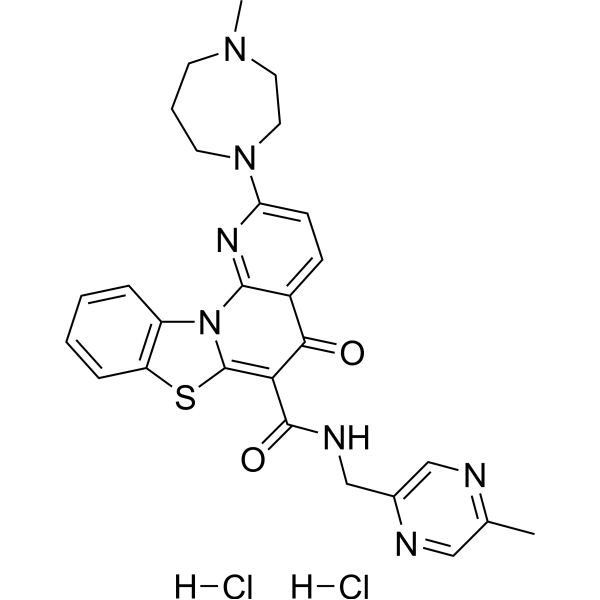
CX-5461 dihydrochloride
Based on 74 publication(s) in Google Scholar
CX-5461 dihydrochloride is a selective, orally active RNA polymerase I inhibitor. CX-5461 dihydrochloride disrupts the formation of the SL1-rDNA complex, thereby blocking the transcription initiation of ribosomal RNA without altering the activity of RNA polymerase II, DNA replication, or protein translation processes. CX-5461 dihydrochloride upregulates the expression of p21, MDM2, Sestrin1/2, and phosphorylated AMPKα, and reduces the level of phosphorylated Akt. CX-5461 dihydrochloride induces G2/G2/M cell cycle arrest, Autophagy, Apoptosis, and cellular senescence, and activates CHK1, CHK2, and RPA. CX-5461 dihydrochloride can be used in research related to osteosarcoma, cervical cancer, hematologic malignancies, high-grade serous ovarian cancer, and solid tumors.
Nos produits utilisent uniquement pour la recherche. Nous ne vendons pas aux patients.
- Pureté : 99.41%
- Formule: C27H29Cl2N7O2S
- Masse moléculaire:586.54
-
Stockage:
4°C, sealed storage, away from moisture
* In solvent : -80°C, 2 years; -20°C, 1 year (sealed storage, away from moisture)

To place orders, for customer services and technical support, please contact: MedChemExpress USA
Tel: 609-228-6898 E-mail: [email protected] [email protected]


-
 Activité biologique
-
Chemical Information
-
Solvant et solubilité
- Protocole
- Pureté et documentation
- Références
-
 Help & FAQs


-
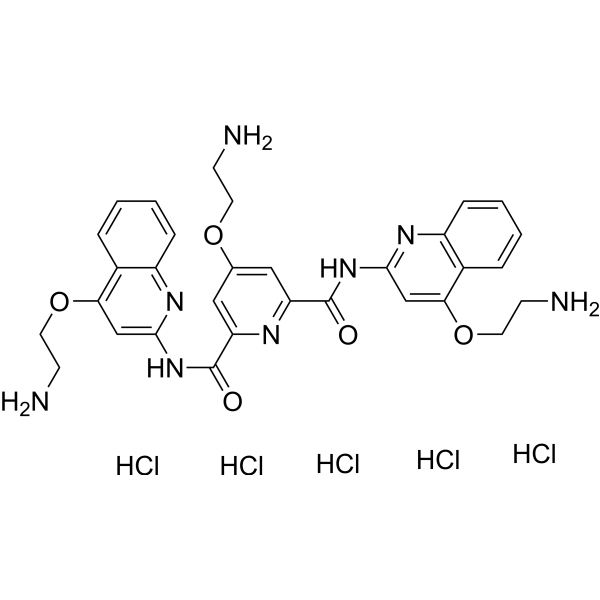
HY-15176A
Pyridostatin hydrochlorideG-quadruplex Inducer/Stabilizer -
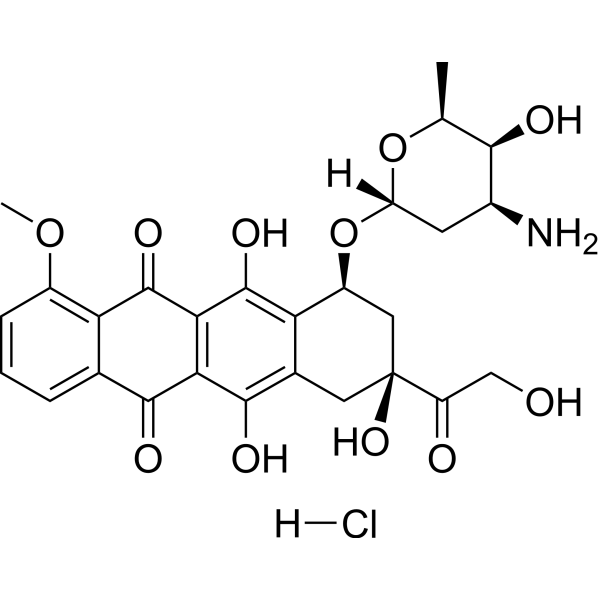
HY-15142
Doxorubicin hydrochlorideTopoisomerase Inhibitor -
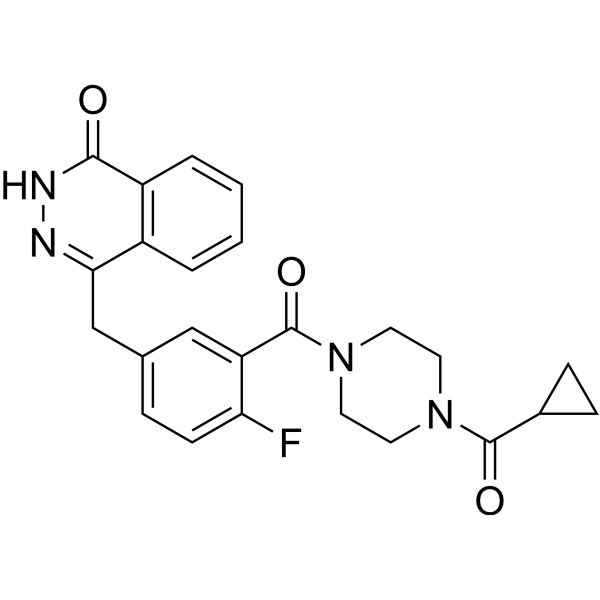
HY-10162
OlaparibPARP Inhibitor -
HY-13629
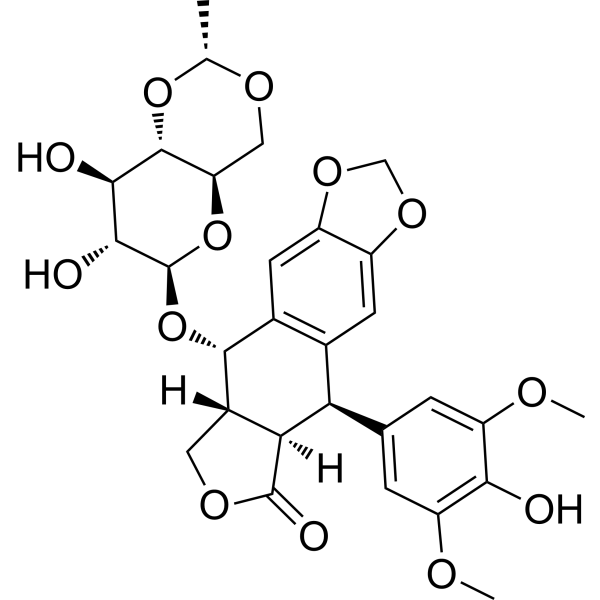
EtoposideTopoisomerase II Inhibitor -
HY-70002
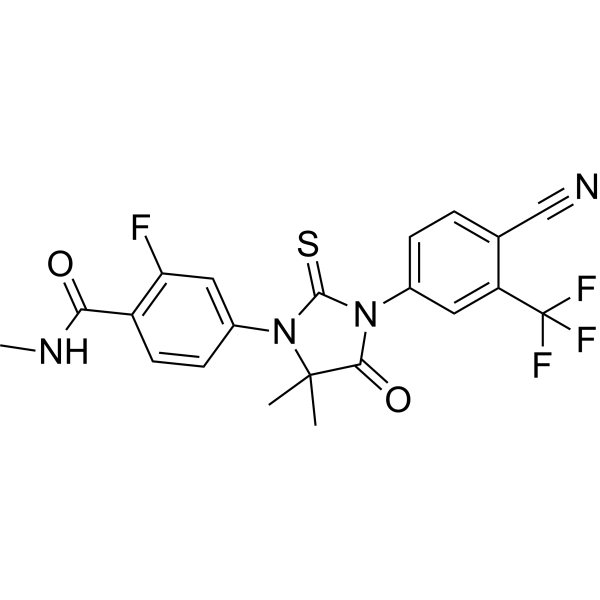
EnzalutamideAndrogen Receptor Antagonist -
HY-10182
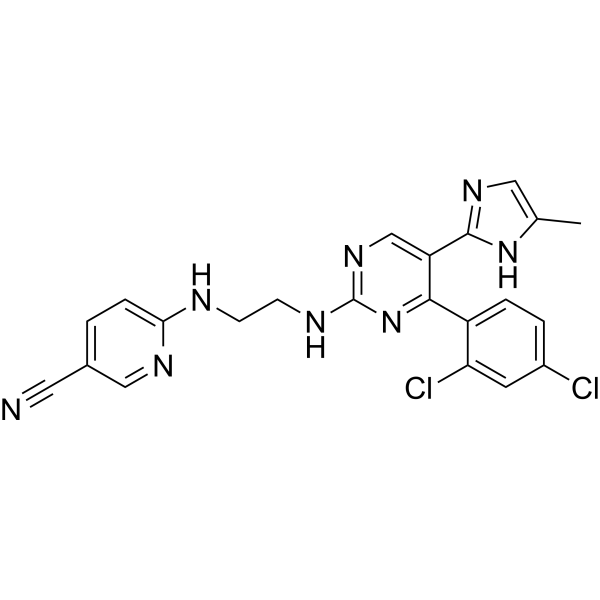
LaduviglusibGSK-3 Inhibitor -
HY-148439
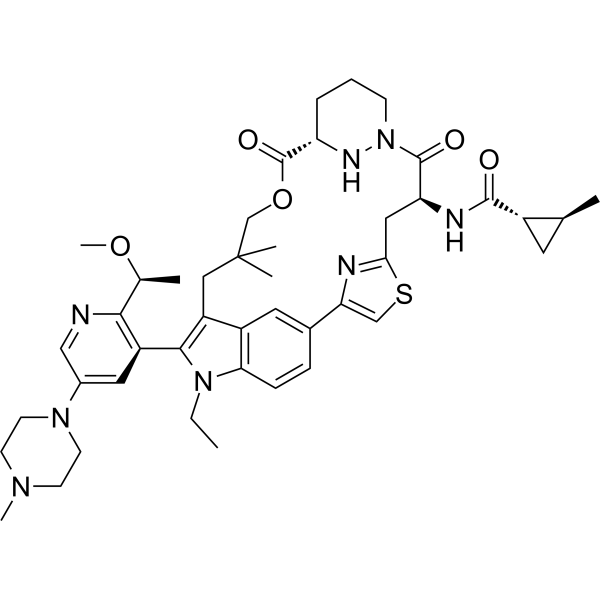
DaraxonrasibRAS(ON) Inhibitor -
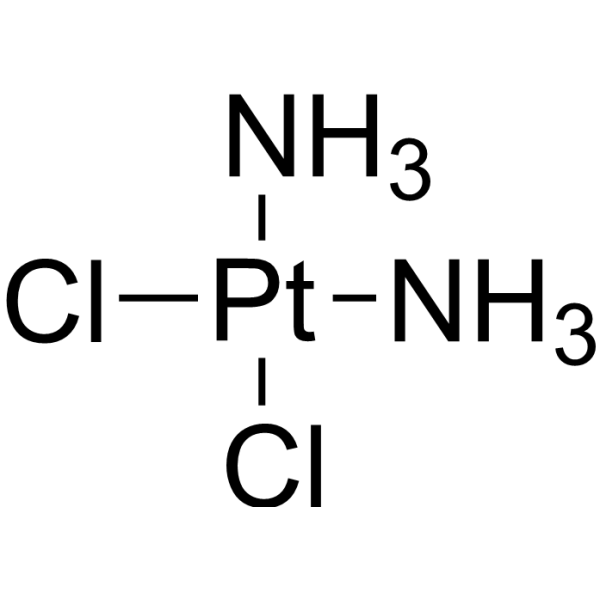
HY-17394
CisplatinDNA Alkylator -
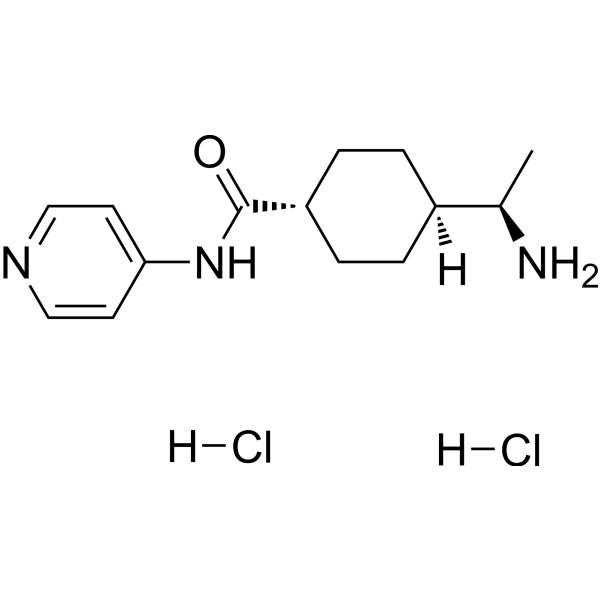
HY-10583
Y-27632 dihydrochlorideROCK Inhibitor -
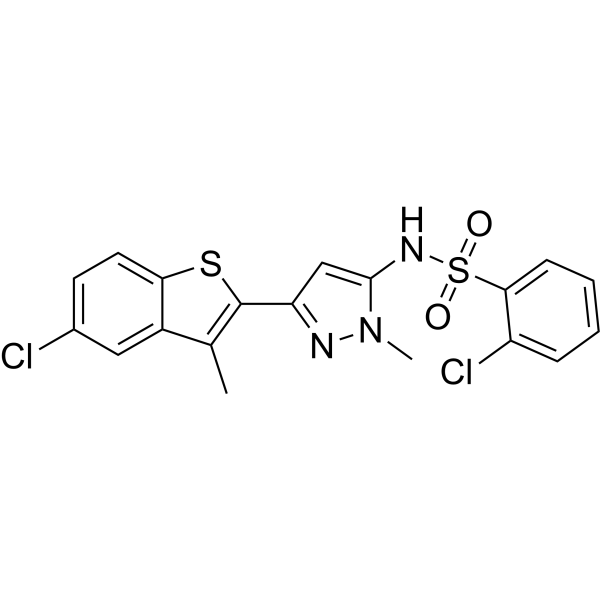
HY-122122
ML-60218RNA pol III Inhibitor -
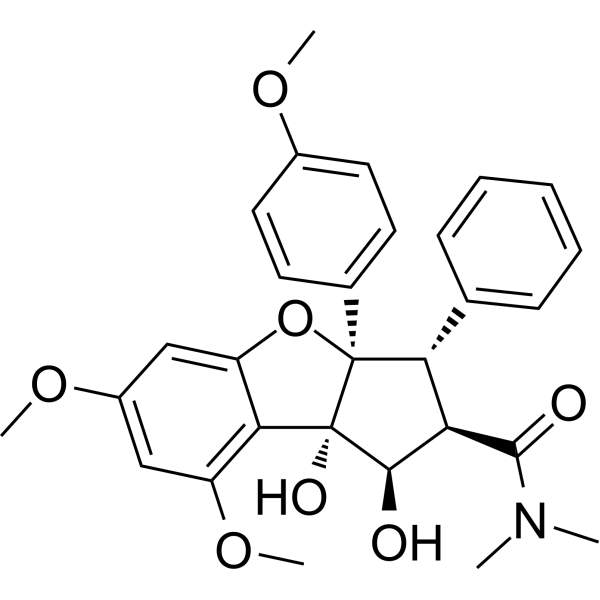
HY-19356
RocaglamideNF-κB Inhibitor -
HY-12484
BMH-21DNA Intercalator/Pol I Elongation Inhibitor
Publications Citing Use of MedChemExpress (MCE) CX-5461 dihydrochloride
More- Nature. 2025 Aug;644(8076):557-566. [Abstract]
- Science. 2026 Feb 26;391(6788):eadz3121. [Abstract]
- Cell. 2024 Mar 28;187(7):1701-1718.e28. [Abstract]
- Mol Cancer. 2024 Dec 20;23(1):275. [Abstract]
- Nat Cell Biol. 2022 Jul;24(7):1154-1164. [Abstract]
- Cancer Res. 2022 Mar 15;82(6):1013-1024. [Abstract]
- J Extracell Vesicles. 2023 Oct;12(10):e12361. [Abstract]
- Nat Commun. 2026 Feb 2;17(1):2252. [Abstract]
- Nat Commun. 2025 Jul 14;16(1):6489. [Abstract]
- Nat Commun. 2025 Jan 4;16(1):390. [Abstract]
- Nat Commun. 2025 Jan 2;16(1):121. [Abstract]
- Nat Commun. 2024 Feb 9;15(1):1231. [Abstract]
- Nat Commun. 2022 Jun 28;13(1):3706. [Abstract]
- Nat Commun. 2017 Sep 25;8(1):693. [Abstract]
- Mol Cell. 2025 Sep 18;85(18):3425-3442.e10. [Abstract]
- Nucleic Acids Res. 2022 May 6;50(8):4574-4600. [Abstract]
- Sci Adv. 2023 Sep;9(35):eadg7125. [Abstract]
- Mol Biomed. 2026 Apr 17;7(1):53. [Abstract]
- Blood Cancer Discov. 2026 Jul 1;7(4):624-641. [Abstract]
- Cell Death Dis. 2025 Nov 7;16(1):812. [Abstract]
- Cell Death Dis. 2024 Mar 29;15(3):236. [Abstract]
- Cell Commun Signal. 2022 Sep 5;20(1):96. [Abstract]
- Clin Cancer Res. 2017 Nov 1;23(21):6529-6540. [Abstract]
- Acta Biomater. 2018 Oct 1:79:317-330. [Abstract]
- J Transl Med. 2024 Dec 25;22(1):1147. [Abstract]
- Dev Cell. 2026 Mar 12:S1534-5807(26)00079-1. [Abstract]
- Int J Biol Macromol. 2025 Sep;322(Pt 1):146723. [Abstract]
- Int J Biol Macromol. 2025 Jun;315(Pt 1):144179. [Abstract]
- Mol Ther Oncol. 2024 Feb 7;32(1):200771. [Abstract]
- EMBO J. 2026 Jul 23. [Abstract]
- Free Radic Biol Med. 2024 Oct:223:325-340. [Abstract]
- EMBO Mol Med. 2021 Mar 5;13(3):e12834. [Abstract]
- Cell Prolif. 2025 Oct;58(10):e70052. [Abstract]
- Anal Chem. 2025 Jun 10;97(22):11617-11626. [Abstract]
- Mol Cancer Ther. 2018 Jun;17(6):1177-1186. [Abstract]
- Eur J Med Chem Rep. 2025 Dec.
- Life Sci. 2026 Jun 9:401:124530. [Abstract]
- J Cell Biol. 2023 Jan 2;222(1):e202202110. [Abstract]
- Matrix Biol. 2024 Dec:134:93-106. [Abstract]
- Eur J Pharmacol. 2025 Sep 15:1003:177942. [Abstract]
- Int Immunopharmacol. 2026 Oct 15:187:117229.
- Molecules. 2019 Dec 4;24(24):4445. [Abstract]
- Am J Pathol. 2021 Jun;191(6):1094-1107. [Abstract]
- Cell Signal. 2025 Nov:135:111998. [Abstract]
- FASEB J. 2020 Jun;34(6):8283-8295. [Abstract]
- Development. 2024 Nov 1;151(21):dev202875. [Abstract]
- Exp Cell Res. 2025 Jun 2;450(2):114629. [Abstract]
- Biochimie. 2022 Apr 20;199:81-91. [Abstract]
- Invest New Drugs. 2021 Oct;39(5):1213-1221. [Abstract]
- Biol Reprod. 2026 Aug 23:ioag178.
- Tissue Cell. 2025 Dec:97:103093. [Abstract]
- Open Biol. 2025 Feb;15(2):240183. [Abstract]
- Life Sci Alliance. 2019 Feb 26;2(2):e201800222. [Abstract]
- Biochim Biophys Acta Gen Subj. 2018 Mar;1862(3):615-629. [Abstract]
- G3 (Bethesda). 2026 Mar 4;16(3):jkag008. [Abstract]
- bioRxiv. 2026 Apr 4.
- Res Sq. 2026 Apr 2.
- bioRxiv. 2026 Mar 18.
- Autophagy Rep. 2026 Feb 13;5(1):2624259. [Abstract]
- bioRxiv. 2026 Jan 7.
- bioRxiv. 2025 Nov 20:2025.11.19.689351. [Abstract]
- bioRxiv. 2025 Aug 19.
- bioRxiv. 2025 Jul 23.
- bioRxiv. 2025 May 10.
- bioRxiv. 2025 January 21.
- bioRxiv. 2024 November 28.
- bioRxiv. 2024 Oct 13:2024.10.12.614958. [Abstract]
- bioRxiv. 2024 Sep 29:2024.09.28.615444. [Abstract]
- bioRxiv. 2023 Jan 31.
- Utrecht University. 2023 Feb.
- bioRxiv. 2021 Dec.
- Biomed Pharmacother. 2021 Jan:133:110906. [Abstract]
- Patent. US20190169215A1
- Oncotarget. 2017 Oct 29;8(57):96536-96552. [Abstract]
 Customer Validation & Images

-
Cell Proliferation/Viability Assay

-
Cell Proliferation/Viability Assay

-
Cell Imaging/Staining

-
RT-PCR

-
WB

Voir tous les produits spécifiques à Isoform DNA/RNA Synthesis
MoreVoir tous les produits spécifiques à Isoform AMPK
More

Activité biologique
Description
IC50 & Target
|
RNA Polymerase |
AMPKα |
Chk1 |
Chk2 |
In Vitro
CX-5461 (0.5-5 μM; 72 h) dihydrochloride inhibits the proliferation of MNNG/HOS and U2-OS osteosarcoma cell lines and induces G2 phase cell cycle arrest (but does not induce apoptosis), with an IC50 of 0.5-1.5 μM; this drug exerts stronger efficacy on MNNG/HOS cells, while exerting minimal effects on normal NIH3T3 fibroblasts[1].
CX-5461 (1-5 μM; 72 h) dihydrochloride inhibits mTOR activity in MNNG/HOS and U2-OS osteosarcoma cell lines. Its mechanism of action involves downregulating the Akt/mTOR signaling pathway in MNNG/HOS cells, while upregulating the AMPK/mTOR signaling pathway in U2-OS cells[1].
CX-5461 dihydrochloride inhibits the viability of cervical cancer C33A cells, HeLa cells, and normal keratinocyte HaCat cells, with distinct IC50 values for each cell line[2].
CX-5461 dihydrochloride potently and selectively inhibits Pol I-mediated rRNA transcription, exhibiting 200- to 300-fold higher selectivity for Pol I transcription over Pol II-mediated transcription in HCT-116, A375 and MIA PaCa-2 solid tumor cells[5].
CX-5461 dihydrochloride induces p53-dependent apoptotic cell death in p53 wild-type hematologic cancer cell lines (SR, MV 4;11), with viability IC50 values of 5 nM and 12 nM, respectively, while p53-null K562 cells show 10- to 20-fold reduced sensitivity[3].
CX-5461 (300 nM; 24 h) dihydrochloride induces autophagy in A375 melanoma cells and MIA PaCa-2 pancreatic cancer cells, which is evidenced by enhanced LC3B-II staining and concentration-dependent accumulation of acidic vesicular organelles[5].
CX-5461 (300 nM; 24 h) dihydrochloride induces cellular senescence in A375 melanoma cells and MIA PaCa-2 pancreatic cancer cells, as detected by senescence-associated β-galactosidase staining[5].
MedChemExpress (MCE) has not independently confirmed the accuracy of these methods. They are for reference only.
-
Cell Line:human osteosarcoma MNNG/HOS (mutant p53), U2-OS (wild-type p53), murine NIH3T3 fibroblast
-
Concentration:0.5-5 μM (viability assays); 0.5-5 μM (cell cycle analysis)
-
Incubation Time:72 h (viability assays); 72 h (cell cycle analysis)
-
Result:Markedly reduced cell viability in MNNG/HOS and U2-OS cells with IC50 values of 0.5-1.5 μM.
Reduced viability at a slightly lower concentration in MNNG/HOS cells compared to U2-OS cells.
Showed no clear effect on NIH3T3 cells.
Induced accumulation of MNNG/HOS and U2-OS cell populations in the G2 fraction with no sub-G1 peak.
Caused no significant cell cycle changes in NIH3T3 cells.
-
Cell Line:human osteosarcoma MNNG/HOS, U2-OS
-
Concentration:1-5 μM
-
Incubation Time:72 h
-
Result:Inhibited phosphorylated mTOR (Ser2448) expression in a dose-dependent manner in both cell lines without affecting total mTOR levels.
Downregulated phosphorylated Akt (Ser473) in MNNG/HOS cells with no change to phosphorylated AMPKα (Thr172).
Upregulated phosphorylated AMPKα (Thr172) in U2-OS cells with no change to phosphorylated Akt (Ser473).
In Vivo
CX-5461 (50 mg/kg; once every 3 days; 3 total doses) dihydrochloride prolongs survival of mice with p53 wild-type Eμ-Myc lymphoma, restores white blood cell counts, eliminates >99% of peripheral blood tumor cells, and preserves normal B cells with minimal adverse effects[3].
CX-5461 (125 mg/kg; i.p.; once weekly; 25 days) dihydrochloride potently inhibits growth of human MV 4;11 biphenotypic B myelomonocytic leukemia xenografts in nude mice, induces p53 target gene expression, and is well tolerated[3].
CX-5461 (50 mg/kg; p.o.; once daily, every 3 days) dihydrochloride produces 69% tumor growth inhibition in a murine MIA PaCa-2 pancreatic carcinoma xenograft model with favorable tolerability[5].
CX-5461 (50 mg/kg; p.o.; once daily, every 3 days) dihydrochloride produces 79% tumor growth inhibition in a murine A375 melanoma xenograft model with favorable tolerability[5].
CX-5461 (50 mg/kg; p.o.; single dose) dihydrochloride represses Pol I transcription by 84% in p53 wild-type Eμ-Myc lymphoma cells in vivo, reduces tumor burden and spleen size to near-normal levels, and induces p53-mediated apoptosis within 24 hr while sparing normal cells[3].
MedChemExpress (MCE) has not independently confirmed the accuracy of these methods. They are for reference only.
-
Animal Model:athymic nu/nu (5-week-old female; subcutaneous xenograft model via injection of 5×10⁶ U2-OS cells)[1]
-
Dosage:50 mg/kg
-
Administration:i.p.; five consecutive days per week; 3 weeks
-
Result:Reduced tumor volume to approximately 450 mm3 by day 21 post-treatment initiation, versus ~850 mm3 in the vehicle group.
Showed no significant body weight loss compared to controls.
-
Animal Model:C57BL/6 (wild-type recipients; p53 wild-type Eμ-Myc lymphoma cells on C57BL/6 background)[3]
-
Dosage:50 mg/kg
-
Administration:p.o.; single dose
-
Result:Repressed Pol I transcription in lymph node tumor cells by 84% at 1 hr posttreatment.
Reduced lymph node tumor burden to 3.1% GFP-tagged malignant cells at 24 hr posttreatment.
Reduced spleen weight to 0.14 g at 24 hr posttreatment.
Detected activation of p53 and p21, and markers of apoptosis including cleaved CASPASE 3 and increased subG1 cell population within 6 hr of treatment.
-
Animal Model:CrTac:Ncr-Foxn1nu (female, 6-8 weeks old)[3]
-
Dosage:125 mg/kg
-
Administration:i.p.; once weekly; 25 days
-
Result:Exhibited potent antitumor activity, with significant inhibition of tumor growth over the 25-day study period.
Increased tumor levels of the p53 transcriptional target gene p21 relative to vehicle-treated mice.
Showed well-tolerated treatment.
-
Animal Model:NCr nu/nu fisol (5- to 6-week-old female, Balb/c origin, subcutaneous inoculation of 5×10⁶ MIA PaCa-2 human pancreatic cancer cells)[5]
-
Dosage:50 mg/kg
-
Administration:p.o.; once daily, every 3 days
-
Result:Achieved 69% tumor growth inhibition (TGI) on day 31.
Showed no significant changes in animal body weights.
-
Animal Model:NCr nu/nu fisol (5- to 6-week-old female, Balb/c origin, subcutaneous inoculation of 5×10⁶ A375 human melanoma cells)[5]
-
Dosage:50 mg/kg
-
Administration:p.o.; once daily, every 3 days
-
Result:Achieved 79% tumor growth inhibition (TGI) on day 32.
Showed no significant changes in animal body weights.
- RNA extraction experimental
- Annexin V plus membrane-impermeant dye apoptosis staining
- BrdU Incorporation Assay
- Protocol for Cell Cycle
- Senescence-associated β-galactosidase staining
- Detection of Apoptosis
- TUNEL staining for apoptotic DNA fragmentation
- PCNA Immunodetection Proliferation Assay
- Flow cytometric DNA-content cell-cycle staining
- Autophagy
- Apoptosis Solutions
- Lysosome and acidic-vesicle live-cell staining
- Macroautophagy Solutions


Chemical Information
-
Appearance Solid
-
Masse moléculaire 586.54
-
Formule C27H29Cl2N7O2S
-
Color Light yellow to yellow
-
SMILES
[H]Cl.CC1=NC=C(CNC(C2=C3N(C4=NC(N5CCN(CCC5)C)=CC=C4C2=O)C6=C(S3)C=CC=C6)=O)N=C1.[H]Cl
-
Livraison
Room temperature in continental US; may vary elsewhere.
-
Stockage
4°C, sealed storage, away from moisture
* In solvent : -80°C, 2 years; -20°C, 1 year (sealed storage, away from moisture)


Publications (74)
-
Journal Impact Factor
-
Most Recent
-
Nature
2025 Aug;644(8076):557-566. PMID: 40604277 -
Science
Different repair pathways support intact or truncated insertions by R2 retrotransposon protein. [Abstract]2026 Feb 26;391(6788):eadz3121. PMID: 41231928 -
Cell
2024 Mar 28;187(7):1701-1718.e28. PMID: 38503283 -
Mol Cancer
AI-based classification of anticancer drugs reveals nucleolar condensation as a predictor of immunogenicity. [Abstract]2024 Dec 20;23(1):275. PMID: 39702289 -
Nat Cell Biol
Stalled replication fork protection limits cGAS-STING and P-body-dependent innate immune signalling. [Abstract]2022 Jul;24(7):1154-1164. PMID: 35817959 -
Cancer Res
Combined Inactivation of CTPS1 and ATR Is Synthetically Lethal to MYC-Overexpressing Cancer Cells. [Abstract]2022 Mar 15;82(6):1013-1024. PMID: 35022212 -
J Extracell Vesicles
Plant exosomes fused with engineered mesenchymal stem cell-derived nanovesicles for synergistic therapy of autoimmune skin disorders. [Abstract]2023 Oct;12(10):e12361. PMID: 37859568 -
Nat Commun
2026 Feb 2;17(1):2252. PMID: 41629347 -
Nat Commun
2025 Jul 14;16(1):6489. PMID: 40659667 -
Nat Commun
2025 Jan 4;16(1):390. PMID: 39755675 -
Nat Commun
G-quadruplex stabilization provokes DNA breaks in human PKD1, revealing a second hit mechanism for ADPKD. [Abstract]2025 Jan 2;16(1):121. PMID: 39747084 -
Nat Commun
Androgen deprivation induces double-null prostate cancer via aberrant nuclear export and ribosomal biogenesis through HGF and Wnt activation. [Abstract]2024 Feb 9;15(1):1231. PMID: 38336745 -
Nat Commun
Glutamine deficiency in solid tumor cells confers resistance to ribosomal RNA synthesis inhibitors. [Abstract]2022 Jun 28;13(1):3706. PMID: 35764642 -
Nat Commun
A role for Tau protein in maintaining ribosomal DNA stability and cytidine deaminase-deficient cell survival. [Abstract]2017 Sep 25;8(1):693. PMID: 28947735 -
Mol Cell
2025 Sep 18;85(18):3425-3442.e10. PMID: 40914169 -
Nucleic Acids Res
Guanine quadruplexes in the RNA genome of the tick-borne encephalitis virus: their role as a new antiviral target and in virus biology. [Abstract]2022 May 6;50(8):4574-4600. PMID: 35420134 -
Sci Adv
TERT accelerates BRAF mutant-induced thyroid cancer dedifferentiation and progression by regulating ribosome biogenesis. [Abstract]2023 Sep;9(35):eadg7125. PMID: 37647391
CX-5461 dihydrochloride purchased from MedChemExpress. Usage Cited in: Sci Adv. 2023 Sep;9(35):eadg7125. [Abstract]
Effects of CX-5461 dihydrochloride (0-500 nM) on colony formation of BCPAP, 312BTC, and OCM1 cells.
CX-5461 dihydrochloride purchased from MedChemExpress. Usage Cited in: Sci Adv. 2023 Sep;9(35):eadg7125. [Abstract]
Effects of CX-5461 dihydrochloride on survival of BCPAP, 312BTC, and OCM1 cells in CCK8 assay.
CX-5461 dihydrochloride purchased from MedChemExpress. Usage Cited in: Sci Adv. 2023 Sep;9(35):eadg7125. [Abstract]
H&E and Ki67 staining of BCPAP and OCM1 xenografts with vehicle or CX-5461 dihydrochloride.
CX-5461 dihydrochloride purchased from MedChemExpress. Usage Cited in: Sci Adv. 2023 Sep;9(35):eadg7125. [Abstract]
Representative thyroid differentiation-associated genes PAX8, DIO1, THRA, THRB, FOXE1, and TSHR qPCR results of K1, BCPAP, and SW1736 after CX-5461 dihydrochloride (100 nM, 0-48 h) treatment for 0, 24, and 48 hours.
CX-5461 dihydrochloride purchased from MedChemExpress. Usage Cited in: Sci Adv. 2023 Sep;9(35):eadg7125. [Abstract]
Western blots show PAX8 and NIS change of K1, BCPAP, 312BTC, and SW1736 treated by CX-5461 dihydrochloride (100 nM) for 0, 24, and 48 hours.
-
Mol Biomed
Lactate-driven pyrimidine synthesis promotes ferroptosis resistance in hepatocellular carcinoma. [Abstract]2026 Apr 17;7(1):53. PMID: 41996004 -
Blood Cancer Discov
2026 Jul 1;7(4):624-641. PMID: 42149820 -
Cell Death Dis
Pre-rRNAs control mitosis by maintaining chromosomal segregation through protecting SMC2 from AURKA-mediated phosphorylation. [Abstract]2025 Nov 7;16(1):812. PMID: 41203590 -
Cell Death Dis
LncRNA SNHG26 promotes gastric cancer progression and metastasis by inducing c-Myc protein translation and an energy metabolism positive feedback loop. [Abstract]2024 Mar 29;15(3):236. PMID: 38553452 -
Cell Commun Signal
Elevation of effective p53 expression sensitizes wild-type p53 breast cancer cells to CDK7 inhibitor THZ1. [Abstract]2022 Sep 5;20(1):96. PMID: 36058938 -
Clin Cancer Res
Targeting RNA-Polymerase I in Both Chemosensitive and Chemoresistant Populations in Epithelial Ovarian Cancer. [Abstract]2017 Nov 1;23(21):6529-6540. PMID: 28778862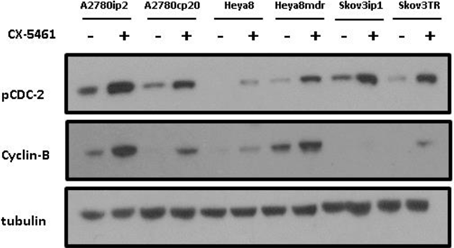
CX-5461 dihydrochloride purchased from MedChemExpress. Usage Cited in: Clin Cancer Res. 2017 Nov 1;23(21):6529-6540. [Abstract]
Western blot analysis verifying G2/M phase arrest in 6 cell lines. Treatment with IC50 dosages of CX-5461 shows an increase in expression of pCDC2(tyr15) and Cyclin-B versus untreated controls at 72 hours.
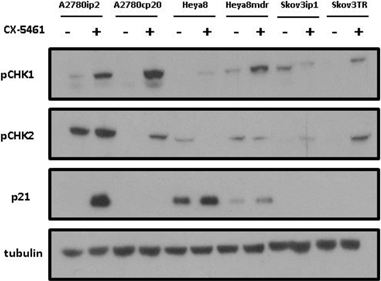
CX-5461 dihydrochloride purchased from MedChemExpress. Usage Cited in: Clin Cancer Res. 2017 Nov 1;23(21):6529-6540. [Abstract]
Western blot analysis shows activation of the pCHK1(ser317) and pCHK2(T68), downstream substrates of ATM and ATR kinases. TP53 wild type cell lines show a subsequent activation of p21 but drug response is independent of TP53 status.
-
Acta Biomater
CX-5461-loaded nucleolus-targeting nanoplatform for cancer therapy through induction of pro-death autophagy. [Abstract]2018 Oct 1:79:317-330. PMID: 30172068 -
J Transl Med
2024 Dec 25;22(1):1147. PMID: 39722009 -
Dev Cell
2026 Mar 12:S1534-5807(26)00079-1. PMID: 41825439 -
Int J Biol Macromol
TBC1D14 inhibits ribosome biogenesis to reduce lymph node metastasis in head and neck squamous cell carcinoma by mediating DDX31 ubiquitination. [Abstract]2025 Sep;322(Pt 1):146723. PMID: 40784392 -
Int J Biol Macromol
Trained immunity driven by Enterococcus faecalis ribosomal protein S11 enhances antigen presentation and boosts influenza vaccine efficacy via nanoparticle delivery. [Abstract]2025 Jun;315(Pt 1):144179. PMID: 40381785 -
Mol Ther Oncol
2024 Feb 7;32(1):200771. PMID: 38596309 -
EMBO J
2026 Jul 23. PMID: 42493648 -
Free Radic Biol Med
CX-5461 ameliorates disease in lupus-prone mice by triggering B-cell ferroptosis via p53-SLC7A11-ALOX12 pathway. [Abstract]2024 Oct:223:325-340. PMID: 39111584 -
EMBO Mol Med
NF45/NF90-mediated rDNA transcription provides a novel target for immunosuppressant development. [Abstract]2021 Mar 5;13(3):e12834. PMID: 33555115 -
Cell Prolif
Hypertranscription of rDNA Responsible for Nucleolar Remodelling is a Doorman for Acquiring Pluripotency. [Abstract]2025 Oct;58(10):e70052. PMID: 40320363 -
Anal Chem
2025 Jun 10;97(22):11617-11626. PMID: 40408126 -
Mol Cancer Ther
APTO-253 Stabilizes G-quadruplex DNA, Inhibits MYC Expression, and Induces DNA Damage in Acute Myeloid Leukemia Cells. [Abstract]2018 Jun;17(6):1177-1186. PMID: 29626127 -
-
Life Sci
CAD drives Angiotensin II-induced vascular smooth muscle cell activation via upregulation of pyrimidine biosynthesis and rRNA synthesis. [Abstract]2026 Jun 9:401:124530. PMID: 42264140 -
J Cell Biol
2023 Jan 2;222(1):e202202110. PMID: 36282216 -
Matrix Biol
Loss of MMP9 disturbs cranial suture fusion via suppressing cell proliferation, chondrogenesis and osteogenesis in mice. [Abstract]2024 Dec:134:93-106. PMID: 39374863 -
Eur J Pharmacol
VOPP1, a determinant of the sensitivity of non-small cell lung cancer cells to NAE inhibitors. [Abstract]2025 Sep 15:1003:177942. PMID: 40651787 -
-
Molecules
CX-5461 Inhibits Pancreatic Ductal Adenocarcinoma Cell Growth, Migration and Induces DNA Damage. [Abstract]2019 Dec 4;24(24):4445. PMID: 31817270 -
Am J Pathol
MYC-Mediated Ribosomal Gene Expression Sensitizes Enzalutamide-resistant Prostate Cancer Cells to EP300/CREBBP Inhibitors. [Abstract]2021 Jun;191(6):1094-1107. PMID: 33705753 -
Cell Signal
CX-5461 inhibits cell proliferation and induces ferroptosis of colorectal cancer cells by inactivating Nrf2 pathway. [Abstract]2025 Nov:135:111998. PMID: 40664345 -
FASEB J
Transient inhibition of rDNA transcription in donor cells improves ribosome biogenesis and preimplantation development of embryos derived from somatic cell nuclear transfer. [Abstract]2020 Jun;34(6):8283-8295. PMID: 32323360 -
Development
Ribosome biogenesis is essential for hemogenic endothelial cells to generate hematopoietic stem cells. [Abstract]2024 Nov 1;151(21):dev202875. PMID: 39324287 -
Exp Cell Res
Metastatic breast cancer cells adapt to a soft environment with limited involvement of mechanotransduction. [Abstract]2025 Jun 2;450(2):114629. PMID: 40466802 -
Biochimie
Probing the folding pathways of four-stranded intercalated cytosine-rich motifs at single base-pair resolution. [Abstract]2022 Apr 20;199:81-91. PMID: 35452743 -
Invest New Drugs
Discovery of MTR-106 as a highly potent G-quadruplex stabilizer for treating BRCA-deficient cancers. [Abstract]2021 Oct;39(5):1213-1221. PMID: 33710464 -
-
Tissue Cell
Combined inhibition of WEE1 by AZD1775 synergistically enhances CX-5461 mediated DNA damage and induces cytotoxicity in glioblastoma. [Abstract]2025 Dec:97:103093. PMID: 40839955 -
Open Biol
2025 Feb;15(2):240183. PMID: 39965659 -
Life Sci Alliance
FUS (fused in sarcoma) is a component of the cellular response to topoisomerase I-induced DNA breakage and transcriptional stress. [Abstract]2019 Feb 26;2(2):e201800222. PMID: 30808650 -
Biochim Biophys Acta Gen Subj
c-MYC G-quadruplex binding by the RNA polymerase I inhibitor BMH-21 and analogues revealed by a combined NMR and biochemical Approach. [Abstract]2018 Mar;1862(3):615-629. PMID: 29229300 -
G3 (Bethesda)
CX-5461 and doxorubicin activate a shared DNA damage-associated transcriptional response in human cardiomyocytes. [Abstract]2026 Mar 4;16(3):jkag008. PMID: 41543508 -
-
-
-
Autophagy Rep
2026 Feb 13;5(1):2624259. PMID: 41717449 -
-
bioRxiv
Dual RNA Polymerase I Inhibition with CX-5461 and BMH-21 Synergizes in Breast Cancer by Activating p53-Dependent Stress. [Abstract]2025 Nov 20:2025.11.19.689351. PMID: 41332727 -
-
-
-
-
-
bioRxiv
2024 Oct 13:2024.10.12.614958. PMID: 39498261 -
bioRxiv
2024 Sep 29:2024.09.28.615444. PMID: 39386460 -
-
-
-
Biomed Pharmacother
Combined inhibition of RNA polymerase I and mTORC1/2 synergize to combat oral squamous cell carcinoma. [Abstract]2021 Jan:133:110906. PMID: 33190037 -
-
Oncotarget
Human cytomegalovirus and Herpes Simplex type I virus can engage RNA polymerase I for transcription of immediate early genes. [Abstract]2017 Oct 29;8(57):96536-96552. PMID: 29228551
CX-5461 dihydrochloride purchased from MedChemExpress. Usage Cited in: Oncotarget. 2017 Oct 29;8(57):96536-96552. [Abstract]
Protein levels of HCMV IE (IE1:IE72, IE2:IE86) and pp65 are detected by WB analysis in untreated and pre-treated HCMV infected cells 72hpi.


Solvant et solubilité
In Vitro:
H2O : 5 mg/mL (8.52 mM; ultrasonic and warming and heat to 80°C)
Please refer to the solubility information to select the appropriate solvent. Once prepared, please aliquot and store the solution to prevent product inactivation from repeated freeze-thaw cycles.
Storage method and period of stock solution: -80°C, 2 years; -20°C, 1 year (sealed storage, away from moisture). When stored at -80°C, please use it within 2 years. When stored at -20°C, please use it within 1 year.
* Note: If you choose water as the stock solution, please dilute it to the working solution, then filter and sterilize it with a 0.22 μm filter before use.
Please refer to the solubility information to select the appropriate solvent. Once prepared, please aliquot and store the solution to prevent product inactivation from repeated freeze-thaw cycles.
Storage method and period of stock solution: -80°C, 2 years; -20°C, 1 year (sealed storage, away from moisture). When stored at -80°C, please use it within 2 years. When stored at -20°C, please use it within 1 year.
* Note: If you choose water as the stock solution, please dilute it to the working solution, then filter and sterilize it with a 0.22 μm filter before use.
Concentration (start) × Volume (start) = Concentration (final) × Volume (final)


Pureté et documentation
-
Fiche technique (305 KB)
-
SDS (252 KB)
- English - EN (252 KB)
- Français - FR (252 KB)
- Deutsch - DE (252 KB)
- Norwegian - NO (252 KB)
- Español - ES (252 KB)
- Swedish - SV (252 KB)
- Italian - IT (252 KB)
- Korean - KR (252 KB)
- Portuguese - PT (252 KB)
-
Instruction de manipulation (2659 KB)
Références
[1]. Li L, et al. CX-5461 induces autophagy and inhibits tumor growth via mammalian target of rapamycin-related signaling pathways in osteosarcoma. OncoTargets and therapy. 2016;9:5985-5997. [Content Brief]
[2]. Liu X, et al. RNA polymerase I inhibitor CX-5461 suppresses cervical cancer cell growth by inducing DNA damage and mitotic catastrophe and enhances cisplatin sensitivity. Biochemical pharmacology. 2026 Jun;248:117828. [Content Brief]
[3]. Bywater MJ, et al. Inhibition of RNA polymerase I as a therapeutic strategy to promote cancer-specific activation of p53. Cancer cell. 2012 Jul 10;22(1):51-65. [Content Brief]
[5]. Drygin D, et al. Targeting RNA polymerase I with an oral small molecule CX-5461 inhibits ribosomal RNA synthesis and solid tumor growth. Cancer research. 2011 Feb 15;71(4):1418-30. [Content Brief]


Complete Stock Solution Preparation Table
Please refer to the solubility information to select the appropriate solvent. Once prepared, please aliquot and store the solution to prevent product inactivation from repeated freeze-thaw cycles.
Storage method and period of stock solution: -80°C, 2 years; -20°C, 1 year (sealed storage, away from moisture). When stored at -80°C, please use it within 2 years. When stored at -20°C, please use it within 1 year.
| Optional Solvent | Concentration Solvent Mass | 1 mg | 5 mg | 10 mg | 25 mg |
|---|---|---|---|---|---|
| H2O | 1 mM | 1.7049 mL | 8.5246 mL | 17.0491 mL | 42.6228 mL |
| 5 mM | 0.3410 mL | 1.7049 mL | 3.4098 mL | 8.5246 mL |
* Note: If you choose water as the stock solution, please dilute it to the working solution, then filter and sterilize it with a 0.22 μm filter before use.


CX-5461 dihydrochloride Related Classifications
HY-13323A Related Classifications
 Powered by Bioz