



DNA Polymerases
DNA polymerases maintain genome integrity by synthesizing DNA during replication, repair, recombination, translesion synthesis, and checkpoint-associated processes[1]. In eukaryotic DNA replication, Pol α initiates synthesis with RNA/DNA primers, while Pol δ and Pol ε extend DNA from primer ends[2]. Mechanistically, evidence supports Pol ε as the primary leading-strand replicase and Pol δ as the main lagging-strand replicase at the eukaryotic replication fork[3]. In DNA repair, base excision repair (BER) corrects oxidative, deamination, and alkylation damage, then uses polymerase-dependent repair synthesis and ligation to restore DNA continuity[4]. Compared with replicative isoforms, Pol β functions as a BER enzyme whose polymerase and dRP lyase activities coordinate gap filling and sugar-phosphate removal[5]. In mitochondria, Pol γ differs from nuclear polymerases because it is the only known human mitochondrial DNA polymerase and is essential for mitochondrial DNA replication and repair[6]. In damage-tolerance models, Pol η differs from high-fidelity replicative polymerases by enabling bypass of UV-induced thymine dimers, and POLH defects define xeroderma pigmentosum variant cells[7]. For experimental applications, aphidicolin inhibits B-family DNA polymerases and provides a tool for probing replication-dependent DNA synthesis[8].
References:
- [1]. Hubscher U, et al. Eukaryotic DNA polymerases. Annu Rev Biochem. 2002;71:133-63. [Content Brief]
- [2]. Chilkova O, et al. The eukaryotic leading and lagging strand DNA polymerases are loaded onto primer-ends via separate mechanisms but have comparable processivity in the presence of PCNA. Nucleic Acids Res. 2007;35(19):6588-97. [Content Brief]
- [3]. Miyabe I, et al. The major roles of DNA polymerases epsilon and delta at the eukaryotic replication fork are evolutionarily conserved. PLoS Genet. 2011 Dec;7(12):e1002407. [Content Brief]
- [4]. Krokan HE, et al. Base excision repair. Cold Spring Harb Perspect Biol. 2013 Apr 1;5(4):a012583. [Content Brief]
- [5]. Kumar A, et al. Interlocking activities of DNA polymerase β in the base excision repair pathway. Proc Natl Acad Sci U S A. 2022 Mar 8;119(10):e2118940119. [Content Brief]
- [6]. Vanselow C, et al. Genetic analysis of the Photosystem I subunits from the red alga, Galdieria sulphuraria. Biochim Biophys Acta. 2009 Jan;1787(1):46-59. [Content Brief]
- [7]. Masutani C, et al. The XPV (xeroderma pigmentosum variant) gene encodes human DNA polymerase eta. Nature. 1999 Jun 17;399(6737):700-4. [Content Brief]
- [8]. Baranovskiy AG, et al. Structural basis for inhibition of DNA replication by aphidicolin. Nucleic Acids Res. 2014 Dec 16;42(22):14013-21. [Content Brief]
-
DNA Polymerases Related Products (152)
Related Products (152)

-
Resveratrol
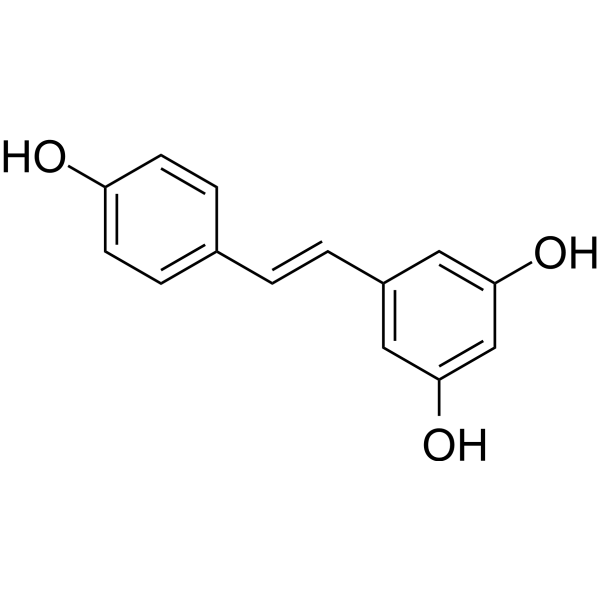 0 ImagesResveratrol (trans-Resveratrol; SRT501) is a CNS-penetrant natural polyphenolic phytoalexin that possesses anti-oxidant, anti-inflammatory, cardioprotective, and anti-cancer properties. Resveratrol (SRT 501) has a wide spectrum of targets including mTOR, JAK, β-amyloid, Adenylyl cyclase, IKKβ, DNA polymerase. Resveratrol also is a specific SIRT1 activator. Resveratrol is a potent pregnane X receptor (PXR) inhibitor. Resveratrol is an Nrf2 activator, ameliorates aging-related progressive renal injury in mice model. Resveratrol increases production of NO in endothelial cells.
-
Cytarabine
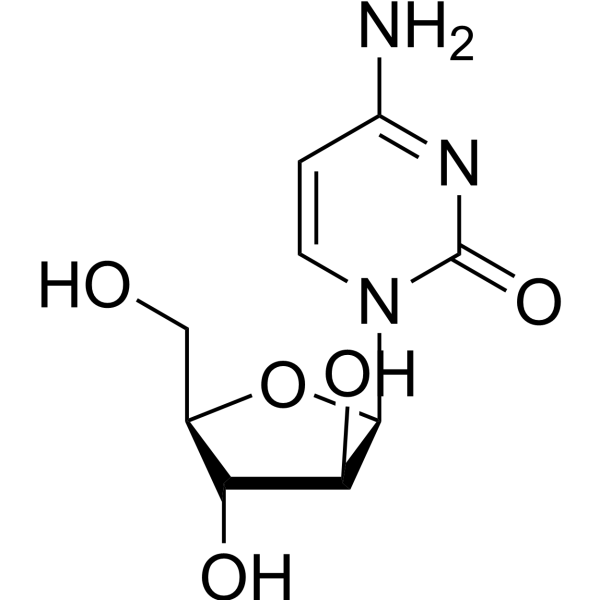 0 ImagesSynonyms: Cytosine β-D-arabinofuranoside; Cytosine Arabinoside; Ara-CCytarabine, a nucleoside analog, causes S phase cell cycle arrest and inhibits DNA polymerase. Cytarabine inhibits DNA synthesis with an IC50 of 16 nM. Cytarabine has antiviral effects against HSV. Cytarabine shows anti-orthopoxvirus activity.
-
ART558
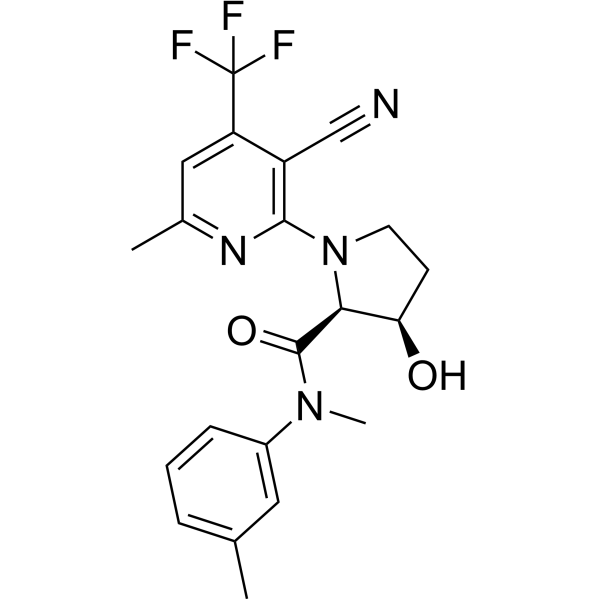 0 ImagesART558 is a potent, selective and allosteric DNA polymerase theta (Polθ) inhibitor (IC50=7.9 nM). ART558 elicits BRCA-gene synthetic lethality and DNA damage. ART558 can be used for the research of cancer, such as breast cancer.
-
Aphidicolin
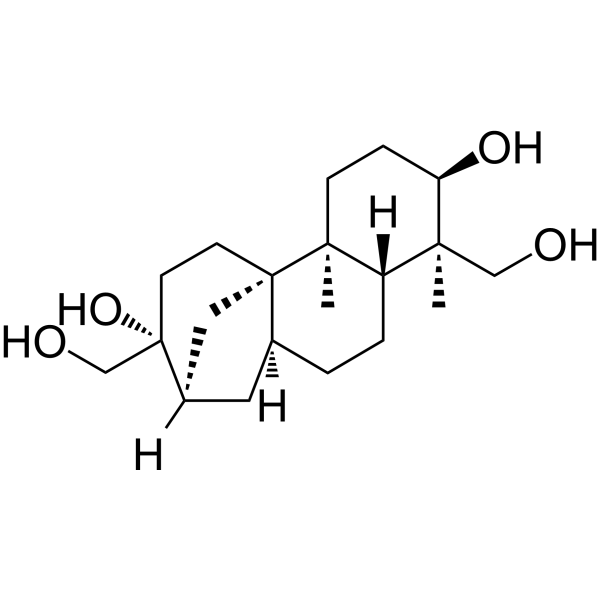 0 ImagesAphidicolin is an inhibitor of DNA polymerase α and δ, prevents mitotic cell division by interfering DNA polymerase activity. Aphidicolin is an antibiotic produced by mold Cephalosporium aphidicola, inhibits cellular deoxyribonucleic acid synthesis and the growth of herpes simplex virus. Aphidicolin exhibits anti-orthopoxvirus activity and potentiates apoptosis induced by arabinosyl nucleosides in a human promyelocytic leukemia cell line.
-
Cholesteryl hemisuccinate
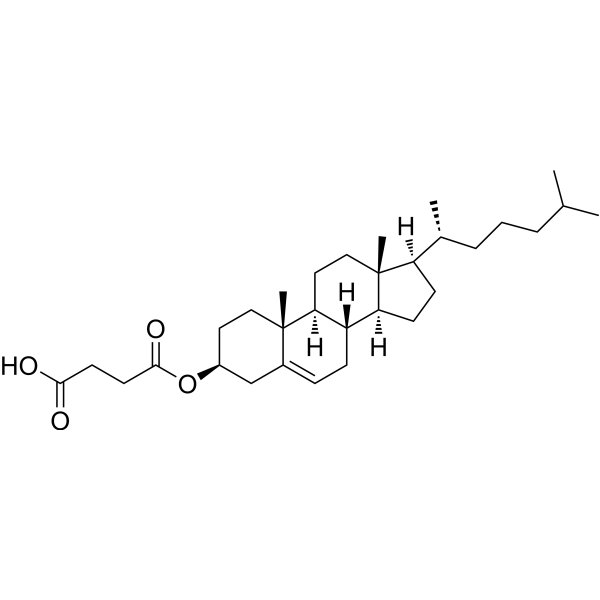 0 ImagesCholesteryl hemisuccinate is a with hepatoprotective an anticancer activity. Cholesteryl hemisuccinate inhibits Acetaminophen (AAP, HY-66005) hepatotoxicity, and prevents AAP-induced hepatic apoptosis and necrosis. Cholesteryl hemisuccinate inhibits DNA polymerase and DNA topoisomerase to inhibit DNA replication and repair and cell division. Thus, Cholesteryl hemisuccinate inhibits tumor growth.
-
Deoxythymidine-5'-triphosphate trisodium,100 mM Solution,PCR Grade
 0 ImagesCat. No.: HY-W013715BCAS No.: 27821-54-1Synonyms: dTTP trisodium,100 mM Solution,PCR GradeDeoxythymidine-5'-triphosphate trisodium,100 mM Solution,PCR Grade (dTTP trisodium,100 mM Solution,PCR Grade) is a deoxyribonucleoside triphosphate and a thymidine analog, which serves as a direct precursor for DNA synthesis. Deoxythymidine-5'-triphosphate trisodium,100 mM Solution,PCR Grade can be used for DNA amplification in the DNA polymerase chain reaction (PCR). Deoxythymidine-5'-triphosphate trisodium,100 mM Solution,PCR Grade is also applicable to research related to diseases such as leukemia.
-
SY-589
 0 ImagesSY-589 is an orally active DNA polymerase Polθ helicase domain inhibitor (IC50=2.29 nM) and DNA damage inducer. SY-589 inhibits the ATPase activity of the Polθ helicase domain and blocks the Polθ-mediated microhomology-mediated end joining (MMEJ) DNA repair pathway (IC50=0.85 nM). SY-589 also induces the accumulation of DNA double-strand breaks by increasing γ-H2AX levels. SY-589 exerts antiproliferative effects on BRCA2-deficient cells and is used in the research of HR-deficient tumors.
-
Cidofovir
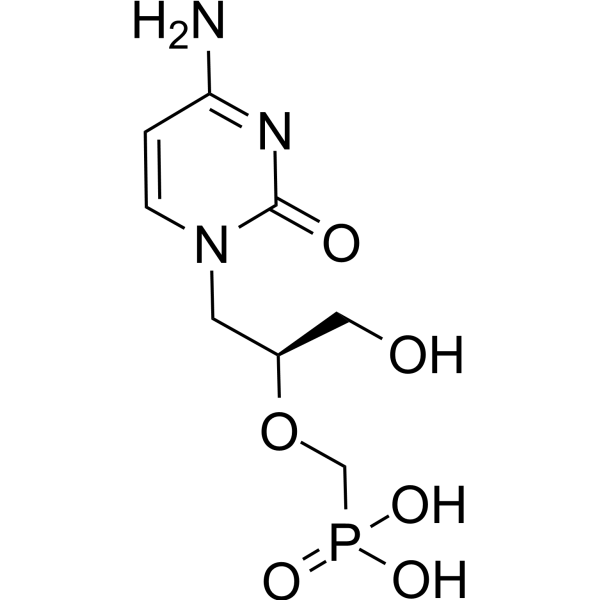 0 ImagesSynonyms: GS 0504; HPMPC; (S)-HPMPCCidofovir (GS 0504) is an acyclic monophosphate nucleotide analogue and CMV inhibitor with antiviral activity. Cidofovir inhibits cytomegalovirus (CMV) replication by selectively inhibiting viral DNA polymerase. Cidofovir induces apoptosis and can be used in studies of AIDS cytomegalovirus retinitis, herpes, and cancer. Cidofovir also has anti-orthopoxvirus and anti-variola activities.
-
Cytarabine hydrochloride
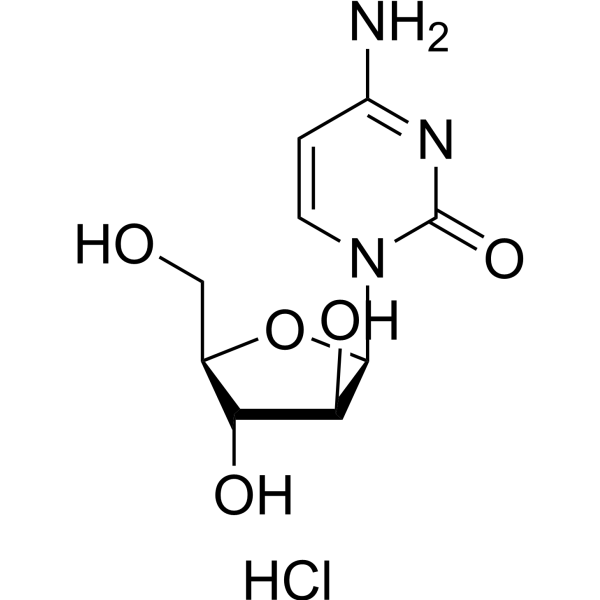 0 ImagesSynonyms: Cytosine β-D-arabinofuranoside hydrochloride; Cytosine Arabinoside hydrochloride; Ara-C hydrochlorideCytarabine hydrochloride, a nucleoside analog, causes S phase cell cycle arrest and inhibits DNA polymerase. Cytarabine inhibits DNA synthesis with an IC50 of 16 nM. Cytarabine hydrochloride has antiviral effects against HSV.
-
Idoxuridine
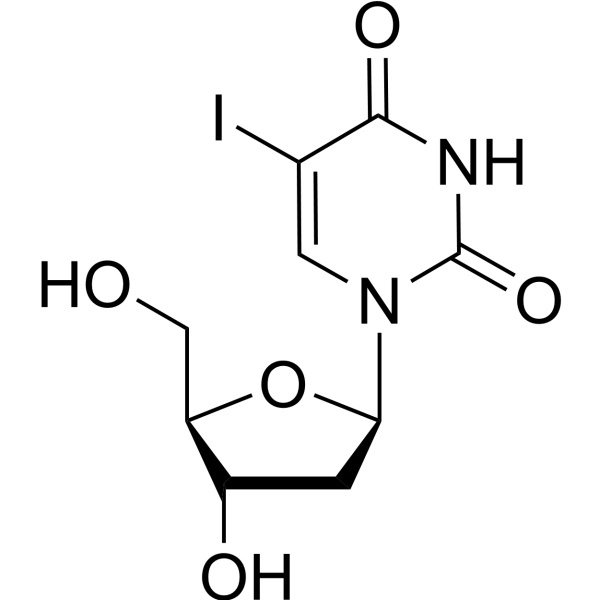 0 ImagesIdoxuridine (5-Iodo-2′-deoxyuridine, 5-IUdR, IdUrd) is an iodinated thymidine analogue that competitively inhibits phosphorylases. Idoxuridine can inhibit viral activity, particularly viral eye infections, including herpes simplex keratitis, by inhibiting DNA polymerase and affecting viral replication. Idoxuridine against feline herpesvirus has the IC50 value of 4.3 μM. Idoxuridine shows anti-orthopoxvirus activity.
-
Sennoside A
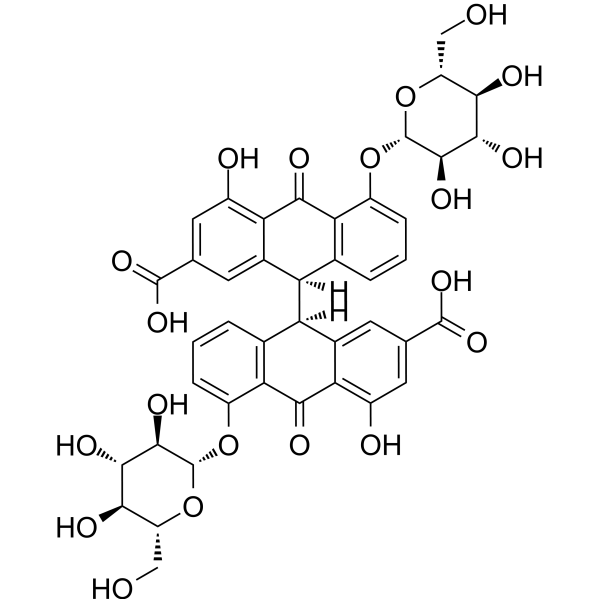 0 ImagesSennoside A is an anthraquinone glycoside found in senna (Cassia angustifolia). Sennoside A is an HIV-1 inhibitor (IC50=3.8 μM) that inhibits HIV-1 replication. Sennoside A also inhibits HIV-1 reverse transcriptase (RT)-related DNA polymerase (RDDP) and ribonuclease H (Ribonuclease H) with IC50s of 1.9 μM and 5.3 μM, respectively.
-
Dirhodium tetraacetate
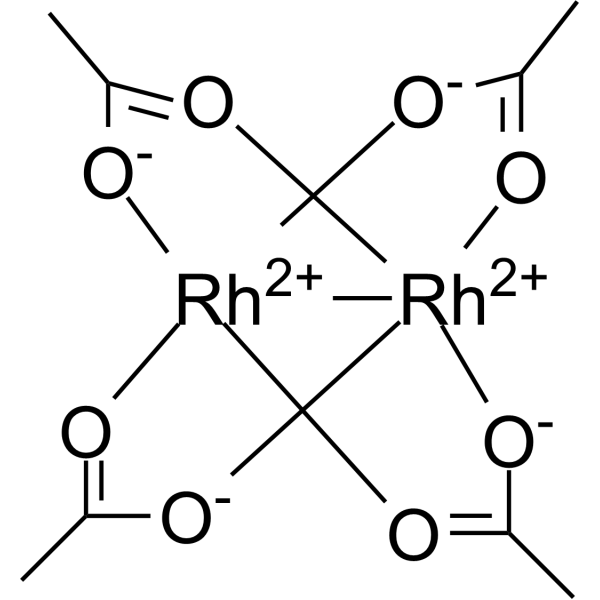 0 ImagesSynonyms: Tetrakis(acetato)dirhodium(II); Rhodium(II) acetate dimerDirhodium tetraacetate (Tetrakis (acetato) dirhodium (II)) is an anticancer agent. Dirhodium tetraacetate functionally inhibits the activities of DNA polymerase I and RNA polymerase. It also acts as a catalyst and can be used to construct rhodium-based artificial metalloenzymes.
-
PolQi1
 0 ImagesPolQi1 is a selective inhibitor targeting the Polθ domain of DNA polymerase. PolQi1 inhibits the Polθ-mediated microhomology end joining (TMEJ/alt-EJ) pathway, reducing insertion/deletion (Indels) and imprecise editing events during DNA repair. PolQi1 can enhance the efficiency and accuracy of homology-directed repair (HDR) or Prime editing, and reduce off-target effects; and in combination with DNA-PK inhibitor AZD-7648 (HY-111783), exert efficient genome editing capabilities with dual pathway regulation. PolQi1 can be mainly used in gene editing research (such as CRISPR-Cas9 or Prime editing system optimization) to improve the precision editing efficiency of difficult-to-edit cells (such as primary hepatocytes and mouse embryos).
-
RP-6685
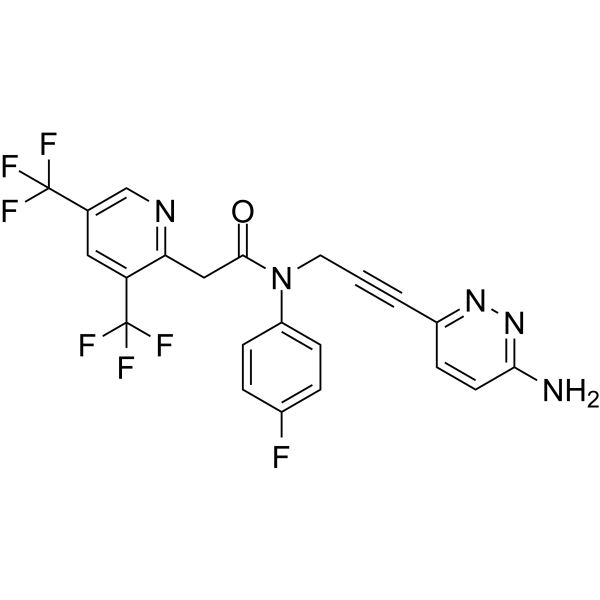 0 ImagesRP-6685 is a potent, selective and orally active DNA polymerase theta (Polθ) inhibitor with an IC50 value of 5.8 nM (PicoGreen assay). RP-6685 shows antitumor efficacy in mouse tumor xenograft model. RP-6685 is a click chemistry reagent, it contains an Alkyne group and can undergo copper-catalyzed azide-alkyne cycloaddition (CuAAc) with molecules containing Azide groups.
-
Foscarnet sodium
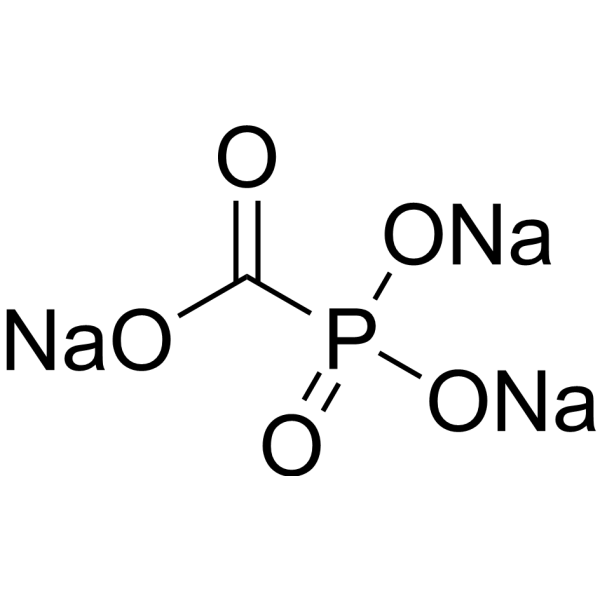 0 ImagesSynonyms: Trisodium phosphonoformate; Phosphonoformic acid trisodium saltFoscarnet sodium (Trisodium phosphonoformate) is a viral DNA polymerase activity inhibitor, leading to reversible suppression of viral replication. Foscarnet sodium is an antiherpesvirus agent used in cytomegalovirus retinitis.
-
Gemcitabine triphosphate trisodium
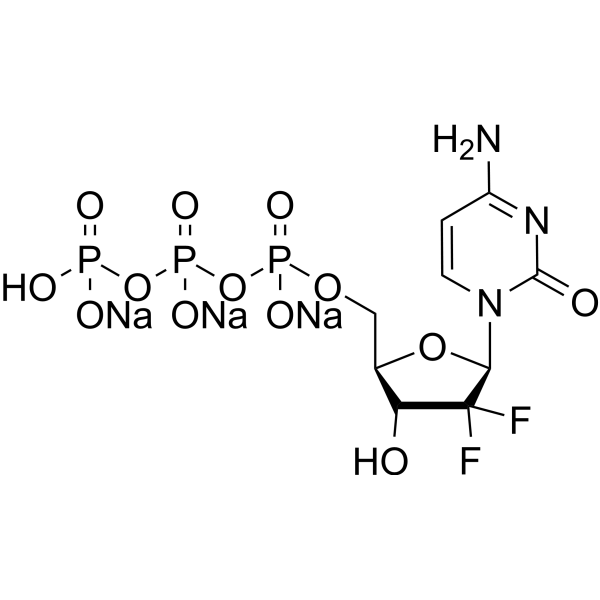 0 ImagesCat. No.: HY-17026EPurity: 99.34%Synonyms: dFdCTP trisodiumGemcitabine triphosphate (dFdCTP) trisodium is the active metabolite of Gemcitabine (HY-17026). The mechanism of Gemcitabine triphosphate trisodium cell-killing is its competition with cytidine triphosphate during DNA replication, which results in the inhibition of chain elongation. Gemcitabine triphosphate trisodium shows a Ki of 11.2 μM against DNA polymerase α and 14.4 μM against DNA polymerase ε. Gemcitabine triphosphate trisodium partially inhibits dCMP deaminase and acts as a substrate for DNA synthesis to incorporate into cellular DNA and RNA. Gemcitabine triphosphate trisodium disrupts DNA and RNA synthesis, arrests cell cycle in G0/G1 and S phases, triggers apoptosis, reduces tumor cell proliferation. Gemcitabine triphosphate trisodium can be used for the research of pancreatic cancer and non-small cell lung cancer.
-
N-6-Methyl-2-deoxyadenosine
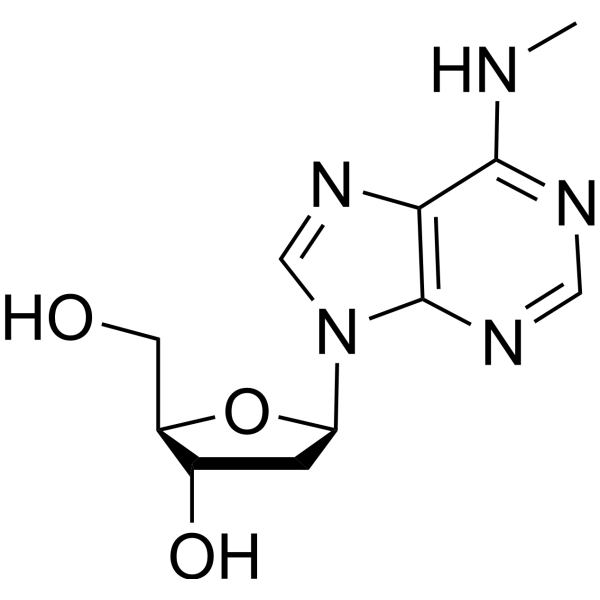 0 ImagesSynonyms: m6dAN-6-Methyl-2-deoxyadenosine (m6dA) is an adenine nucleoside analogue. N-6-Methyl-2-deoxyadenosine targets nuclear processes and DNA replication machineries including WER, SATB1, TFAM, Jumu, SSBP1, DNA polymerase η and phage polymerase Gp90 exo−. N-6-Methyl-2-deoxyadenosine acts as a multifunctional epigenetic regulator that modulates transcription, DNA damage response, cell cycle, transposon silencing, stress adaptation, epigenetic crosstalk, and nucleosome organization in both prokaryotes and eukaryotes. N-6-Methyl-2-deoxyadenosine regulates mitochondrial epigenetic inheritance and is required for fear extinction memory in mice. N-6-Methyl-2-deoxyadenosine exhibits dysregulated levels in cancers. N-6-Methyl-2-deoxyadenosine can be used for the research of glioblastoma, triple negative breast cancer, and conditioned fear (fear extinction impairment).
-
Cholesterol hemisuccinate Tris salt
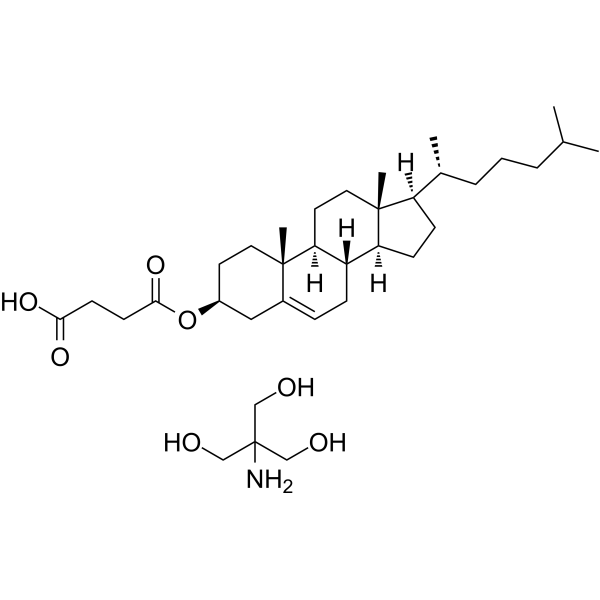 0 ImagesSynonyms: Cholesterol hydrogen succinate Tris salt; CHS-TrisCholesterol hemisuccinate (Cholesterol hydrogen succinate) Tris salt is a compound with hepatoprotective and anticancer activity. Cholesterol hemisuccinate Tris salt inhibits Acetaminophen (AAP) (HY-66005) hepatotoxicity, and prevents AAP-induced hepatic apoptosis and necrosis. Cholesterol hemisuccinate Tris salt inhibits DNA polymerase and DNA topoisomerase to inhibit DNA replication and repair and cell division. Cholesterol hemisuccinate Tris salt inhibits tumor growth. Cholesterol hemisuccinate Tris salt can be used for buffer preparation.
-
Neobavaisoflavone
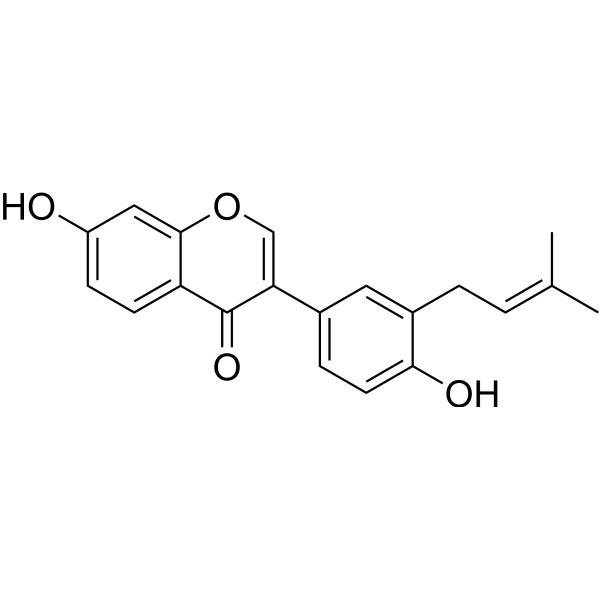 0 ImagesNeobavaisoflavone, a flavonoid, is isolated from the seeds of Psoralea corylifolia. Neobavaisoflavone exhibits anti-inflammatory, anti-cancer and anti-oxidation activities. Neobavaisoflavone inhibits DNA polymerase at moderate to high concentrations. Neobavaisoflavone also inhibits platelet aggregation.
-
ddGTP trisodium (100 mM in water)
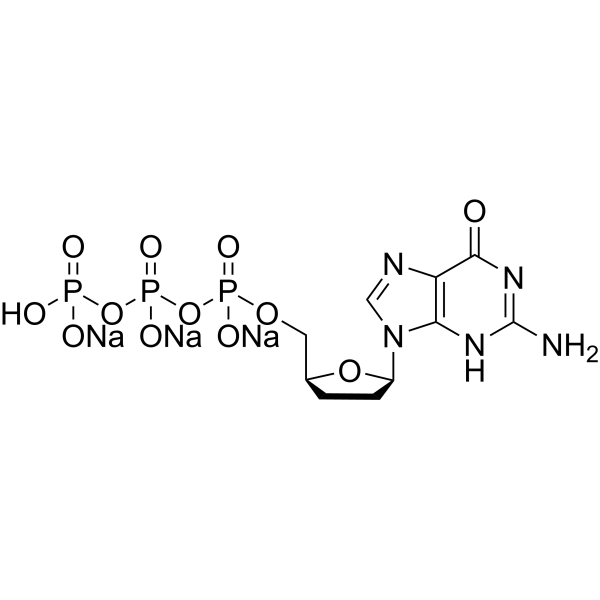 0 ImagesCat. No.: HY-134103APurity: 99.79%Synonyms: 2′,3′-Dideoxyguanosine 5′-triphosphate trisodiumddGTP (2′,3′-Dideoxyguanosine 5′-triphosphate) trisodium (100 mM in water) is one of 2',3'-dideoxyribonucleoside 5'-triphosphates (ddNTPs) that acts as chain-elongating inhibitor of DNA polymerase for DNA sequencing. ddGTP trisodium acts as an inhibitor or a substrate for DNA polymerase α.



