RNA Polymerases
RNA polymerases catalyze genome transcription, converting genetic information into RNA outputs that support gene expression, ribosome biogenesis, protein synthesis, and cell growth[1]. In eukaryotic cells, three nuclear enzymes divide this work: RNA polymerase I (Pol I) transcribes ribosomal DNA, RNA polymerase II (Pol II) produces mRNAs and many regulatory non-coding RNAs, and RNA polymerase III (Pol III) generates tRNAs, 5S rRNA, and other short non-coding RNAs[2][3]. Mechanistically, Pol I and Pol III support ribosome production and translation capacity, whereas Pol II links transcription initiation, elongation, RNA processing, and gene-specific regulation through its C-terminal domain[4]. In disease models, disruption of Pol I or Pol III function produces tissue-specific developmental disorders, especially craniofacial abnormalities and leukodystrophy or neurodegenerative phenotypes[3]. Compared with Pol II, Pol I and Pol III are distinguished by high-output non-coding RNA transcription and by specialized subunits that define isoform-specific transcription programs[2][3]. For experimental applications, Pol I inhibition with CX-5461 suppresses rDNA transcription and has been used to study p53 activation, nucleolar stress, DNA damage response, and cancer cell vulnerability[5][6]. Pol III inhibition also provides aging-model utility, because reduced Pol III activity extends lifespan in yeast, worms, and flies downstream of TORC1[7].
References:
- [1]. Barba-Aliaga M, et al. Eukaryotic RNA Polymerases: The Many Ways to Transcribe a Gene. Front Mol Biosci. 2021 Apr 21;8:663209. [Content Brief]
- [2]. Wang Y, et al. BMP and RA signaling cooperate to regulate Apolipoprotein C1 expression during embryonic development. Gene. 2015 Jan 10;554(2):196-204. [Content Brief]
- [3]. Watt KE, et al. RNA Polymerases I and III in development and disease. Semin Cell Dev Biol. 2023 Feb 28;136:49-63. [Content Brief]
- [4]. Hsin JP, et al. The RNA polymerase II CTD coordinates transcription and RNA processing. Genes Dev. 2012 Oct 1;26(19):2119-37. [Content Brief]
- [5]. Bywater MJ, et al. Inhibition of RNA polymerase I as a therapeutic strategy to promote cancer-specific activation of p53. Cancer Cell. 2012 Jul 10;22(1):51-65. [Content Brief]
- [6]. Haddach M, et al. Discovery of CX-5461, the First Direct and Selective Inhibitor of RNA Polymerase I, for Cancer Therapeutics. ACS Med Chem Lett. 2012 May 8;3(7):602-6. [Content Brief]
- [7]. Filer D, et al. RNA polymerase III limits longevity downstream of TORC1. Nature. 2017 Dec 14;552(7684):263-267. [Content Brief]
All Product Categories
-
RNA Polymerases Related Products (161)
Related Products (161)

-
CX-5461
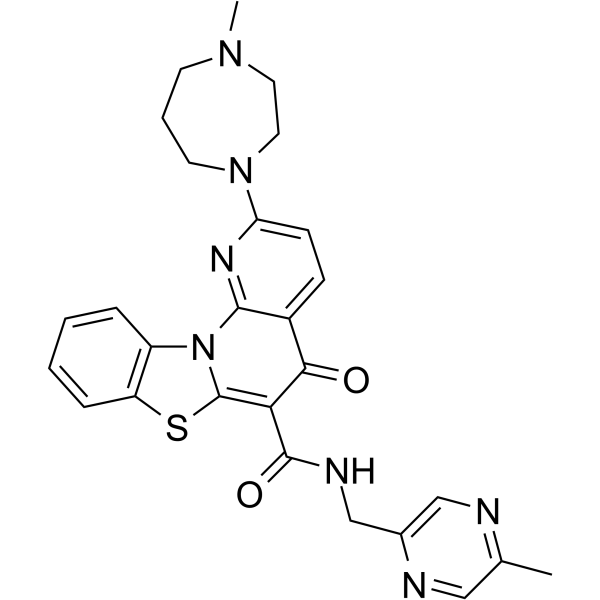 0 ImagesCX-5461 is a selective, orally active RNA polymerase I inhibitor. CX-5461 disrupts the formation of the SL1-rDNA complex, thereby blocking the transcription initiation of ribosomal RNA without altering the activity of RNA polymerase II, DNA replication, or protein translation processes. CX-5461 upregulates the expression of p21, MDM2, Sestrin1/2, and phosphorylated AMPKα, and reduces the level of phosphorylated Akt. CX-5461 induces G2/G2/M cell cycle arrest, Autophagy, Apoptosis, and cellular senescence, and activates CHK1, CHK2, and RPA. CX-5461 can be used in research related to osteosarcoma, cervical cancer, hematologic malignancies, high-grade serous ovarian cancer, and solid tumors.
-
Favipiravir
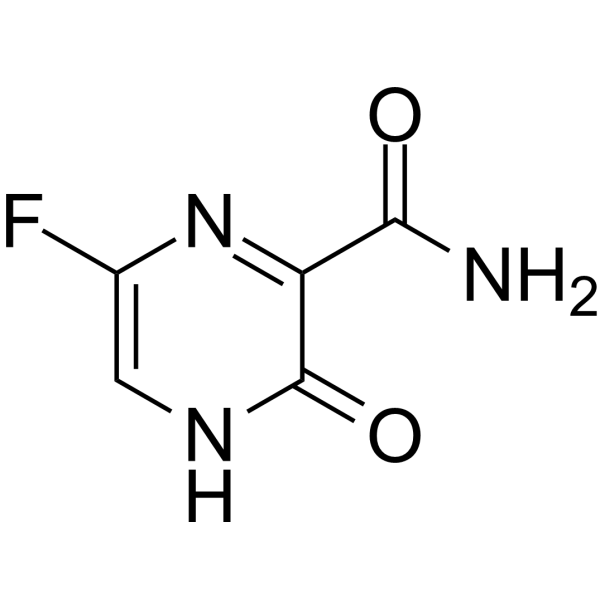 0 ImagesSynonyms: T-705Favipiravir (T-705) is a potent viral RNA polymerase inhibitor, it is phosphoribosylated by cellular enzymes to its active form, Favipiravir-ribofuranosyl-5′-triphosphate (RTP). Favipiravir-RTP inhibits the influenza viral RNA-dependent RNA polymerase (RdRP) activity with an IC50 of 341 nM.
-
Guanosine triphosphate disodium
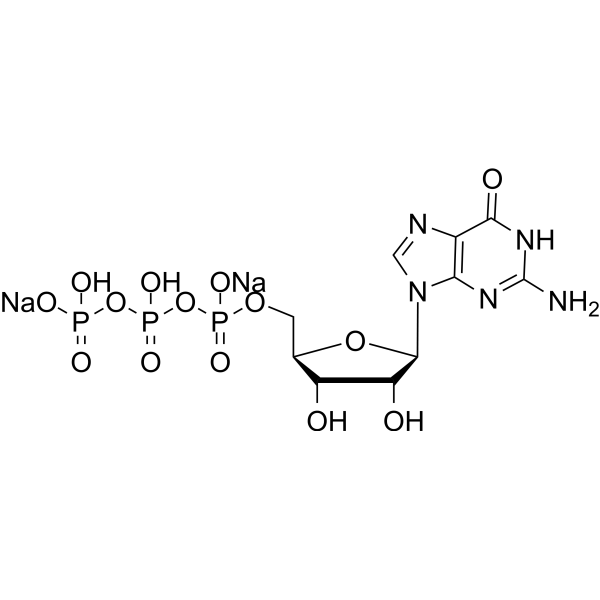 0 ImagesSynonyms: GTP disodiumGuanosine triphosphate (GTP) disodium is a critical nucleotide and regulator of cellular metabolism. Guanosine triphosphate disodium promotes ribosomal DNA localization, pre-rRNA transcription and ribosome biogenesis by binding to RNA polymerase I and GPN proteins (GPN1/3). Guanosine triphosphate disodium links MYC-dependent ribosome biogenesis to nucleotide sufficiency, acts as a metabolic gatekeeper supporting protein synthesis, DNA/RNA synthesis and cellular signal transduction, while also participating in the physiological activities of pancreatic β-cells and serving as an oxidative substrate for reactive oxygen species. In small cell lung cancer with high MYC expression, Guanosine triphosphate disodium accumulates through the IMPDH-driven synthetic pathway, thereby affecting apoptosis and mitotic processes. Guanosine triphosphate disodium is used in the research of small cell lung cancer, hepatoblastoma and cellular metabolism.
-
IMT1
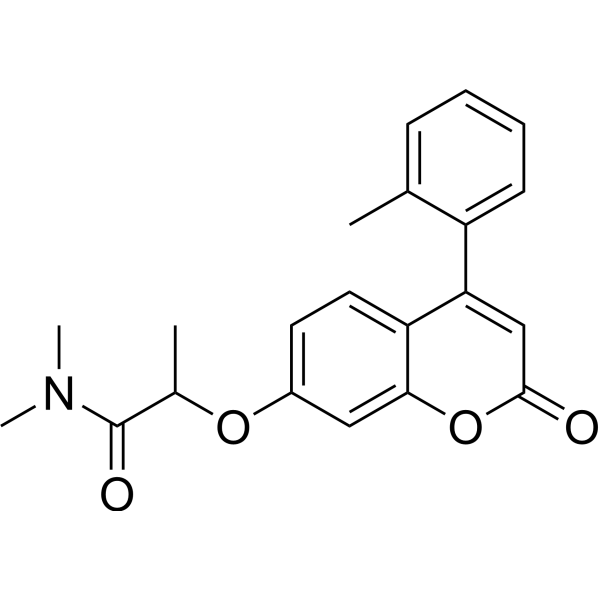 0 ImagesIMT1 is a first-in-class specific and noncompetitive human mitochondrial RNA polymerase (POLRMT) inhibitor. IMT1 causes a conformational change of POLRMT, which blocks substrate binding and transcription in a dose-dependent way in vitro. IMT1 reduces deoxynucleoside triphosphate levels and citric acid cycle intermediates, resulting in a marked depletion of cellular amino acid levels. IMT1 has the potential for mitochondrial transcription disorders related diseases.
-
Dihydromyricetin
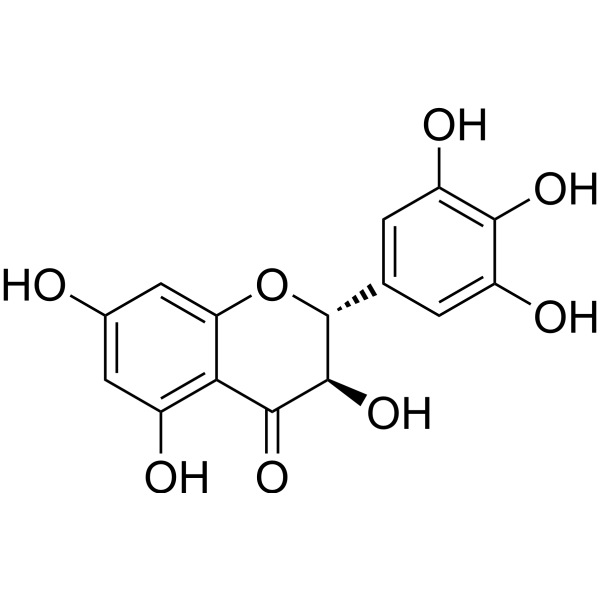 0 ImagesSynonyms: Ampelopsin; AmpeloptinDihydromyricetin is a potent inhibitor with an IC50 of 48 μM on dihydropyrimidinase. Dihydromyricetin can activate autophagy through inhibiting mTOR signaling. Dihydromyricetin suppresses the formation of mTOR complexes (mTORC1/2). Dihydromyricetin is also a potent influenza RNA-dependent RNA polymerase inhibitor with an IC50 of 22 μM.
-
Guanosine triphosphate trisodium
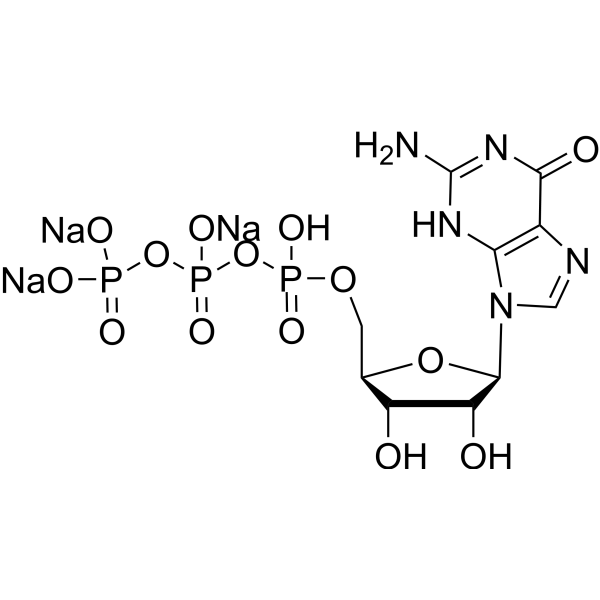 0 ImagesCat. No.: HY-12695CAS No.: 36051-31-7Synonyms: GTP trisodiumGuanosine triphosphate (GTP) trisodium is a critical nucleotide and regulator of cellular metabolism. Guanosine triphosphate trisodium promotes ribosomal DNA localization, pre-rRNA transcription and ribosome biogenesis by binding to RNA polymerase I and GPN proteins (GPN1/3). Guanosine triphosphate trisodium links MYC-dependent ribosome biogenesis to nucleotide sufficiency, acts as a metabolic gatekeeper supporting protein synthesis, DNA/RNA synthesis and cellular signal transduction, while also participating in the physiological activities of pancreatic β-cells and serving as an oxidative substrate for reactive oxygen species. In small cell lung cancer with high MYC expression, Guanosine triphosphate trisodium accumulates through the IMPDH-driven synthetic pathway, thereby affecting apoptosis and mitotic processes. Guanosine triphosphate trisodium is used in the research of small cell lung cancer, hepatoblastoma and cellular metabolism.
-
BMH-21
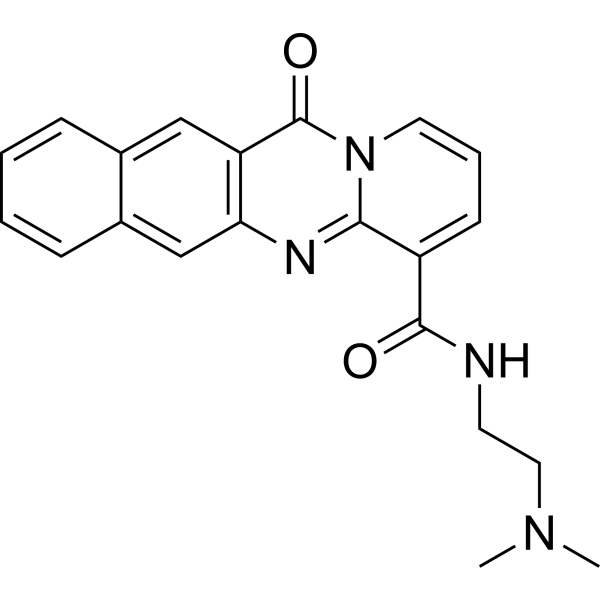 0 ImagesBMH-21 is a first-in-class DNA intercalator which inhibits RNA polymerase I (Pol I) transcription. BMH-21 possesses anticancer activity.
-
IMT1B
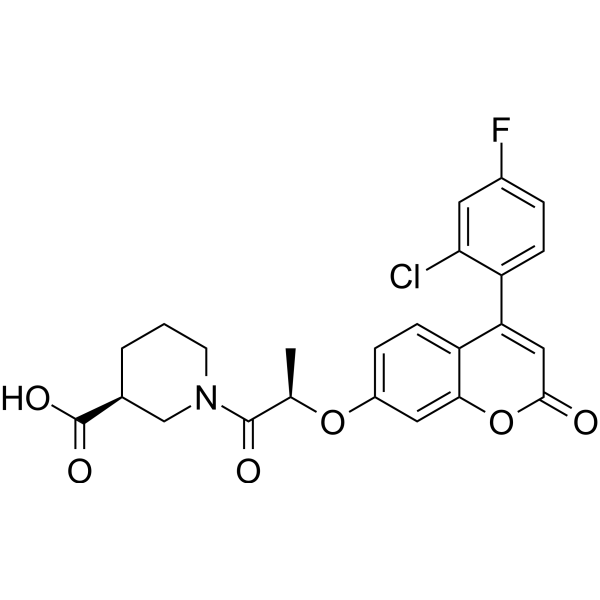 0 ImagesSynonyms: LDC203974IMT1B (LDC203974) is an orally active, noncompetitive and specific allosteric inhibitor of mitochondrial RNA polymerase (POLRMT) and inhibits mitochondrial DNA (mtDNA) expression. IMT1B has anti-tumour effects.
-
Simeprevir
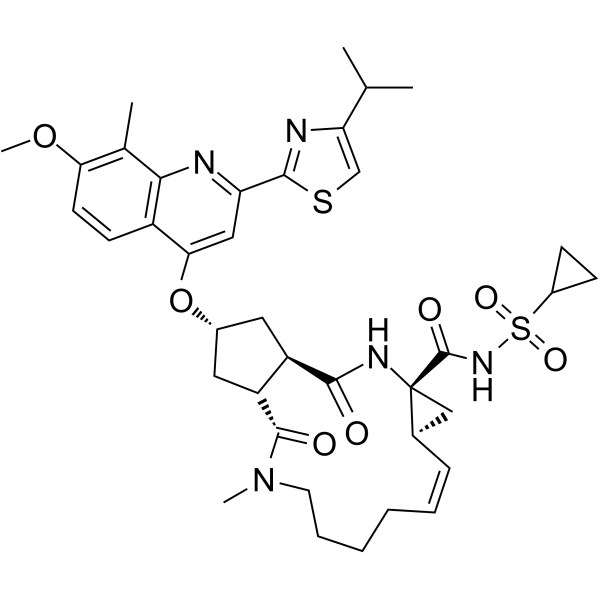 0 ImagesSynonyms: TMC435; TMC435350Simeprevir (TMC435; TMC435350) is an oral, potent and highly specific hepatitis C virus (HCV) NS3/4A protease inhibitor with a Ki of 0.36 nM. Simeprevir inhibits HCV replication with an EC50 of 7.8 nM. Simeprevir also potently suppresses SARS-CoV-2 replication and synergizes with Remdesivir. Simeprevir inhibits the main protease (Mpro) and the RNA-dependent RNA polymerase (RdRp) of SARS-CoV-2, and also modulates host immune responses.
-
Cynaroside
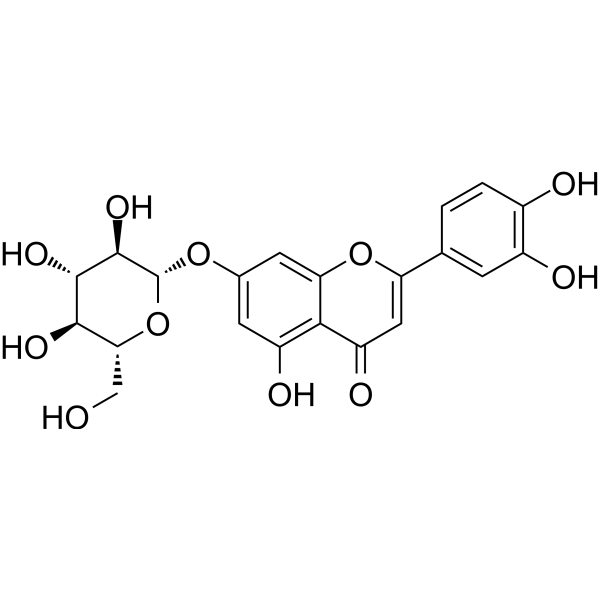 0 ImagesSynonyms: Luteolin 7-glucoside; Luteolin 7-O-β-D-glucosideCynaroside (Luteolin 7-glucoside) is a flavonoid compound that exhibits anti-oxidative capabilities. Cynaroside is also a potent influenza RNA-dependent RNA polymerase inhibitor with an IC50 of 32 nM. Cynaroside also is a promising inhibitor for H2O2-induced apoptosis, has cytoprotection against oxidative stress-induced cardiovascular diseases. Cynaroside also has antibacterial, antifungal and anticancer activities, antioxidant and anti-inflammatory activities.
-
CX-5461 dihydrochloride
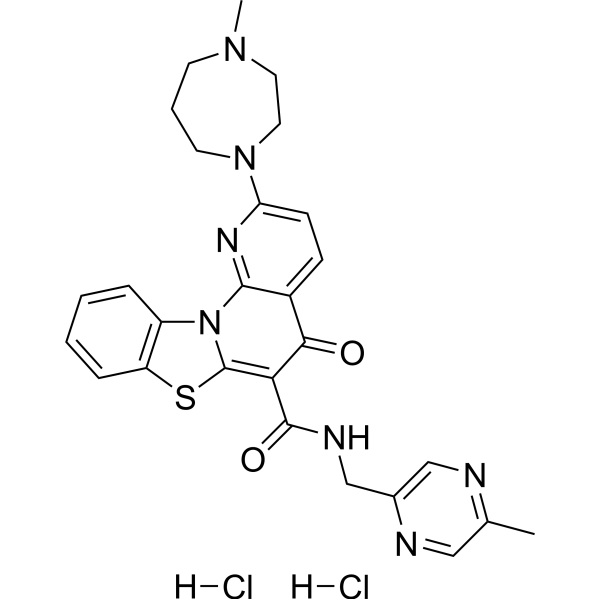 0 ImagesCat. No.: HY-13323APurity: 99.41%CX-5461 dihydrochloride is a selective, orally active RNA polymerase I inhibitor. CX-5461 dihydrochloride disrupts the formation of the SL1-rDNA complex, thereby blocking the transcription initiation of ribosomal RNA without altering the activity of RNA polymerase II, DNA replication, or protein translation processes. CX-5461 dihydrochloride upregulates the expression of p21, MDM2, Sestrin1/2, and phosphorylated AMPKα, and reduces the level of phosphorylated Akt. CX-5461 dihydrochloride induces G2/G2/M cell cycle arrest, Autophagy, Apoptosis, and cellular senescence, and activates CHK1, CHK2, and RPA. CX-5461 dihydrochloride can be used in research related to osteosarcoma, cervical cancer, hematologic malignancies, high-grade serous ovarian cancer, and solid tumors.
-
Enitociclib
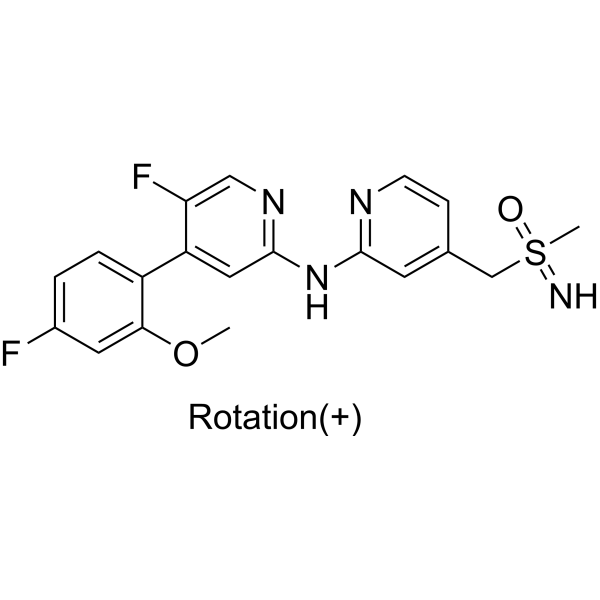 0 ImagesSynonyms: (+)-BAY-1251152; (+)-VIP152; (S)-EnitociclibEnitociclib ((+)-BAY-1251152; (+)-VIP152) is a selective CDK9 inhibitor (IC50=3 nM) that inhibits transcriptional elongation by blocking Ser2/Ser5 phosphorylation of RNA polymerase II. Enitociclib specifically depletes key short-lived proteins such as c-MYC, MCL-1 and induces tumor cell apoptosis. Enitociclib also interferes with the production of enhancer RNAs (eRNA) and enhancer-promoter interactions, and downregulates oncogene expression at the epigenetic level. Enitociclib exerts synergistic effects with agents including Bortezomib (HY-10227), Lenalidomide (HY-A0003), Pomalidomide (HY-10984), Venetoclax (HY-15531) and Paclitaxel (HY-B0015), and even reverses paclitaxel resistance. Enitociclib serves as a vital research tool for various malignancies such as double-hit diffuse large B-cell lymphoma, multiple myeloma and pancreatic ductal adenocarcinoma.
-
7-Aminoactinomycin D
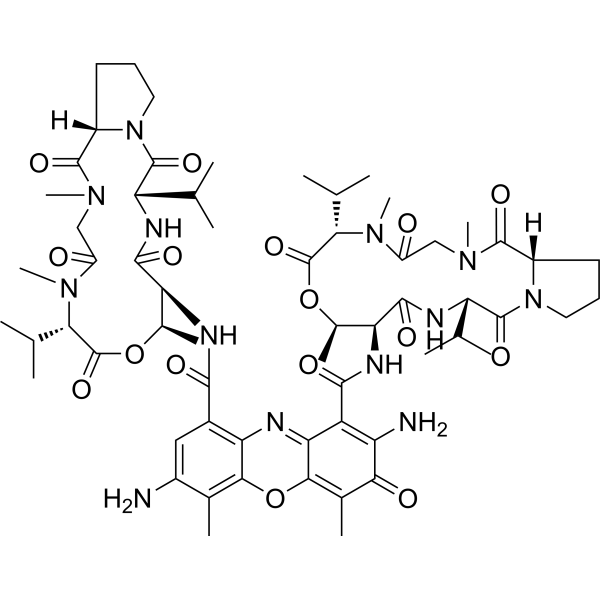 0 Images7-Aminoactinomycin D (7-AAD) a cell-impermeant fluorescent DNA stain, is a potent RNA polymerase inhibitor. 7-Aminoactinomycin D selectively binds to GC regions of the DNA. 7-Aminoactinomycin D also has antibacterial effects.
-
Fidaxomicin
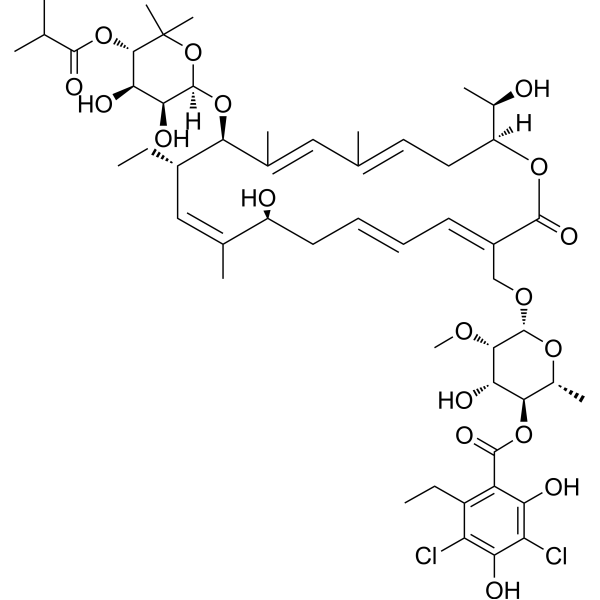 0 ImagesSynonyms: OPT-80; PAR-101Fidaxomicin (OPT-80), a macrocyclic antibiotic, is an orally active and potent RNA polymerase inhibitor. Fidaxomicin has a narrow spectrum of antibacterial activity and a good anti-Clostridium difficile activity (MIC90=0.12 μg/mL). Fidaxomicin can be used for Clostridium difficile infection (CDI) research.
-
Rifabutin
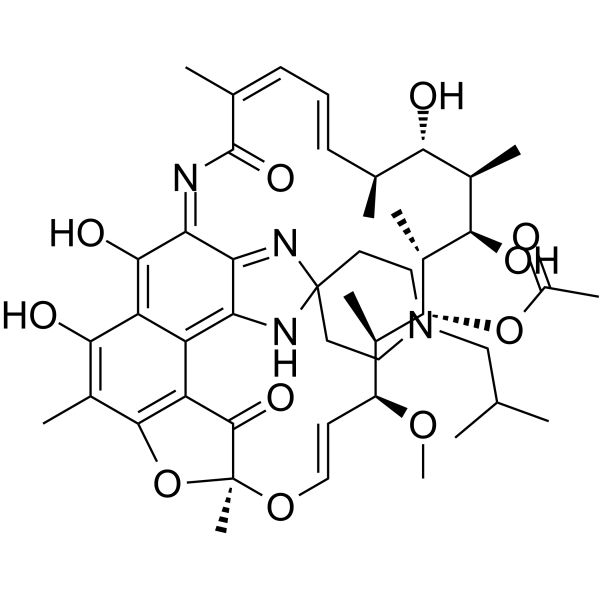 0 ImagesSynonyms: Ansamycin; LM-427Rifabutin (Ansamycin) is a semisynthetic ansamycin antibiotic with potent antimycobacterial properties. Rifabutin inhibits DNA-dependent RNA polymerase.
-
Rifaximin
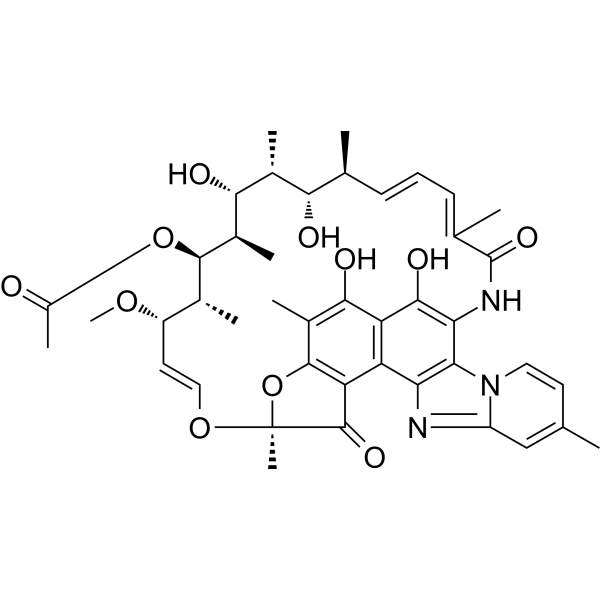 0 ImagesRifaximin, a gastrointestinal-selective antibiotic, binds the β-subunit of bacterial DNA-dependent RNA polymerase, resulting in inhibition of bacterial RNA synthesis. Rifaximin susceptibility is higher against Gram-positive strains (MIC: 0.03-5 mg/ml) compared to Gram-negative bacteria (MIC: 8-50 mg/mL).
-
Dirhodium tetraacetate
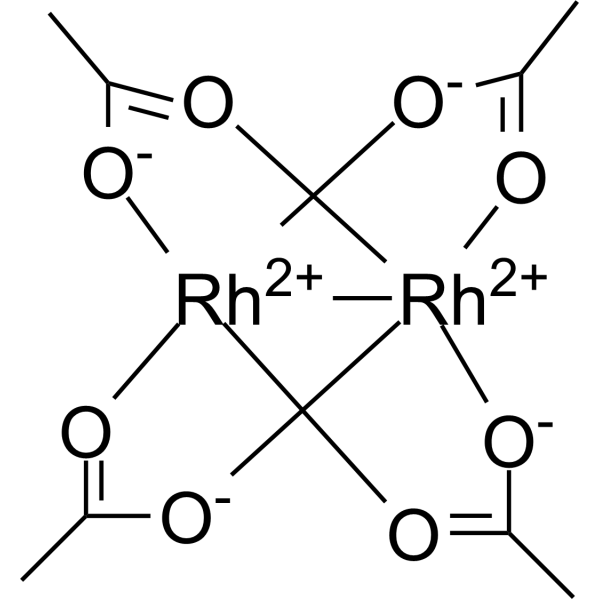 0 ImagesSynonyms: Tetrakis(acetato)dirhodium(II); Rhodium(II) acetate dimerDirhodium tetraacetate (Tetrakis (acetato) dirhodium (II)) is an anticancer agent. Dirhodium tetraacetate functionally inhibits the activities of DNA polymerase I and RNA polymerase. It also acts as a catalyst and can be used to construct rhodium-based artificial metalloenzymes.
-
Guanosine triphosphate trisodium salt hydrate
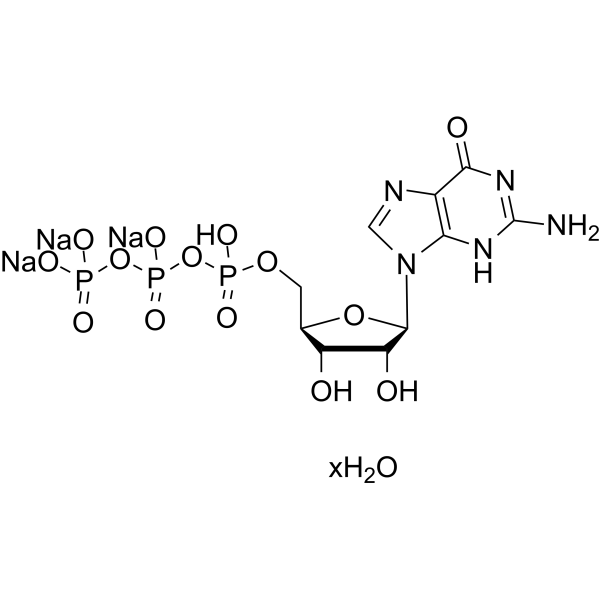 0 ImagesCat. No.: HY-12695BCAS No.: 207300-85-4Synonyms: GTP trisodium salt hydrateGuanosine triphosphate (GTP) trisodium salt hydrate is a critical nucleotide and regulator of cellular metabolism. Guanosine triphosphate trisodium salt hydrate promotes ribosomal DNA localization, pre-rRNA transcription and ribosome biogenesis by binding to RNA polymerase I and GPN proteins (GPN1/3). Guanosine triphosphate trisodium salt hydrate links MYC-dependent ribosome biogenesis to nucleotide sufficiency, acts as a metabolic gatekeeper supporting protein synthesis, DNA/RNA synthesis and cellular signal transduction, while also participating in the physiological activities of pancreatic β-cells and serving as an oxidative substrate for reactive oxygen species. In small cell lung cancer with high MYC expression, Guanosine triphosphate trisodium salt hydrate accumulates through the IMPDH-driven synthetic pathway, thereby affecting apoptosis and mitotic processes. Guanosine triphosphate trisodium salt hydrate is used in the research of small cell lung cancer, hepatoblastoma and cellular metabolism.
-
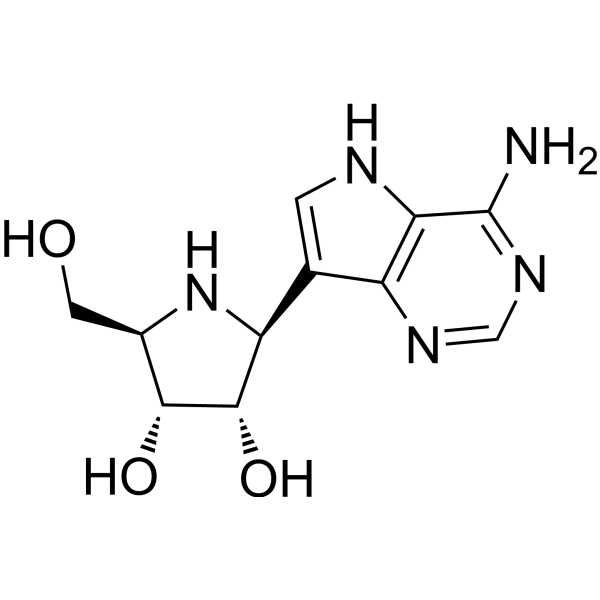
Galidesivir
 0 ImagesSynonyms: BCX4430; Immucillin-AGalidesivir (BCX4430), an adenosine analog and a direct-acting antiviral agent, disrupts viral RNA-dependent RNA polymerase (RdRp) activity. Galidesivir is active in vitro against many RNA viral pathogens, including the filoviruses and emerging infectious agents such as MERS-CoV, SARS-CoV, and SARS-CoV-2. Galidesivir inhibits some negative-sense RNA viruses with EC50s ranging from ~3 to ~68 μM.