



Helicases
Helicases are ATP-driven nucleic acid motor enzymes that translocate along DNA or RNA, unwind duplex substrates, and disrupt protein-nucleic acid interactions[1]. Mechanistically, helicases support DNA replication, repair, recombination, transcription, ribosome biogenesis, RNA splicing, RNA transport, RNA editing, and RNA degradation[1][2]. In disease-relevant models, human RECQ helicases maintain genome stability, and loss of BLM, WRN, or RECQL4 function causes Bloom syndrome, Werner syndrome, and Rothmund-Thomson-related syndromes[3]. Compared with RECQ DNA helicases, DDX3X is an X-linked DEAD-box RNA helicase with a Y-linked paralog, DDX3Y, and DDX3X-linked conditions can show sex differences related to paralog expression or function[4]. For experimental applications, ML216 inhibits BLM DNA unwinding activity and modulates chromosome stability in human cells[5]. DDX3X inhibitors have been designed, validated on the target enzyme, and evaluated against West Nile virus infection, supporting helicase inhibition as a tool for antiviral research[6]. RK-33 has also been used to target DDX3X in breast cancer bone metastasis models[7].
References:
- [1]. Abdelhaleem M. Helicases: an overview. Methods Mol Biol. 2010;587:1-12. [Content Brief]
- [2]. Umate P, et al. Genome-wide comprehensive analysis of human helicases. Commun Integr Biol. 2011 Jan;4(1):118-37. [Content Brief]
- [3]. Monnat RJ Jr. Human RECQ helicases: roles in DNA metabolism, et al. Human RECQ helicases: roles in DNA metabolism, mutagenesis and cancer biology. Semin Cancer Biol. 2010 Oct;20(5):329-39. [Content Brief]
- [4]. Gadek M, et al. The variant landscape and function of DDX3X in cancer and neurodevelopmental disorders. Trends Mol Med. 2023 Sep;29(9):726-739. [Content Brief]
- [5]. Nguyen GH, et al. A small molecule inhibitor of the BLM helicase modulates chromosome stability in human cells. Chem Biol. 2013 Jan 24;20(1):55-62. [Content Brief]
- [6]. Brai A, et al. DDX3X Helicase Inhibitors as a New Strategy To Fight the West Nile Virus Infection. J Med Chem. 2019 Mar 14;62(5):2333-2347. [Content Brief]
- [7]. Winnard PT Jr, et al. Targeting RNA helicase DDX3X with a small molecule inhibitor for breast cancer bone metastasis treatment. Cancer Lett. 2024 Nov 1;604:217260. [Content Brief]
All Product Categories
-
Helicases Related Products (106)
Related Products (106)

-
PolQi2
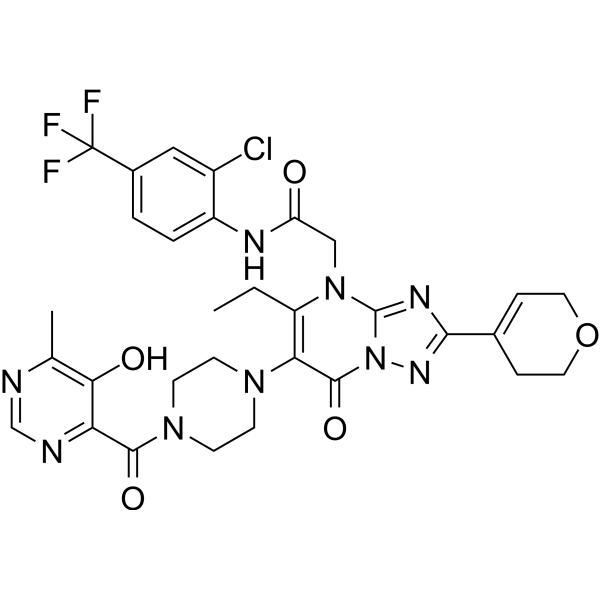
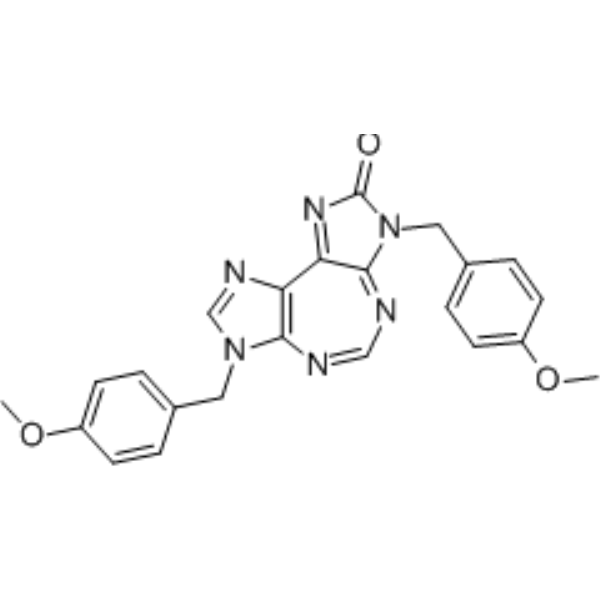
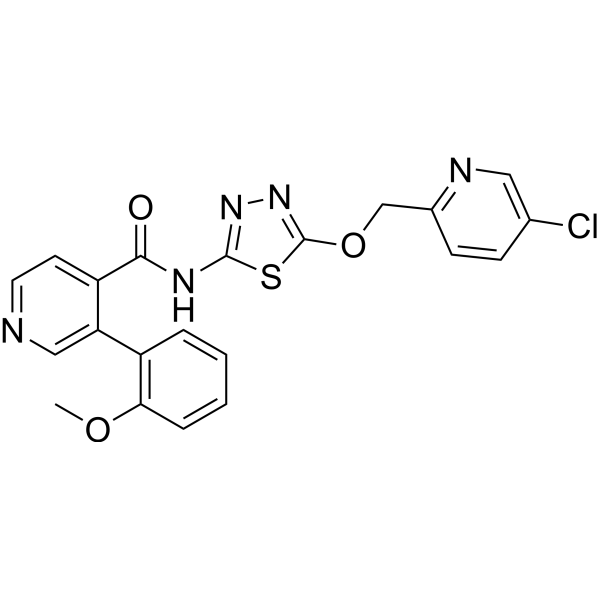 0 ImagesPolQi2 is a PolΘ inhibitor that targets and inhibits alt-EJ (alternative end-joining) repair by inhibiting the helicase domain at the N-terminus of PolΘ. PolQi2 enhances the precision and integration efficiency of gene editing at different loci and in various cell lines. Furthermore, the combined use of PolQi2 with DNA-PK inhibitors reduces the off-target effects of Cas9. PolQi2 can be used in gene editing research.
-
VVD-214
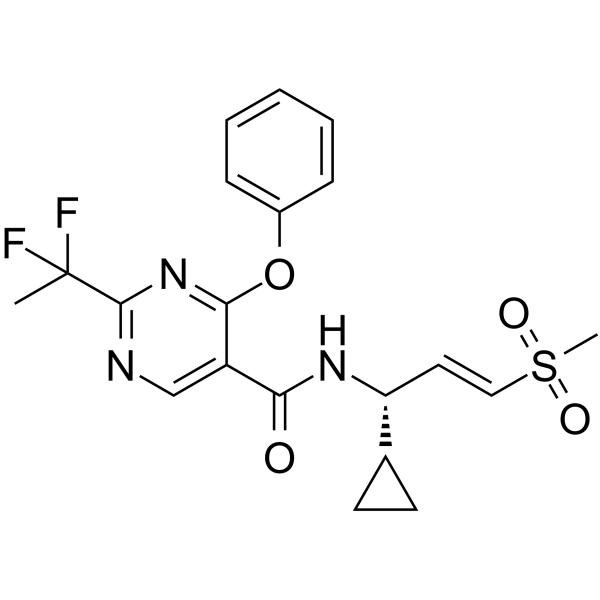 0 ImagesSynonyms: RO7589831; VVD-133214VVD-214 is a synthetic lethal allosteric inhibitor of WRN helicase with an IC50 of 0.1316 µM. VVD-214 covalently binds to cysteine 727 of WRN and inhibits ATP hydrolysis and helicase activity. VVD-214 is potent in causing double-stranded DNA breaks, nuclear swelling, and cell death in high microsatellite instability (MSI) cancers.
-
DNA2 inhibitor C5
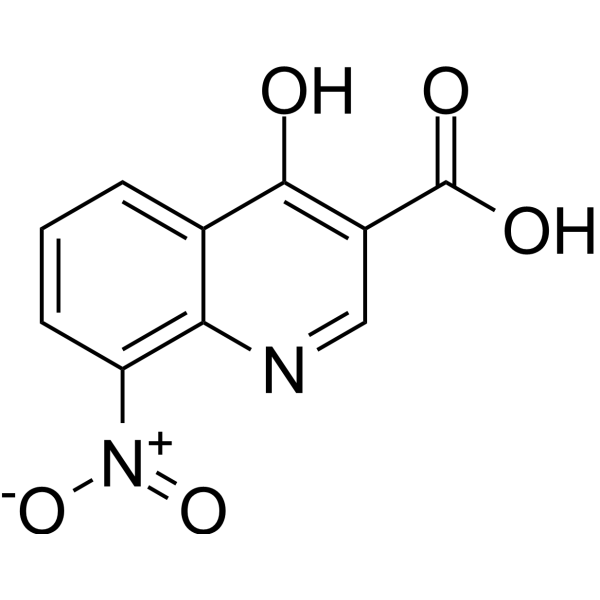 0 ImagesDNA2 inhibitor C5 is a potent, competitive, and specific DNA2 nuclease inhibitor with an IC50 of 20 μM. DNA2 inhibitor C5 inhibits the nuclease, DNA-dependent ATPase, helicase, and DNA-binding activities of DNA2. DNA2 inhibitor C5 can be used in breast cancer and colorectal cancer research.
-
Avenanthramide A
 0 ImagesAvenanthramide A is an orally active phytoalexin that targets the RNA helicase DDX3 with a KD of 8.8 μM. Avenanthramide A induces mitochondrial swelling and increased ROS production, and triggers apoptosis in CRC cells. Avenanthramide A inhibits smooth muscle cell proliferation and enhances nitric oxide production. Avenanthramide A can be used in research on colorectal cancer and atherosclerosis.

-
WRN-IN-25
 0 ImagesCat. No.: HY-182313WRN-IN-25 is an allosteric Werner syndrome helicase (WRN) inhibitor with an IC50 of 15 nM and a Kd of 54 nM. WRN-IN-25 induces DNA damage, reduces cell viability, and exhibits synthetic lethality in WRN-driven high microsatellite instability cancer cells. WRN-IN-25 can be used in research related to microsatellite instability cancers.
-
ML216
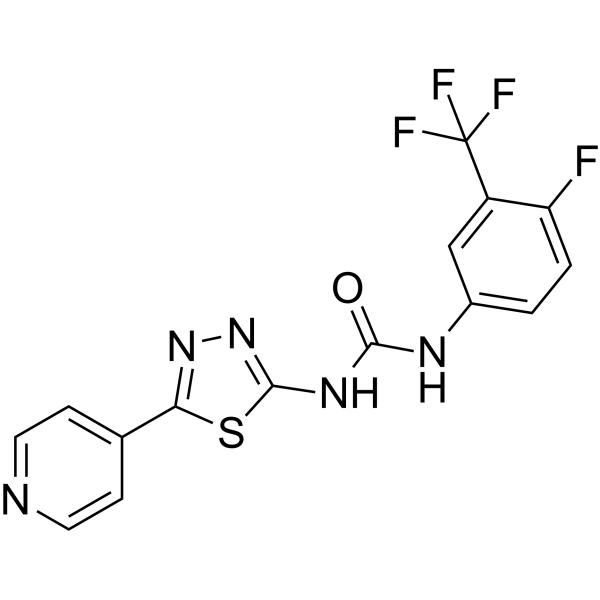 0 ImagesSynonyms: CID-49852229ML216 (CID-49852229) is a potent, selective and cell permeable inhibitor of the DNA unwinding activity of BLM helicase with IC50s of 2.98 μM and 0.97 μM for BLMfull-length and BLM636-1298, respectively. ML216 inhibits ssDNA-dependent ATPase activity of BLM with a Ki of 1.76 μM. Antitumor avtivity.
-
TK216
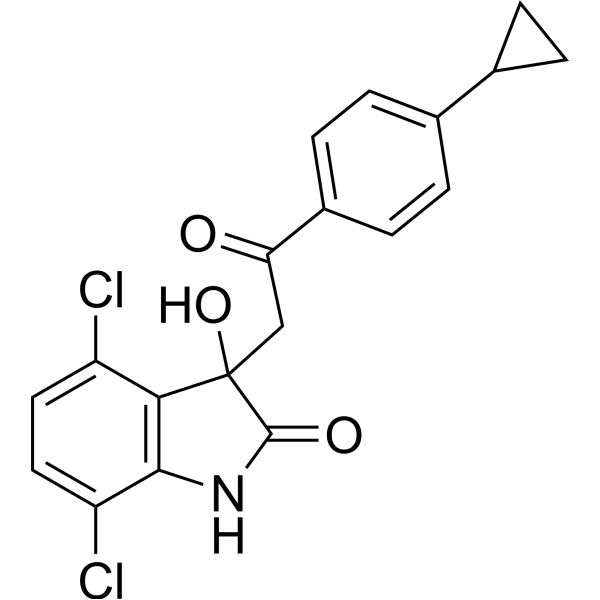 0 ImagesTK216 is an orally active and potent E26 transformation specific (ETS) inhibitor. TK216 directly binds EWS-FLI1 and inhibits EWS-FLI1 protein interactions. TK216 blocks the binding between EWS-FLI1 and RNA helicase A. TK216 has anticancer activity.
-
Pritelivir
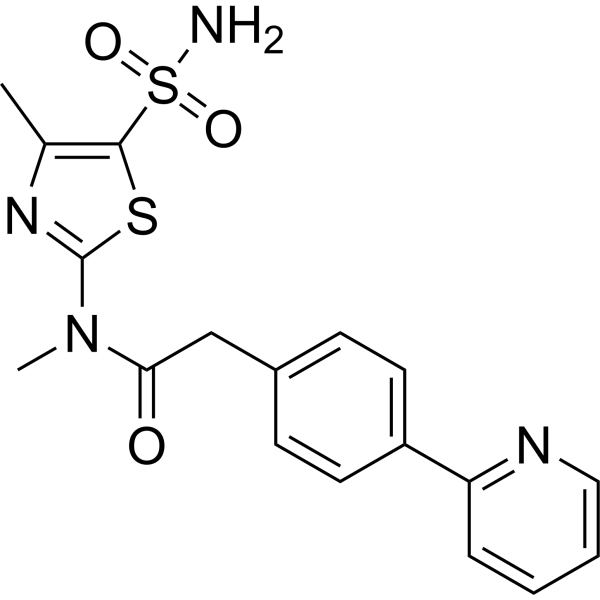 0 ImagesSynonyms: AIC316; BAY 57-1293
-
NSC 617145
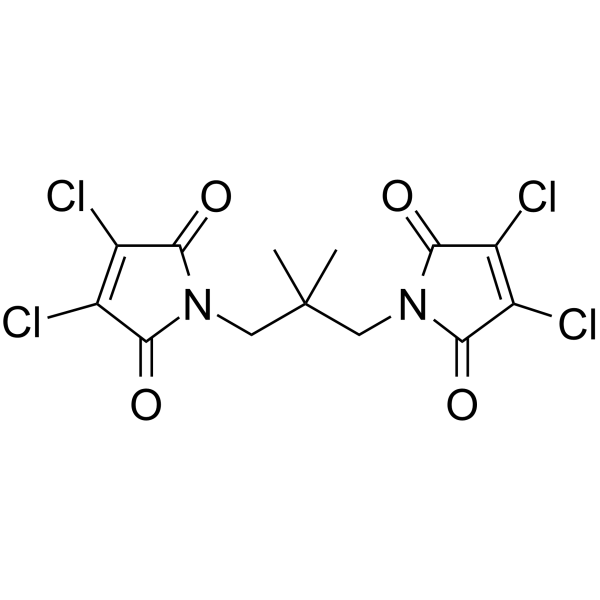 0 ImagesNSC 617145 is a selective werner syndrome helicase (WRN) helicase inhibitor with an IC50 value of 230 nM. NSC 617145 inhibits WRN ATPase, and induces double-strand breaks (DSB) and chromosomal abnormalities. NSC 617145 shows selective for WRN over BLM, FANCJ, ChlR1, RecQ, and UvrD helicases.
-
YK-4-279
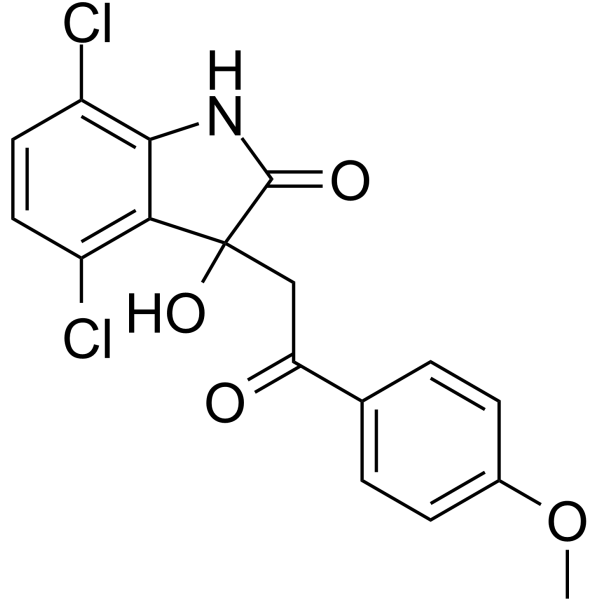 0 ImagesYK-4-279 blocks RNA Helicase A (RHA) binding with EWS-FLI1 (oncogenic protein). YK-4-279 induces apoptosis and shows anti-proliferation activities towards various cancer cells. YK-4-279 has a chiral center and it can be separated into two enantiomers. YK-4-279 can be used for the research of cancer.
-
DHX9-IN-1
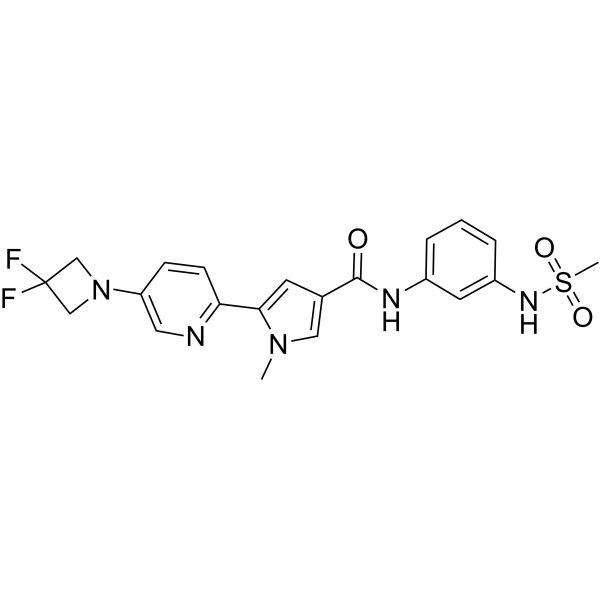 0 ImagesDHX9-IN-1 is an inhibitor of ATP-dependent RNA helicase A (DHX9). Its EC50 value is 1.41 μM. DHX9-IN-1 has anti-tumor activity and can be used in colorectal cancer research.
-
GSK4418959
 0 ImagesSynonyms: IDE275GSK4418959 (IDE275) is a selective, reversible and orally active WRN helicase inhibitor. GSK4418959 shows >10,000-fold selectivity over other helicases. GSK4418959 inhibits ATPase and DNA unwinding functions in an ATP-competitive manner. GSK4418959 can be used for the study of microsatellite instability-high (MSI-H) cancer, such as colorectal cancer (CRC) and endometrial cancer (EC).
-
KY386
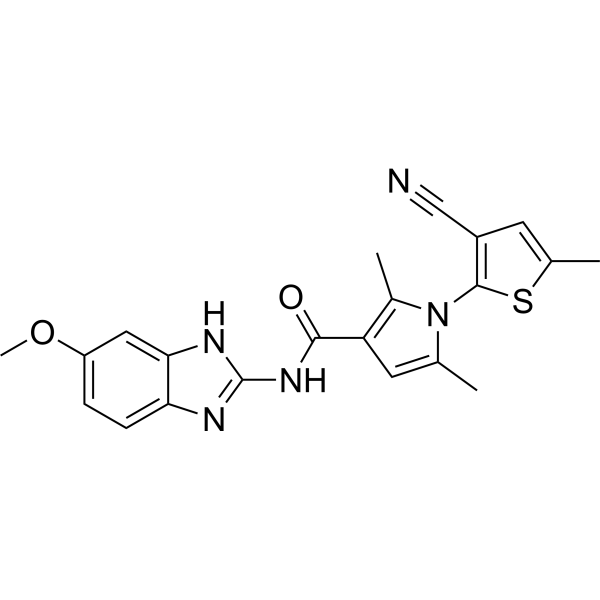 0 ImagesKY386 is a DHX33 helicase inhibitor with an IC50 of 0.019 μM. KY386 inhibits the cell viability of various cancer cells. KY386 induces ferroptosis in cancer cells, and induces apoptosis in some cancer cell lines. KY386 increases the intracellular levels of ROS, LPO and Fe2+, and decreases the level of GSH in cancer cells. KY386 inhibits the growth of gastric cancer and colon cancer xenografts in nude mice. KY386 is applicable to the related research on liver cancer, lung cancer, pancreatic cancer, colorectal cancer, gastric cancer, breast cancer, leukemia, renal cancer, prostate cancer, esophageal cancer, cervical cancer, brain cancer (glioblastoma) and melanoma.

-
Supinoxin
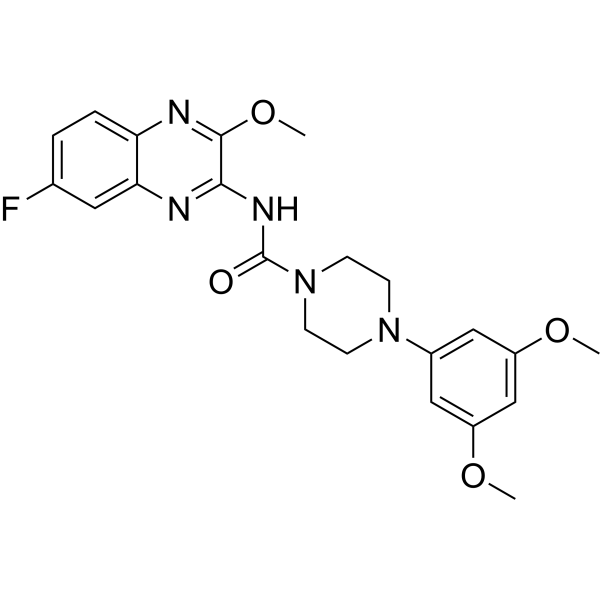 0 ImagesSynonyms: RX-5902Supinoxin (RX-5902) is an orally active inhibitor of phosphorylated-p68 RNA helicase (P-p68) and a potent first-in-class anti-cancer agent. Supinoxin interacts with Y593 phosphorylated-p68 and attenuates the nuclear shuttling of β-catenin. Supinoxin induces cell apoptosis and inhibits growth of TNBC cancer cell lines with IC50s ranging from 10 nM to 20 nM.
-
CHD1Li 6.11
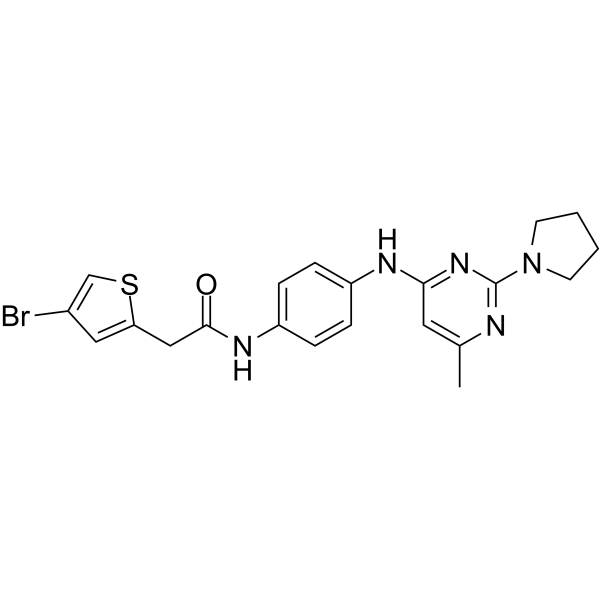 0 ImagesCHD1Li 6.11 is a potent and orally active Chromodomain Helicase DNA Binding Protein 1 Like (CHD1L) (oncogenic gene) inhibitor (IC50 = 3.3 µM for cat-CHD1L recombinant protein). CHD1Li 6.11 can inhibit EMT, induce mesenchymal-epithelial transition (reverse EMT) and promote apoptosis in tumor organoid models. CHD1Li 6.11 can be used for the research of cancer, such as colorectal cancer.



