



XRK3F2
Based on 8 publication(s) in Google Scholar
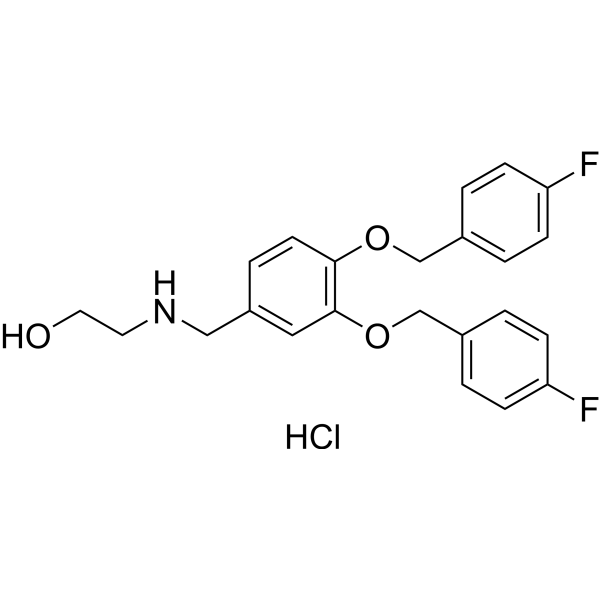
XRK3F2 is a p62 (sequestosome-1) ZZ domain inhibitor that has specificity for the p62-ZZ domain over other p62 signaling domains. XRK3F2 blocks TNFα effects and upregulation in bone marrow stromal cells, and induces multiple myeloma cell apoptosis. XRK3F2 can be used for the research of multiple myeloma bone disease, acute myeloid leukemia, and multiple myeloma.
Nur für Forschungszwecke. Wir verkaufen nicht an Patienten.
- Reinheit : 99.08%
- CAS. Nr.: 2375193-43-2
- Formel: C23H24ClF2NO3
- Molecular Weight:435.89
-
Speicherung:
4°C, sealed storage, away from moisture
* In solvent : -80°C, 6 months; -20°C, 1 month (sealed storage, away from moisture)

To place orders, for customer services and technical support, please contact: MedChemExpress USA
Tel: 609-228-6898 E-mail: [email protected] [email protected]


-
 Biologische Aktivität
-
Chemical Information
-
Lösungsmittel & Löslichkeit
- Protokoll
- Reinheit & Dokumentation
- Verweise
-
 Help & FAQs


-
HY-111126
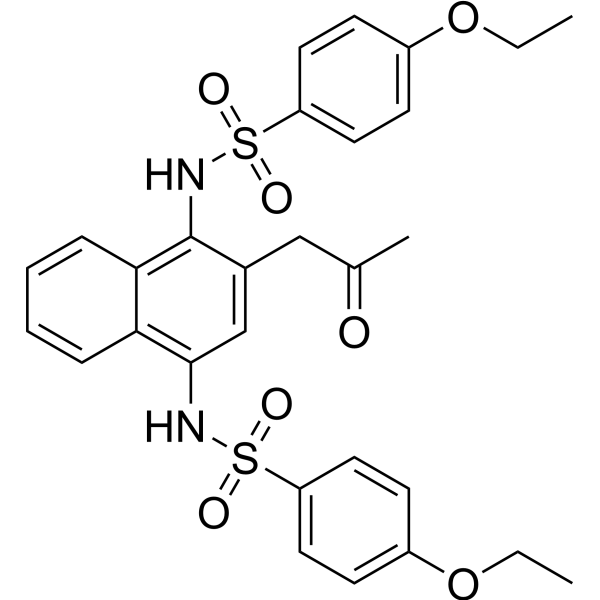
K67Keap1/S349-p-p62 Interaction Inhibitor -
HY-17589A
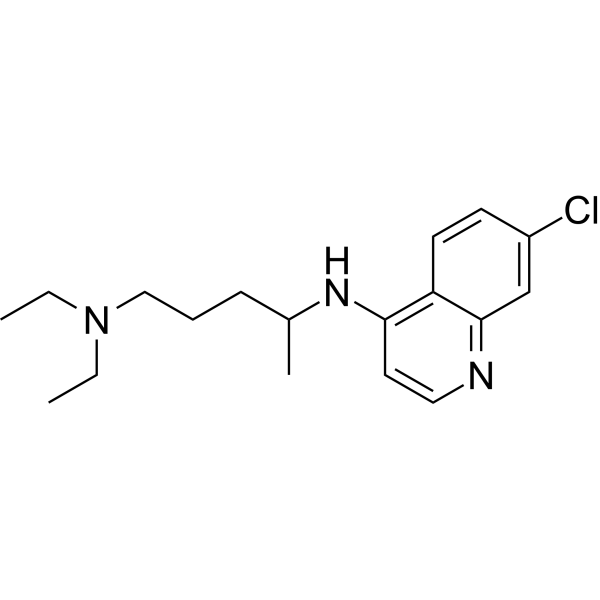
ChloroquineAntimalarial Agent -
HY-15202
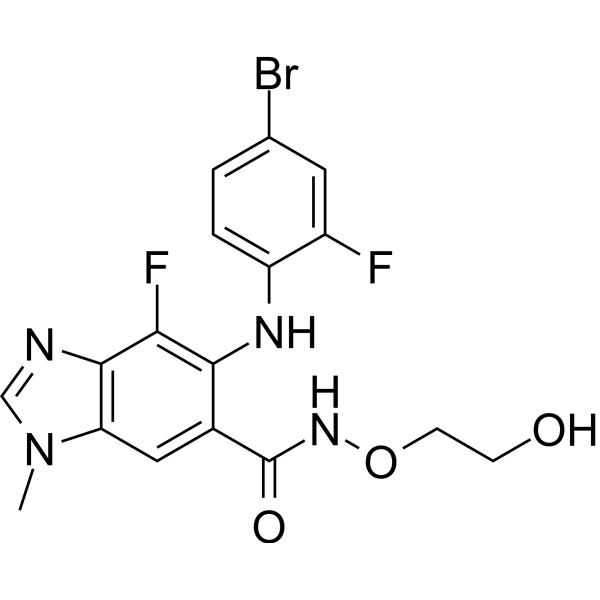
BinimetinibMEK1/2 Inhibitor -
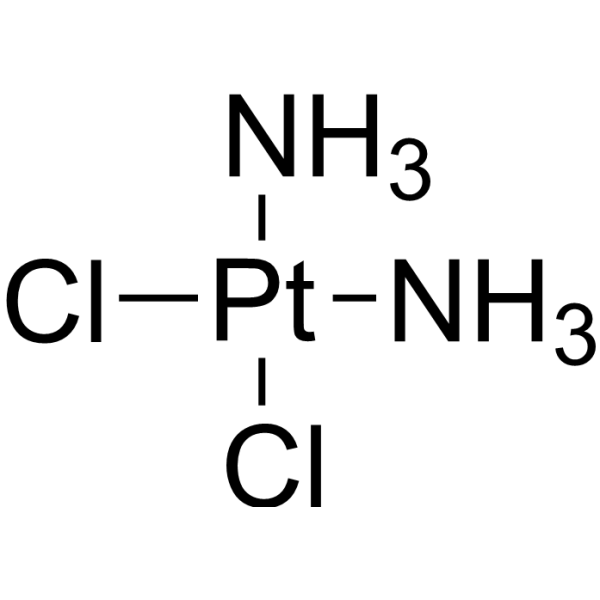
HY-17394
CisplatinDNA Alkylator -
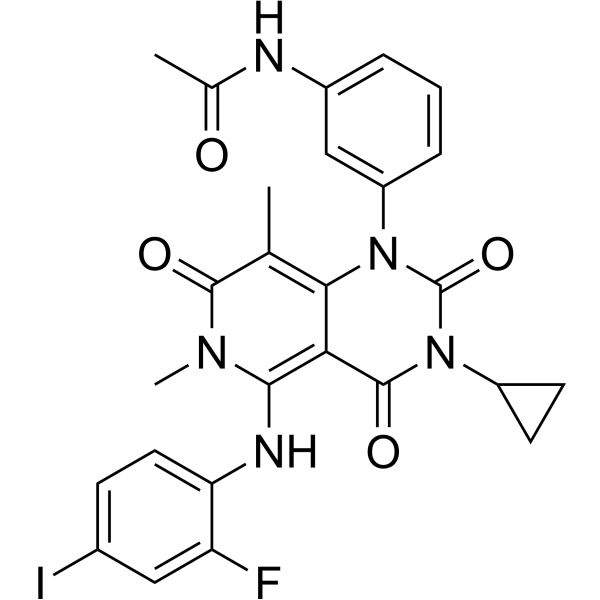
HY-10999
TrametinibMEK Inhibitor -
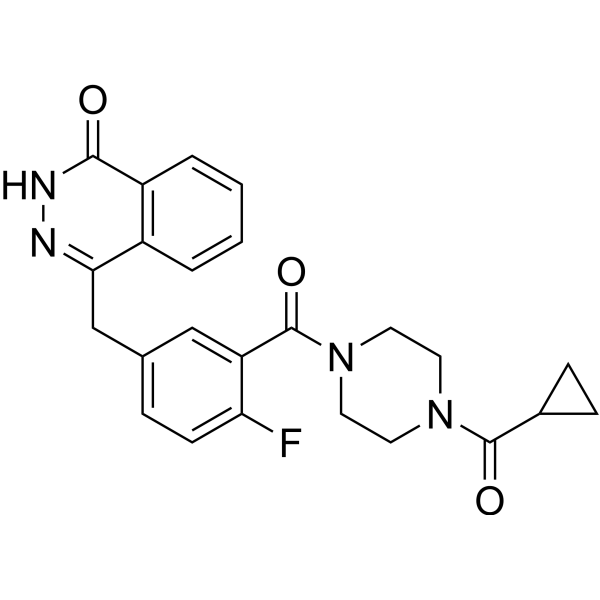
HY-10162
OlaparibPARP Inhibitor -
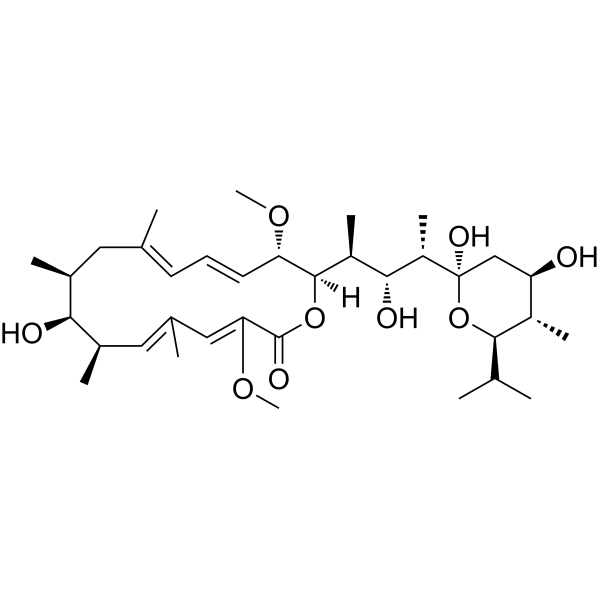
HY-100558
Bafilomycin A1V-ATPase Inhibitor -
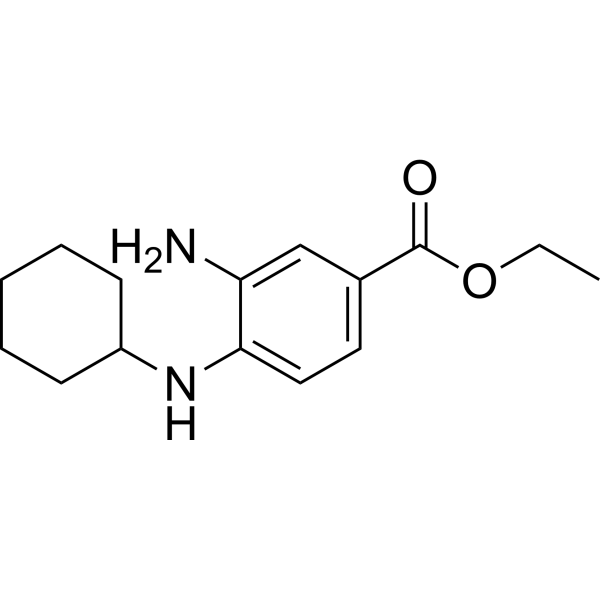
HY-100579
Ferrostatin-1Ferroptosis Inhibitor -
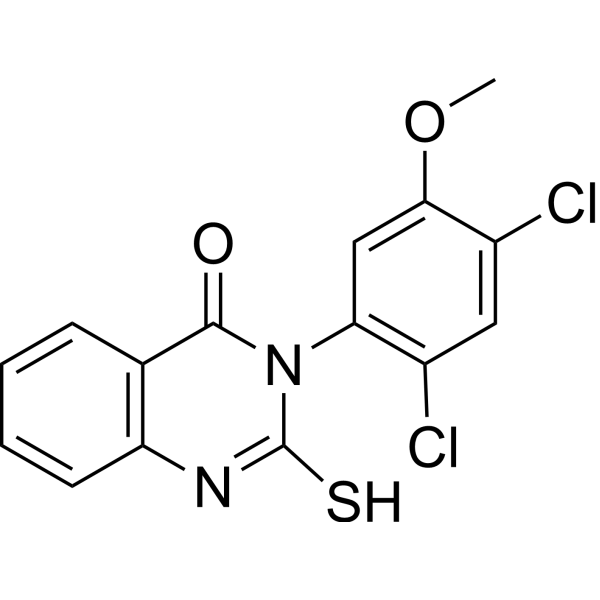
HY-15886
Mdivi-1Drp1 Inhibitor -

HY-169779
PTX80p62 Antagonist -
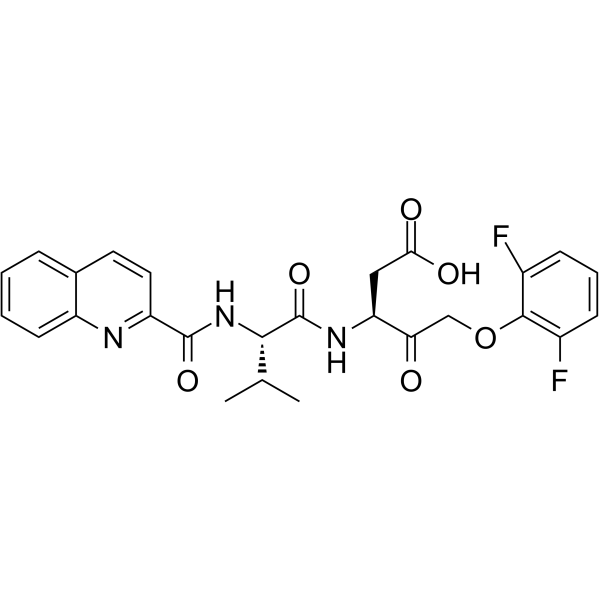
HY-12305
Q-VD-OPhPan-caspase Inhibitor -
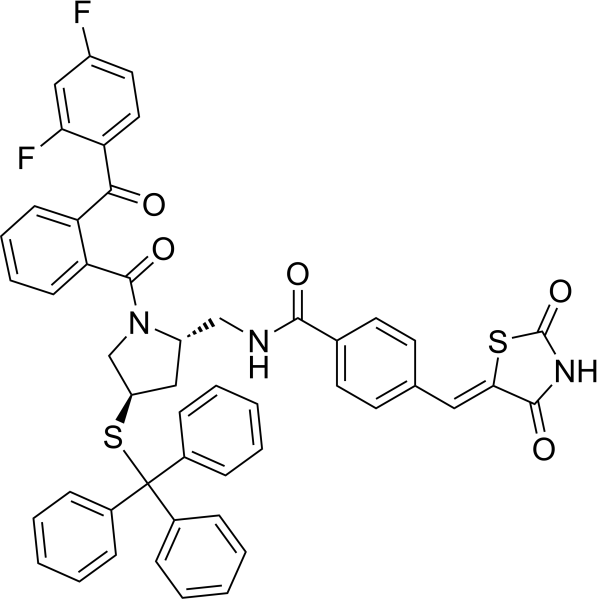
HY-111376
PyrrophenonePLA2 Inhibitor
Publications Citing Use of MedChemExpress (MCE) XRK3F2
More Customer Validation & Images

-
Cell Proliferation/Viability Assay
-
In Vivo Efficacy Study
-
Histological Imaging/Staining
-
WB


Biologische Aktivität
Beschreibung
IC50 & Target
P62-ZZ domain[1].
Cellular Effect
|
Cell Line

|
Type | Value | Description | References |
|---|---|---|---|---|
| MM1.S | IC50 |
4.6 μM
Compound: XRK3F2
|
Inhibition of cell growth in human MM1.S cells incubated for 48 hrs by MTT assay
Inhibition of cell growth in human MM1.S cells incubated for 48 hrs by MTT assay
|
[PMID: 32193054] |
In Vitro
XRK3F2 (5 μM; 48 h co-culture + 4 days osteogenic culture) prevents MM-induced Runx2 suppression and Gfi1 upregulation in MC4 pre-osteoblasts during co-culture and subsequent osteogenic differentiation. XRK3F2 also rescues alkaline phosphatase activity in MC4 pre-osteoblasts[1].
XRK3F2 (5 μM; 48 h) blocks Gfi1 upregulation, Runx2 repression, and IL6 induction in primary murine BMSC treated with MM1.S conditioned media or TNFα plus IL7. XRK3F2 prevents MM-induced GFI1 and HDAC1 recruitment to the Runx2-P1 promoter and preserves H3K9ac marks in MC4 pre-osteoblasts[1].
XRK3F2 (2.5-5 μM; 4 days) rescues Runx2 expression, osteogenic target gene expression, and H3K9ac marks, and reduces GFI1 binding at the Runx2-P1 promoter in MM-exposed MC4 pre-osteoblasts[1].
XRK3F2 (5 μM; 5 days) rescues Runx2 mRNA expression in MM-exposed HD-hBMSC during osteogenic differentiation[1].
XRK3F2 (0-20 μM; 72 h) inhibits the viability of K562, HL-60, K562/A02, and HL60/ADR leukemia cells with IC50 values ranging from 6.41 to 8.76 μM[2].
XRK3F2 (5 μM) induces apoptosis of primary human AML CD34+CD38− cells (LIC-like population) at 5 μM[2].
XRK3F2 (0.1-10 μM, 48 h ) inhibits TNFα-induced differentiation of human CD116+ OCL precursors[3].
XRK3F2 (10 μM; 48 h, 72 h) directly inhibits growth of human MM cell lines, primary MM cells, and murine 5TGM1-gfp cells by inducing apoptosis, with an IC50 of 4.35 μM for 5TGM1 cells[3].
MedChemExpress (MCE) has not independently confirmed the accuracy of these methods. They are for reference only.
-
Cell Line:murine pre-osteoblast MC4 cells
-
Concentration:3 μM
-
Incubation Time:48 h (mRNA analysis); 7 days (alkaline phosphatase staining)
-
Result:Prevented TNFα-induced Gfi1 mRNA upregulation and Runx2 mRNA repression; rescued alkaline phosphatase staining (a marker of osteogenic differentiation) in TNFα-treated MC4 cells.
-
Cell Line:murine pre-osteoblast MC4 cellsmurine pre-osteoblast MC4 cells, 5TGM1 multiple myeloma murine pre-osteoblast MC4 cells, 5TGM1 multiple myeloma (MM) cells
-
Concentration:2.5-5 μM
-
Incubation Time:4 days (osteogenic media culture)
-
Result:Significantly elevated Runx2 mRNA and downstream osteogenic target genes (Ocn, Bsp, Osx); reduced GFI1 binding at the Runx2-P1 promoter; increased H3K9ac levels at the Runx2-P1 promoter; rescued alkaline phosphatase staining.
-
Cell Line:healthy donor human BMSC (HD-hBMSC), MM1.S cells
-
Concentration:5 μM
-
Incubation Time:5 days (osteogenic media culture after MM removal)
-
Result:Rescued Runx2 mRNA levels in MM-exposed HD-hBMSC; decreased Gfi1 mRNA (difference not significant).
-
Cell Line:K562, HL-60, K562/A02, HL60/ADR
-
Concentration:0-20 μM
-
Incubation Time:72 h
-
Result:Exhibited cytotoxicity toward K562 (IC50 = 6.41 μM), HL-60 (IC50 = 8.23 μM), K562/A02 (IC50 = 6.42 μM), and HL60/ADR (IC50 = 8.76 μM) cells, with comparable sensitivity between parental and drug-resistant lines.
-
Cell Line:human MM cell lines, primary MM cells, murine 5TGM1-gfp cells
-
Concentration:10 μM
-
Incubation Time:48 h (human MM cell lines, primary MM cells); 72 h (murine 5TGM1-gfp cells)
-
Result:Significantly inhibited growth of all 6 human MM cell lines and primary human MM cells; achieved an IC50 of 4.35 μM for 5TGM1 cells and 4.6 μM for MM1.S cells; induced cleavage of caspases 9, 7, and 3 in MM1.S cells after 16 hours.
In Vivo
XRK3F2 (27, 40 mg/kg/day; i.p.; 5 consecutive days/week; 2 weeks) induces significant new cortical bone formation restricted to MM-containing bones in an immunocompetent multiple myeloma model[3].
MedChemExpress (MCE) has not independently confirmed the accuracy of these methods. They are for reference only.
-
Animal Model:NOG (sublethally irradiated 120 cGy; AML PDX model)[2]
-
Dosage:40 mg/kg
-
Administration:i.p.; daily; 10 consecutive days
-
Result:Markedly reduced leukemic burden of hCD45+ cells in the bone marrow compared to the vehicle group.
-
Animal Model:C57BL/KaLwRij (male, 6-12 weeks of age, multiple myeloma model via tibial inoculation of 1×10⁵ 5TGM1-gfp cells)[3]
-
Dosage:27 mg/kg/day; 40 mg/kg/day
-
Administration:i.p.; 5 consecutive days/week; 2 weeks
-
Result:Increased cortical bone volume (measured by new bone volume to total bone volume ratio) in all treated mice; Observed greater cortical bone formation in treated mice with high tumor burden (high IgG₂b levels); Detected no new bone formation in non-MM-bearing legs; Confirmed new woven bone formation localized to MM-containing bones via histology, with active osteoblasts and osteoclasts present on new bone surfaces.


Chemical Information
-
CAS. Nr. 2375193-43-2
-
Appearance Solid
-
Molecular Weight 435.89
-
Formel C23H24ClF2NO3
-
Color White to off-white
-
SMILES
FC(C=C1)=CC=C1COC2=C(OCC3=CC=C(F)C=C3)C=C(CNCCO)C=C2.Cl
-
Versand
Room temperature in continental US; may vary elsewhere.
-
Speicherung
4°C, sealed storage, away from moisture
* In solvent : -80°C, 6 months; -20°C, 1 month (sealed storage, away from moisture)


Publications (8)
-
Journal Impact Factor
-
Most Recent
-
-
-
Mol Med
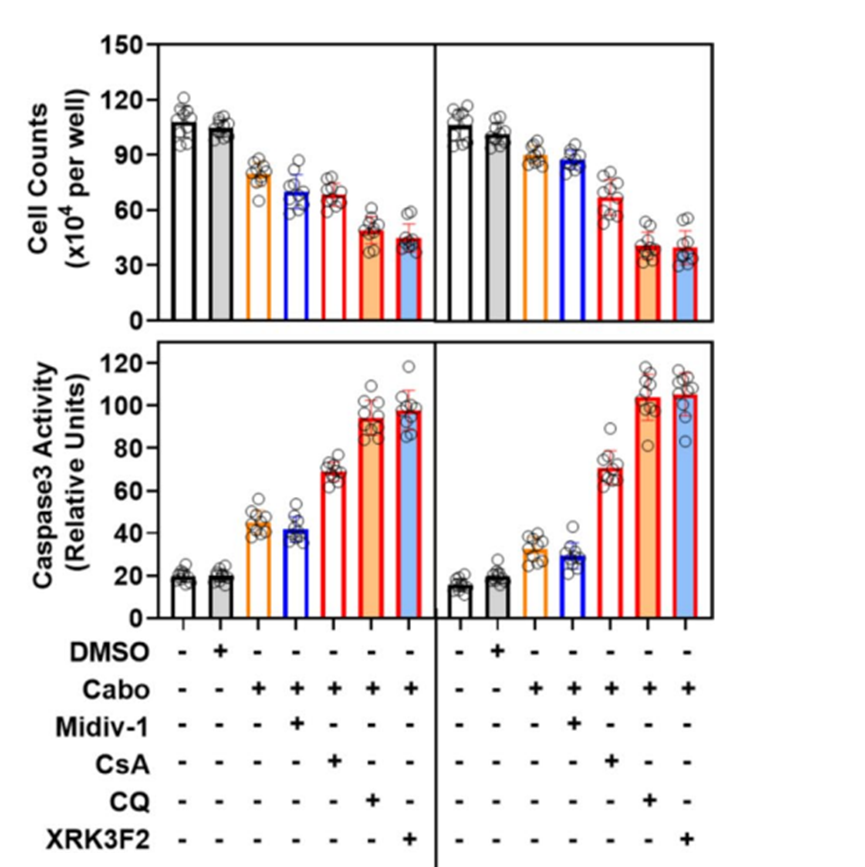
Overexpression of c-Myc triggers p62 aggregation-mediated mitochondrial mitophagy in cabozantinib resistance of hepatocellular carcinoma. [Abstract]2025 May 27;31(1):209. PMID: 40426058
XRK3F2 purchased from MedChemExpress. Usage Cited in: Mol Med. 2025 May 27;31(1):209. [Abstract]
Cell viability (live cells counted using hemocytometer after trypan blue exclusion) and intracellular Caspase3 activity (Caspase 3/7 Activity Apoptosis Assay) were assessed after treating cabozantinib-resistant HCC cells with XRK3F2.
-
Eur J Pharmacol
Doxorubicin-mediated retardation of aggresome formation enhances Carfilzomib-induced cell death synergistically by augmenting ER stress and proapoptotic signaling. [Abstract]2025 Dec 5:1008:178303. PMID: 41183585 -
Front Cell Dev Biol
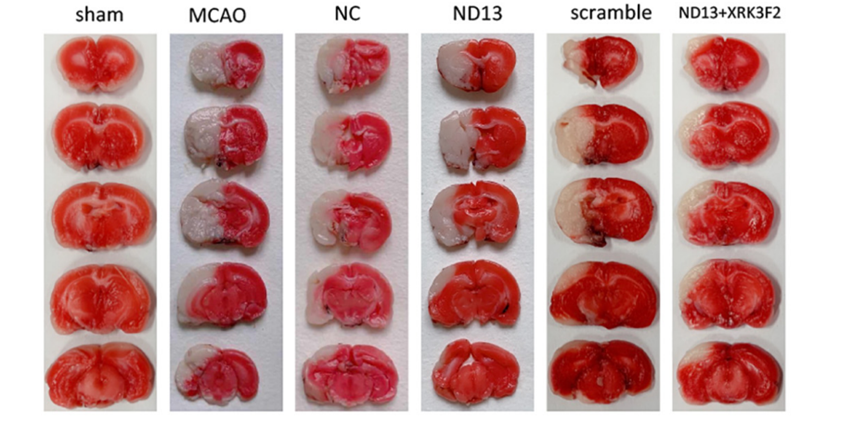
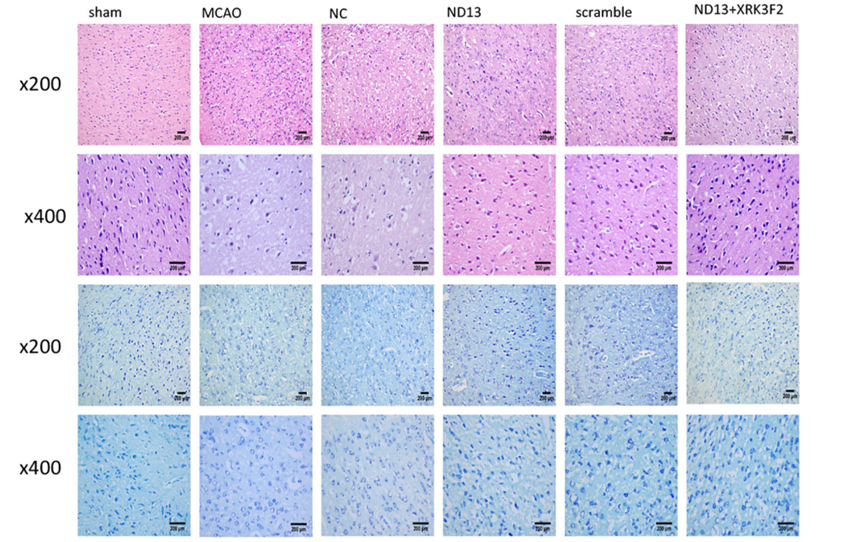
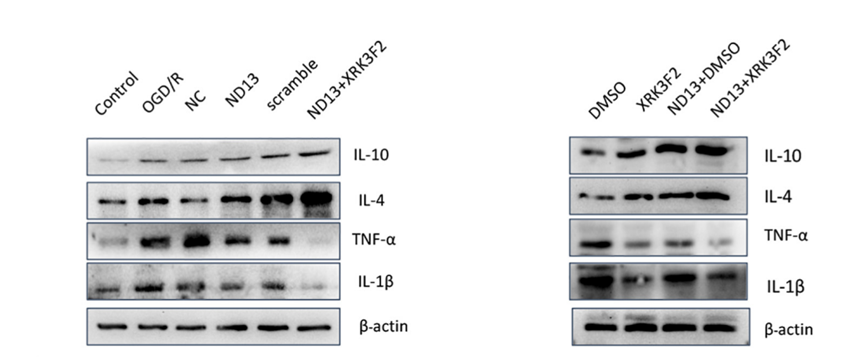
DJ-1 Regulates Microglial Polarization Through P62-Mediated TRAF6/IRF5 Signaling in Cerebral Ischemia-Reperfusion. [Abstract]2020 Dec 17:8:593890. PMID: 33392187
XRK3F2 purchased from MedChemExpress. Usage Cited in: Front Cell Dev Biol. 2020 Dec 17:8:593890. [Abstract]
The infarct volume was significantly decreased compared with that of the ND13 group.after treatment with XRK3F2 (2.5 μg/μL).
XRK3F2 purchased from MedChemExpress. Usage Cited in: Front Cell Dev Biol. 2020 Dec 17:8:593890. [Abstract]
HE staining showed that after treatment with XRK3F2 (2.5 μg/μL), the injuries condition improved.
XRK3F2 purchased from MedChemExpress. Usage Cited in: Front Cell Dev Biol. 2020 Dec 17:8:593890. [Abstract]
After combined treatment with XRK3F2 (2.5 μg/μL) and ND13, the expression levels of IL-10 and IL-4 were higher and the expression levels of TNF-α and IL-1β were lower than those of the ND13 group.
-
-
-


Lösungsmittel & Löslichkeit
In Vitro:
DMSO : 150 mg/mL (344.12 mM; Need ultrasonic; Hygroscopic DMSO has a significant impact on the solubility of product, please use newly opened DMSO)
H2O : 0.91 mg/mL (2.09 mM; Need ultrasonic)
Please refer to the solubility information to select the appropriate solvent. Once prepared, please aliquot and store the solution to prevent product inactivation from repeated freeze-thaw cycles.
Storage method and period of stock solution: -80°C, 6 months; -20°C, 1 month (sealed storage, away from moisture). When stored at -80°C, please use it within 6 months. When stored at -20°C, please use it within 1 month.
* Note: If you choose water as the stock solution, please dilute it to the working solution, then filter and sterilize it with a 0.22 μm filter before use.
Please refer to the solubility information to select the appropriate solvent. Once prepared, please aliquot and store the solution to prevent product inactivation from repeated freeze-thaw cycles.
Storage method and period of stock solution: -80°C, 6 months; -20°C, 1 month (sealed storage, away from moisture). When stored at -80°C, please use it within 6 months. When stored at -20°C, please use it within 1 month.
* Note: If you choose water as the stock solution, please dilute it to the working solution, then filter and sterilize it with a 0.22 μm filter before use.
Konzentration (Stammlösung) × Volumen (Stammlösung) = Konzentration (Ziellösung) × Volumen (Ziellösung)
In Vivo:
Select the appropriate dissolution method based on your experimental animal and administration route.
- For the following dissolution methods, please ensure to first prepare a clear stock solution using an In Vitro approach and then sequentially add co-solvents:
- To ensure reliable experimental results, the clarified stock solution can be appropriately stored based on storage conditions. As for the working solution for In Vivo experiments, it is recommended to prepare freshly and use it on the same day.
- The percentages shown for the solvents indicate their volumetric ratio in the final prepared solution. If precipitation or phase separation occurs during preparation, heat and/or sonication can be used to aid dissolution.
Add each solvent one by one: 10% DMSO 40% PEG300 5% Tween-80 45% Saline
Solubility: ≥ 2.5 mg/mL (5.74 mM); Clear solution
This protocol yields a clear solution of ≥ 2.5 mg/mL (saturation unknown).
Taking 1 mL working solution as an example, add 100 μL DMSO stock solution (25.0 mg/mL) to 400 μL PEG300, and mix evenly; then add 50 μL Tween-80 and mix evenly; then add 450 μL Saline to adjust the volume to 1 mL.
Preparation of Saline: Dissolve 0.9 g sodium chloride in ddH₂O and dilute to 100 mL to obtain a clear Saline solution.
Add each solvent one by one: 10% DMSO 90% (20% SBE-β-CD in Saline)
Solubility: ≥ 2.5 mg/mL (5.74 mM); Clear solution
This protocol yields a clear solution of ≥ 2.5 mg/mL (saturation unknown).
Taking 1 mL working solution as an example, add 100 μL DMSO stock solution (25.0 mg/mL) to 900 μL 20% SBE-β-CD in Saline, and mix evenly.
Preparation of 20% SBE-β-CD in Saline (4°C, storage for one week): 2 g SBE-β-CD powder is dissolved in 10 mL Saline, completely dissolve until clear.
In Vivo Dissolution Calculator
Please enter the basic information of animal experiments:
-
-
-
-
Recommended: Prepare an additional quantity of animals to account for potential losses during experiments.
Please enter your animal formula composition:
-
%DMSO +
Recommended: Keep the proportion of DMSO in working solution below 2% if your animal is weak.
-
%+
-
+%Tween-80 + +
-
%Saline +
The co-solvents required include: DMSO, . All of co-solvents are available by MedChemExpress (MCE). , Tween 80. All of co-solvents are available by MedChemExpress (MCE).
Working solution concentration: 0.22 mg/mL
Method for preparing stock solution: mg drug dissolved in μL DMSO. Stock solution concentration: mg/mL. * In solvent : -80°C, 6 months; -20°C, 1 month (sealed storage, away from moisture)
1. Take μL DMSO stock solution;
2. Add μL .
μL , mix evenly;
3. Then add μL Tween 80, mix evenly;
4. Then add μL
Please ensure that the stock solution in the first step is dissolved to a clear state, and add co-solvents in sequence. You can use ultrasonic heating (ultrasonic cleaner, recommended frequency 20-40 kHz), vortexing, etc. to assist dissolution.


Reinheit & Dokumentation
-
Data Sheet (283 KB)
-
SDS (393 KB)
- English - EN (393 KB)
- Français - FR (393 KB)
- Deutsch - DE (393 KB)
- Norwegian - NO (393 KB)
- Español - ES (393 KB)
- Swedish - SV (393 KB)
- Italian - IT (393 KB)
- Korean - KR (393 KB)
- Portuguese - PT (393 KB)
-
Handling Instructions (2659 KB)
Verweise
[1]. Adamik J, et al. XRK3F2 Inhibition of p62-ZZ Domain Signaling Rescues Myeloma-Induced GFI1-Driven Epigenetic Repression of the Runx2 Gene in Pre-osteoblasts to Overcome Differentiation Suppression. Front Endocrinol (Lausanne). 2018 Jun 29;9:344. [Content Brief]
[2]. Li Y, et al. A mitophagy inhibitor targeting p62 attenuates the leukemia-initiation potential of acute myeloid leukemia cells. Cancer Lett. 2021;510:24-36. [Content Brief]
[3]. Teramachi J, et al. Blocking the ZZ domain of sequestosome1/p62 suppresses myeloma growth and osteoclast formation in vitro and induces dramatic bone formation in myeloma-bearing bones in vivo. Leukemia. 2016;30(2):390-398. [Content Brief]


Complete Stock Solution Preparation Table
Please refer to the solubility information to select the appropriate solvent. Once prepared, please aliquot and store the solution to prevent product inactivation from repeated freeze-thaw cycles.
Storage method and period of stock solution: -80°C, 6 months; -20°C, 1 month (sealed storage, away from moisture). When stored at -80°C, please use it within 6 months. When stored at -20°C, please use it within 1 month.
| Optional Solvent | Concentration Solvent Mass | 1 mg | 5 mg | 10 mg | 25 mg |
|---|---|---|---|---|---|
| H2O / DMSO | 1 mM | 2.2942 mL | 11.4708 mL | 22.9416 mL | 57.3539 mL |
| DMSO | 5 mM | 0.4588 mL | 2.2942 mL | 4.5883 mL | 11.4708 mL |
| 10 mM | 0.2294 mL | 1.1471 mL | 2.2942 mL | 5.7354 mL | |
| 15 mM | 0.1529 mL | 0.7647 mL | 1.5294 mL | 3.8236 mL | |
| 20 mM | 0.1147 mL | 0.5735 mL | 1.1471 mL | 2.8677 mL | |
| 25 mM | 0.0918 mL | 0.4588 mL | 0.9177 mL | 2.2942 mL | |
| 30 mM | 0.0765 mL | 0.3824 mL | 0.7647 mL | 1.9118 mL | |
| 40 mM | 0.0574 mL | 0.2868 mL | 0.5735 mL | 1.4338 mL | |
| 50 mM | 0.0459 mL | 0.2294 mL | 0.4588 mL | 1.1471 mL | |
| 60 mM | 0.0382 mL | 0.1912 mL | 0.3824 mL | 0.9559 mL | |
| 80 mM | 0.0287 mL | 0.1434 mL | 0.2868 mL | 0.7169 mL | |
| 100 mM | 0.0229 mL | 0.1147 mL | 0.2294 mL | 0.5735 mL |
* Note: If you choose water as the stock solution, please dilute it to the working solution, then filter and sterilize it with a 0.22 μm filter before use.


XRK3F2 Related Classifications
HY-112904 Related Classifications
 Powered by Bioz