



Cystic Fibrosis
-
Cystic Fibrosis (28)

- 1
- 2
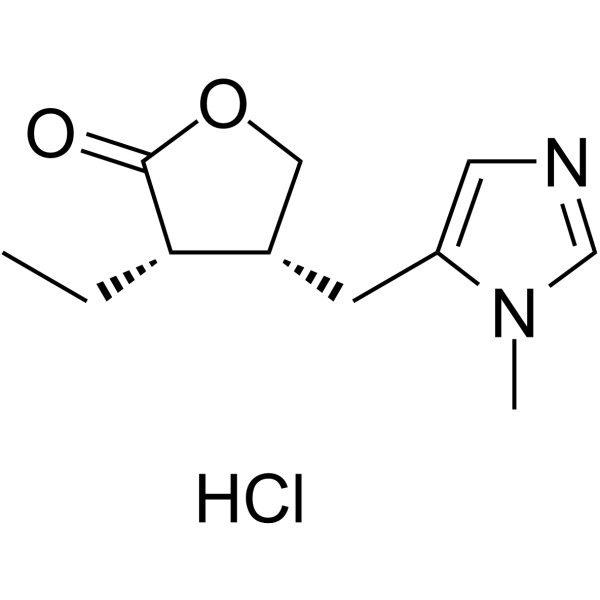
- Formula: C11H17ClN2O2
- Molecular Weight: 244.72
Pilocarpine Hydrochloride is an orally active, selective M3 muscarinic acetylcholine receptor agonist. Pilocarpine Hydrochloride can induce seizures and is used in research on conditions such as epilepsy, dry mouth (xerostomia), and elevated intraocular pressure.
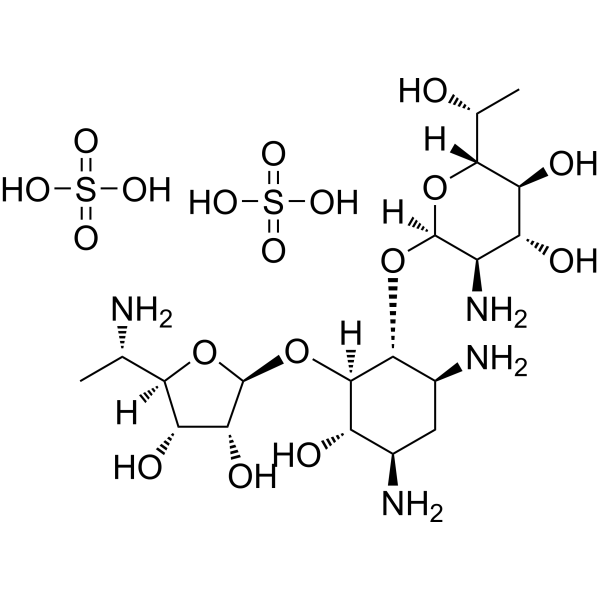
- Formula: C19H42N4O18S2
- Molecular Weight: 678.68
Exaluren (ELX-02; NB-124) disulfate is an synthetic eukaryotic ribosome-selective glycoside that induces read-through of nonsense mutations, resulting in normally localized full-length functional proteins. Exaluren disulfate is used for the research of cystic fibrosis caused by nonsense mutations.
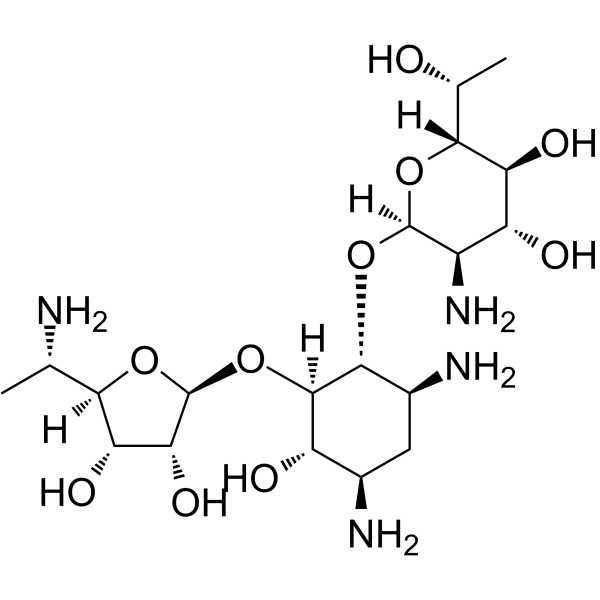
- Formula: C19H38N4O10
- Molecular Weight: 482.53
Exaluren (ELX-02; NB-124) is an synthetic eukaryotic ribosome-selective glycoside that induces read-through of nonsense mutations, resulting in normally localized full-length functional proteins. Exaluren is used for the research of cystic fibrosis caused by nonsense mutations.
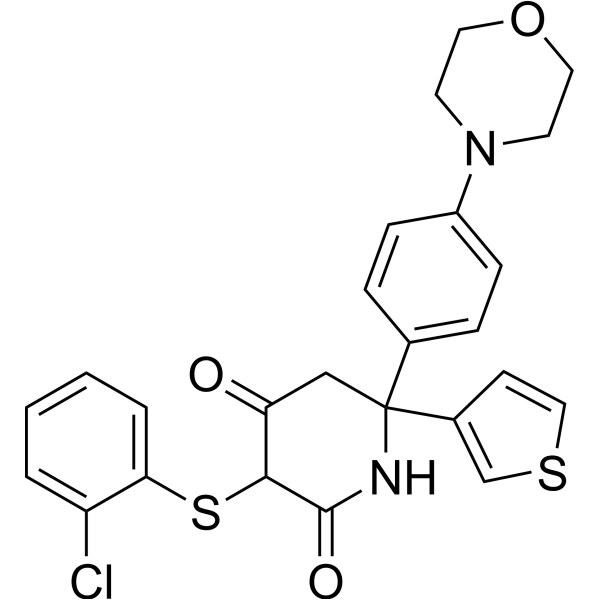
- Formula: C25H23ClN2O3S2
- Molecular Weight: 499.04
GNE-140 racemate is a racemic mixture of (R)-GNE-140 (HY-100742A) and (S)-GNE-140 (HY-100742B), and also a tautomer of GNE-140 (HY-118241). GNE-140 racemate is an orally active lactate dehydrogenase inhibitor, with an IC50 of 3 nM against human LDHA and an IC50 of 5 nM against LDHB. GNE-140 racemate reduces the phosphorylation level and total protein expression of p38 MAPK, and inhibits EGF-induced AKT phosphorylation. GNE-140 racemate decreases lactate production, regulates glycolysis, the pentose phosphate pathway and nucleotide biosynthesis, increases extracellular pH, inhibits cell proliferation, migration and invasion, and induces caspase-3 activation and ROS accumulation. GNE-140 racemate can be used in research related to breast cancer, cystic fibrosis and pancreatic cancer.
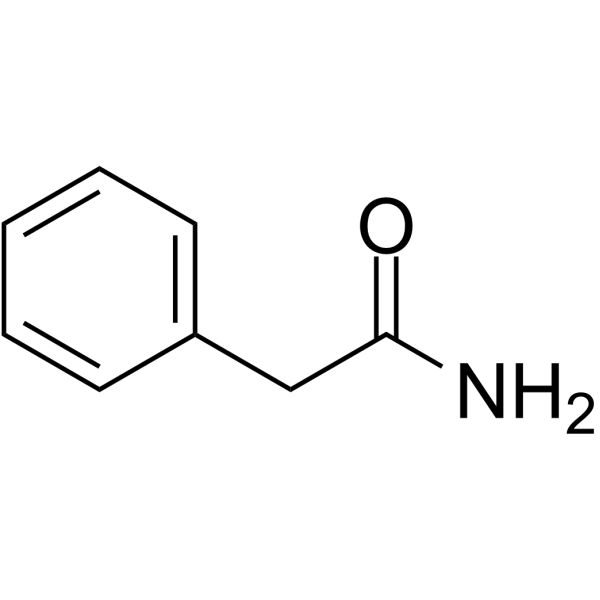
- Formula: C8H9NO
- Molecular Weight: 135.17
2-Phenylacetamide is a estrogen-like compound that can be isolated from Lepidium apetalum seeds. 2-Phenylacetamide inhibits p38 MAPK signaling pathway, exhibits anti-inflammatory, antioxidant, anti-hypertensive, and anti-fibrosis effects. 2-Phenylacetamide is orally active.
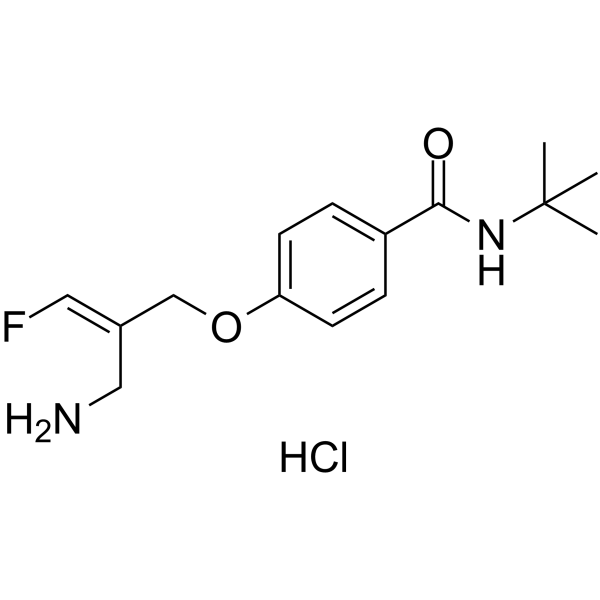
- Formula: C15H22ClFN2O2
- Molecular Weight: 316.80
PXS-4728A is an orally active, selective VAP-1/SSAO inhibitor with an IC50 of 5 nM and a Ki of 175 nM. PXS-4728A inhibits the expression of MMP-9. It reduces cell rolling, adhesion and migration, decreases cell infiltration levels, pro-inflammatory cytokines, chemokines and collagen deposition, and improves pulmonary function. PXS-4728A reduces the formation and progression of atherosclerotic plaques, and decreases blood lipid and blood glucose levels as well as body weight gain. PXS-4728A can be used in research related to chronic obstructive pulmonary disease, cystic fibrosis, acute pulmonary inflammation, acute lung injury, bronchiolitis obliterans syndrome, rhinovirus-exacerbated asthma, sepsis, Klebsiella pneumoniae pulmonary infection and atherosclerosis.

- Formula: C17H16ClN3O2S
- Molecular Weight: 361.85
NVS1.1 is an orally active, blood-brain barrier-penetrant eRF1 degrader. NVS1.1 induces ubiquitination of eRF1 at Lys279, mediates proteasomal degradation via the E3 ubiquitin ligases RNF14 and RNF25 as well as the translational stress sensor GCN1, traps eRF1 at the ribosomal A-site, inhibits translation termination and triggers ribosome collision. As a readthrough enhancer, NVS1.1 enables near-cognate tRNA incorporation at premature termination codons by reducing intracellular eRF1 levels. NVS1.1 activates ribosome-associated quality control pathways via ribosome collision, including ubiquitination of small subunit ribosomal proteins. NVS1.1 restores functional full-length CFTR and IDUA proteins and reduces glycosaminoglycan accumulation in relevant models. NVS1.1 can be used in the research of cystic fibrosis and Hurler syndrome (mucopolysaccharidosis type I, MPS I).
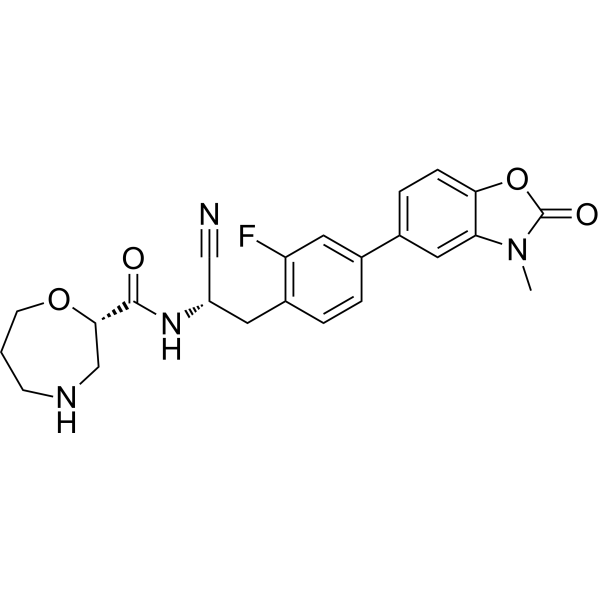
- Formula: C23H23FN4O4
- Molecular Weight: 438.45
Florensocatib (HSK31858) is a potent reversible dipeptidyl peptidase 1 (DPP1) inhibitor with an IC50 of 1.6 nM against DPP1. By inhibiting the DPP1-dependent maturation of neutrophil serine proteases (NSPs), Florensocatib can be used in studies of bronchiectasis and neutrophilic inflammation.

- Formula: C52H61F3N10O7
- Molecular Weight: 995.10
MS40 is a WDR5 PROTAC degrader with a DC50 of 42 nM in MV4;11 MLL-rearranged acute myeloid leukemia (AML) cells. MS40 induces WDR5 degradation dependent on WDR5, CRBN and the proteasome, dissociates the MLL/KMT2A complex from chromatin, reduces H3K4me2 levels, degrades IKZF1/IKZF3, the novel substrates of CRBN, inhibits the transcription of WDR5/MLL and IKZF target genes, and suppresses cancer cell growth. MS40 can be used in the research of MLL-rearranged acute myeloid leukemia, breast cancer, Burkholderia infection and cystic fibrosis-associated bacterial infections.
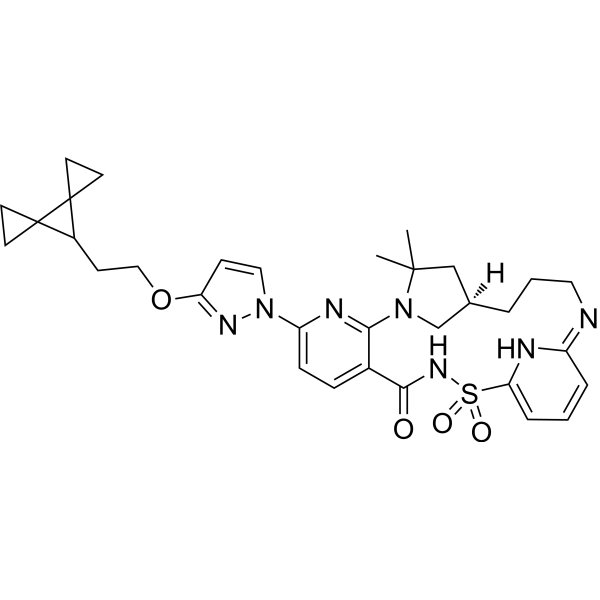
- Formula: C32H39N7O4S
- Molecular Weight: 617.76
(R)-Vanzacaftor ((R)-VX-121) is a Cystic Fibrosis Transmembrane Conductance Regulator (CFTR) modulator with max activity of 30-60% and EC50 <1 μM in enteroid cells. (R)-Vanzacaftor can be used for the research of cystic fibrosis.

- Formula: C19H28N2O6
- Molecular Weight: 380.44
Cbz-Lys (Boc)-OH is a protected Lysine derivative. Cbz-Lys (Boc)-OH can be used in the synthetic research of Prostasin inhibitors. Cbz-Lys (Boc)-OH can be applied to research related to cystic fibrosis.

- Formula: C27H34N4O4S
- Molecular Weight: 510.65
VRT-325 is a CFTR modulator. VRT-325 inhibits disulfide cross-linking between cysteines in transmembrane segments 6 and 7 of CFTR and P-gp. VRT-325 promotes maturation of CFTR and P-gp processing mutants, rescues ΔF508-CFTR folding at the endoplasmic reticulum. VRT-325 binds ΔF508-CFTR nucleotide-binding domain 1, and increases mature ΔF508-CFTR cell surface expression and chloride conductance. VRT-325 can be used for the research of cystic fibrosis[1][3].

- Formula: C10H8O4S
- Molecular Weight: 224.23
RNF5-IN-1 is a selective small-molecule inhibitor and degrader of the E3 ubiquitin ligase RNF5. RNF5-IN-1 directly binds to the N-terminal cytosolic domain of RNF5 with a KD of 594 nM, inhibits the E3 ubiquitin ligase activity of RNF5, and exhibits selectivity over Hrd1 and Praja1. RNF5-IN-1 promotes the degradation of RNF5 via the p97/VCP-dependent endoplasmic reticulum-associated degradation (ERAD) and proteasome pathway. RNF5-IN-1 inhibits the retrotranslocation of misfolded proteins. RNF5-IN-1 is applicable for research on mechanisms related to cystic fibrosis.

- Formula: C13H8ClN
- Molecular Weight: 213.66
CBIQ (4-Chlorobenzo[f]isoquinoline) is a benzoisoquinoline compound. CBIQ can activate the cystic fibrosis transmembrane conductance regulator (CFTR) Cl- ion channels and the intermediate-conductance calcium-sensitive K+ channel (KCNN4) with Kd values of 0.1 and 3.9 μM. CBIQ can be used for the research related to cystic fibrosis.

- Formula: C18H15FN2O2
- Molecular Weight: 310.32
CFTR corrector 17 is an isoxazole compound and CFTR modulator. CFTR corrector 17 can be used for the research of cystic fibrosis.
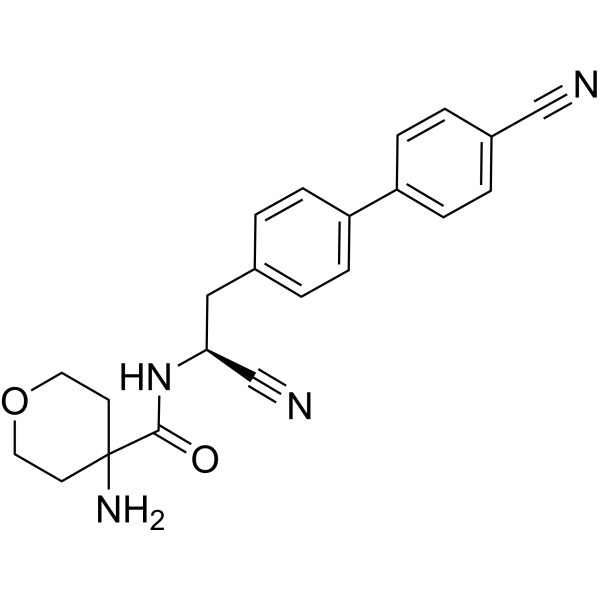
- Formula: C22H22N4O2
- Molecular Weight: 374.44
AZD5248 is an orally active, selective dipeptidyl peptidase 1 (cathepsin C) inhibitor, with IC50 values of 1 nM and 17 nM against human CatC, 44 nM against human DPP1, and 67 nM against rat DPP1. It exhibits low clearance and high bioavailability in animal models. AZD5248 forms an irreversible covalent bond with the catalytic Cys234 residue of CatC, exerts reversible inhibition via its nitrile moiety, blocks CatC-dependent amyloid formation, and reduces the activation levels of neutrophil serine proteases in bone marrow and blood. AZD5248 reacts with aortic elastin aldehydes to form stable 4-imidazolinones, induces ultrastructural changes in aortic tissue, and has an α-amino acid-based backbone. AZD5248 reduces the severity of acute pancreatitis in mouse models. AZD5248 can be used in research on chronic obstructive pulmonary disease, acute pancreatitis, neurodegenerative diseases, lysosomal storage disorders, acute lung injury, cystic fibrosis, and neutrophil-mediated inflammatory diseases.

- Formula: C42H78N2O5S
- Molecular Weight: 723.14
ATX-012 is an ionizable cationic lipid for the assembly of mRNA-delivering lipid nanoparticles (LNPs). ATX-012 blends with helper lipids, cholesterol and PEG-lipid conjugates to form mRNA-containing nanocarriers, which support efficient cellular internalization and the generation of functional proteins including CFTR. ATX-012 constitutes the vital building block of LNPs applied in cystic fibrosis-related biological studies.
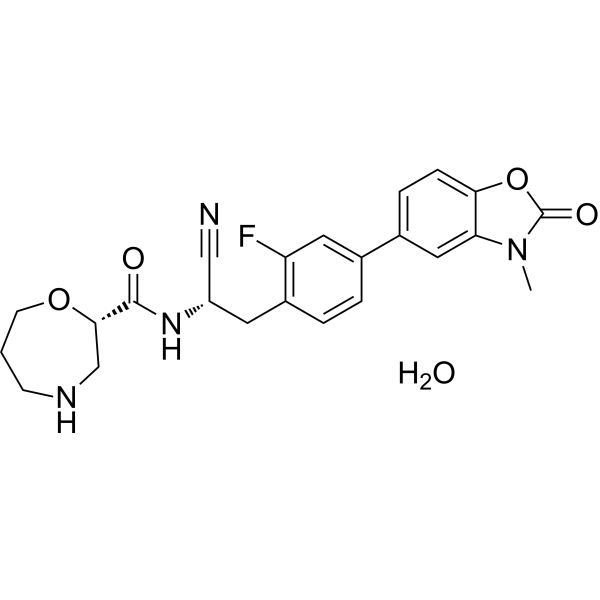
- Formula: C23H25FN4O5
- Molecular Weight: 456.47
Florensocatib hydrate (HSK31858 hydrate) is a potent reversible dipeptidyl peptidase 1 (DPP1) inhibitor with an IC50 of 1.6 nM against DPP1. Florensocatib hydrate inhibits DPP1 and thereby reduces DPP1-dependent maturation and activation of neutrophil serine proteases (NSPs). Florensocatib hydrate can be used in studies of bronchiectasis and neutrophilic inflammation.

- Formula: C19H26ClN7O4
- Molecular Weight: 451.91
P552-02 is an epithelial sodium channel (ENaC) inhibitor. P552-02 blocks ENaC function in humans, guinea pigs, rats and sheep, exhibits the characteristic of reduced dissociation rate after binding to ENaC, inhibits ENaC-mediated short-circuit current, and slows the absorption of airway surface liquid (ASL). P552-02 induces hyperkalemia in guinea pigs and rats, blocks the activity of airway ENaC in guinea pigs, and enhances mucociliary clearance in sheep both in vivo and in vitro. P552-02 is applicable to cystic fibrosis-related research.

- Formula: C20H23N3O2S2
- Molecular Weight: 401.55
PDSinh-C01 is a reversible, non-competitive pendrin (SLC26A4) inhibitor with an IC50 of 2.5 μM. PDSinh-C01 inhibits pendrin-mediated Cl−/SCN− exchange activity, reduces cell counts, protein levels, and pro-inflammatory cytokine production in bronchoalveolar lavage fluid. PDSinh-C01 can be used in research related to acute lung injury and cystic fibrosis.
- 1
- 2



