



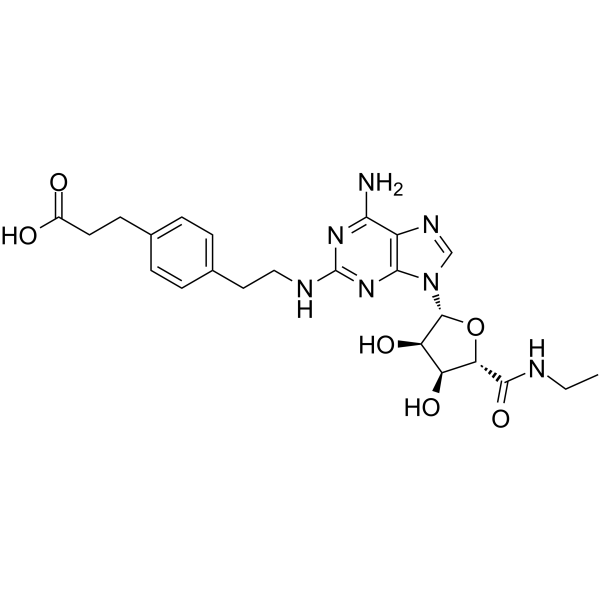
CGS 21680
Based on 14 publication(s) in Google Scholar
CGS 21680 is a selective adenosine A2A receptor agonist, with a Ki of 27 nM.
For research use only. We do not sell to patients.
- Purity : 99.88%
- CAS No.: 120225-54-9
- Formula: C23H29N7O6
- Molecular Weight:499.52
-
Storage:Powder -20°C, 3 years , 4°C, 2 years ; In solvent -80°C, 6 months , -20°C, 1 month

To place orders, for customer services and technical support, please contact: MedChemExpress USA
Tel: 609-228-6898 E-mail: [email protected] [email protected]


-
 Biological Activity
-
Chemical Information
-
Solvent & Solubility
- Purity & Documentation
- References
-
 Help & FAQs


-
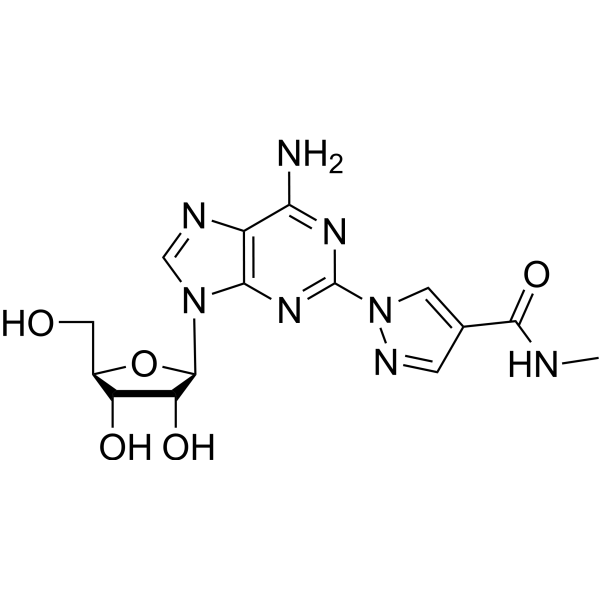
HY-A0168
RegadenosonVasodilator/A2A Adenosine Receptor Agonist -
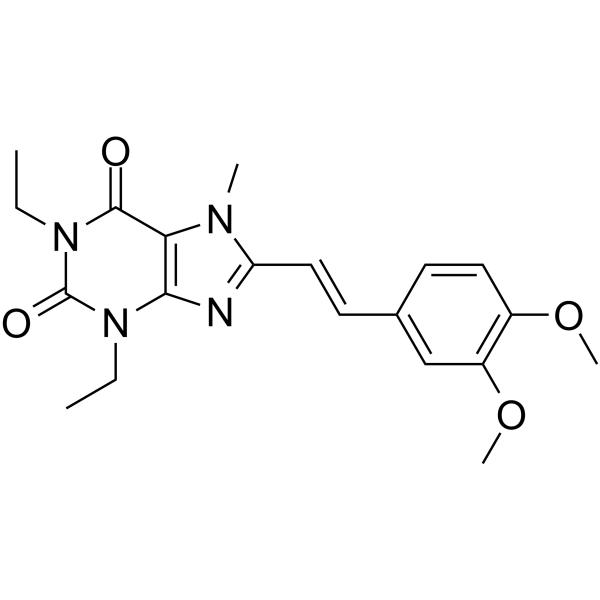
HY-10888
IstradefyllineAdenosine A2A Receptor Antagonist -
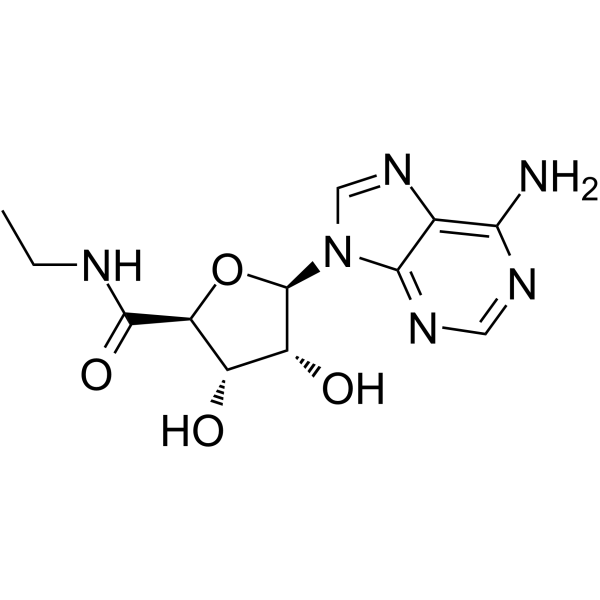
HY-103173
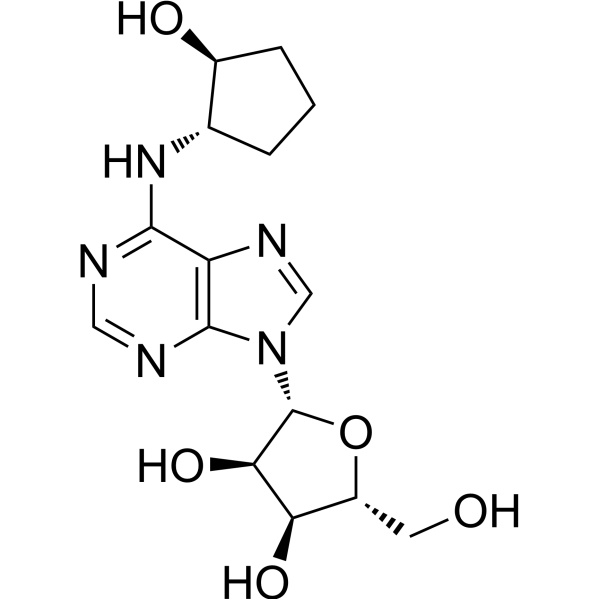
5'-N-EthylcarboxamidoadenosineAdenosine Receptor Agonist -
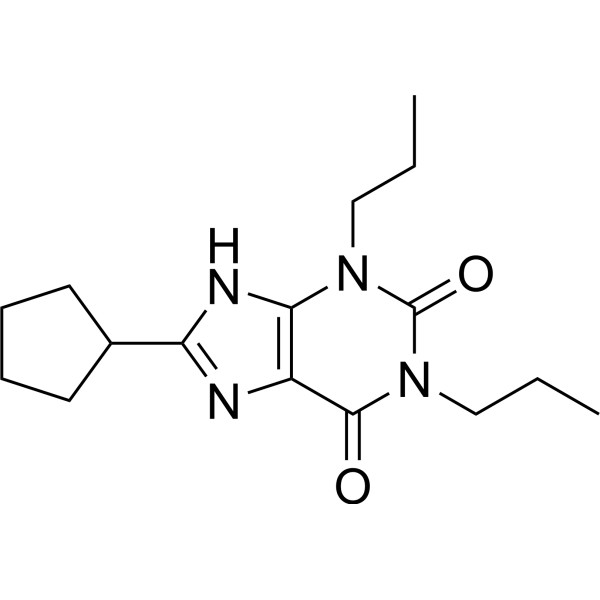
HY-100937
DPCPXA1 Receptor Antagonist -
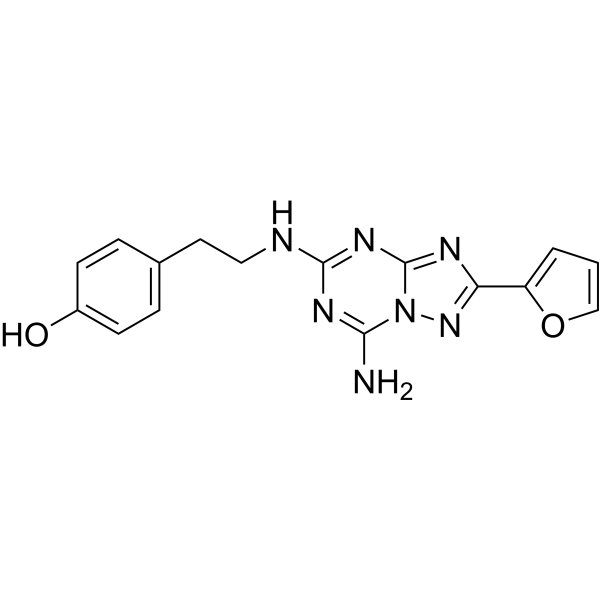
HY-19532
ZM241385A2A Receptor Antagonist -
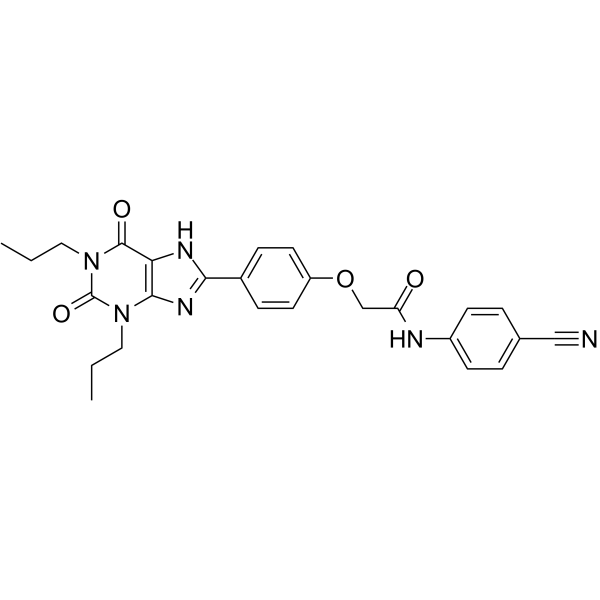
HY-14121
MRS 1754A2B Antagonist -
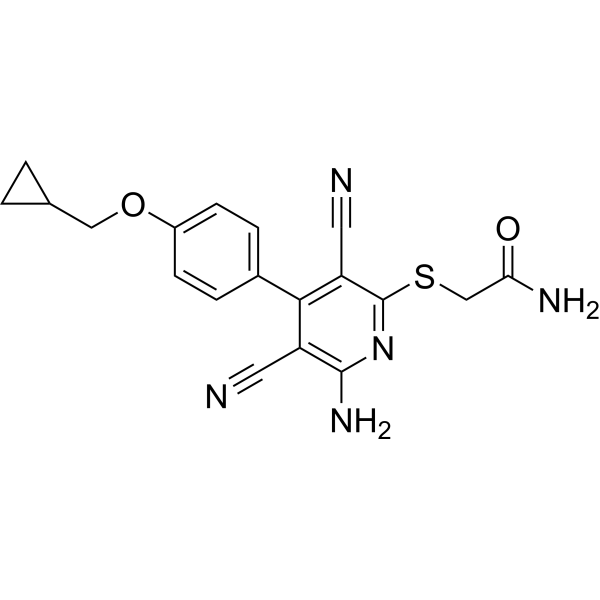
HY-103171
BAY 60-6583A2B Receptor Agonist -
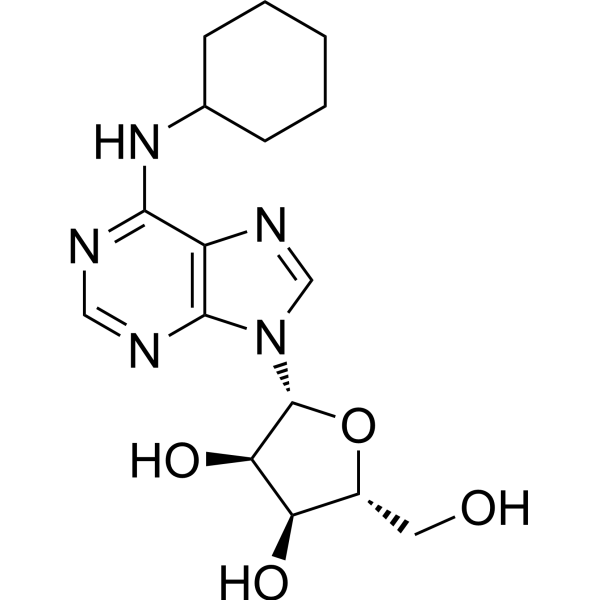
HY-18939
N6-CyclohexyladenosineAdenosine Receptor Agonist -
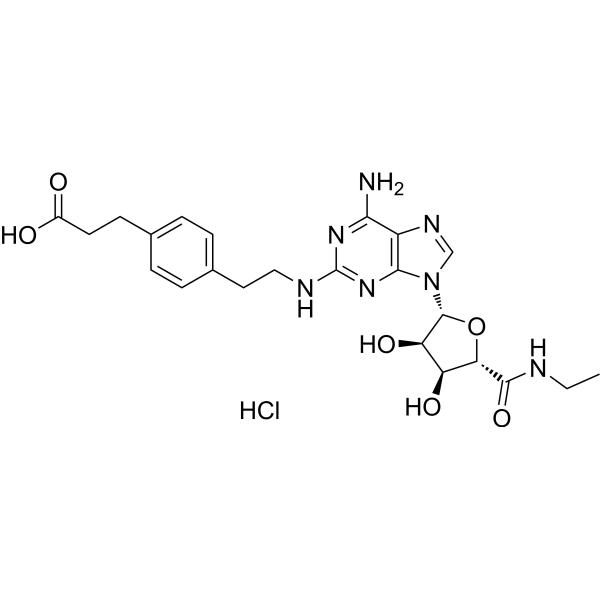
HY-13201A
CGS 21680 HydrochlorideAdenosine A2A Receptor Agonist -
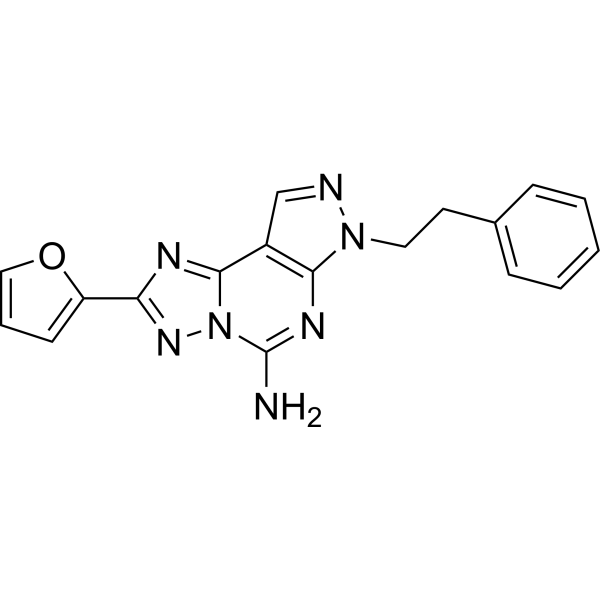
HY-19533
SCH 58261A2A Receptor Antagonist -
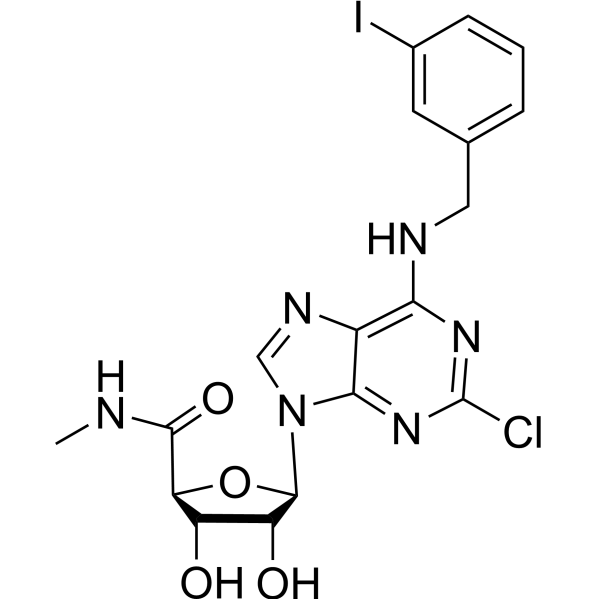
HY-12365
NamodenosonA3AR Agonist -
HY-18978
GR79236Adenosine A1 Receptor Agonist
Publications Citing Use of MedChemExpress (MCE) CGS 21680
More- Nature. 2026 Jan;649(8096):423-431. [Abstract]
- Cell Death Dis. 2020 Mar 23;11(3):202. [Abstract]
- J Neuroinflammation. 2022 Feb 18;19(1):52. [Abstract]
- Acta Pharmacol Sin. 2025 May;46(5):1177-1189. [Abstract]
- Cell Mol Gastroenterol Hepatol. 2025;19(10):101539. [Abstract]
- Ecotoxicol Environ Saf. 2023 Jan 1:249:114410. [Abstract]
- Neurochem Int. 2021 May:145:104983. [Abstract]
- Eur J Med Res. 2024 Aug 27;29(1):433. [Abstract]
- J Cell Mol Med. 2025 Mar;29(5):e70458. [Abstract]
- Iran J Basic Med Sci. 2021 Oct;24(10):1380-1387. [Abstract]
- Placenta. 2025 Dec:172:150-158. [Abstract]
- bioRxiv. 2026 Jan 6:2026.01.06.697936. [Abstract]
- Research Square Print. December 13th, 2022.
- Research Square Preprint. 2021 Aug.
 Customer Validation & Images

-
In Vivo Efficacy Study
-
In Vivo Efficacy Study
-
In Vivo Efficacy Study
-
Flow Cytometry
-
Others
All Adenosine Receptor Isoforms
More

Biological Activity
Description
IC50 & Target
Ki: 27 nM (Adenosine A2A receptor) [5]
Cellular Effect
|
Cell Line

|
Type | Value | Description | References |
|---|---|---|---|---|
| CHO | EC50 |
>10000 nM
Compound: CGS-21680
|
Agonist activity at human adenosine A2B receptor expressed in CHO cells assessed as effect on cAMP production by luciferase reporter gene assay
Agonist activity at human adenosine A2B receptor expressed in CHO cells assessed as effect on cAMP production by luciferase reporter gene assay
|
[PMID: 20031406] |
| CHO | EC50 |
613 nM
Compound: CGS-21680
|
Agonist activity at human adenosine A3 receptor expressed in CHO cells by GTPPgammaS binding assay
Agonist activity at human adenosine A3 receptor expressed in CHO cells by GTPPgammaS binding assay
|
[PMID: 20031406] |
| CHO | EC50 |
>10000 nM
Compound: CGS-21680
|
Agonist activity at human adenosine A1 receptor expressed in CHO cells by GTPPgammaS binding assay
Agonist activity at human adenosine A1 receptor expressed in CHO cells by GTPPgammaS binding assay
|
[PMID: 20031406] |
| CHO | EC50 |
2.12 nM
Compound: 1, CGS 21680
|
Agonist activity at human adenosine A2a receptor expressed in CHO cells assessed as stimulation of cAMP formation after 24 hrs
Agonist activity at human adenosine A2a receptor expressed in CHO cells assessed as stimulation of cAMP formation after 24 hrs
|
[PMID: 25221664] |
| CHO | EC50 |
18.47 nM
Compound: 2, CGS21680
|
Agonist activity at human adenosine A2A receptor expressed in CHO cells assessed as stimulation of [3H]cAMP levels by scintillation counting method
Agonist activity at human adenosine A2A receptor expressed in CHO cells assessed as stimulation of [3H]cAMP levels by scintillation counting method
|
[PMID: 25780876] |
| CHO | EC50 |
>10000 nM
Compound: 2, CGS21680
|
Agonist activity at human adenosine A2B receptor expressed in CHO cells assessed as stimulation of [3H]cAMP levels by scintillation counting method
Agonist activity at human adenosine A2B receptor expressed in CHO cells assessed as stimulation of [3H]cAMP levels by scintillation counting method
|
[PMID: 25780876] |
| Neutrophil | IC50 |
47 nM
Compound: 1, CGS-21680
|
Inhibition of fLMP-induced super oxide production in human neutrophils
Inhibition of fLMP-induced super oxide production in human neutrophils
|
[PMID: 18243699] |
| PBMC | IC50 |
58 nM
Compound: CGS-21680
|
Antiinflammatory activity in human PBMC assessed as inhibition of LPS-induced TNFalpha production after 20 hrs by ELISA
Antiinflammatory activity in human PBMC assessed as inhibition of LPS-induced TNFalpha production after 20 hrs by ELISA
|
[PMID: 20031406] |
| PBMC | IC50 |
83 nM
Compound: CGS-21680
|
Antiinflammatory activity in rat PBMC assessed as inhibition of LPS-induced TNFalpha production after 20 hrs by ELISA
Antiinflammatory activity in rat PBMC assessed as inhibition of LPS-induced TNFalpha production after 20 hrs by ELISA
|
[PMID: 20031406] |
In Vitro
CGS21680 significantly upregulates CD39 and CD73 expression. CGS21680 accelerates the adenosine triphosphate (ATP) hydrolysis and adenosine generation[1]. CGS21680 (10 nM) alone shows only small survival activity, but the activity is significantly enhanced by the addition of a phosphodiesterase inhibitor, IBMX. The survival activity of CGS21680 on cultured motoneurons is exerted by mixed effects of the adenylate cyclase-cAMP-PKA pathway and the transactivation of neurotrophin receptors[4].
MedChemExpress (MCE) has not independently confirmed the accuracy of these methods. They are for reference only.
In Vivo
MedChemExpress (MCE) has not independently confirmed the accuracy of these methods. They are for reference only.


Chemical Information
-
CAS No. 120225-54-9
-
Appearance Solid
-
Molecular Weight 499.52
-
Formula C23H29N7O6
-
Color White to off-white
-
SMILES
O=C(CCC1=CC=C(C=C1)CCNC2=NC3=C(C(N)=N2)N=CN3[C@H]4[C@@H]([C@@H]([C@H](O4)C(NCC)=O)O)O)O
-
Shipping
Room temperature in continental US; may vary elsewhere.
-
Storage
Powder -20°C 3 years 4°C 2 years In solvent -80°C 6 months -20°C 1 month


Publications (14)
-
Journal Impact Factor
-
Most Recent
-
Nature
2026 Jan;649(8096):423-431. PMID: 41193806
CGS 21680 purchased from MedChemExpress. Usage Cited in: Nature. 2026 Jan;649(8096):423-431. [Abstract]
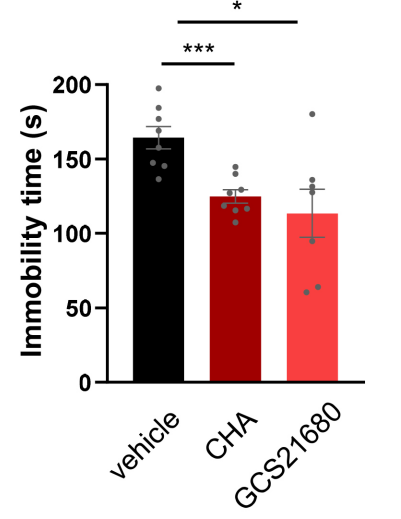
Immobility time in forced swimming test 30 minutes after intraperitoneal (i.p.) injection of an A1 receptor agonist (CHA; 0.1 mg/kg) or an A2A receptor agonist (CGS 21680 Hydrochloride; 0.1 mg/kg) in chronic restraint stress (CRS) mice.
CGS 21680 purchased from MedChemExpress. Usage Cited in: Nature. 2026 Jan;649(8096):423-431. [Abstract]
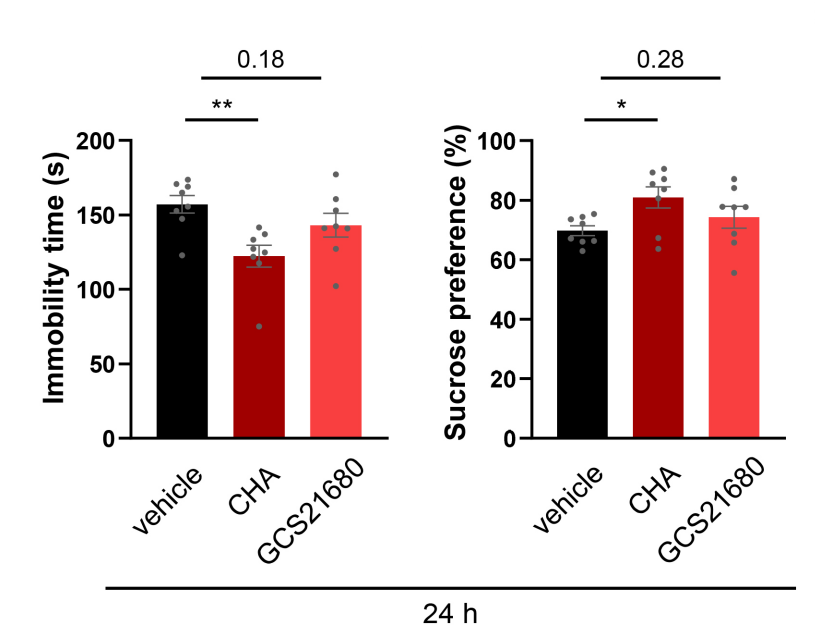
Twenty-four hours after intraperitoneal injection of CHA or CGS21680 (CGS 21680 Hydrochloride; 0.1 mg/kg) into CRS mice, immobility time and sucrose preference in the forced swimming test were measured.
CGS 21680 purchased from MedChemExpress. Usage Cited in: Nature. 2026 Jan;649(8096):423-431. [Abstract]
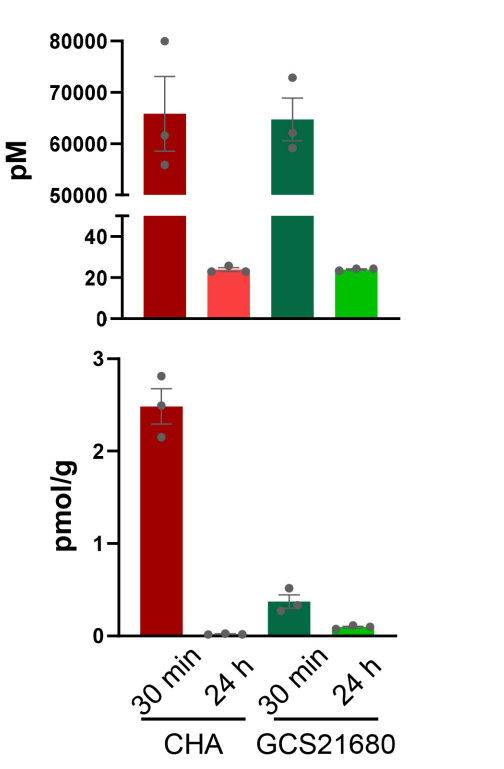
Concentrations of CHA and CGS 21680 Hydrochloride in serum (top) and brain tissue (bottom) at 30 min and 24 h after i.p. injection, measured by LC-MS. Data are mean ± s.e.m.
-
Cell Death Dis
CD73 promotes tumor metastasis by modulating RICS/RhoA signaling and EMT in gastric cancer. [Abstract]2020 Mar 23;11(3):202. PMID: 32205841 -
J Neuroinflammation
Choroid plexus-selective inactivation of adenosine A2A receptors protects against T cell infiltration and experimental autoimmune encephalomyelitis. [Abstract]2022 Feb 18;19(1):52. PMID: 35180864 -
Acta Pharmacol Sin
Compound 38, a novel potent and selective antagonist of adenosine A2A receptor, enhances arousal in mice. [Abstract]2025 May;46(5):1177-1189. PMID: 39779967 -
Cell Mol Gastroenterol Hepatol
2025;19(10):101539. PMID: 40409684
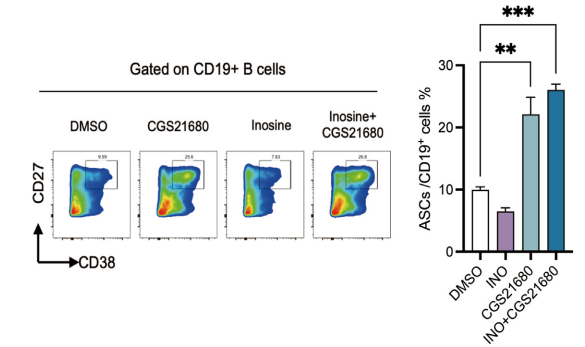
CGS 21680 purchased from MedChemExpress. Usage Cited in: Cell Mol Gastroenterol Hepatol. 2025;19(10):101539. [Abstract]
Percentage quantification of ASCs after 3 days of treatment with the A2aR agonist CGS 21680 Hydrochloride (1 μM) with or without Inosine (250 μM).
-
Ecotoxicol Environ Saf
A2aR inhibits fibrosis and the EMT process in silicosis by regulating Wnt/β-catenin pathway. [Abstract]2023 Jan 1:249:114410. PMID: 36516619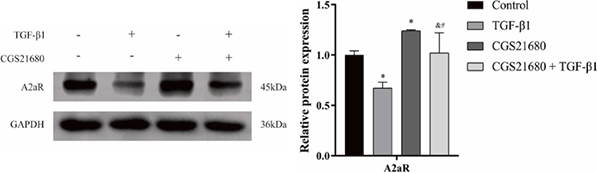
CGS 21680 purchased from MedChemExpress. Usage Cited in: Ecotoxicol Environ Saf. 2023 Jan 1:249:114410. [Abstract]
CGS21680 (10 μM) elevates the expression level of A2aR protein in A549 cells.
-
Neurochem Int
Electroacupuncture improves neuronal plasticity through the A2AR/cAMP/PKA signaling pathway in SNL rats. [Abstract]2021 May:145:104983. PMID: 33577869 -
Eur J Med Res
A2AR regulate inflammation through PKA/NF-κB signaling pathways in intervertebral disc degeneration. [Abstract]2024 Aug 27;29(1):433. PMID: 39192377 -
J Cell Mol Med
Macrophage A2aR Alleviates LPS-Induced Vascular Endothelial Injury and Inflammation via Inhibiting M1 Polarisation and Oxidative Stress. [Abstract]2025 Mar;29(5):e70458. PMID: 40045158
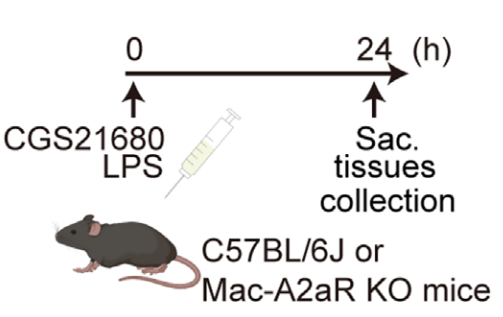
CGS 21680 purchased from MedChemExpress. Usage Cited in: J Cell Mol Med. 2025 Mar;29(5):e70458. [Abstract]
Schematic illustration showed that CGS 21680 Hydrochloride (1 mg/kg) or dimethyl sulfoxide (DMSO) was instilled combined with LPS (5 mg/kg) challenge for 24 h.
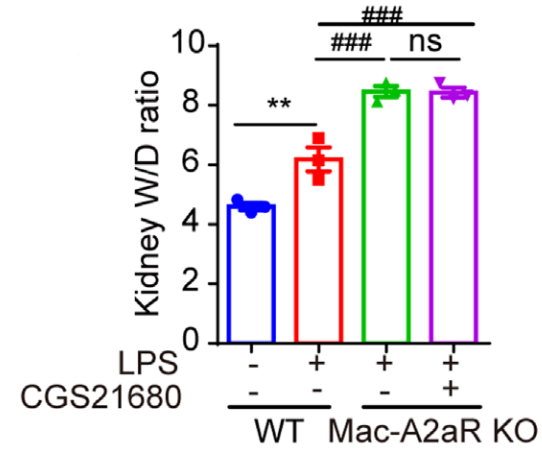
CGS 21680 purchased from MedChemExpress. Usage Cited in: J Cell Mol Med. 2025 Mar;29(5):e70458. [Abstract]
WT and Mac‐A2aR‐KO mice were treated with LPS (5 mg/kg) and CGS 21680 Hydrochloride (1 mg/kg) or PBS for 24 h. Assessment of kidney oedema (n = 3).
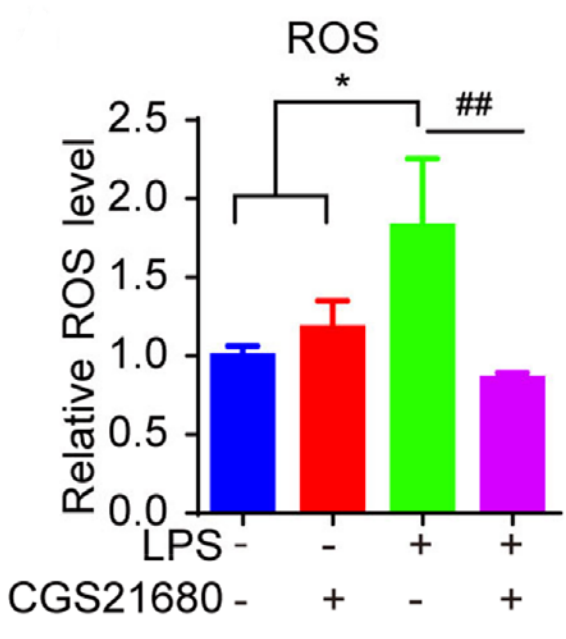
CGS 21680 purchased from MedChemExpress. Usage Cited in: J Cell Mol Med. 2025 Mar;29(5):e70458. [Abstract]
Intracellular total ROS was detected in PMA‐differentiated THP‐1 cells treated with vehicle, CGS 21680 Hydrochloride (10 nM), LPS (1 μg/mL) or LPS after 30 min CGS 21680 Hydrochloride pretreatment (n = 3).
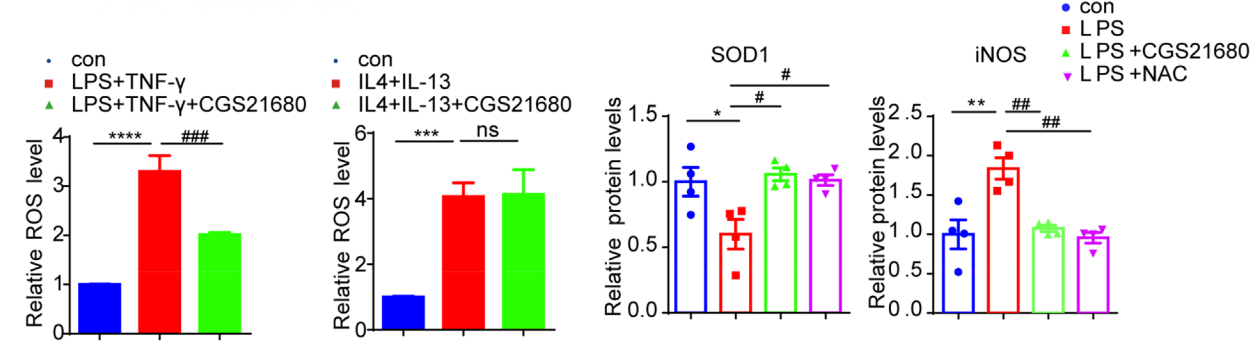
CGS 21680 purchased from MedChemExpress. Usage Cited in: J Cell Mol Med. 2025 Mar;29(5):e70458. [Abstract]
Intracellular total ROS was detected in PMA‐differentiated THP‐1 cells treated with vehicle, LPS (100 μg/mL) and interferon‐gamma (IFN‐γ) (20 ng/mL) with or without 30 min CGS 21680 Hydrochloride pretreatment before; interleukin (IL)‐4 (20 ng/mL) and IL‐13 (20 ng/mL) with or without 30 min CGS 21680 Hydrochloride pretreatment before (n = 3).
-
Iran J Basic Med Sci
A2 adenosine receptor contributes to the development of cow's milk protein allergy via regulating regulatory T cells. [Abstract]2021 Oct;24(10):1380-1387. PMID: 35096296 -
Placenta
Adenosine promotes trophoblast proliferation without inducing differentiation or apoptosis. [Abstract]2025 Dec:172:150-158. PMID: 41240505 -
bioRxiv
Host GPCR-cAMP signaling balances Gαs and Gαi activity to control intracellular Brucella infection. [Abstract]2026 Jan 6:2026.01.06.697936. PMID: 41542404 -
-


Solvent & Solubility
In Vitro:
DMSO : 50 mg/mL (100.10 mM; Need ultrasonic; Hygroscopic DMSO has a significant impact on the solubility of product, please use newly opened DMSO)
Please refer to the solubility information to select the appropriate solvent. Once prepared, please aliquot and store the solution to prevent product inactivation from repeated freeze-thaw cycles.
Storage method and period of stock solution: -80°C, 6 months; -20°C, 1 month. When stored at -80°C, please use it within 6 months. When stored at -20°C, please use it within 1 month.
Please refer to the solubility information to select the appropriate solvent. Once prepared, please aliquot and store the solution to prevent product inactivation from repeated freeze-thaw cycles.
Storage method and period of stock solution: -80°C, 6 months; -20°C, 1 month. When stored at -80°C, please use it within 6 months. When stored at -20°C, please use it within 1 month.
Concentration (start) × Volume (start) = Concentration (final) × Volume (final)
In Vivo:
Select the appropriate dissolution method based on your experimental animal and administration route.
- For the following dissolution methods, please ensure to first prepare a clear stock solution using an In Vitro approach and then sequentially add co-solvents:
- To ensure reliable experimental results, the clarified stock solution can be appropriately stored based on storage conditions. As for the working solution for In Vivo experiments, it is recommended to prepare freshly and use it on the same day.
- The percentages shown for the solvents indicate their volumetric ratio in the final prepared solution. If precipitation or phase separation occurs during preparation, heat and/or sonication can be used to aid dissolution.
Add each solvent one by one: 10% DMSO 40% PEG300 5% Tween-80 45% Saline
Solubility: ≥ 2.5 mg/mL (5.00 mM); Clear solution
This protocol yields a clear solution of ≥ 2.5 mg/mL (saturation unknown).
Taking 1 mL working solution as an example, add 100 μL DMSO stock solution (25.0 mg/mL) to 400 μL PEG300, and mix evenly; then add 50 μL Tween-80 and mix evenly; then add 450 μL Saline to adjust the volume to 1 mL.
Preparation of Saline: Dissolve 0.9 g sodium chloride in ddH₂O and dilute to 100 mL to obtain a clear Saline solution.
Add each solvent one by one: 10% DMSO 90% (20% SBE-β-CD in Saline)
Solubility: ≥ 2.5 mg/mL (5.00 mM); Clear solution
This protocol yields a clear solution of ≥ 2.5 mg/mL (saturation unknown).
Taking 1 mL working solution as an example, add 100 μL DMSO stock solution (25.0 mg/mL) to 900 μL 20% SBE-β-CD in Saline, and mix evenly.
Preparation of 20% SBE-β-CD in Saline (4°C, storage for one week): 2 g SBE-β-CD powder is dissolved in 10 mL Saline, completely dissolve until clear.
In Vivo Dissolution Calculator
Please enter the basic information of animal experiments:
-
-
-
-
Recommended: Prepare an additional quantity of animals to account for potential losses during experiments.
Please enter your animal formula composition:
-
%DMSO +
Recommended: Keep the proportion of DMSO in working solution below 2% if your animal is weak.
-
%+
-
+%Tween-80 + +
-
%Saline +
The co-solvents required include: DMSO, . All of co-solvents are available by MedChemExpress (MCE). , Tween 80. All of co-solvents are available by MedChemExpress (MCE).
Working solution concentration: 0.22 mg/mL
Method for preparing stock solution: mg drug dissolved in μL DMSO. Stock solution concentration: mg/mL.
1. Take μL DMSO stock solution;
2. Add μL .
μL , mix evenly;
3. Then add μL Tween 80, mix evenly;
4. Then add μL
Please ensure that the stock solution in the first step is dissolved to a clear state, and add co-solvents in sequence. You can use ultrasonic heating (ultrasonic cleaner, recommended frequency 20-40 kHz), vortexing, etc. to assist dissolution.


Purity & Documentation
-
Data Sheet (278 KB)
-
SDS (394 KB)
- English - EN (394 KB)
- Français - FR (394 KB)
- Deutsch - DE (394 KB)
- Norwegian - NO (394 KB)
- Español - ES (394 KB)
- Swedish - SV (394 KB)
- Italian - IT (394 KB)
- Korean - KR (394 KB)
- Portuguese - PT (394 KB)
-
Handling Instructions (2659 KB)
References
[1]. Bao R, et al. Adenosine and the adenosine A2A receptor agonist, CGS21680, upregulate CD39 and CD73 expression through E2F-1 and CREB in regulatory T cells isolated from septic mice. Int J Mol Med. 2016 Sep;38(3):969-75. [Content Brief]
[3]. Zhang M, et al. Activation of the adenosine A2A receptor exacerbates experimental autoimmune neuritis in Lewis rats in association with enhanced humoral immunity. J Neuroimmunol. 2016 Apr 15;293:129-36. [Content Brief]
[4]. Melani A, et al. Low doses of the selective adenosine A2A receptor agonist CGS21680 are protective in a rat model of transient cerebral ischemia. Brain Res. 2014 Mar 10;1551:59-72. [Content Brief]
[5]. Komaki S, et al. Trk and cAMP-dependent survival activity of adenosine A(2A) agonist CGS21680 on rat motoneurons in culture. Neurosci Lett. 2012 Jul 26;522(1):21-4. [Content Brief]


Complete Stock Solution Preparation Table
Please refer to the solubility information to select the appropriate solvent. Once prepared, please aliquot and store the solution to prevent product inactivation from repeated freeze-thaw cycles.
Storage method and period of stock solution: -80°C, 6 months; -20°C, 1 month. When stored at -80°C, please use it within 6 months. When stored at -20°C, please use it within 1 month.
| Optional Solvent | Concentration Solvent Mass | 1 mg | 5 mg | 10 mg | 25 mg |
|---|---|---|---|---|---|
| DMSO | 1 mM | 2.0019 mL | 10.0096 mL | 20.0192 mL | 50.0480 mL |
| 5 mM | 0.4004 mL | 2.0019 mL | 4.0038 mL | 10.0096 mL | |
| 10 mM | 0.2002 mL | 1.0010 mL | 2.0019 mL | 5.0048 mL | |
| 15 mM | 0.1335 mL | 0.6673 mL | 1.3346 mL | 3.3365 mL | |
| 20 mM | 0.1001 mL | 0.5005 mL | 1.0010 mL | 2.5024 mL | |
| 25 mM | 0.0801 mL | 0.4004 mL | 0.8008 mL | 2.0019 mL | |
| 30 mM | 0.0667 mL | 0.3337 mL | 0.6673 mL | 1.6683 mL | |
| 40 mM | 0.0500 mL | 0.2502 mL | 0.5005 mL | 1.2512 mL | |
| 50 mM | 0.0400 mL | 0.2002 mL | 0.4004 mL | 1.0010 mL | |
| 60 mM | 0.0334 mL | 0.1668 mL | 0.3337 mL | 0.8341 mL | |
| 80 mM | 0.0250 mL | 0.1251 mL | 0.2502 mL | 0.6256 mL | |
| 100 mM | 0.0200 mL | 0.1001 mL | 0.2002 mL | 0.5005 mL |


CGS 21680 Related Classifications
HY-13201 Related Classifications
 Powered by Bioz