



CY5-SE
Based on 47 publication(s) in Google Scholar
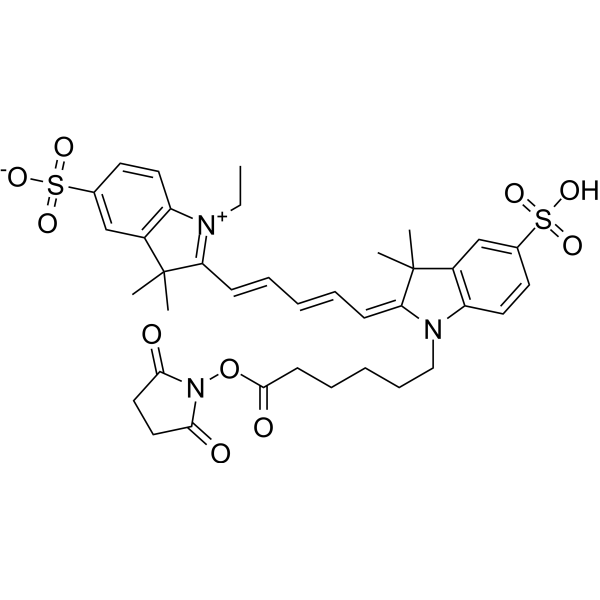
Cy5-SE (Cy5 NHS Ester) is a reactive dye for the labeling of amino-groups in peptides, proteins, and oligonucleotides. This dye requires small amount of organic co-solvent (such as DMF or DMSO) to be used in labeling reaction. This reagent is ideal for very cost-efficient labeling of soluble proteins, as well as all kinds of peptides and oligonucleotides. This reagent also works well in organic solvents for small molecule labeling. Excitation (nm):649, Emission (nm): 670.
For research use only. We do not sell to patients.
- Purity : 98.0%
- CAS No.: 146368-14-1
- Formula: C37H43N3O10S2
- Molecular Weight:753.88
-
Storage:
-20°C, sealed storage, away from moisture and light
* In solvent : -80°C, 6 months; -20°C, 1 month (sealed storage, away from moisture and light)

To place orders, for customer services and technical support, please contact: MedChemExpress USA
Tel: 609-228-6898 E-mail: [email protected] [email protected]


-
 Biological Activity
-
Chemical Information
-
Solvent & Solubility
- Purity & Documentation
- References
-
 Help & FAQs


-
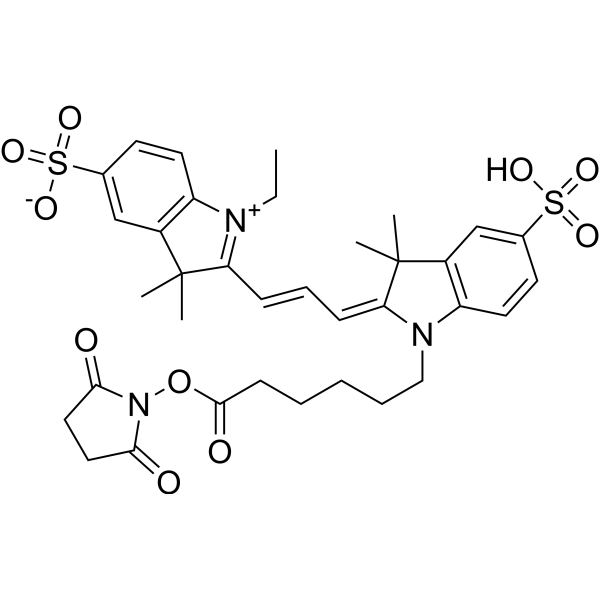
HY-D0823
CY3-SEDye -
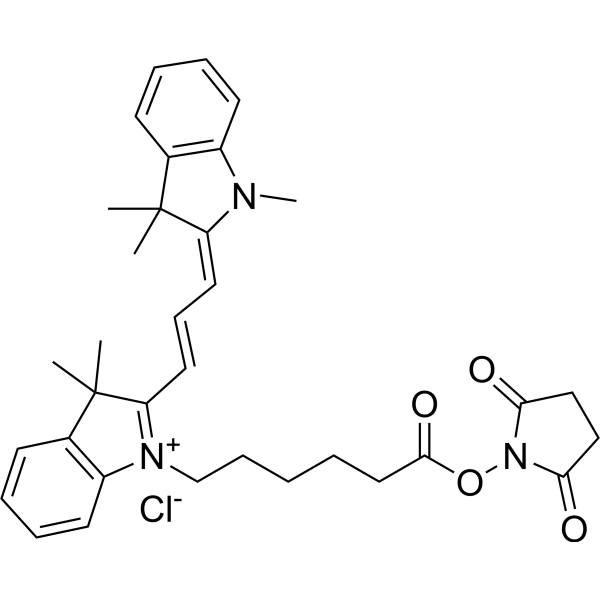
HY-112498
Cy3 NHS esterFluorescent Dye -
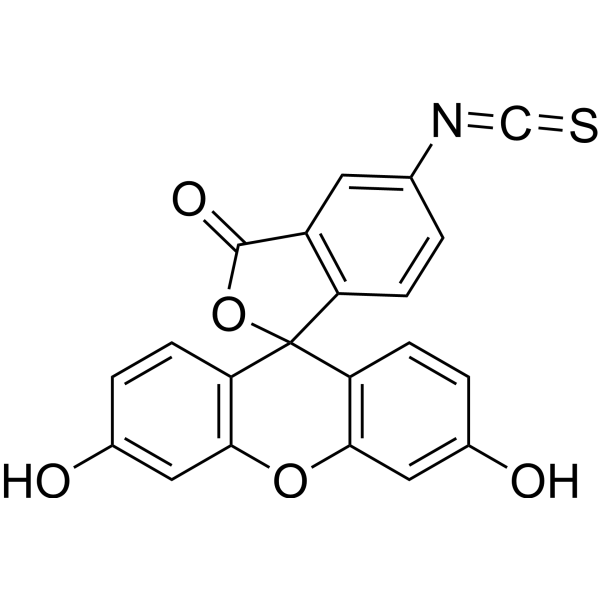
HY-66019
FITCFluorochrome -
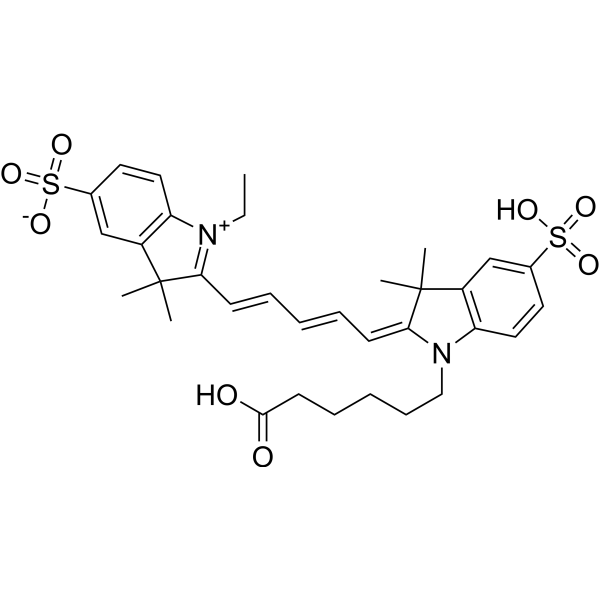
HY-D0821
CY5Reactive Dye -
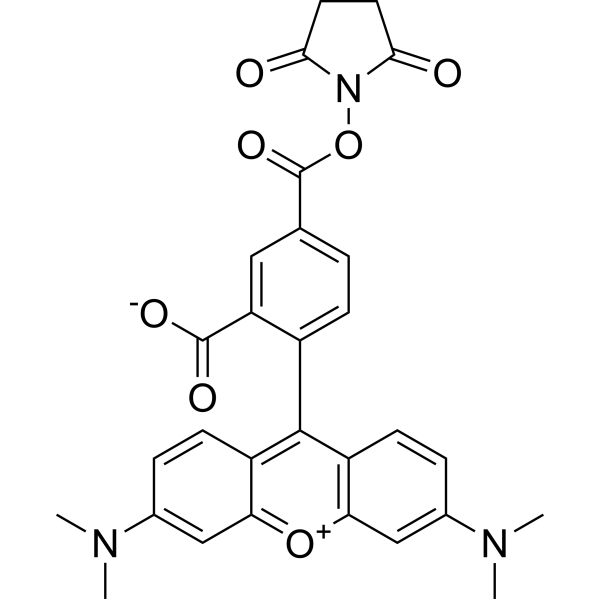
HY-D0048
5-TAMRA-SEAmine-Reactive Fluorescent Agent -
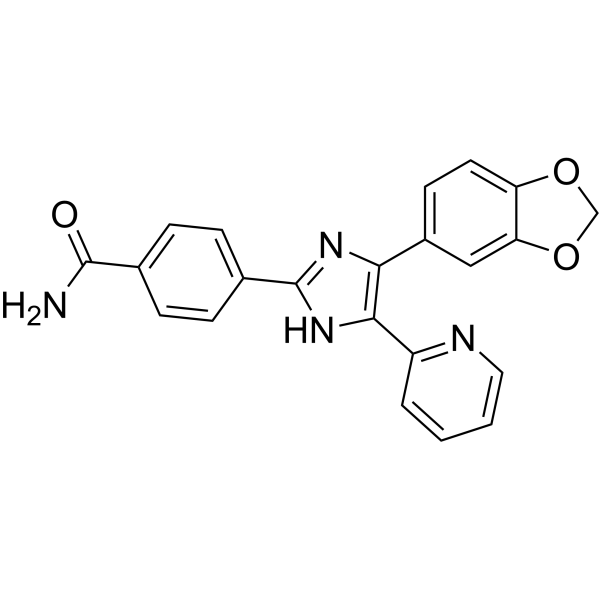
HY-10431
SB-431542TGF-β Receptor Kinase Inhibitor -

HY-DY1063
CY5-SE (solution)Reactive Dye -
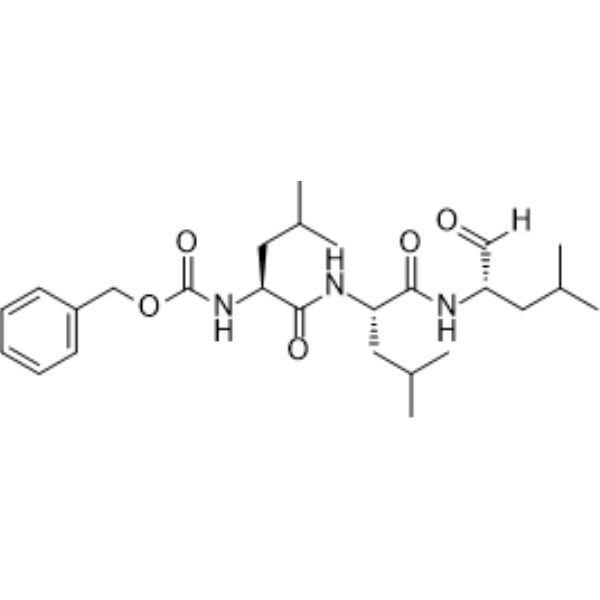
HY-13259
MG-132Proteasome Inhibitor -
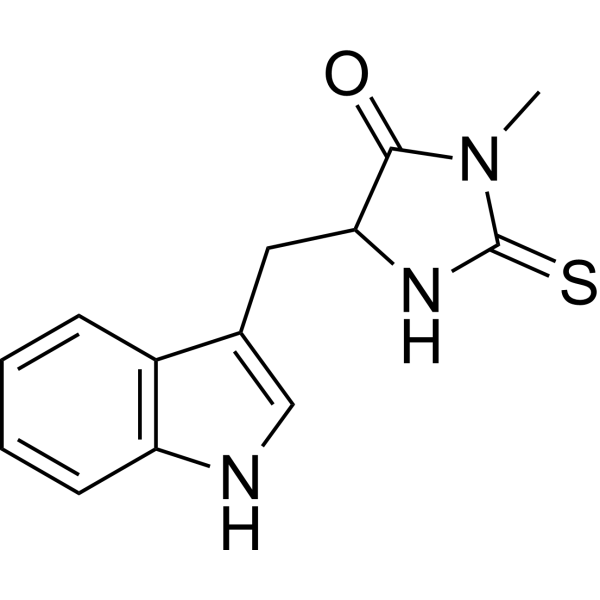
HY-15760
Necrostatin-1RIPK1 Inhibitor -
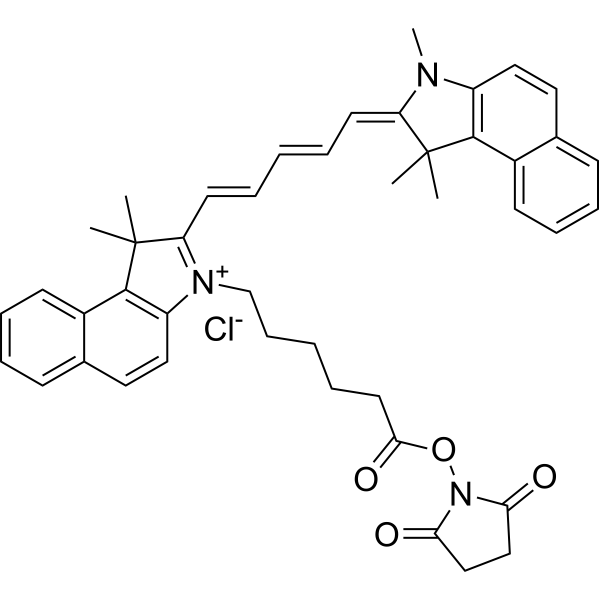
HY-135415
Cyanine5.5 NHS ester chlorideCY Dye -
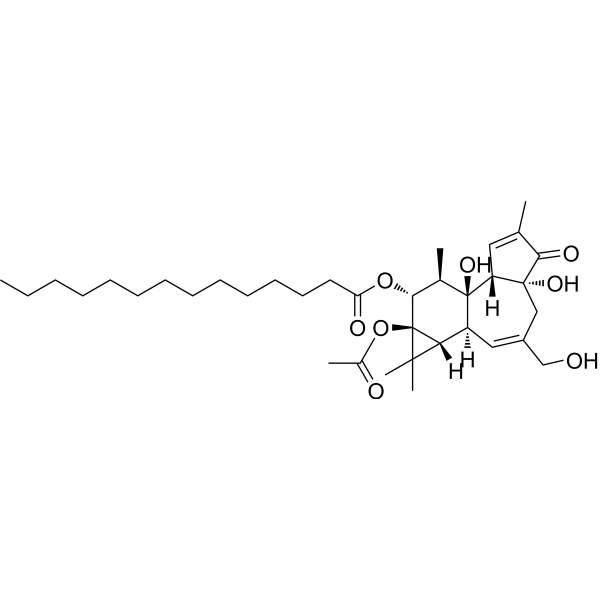
HY-18739
Phorbol 12-myristate 13-acetatePKC Activator -
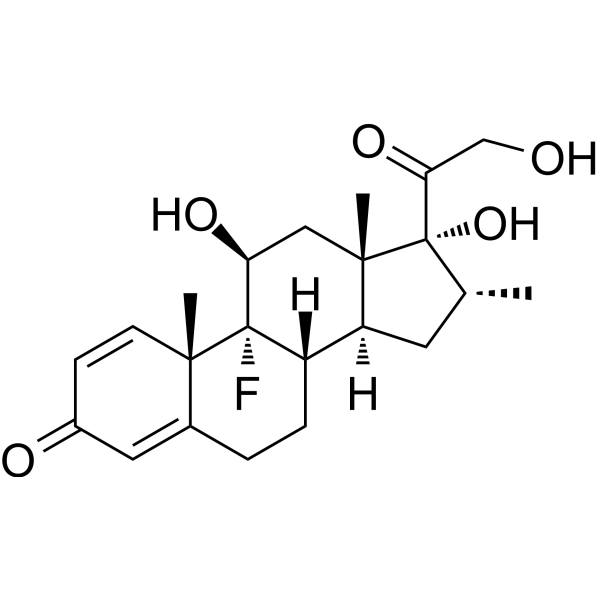
HY-14648
DexamethasoneGR Agonist
Publications Citing Use of MedChemExpress (MCE) CY5-SE
More- Adv Mater. 2025 Aug;37(34):e2502598. [Abstract]
- Cell Mol Immunol. 2026 Apr;23(4):349-366. [Abstract]
- Adv Funct Mater. 2023 Sep 15.
- ACS Nano. 2026 Jan 20;20(2):2018-2033. [Abstract]
- ACS Nano. 2025 May 27;19(20):19274-19286. [Abstract]
- ACS Nano. 2024 Aug 27;18(34):23154-23167. [Abstract]
- J Nanobiotechnology. 2025 May 24;23(1):374. [Abstract]
- J Nanobiotechnology. 2024 Sep 19;22(1):578. [Abstract]
- J Nanobiotechnology. 2018 Mar 16;16(1):23. [Abstract]
- Adv Sci (Weinh). 2026 Aug 5:e77000. [Abstract]
- Adv Sci (Weinh). 2026 Jul;13(38):e16846. [Abstract]
- Adv Sci (Weinh). 2026 Apr 20.
- Adv Sci (Weinh). 2025 Dec 23:e08107. [Abstract]
- Adv Sci (Weinh). 2025 Jun;12(21):e2415689. [Abstract]
- Adv Sci (Weinh). 2023 Aug;10(24):e2301592. [Abstract]
- Carbohydr Polym. 2020 May 1:235:115983. [Abstract]
- Chem Eng J. 2026 Feb 12.
- J Control Release. 2026 Jul 10:395:114948. [Abstract]
- J Control Release. 2026 Jun 5:396:115064. [Abstract]
- J Control Release. 2026 Mar 10:391:114603. [Abstract]
- Small. 2026 May;22(29):e73301. [Abstract]
- J Pharm Anal. 2025 Dec;15(12):101309. [Abstract]
- Mater Today Bio. 2026 Aug 13:40:103556.
- Adv Healthc Mater. 2025 Aug;14(20):e2500511. [Abstract]
- Nano Today. 2025 Oct.
- Acta Biomater. 2026 Jul:218:350-364. [Abstract]
- Nano Res. 2025 Sep 29.
- Nano Res. 29 June 2021.
- Small Methods. 2026 Feb 27.
- Int J Biol Macromol. 2024 Sep;276(Pt 2):133957. [Abstract]
- ACS Appl Mater Interfaces. 2019 Jan 16;11(2):1766-1781. [Abstract]
- Foods. 2025 Oct 2;14(19):3410. [Abstract]
- Biomacromolecules. 2025 May 12;26(5):3044-3058. [Abstract]
- Biomacromolecules. 2019 Jan 14;20(1):469-477. [Abstract]
- Int Immunopharmacol. 2026 Apr 1:174:116346. [Abstract]
- Int J Mol Sci. 2025 Feb 13;26(4):1594. [Abstract]
- ACS Omega. 2025 Oct 30;10(44):52931-52943. [Abstract]
- Molecules. 2024 Sep 10;29(18):4293. [Abstract]
- Mol Pharm. 2026 Mar 2;23(3):1631-1646. [Abstract]
- Mol Pharm. 2024 Jul 1;21(7):3425-3433. [Abstract]
- J Virol. 2024 May 14;98(5):e0035024. [Abstract]
- Genomics. 2023 Sep;115(5):110703. [Abstract]
- Bioorg Med Chem. 2025 Nov 1:129:118319. [Abstract]
- J Appl Biomater Funct Mater. 2025 Jan-Dec:23:22808000251401786. [Abstract]
- Res Sq. 2026 Jun 16.
- TransMed. 2026 May 15;1(1):100018.
- Research Square Preprint. 2021 Jan.
 Customer Validation & Images

-
Bio/Physico-chemical Assay
-
Cell Imaging/Staining
-
Flow Cytometry
-
In Vivo Imaging
-
Cell Imaging/Staining


Biological Activity
Description
In Vitro
Guide (The following is our recommended protocol. This protocol is only a guide and should be modified according to your specific needs).
1. Protein Preparation
To obtain the best labeling effect, please prepare the protein (antibody) concentration to 2 mg/mL.
1.1 The pH value of the protein solution should be 8.5 ± 0.5. If the pH is lower than 8.0, adjust it with 1 M sodium bicarbonate.
1.2 If the protein concentration is lower than 2 mg/mL, the labeling efficiency will be greatly reduced. To obtain the best labeling efficiency, it is recommended that the final protein concentration range be 2-10 mg/mL.
1.3 The protein must be in a buffer free of primary amines (such as Tris or glycine) and ammonium ions, otherwise the labeling efficiency will be affected.
2. Dye Preparation
Dilute the dye with anhydrous DMSO to prepare a clear stock solution of 10 mg/mL.
3. Calculation of Dye Amount
The amount of dye required for the reaction depends on the amount of protein to be labeled. The optimal molar ratio of dye to protein is approximately 10:1.
Example: Assuming the required labeled protein is 500 μL 2 mg/mL IgG (MW=150,000), and 1 mg of dye is dissolved in 100 μL DMSO, the required dye volume is 5.1 μL. The detailed calculation process is as follows:
1) mmol (IgG) = mg/mL (IgG) × mL (IgG)/MW (IgG) = 2 mg/mL × 0.5 mL/150,000 mg/mmol = 6.7 × 10⁻⁶ mmol
2) mmol (dye) = mmol (IgG) × 10 = 6.7 × 10⁻⁶ mmol × 10 = 6.7 × 10⁻⁵ mmol
3) μL (dye) = mmol (dye) × MW (dye)/mg/μL (dye) = 6.7 ×10⁻⁵ mmol ×753.88 mg/mmol/0.01 mg/μL = 5.1 μL (dye)
Note: We recommend using a dye:protein molar ratio of 10:1. If the concentration is too low or too high, the ratio can be adjusted to 5:1, 15:1, or 20:1.
4. Running the Coupling Reaction
1) Slowly add the calculated volume of freshly prepared 10 mg/mL dye to 0.5 mL of protein sample solution, gently shake to mix, and then briefly centrifuge to collect the sample at the bottom of the reaction tube. Avoid vigorous mixing to prevent denaturation and inactivation of the protein sample.
2) Place the reaction tube in a dark place and incubate gently with shaking for 60 minutes at room temperature. Every 10-15 minutes, gently invert the reaction tube several times to thoroughly mix the reactants and improve labeling efficiency.
5. Purification of Conjugates
The following protocol is an example of purifying dye-protein conjugates using a Labelling Kits Centrifugation-Based Rapid Desalting Column (5KD) (HY-D3014).
5.1 Prepare the desalting column according to the instructions.
5.2 Load the reaction mixture onto the top of the desalting column.
5.3 Once the sample has run below the resin surface, immediately add PBS (pH 7.2-7.4).
5.4 Add more PBS (pH 7.2-7.4) to the target sample to complete column purification. Collect the fraction containing the desired dye-protein conjugate.
MedChemExpress (MCE) has not independently confirmed the accuracy of these methods. They are for reference only.
Emission (Em)
670
Excitation (Ex)
633
Dyeing Example


Chemical Information
-
CAS No. 146368-14-1
-
Appearance Solid
-
Molecular Weight 753.88
-
Formula C37H43N3O10S2
-
Color Dark purple to black
-
SMILES
CC(/C(N1CCCCCC(ON2C(CCC2=O)=O)=O)=C\C=C\C=C\C3=[N+](CC)C(C=CC(S(=O)([O-])=O)=C4)=C4C3(C)C)(C)C5=C1C=CC(S(=O)(O)=O)=C5
-
Synonyms
Cy5 NHS Ester; Sulfo-Cyanine5 Succinimidyl Ester
-
Shipping
Room temperature in continental US; may vary elsewhere.
-
Storage
-20°C, sealed storage, away from moisture and light
* In solvent : -80°C, 6 months; -20°C, 1 month (sealed storage, away from moisture and light)


Publications (47)
-
Journal Impact Factor
-
Most Recent
-
Adv Mater
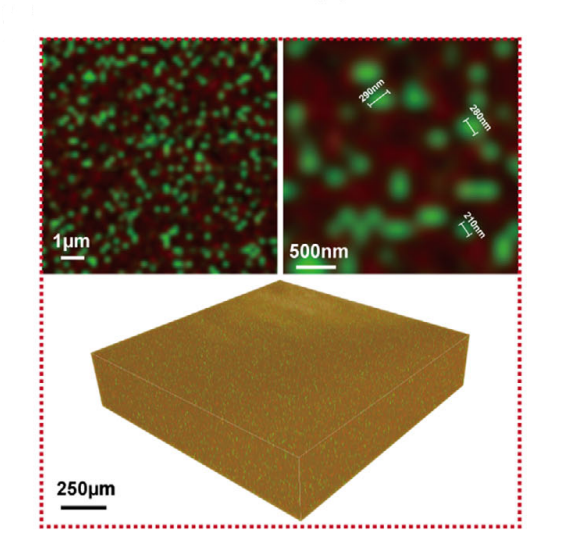
Homogeneous "Hard-Soft" Biphasic Bone Adhesives Promote Comminuted Fracture Healing through Interfacial Adaptation and Mechanical Property Maintenance. [Abstract]2025 Aug;37(34):e2502598. PMID: 40511692
CY5-SE purchased from MedChemExpress. Usage Cited in: Adv Mater. 2025 Aug;37(34):e2502598. [Abstract]
CY5-SE (4mg; 12 h). Fluorescence labeling images of soft and hard phase distribution in HB-PTN hydrogels. Green and red represent the hard and soft phases, respectively.
-
Cell Mol Immunol
Oncolytic virus M1 reinvigorates CD8+ T-cell immunity against glioblastoma through B-cell-dependent antigen cross-presentation in the spleen. [Abstract]2026 Apr;23(4):349-366. PMID: 41781696 -
-
ACS Nano
Dual-Powered Nanomotor In Situ Vaccine with Tumor-Confined Penetration and Acidity Neutralization Boosts Stimulator of Interferon Genes-Mediated Immunotherapy. [Abstract]2026 Jan 20;20(2):2018-2033. PMID: 41486956 -
ACS Nano
Layered-Responsive Multivalent Tetrahedral DNA Framework-Decorated CRISPR-Cas12a Nanocapsule Enables Precise and Enhanced Tumor Chemotherapy. [Abstract]2025 May 27;19(20):19274-19286. PMID: 40366179 -
ACS Nano
Negatively Charged Carbon Dots Employed Symplastic and Apoplastic Pathways to Enable Better Plant Delivery than Positively Charged Carbon Dots. [Abstract]2024 Aug 27;18(34):23154-23167. PMID: 39140713 -
J Nanobiotechnology
Catalase-encapsulated matrix metalloproteinase-9 responsive nanogels for modulation of inflammatory response and treatment of neutrophilic asthma. [Abstract]2025 May 24;23(1):374. PMID: 40410884 -
J Nanobiotechnology
Macrophage membrane-camouflaged biomimetic nanoparticles for rheumatoid arthritis treatment via modulating macrophage polarization. [Abstract]2024 Sep 19;22(1):578. PMID: 39300463
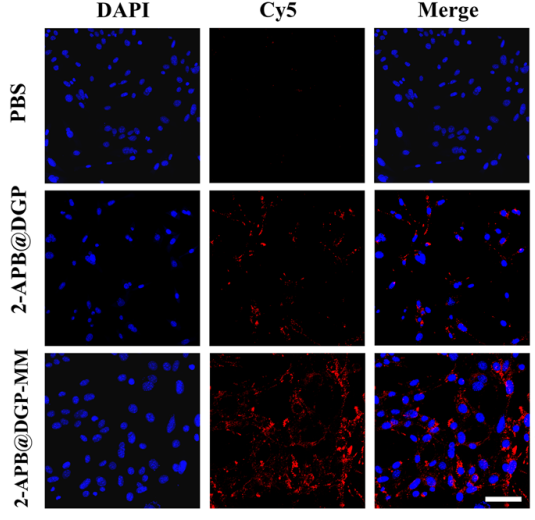
CY5-SE purchased from MedChemExpress. Usage Cited in: J Nanobiotechnology. 2024 Sep 19;22(1):578. [Abstract]
The uptake efficiency of Cy5 NHS Ester (4 h)-loaded 2-APB@DGP or Cy5-loaded 2-APB@DGP-MM in BMDMs .
-
J Nanobiotechnology
An efficient antimicrobial depot for infectious site-targeted chemo-photothermal therapy. [Abstract]2018 Mar 16;16(1):23. PMID: 29548342 -
Adv Sci (Weinh)
Engineering Morphological Anisotropy to Control the In Vivo Transport Dynamics, Clearance, and Biodistribution of Silica Nanocarriers. [Abstract]2026 Aug 5:e77000. PMID: 42555194 -
Adv Sci (Weinh)
Protein Disulfide Isomerase Disassembles TDP-43/G3BP1 Condensates and Antagonizes TDP-43 Pathological Aggregates. [Abstract]2026 Jul;13(38):e16846. PMID: 42178983 -
-
Adv Sci (Weinh)
Regulating Tumor Metabolic Reprogramming with Biomimetic Co-Delivery of Simvastatin and Kynureninase for Immunotherapy. [Abstract]2025 Dec 23:e08107. PMID: 41432057 -
Adv Sci (Weinh)
A Novel Theranostic Strategy for Malignant Pulmonary Nodules by Targeted CECAM6 with 89Zr/131I-Labeled Tinurilimab. [Abstract]2025 Jun;12(21):e2415689. PMID: 40178153 -
Adv Sci (Weinh)
Sulfated Polysaccharide Regulates the Homing of HSPCs in a BMP-2-Triggered In Vivo Osteo-Organoid. [Abstract]2023 Aug;10(24):e2301592. PMID: 37357138 -
Carbohydr Polym
A dermatan sulfate-functionalized biomimetic nanocarrier for melanoma targeted chemotherapy. [Abstract]2020 May 1:235:115983. PMID: 32122513 -
-
J Control Release
Beyond the liver and deeper in the liver: Sub-organ level analysis of in vivo sequestration mechanism of silica nanocapsules. [Abstract]2026 Jul 10:395:114948. PMID: 42031059 -
J Control Release
A chemokine "leverage regulation" biomimetic nanoformulation enhances CAR-T cells against solid tumors by reshaping immune cell niches. [Abstract]2026 Jun 5:396:115064. PMID: 42250608 -
J Control Release
Bio-orthogonal truncated NKG2D ligand-based nano-igniter unleashes a self-sustaining antitumor immune circuit via NK cell activation. [Abstract]2026 Mar 10:391:114603. PMID: 41506375 -
Small
Protein Corona Reprograms Hepatic Clearance Pathways of Biomimetic Nanoparticles via Ligand Masking and Differential Protein Enrichment. [Abstract]2026 May;22(29):e73301. PMID: 41944292 -
J Pharm Anal
Reactivating T cell immunity in Wnt-hyperactivated non-small cell lung cancer through a supramolecular droplet of carnosic acid and peptide. [Abstract]2025 Dec;15(12):101309. PMID: 41492455 -
-
Adv Healthc Mater
Physical Encapsulation and Chemotherapy: A Synergistic Hydrogel Strategy for Tumor Suppression. [Abstract]2025 Aug;14(20):e2500511. PMID: 40321022 -
-
Acta Biomater
Bioprinted dECM particles-laden microgels enhance the mesenchymal stromal cell paracrine effect for myocardial infarction treatment. [Abstract]2026 Jul:218:350-364. PMID: 42250666 -
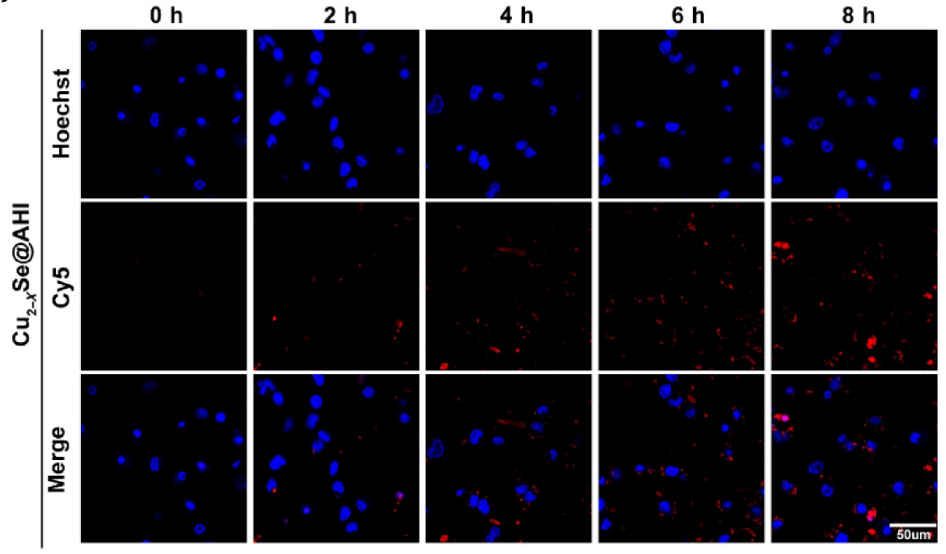
CY5-SE purchased from MedChemExpress. Usage Cited in: Nano Res. 2025 Sep 29.
Cy5 NHS Ester (2-8 h). Uptake capacity of Cu2–XSe@AHI by damaged HK-2 cells.
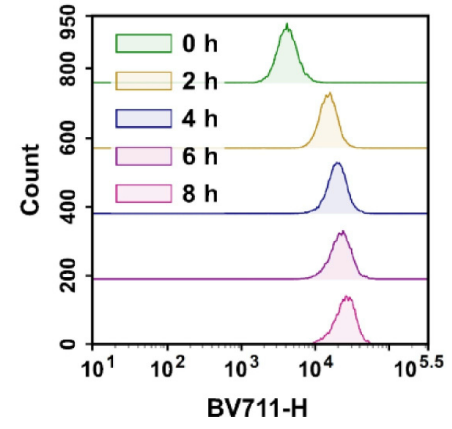
CY5-SE purchased from MedChemExpress. Usage Cited in: Nano Res. 2025 Sep 29.
Cy5 NHS Ester (0-8 h). Detection of cellular uptake of Cu2–XSe@AHI by flow cytometry.
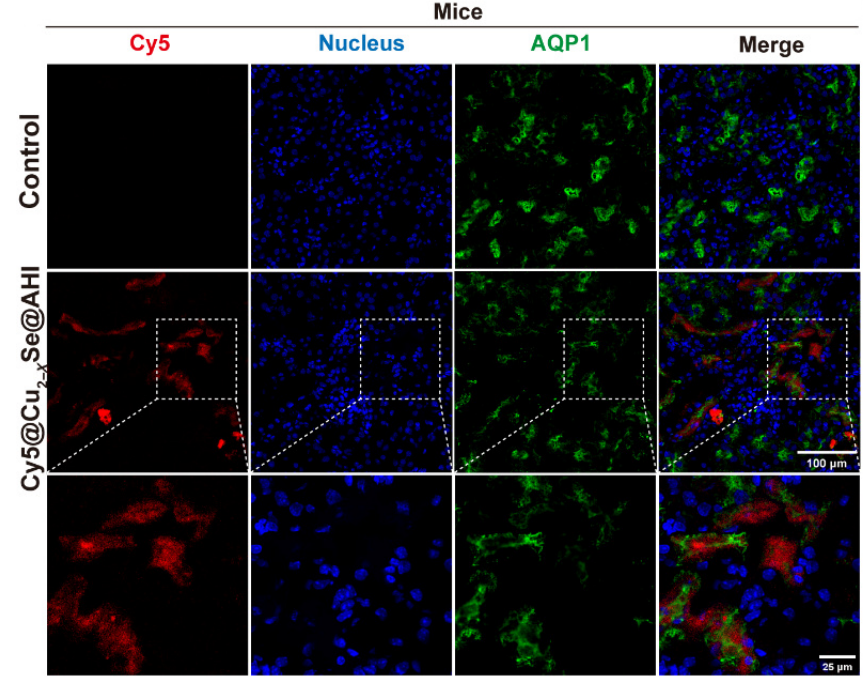
CY5-SE purchased from MedChemExpress. Usage Cited in: Nano Res. 2025 Sep 29.
Fluorescence images of renal Cy5 and AQP1 (proximal tubule marker) after Cy5@Cu2–XSe@AHI administration.
-
-
-
Int J Biol Macromol
2024 Sep;276(Pt 2):133957. PMID: 39029852 -
ACS Appl Mater Interfaces
Surface-Adaptive and Initiator-Loaded Graphene as a Light-Induced Generator with Free Radicals for Drug-Resistant Bacteria Eradication. [Abstract]2019 Jan 16;11(2):1766-1781. PMID: 30523688 -
Foods
Lactoferrin-Loaded Liposomal Nanoparticles: Enhanced Intestinal Stability and Bioactivity for Mitigating Radiation-Induced Intestinal Injury. [Abstract]2025 Oct 2;14(19):3410. PMID: 41097578 -
Biomacromolecules
A Dual-Interaction Supramolecular Hydrogel System for siRNA Delivery to Enhance Endometrial Receptivity in Stem Cell Therapy. [Abstract]2025 May 12;26(5):3044-3058. PMID: 40279154 -
Biomacromolecules
Biodistribution of Filamentous Plant Virus Nanoparticles: Pepino Mosaic Virus versus Potato Virus X. [Abstract]2019 Jan 14;20(1):469-477. PMID: 30516960 -
Int Immunopharmacol
Milk exosomes loaded with atorvastatin suppress fibroblast activation and extracellular matrix remodeling via the TGF-β/SMAD pathway in ligamentum flavum hypertrophy. [Abstract]2026 Apr 1:174:116346. PMID: 41707594 -
Int J Mol Sci
Human Embryonic Kidney HEK293 Cells as a Model to Study SMVT-Independent Transport of Biotin and Biotin-Furnished Nanoparticles in Targeted Therapy. [Abstract]2025 Feb 13;26(4):1594. PMID: 40004058 -
ACS Omega
A LRELHLNNN-Gal‑3 Modified Adipose Decellularized Scaffold To Construct Colorectal Cancer Model for Anticancer Drug Screening and Immunotherapy. [Abstract]2025 Oct 30;10(44):52931-52943. PMID: 41244442 -
Molecules
The Importance of Biotinylation for the Suitability of Cationic and Neutral Fourth-Generation Polyamidoamine Dendrimers as Targeted Drug Carriers in the Therapy of Glioma and Liver Cancer. [Abstract]2024 Sep 10;29(18):4293. PMID: 39339289 -
Mol Pharm
Regulation of CAF by α-Mangostin Promotes the Penetration of Nanomedicine and Inhibits the Metastasis of Breast Tumor. [Abstract]2026 Mar 2;23(3):1631-1646. PMID: 41701112 -
Mol Pharm
Synthesis and Characterization of a Novel PET Tracer for Noninvasive Evaluation of FGL1 Status in Tumors. [Abstract]2024 Jul 1;21(7):3425-3433. PMID: 38836286 -
J Virol
VP2 mediates the release of the feline calicivirus RNA genome by puncturing the endosome membrane of infected cells. [Abstract]2024 May 14;98(5):e0035024. PMID: 38591900 -
Genomics
Exosomes derived from ovarian cancer cells regulate proliferation and migration of cancer-associated fibroblasts. [Abstract]2023 Sep;115(5):110703. PMID: 37678440 -
Bioorg Med Chem
Engineered B7-H3-targeted VHH-Fc fusion antibody demonstrates rapid tumor accumulation for infrared imaging in pancreatic cancer xenograft model. [Abstract]2025 Nov 1:129:118319. PMID: 40684715 -
J Appl Biomater Funct Mater
A comparative study of radiation tolerance between dECM hydrogel-adipose composite biomaterials and traditional breast implants. [Abstract]2025 Jan-Dec:23:22808000251401786. PMID: 41376445 -
-
-


Solvent & Solubility
In Vitro:
DMSO : 25 mg/mL (33.16 mM; Need ultrasonic; Hygroscopic DMSO has a significant impact on the solubility of product, please use newly opened DMSO)
H2O : ≥ 5.88 mg/mL (7.80 mM)
* "≥" means soluble, but saturation unknown.
Please refer to the solubility information to select the appropriate solvent. Once prepared, please aliquot and store the solution to prevent product inactivation from repeated freeze-thaw cycles.
Storage method and period of stock solution: -80°C, 6 months; -20°C, 1 month (sealed storage, away from moisture and light). When stored at -80°C, please use it within 6 months. When stored at -20°C, please use it within 1 month.
* Note: If you choose water as the stock solution, please dilute it to the working solution, then filter and sterilize it with a 0.22 μm filter before use.
Please refer to the solubility information to select the appropriate solvent. Once prepared, please aliquot and store the solution to prevent product inactivation from repeated freeze-thaw cycles.
Storage method and period of stock solution: -80°C, 6 months; -20°C, 1 month (sealed storage, away from moisture and light). When stored at -80°C, please use it within 6 months. When stored at -20°C, please use it within 1 month.
* Note: If you choose water as the stock solution, please dilute it to the working solution, then filter and sterilize it with a 0.22 μm filter before use.
Concentration (start) × Volume (start) = Concentration (final) × Volume (final)


Purity & Documentation
-
Data Sheet (282 KB)
-
SDS (393 KB)
- English - EN (393 KB)
- Français - FR (393 KB)
- Deutsch - DE (393 KB)
- Norwegian - NO (393 KB)
- Español - ES (393 KB)
- Swedish - SV (393 KB)
- Italian - IT (393 KB)
- Korean - KR (393 KB)
- Portuguese - PT (393 KB)
-
Handling Instructions (2659 KB)
References


Complete Stock Solution Preparation Table
Please refer to the solubility information to select the appropriate solvent. Once prepared, please aliquot and store the solution to prevent product inactivation from repeated freeze-thaw cycles.
Storage method and period of stock solution: -80°C, 6 months; -20°C, 1 month (sealed storage, away from moisture and light). When stored at -80°C, please use it within 6 months. When stored at -20°C, please use it within 1 month.
| Optional Solvent | Concentration Solvent Mass | 1 mg | 5 mg | 10 mg | 25 mg |
|---|---|---|---|---|---|
| H2O / DMSO | 1 mM | 1.3265 mL | 6.6324 mL | 13.2647 mL | 33.1618 mL |
| 5 mM | 0.2653 mL | 1.3265 mL | 2.6529 mL | 6.6324 mL | |
| DMSO | 10 mM | 0.1326 mL | 0.6632 mL | 1.3265 mL | 3.3162 mL |
| 15 mM | 0.0884 mL | 0.4422 mL | 0.8843 mL | 2.2108 mL | |
| 20 mM | 0.0663 mL | 0.3316 mL | 0.6632 mL | 1.6581 mL | |
| 25 mM | 0.0531 mL | 0.2653 mL | 0.5306 mL | 1.3265 mL | |
| 30 mM | 0.0442 mL | 0.2211 mL | 0.4422 mL | 1.1054 mL |
* Note: If you choose water as the stock solution, please dilute it to the working solution, then filter and sterilize it with a 0.22 μm filter before use.


CY5-SE Related Classifications
HY-D0819 Related Classifications
 Powered by Bioz