



TPPB
Based on 2 publication(s) in Google Scholar
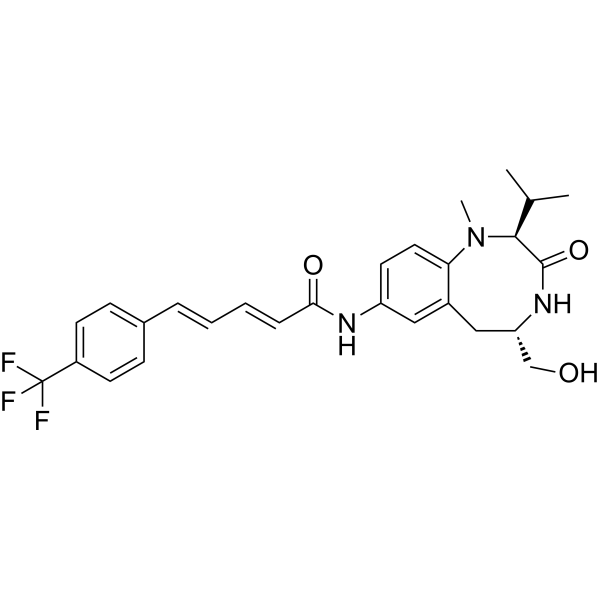
TPPB is a cell-permeable benzolactam-derived protein kinase C (PKC) activator with a Ki of 11.9 nM.
For research use only. We do not sell to patients.
- Purity : 99.92%
- CAS No.: 497259-23-1
- Formula: C27H30F3N3O3
- Molecular Weight:501.54
-
Storage:Powder -20°C, 3 years , 4°C, 2 years ; In solvent -80°C, 6 months , -20°C, 1 month

To place orders, for customer services and technical support, please contact: MedChemExpress USA
Tel: 609-228-6898 E-mail: [email protected] [email protected]


-
 Biological Activity
-
Chemical Information
-
Solvent & Solubility
- Purity & Documentation
- References
-
 Help & FAQs


-
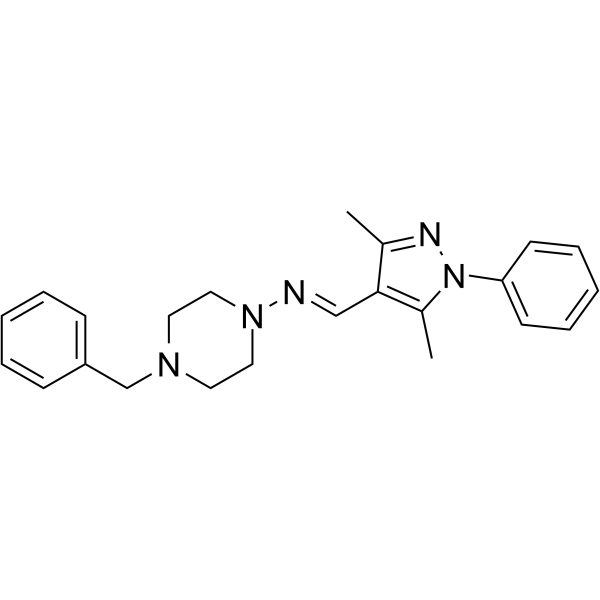
HY-100224
SANT-1Smo Antagonist -
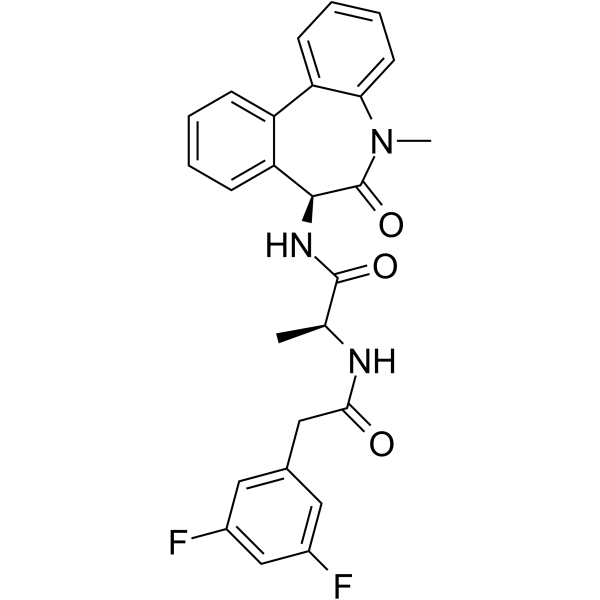
HY-13526
YO-01027γ-secretase Inhibitor -
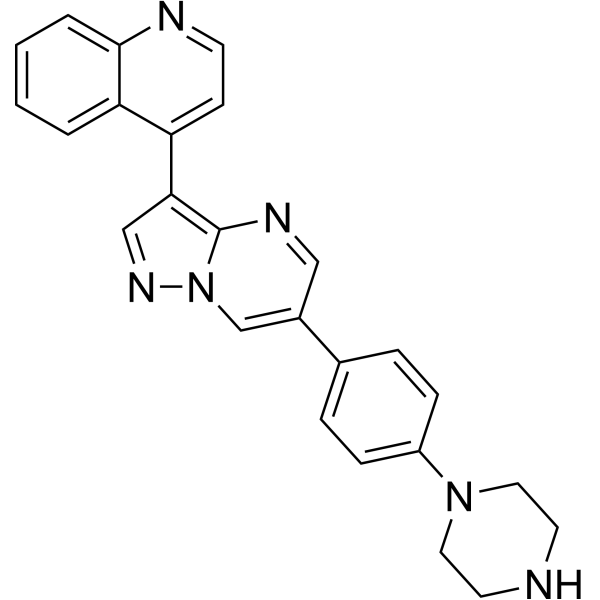
HY-12071
LDN193189ALK2/3 Inhibitor -
HY-13012
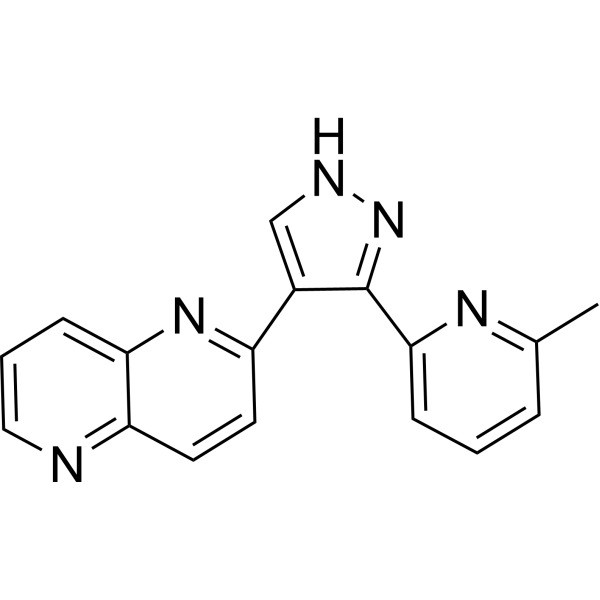
RepSoxTGFβR-1/ALK5 Inhibitor -
HY-A0070A
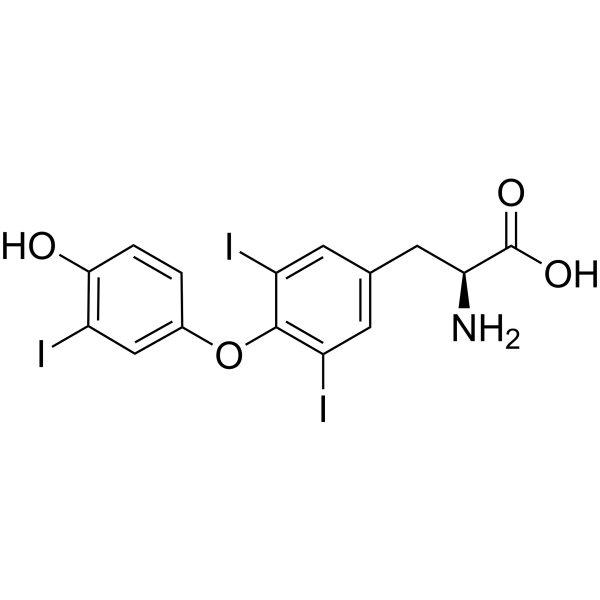
LiothyronineTIGIT/PVR Blocker -
HY-B0150
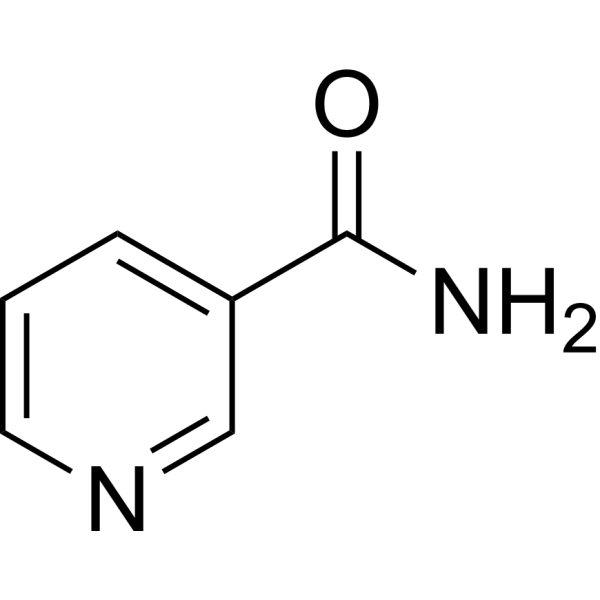
NicotinamideSIRT Inhibitor -
HY-B0215
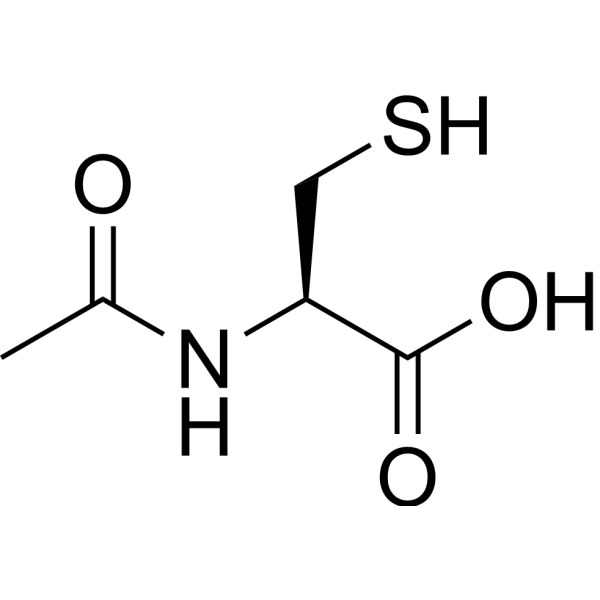
AcetylcysteineMucolytic Agent -
HY-10182
LaduviglusibGSK-3 Inhibitor -
HY-10343
SotrastaurinPan-PKC Inhibitor -
HY-17567A
Heparin sodium saltAnticoagulant -
HY-10431
SB-431542TGF-β Receptor Kinase Inhibitor -
HY-18985
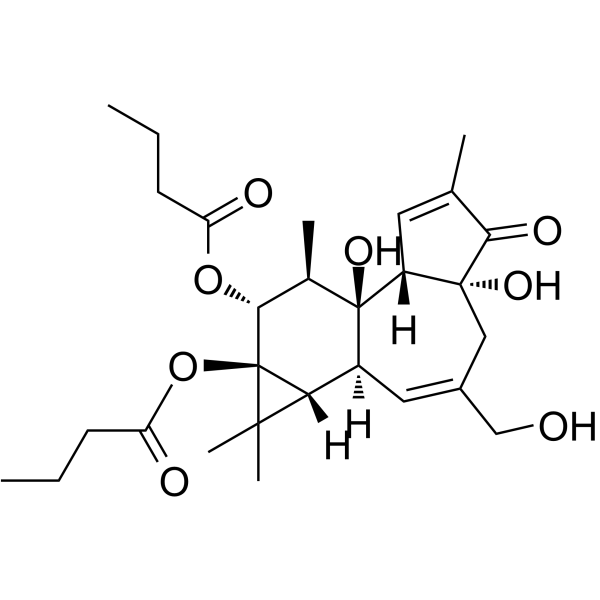
Phorbol 12,13-dibutyratePKC Activator
Publications Citing Use of MedChemExpress (MCE) TPPB
More Customer Validation & Images

-
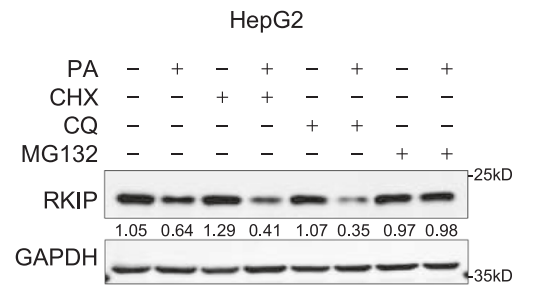
WB
-
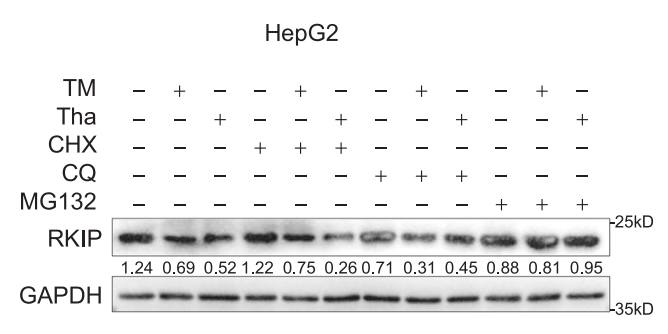
WB
-
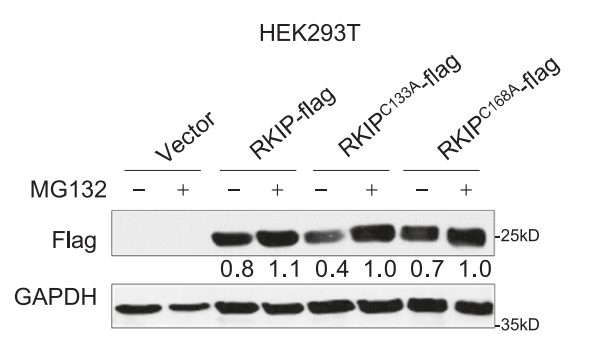
WB
-
ELISA
-
RT-PCR


Biological Activity
Description
IC50 & Target
[1]|
PKC 11.9 nM (Ki) |
In Vitro
By use of a cell line derived from an Alzheimer’s disease patient, significant enhancement of sAPPα secretion is achieved at 1 μM concentration for TPPB (Compound 5e)[1]. TPPB has a role against Aβ25-35-induced neurotoxicity in PC12 cells. TPPB at concentration of 1 μM could antagonize Aβ25-35 induced cell damage. TPPB could increase the phosphorylation of Akt, PKC, MARCKS and MAPK, which are inhibited by Aβ25-35 treatment. TPPB inhibits the activation of caspase-3 induced by Aβ25-35[2].
MedChemExpress (MCE) has not independently confirmed the accuracy of these methods. They are for reference only. .
In Vivo
MedChemExpress (MCE) has not independently confirmed the accuracy of these methods. They are for reference only.


Chemical Information
-
CAS No. 497259-23-1
-
Appearance Solid
-
Molecular Weight 501.54
-
Formula C27H30F3N3O3
-
Color Light yellow to yellow
-
SMILES
O=C(NC1=CC=C(N(C)[C@@H](C(C)C)C(N[C@H](CO)C2)=O)C2=C1)/C=C/C=C/C3=CC=C(C(F)(F)F)C=C3
-
Shipping
Room temperature in continental US; may vary elsewhere.
-
Storage
Powder -20°C 3 years 4°C 2 years In solvent -80°C 6 months -20°C 1 month


Publications (2)
-
Journal Impact Factor
-
Most Recent
-
Biochem Pharmacol
Bufalin inhibits proliferation of non-small cell lung cancer by promoting metabolic reprogramming through inhibition of pyruvate kinase M2. [Abstract]2026 Jun 9;251(Pt 2):118150. PMID: 42263882 -
Viruses
Identification of Combinations of Protein Kinase C Activators and Histone Deacetylase Inhibitors That Potently Reactivate Latent HIV. [Abstract]2020 Jun 3;12(6):609. PMID: 32503121
TPPB purchased from MedChemExpress. Usage Cited in: Viruses. 2020 Jun 3;12(6):609. [Abstract]
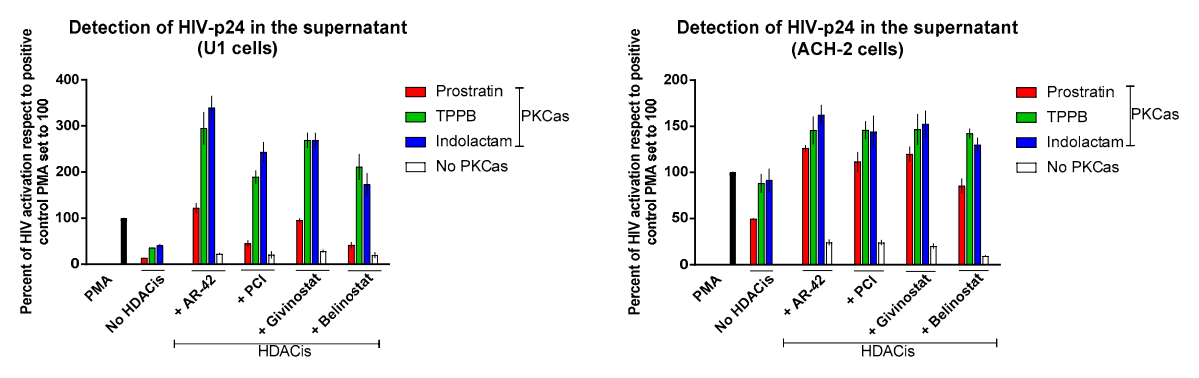
Effect of TPPB (0.5 μM; 48 h) on the reactivation of latent HIV in U1 and ACH-2 cells.
TPPB purchased from MedChemExpress. Usage Cited in: Viruses. 2020 Jun 3;12(6):609. [Abstract]
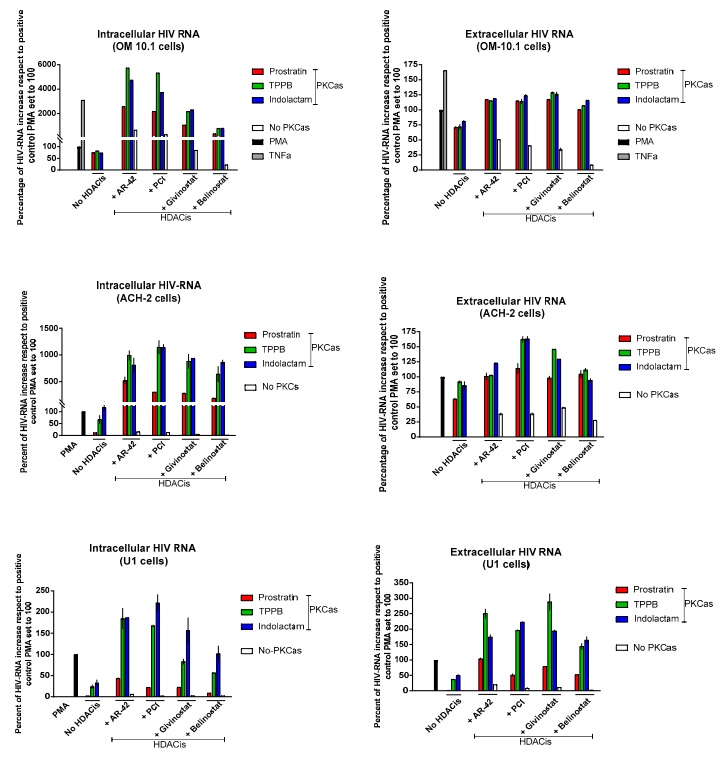
TPPB (0.5 μM; 48 h) reactivated latent HIV in OM-10.1, ACH-2, and U1 cells, as measured using HIV RNA quantification.
TPPB purchased from MedChemExpress. Usage Cited in: Viruses. 2020 Jun 3;12(6):609. [Abstract]
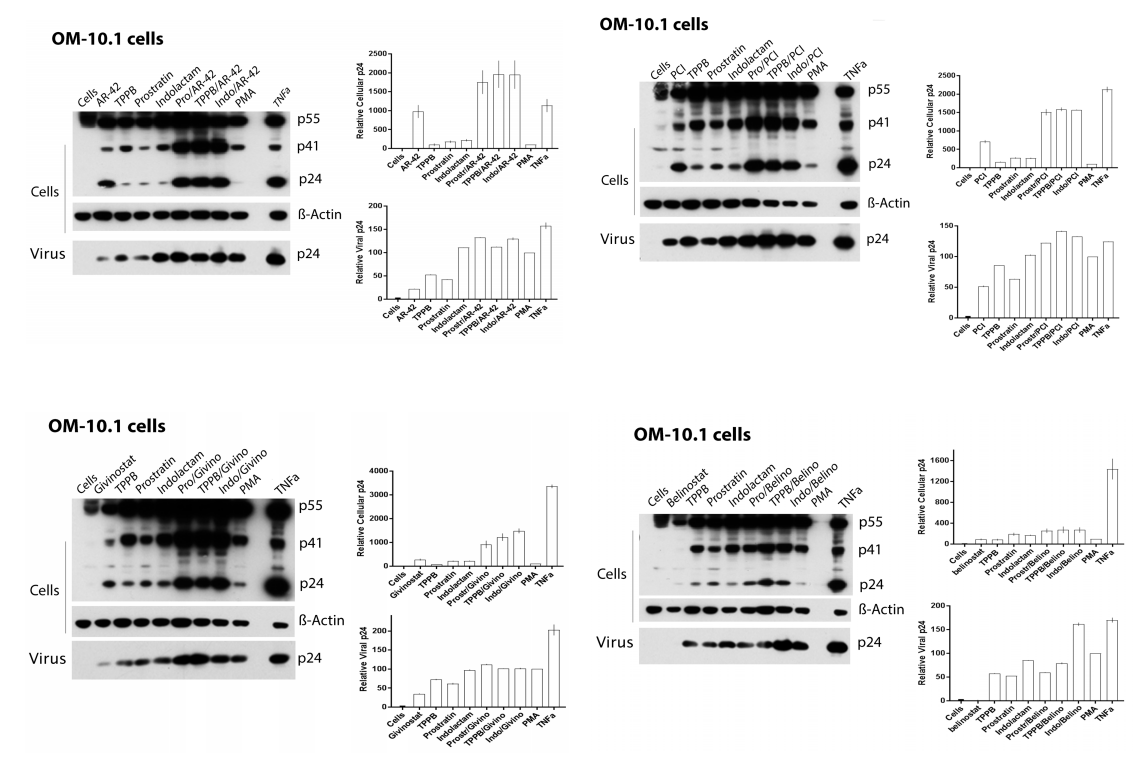
Effect of TPPB (0.5 μM; 48 h) on the reactivation of latent HIV in OM-10.1 cells.
TPPB purchased from MedChemExpress. Usage Cited in: Viruses. 2020 Jun 3;12(6):609. [Abstract]
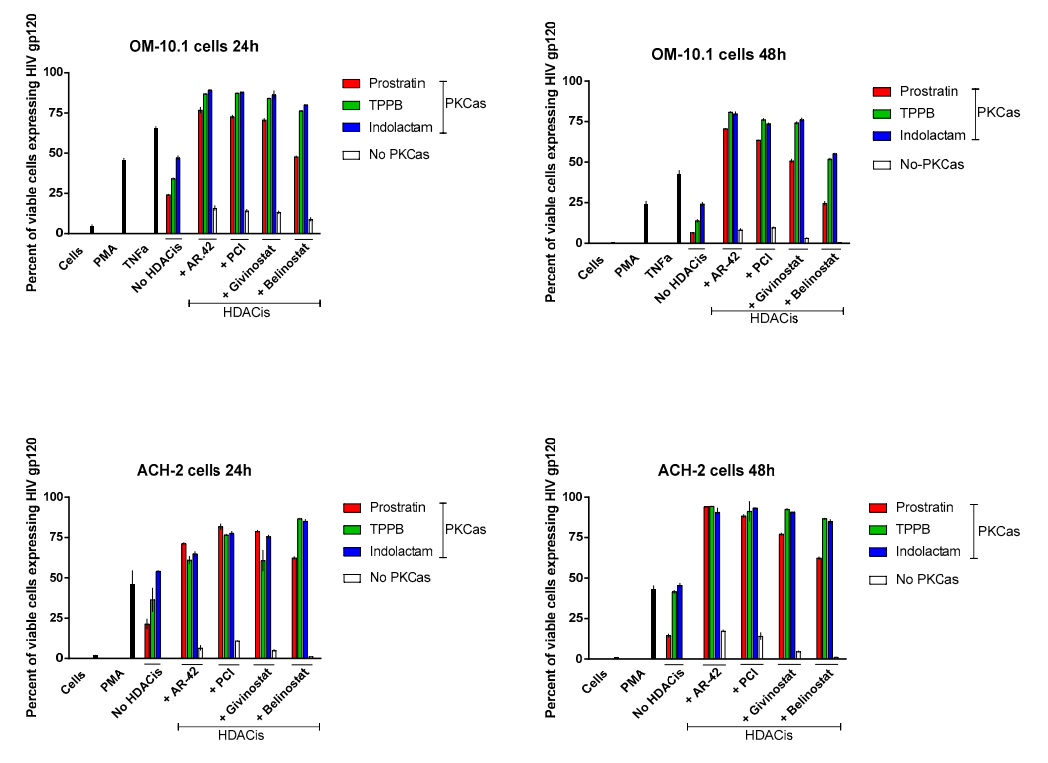
TPPB (0.5 μM; 24-48 h) induced gp120 expression in latently infected cells (OM-10.1 cells and ACH-2 cells).
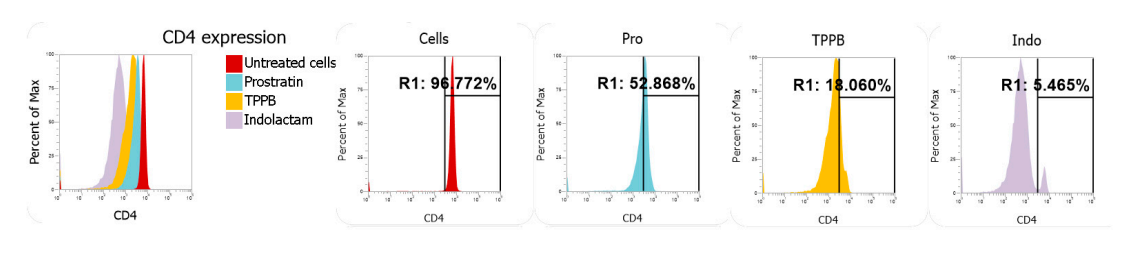
TPPB purchased from MedChemExpress. Usage Cited in: Viruses. 2020 Jun 3;12(6):609. [Abstract]
Representative overlay and single peaks of CD4 expression of CD4+ T-cells treated with TPPB (0.5 μM; 24 h).


Solvent & Solubility
In Vitro:
DMSO : 100 mg/mL (199.39 mM; Need ultrasonic; Hygroscopic DMSO has a significant impact on the solubility of product, please use newly opened DMSO)
Please refer to the solubility information to select the appropriate solvent. Once prepared, please aliquot and store the solution to prevent product inactivation from repeated freeze-thaw cycles.
Storage method and period of stock solution: -80°C, 6 months; -20°C, 1 month. When stored at -80°C, please use it within 6 months. When stored at -20°C, please use it within 1 month.
Please refer to the solubility information to select the appropriate solvent. Once prepared, please aliquot and store the solution to prevent product inactivation from repeated freeze-thaw cycles.
Storage method and period of stock solution: -80°C, 6 months; -20°C, 1 month. When stored at -80°C, please use it within 6 months. When stored at -20°C, please use it within 1 month.
Concentration (start) × Volume (start) = Concentration (final) × Volume (final)
In Vivo:
Select the appropriate dissolution method based on your experimental animal and administration route.
- For the following dissolution methods, please ensure to first prepare a clear stock solution using an In Vitro approach and then sequentially add co-solvents:
- To ensure reliable experimental results, the clarified stock solution can be appropriately stored based on storage conditions. As for the working solution for In Vivo experiments, it is recommended to prepare freshly and use it on the same day.
- The percentages shown for the solvents indicate their volumetric ratio in the final prepared solution. If precipitation or phase separation occurs during preparation, heat and/or sonication can be used to aid dissolution.
Add each solvent one by one: 10% DMSO 40% PEG300 5% Tween-80 45% Saline
Solubility: ≥ 2.25 mg/mL (4.49 mM); Clear solution
This protocol yields a clear solution of ≥ 2.25 mg/mL (saturation unknown).
Taking 1 mL working solution as an example, add 100 μL DMSO stock solution (22.5 mg/mL) to 400 μL PEG300, and mix evenly; then add 50 μL Tween-80 and mix evenly; then add 450 μL Saline to adjust the volume to 1 mL.
Preparation of Saline: Dissolve 0.9 g sodium chloride in ddH₂O and dilute to 100 mL to obtain a clear Saline solution.
In Vivo Dissolution Calculator
Please enter the basic information of animal experiments:
-
-
-
-
Recommended: Prepare an additional quantity of animals to account for potential losses during experiments.
Please enter your animal formula composition:
-
%DMSO +
Recommended: Keep the proportion of DMSO in working solution below 2% if your animal is weak.
-
%+
-
+%Tween-80 + +
-
%Saline +
The co-solvents required include: DMSO, . All of co-solvents are available by MedChemExpress (MCE). , Tween 80. All of co-solvents are available by MedChemExpress (MCE).
Working solution concentration: 0.22 mg/mL
Method for preparing stock solution: mg drug dissolved in μL DMSO. Stock solution concentration: mg/mL.
1. Take μL DMSO stock solution;
2. Add μL .
μL , mix evenly;
3. Then add μL Tween 80, mix evenly;
4. Then add μL
Please ensure that the stock solution in the first step is dissolved to a clear state, and add co-solvents in sequence. You can use ultrasonic heating (ultrasonic cleaner, recommended frequency 20-40 kHz), vortexing, etc. to assist dissolution.


Purity & Documentation
-
Data Sheet (274 KB)
-
SDS (254 KB)
- English - EN (254 KB)
- Français - FR (254 KB)
- Deutsch - DE (254 KB)
- Norwegian - NO (254 KB)
- Español - ES (254 KB)
- Swedish - SV (254 KB)
- Italian - IT (254 KB)
- Korean - KR (254 KB)
- Portuguese - PT (254 KB)
-
Handling Instructions (2659 KB)
References
[1]. Kozikowski AP, et al. New amide-bearing benzolactam-based protein kinase C modulators induce enhanced secretion of the amyloid precursor protein metabolite sAPPalpha. J Med Chem. 2003 Jan 30;46(3):364-73. [Content Brief]
[2]. Yang HQ, et al. Neuroprotective effects of new protein kinase C activator TPPB against Aβ25-35 induced neurotoxicity in PC12 cells. Neurochem Res. 2012 Oct;37(10):2213-21. [Content Brief]


Complete Stock Solution Preparation Table
Please refer to the solubility information to select the appropriate solvent. Once prepared, please aliquot and store the solution to prevent product inactivation from repeated freeze-thaw cycles.
Storage method and period of stock solution: -80°C, 6 months; -20°C, 1 month. When stored at -80°C, please use it within 6 months. When stored at -20°C, please use it within 1 month.
| Optional Solvent | Concentration Solvent Mass | 1 mg | 5 mg | 10 mg | 25 mg |
|---|---|---|---|---|---|
| DMSO | 1 mM | 1.9939 mL | 9.9693 mL | 19.9386 mL | 49.8465 mL |
| 5 mM | 0.3988 mL | 1.9939 mL | 3.9877 mL | 9.9693 mL | |
| 10 mM | 0.1994 mL | 0.9969 mL | 1.9939 mL | 4.9846 mL | |
| 15 mM | 0.1329 mL | 0.6646 mL | 1.3292 mL | 3.3231 mL | |
| 20 mM | 0.0997 mL | 0.4985 mL | 0.9969 mL | 2.4923 mL | |
| 25 mM | 0.0798 mL | 0.3988 mL | 0.7975 mL | 1.9939 mL | |
| 30 mM | 0.0665 mL | 0.3323 mL | 0.6646 mL | 1.6615 mL | |
| 40 mM | 0.0498 mL | 0.2492 mL | 0.4985 mL | 1.2462 mL | |
| 50 mM | 0.0399 mL | 0.1994 mL | 0.3988 mL | 0.9969 mL | |
| 60 mM | 0.0332 mL | 0.1662 mL | 0.3323 mL | 0.8308 mL | |
| 80 mM | 0.0249 mL | 0.1246 mL | 0.2492 mL | 0.6231 mL | |
| 100 mM | 0.0199 mL | 0.0997 mL | 0.1994 mL | 0.4985 mL |


TPPB Related Classifications
HY-12359 Related Classifications
 Powered by Bioz