



VH-298
Based on 18 publication(s) in Google Scholar
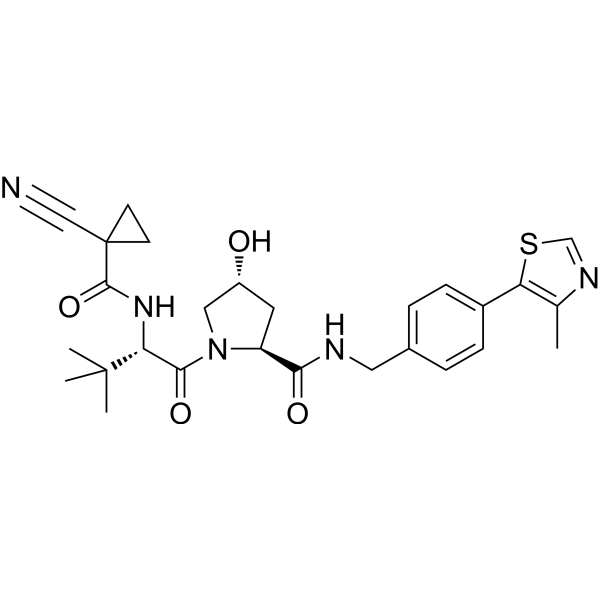
VH-298 is a highly potent inhibitor of the VHL:HIF-α interaction with a Kd value of 80 to 90 nM. VH-298 leads to HIF-α accumulation inside HeLa cells. VH-298 is an E3 ligase Ligand, and can be used for synthesis of PROTACs.
For research use only. We do not sell to patients.
- Purity : 99.54%
- CAS No.: 2097381-85-4
- Formula: C27H33N5O4S
- Molecular Weight:523.65
-
Storage:Powder -20°C, 3 years , 4°C, 2 years ; In solvent -80°C, 6 months , -20°C, 1 month

To place orders, for customer services and technical support, please contact: MedChemExpress USA
Tel: 609-228-6898 E-mail: [email protected] [email protected]


-
 Biological Activity
-
Chemical Information
-
Solvent & Solubility
- Purity & Documentation
- References
-
 Help & FAQs


-
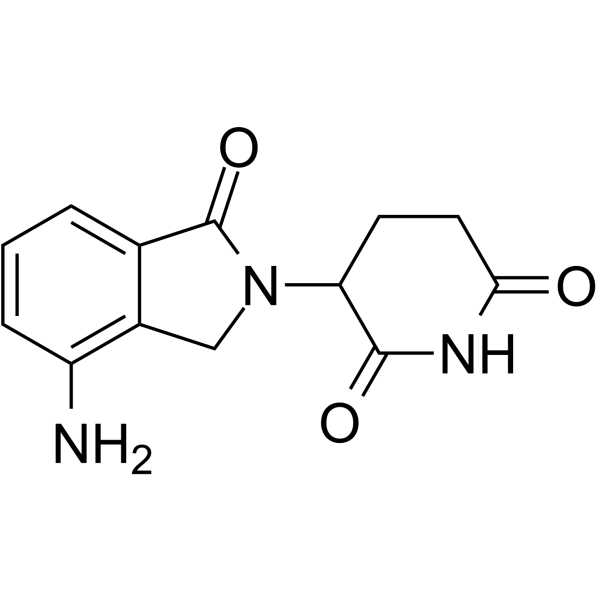
HY-A0003
LenalidomideImmunomodulator -
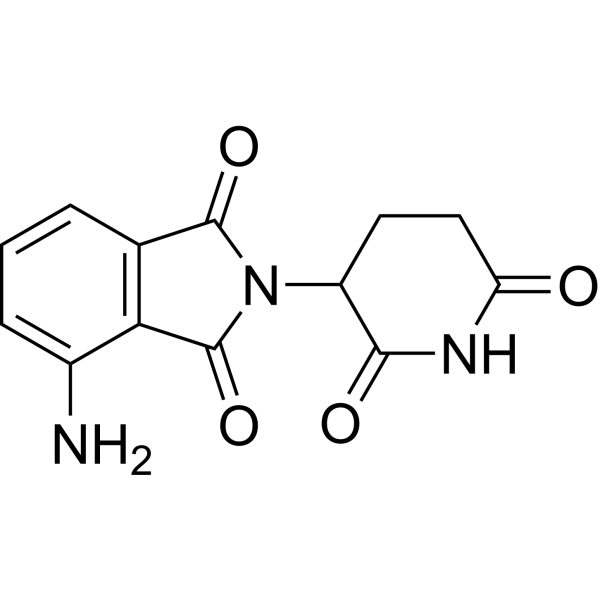
HY-10984
PomalidomideImmunomodulatory Agent -
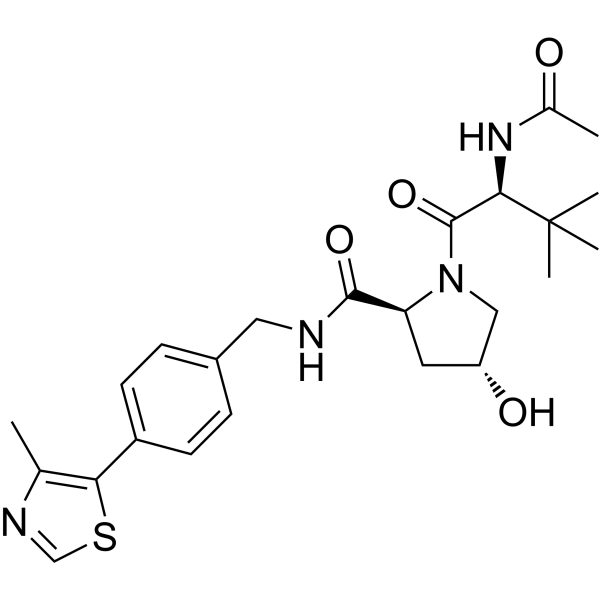
HY-120217
VH032VHL Ligand -
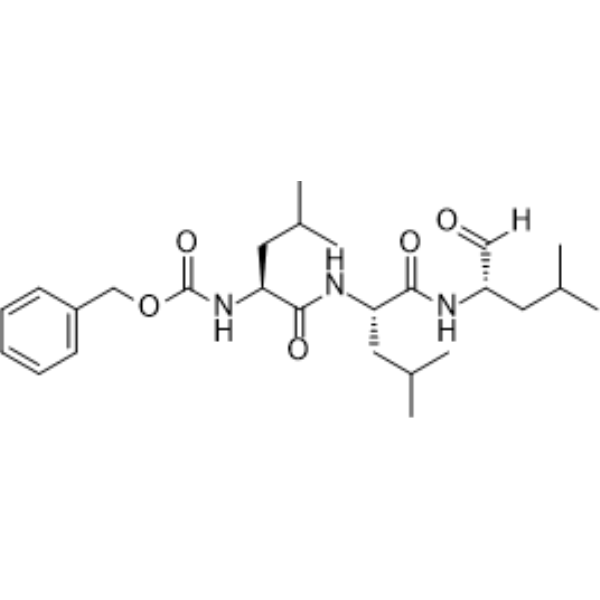
HY-13259
MG-132Proteasome Inhibitor -
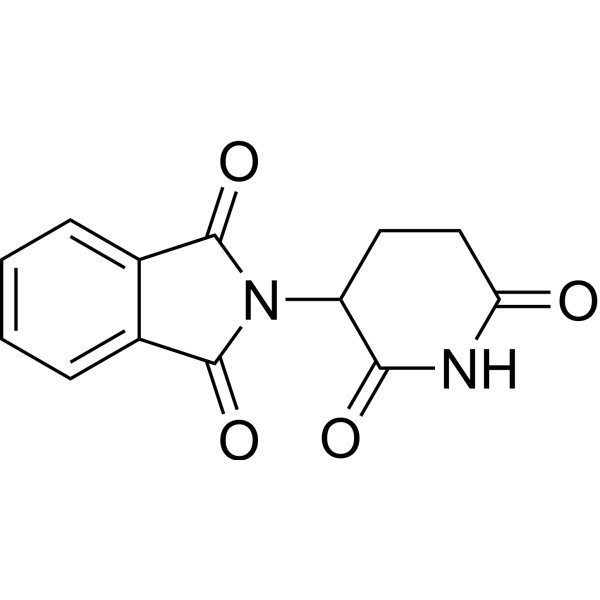
HY-14658
ThalidomideCereblon Inhibitor -
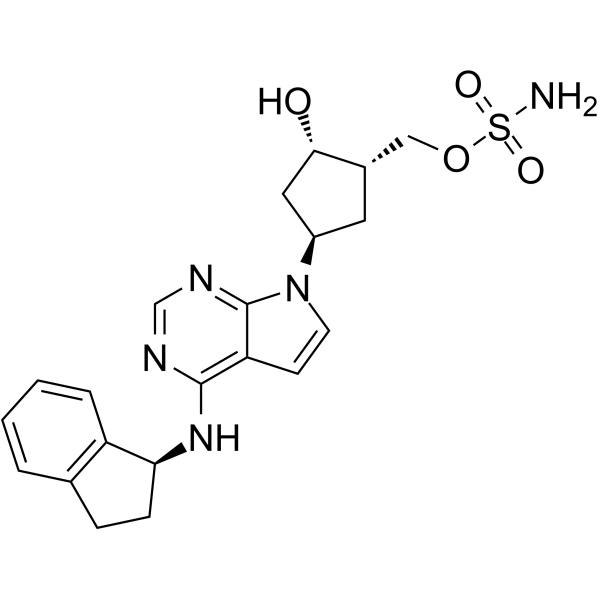
HY-70062
PevonedistatNAE Inhibitor -
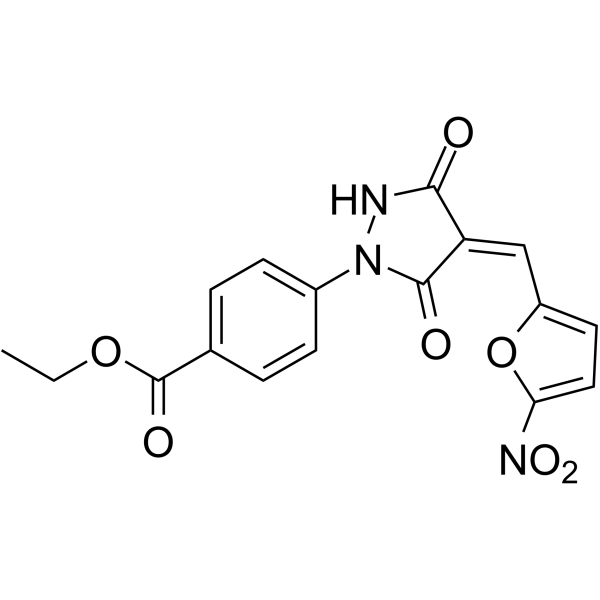
HY-13296
PYR-41Ubiquitin-Activating Enzyme E1 Inhibitor -
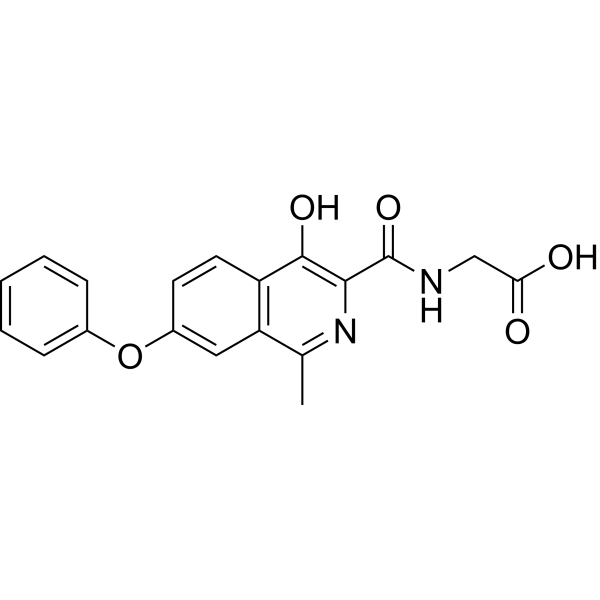
HY-13426
RoxadustatHIF-PH Inhibitor -
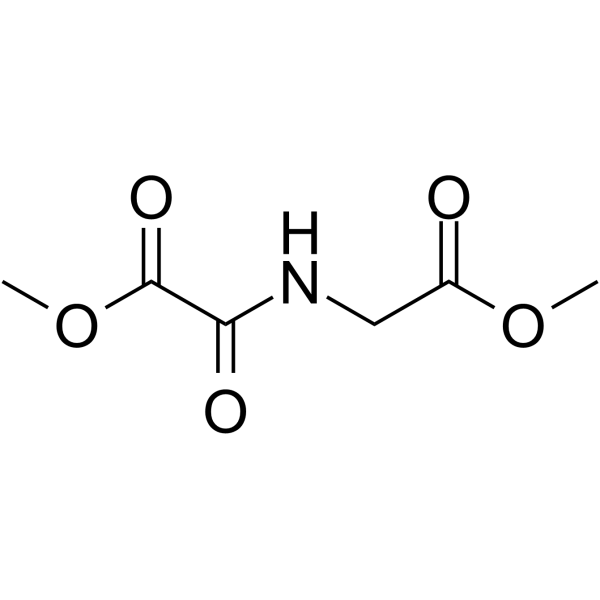
HY-15893
DMOGHIF-PH Inhibitor -
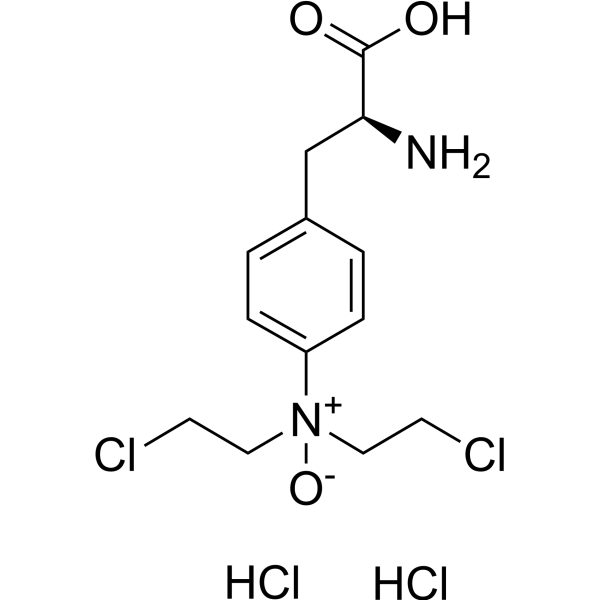
HY-10231
PX-478HIF-1α Inhibitor -
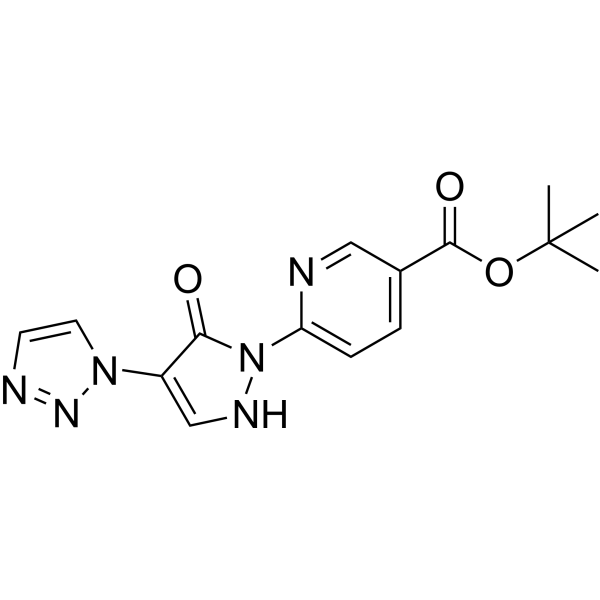
HY-120110
IOX4PHD2 Inhibitor -
HY-10181
DasatinibSrc/Bcr-Abl Inhibitor
Publications Citing Use of MedChemExpress (MCE) VH-298
More- Cancer Cell. 2025 Jul 25:S1535-6108(25)00310-1. [Abstract]
- ACS Nano. 2025 Oct 7;19(39):34659-34676. [Abstract]
- Cell Discov. 2020 Jun 9:6:35. [Abstract]
- Nat Chem Biol. 2024 Sep;20(9):1227-1236. [Abstract]
- Adv Sci (Weinh). 2026 Jul 27:e76864. [Abstract]
- J Control Release. 2025 May 10:381:113578. [Abstract]
- Cell Death Dis. 2021 Jun 16;12(7):621. [Abstract]
- Acta Pharmacol Sin. 2023 May;44(5):940-953. [Abstract]
- Proc Natl Acad Sci U S A. 2025 Mar 11;122(10):e2404899122. [Abstract]
- Cell Chem Biol. 2024 Feb 15;31(2):326-337.e11. [Abstract]
- Chem Sci. 2026 Feb 19. [Abstract]
- Curr Opin Chem Biol. 19 October 2021, 100009.
- Hepatol Commun. 2022 Aug;6(8):2182-2197. [Abstract]
- ACS Omega. 2020 Dec 29;6(1):680-695. [Abstract]
- Bioconjug Chem. 2020 Nov 18;31(11):2564-2575. [Abstract]
- Drug Dev Res. 2021 May;82(3):422-429. [Abstract]
- bioRxiv. 2025 Jun 19.
- bioRxiv. 2024 June 12.
 Customer Validation & Images

-
Cell Proliferation/Viability Assay
-
Bio/Physico-chemical Assay
-
Bio/Physico-chemical Assay
-
WB
-
WB


Biological Activity
Description
IC50 & Target
|
VHL |
Cellular Effect
|
Cell Line

|
Type | Value | Description | References |
|---|---|---|---|---|
| DB | IC50 |
>10 μM
Compound: VH298
|
Cytotoxicity against human DB cells assessed as reduction in cell viability measured after 96 hrs in presence of TNF-alpha by CellTiter-Glo luminescent assay
Cytotoxicity against human DB cells assessed as reduction in cell viability measured after 96 hrs in presence of TNF-alpha by CellTiter-Glo luminescent assay
|
[PMID: 36996313] |
| HEL | IC50 |
>10 μM
Compound: VH298
|
Cytotoxicity against human HEL cells assessed as reduction in cell viability measured after 96 hrs in presence of TNF-alpha by CellTiter-Glo luminescent assay
Cytotoxicity against human HEL cells assessed as reduction in cell viability measured after 96 hrs in presence of TNF-alpha by CellTiter-Glo luminescent assay
|
[PMID: 36996313] |
| JJN-3 | IC50 |
>10 μM
Compound: VH298
|
Cytotoxicity against human JJN-3 cells assessed as reduction in cell viability measured after 96 hrs in presence of TNF-alpha by CellTiter-Glo luminescent assay
Cytotoxicity against human JJN-3 cells assessed as reduction in cell viability measured after 96 hrs in presence of TNF-alpha by CellTiter-Glo luminescent assay
|
[PMID: 36996313] |
| K562 | IC50 |
>10 μM
Compound: VH298
|
Cytotoxicity against human K562 cells assessed as reduction in cell viability measured after 96 hrs in presence of TNF-alpha by CellTiter-Glo luminescent assay
Cytotoxicity against human K562 cells assessed as reduction in cell viability measured after 96 hrs in presence of TNF-alpha by CellTiter-Glo luminescent assay
|
[PMID: 36996313] |
| MOLM-13 | IC50 |
>10 μM
Compound: VH298
|
Cytotoxicity against human MOLM-13 cells assessed as reduction in cell viability measured after 96 hrs in presence of TNF-alpha by CellTiter-Glo luminescent assay
Cytotoxicity against human MOLM-13 cells assessed as reduction in cell viability measured after 96 hrs in presence of TNF-alpha by CellTiter-Glo luminescent assay
|
[PMID: 36996313] |
| NCI-H929 | IC50 |
>10 μM
Compound: VH298
|
Cytotoxicity against human NCI-H929 cells assessed as reduction in cell viability measured after 96 hrs in presence of TNF-alpha by CellTiter-Glo luminescent assay
Cytotoxicity against human NCI-H929 cells assessed as reduction in cell viability measured after 96 hrs in presence of TNF-alpha by CellTiter-Glo luminescent assay
|
[PMID: 36996313] |
| RPMI-8226 | IC50 |
>10 μM
Compound: VH298
|
Cytotoxicity against human RPMI-8226 cells assessed as reduction in cell viability measured after 96 hrs in presence of TNF-alpha by CellTiter-Glo luminescent assay
Cytotoxicity against human RPMI-8226 cells assessed as reduction in cell viability measured after 96 hrs in presence of TNF-alpha by CellTiter-Glo luminescent assay
|
[PMID: 36996313] |
| SUD4 | IC50 |
>10 μM
Compound: VH298
|
Cytotoxicity against human SU-DHL-4 cells assessed as reduction in cell viability measured after 96 hrs in presence of TNF-alpha by CellTiter-Glo luminescent assay
Cytotoxicity against human SU-DHL-4 cells assessed as reduction in cell viability measured after 96 hrs in presence of TNF-alpha by CellTiter-Glo luminescent assay
|
[PMID: 36996313] |
| SU-DHL-6 | IC50 |
>10 μM
Compound: VH298
|
Cytotoxicity against human SU-DHL-6 cells assessed as reduction in cell viability measured after 96 hrs in presence of TNF-alpha by CellTiter-Glo luminescent assay
Cytotoxicity against human SU-DHL-6 cells assessed as reduction in cell viability measured after 96 hrs in presence of TNF-alpha by CellTiter-Glo luminescent assay
|
[PMID: 36996313] |
In Vitro
VH-298 is a potent, cell permeable and non-toxic chemical probe that triggers the hypoxic response by blocking the VHL. VH-298 is a highly potent inhibitor of the VHL:HIF-α interaction with Kd values of 90 and 80 nM in isothermal titration calorimetry and competitive fluorescence polarization assay. VH-298 binds with VHL complex very fast and dissociates slowly. VH-298 at 50 μM concentration exhibits negligible off-target effects in vitro against more than 100 tested cellular kinases, GPCRs and ion channels. VH-298 is cell permeable and not toxic to cells. The measured permeability of VH-298 is found to be 19.4 nm s -1. VH-298 induces concentration- and time-dependent on-target specific accumulation of hydroxylated HIF-α in human cell lines, including HeLa cancer cells and renal cell carcinoma 4 (RCC4) cells. VH-298 increases mRNA levels of EPO by 2.5-fold in RCC4-HA-VHL, but not in VHL-null RCC4-HA, indicating that pharmacological inhibition of VHL is able to stimulate endogenous EPO synthesis. VH-298 proves as effective as hypoxia in raising PHD2 and HK2 protein levels, however in HFF the BNIP3 protein level increases more with VH-298 treatment than hypoxia treatment[1].
MedChemExpress (MCE) has not independently confirmed the accuracy of these methods. They are for reference only.


Chemical Information
-
CAS No. 2097381-85-4
-
Appearance Solid
-
Molecular Weight 523.65
-
Formula C27H33N5O4S
-
Color Off-white to pink
-
SMILES
O=C([C@H]1N(C([C@H](C(C)(C)C)NC(C2(CC2)C#N)=O)=O)C[C@H](O)C1)NCC3=CC=C(C4=C(C)N=CS4)C=C3
-
Shipping
Room temperature in continental US; may vary elsewhere.
-
Storage
Powder -20°C 3 years 4°C 2 years In solvent -80°C 6 months -20°C 1 month


Publications (18)
-
Journal Impact Factor
-
Most Recent
-
Cancer Cell
A pan-KRAS inhibitor and its derived degrader elicit multifaceted anti-tumor efficacy in KRAS-driven cancers. [Abstract]2025 Jul 25:S1535-6108(25)00310-1. PMID: 40780213 -
ACS Nano
Fluorinated Proteolysis Targeting Chimeras-Sorafenib Nanoassembly for Epigenetic Remodeling to Combat Multi-Pathway Drug Resistance in Hepatocellular Carcinoma. [Abstract]2025 Oct 7;19(39):34659-34676. PMID: 40977536 -
Cell Discov
A PROTAC peptide induces durable β-catenin degradation and suppresses Wnt-dependent intestinal cancer. [Abstract]2020 Jun 9:6:35. PMID: 32550000 -
Nat Chem Biol
2024 Sep;20(9):1227-1236. PMID: 38514884 -
Adv Sci (Weinh)
Intratumoral Hypoxia Triggers Mitochondrial BHLHE40 ROS Sensing Pathway to Promote Radioresistance in Triple-Negative Breast Cancer. [Abstract]2026 Jul 27:e76864. PMID: 42505118 -
J Control Release
2025 May 10:381:113578. PMID: 40015339 -
Cell Death Dis
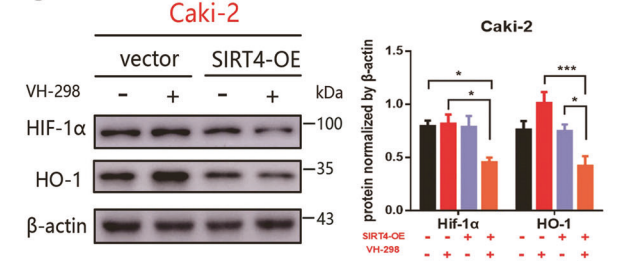
VHL regulates the sensitivity of clear cell renal cell carcinoma to SIRT4-mediated metabolic stress via HIF-1α/HO-1 pathway. [Abstract]2021 Jun 16;12(7):621. PMID: 34135317
VH-298 purchased from MedChemExpress. Usage Cited in: Cell Death Dis. 2021 Jun 16;12(7):621. [Abstract]
Caki-2 cells were treated with VHL inhibitor, VH-298 (50 µM), for 24 h followed by western blot. Densitometric analyses of HIF-1α/HO-1 are shown on the right panel.
-
Acta Pharmacol Sin
Inhibiting von Hippel‒Lindau protein-mediated Dishevelled ubiquitination protects against experimental parkinsonism. [Abstract]2023 May;44(5):940-953. PMID: 36357669
VH-298 purchased from MedChemExpress. Usage Cited in: Acta Pharmacol Sin. 2023 May;44(5):940-953. [Abstract]
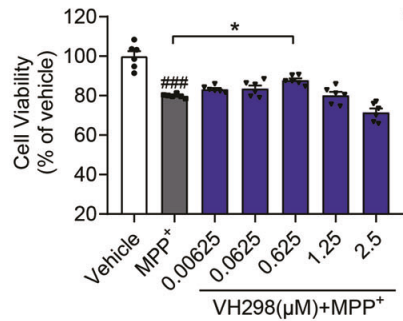
Quantification of cell viability in the MPP+-induced injury model preincubated with VH298 (0-2.5 μM, pre-incubate for 1 hour).
VH-298 purchased from MedChemExpress. Usage Cited in: Acta Pharmacol Sin. 2023 May;44(5):940-953. [Abstract]
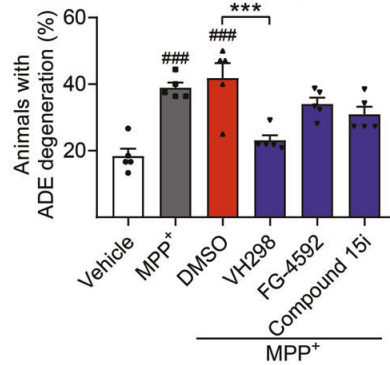
Quantification of ADE neurodegeneration in L4-stage wild-type C. elegans treated with VH298, FG-4592 and Compound 15i prior to exposure to MPP+ (1 mM).
VH-298 purchased from MedChemExpress. Usage Cited in: Acta Pharmacol Sin. 2023 May;44(5):940-953. [Abstract]
Quantification of ADE neurodegeneration in L4-stage nduf-7 (et19) mutants of C. elegans treated with VH298, FG-4592 and Compound 15i. Data are the mean ± SEM; n = 6 plates (20-35 worms per plate); statistical significance was determined by using one-way ANOVA followed by Tukey’s correction.
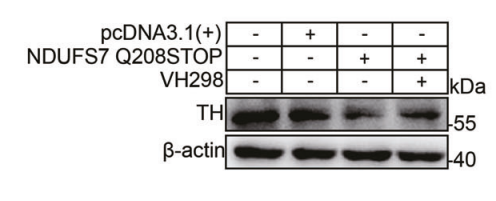
VH-298 purchased from MedChemExpress. Usage Cited in: Acta Pharmacol Sin. 2023 May;44(5):940-953. [Abstract]
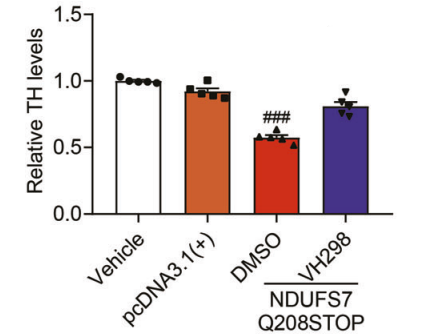
Representative immunoblots of TH and β-actin from differentiated SH-SY5Y cells transfected with mutant plasmid pcDNA3.1(+)-NDUFS7 Q208STOP and further incubated with VH298 (0.625 μM) for 48 h.
-
Proc Natl Acad Sci U S A
2025 Mar 11;122(10):e2404899122. PMID: 40030031 -
Cell Chem Biol
2024 Feb 15;31(2):326-337.e11. PMID: 38016478 -
Chem Sci
Unveiling BCL-xL-specific PROTAC efficiency and dissociation pathways using native mass spectrometry. [Abstract]2026 Feb 19. PMID: 41727719 -
-
Hepatol Commun
Proteomics-based identification of the role of osteosarcoma amplified-9 in hepatocellular carcinoma recurrence. [Abstract]2022 Aug;6(8):2182-2197. PMID: 35429130 -
ACS Omega
Development of BODIPY FL VH032 as a High-Affinity and Selective von Hippel-Lindau E3 Ligase Fluorescent Probe and Its Application in a Time-Resolved Fluorescence Resonance Energy-Transfer Assay. [Abstract]2020 Dec 29;6(1):680-695. PMID: 33458521 -
Bioconjug Chem
Development of BODIPY FL Thalidomide As a High-Affinity Fluorescent Probe for Cereblon in a Time-Resolved Fluorescence Resonance Energy Transfer Assay. [Abstract]2020 Nov 18;31(11):2564-2575. PMID: 33070611 -
Drug Dev Res
Proteolysis targeting chimera (PROTAC) for epidermal growth factor receptor enhances anti-tumor immunity in non-small cell lung cancer. [Abstract]2021 May;82(3):422-429. PMID: 33231319 -
-


Solvent & Solubility
In Vitro:
DMSO : ≥ 83.3 mg/mL (159.08 mM; Hygroscopic DMSO has a significant impact on the solubility of product, please use newly opened DMSO)
* "≥" means soluble, but saturation unknown.
Please refer to the solubility information to select the appropriate solvent. Once prepared, please aliquot and store the solution to prevent product inactivation from repeated freeze-thaw cycles.
Storage method and period of stock solution: -80°C, 6 months; -20°C, 1 month. When stored at -80°C, please use it within 6 months. When stored at -20°C, please use it within 1 month.
Please refer to the solubility information to select the appropriate solvent. Once prepared, please aliquot and store the solution to prevent product inactivation from repeated freeze-thaw cycles.
Storage method and period of stock solution: -80°C, 6 months; -20°C, 1 month. When stored at -80°C, please use it within 6 months. When stored at -20°C, please use it within 1 month.
Concentration (start) × Volume (start) = Concentration (final) × Volume (final)
In Vivo:
Select the appropriate dissolution method based on your experimental animal and administration route.
- For the following dissolution methods, please ensure to first prepare a clear stock solution using an In Vitro approach and then sequentially add co-solvents:
- To ensure reliable experimental results, the clarified stock solution can be appropriately stored based on storage conditions. As for the working solution for In Vivo experiments, it is recommended to prepare freshly and use it on the same day.
- The percentages shown for the solvents indicate their volumetric ratio in the final prepared solution. If precipitation or phase separation occurs during preparation, heat and/or sonication can be used to aid dissolution.
Add each solvent one by one: 10% DMSO 40% PEG300 5% Tween-80 45% Saline
Solubility: ≥ 2.5 mg/mL (4.77 mM); Clear solution
This protocol yields a clear solution of ≥ 2.5 mg/mL (saturation unknown).
Taking 1 mL working solution as an example, add 100 μL DMSO stock solution (25.0 mg/mL) to 400 μL PEG300, and mix evenly; then add 50 μL Tween-80 and mix evenly; then add 450 μL Saline to adjust the volume to 1 mL.
Preparation of Saline: Dissolve 0.9 g sodium chloride in ddH₂O and dilute to 100 mL to obtain a clear Saline solution.
Add each solvent one by one: 10% DMSO 90% (20% SBE-β-CD in Saline)
Solubility: ≥ 2.5 mg/mL (4.77 mM); Clear solution
This protocol yields a clear solution of ≥ 2.5 mg/mL (saturation unknown).
Taking 1 mL working solution as an example, add 100 μL DMSO stock solution (25.0 mg/mL) to 900 μL 20% SBE-β-CD in Saline, and mix evenly.
Preparation of 20% SBE-β-CD in Saline (4°C, storage for one week): 2 g SBE-β-CD powder is dissolved in 10 mL Saline, completely dissolve until clear.
In Vivo Dissolution Calculator
Please enter the basic information of animal experiments:
-
-
-
-
Recommended: Prepare an additional quantity of animals to account for potential losses during experiments.
Please enter your animal formula composition:
-
%DMSO +
Recommended: Keep the proportion of DMSO in working solution below 2% if your animal is weak.
-
%+
-
+%Tween-80 + +
-
%Saline +
The co-solvents required include: DMSO, . All of co-solvents are available by MedChemExpress (MCE). , Tween 80. All of co-solvents are available by MedChemExpress (MCE).
Working solution concentration: 0.22 mg/mL
Method for preparing stock solution: mg drug dissolved in μL DMSO. Stock solution concentration: mg/mL.
1. Take μL DMSO stock solution;
2. Add μL .
μL , mix evenly;
3. Then add μL Tween 80, mix evenly;
4. Then add μL
Please ensure that the stock solution in the first step is dissolved to a clear state, and add co-solvents in sequence. You can use ultrasonic heating (ultrasonic cleaner, recommended frequency 20-40 kHz), vortexing, etc. to assist dissolution.


Purity & Documentation
-
Data Sheet (276 KB)
-
SDS (254 KB)
- English - EN (254 KB)
- Français - FR (254 KB)
- Deutsch - DE (254 KB)
- Norwegian - NO (254 KB)
- Español - ES (254 KB)
- Swedish - SV (254 KB)
- Italian - IT (254 KB)
- Korean - KR (254 KB)
- Portuguese - PT (254 KB)
-
Handling Instructions (2659 KB)
References


Complete Stock Solution Preparation Table
Please refer to the solubility information to select the appropriate solvent. Once prepared, please aliquot and store the solution to prevent product inactivation from repeated freeze-thaw cycles.
Storage method and period of stock solution: -80°C, 6 months; -20°C, 1 month. When stored at -80°C, please use it within 6 months. When stored at -20°C, please use it within 1 month.
| Optional Solvent | Concentration Solvent Mass | 1 mg | 5 mg | 10 mg | 25 mg |
|---|---|---|---|---|---|
| DMSO | 1 mM | 1.9097 mL | 9.5484 mL | 19.0967 mL | 47.7418 mL |
| 5 mM | 0.3819 mL | 1.9097 mL | 3.8193 mL | 9.5484 mL | |
| 10 mM | 0.1910 mL | 0.9548 mL | 1.9097 mL | 4.7742 mL | |
| 15 mM | 0.1273 mL | 0.6366 mL | 1.2731 mL | 3.1828 mL | |
| 20 mM | 0.0955 mL | 0.4774 mL | 0.9548 mL | 2.3871 mL | |
| 25 mM | 0.0764 mL | 0.3819 mL | 0.7639 mL | 1.9097 mL | |
| 30 mM | 0.0637 mL | 0.3183 mL | 0.6366 mL | 1.5914 mL | |
| 40 mM | 0.0477 mL | 0.2387 mL | 0.4774 mL | 1.1935 mL | |
| 50 mM | 0.0382 mL | 0.1910 mL | 0.3819 mL | 0.9548 mL | |
| 60 mM | 0.0318 mL | 0.1591 mL | 0.3183 mL | 0.7957 mL | |
| 80 mM | 0.0239 mL | 0.1194 mL | 0.2387 mL | 0.5968 mL | |
| 100 mM | 0.0191 mL | 0.0955 mL | 0.1910 mL | 0.4774 mL |


VH-298 Related Classifications
HY-100947 Related Classifications
 Powered by Bioz