



I-BRD9
Based on 10 publication(s) in Google Scholar
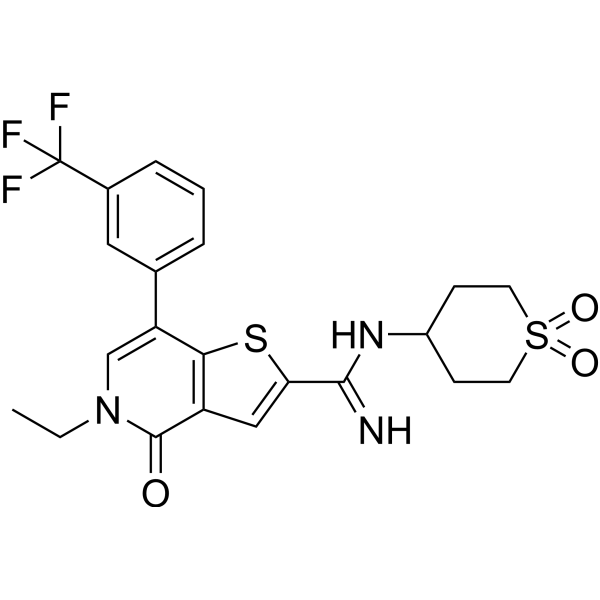
I-BRD9 is a selective cellular chemical probe of bromodomain-containing protein 9 (BRD9) with pIC50 value of 7.3 μM. I-BRD9 has high selectivity for bromodomain and extra terminal domain (BET) family and highly homologous bromodomain-containing protein 7 (BRD7). I-BRD9 can be used to identify genes regulated by BRD9 in Kasumi-1 cells involved in oncology and immune response pathways.
For research use only. We do not sell to patients.
- Purity : 99.72%
- CAS No.: 1714146-59-4
- Formula: C22H22F3N3O3S2
- Molecular Weight:497.55
-
Storage:Powder -20°C, 3 years , 4°C, 2 years ; In solvent -80°C, 2 years , -20°C, 1 year

To place orders, for customer services and technical support, please contact: MedChemExpress USA
Tel: 609-228-6898 E-mail: [email protected] [email protected]


-
 Biological Activity
-
Chemical Information
-
Solvent & Solubility
- Purity & Documentation
- References
-
 Help & FAQs


-
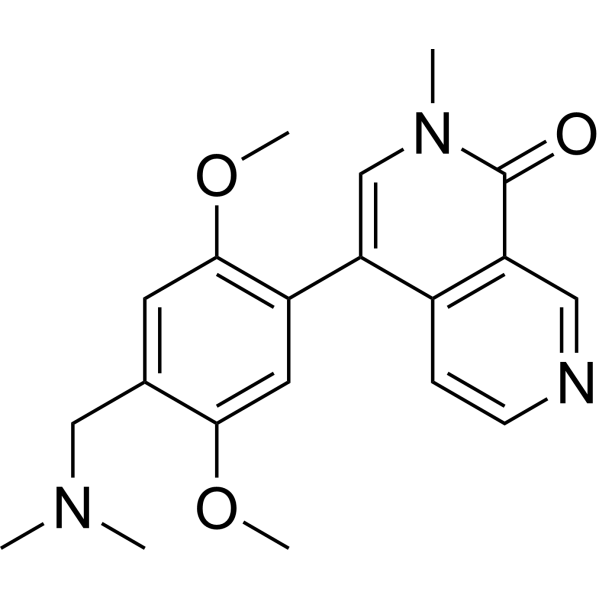
HY-100352
BI-9564BRD9/BRD7 Bromodomains Inhibitor -
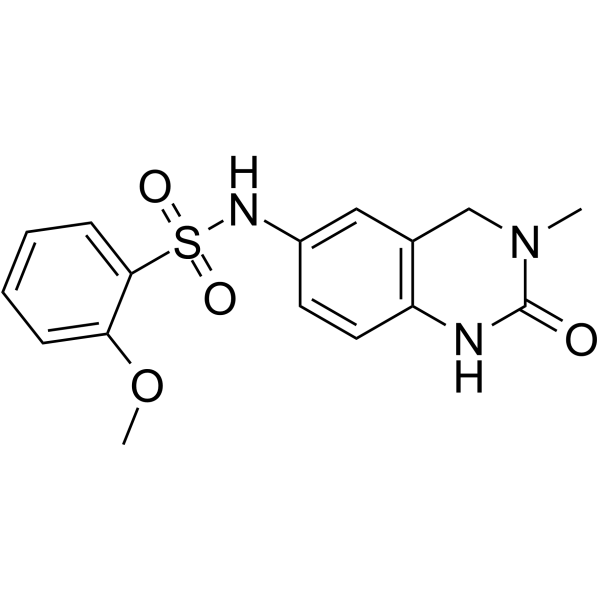
HY-16586
PFI-1BET Inhibitor -
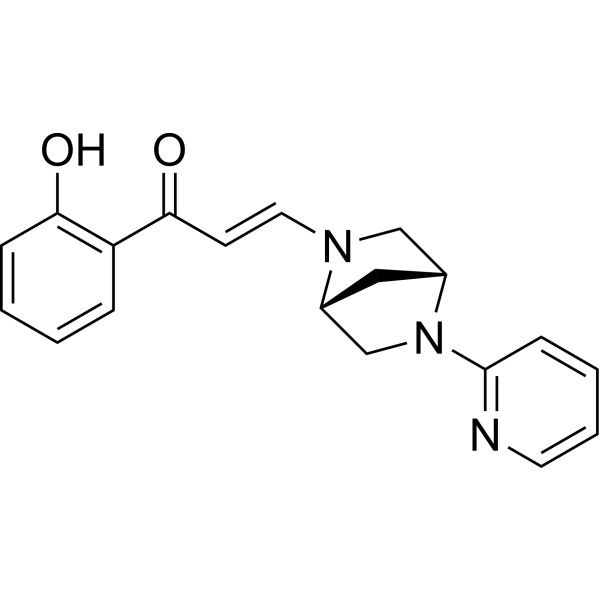
HY-12409
PFI-3SMARCA2/4 Bromodomain Inhibitor -
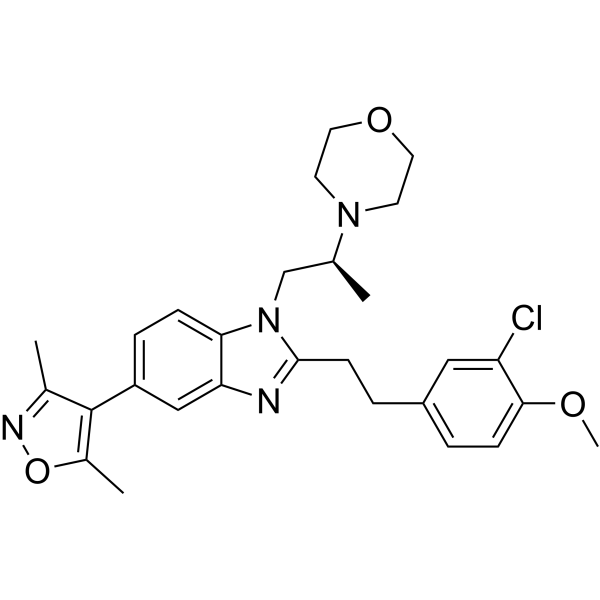
HY-15826
SGC-CBP30CBP/p300 Inhibitor -
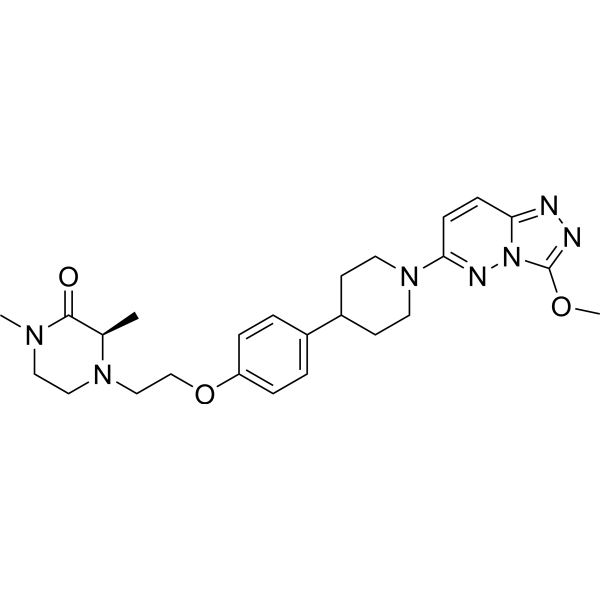
HY-100653
AZD5153BET/BRD4 Inhibitor -
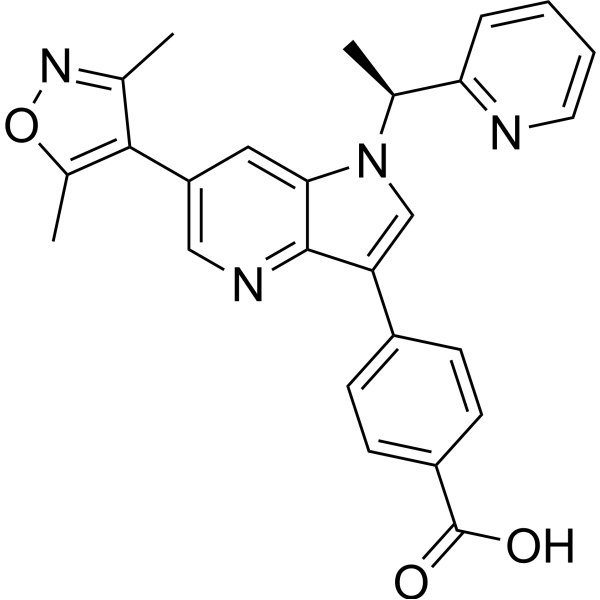
HY-111422
PLX51107BET Inhibitor -
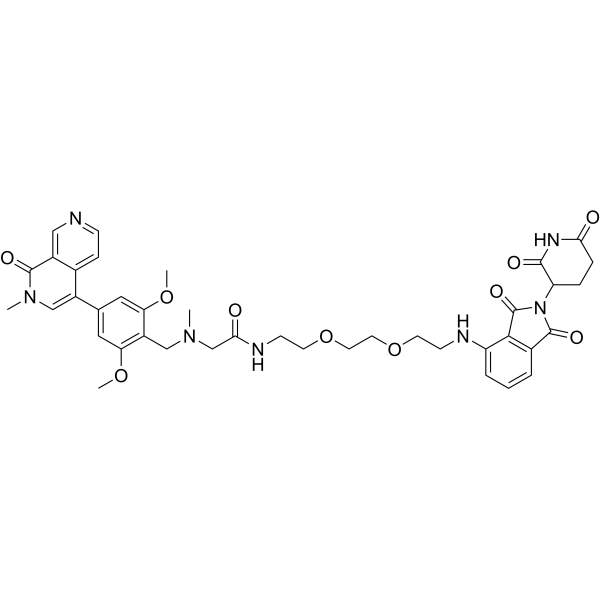
HY-117690
dBRD9BRD9 PROTAC Degrader -
HY-K0301
Cell Counting Kit-8 -
HY-15760
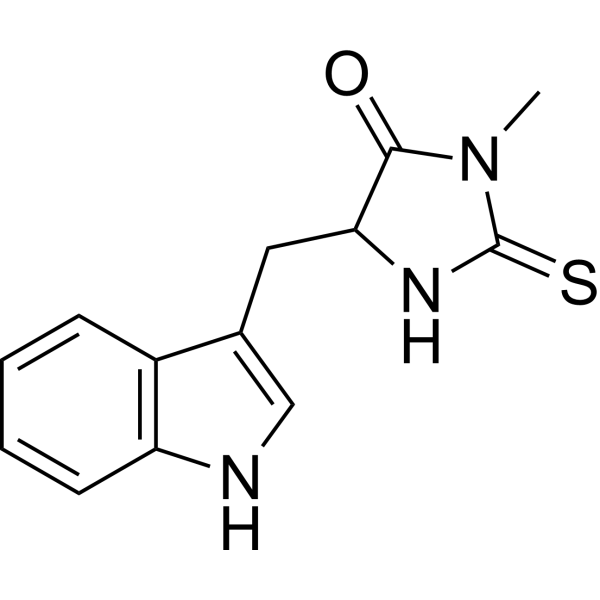
Necrostatin-1RIPK1 Inhibitor -
HY-15921
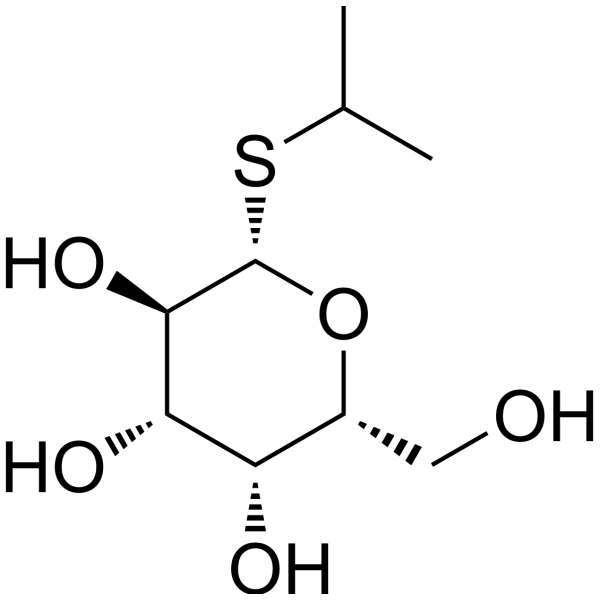
IPTGAllolactose Mimic -
HY-13433
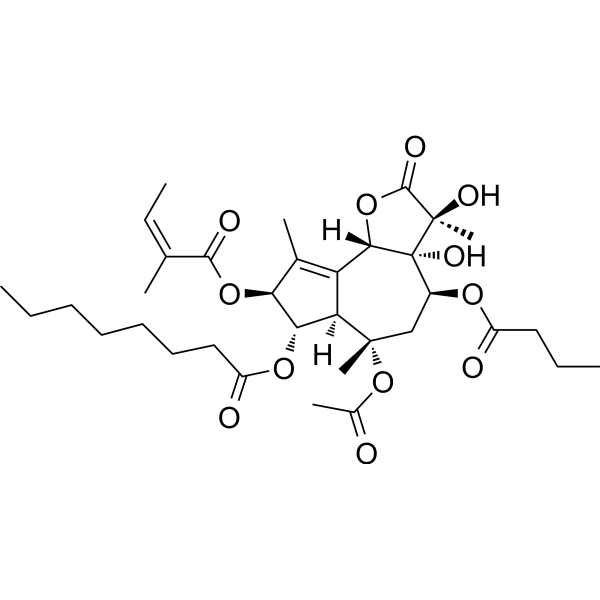
ThapsigarginER Stress Inducer -
HY-100517
TP-472BRD9/7 Inhibitor
Publications Citing Use of MedChemExpress (MCE) I-BRD9
More- Nat Commun. 2026 Feb 12;17(1):1214. [Abstract]
- Nat Commun. 2023 Dec 1;14(1):7762. [Abstract]
- Sci Adv. 2025 Apr 25;11(17):eads6385. [Abstract]
- Proc Natl Acad Sci U S A. 2019 Feb 19;116(8):2961-2966. [Abstract]
- Gene Ther. 2024 Nov;31(11-12):594-606. [Abstract]
- Drug Metab Dispos. 2025 Apr;53(4):100057. [Abstract]
- Mol Carcinog. 2023 Aug;62(8):1119-1135. [Abstract]
- bioRxiv. 2026 May 7.
- bioRxiv. 2025 Sep 7.
- bioRxiv. 2023 Apr 3.
 Customer Validation & Images

-
WB
-
RT-PCR
-
Cell Proliferation/Viability Assay
-
In Vivo Efficacy Study
-
Cell Imaging/Staining


Biological Activity
Description
Cellular Effect
|
Cell Line

|
Type | Value | Description | References |
|---|---|---|---|---|
| G-401 | IC50 |
0.008 μM
Compound: Chemical probe: I-BRD9
|
Anti-proliferative activity against human G-401 cells assessed as inhibition cell growth incubated for 72 hrs in presence of vincristine by MTT-based Chou-Talalay method
Anti-proliferative activity against human G-401 cells assessed as inhibition cell growth incubated for 72 hrs in presence of vincristine by MTT-based Chou-Talalay method
|
[PMID: 28714904] |
| G-401 | IC50 |
0.096 μM
Compound: Chemical probe: I-BRD9
|
Anti-proliferative activity against human G-401 cells assessed as inhibition cell growth incubated for 72 hrs in presence of doxorubicin by MTT-based Chou-Talalay method
Anti-proliferative activity against human G-401 cells assessed as inhibition cell growth incubated for 72 hrs in presence of doxorubicin by MTT-based Chou-Talalay method
|
[PMID: 28714904] |
| G-401 | IC50 |
13.4 μM
Compound: Chemical probe: I-BRD9
|
Anti-proliferative activity against human G-401 cells assessed as cell viability incubated for 72 hrs by MTT assay
Anti-proliferative activity against human G-401 cells assessed as cell viability incubated for 72 hrs by MTT assay
|
[PMID: 28714904] |
| G-401 | IC50 |
6.1 μM
Compound: Chemical probe: I-BRD9
|
Anti-proliferative activity against human G-401 cells assessed as cell viability incubated for 144 hrs by MTT assay
Anti-proliferative activity against human G-401 cells assessed as cell viability incubated for 144 hrs by MTT assay
|
[PMID: 28714904] |
| G-401 | IC50 |
9.1 μM
Compound: Chemical probe: I-BRD9
|
Anti-proliferative activity against human G-401 cells assessed as inhibition cell growth incubated for 72 hrs in presence of carboplatin by MTT-based Chou-Talalay method
Anti-proliferative activity against human G-401 cells assessed as inhibition cell growth incubated for 72 hrs in presence of carboplatin by MTT-based Chou-Talalay method
|
[PMID: 28714904] |
| HL-60 | GI50 |
0.433 μM
Compound: Chemical probe: I-BRD9
|
Antiproliferative activity against human HL-60 cells assessed as inhibition of cell growth for 7 days by cell titre glo assay
Antiproliferative activity against human HL-60 cells assessed as inhibition of cell growth for 7 days by cell titre glo assay
|
[PMID: 27376689] |
| Jurkat | GI50 |
3.643 μM
Compound: Chemical probe: I-BRD9
|
Antiproliferative activity against human Jurkat cells assessed as inhibition of cell growth for 7 days by cell titre glo assay
Antiproliferative activity against human Jurkat cells assessed as inhibition of cell growth for 7 days by cell titre glo assay
|
[PMID: 27376689] |
In Vitro
I-BRD9 (10 μM, 6 h) has a regulation role in cancer and immunology pathways[1].
I-BRD9 (10 μM) has high BRD9 affinity and excellent broader bromodomain selectivity[1].
I-BRD9 (10 μM) has affinity for BRD9 (TR-FRET), BRD4 BD1 (TR-FRET) and BRD9 NanoBRET with pIC50 values of 7.3 μM, 5.3 μM and 6.8 μM[1].
I-BRD9 (10 μM) has high aqueous solubility (CLND) with 359 μM[1].
I-BRD9 (10 μM) displays >625 fold selectivity in binding with endogenous BRD9 against BET family member BRD3 in HUT-78 cell lysate[1].
MedChemExpress (MCE) has not independently confirmed the accuracy of these methods. They are for reference only. .
-
Cell Line:Kasumi-1 cells
-
Concentration:10 μM
-
Incubation Time:6 h
-
Result:Showed 4 genes (CLEC1, 62 DUSP6, 63 FES64 and SAMSN165) that were strongly down-regulated and not by I-BET151.


Chemical Information
-
CAS No. 1714146-59-4
-
Appearance Solid
-
Molecular Weight 497.55
-
Formula C22H22F3N3O3S2
-
Color White to off-white
-
SMILES
N=C(C(S1)=CC2=C1C(C3=CC=CC(C(F)(F)F)=C3)=CN(CC)C2=O)NC(CC4)CCS4(=O)=O
-
Shipping
Room temperature in continental US; may vary elsewhere.
-
Storage
Powder -20°C 3 years 4°C 2 years In solvent -80°C 2 years -20°C 1 year


Publications (10)
-
Journal Impact Factor
-
Most Recent
-
Nat Commun
Human iPSC-based Modeling of Pulmonary Fibrosis Reveals p300/CBP Inhibition Suppresses Alveolar Transitional Cell State. [Abstract]2026 Feb 12;17(1):1214. PMID: 41680175 -
Nat Commun
SMARCB1 loss activates patient-specific distal oncogenic enhancers in malignant rhabdoid tumors. [Abstract]2023 Dec 1;14(1):7762. PMID: 38040699 -
Sci Adv
2025 Apr 25;11(17):eads6385. PMID: 40279411
I-BRD9 purchased from MedChemExpress. Usage Cited in: Sci Adv. 2025 Apr 25;11(17):eads6385. [Abstract]
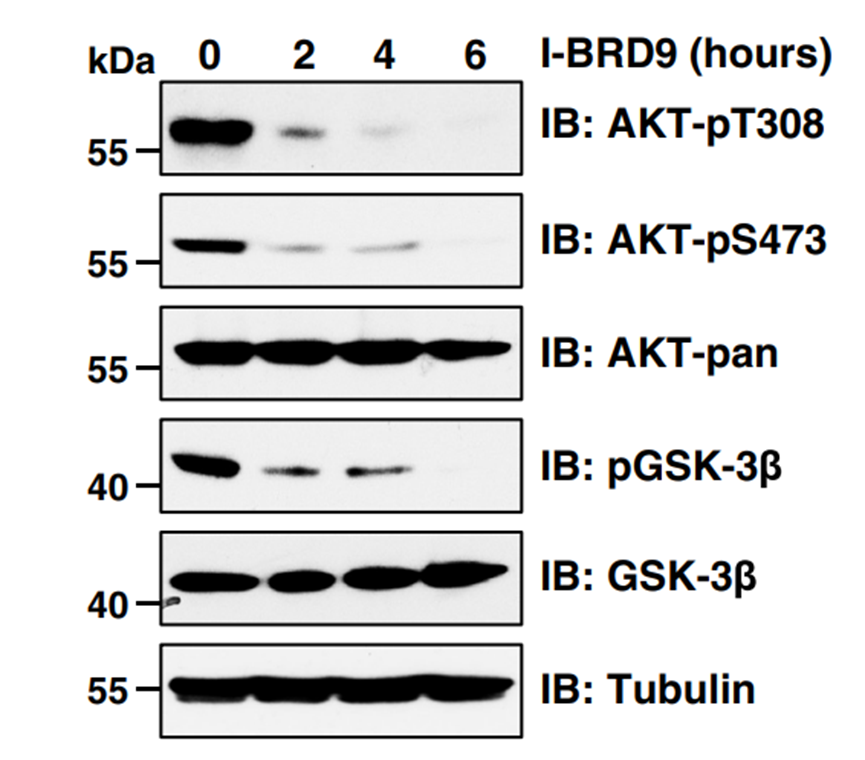
IB analysis of WCL derived for MDA-MB-231 cells treated with 5 μM I-BRD9 for the indicated time.
I-BRD9 purchased from MedChemExpress. Usage Cited in: Sci Adv. 2025 Apr 25;11(17):eads6385. [Abstract]
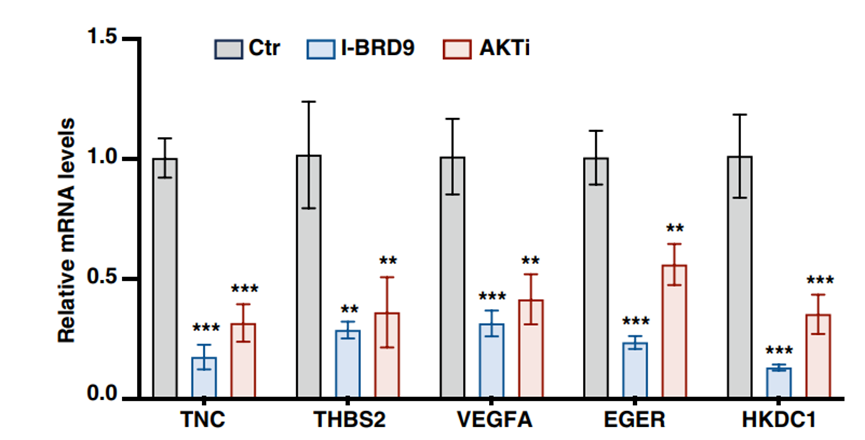
RT-qPCR analysis of mRNA levels of select genes commonly regulated by I-BRD9 and ipatasertib. MDA-MB-231 cells were treated with 5 μM I-BRD9 or 1 μM ipatasertib for 16 hours.
I-BRD9 purchased from MedChemExpress. Usage Cited in: Sci Adv. 2025 Apr 25;11(17):eads6385. [Abstract]
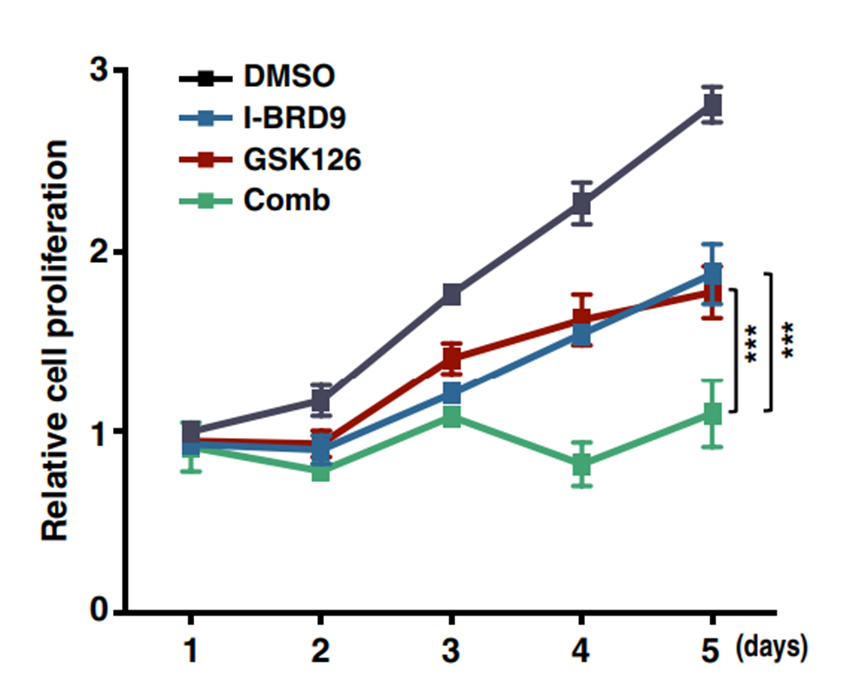
MDA-MB-231 cells treated with I-BRD9 (5 μM) or GSK126 were subjected to cell proliferation assays.
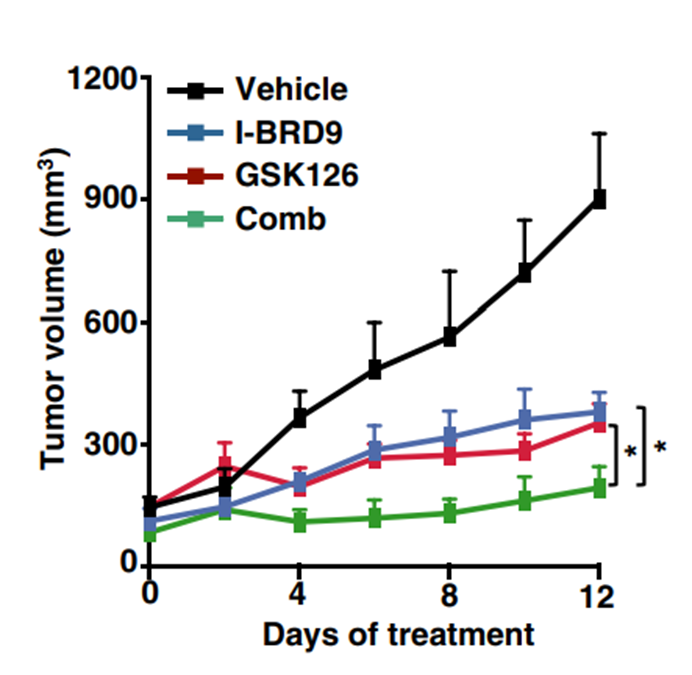
I-BRD9 purchased from MedChemExpress. Usage Cited in: Sci Adv. 2025 Apr 25;11(17):eads6385. [Abstract]
Tumor growth curve upon treatment of I-BRD9 (30 mg/kg) and GSK126.
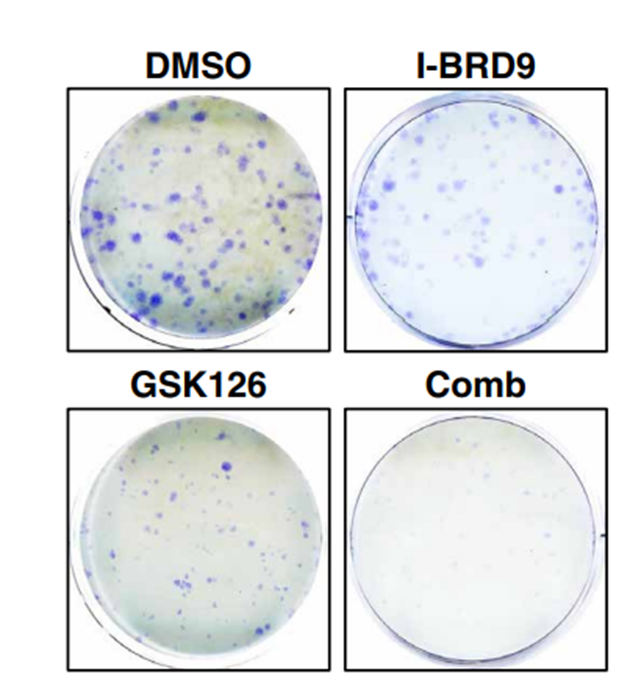
I-BRD9 purchased from MedChemExpress. Usage Cited in: Sci Adv. 2025 Apr 25;11(17):eads6385. [Abstract]
MDA-MB-231 cells treated with I-BRD9 (5 μM) or GSK126 were subjected to colony formation assays.
-
Proc Natl Acad Sci U S A
2019 Feb 19;116(8):2961-2966. PMID: 30718431 -
Gene Ther
BRD9 promotes the progression of gallbladder cancer via CST1 upregulation and interaction with FOXP1 through the PI3K/AKT pathway and represents a therapeutic target. [Abstract]2024 Nov;31(11-12):594-606. PMID: 39306629 -
Drug Metab Dispos
Switch/sucrose non-fermentable complex interacts with constitutive androstane receptor to regulate drug-metabolizing enzymes and transporters in the liver. [Abstract]2025 Apr;53(4):100057. PMID: 40158296 -
Mol Carcinog
PRMT1 inhibition promotes ferroptosis sensitivity via ACSL1 upregulation in acute myeloid leukemia. [Abstract]2023 Aug;62(8):1119-1135. PMID: 37144835 -
-
-


Solvent & Solubility
In Vitro:
DMSO : 13.89 mg/mL (27.92 mM; Need ultrasonic; Hygroscopic DMSO has a significant impact on the solubility of product, please use newly opened DMSO)
Please refer to the solubility information to select the appropriate solvent. Once prepared, please aliquot and store the solution to prevent product inactivation from repeated freeze-thaw cycles.
Storage method and period of stock solution: -80°C, 2 years; -20°C, 1 year. When stored at -80°C, please use it within 2 years. When stored at -20°C, please use it within 1 year.
Please refer to the solubility information to select the appropriate solvent. Once prepared, please aliquot and store the solution to prevent product inactivation from repeated freeze-thaw cycles.
Storage method and period of stock solution: -80°C, 2 years; -20°C, 1 year. When stored at -80°C, please use it within 2 years. When stored at -20°C, please use it within 1 year.
Concentration (start) × Volume (start) = Concentration (final) × Volume (final)
In Vivo:
Select the appropriate dissolution method based on your experimental animal and administration route.
- For the following dissolution methods, please ensure to first prepare a clear stock solution using an In Vitro approach and then sequentially add co-solvents:
- To ensure reliable experimental results, the clarified stock solution can be appropriately stored based on storage conditions. As for the working solution for In Vivo experiments, it is recommended to prepare freshly and use it on the same day.
- The percentages shown for the solvents indicate their volumetric ratio in the final prepared solution. If precipitation or phase separation occurs during preparation, heat and/or sonication can be used to aid dissolution.
Add each solvent one by one: 10% DMSO 40% PEG300 5% Tween-80 45% Saline
Solubility: ≥ 1.39 mg/mL (2.79 mM); Clear solution
This protocol yields a clear solution of ≥ 1.39 mg/mL (saturation unknown).
Taking 1 mL working solution as an example, add 100 μL DMSO stock solution (13.9 mg/mL) to 400 μL PEG300, and mix evenly; then add 50 μL Tween-80 and mix evenly; then add 450 μL Saline to adjust the volume to 1 mL.
Preparation of Saline: Dissolve 0.9 g sodium chloride in ddH₂O and dilute to 100 mL to obtain a clear Saline solution.
Add each solvent one by one: 10% DMSO 90% (20% SBE-β-CD in Saline)
Solubility: ≥ 1.39 mg/mL (2.79 mM); Clear solution
This protocol yields a clear solution of ≥ 1.39 mg/mL (saturation unknown).
Taking 1 mL working solution as an example, add 100 μL DMSO stock solution (13.9 mg/mL) to 900 μL 20% SBE-β-CD in Saline, and mix evenly.
Preparation of 20% SBE-β-CD in Saline (4°C, storage for one week): 2 g SBE-β-CD powder is dissolved in 10 mL Saline, completely dissolve until clear.
In Vivo Dissolution Calculator
Please enter the basic information of animal experiments:
-
-
-
-
Recommended: Prepare an additional quantity of animals to account for potential losses during experiments.
Please enter your animal formula composition:
-
%DMSO +
Recommended: Keep the proportion of DMSO in working solution below 2% if your animal is weak.
-
%+
-
+%Tween-80 + +
-
%Saline +
The co-solvents required include: DMSO, . All of co-solvents are available by MedChemExpress (MCE). , Tween 80. All of co-solvents are available by MedChemExpress (MCE).
Working solution concentration: 0.22 mg/mL
Method for preparing stock solution: mg drug dissolved in μL DMSO. Stock solution concentration: mg/mL.
1. Take μL DMSO stock solution;
2. Add μL .
μL , mix evenly;
3. Then add μL Tween 80, mix evenly;
4. Then add μL
Please ensure that the stock solution in the first step is dissolved to a clear state, and add co-solvents in sequence. You can use ultrasonic heating (ultrasonic cleaner, recommended frequency 20-40 kHz), vortexing, etc. to assist dissolution.


Purity & Documentation
-
Data Sheet (275 KB)
-
SDS (480 KB)
- English - EN (480 KB)
- Français - FR (480 KB)
- Deutsch - DE (480 KB)
- Norwegian - NO (480 KB)
- Español - ES (480 KB)
- Swedish - SV (480 KB)
- Italian - IT (480 KB)
- Korean - KR (480 KB)
- Portuguese - PT (480 KB)
-
Handling Instructions (2659 KB)
References


Complete Stock Solution Preparation Table
Please refer to the solubility information to select the appropriate solvent. Once prepared, please aliquot and store the solution to prevent product inactivation from repeated freeze-thaw cycles.
Storage method and period of stock solution: -80°C, 2 years; -20°C, 1 year. When stored at -80°C, please use it within 2 years. When stored at -20°C, please use it within 1 year.
| Optional Solvent | Concentration Solvent Mass | 1 mg | 5 mg | 10 mg | 25 mg |
|---|---|---|---|---|---|
| DMSO | 1 mM | 2.0098 mL | 10.0492 mL | 20.0985 mL | 50.2462 mL |
| 5 mM | 0.4020 mL | 2.0098 mL | 4.0197 mL | 10.0492 mL | |
| 10 mM | 0.2010 mL | 1.0049 mL | 2.0098 mL | 5.0246 mL | |
| 15 mM | 0.1340 mL | 0.6699 mL | 1.3399 mL | 3.3497 mL | |
| 20 mM | 0.1005 mL | 0.5025 mL | 1.0049 mL | 2.5123 mL | |
| 25 mM | 0.0804 mL | 0.4020 mL | 0.8039 mL | 2.0098 mL |


I-BRD9 Related Classifications
HY-18975 Related Classifications
 Powered by Bioz