



Myrtaceae Extract
-
- Psidium guajava Linn. (26)
- Eucalyptus globulus Labill. (21)
- Rhodomyrtus tomentosa (9)
- Syzygium aromaticum (7)
- Acrostichum speciosum Willd. (5)
- Syzygium aromaticum (L.) Merr. & L.M.Perry (5)
- Eucalyptus macrocarpa Hook. (4)
- Eucalyptus robusta Sm. (4)
- Leptospermum scoparium J. R. Forst. et G. Forst. (4)
- Melaleuca alternifolia (4)
- Acca sellowiana (O. Berg) Burret (3)
- Eucalyptus camaldulensis Dehnh. (3)
- Eucalyptus citriodora Hook. f. (3)
- Myrtus communis L. (3)
- Psidium cattleianum (3)
- Baeckea frutescens L. (2)
- Eucalyptus perriniana F.Muell. ex Rodway (2)
- Eucalyptus robusta Smith (2)
- Eucalyptus saligna (2)
- Syzygium nervosum Candolle (2)
- Lophomyrtus bullata Burret (1)
- Callistemon rigidus R. Br. (1)
- Calyptranthes pallens Griseb. (1)
- Eucalyptus camaldulensis var. obtusa Blak. (1)
- Eucalyptus cladocalyx F.Muell. (1)
- Eucalyptus cypellocarpa L.A.S.Johnson (1)
- Eucalyptus globulus subsp. maidenii (F. Muell.) Kirkpatrick (1)
- Eucalyptus grandis Hill ex Maiden (1)
- Eucalyptus jensenii Maiden (1)
- Eucalyptus loxophleba Benth. (1)
- Eucalyptus microcorys F. V. Muell. (1)
- Eucalyptus sideroxylon A.Cunn. ex Woolls (1)
- Eucalyptus urophylla S.T.Blake (1)
- Melaleuca citrina (Curtis) Dum.Cours. (1)
- Melaleuca linariifolia Smith (1)
- Metrosideros polymorpha Gaudich. (1)
- Myrcia multiflora (Lam.) DC. (1)
- Myrciaria dubia (Kunth) McVaugh (1)
- Pimenta dioica (L.) Merr. (1)
- Psidium acutangulum DC. (1)
- Syzygium aqueum (Burm. f.) Alston (1)
- Syzygium densiflorum Wall. ex Wight & Arn. (1)
- Syzygium jambos (L.) Alston (1)
- Syzygium malaccense (L.) Merr. et Perry (1)
- Syzygium sandwicense (A.Gray) Müll.Berol. (1)
- Taxandria spathulata (Schauer) J.R.Wheeler & N.G.Marchant (1)
-
Myrtaceae Extract (138)

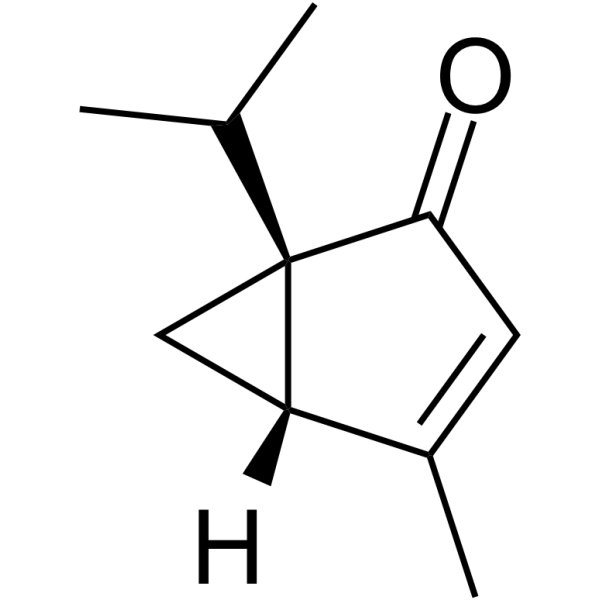
- Formula: C10H14O
- Molecular Weight: 150.22
Umbellulone is an active constituent of the leaves of Umbellularia californica. Umbellulone stimulates the TRPA1 channel in a subset of peptidergic, nociceptive neurons, activating the trigeminovascular system via this mechanism.
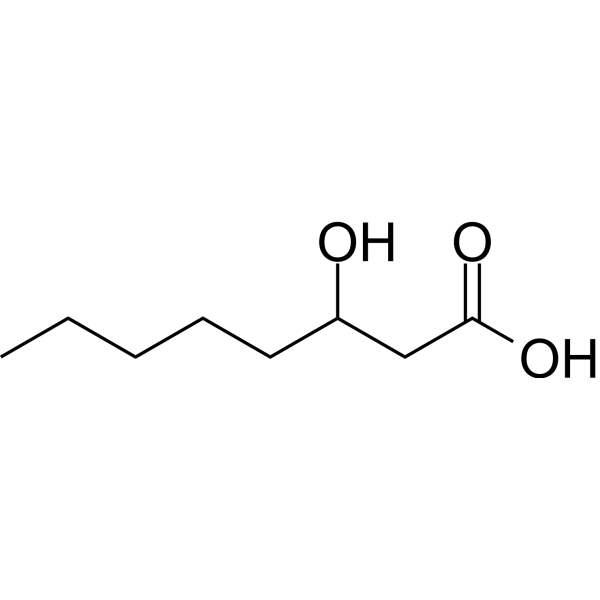
- Formula: C8H16O3
- Molecular Weight: 160.21
3-Hydroxyoctanoic acid is a medium-chain β-hydroxy fatty acid that possesses antibacterial, antifungal, and quorum-sensing regulatory activities. 3-Hydroxyoctanoic acid is an endogenous agonist of the human HCAR3 receptor, decreases intracellular cAMP, reduces IL-1beta secretion, increases IL-10 secretion, and decreases ROS production in macrophages. 3-Hydroxyoctanoic acid inhibits quorum-sensing-regulated pyocyanin production in Pseudomonas aeruginosa PAO1 and inhibits the yeast-to-hypha transition in Candida albicans. 3-Hydroxyoctanoic acid is used in research related to metabolism, bacterial infections, and fungal infections.
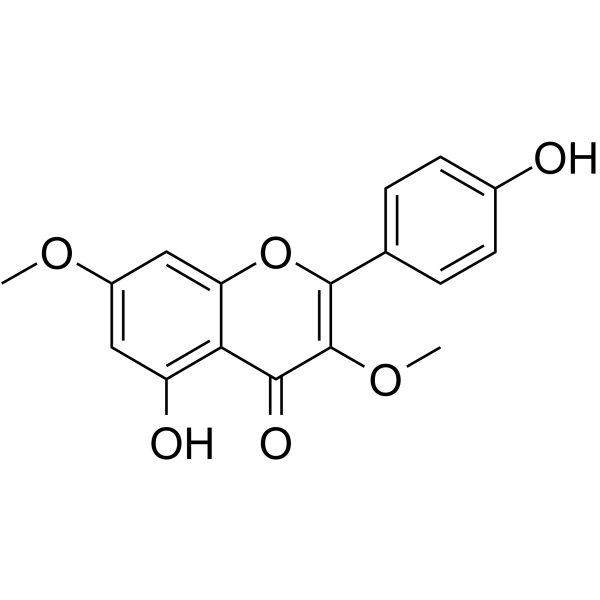
- Formula: C17H14O6
- Molecular Weight: 314.29
Kumatakenin is an orally active apoptosis inducer and autophagy inhibitor, with a Kd value of 2.94 μM for mouse ATG5. Kumatakenin increases the activities of caspase-3, caspase-8 and caspase-9, thereby inducing caspase-dependent apoptosis in ovarian cancer cells. Kumatakenin reduces the expression of chemokines and pro-oncogenic factors in ovarian cancer cells, and inhibits M2 macrophage polarization. Kumatakenin inactivates TRIM65 function, reduces the expression and stability of FASN, and thus inhibits the proliferation, migration, invasion and tumor progression of esophageal cancer cells. Kumatakenin interacts with ATG5 to reduce its protein level, decrease LC3 level, and reduce the number of autophagosomes in the hippocampus. Kumatakenin binds to Eno3 to upregulate its expression, reduce the stability and expression level of IRP1 mRNA, inhibit ferroptosis, alleviate intestinal inflammation, and restore epithelial barrier function. Kumatakenin enhances the efficacy of antibiotics against pathogenic bacteria, inhibits SARS-CoV-2 replication, and reduces cytokine production. Kumatakenin is applicable to research related to ovarian cancer, esophageal cancer, depression and colitis.
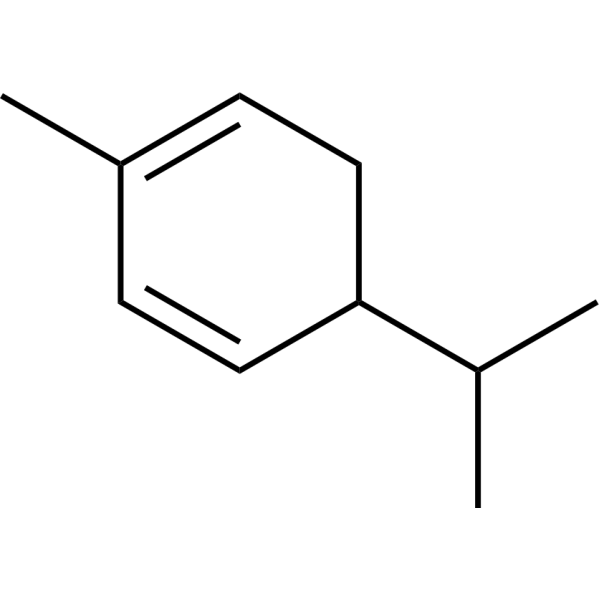
- Formula: C10H16
- Molecular Weight: 136.23
α-Phellandrene (alpha-Phellandrene) is an orally active monoterpenoid and insecticide. α-Phellandrene can be isolated from plant essential oils. α-Phellandrene induces Apoptosis and Autophagy. α-Phellandrene promotes cAMP signaling pathway and increases NO production. α-Phellandrene has anti-inflammatory and anticancer (sarcoma) activities. α-Phellandrene shows insecticidal activity against Lucilia cuprina L3. α-Phellandrene reduces mechanical hyperalgesia.
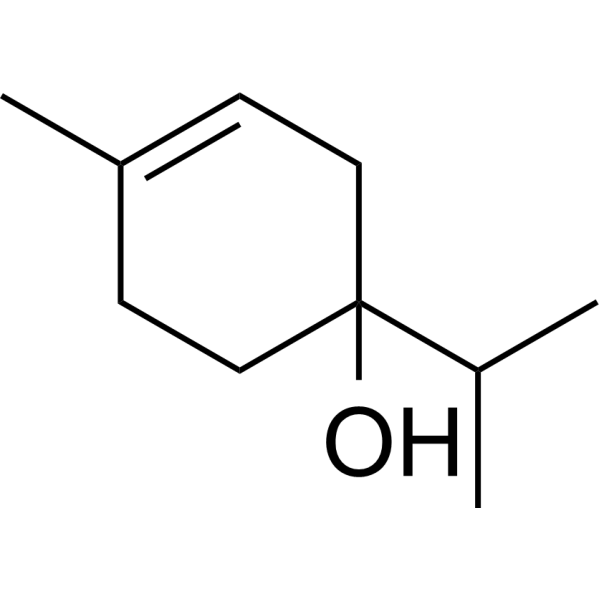
- Formula: C10H18O
- Molecular Weight: 154.25
Terpinen-4-ol (4-Carvomenthenol) is a naturally occurring monoterpene, and can be extracted from a variety of aromatic plants. Terpinen-4-ol is a potent bactericidal agent which possess antifungal , anti-inflammatory and antitumor properties as well, suggesting Terpinen-4-ol to be used for relevant research.
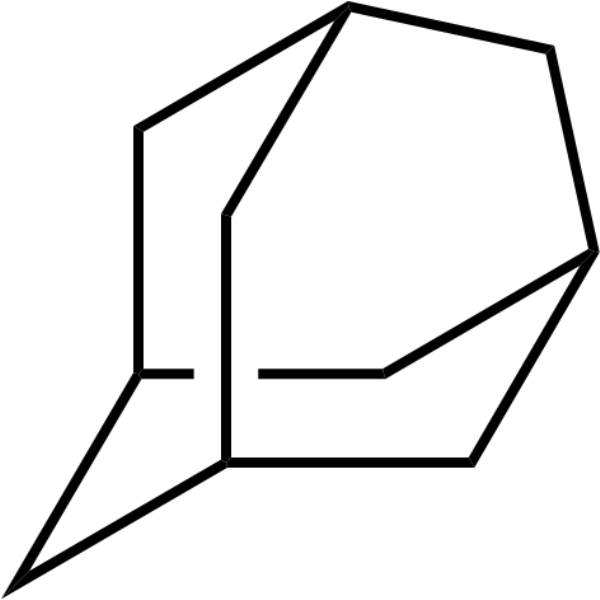
- Formula: C10H16
- Molecular Weight: 136.24
Adamantane is a polycyclic cage molecule with high symmetry and remarkable properties. Adamantane can be incorporated into a lipophilic part of the lipid bilayer that constitutes membranes and as an anchor in the lipid bilayer of liposomes. Adamantane can be studied in pharmacological research to improve the lipophilicity and pharmacological properties of other active products.


- Formula: C34H28O22
- Molecular Weight: 788.57
1,2,4,6-Tetra-O-galloyl-β-D-glucose is an acetylcholinesterase inhibitor with an IC50 of 1.5 μM against human targets. 1,2,4,6-Tetra-O-galloyl-β-D-glucose inhibits the aggregation of amyloid-β. 1,2,4,6-Tetra-O-galloyl-β-D-glucose exhibits anti-herpesvirus activity against both HSV-1 and HSV-2 in vitro. 1,2,4,6-Tetra-O-galloyl-β-D-glucose possesses superoxide dismutase-like antioxidant activity, and also inhibits tyrosinase and hyaluronidase. 1,2,4,6-Tetra-O-galloyl-β-D-glucose can be used in studies related to Alzheimer's disease, herpesvirus infection and antioxidation.
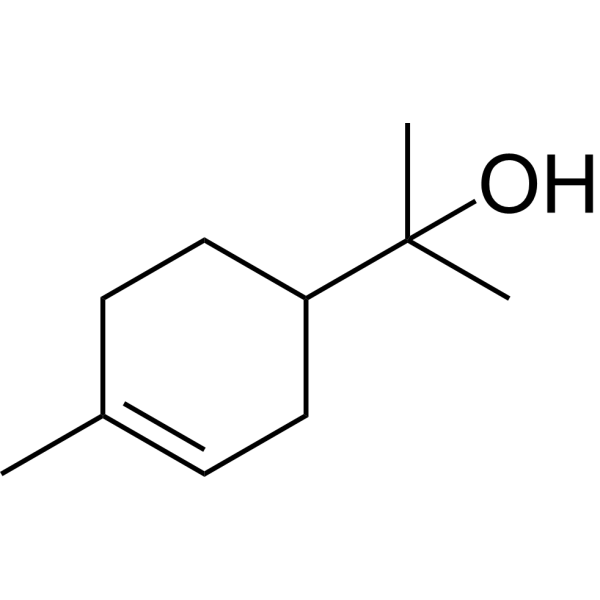
- Formula: C10H18O
- Molecular Weight: 154.25
α-Terpineol (with oral activity) can be found in Eucalyptus globulus Labill. α-Terpineol exhibits strong antimicrobial activity against periodontopathic and cariogenic bacteria.α-Terpineol possesses antifungal activity against T. mentagrophytes, and the activity might lead to irreversible cellular disruption. In addition, α-Terpineol exhibits antineuropathic and anti-inflammatory activities. α-Terpineol can be utilized in research related to diarrhea, neuropathic pain, infections, and inflammation.
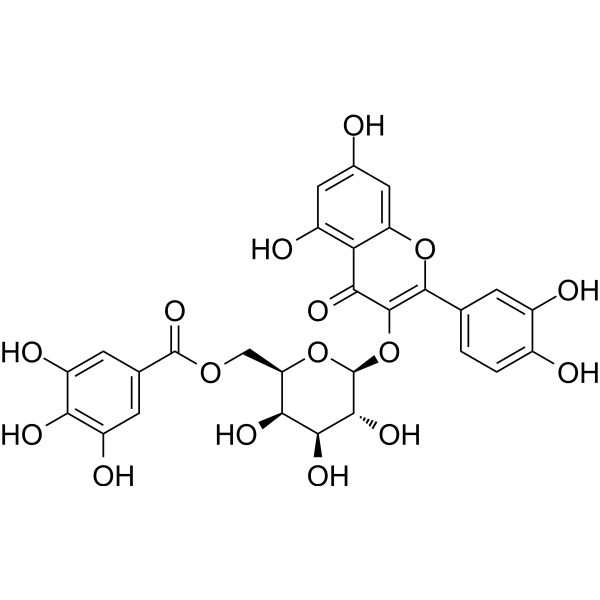
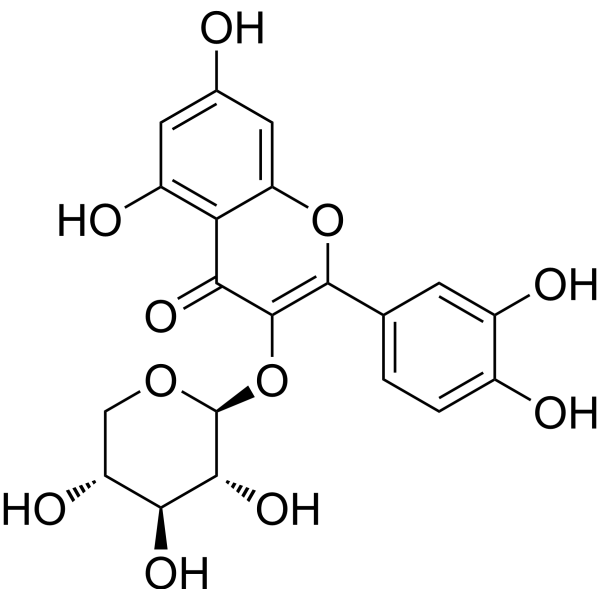
- Formula: C28H24O16
- Molecular Weight: 616.48
Quercetin 3-O-(6''-galloyl)-β-D-galactopyranoside is from the fresh leaves of Psidium Guajava L..
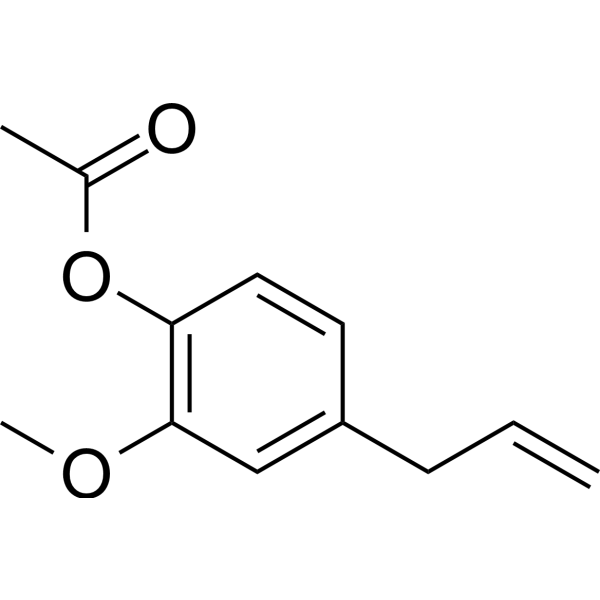
- Formula: C12H14O3
- Molecular Weight: 206.24
Eugenol acetate (Eugenyl acetate) is an antibacterial, anticancer, anti-inflammatory and antioxidant. Eugenol acetate inhibits NF-κB and enhances the expression of p53 and p21 (WAF1). Eugenol acetate can prevent chemically induced skin cancer, inhibit cancer cell proliferation and induce apoptosis.
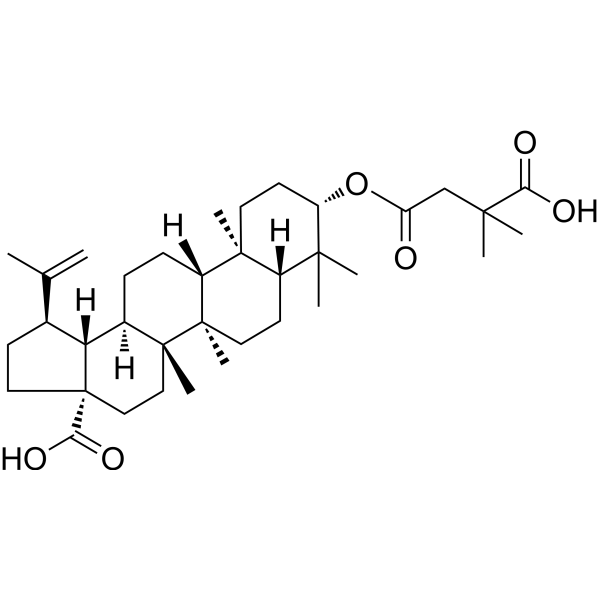
- Formula: C36H56O6
- Molecular Weight: 584.83
Bevirimat (PA-457, MPC-4326, YK FH312) is an inhibitor of HIV-1 viral particle maturation.Bevirimat specifically inhibits the final rate-limiting step in Gag processing, preventing the release of the mature capsid protein (CA) from its precursor (CA-SP1), resulting in the production of immature non-infectious viral particles. Bevirimat can be used in HIV-1 infection studies.

- Formula: C10H12O2
- Molecular Weight: 164.20
Eugenol (Standard) is the analytical standard of Eugenol. This product is intended for research and analytical applications. Eugenol is an essential oil found in cloves with antibacterial, anthelmintic and antioxidant activity. Eugenol is shown to inhibit lipid peroxidation.
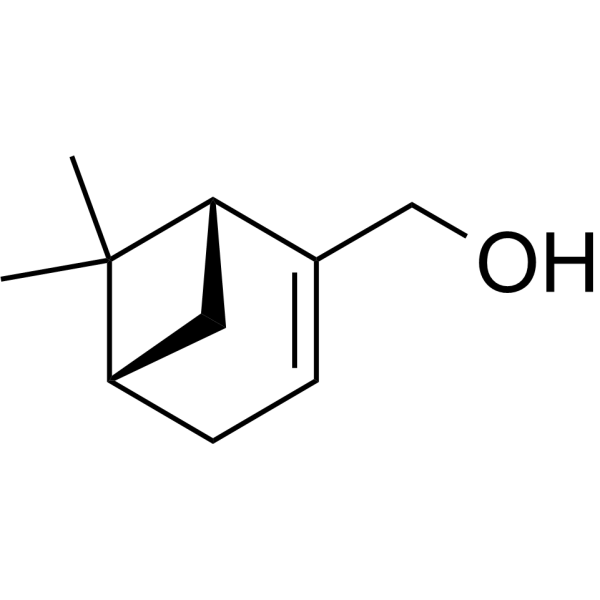
- Formula: C10H16O
- Molecular Weight: 152.23
(-)-Myrtenol is the enantiomer of Myrtenol. (-)-Myrtenol has anti-anxiety effect. (-)-Myrtenol has the characteristics of gastric cell protection.
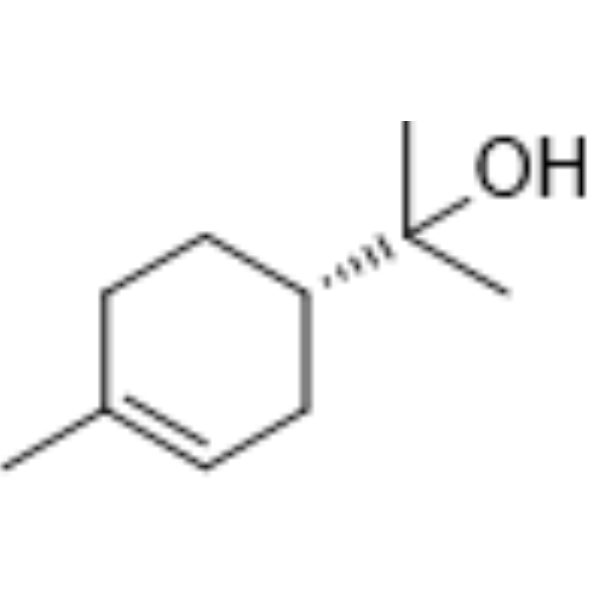
- Formula: C10H18O
- Molecular Weight: 154.25
(-)-α-Terpineol ((S)-α-Terpineol), a monoterpene compound, is one of compounds in Melaleuca alternifolia. (-)-α-Terpineol has antioxidant and anti-inflammatory activities.

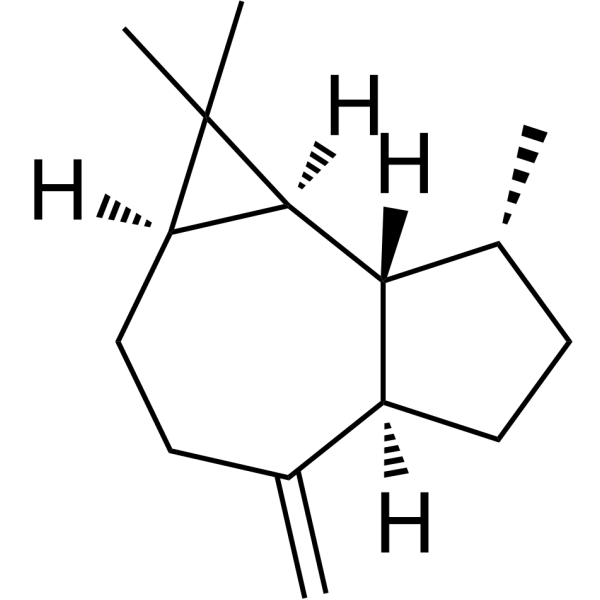
- Formula: C15H24
- Molecular Weight: 204.35
Aromadendrene ((+)-Aromadendrene) is a potent antibacterial agent. Aromadendrene can be isolated from Eucalyptus globulus. Aromadendrene disrupts cellular biofilms via high lipophilicity and interferes with protein conformation through protein alkylation. Aromadendrene is applicable to research related to multidrug-resistant bacterial infections.
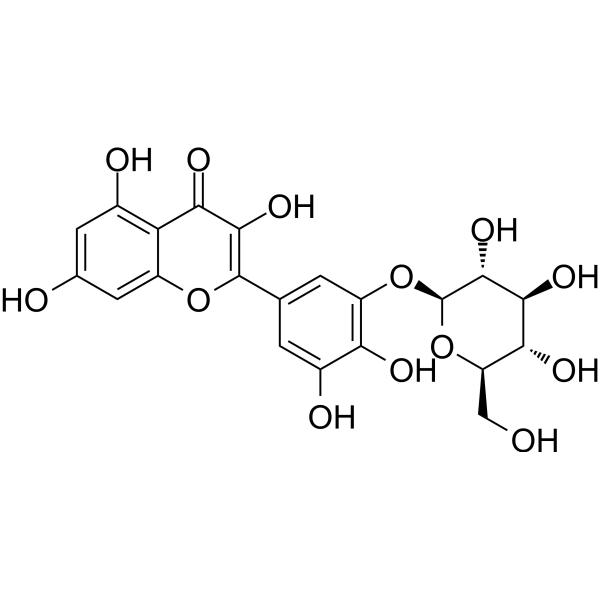
- Formula: C21H20O13
- Molecular Weight: 480.38
Myricetin 3'-glucoside is an orally active glycosylated flavonoid. Myricetin 3'-glucoside inhibits the cerebral ischemia-induced elevation of inflammatory cytokine levels, including TNF-α, IL-6 and IL-1β. Myricetin 3'-glucoside reverses the cerebral ischemia-mediated downregulation of Bcl-2 protein levels and reduces the cerebral ischemia-induced upregulation of Bax protein levels. Myricetin 3'-glucoside reduces cerebral infarct volume, increases the number of Nissl bodies, and improves neurological function scores in a rat model of middle cerebral artery occlusion (MCAO). Myricetin 3'-glucoside can be used in cerebral ischemia-related research.



