



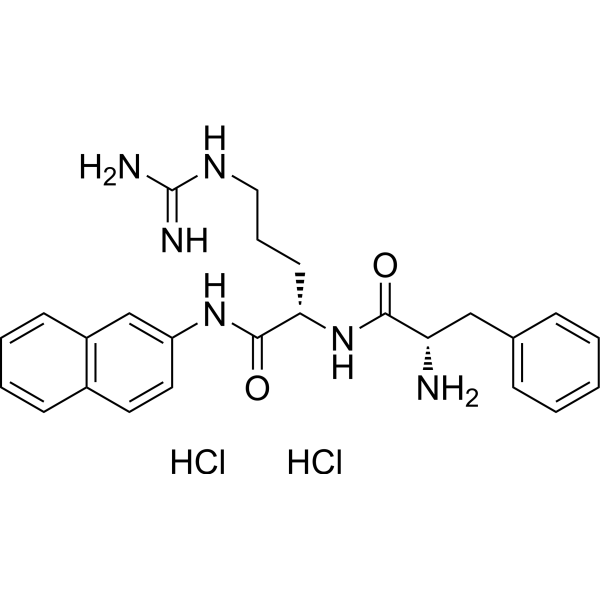
PAβN dihydrochloride
Based on 12 publication(s) in Google Scholar
PAβN dihydrochloride (MC-207110 dihydrochloride) is an efflux pump inhibitor.
Nur für Forschungszwecke. Wir verkaufen nicht an Patienten.
- Reinheit : 99.85%
- CAS. Nr.: 100929-99-5
- Formel: C25H32Cl2N6O2
- Molecular Weight:519.47
-
Speicherung:
4°C, sealed storage, away from moisture
* In solvent : -80°C, 6 months; -20°C, 1 month (sealed storage, away from moisture)

To place orders, for customer services and technical support, please contact: MedChemExpress USA
Tel: 609-228-6898 E-mail: [email protected] [email protected]


-
 Biologische Aktivität
-
Chemical Information
-
Lösungsmittel & Löslichkeit
- Reinheit & Dokumentation
- Verweise
-
 Help & FAQs


-
HY-100941
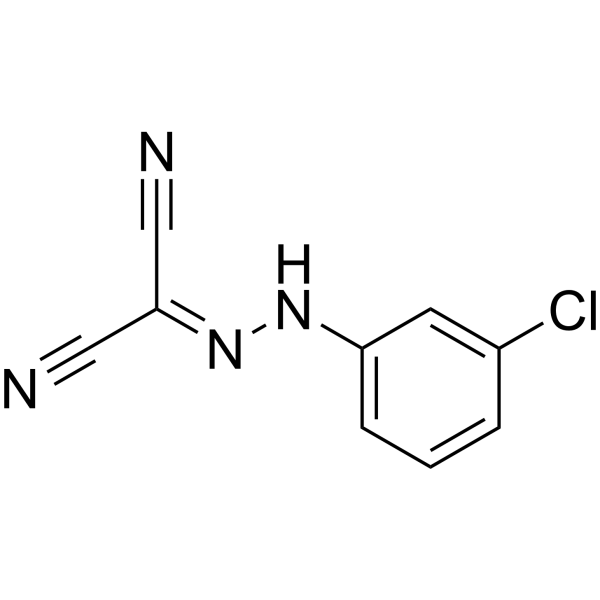
CCCPOXPHOS Uncoupler -
HY-106783
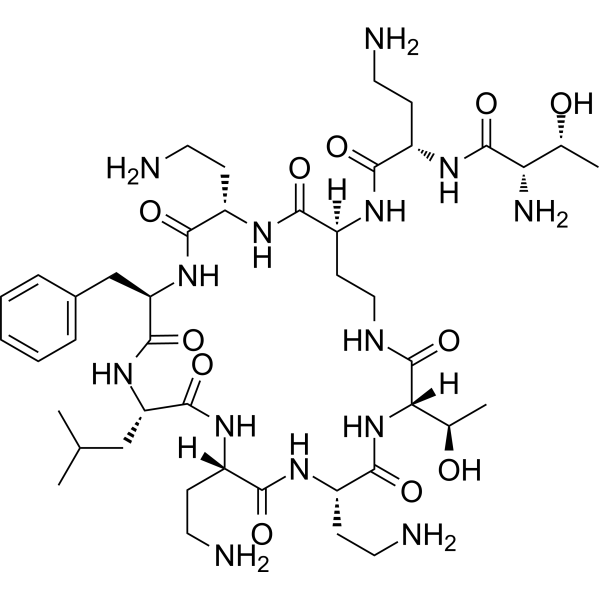
Polymyxin B nonapeptideAntibiotic -
HY-W003467
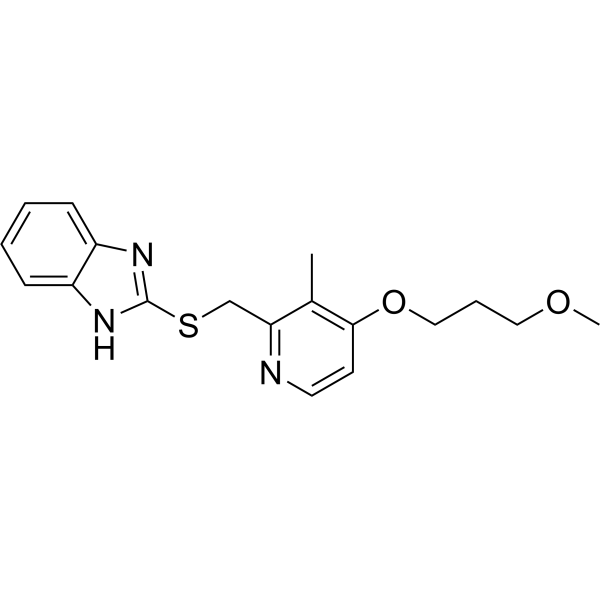
Rabeprazole SulfideDrug Metabolite -
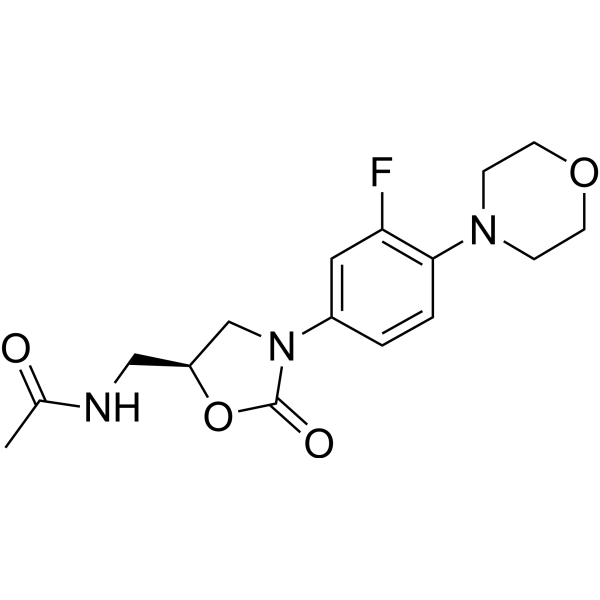
HY-10394
LinezolidAntibiotic -
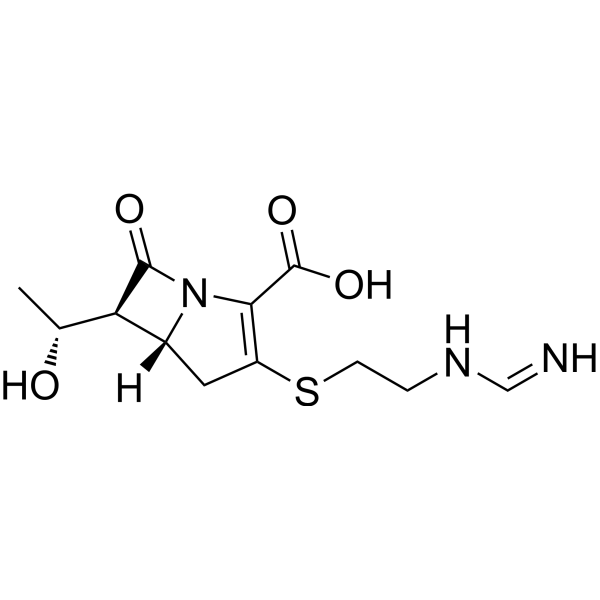
HY-B1369A
ImipenemAntibiotic -
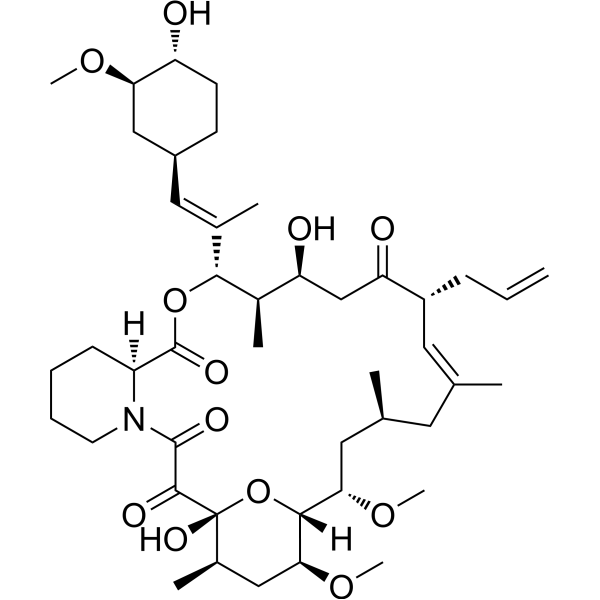
HY-13756
TacrolimusCalcineurin Inhibitor -
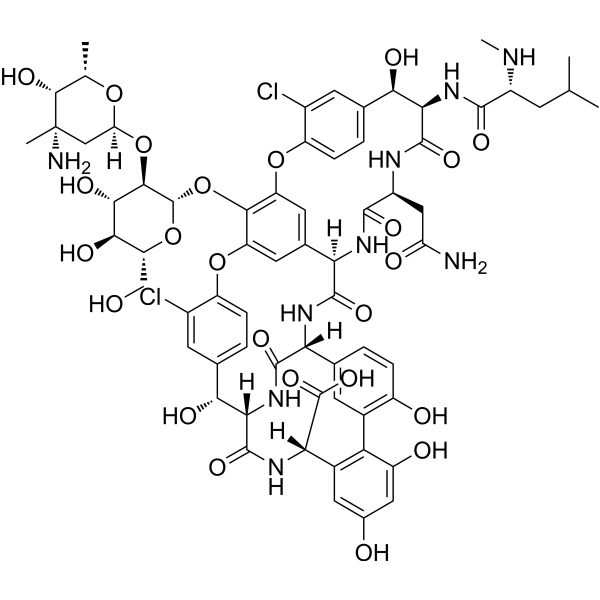
HY-B0671
VancomycinAntibiotic -
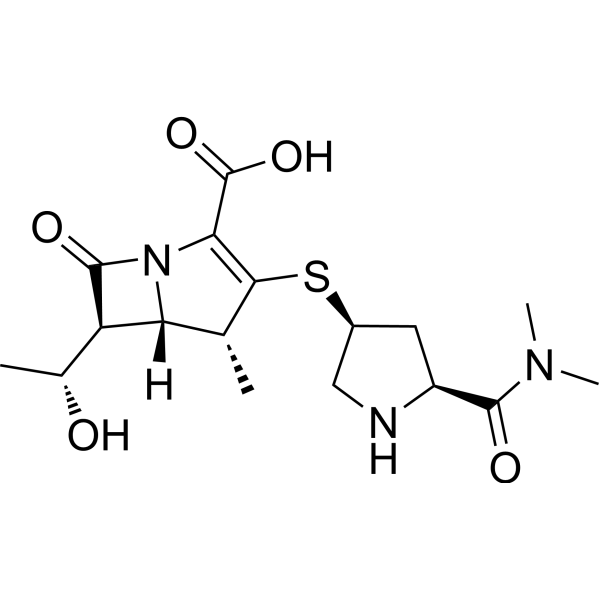
HY-13678
MeropenemAntimicrobial Agent -
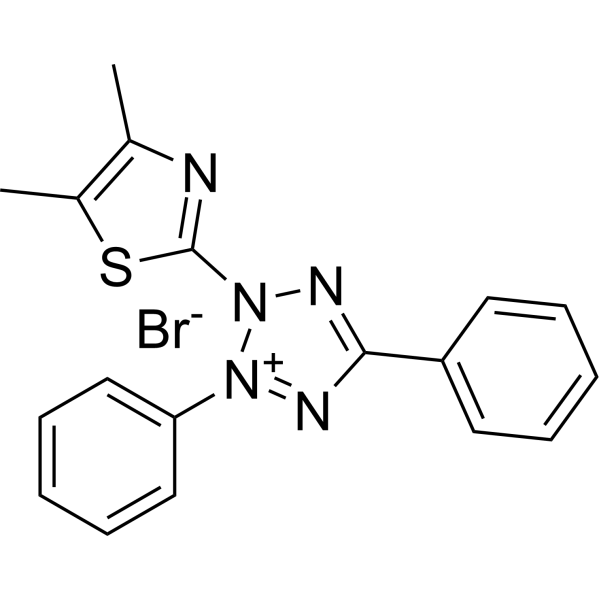
HY-15924
Thiazolyl BlueCytotoxicity Detection Reagent -
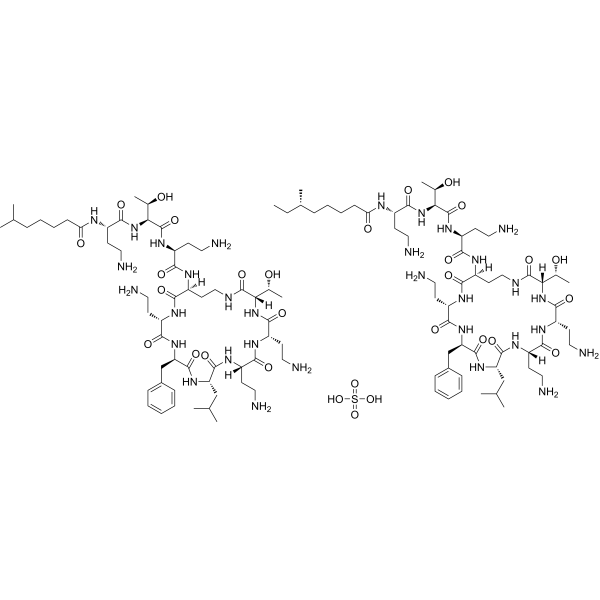
HY-A0248
Polymyxin B SulfateAntibiotic -
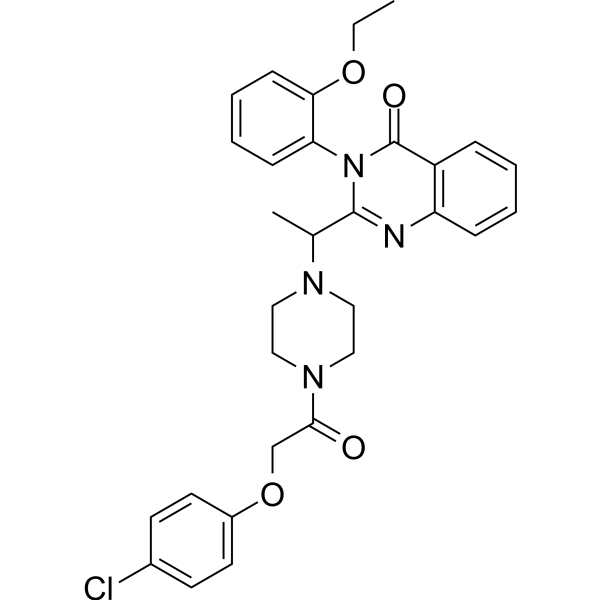
HY-15763
ErastinFerroptosis Inducer -
HY-13912
IWP-2Wnt Production Inhibitor
Publications Citing Use of MedChemExpress (MCE) PAβN dihydrochloride
More- Cell Rep. 2025 Jul 22;44(7):115987. [Abstract]
- Front Microbiol. 2024 Sep 24:15:1417237. [Abstract]
- Front Cell Infect Microbiol. 2021 Mar 25:11:660431. [Abstract]
- World J Microbiol Biotechnol. 2024 Jun 6;40(8):233. [Abstract]
- Microbiol Spectr. 2026 Jul 7;14(7):e0410825. [Abstract]
- Microbiol Spectr. 2025 Sep 2;13(9):e0114425. [Abstract]
- J Antimicrob Chemother. 2021 Dec 24;77(1):58-68. [Abstract]
- mSphere. 2023 Apr 20;8(2):e0067322. [Abstract]
- Microb Pathog. 2023 Dec:185:106397. [Abstract]
- Microb Drug Resist. 2020 Jun;26(6):550-560. [Abstract]
- Al-Rafidain Journal of Medical Sciences. 2025 Feb 11.
- bioRxiv. 2020 Apr.
 Customer Validation & Images

-
Microbiological Assay
-
Microbiological Assay
-
Microbiological Assay
-
Bio/Physico-chemical Assay
-
Microbiological Assay


Biologische Aktivität
Beschreibung
In Vitro
PAβN increases the susceptibilities of the three pump-overexpressing mutants of P. aeruginosa to levofloxacin 64-fold. PAβN also potentiates the activity of levofloxacin against strain PAM2391 containing plasmid pAGH97 with the mexXY genes and against wild-type strain PAM1020. PAβN has an effect on susceptibilities to other antibiotics that are substrates of efflux pumps. PAβN increases levels of accumulation of efflux pump substrates inside the cell. It enhances the activity of levofloxacin against clinical isolates of P. aeruginosa[1]. PAβN reduces the MICs in nine ciprofloxacin-resistant isolates, and in four of these, PAβN increases the susceptibility by twofold. Moreover, PAβN restores ciprofloxacin susceptibility in five of the ciprofloxacin-resistant isolates. In addition, clear effects of NMP on the ciprofloxacin MICs are seen for 20 of these ciprofloxacin-resistant isolates[2]. PAβN permeabilizes bacterial membranes in a concentration-dependent manner at levels below those typically used in combination studies, and this additional mode of action should be considered when using PAβN as a control for efflux studies[3].
MedChemExpress (MCE) has not independently confirmed the accuracy of these methods. They are for reference only.


Chemical Information
-
CAS. Nr. 100929-99-5
-
Appearance Solid
-
Molecular Weight 519.47
-
Formel C25H32Cl2N6O2
-
Color White to light yellow
-
Synonyms
MC-207,110 dihydrochloride; Phe-Arg-β-naphthylamide dihydrochloride
-
Versand
Room temperature in continental US; may vary elsewhere.
-
Speicherung
4°C, sealed storage, away from moisture
* In solvent : -80°C, 6 months; -20°C, 1 month (sealed storage, away from moisture)


Publications (12)
-
Journal Impact Factor
-
Most Recent
-
Cell Rep
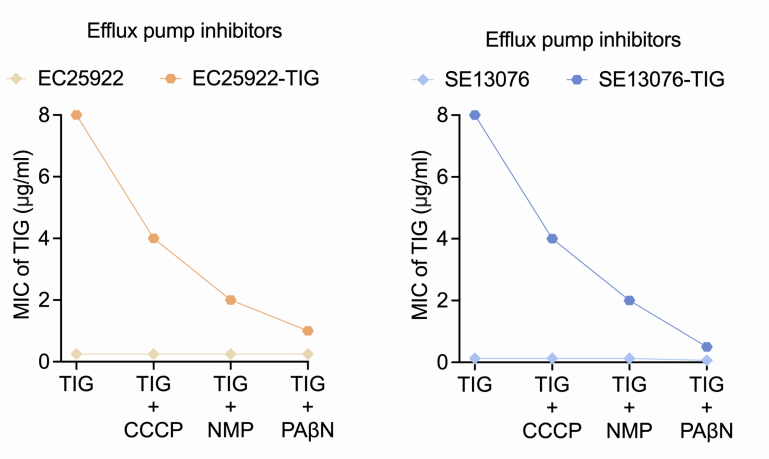
Lon dysfunction-mediated collateral sensitivity drives effective antibiotic combination therapies against tigecycline-resistant pathogens. [Abstract]2025 Jul 22;44(7):115987. PMID: 40650911
PAβN dihydrochloride purchased from MedChemExpress. Usage Cited in: Cell Rep. 2025 Jul 22;44(7):115987. [Abstract]
Effect of efflux pump inhibitors (CCCP (10 mg/L), NMP (25 mg/L ), and PAβN dihydrochloride (25 mg/L)) on the susceptibility of evolved strains to tigecycline (n = 2). PAβN dihydrochloride lowered the MIC values and reversed the tigecycline-resistance phenotypes, suggesting a role for increased efflux pump activity in tigecycline resistance.
-
Front Microbiol
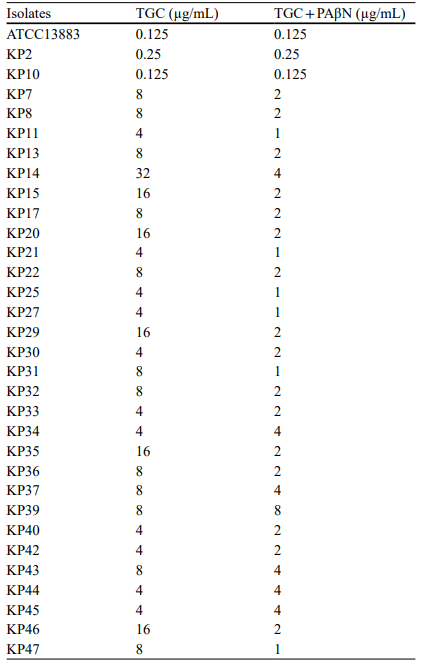
Comparison of antimicrobial activities and resistance mechanisms of eravacycline and tigecycline against clinical Acinetobacter baumannii isolates in China. [Abstract]2024 Sep 24:15:1417237. PMID: 39380684
PAβN dihydrochloride purchased from MedChemExpress. Usage Cited in: Front Microbiol. 2024 Sep 24:15:1417237. [Abstract]
The results of tigecycline combined with PAβN dihydrochloride (20 mg/L) demonstrated that 20 TNSKP strains exhibited a fold decrease ≥ 4 in MIC after co-incubation with PAβN, but 2 strains of TSKP did not show any change in MIC under the effect of efflux pump inhibitor.
-
Front Cell Infect Microbiol
A Potential Combination Therapy of Berberine Hydrochloride With Antibiotics Against Multidrug-Resistant Acinetobacter baumannii. [Abstract]2021 Mar 25:11:660431. PMID: 33842399
PAβN dihydrochloride purchased from MedChemExpress. Usage Cited in: Front Cell Infect Microbiol. 2021 Mar 25:11:660431. [Abstract]
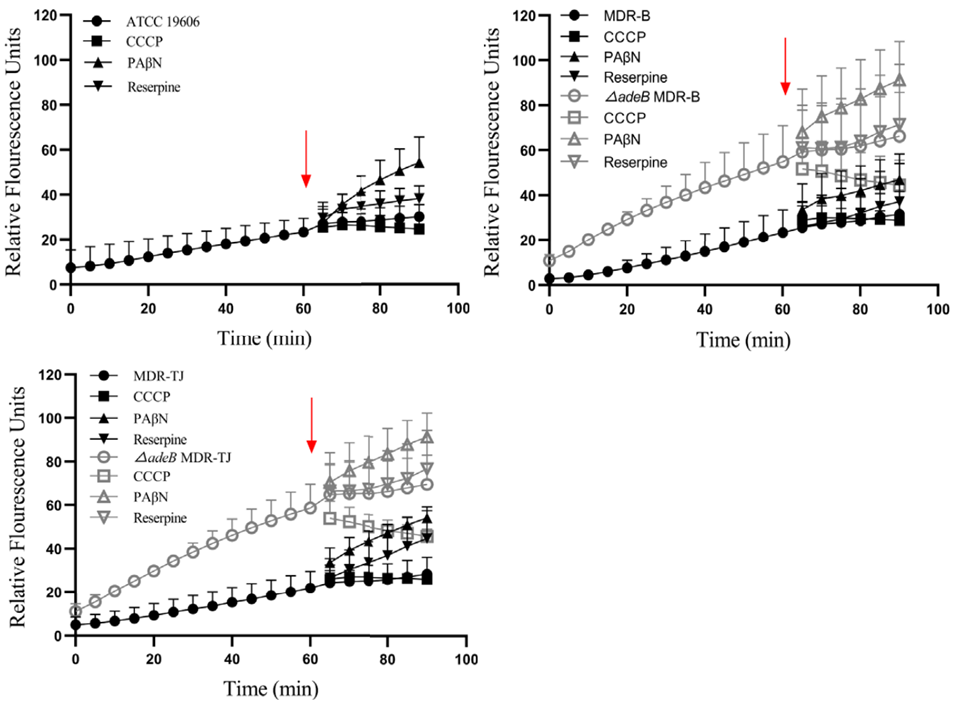
BBH uptake with pump inhibitors CCCP, PAβN dihydrochloride (50 µM; 60 min), and reserpine in ATCC 19606 strain, MDR-B and △adeB MDR-B strains, and MDR-TJ and △adeB MDR-TJ strains. Red arrows indicate the pump inhibitors (50 µM) were added at 60 min. Grey letters indicate the inhibitors were added to the adeB knockout strains.
-
World J Microbiol Biotechnol
AcrAB-TolC efflux pump overexpression and tet(A) gene mutation increase tigecycline resistance in Klebsiella pneumoniae. [Abstract]2024 Jun 6;40(8):233. PMID: 38842631 -
Microbiol Spectr
OmpK36 deficiency and inducible AmpC β-lactamase synergistically drive imipenem resistance in Klebsiella aerogenes. [Abstract]2026 Jul 7;14(7):e0410825. PMID: 42212662 -
Microbiol Spectr
IITR00803: a benzoxazole-nitrothiophene small molecule with broad-spectrum antibacterial potential. [Abstract]2025 Sep 2;13(9):e0114425. PMID: 40792514 -
J Antimicrob Chemother
Identification of a novel plasmid-mediated tigecycline resistance-related gene, tet(Y), in Acinetobacter baumannii. [Abstract]2021 Dec 24;77(1):58-68. PMID: 34634801 -
mSphere
RND Pump-Mediated Efflux of Amotosalen, a Compound Used in Pathogen Inactivation Technology to Enhance Safety of Blood Transfusion Products, May Compromise Its Gram-Negative Anti-Bacterial Activity. [Abstract]2023 Apr 20;8(2):e0067322. PMID: 36853056 -
Microb Pathog
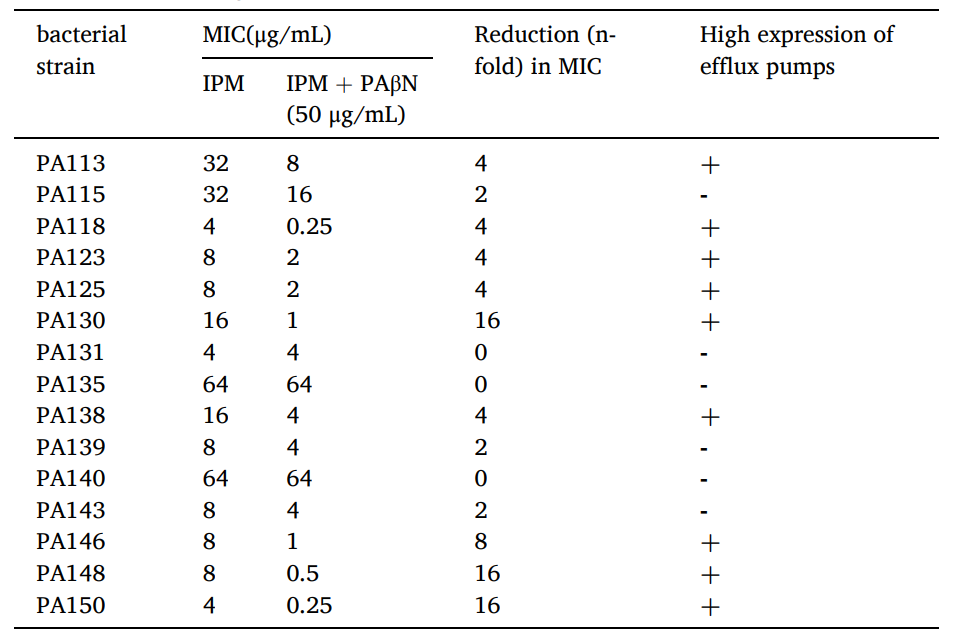
Effect of piperine on the inhibitory potential of MexAB-OprM efflux pump and imipenem resistance in carbapenem-resistant Pseudomonas aeruginosa. [Abstract]2023 Dec:185:106397. PMID: 37852553
PAβN dihydrochloride purchased from MedChemExpress. Usage Cited in: Microb Pathog. 2023 Dec:185:106397. [Abstract]
PAβN dihydrochloride (50 μg/mL; 50 μL; 24 h)。 Results of screening test strains.
-
Microb Drug Resist
Site-Directed Mutagenesis Reveals Crucial Residues in Escherichia coli Resistance-Nodulation-Division Efflux Pump OqxB. [Abstract]2020 Jun;26(6):550-560. PMID: 31834851
PAβN dihydrochloride purchased from MedChemExpress. Usage Cited in: Microb Drug Resist. 2020 Jun;26(6):550-560. [Abstract]
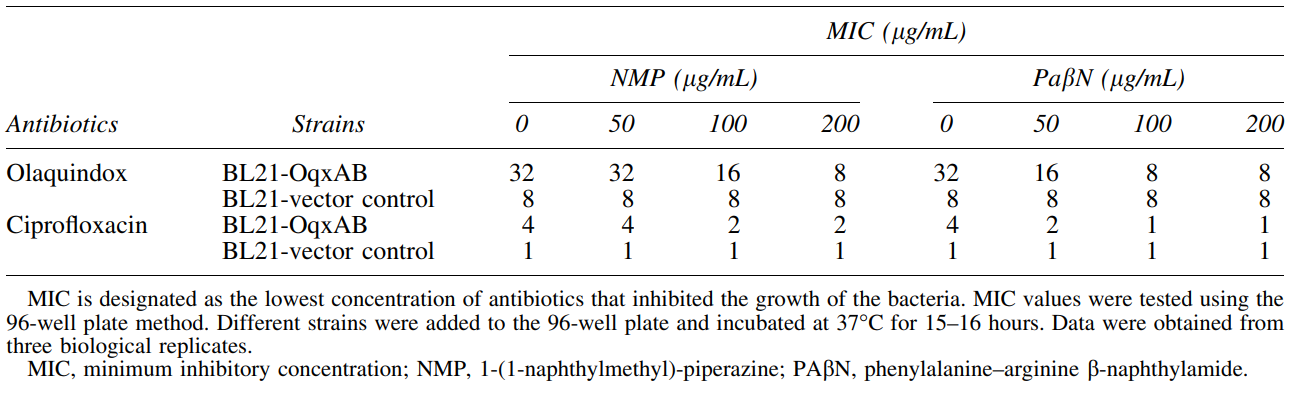
PAβN dihydrochloride (50-200 μg/mL) and NMP inhibited OqxB activity in a concentration-dependent manner, suggesting that an efflux pump (OqxAB) is indeed responsible for the decreased susceptibility of the overexpression system.
-
-


Lösungsmittel & Löslichkeit
In Vitro:
DMSO : 83.33 mg/mL (160.41 mM; Need ultrasonic; Hygroscopic DMSO has a significant impact on the solubility of product, please use newly opened DMSO)
H2O : 14.29 mg/mL (27.51 mM; Need ultrasonic)
Please refer to the solubility information to select the appropriate solvent. Once prepared, please aliquot and store the solution to prevent product inactivation from repeated freeze-thaw cycles.
Storage method and period of stock solution: -80°C, 6 months; -20°C, 1 month (sealed storage, away from moisture). When stored at -80°C, please use it within 6 months. When stored at -20°C, please use it within 1 month.
* Note: If you choose water as the stock solution, please dilute it to the working solution, then filter and sterilize it with a 0.22 μm filter before use.
Please refer to the solubility information to select the appropriate solvent. Once prepared, please aliquot and store the solution to prevent product inactivation from repeated freeze-thaw cycles.
Storage method and period of stock solution: -80°C, 6 months; -20°C, 1 month (sealed storage, away from moisture). When stored at -80°C, please use it within 6 months. When stored at -20°C, please use it within 1 month.
* Note: If you choose water as the stock solution, please dilute it to the working solution, then filter and sterilize it with a 0.22 μm filter before use.
Konzentration (Stammlösung) × Volumen (Stammlösung) = Konzentration (Ziellösung) × Volumen (Ziellösung)
In Vivo:
Select the appropriate dissolution method based on your experimental animal and administration route.
- For the following dissolution methods, please ensure to first prepare a clear stock solution using an In Vitro approach and then sequentially add co-solvents:
- To ensure reliable experimental results, the clarified stock solution can be appropriately stored based on storage conditions. As for the working solution for In Vivo experiments, it is recommended to prepare freshly and use it on the same day.
- The percentages shown for the solvents indicate their volumetric ratio in the final prepared solution. If precipitation or phase separation occurs during preparation, heat and/or sonication can be used to aid dissolution.
Add each solvent one by one: 10% DMSO 40% PEG300 5% Tween-80 45% Saline
Solubility: ≥ 2.08 mg/mL (4.00 mM); Clear solution
This protocol yields a clear solution of ≥ 2.08 mg/mL (saturation unknown).
Taking 1 mL working solution as an example, add 100 μL DMSO stock solution (20.8 mg/mL) to 400 μL PEG300, and mix evenly; then add 50 μL Tween-80 and mix evenly; then add 450 μL Saline to adjust the volume to 1 mL.
Preparation of Saline: Dissolve 0.9 g sodium chloride in ddH₂O and dilute to 100 mL to obtain a clear Saline solution.
Add each solvent one by one: 10% DMSO 90% (20% SBE-β-CD in Saline)
Solubility: ≥ 2.08 mg/mL (4.00 mM); Clear solution
This protocol yields a clear solution of ≥ 2.08 mg/mL (saturation unknown).
Taking 1 mL working solution as an example, add 100 μL DMSO stock solution (20.8 mg/mL) to 900 μL 20% SBE-β-CD in Saline, and mix evenly.
Preparation of 20% SBE-β-CD in Saline (4°C, storage for one week): 2 g SBE-β-CD powder is dissolved in 10 mL Saline, completely dissolve until clear.
In Vivo Dissolution Calculator
Please enter the basic information of animal experiments:
-
-
-
-
Recommended: Prepare an additional quantity of animals to account for potential losses during experiments.
Please enter your animal formula composition:
-
%DMSO +
Recommended: Keep the proportion of DMSO in working solution below 2% if your animal is weak.
-
%+
-
+%Tween-80 + +
-
%Saline +
The co-solvents required include: DMSO, . All of co-solvents are available by MedChemExpress (MCE). , Tween 80. All of co-solvents are available by MedChemExpress (MCE).
Working solution concentration: 0.22 mg/mL
Method for preparing stock solution: mg drug dissolved in μL DMSO. Stock solution concentration: mg/mL. * In solvent : -80°C, 6 months; -20°C, 1 month (sealed storage, away from moisture)
1. Take μL DMSO stock solution;
2. Add μL .
μL , mix evenly;
3. Then add μL Tween 80, mix evenly;
4. Then add μL
Please ensure that the stock solution in the first step is dissolved to a clear state, and add co-solvents in sequence. You can use ultrasonic heating (ultrasonic cleaner, recommended frequency 20-40 kHz), vortexing, etc. to assist dissolution.


Reinheit & Dokumentation
-
Data Sheet (276 KB)
-
SDS (644 KB)
- English - EN (644 KB)
- Français - FR (644 KB)
- Deutsch - DE (644 KB)
- Norwegian - NO (644 KB)
- Español - ES (644 KB)
- Swedish - SV (644 KB)
- Italian - IT (644 KB)
- Korean - KR (644 KB)
- Portuguese - PT (644 KB)
-
Handling Instructions (2659 KB)
Verweise
[1]. Lomovskaya O, et al. Identification and characterization of inhibitors of multidrug resistance efflux pumps in Pseudomonas aeruginosa: novel agents for combination therapy. Antimicrob Agents Chemother. 2001 Jan;45(1):105-16. [Content Brief]
[2]. Kurin?i? M, et al. Effects of efflux pump inhibitors on erythromycin, ciprofloxacin, and tetracycline resistance in Campylobacter spp. isolates. Microb Drug Resist. 2012 Oct;18(5):492-501. [Content Brief]
[3]. Lamers RP, et al. The efflux inhibitor phenylalanine-arginine beta-naphthylamide (PAβN) permeabilizes the outer membrane of gram-negative bacteria. PLoS One. 2013;8(3):e60666. [Content Brief]


Complete Stock Solution Preparation Table
Please refer to the solubility information to select the appropriate solvent. Once prepared, please aliquot and store the solution to prevent product inactivation from repeated freeze-thaw cycles.
Storage method and period of stock solution: -80°C, 6 months; -20°C, 1 month (sealed storage, away from moisture). When stored at -80°C, please use it within 6 months. When stored at -20°C, please use it within 1 month.
| Optional Solvent | Concentration Solvent Mass | 1 mg | 5 mg | 10 mg | 25 mg |
|---|---|---|---|---|---|
| H2O / DMSO | 1 mM | 1.9250 mL | 9.6252 mL | 19.2504 mL | 48.1260 mL |
| 5 mM | 0.3850 mL | 1.9250 mL | 3.8501 mL | 9.6252 mL | |
| 10 mM | 0.1925 mL | 0.9625 mL | 1.9250 mL | 4.8126 mL | |
| 15 mM | 0.1283 mL | 0.6417 mL | 1.2834 mL | 3.2084 mL | |
| 20 mM | 0.0963 mL | 0.4813 mL | 0.9625 mL | 2.4063 mL | |
| 25 mM | 0.0770 mL | 0.3850 mL | 0.7700 mL | 1.9250 mL | |
| DMSO | 30 mM | 0.0642 mL | 0.3208 mL | 0.6417 mL | 1.6042 mL |
| 40 mM | 0.0481 mL | 0.2406 mL | 0.4813 mL | 1.2031 mL | |
| 50 mM | 0.0385 mL | 0.1925 mL | 0.3850 mL | 0.9625 mL | |
| 60 mM | 0.0321 mL | 0.1604 mL | 0.3208 mL | 0.8021 mL | |
| 80 mM | 0.0241 mL | 0.1203 mL | 0.2406 mL | 0.6016 mL | |
| 100 mM | 0.0193 mL | 0.0963 mL | 0.1925 mL | 0.4813 mL |
* Note: If you choose water as the stock solution, please dilute it to the working solution, then filter and sterilize it with a 0.22 μm filter before use.


PAβN dihydrochloride Related Classifications
HY-101444A Related Classifications
 Powered by Bioz