



Caspase 7 Inhibitor
- 1
- 2
-
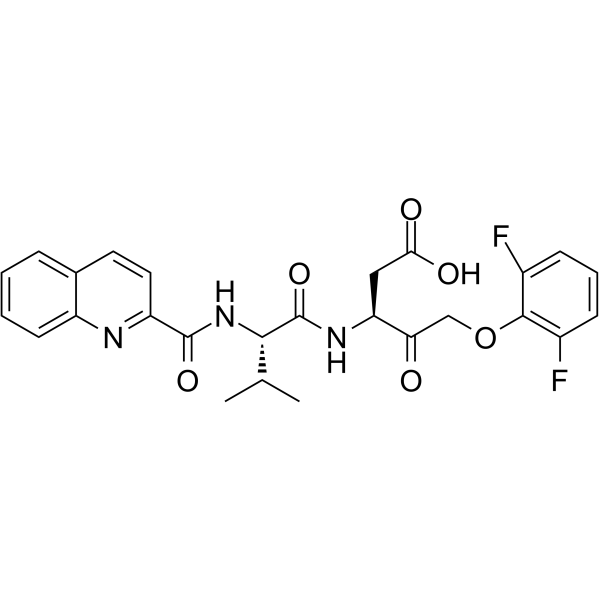
Z-VAD
 0 Images
Z-VAD is an irreversible, broad-spectrum pan-caspase inhibitor that can inhibit a variety of caspases including caspase-3, -6, -7, -8, -9, etc. (with a weaker inhibitory effect on caspase-2). Z-VAD can block apoptosis signaling pathways, induce autophagy and necrosis in tumor cells, and has anti-angiogenic activity. Z-VAD can enhance the sensitivity of breast cancer and lung cancer cells to radiotherapy in vitro and in vivo, and prolong the growth delay of tumor xenograft models. Z-VAD is well tolerated and is mainly used in research related to cancer radiosensitization and cell death pathway regulation.
-
Perfluorodecanoic acid
 0 ImagesSynonyms: PFDA
Perfluorodecanoic acid (PFDA) is an orally active perfluoroalkyl substance. Perfluorodecanoic acid causes dysfunction of rat fetal Leydig cells via endoplasmic reticulum stress-mediated changes in lipid components. Perfluorodecanoic acid reduces testosterone biosynthesis in rat R2C Leydig cells by inducing endoplasmic reticulum stress. Perfluorodecanoic acid can be used in studies related to fetal Leydig cell dysfunction.
-
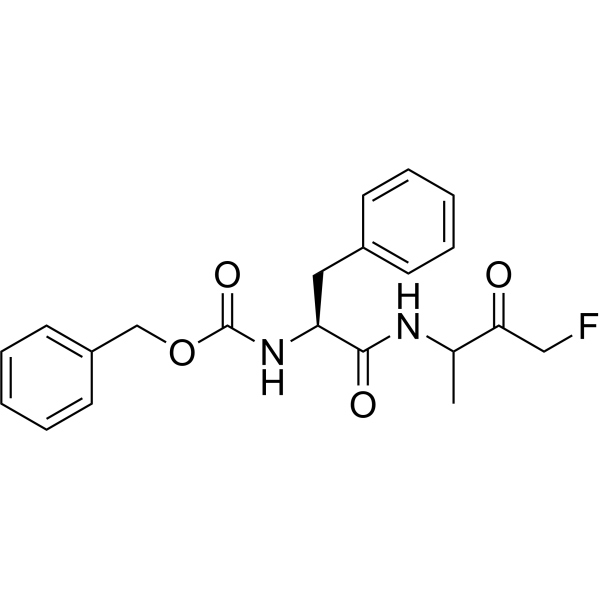
Z-FA-FMK
 0 ImagesSynonyms: (1S)-Z-FA-FMK
Z-FA-FMK ((1S)-Z-FA-FMK) is a potent Cathepsin B and L inhibitor. Z-FA-FMK blocks the induction of DEVDase activity, DNA fragmentation, and externalization of phosphatidylserine by selective synthetic retinoid-related molecules (RRMs). Z-FA-FMK inhibits apoptosis. Z-FA-FMK inhibits caspase activity and selectively inhibits recombinant effector caspases 2, -3, -6, and -7. Z-FA-FMK is a viral inhibitor. Z-FA-FMK inhibits reovirus replication in a susceptible host.
-
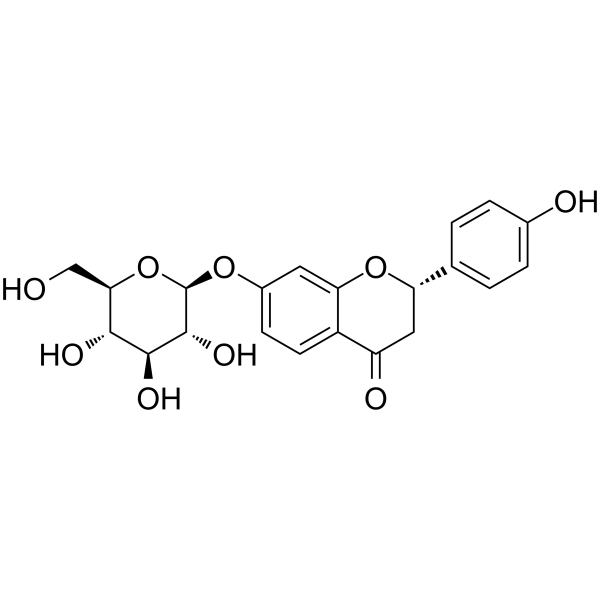
Neoliquiritin
 0 Images
Neoliquiritin is a flavonoid and flavanone-derived cytotoxic agent with anticancer activity and neuroprotective effects. Neoliquiritin exhibits excellent tumor specificity, exerting a more pronounced killing effect on cancer cells compared with normal oral cells. Neoliquiritin also exerts neuroprotective effects by inhibiting ATP depletion and the elevation of caspase 3/7 activity. Widely present in the roots of Glycyrrhiza uralensis, Glycyrrhiza inflata and Glycyrrhiza glabra, Neoliquiritin can be applied to studies on human oral squamous cell carcinoma, leukemia, Parkinson's disease and other conditions.
-
Tauroursodeoxycholate dihydrate
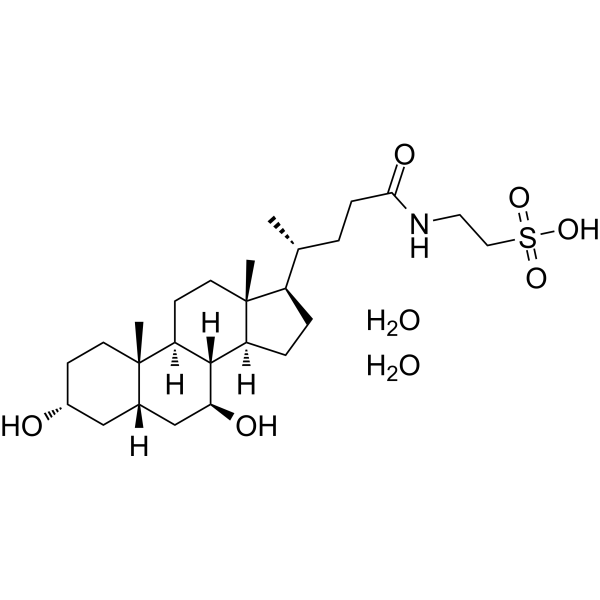 0 ImagesSynonyms: Tauroursodeoxycholic acid dihydrate; TUDCA dihydrate; UR 906 dihydrate
Tauroursodeoxycholate dehydrate is an orally active taurine conjugate of Ursodeoxycholic acid (HY-13771). Tauroursodeoxycholate dehydrate inhibits caspase-3/7, Apoptosis, IRE1α/TRAF2/NF-κB, prevents JNK phosphorylation, inhibits ROS generation, and activates Akt signaling. Tauroursodeoxycholate dehydrate prevents cataract formation, reduces renal tubular damage in type 2 diabetic mice, reduces I/R injury in liver, and inhibits intestinal inflammation and barrier disruption in nonalcoholic fatty liver disease.
-
Reproxalap
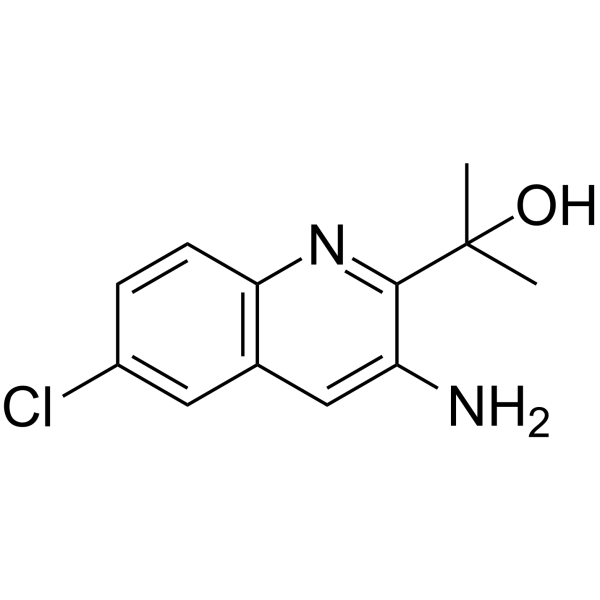 0 ImagesSynonyms: ADX-102; NS-2
Reproxalap (ADX-102) is an active aldehyde sequestering agent. Reproxalap reduces the PKCα activity. Reproxalap blocks caspase 3/7 activation. Reproxalap protects cells from the cytotoxicity of C18:0-al. Reproxalap has anti-inflammatory and pain-relieving effects. Reproxalap is used in studies of dry eye, allergic conjunctivitis, and non-infectious anterior uveitis.
-
Caspase-3-IN-1
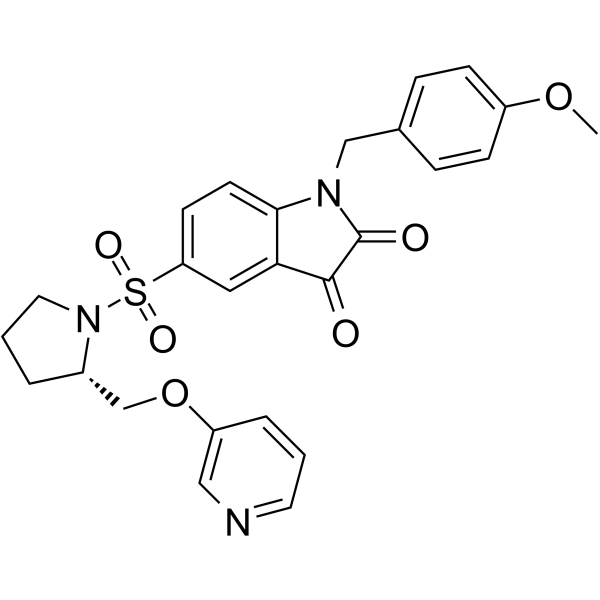 0 ImagesCat. No.: HY-136975CAS No.: 872254-32-5
Caspase-3-IN-1 (compound 11b) is a potent Caspase-3 inhibitor, with an IC50 of 14.5 nM.
-
Orsellinic acid
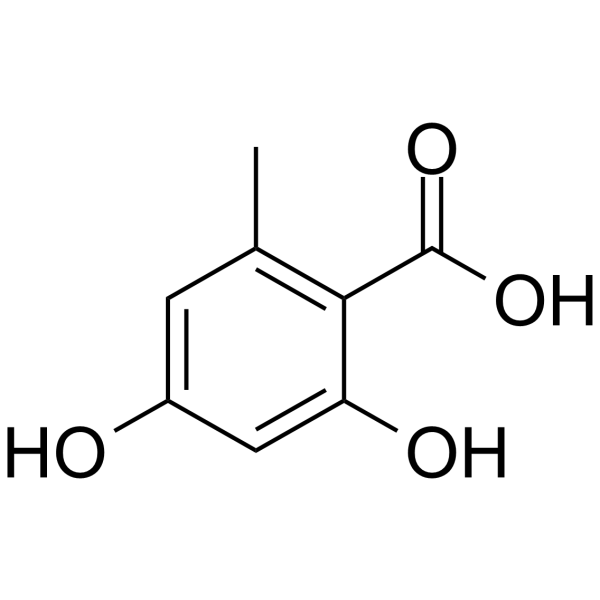 0 Images
Orsellinic acid is a Benzoic acid (HY-N0216) derivative. Orsellinic acid can be isolated from Chaetomium globosum endophytic on Ephedra fasciculata (Mormon tea). Orsellinic acid blocks PAF-mediated Apoptosis, inhibits caspase-3/7 activation, and PARP cleavage. Orsellinic acid can be used in research of neurons and various tumors (non-small cell lung cancer, breast cancer, neuroblastoma, pancreatic cancer).
-
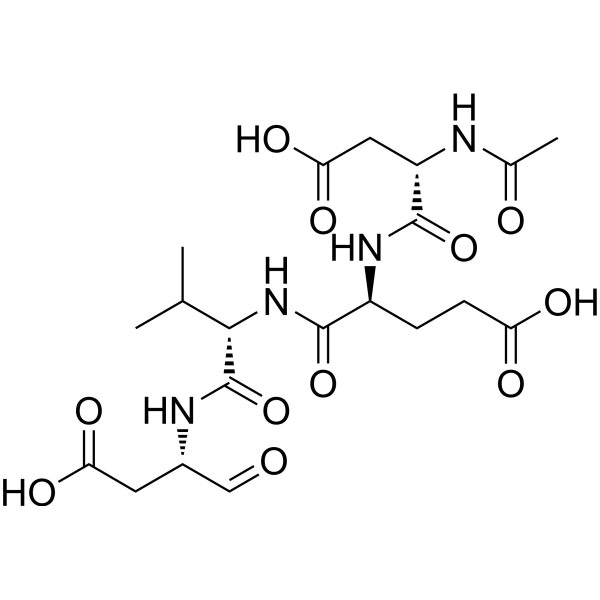
Ac-VEID-CHO TFA
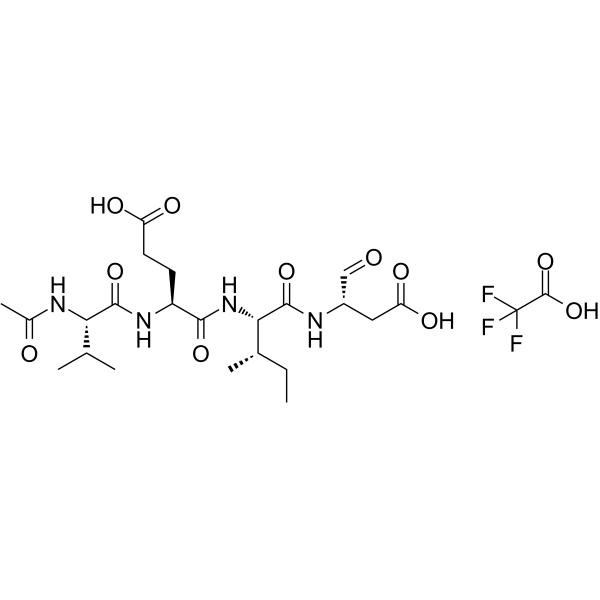 0 ImagesCat. No.: HY-108312APurity: 99.77%
Ac-VEID-CHO (TFA) is a peptide-derived caspase inhibitor and has potency of inhibition for Caspase-6, Caspase-3 and Caspase-7 with IC50 values of 16.2 nM, 13.6 nM and 162.1 nM, respectively. Ac-VEID-CHO (TFA) can be used for the research of neurodegenerative conditions including Alzheimer’s and Huntington’s disease.
-
C105SR
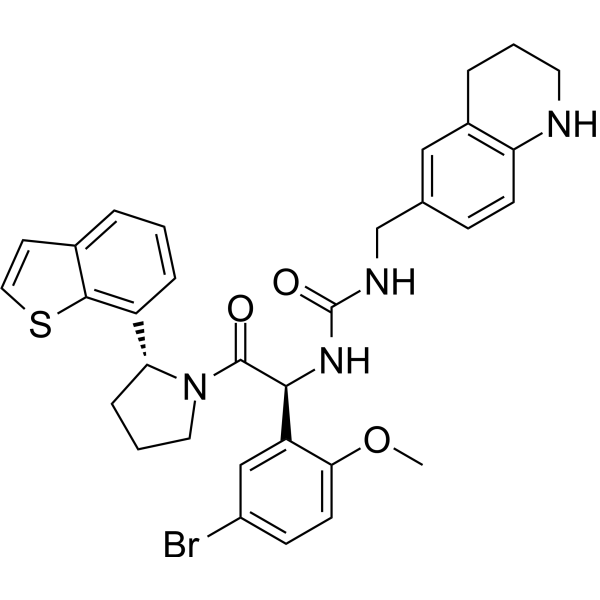 0 ImagesCat. No.: HY-157088Purity: 99.49%
C105SR is a cyclophilin D (CypD) inhibitor targeting to peptidyl-prolylcis-trans isomerase (PPIase). C105SR inhibits mitochondrial permeability transition opening (mPTP) with an IC 50 of 5 nM. C105SR inhibits hypoxia and reoxygenation inudced hepatocyte apoptosis and increases the level of calcium retention capacity (CRC). C105SR exhibits hepaprotective effect in ischaemia-reperfusion injury (IRI) mouse model.
-
7-Hydroxyflavanone
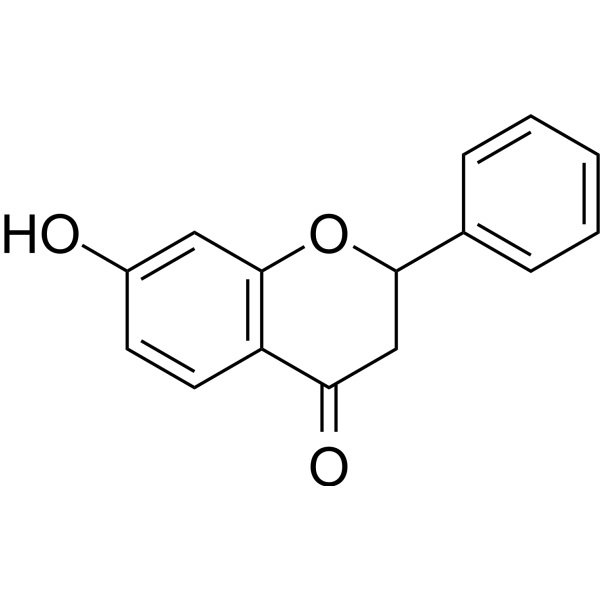 0 Images
7-Hydroxyflavanone is an aromatase (CYP19) activity inhibitor found in plants with an IC50 of 65 μM, and it also possesses 20S proteasome inhibitory activity. 7-Hydroxyflavanone significantly inhibits primary humoral immunity to SRBC in mice and weakly suppresses DTH. 7-Hydroxyflavanone 1 attenuates Doxorubicin (HY-15142A)-induced oxidative stress, IL-6 inflammation, mitochondrial dysfunction, caspase 3/7 activation, apoptosis, and necrosis, and upregulates the PGC-1α/pAMPK/Beclin-1 autophagy-related pathway. 7-Hydroxyflavanone is extensively metabolized by various fungi, undergoing multiple structural modifications. 7-Hydroxyflavanone can be used in research related to Doxorubicin-induced cardiomyopathy and immune system diseases.
-
Q-Peptide
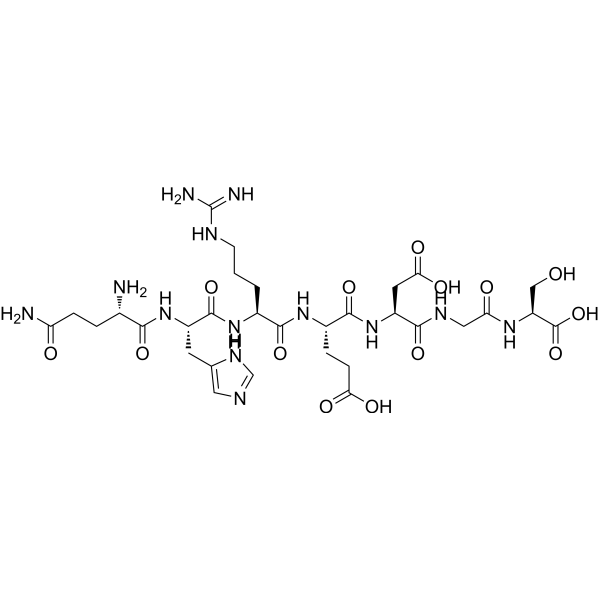 0 ImagesCat. No.: HY-P4866CAS No.: 1361235-89-3
Q-Peptide is an angiopoietin-1 derived peptide (QHREDGS). Q-Peptide interacts with β1-integrin, binds to integrins on the surface of osteoblasts, and serves as an acyl donor substrate for Streptomyces mobaraensis transglutaminase. Q-Peptide activates Akt, MAPKp42/44, ILK, ERK1/2, and downregulates caspase-3/7. Q-Peptide inhibits cell apoptosis, enhances cell adhesion and migration, and promotes osteoblast differentiation, bone matrix deposition and mineralization. Q-Peptide can be used in studies related to myocardial infarction, bone regeneration, diabetic wound repair and human induced pluripotent stem cells.
-
N-alpha-Tosyl-Lys chloromethyl ketone hydrochloride
 0 Images
N-alpha-Tosyl-Lys chloromethyl ketone hydrochloride (TLCK hydrochloride) is a Serine protease inhibitor with an IC50 of 12.0 μM against Caspase-3, 54.5 μM against Caspase-6, and 19.3 μM against Caspase-7. It inhibits thrombin-induced nuclear translocation of FOXO1. N-alpha-Tosyl-Lys chloromethyl ketone hydrochloride can be used in research related to leukemia and cardiovascular diseases.
-
Neuroprotective agent 15
 0 ImagesCat. No.: HY-178943CAS No.: 2476614-40-9
Neuroprotective agent 15 (Compound 3e) is a neuroprotective agent. Neuroprotective agent 15 is a selective butyrylcholinesterase (BChE) inhibitor, with IC50 values of 2.6 and 114.3 μM for BChE and AChE respectively. Neuroprotective agent 15 has cannabinoid CB2 receptor (CB2 receptor) agonistic activity. Neuroprotective agent 15 can reduce cell death, LDH release and Caspase-3/7 activity, and inhibit apoptosis. Neuroprotective agent 15 can reduce the formation of superoxide free radicals, maintain cell morphology, and significantly lower oxidative stress levels. Neuroprotective agent 15 can be used in the research of neurodegenerative diseases, such as Alzheimer's disease and Parkinson's disease.
-
IDN-7314
 0 ImagesCat. No.: HY-111096CAS No.: 254750-11-3
IDN-7314 is a pan-Caspase inhibitor with an IC50 of 0.2-7 nM against all tested Caspases. IDN-7314 abrogates Jo2-induced caspase-3/7 activity. IDN-7314 reduces the procoagulant activity of tissue factor in hepatocytes. IDN-7314 is applicable to research related to chemically induced hepatitis, fulminant liver failure and apoptotic liver injury.
-
Ac-DEVD-CHO TFA
 0 ImagesCat. No.: HY-P1001A
Ac-DEVD-CHO TFA is a peptide inhibitor of caspase-3 (Ki=230 pM) and caspase-7. Ac-DEVD-CHO TFA reduces caspase-3 activity and apoptosis induced by Prostaglandin E2 (HY-101952) in rat cortical neurons. Ac-DEVD-CHO TFA is promising for research of neurodegenerative diseases and cancers.
-
XIAP-CASP7 PPI-IN-1
 0 ImagesCat. No.: HY-175177
Xiap-casp7 PPI-IN-1 is a reversible XIAP: CASP7 inhibitor with specifically disrupting the interaction between XIAP and CASP7. XIAP-CASP7 PPI-IN-1 selectively induce MCF-7 and other caspase-3 down-regulation (CASP3/DR) triple-negative breast cancer cell apoptosis. XIAP-CASP7 PPI-IN-1 overcomes chemoresistance via down-regulating β-catenin and its associated ABC transporters in Paclitaxel (HY-B0015)-resistant MCF-7 cells. XIAP-CASP7 PPI-IN-1 can be used for the study of breast cancer.
-
Apoptosis inducer 56
 0 ImagesCat. No.: HY-181060CAS No.: 952306-31-9
Apoptosis inducer 56 is an apoptosis inducer. Apoptosis inducer 56 induces DNA damage (upregulation of γH2AX and p-ATM expression) by minor groove binding. Apoptosis inducer 56 induces intrinsic apoptosis (upregulation of p53 and Bax/Bcl-2 ratio, cleaved caspase-7) via S-phase cell cycle arrest. Apoptosis inducer 56 shows selectivity for cancer cells over normal breast epithelial cells. Apoptosis inducer 56 can be used for the research of breast cancer.
- 1
- 2



