



Isotope-Labeled Compounds
Isotope-labeled compounds are chemical substances in which some atoms in their molecules are replaced by isotope atoms. The range of stable isotope products can cover from gases to complex molecules. Isotope-labeled compounds could provide a site-specific investigation of structures, making molecules easily detectable by mass spectrometry and NMR, and maintaining the physico-chemical properties of the target molecule at the same time.
MCE isotope-labeled compounds are all stable isotope-labeled compounds and are non-radioactive labeled substances. MCE isotope-labeled compounds are unique tools for identifying and understanding biological and chemical processes. Stable isotope-labeled products are now getting more and more popular among scientists. The scope of application is gradually penetrating into various scientific fields, such as life sciences, food and medicine, agriculture, environment, geology, etc. Stable isotope-labeled compounds have a wide range of applications in the Life Science areas, such as Metabolomics, Proteomics, Clinical studies, Deuterium drugs, etc.
All Product Categories
-
Isotope-Labeled Compounds Related Products (11102)
Related Products (11102)

-
Tetrahydrocorticosterone-d5
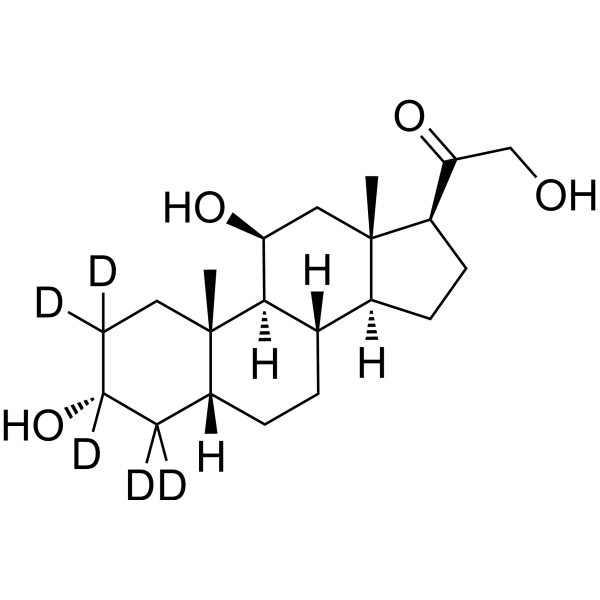 0 ImagesCat. No.: HY-113422SCAS No.: 2483831-29-2Tetrahydrocorticosterone-d5 is the d5-labeled Tetrahydrocorticosterone (HY-113422). Tetrahydrocorticosterone is a glucocorticoid. One of its active forms, 5α-Tetrahydrocorticosterone (HY-113364), exerts its effects by binding to the GC receptor and inhibiting inflammatory processes. Tetrahydrocorticosterone is naturally synthesized by the adrenal glands and plays a key role in regulating the metabolism of carbohydrates, proteins and fats.
-
Daptomycin-d5 TFA
 0 ImagesCat. No.: HY-146535SSynonyms: LY146032-d5 TFADaptomycin-d5 (LY146032-d5) TFA is the deuterium labeled Daptomycin TFA. Daptomycin TFA is a lipopeptide antibiotic with rapid in vitro bactericidal activity against gram-positive organisms.
-
Citalopram-d6
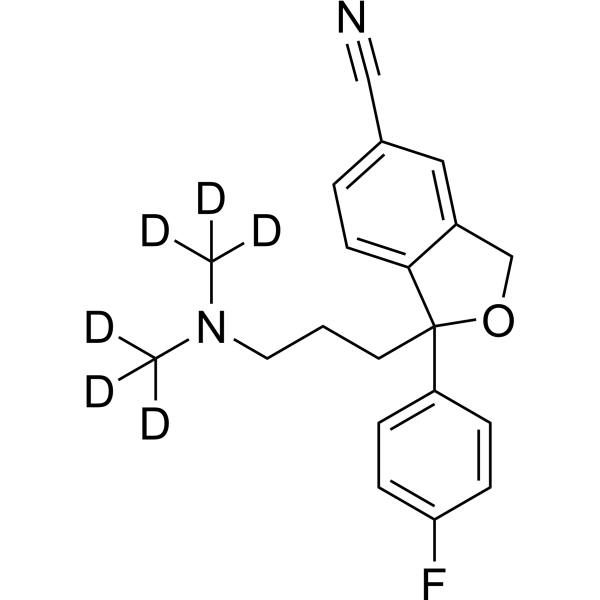 0 ImagesCat. No.: HY-121203S3CAS No.: 1190003-26-9Citalopram-d6 is the deuterium labeled Citalopram.
-
Cephalexin-d5 hydrate
 0 ImagesCat. No.: HY-W653936Cephalexin-d5 (hydrate) is deuterium labeled Cephalexin (monohydrate). Cephalexin (Cefalexin) monohydrate is a potent, orally active new semisynthetic cephalosporin antibiotic with a broad antibacterial spectrum. Cephalexin (Cefalexin) monohydrate has antibacterial activity against a wide variety of gram-positive and gram-negative bacteria. Cephalexin (Cefalexin) monohydrate targets penicillin-binding proteins (PBPs) to inhibit bacterial cell wall assembly. Cephalexin (Cefalexin) monohydrate is used for the research of pneumonia, strep throat, and bacterial endocarditis, et al.

-
o,p'-DDT-d8
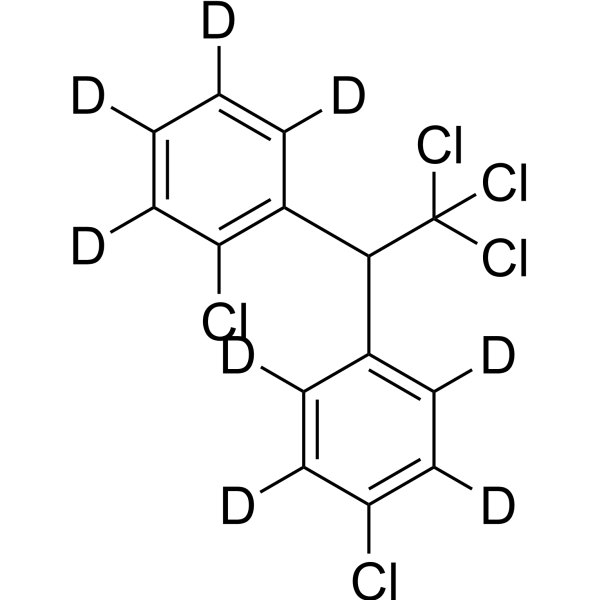 0 ImagesCat. No.: HY-B1970SCAS No.: 221899-88-3Synonyms: 2,4'-DDT-d8o,p'-DDT-d8 is the deuterium labeled o,p'-DDT.
-
Sulfamethazine-13C6
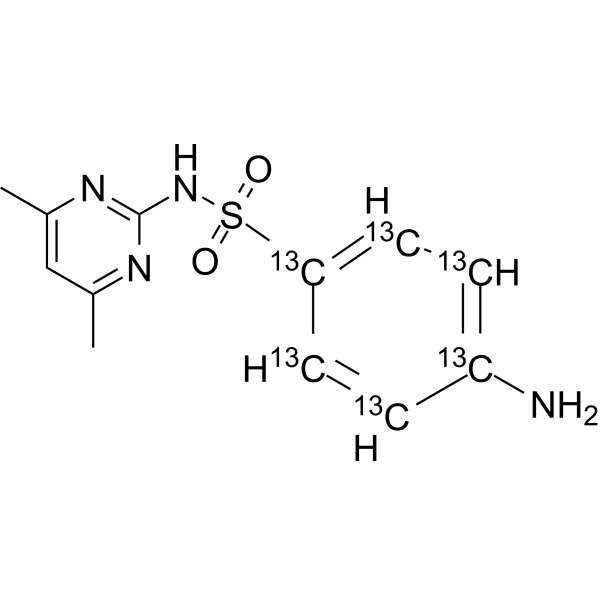 0 ImagesSynonyms: Sulfadimidine-13C6; Sulfadimerazine-13C6Sulfamethazine-13C6 is a 13C-labeled Sulfamethazine (HY-A0178). Sulfamethazine (Sulfadimidine) is a brain-penetrant sulfonamide antibiotic. Sulfamethazine inhibits bacterial growth by blocking the synthesis of folic acid. Sulfamethazine can be used for research on bacterial infections.
-
Phenylsulfate-d5 sodium
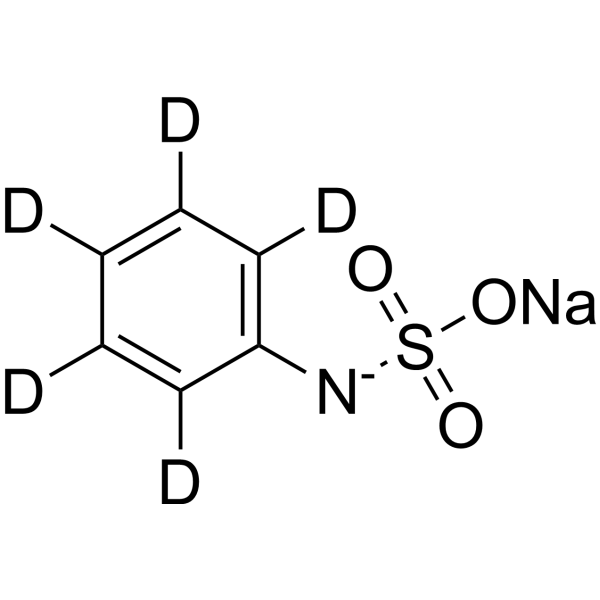 0 ImagesCat. No.: HY-144151SPurity: 99.74%Synonyms: Phenyl hydrogen sulfate-d5 sodiumPhenylsulfate-d5 (sodium) is the deuterium labeled Phenylsulfate sodium.
-
Inosinic acid-15N4 dilithium
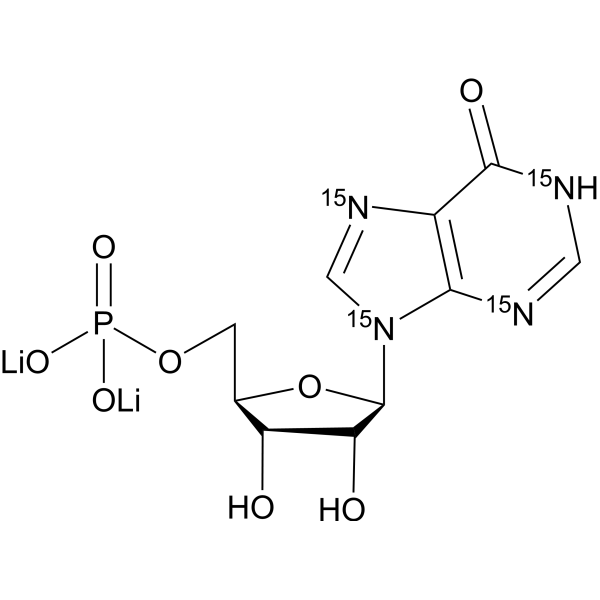 0 ImagesCat. No.: HY-108213S1Purity: 98.0%Synonyms: 5'-IMP-15N4 dilithium; IMP-15N4 dilithium; Inosine 5'-dihydrogen phosphate-15N4 dilithiumInosinic acid-15N4 dilithium (5'-IMP-15N4 (dilithium); IMP-15N4 (dilithium); Inosine 5'-(dihydrogen phosphate)-15N4 (dilithium)) is 15N-labeled Inosinic acid (HY-108213). Inosinic acid is an endogenous metabolite. Inosinic acid is used as umami tastant, or as the dietary supplement to improve the yield and meat quality of pigs.
-
2,4-D-d3
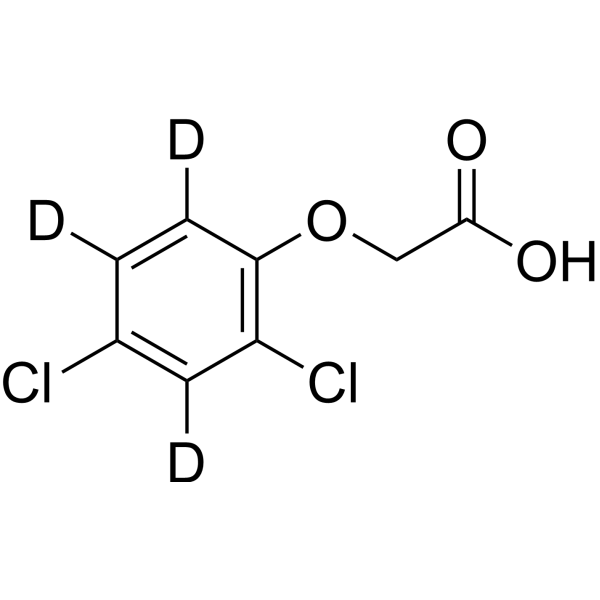 0 ImagesCat. No.: HY-18572S1CAS No.: 202480-67-92,4-D-d3 is the deuterium labeled 2,4-D (HY-18572). 2,4-D (2,4-Dichlorophenoxyacetic acid) is a selective systemic herbicide for the control of broad-leaved weeds. 2,4-D acts as a plant hormone, causing uncontrolled growth in the meristematic tissues. 2,4-D inhibits DNA and protein synthesis and thereby prevents normal plant growth and development.
-
1-Methyladenosine-d3
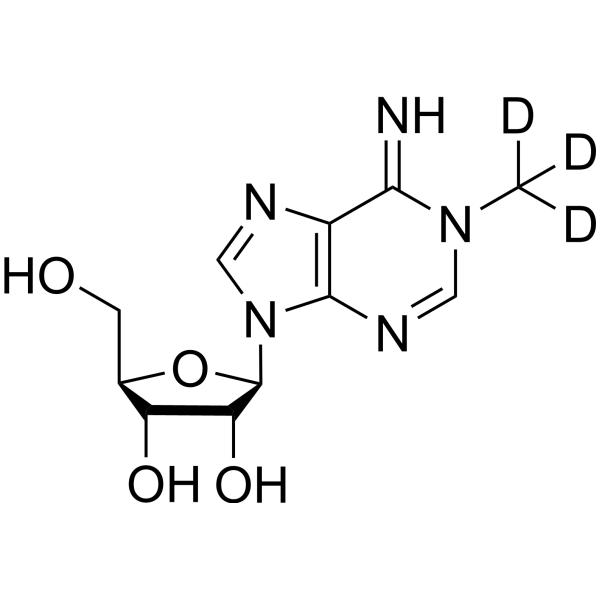 0 ImagesCat. No.: HY-113081SPurity: 99%1-Methyl Adenosine-d3 is the deuterium labeled 1-Methyladenosine. 1-Methyladenosine is an RNA modification that can serve as a tumor marker, with elevated levels in the body associated with cancer development. Following 1-methyladenosine methylation, upregulation of PPARδ expression regulates cholesterol metabolism and activates Hedgehog signaling pathway, driving liver tumorigenesis.
-
Liraglutide-13C6,15N TFA
 0 ImagesCat. No.: HY-P0014S2Liraglutide-13C6,15 TFA is the 13C and 15N labeledLiraglutide(HY-P0014). Liraglutide is a glucagon-like peptide-1 (GLP-1) receptor agonist used for the study of type 2 diabetes mellitus.
-
Isonicotinoyl chloride-d4
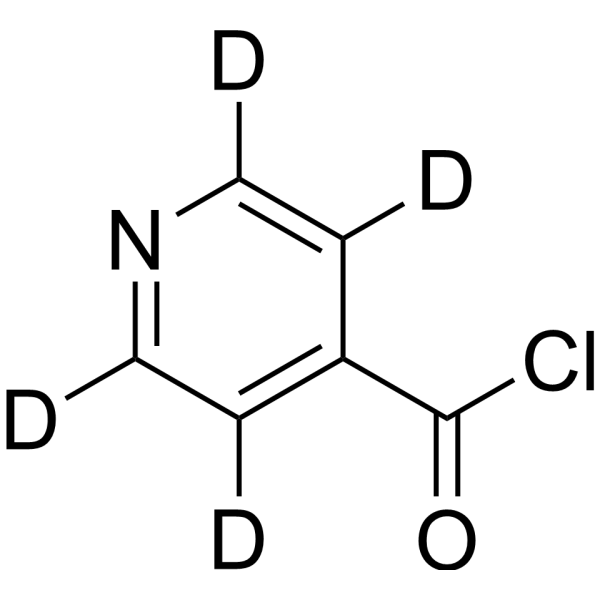 0 ImagesCat. No.: HY-W612269SIsonicotinoyl chloride-d4 is the deuterated labeled Isonicotinoyl chloride (HY-W612269). N-Acetylglycine (Aceturic acid) is a minor constituent of numerous foods with no genotoxicity or acute toxicity. N-acetylglycine is used in biological research of peptidomimetics.
-
L-Carnitine(mono)-O-glutaryl-d3 perchlorate
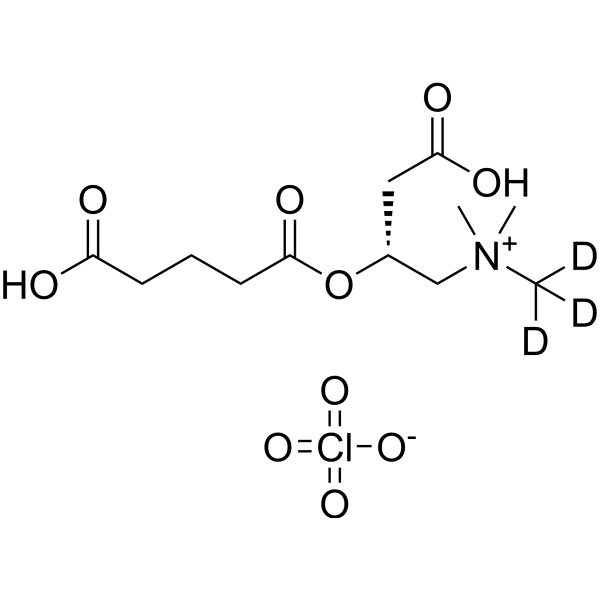 0 ImagesL-Carnitine(mono)-O-glutaryl-d3 (perchlorate) is the deuterium labeled L-Carnitine(mono)-O-glutaryl (perchlorate).
-
Galactose 1-phosphate-13C potassium
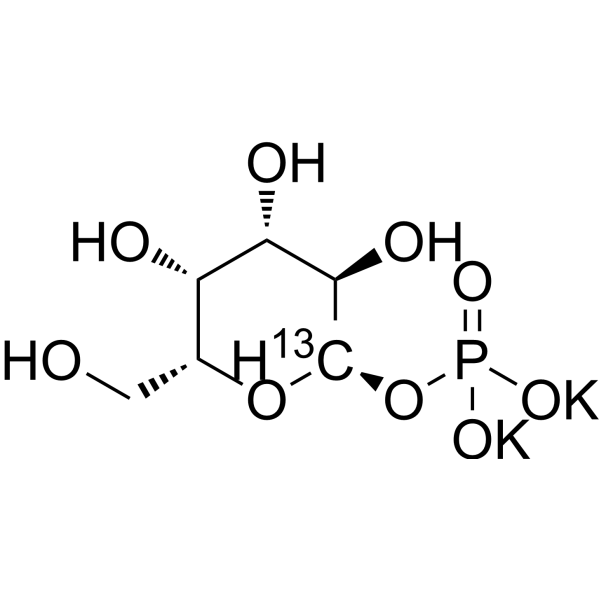 0 ImagesGalactose 1-phosphate-13C potassium is the 13C-labeled Galactose 1-phosphate Potassium salt (HY-113143A). Galactose 1-phosphate Potassium salt acts as a competitive substrate inhibitor of galactose-1-phosphate uridylyltransferase (GALT). Galactose 1-phosphate Potassium salt is a competitive inhibitor of Phosphoglucomutase, yet the rate at which this enzyme converts Galactose 1-phosphate to Galactose-6-phosphate is 400 times slower than the rate of converting Glucose-1-phosphate. Galactose 1-phosphate Potassium salt can be used in studies related to Saccharomyces cerevisiae infection and type I galactosemia.
-
DL-Cysteine-d1
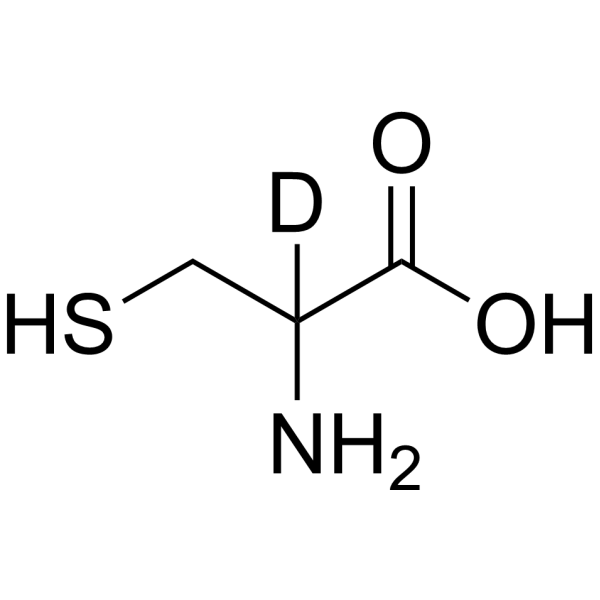 0 ImagesCat. No.: HY-W012850S1DL-Cysteine-d1 is the deuterated labeled 2-Amino-3-mercaptopropanoic acid (HY-W012850). 2-Amino-3-mercaptopropanoic acid is a cysteine derivative.
-
Tridecane-d28
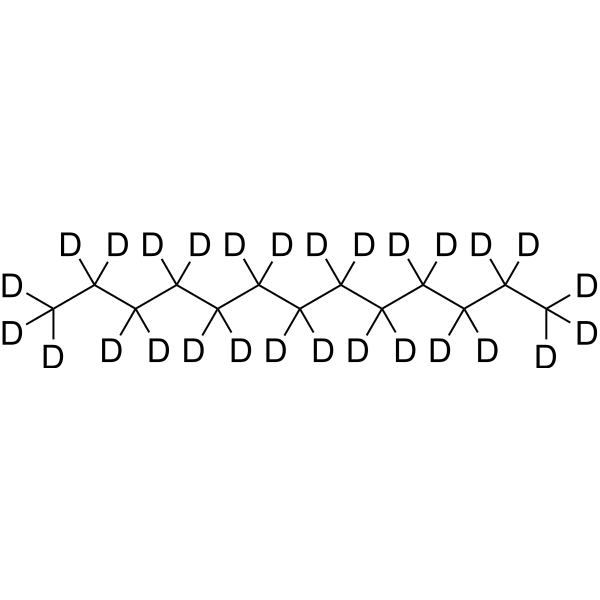 0 ImagesCat. No.: HY-W088037SCAS No.: 121578-12-9Tridecane-d28 is the deuterium labeled Tridecane. Tridecane is a short chain aliphatic hydrocarbon containing 13 carbon atoms. Tridecane is an volatile oil component isolated from essential oil of Piper aduncum L. Tridecane is a stress compound released by the brown marmorated stink bugs stress compound.
-
Xylose-2-13C
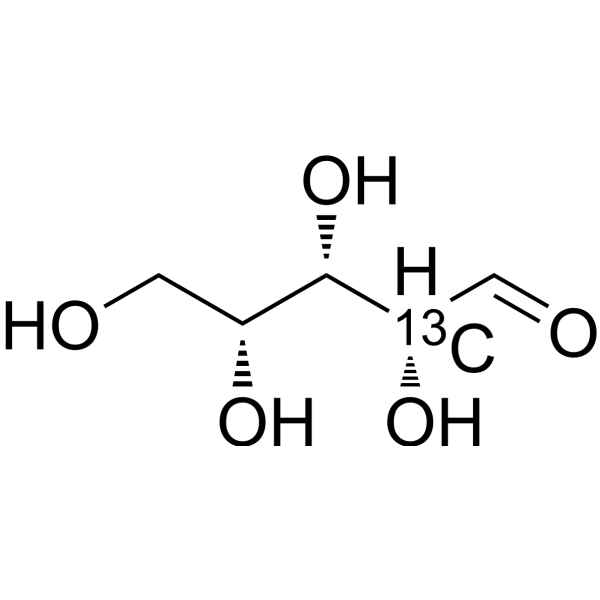 0 ImagesSynonyms: D-(+)-Xylose-2-13C; (+)-Xylose-2-13C; Wood sugar-2-13CXylose-2-13C (D-(+)-Xylose-2-13C) is the 13C labeled Xylose (HY-N0537). Xylose (D-(+)-Xylose) is a natural pentose sugar that is catalyzed by xylose isomerase to form xylulose, which is a key step in the anaerobic ethanol fermentation of Xylose. Xylose can be used by microorganisms to produce fuels, chemicals, and bulk industrial enzymes. Xylose provides the substances and energy for cells, as a carbon source for the biosynthesis of high-value chemicals and biofuel. Xylose can be used to fully explore lignocellulose resources and provide a new direction for microbia fermentation.
-
Tetrahydrofolic acid-d4
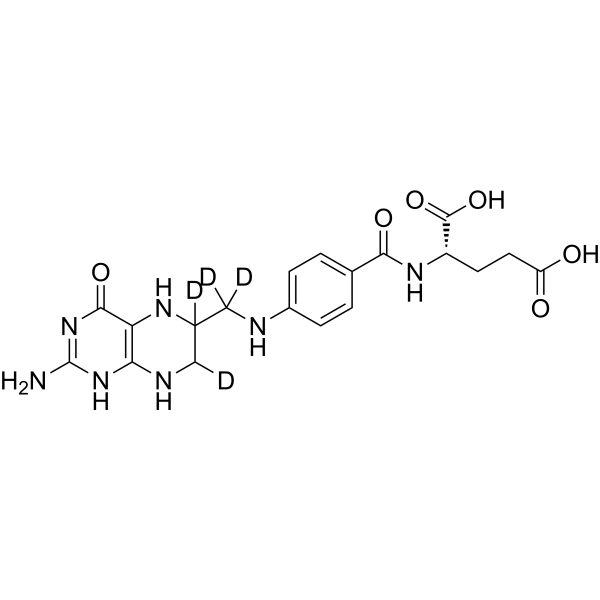 0 ImagesCat. No.: HY-14520SCAS No.: 1356841-72-9Tetrahydrofolic acid-d4 is the deuterium labeled Tetrahydrofolic acid. Tetrahydrofolic acid (L-5,6,7,8-Tetrahydrofolic acid) is the biologically active vitamin B9 folate derivative. Tetrahydrofolic acid is a donor of one-carbon groups for amino acids, nucleic acids, and lipids. Tetrahydrofolic acid serves as an acceptor of free formaldehyde, producing 5,10-methylenetetrahydrofolate-Tetrahydrofolic acid.



