



Zosuquidar trihydrochloride
Based on 16 publication(s) in Google Scholar
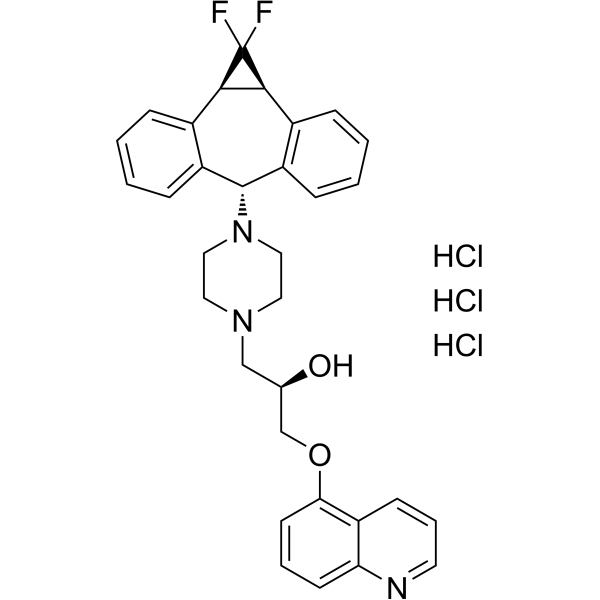
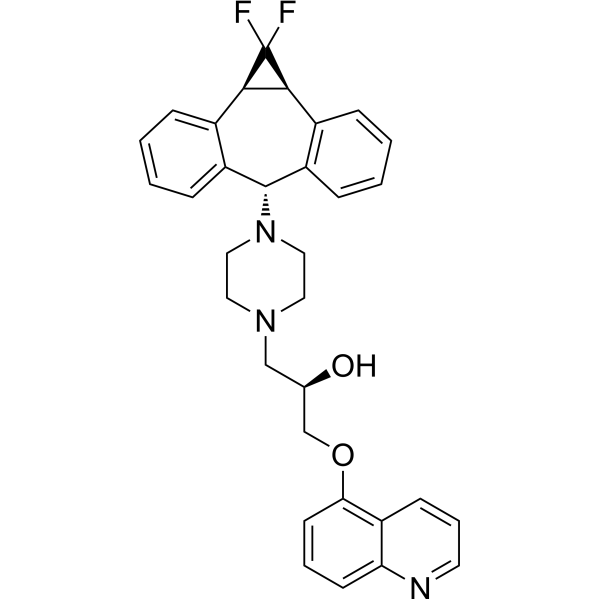
Zosuquidar (LY335979) trihydrochloride is a P-glycoprotein (P-gp) inhibitor (Ki=59 nM). Zosuquidar trihydrochloride shows anti-tumor activities, and can be used in acute myelogenous leukemia (AML) research.
For research use only. We do not sell to patients.
- Purity : 99.50%
- CAS No.: 167465-36-3
- Formula: C32H34Cl3F2N3O2
- Molecular Weight:636.99
-
Storage:
4°C, sealed storage, away from moisture
* In solvent : -80°C, 6 months; -20°C, 1 month (sealed storage, away from moisture)

To place orders, for customer services and technical support, please contact: MedChemExpress USA
Tel: 609-228-6898 E-mail: [email protected] [email protected]


-
 Biological Activity
-
Chemical Information
-
Solvent & Solubility
- Purity & Documentation
- References
-
 Help & FAQs


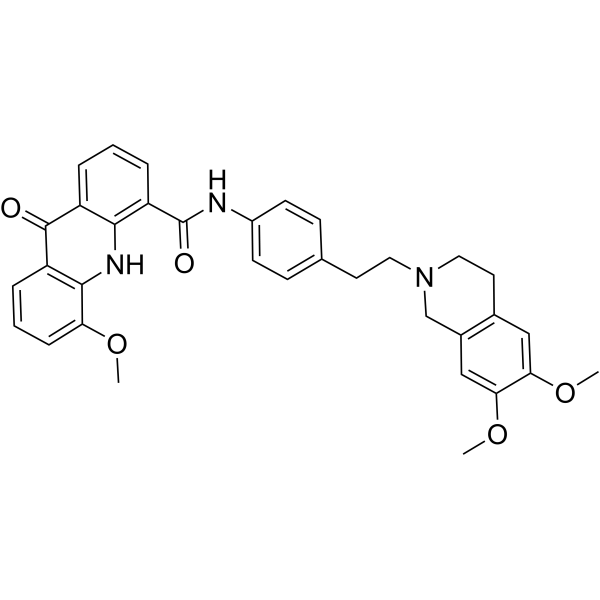
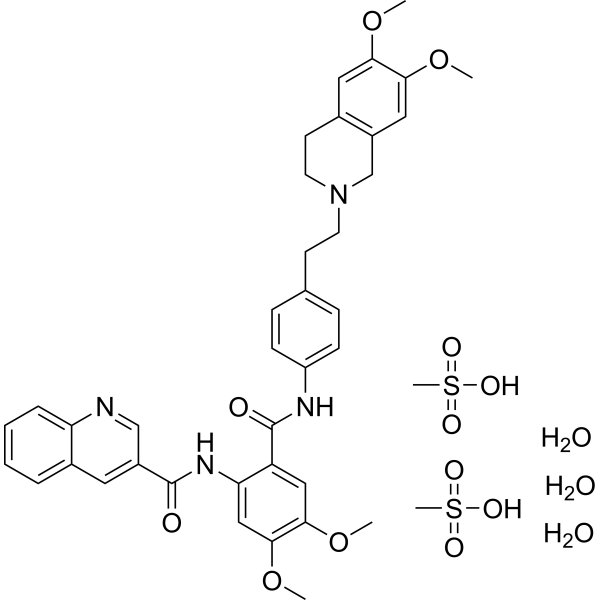
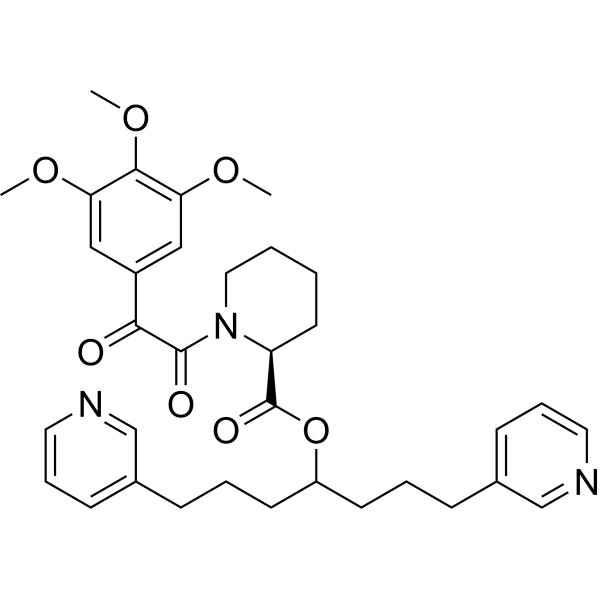
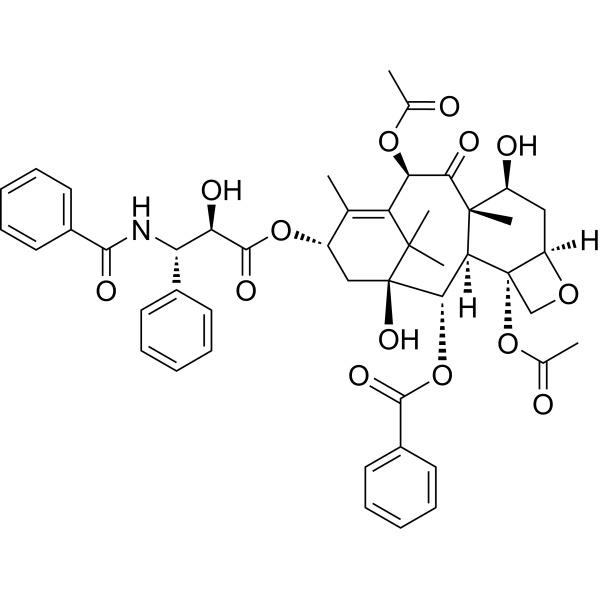
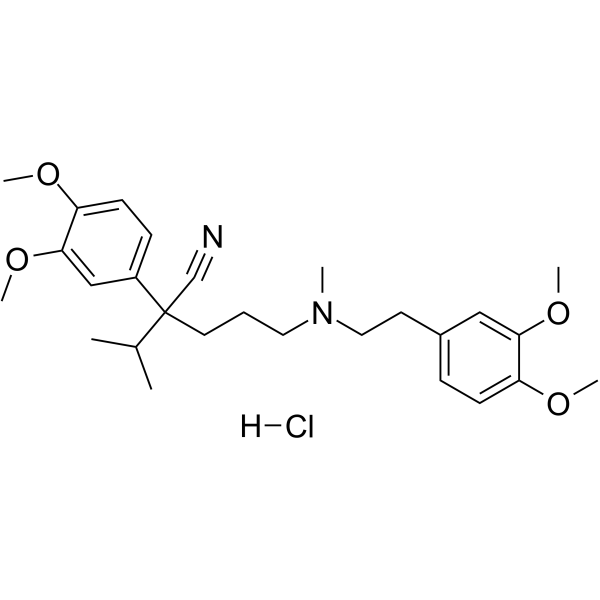
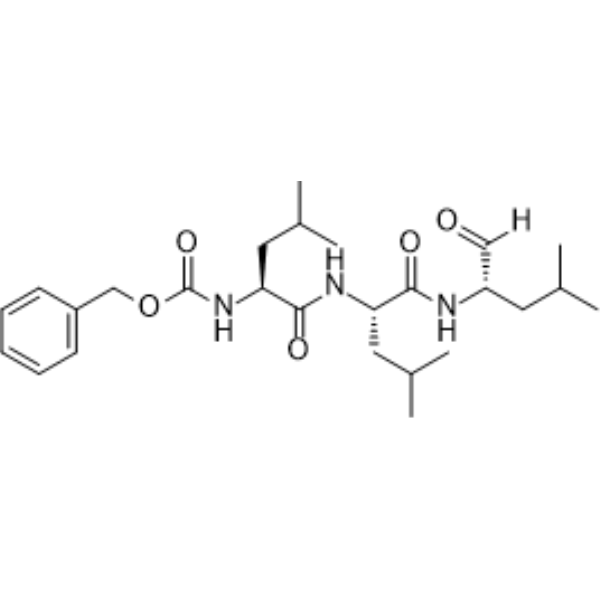
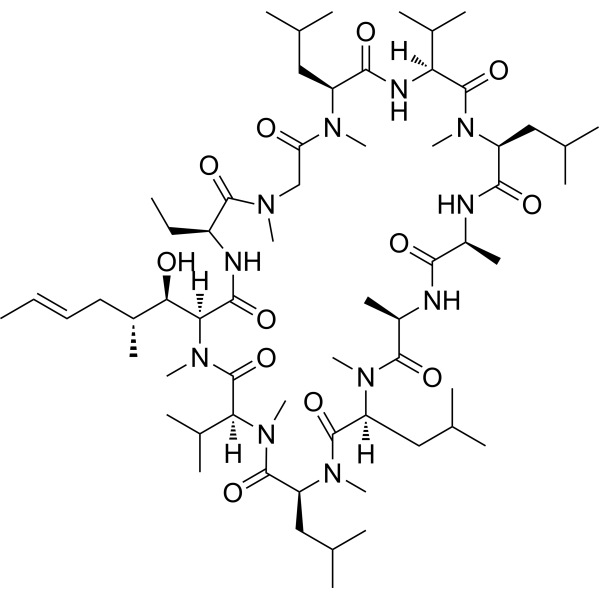
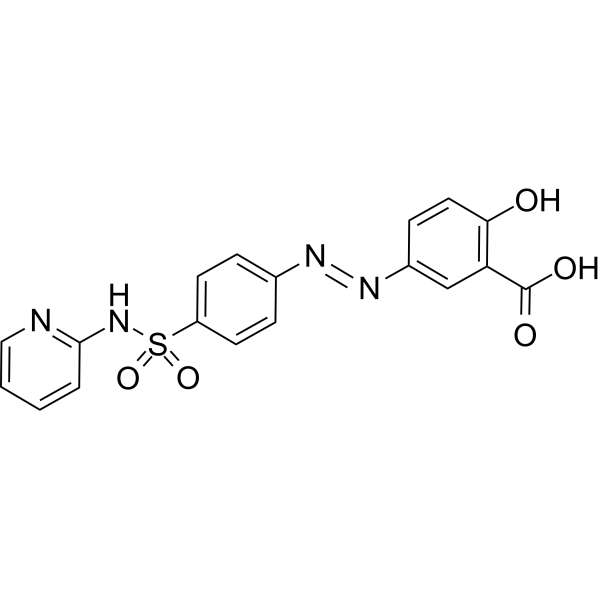
Publications Citing Use of MedChemExpress (MCE) Zosuquidar trihydrochloride
More- Cancer Cell. 2017 Apr 10;31(4):501-515.e8. [Abstract]
- Adv Sci (Weinh). 2025 Aug 4:e04680. [Abstract]
- Crit Rev Anal Chem. 2022;52(7):1557-1571. [Abstract]
- Blood Adv. 2020 Oct 27;4(20):5062-5077. [Abstract]
- Pharmaceutics. 2021 Apr 15;13(4):559. [Abstract]
- Antiviral Res. 2021 Sep:193:105124. [Abstract]
- Viruses. 2020 Aug 17;12(8):901. [Abstract]
- Drug Metab Dispos. 2017 May;45(5):449-456. [Abstract]
- J Pharm Biomed Anal. 2012 Jul:66:232-9. [Abstract]
- Biomed Res Int. 2020 Nov 29:2020:8878158. [Abstract]
- Biomed Res Int. 2014;2014:850493. [Abstract]
- Biochem Biophys Res Commun. 2021 Jun 25:559:222-229. [Abstract]
- J Chromatogr B Analyt Technol Biomed Life Sci. 2018 Aug 15:1092:72-81. [Abstract]
- Exp Ther Med. 2021 Feb;21(2):128. [Abstract]
- bioRxiv. 2024 November 03.
- Biomed Pharmacother. 2020 Sep:129:110506. [Abstract]
 Customer Validation & Images

-
Others
-
In Vivo Efficacy Study
-
Cell Proliferation/Viability Assay
-
Cell Proliferation/Viability Assay

-
WB


Biological Activity
Description
IC50 & Target
Ki: 59nM (P-glycoprotein)[1].
Cellular Effect
|
Cell Line

|
Type | Value | Description | References |
|---|---|---|---|---|
| Caco-2 | IC50 |
0.02 μM
Compound: LY-335979
|
TP_TRANSPORTER: inhibition of Nelfinavir transepithelial transport (basal to apical) (Nelfinavir: 0.02 uM) in Caco-2 cells
TP_TRANSPORTER: inhibition of Nelfinavir transepithelial transport (basal to apical) (Nelfinavir: 0.02 uM) in Caco-2 cells
|
[PMID: 10820137] |
| Caco-2 | IC50 |
0.024 μM
Compound: LY-335979
|
TP_TRANSPORTER: inhibition of Digoxin transepithelial transport (basal to apical) (Digoxin: 5 uM) in Caco-2 cells
TP_TRANSPORTER: inhibition of Digoxin transepithelial transport (basal to apical) (Digoxin: 5 uM) in Caco-2 cells
|
[PMID: 10820137] |
In Vitro
Zosuquidar (0.3 μM; 48 h) enhances the cytotoxicity of DNR (substrates for P-glycoproteins) in P-glycoproteins active cell lines[2].
Zosuquidar (5-16 μM; 72 h) treatment alone shows high cytotoxic concentration to drug-sensitive and MDR cell lines[1].
MedChemExpress (MCE) has not independently confirmed the accuracy of these methods. They are for reference only.
-
Cell Line:K562 and HL60 cells
-
Concentration:0.3 μM
-
Incubation Time:48 hours
-
Result:Enhanced the cytotoxicity of DNR (substrates for P-glycoproteins) in K562/DOX cells more than 45.5-fold.
-
Cell Line:CCRF-CEM, CEM/VLB100, P388, P388/ADR, MCF7, MCF7/ADR, 2780, 2780AD, UCLA-P3, UCLA-P3.003VLB cells
-
Concentration:5-16 μM
-
Incubation Time:72 hours
-
Result:Showed IC50s of 6, 7, 15, 8, 7, 15, 11, 16, >5, >5 μM for CCRF-CEM, CEM/VLB100, P388, P388/ADR, MCF7, MCF7/ADR, 2780, 2780AD, UCLA-P3, UCLA-P3.003VLB cells, respectively.
In Vivo
Zosuquidar (intraperitoneal injection; 30 mg/kg; once daily; 5 d) treatment shows the potentiation with a combined of Doxorubicin[1].
MedChemExpress (MCE) has not independently confirmed the accuracy of these methods. They are for reference only.
-
Animal Model:Mice implanted with P388/ADR tumors[1]
-
Dosage:30, 10, 3, or 1 mg/kg
-
Administration:Intraperitoneal injection; 30, 10, 3, or 1 mg/kg; once daily; 5 days
-
Result:Exihibited a significantly increased survival compared to the group treated with Doxorubicin alone (P<0.001).
-
Animal Model:Mice implanted with P388 or P388/ADR murine leukemia cells[1]
-
Dosage:30 mg/kg
-
Administration:Intraperitoneal injection; 30 mg/kg; once daily; 5 days
-
Result:Observed significant antitumor activity against the MDR P388/ADR cell lines when mice were treated with a combined dose of 30 mg/kg LY335979 and 1 mg/kg Doxorubicin (P=0.1).


Chemical Information
-
CAS No. 167465-36-3
-
Appearance Solid
-
Molecular Weight 636.99
-
Formula C32H34Cl3F2N3O2
-
Color Light yellow to yellow
-
SMILES
FC1([C@H]2[C@@H]1C3=C([C@@H](C4=CC=CC=C42)N5CCN(CC5)C[C@H](COC6=C7C=CC=NC7=CC=C6)O)C=CC=C3)F.Cl.Cl.Cl
-
Synonyms
RS 33295-198 trihydrochloride; LY-335979 trihydrochloride
-
Shipping
Room temperature in continental US; may vary elsewhere.
-
Storage
4°C, sealed storage, away from moisture
* In solvent : -80°C, 6 months; -20°C, 1 month (sealed storage, away from moisture)


Publications (16)
-
Journal Impact Factor
-
Most Recent
-
Cancer Cell
Eradication of Tumors through Simultaneous Ablation of CD276/B7-H3-Positive Tumor Cells and Tumor Vasculature. [Abstract]2017 Apr 10;31(4):501-515.e8. PMID: 28399408 -
Adv Sci (Weinh)
Fusidic Acid Reverses Chemoresistance in Breast Cancer via Targeting DDX6 to Downregulate GSK-3β/β-Catenin Signaling. [Abstract]2025 Aug 4:e04680. PMID: 40757496 -
Crit Rev Anal Chem
A Critical Review on Advancement in Analytical Strategies for the Quantification of Clinically Relevant Biological Transporters. [Abstract]2022;52(7):1557-1571. PMID: 33691566 -
Blood Adv
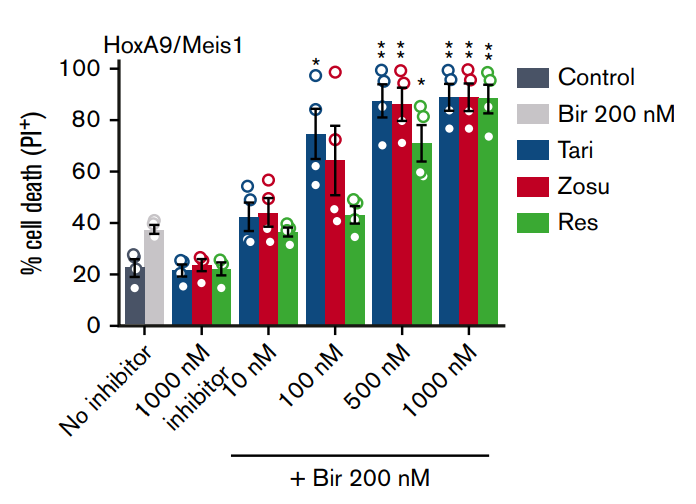
Clinical MDR1 inhibitors enhance Smac-mimetic bioavailability to kill murine LSCs and improve survival in AML models. [Abstract]2020 Oct 27;4(20):5062-5077. PMID: 33080008
Zosuquidar trihydrochloride purchased from MedChemExpress. Usage Cited in: Blood Adv. 2020 Oct 27;4(20):5062-5077. [Abstract]
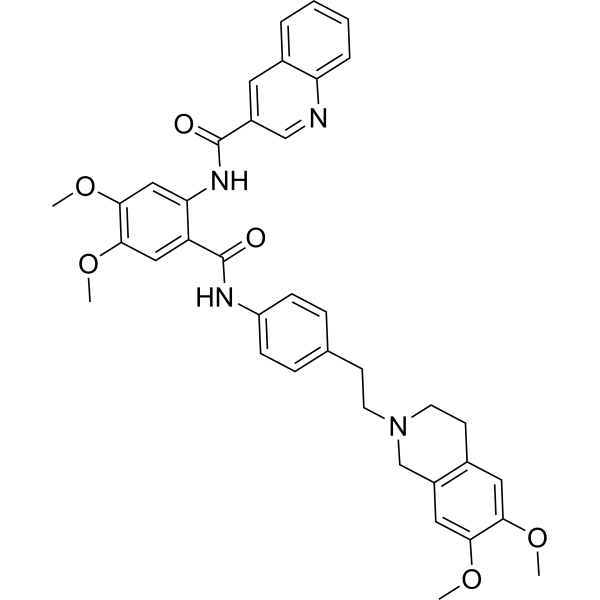
HoxA9/Meis1 AML cells were treated with 10, 100, 500, and 1000 nM reserpine, tariquidar (Tari), or zosuquidar (Zosu), with or without Bir (200 nM), for 24 hours.
-
Pharmaceutics
2021 Apr 15;13(4):559. PMID: 33921129
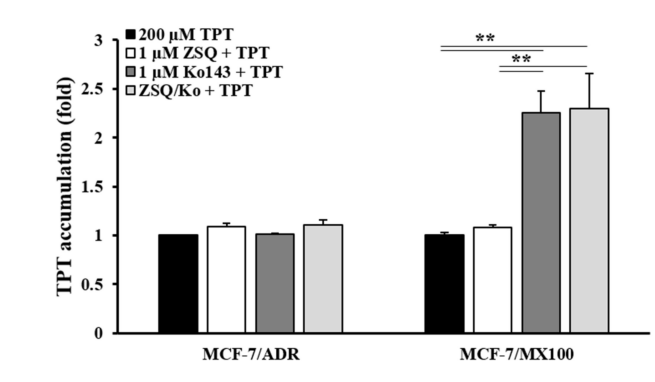
Zosuquidar trihydrochloride purchased from MedChemExpress. Usage Cited in: Pharmaceutics. 2021 Apr 15;13(4):559. [Abstract]
TPT (200 μM) accumulation after co-treatment with Zosuquidar (1 μM), Ko143 (1 μM), and the combination of both (1 μM each) in ADR and MX100 cells.
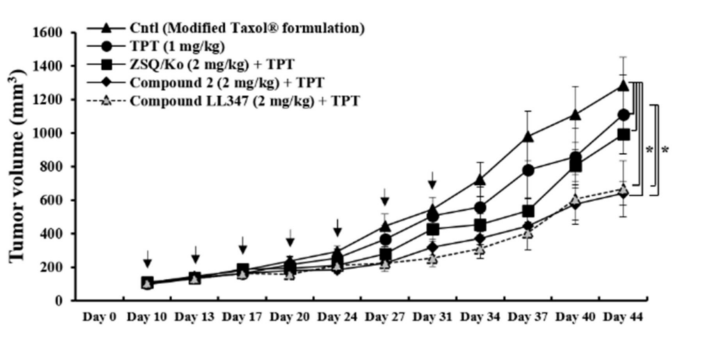
Zosuquidar trihydrochloride purchased from MedChemExpress. Usage Cited in: Pharmaceutics. 2021 Apr 15;13(4):559. [Abstract]
Change in tumor volume after co-treatment of TPT with compounds 2 and LL347 versus TPT-only, vehicle-only, and positive controls (co-treatment with the combination of Zosuquidar (2 mg/kg) and Ko143) twice a week.
-
Antiviral Res
2021 Sep:193:105124. PMID: 34197862 -
Viruses
Combinatorial Treatment of Birinapant and Zosuquidar Enhances Effective Control of HBV Replication In Vivo. [Abstract]2020 Aug 17;12(8):901. PMID: 32824616
Zosuquidar trihydrochloride purchased from MedChemExpress. Usage Cited in: Viruses. 2020 Aug 17;12(8):901. [Abstract]
Zosuquidar trihydrochloride (zos; 2, 8 μM; 48 h) did not induce HepG2 cell death.
Zosuquidar trihydrochloride purchased from MedChemExpress. Usage Cited in: Viruses. 2020 Aug 17;12(8):901. [Abstract]
Zosuquidar trihydrochloride (zos; 2 μM; 10, 20, 30 min; 2, 4, 8 h) decreased the protein expression of cIAP1, cIAP2 and activation of Cl Casp3 in HepG2 cells with the addition of birinapant 10 μM and TNF 200 ng/mL.

Zosuquidar trihydrochloride purchased from MedChemExpress. Usage Cited in: Viruses. 2020 Aug 17;12(8):901. [Abstract]
Zosuquidar trihydrochloride (zos; 5, 25 mg/kg; i.p.; for three days) showed that the ALT levels were increased in a dose-dependent fashion in C57BL/6 mice that were hydrodynamically injected (HDI) with HBV encoding plasmid.

Zosuquidar trihydrochloride purchased from MedChemExpress. Usage Cited in: Viruses. 2020 Aug 17;12(8):901. [Abstract]
Zosuquidar trihydrochloride (zos; 25 mg/kg; i.p.; for three days) showed no off-target toxicity or killing of healthy liver cells in HBV-replicating and naïve animals.

Zosuquidar trihydrochloride purchased from MedChemExpress. Usage Cited in: Viruses. 2020 Aug 17;12(8):901. [Abstract]
Zosuquidar trihydrochloride (zos; 25 mg/kg; i.p.; for three days) in combination with a single dose of birinapant at higher concentrations (10 mg/kg) can more effectively kill core protein-positive, HBV-replicating liver cells compared to birinapant 3 mg/kg treatments.
-
Drug Metab Dispos
Correlation between Membrane Protein Expression Levels and Transcellular Transport Activity for Breast Cancer Resistance Protein. [Abstract]2017 May;45(5):449-456. PMID: 28209803 -
J Pharm Biomed Anal
Quantitative determination and pharmacokinetic study of the novel anti-Parkinson's disease candidate drug FLZ in rat brain by high performance liquid chromatography-tandem mass spectrometry. [Abstract]2012 Jul:66:232-9. PMID: 22472186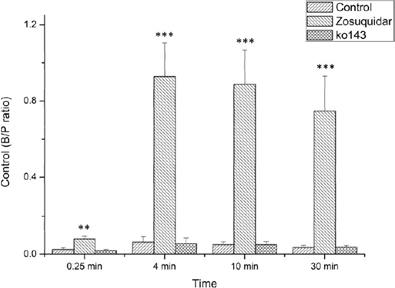
Zosuquidar trihydrochloride purchased from MedChemExpress. Usage Cited in: J Pharm Biomed Anal. 2012 Jul:66:232-9. [Abstract]
Effect of pharmacological inhibition of drug efflux transporters on brain distribution of FLZ in rats. The rats receive 35 mg/kg FLZ via tail vein injection 10 min after intravenous administration of 20 mg/kg Zosuquidar or 7.5 mg/kg ko143.
-
Biomed Res Int
A Novel Cryptococcal Meningitis Therapy: The Combination of Amphotericin B and Posaconazole Promotes the Distribution of Amphotericin B in the Brain Tissue. [Abstract]2020 Nov 29:2020:8878158. PMID: 33313322 -
Biomed Res Int
An in vivo microdialysis study of FLZ penetration through the blood-brain barrier in normal and 6-hydroxydopamine induced Parkinson's disease model rats. [Abstract]2014;2014:850493. PMID: 25045708 -
Biochem Biophys Res Commun
The study of Raddeanin A cerebrovascular endothelial cell trafficking through P-glycoprotein. [Abstract]2021 Jun 25:559:222-229. PMID: 33962209 -
J Chromatogr B Analyt Technol Biomed Life Sci
Microdialysis combined with RRLC-MS/MS for the pharmacokinetics of two major alkaloids of Bi qi capsule and the potential roles of P-gp and BCRP on their penetration. [Abstract]2018 Aug 15:1092:72-81. PMID: 29883892 -
Exp Ther Med
Silencing GnT-V reduces oxaliplatin chemosensitivity in human colorectal cancer cells through N-glycan alteration of organic cation transporter member 2. [Abstract]2021 Feb;21(2):128. PMID: 33376510 -
-
Biomed Pharmacother
Interplay of drug transporters P-glycoprotein (MDR1), MRP1, OATP1A2 and OATP1B3 in passage of maraviroc across human placenta. [Abstract]2020 Sep:129:110506. PMID: 32768979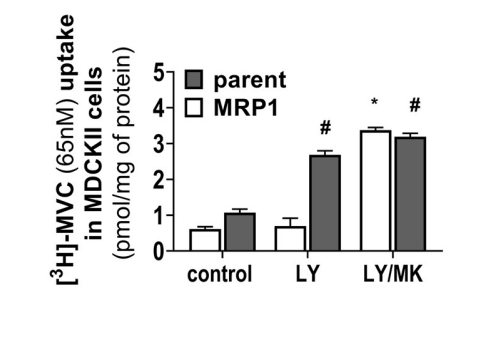
Zosuquidar trihydrochloride purchased from MedChemExpress. Usage Cited in: Biomed Pharmacother. 2020 Sep:129:110506. [Abstract]
Effect of Mdr1 inhibitor Zosuquidar (LY, 2 μM) and control MRP1 inhibitor MK-571 (MK, 50 μM) on maraviroc accumulation in MDCKII-parental and MDCKII-MRP1 cells.


Solvent & Solubility
In Vitro:
H2O : 20 mg/mL (31.40 mM; Need ultrasonic)
DMSO : 1 mg/mL (1.57 mM; Need ultrasonic; Hygroscopic DMSO has a significant impact on the solubility of product, please use newly opened DMSO)
Please refer to the solubility information to select the appropriate solvent. Once prepared, please aliquot and store the solution to prevent product inactivation from repeated freeze-thaw cycles.
Storage method and period of stock solution: -80°C, 6 months; -20°C, 1 month (sealed storage, away from moisture). When stored at -80°C, please use it within 6 months. When stored at -20°C, please use it within 1 month.
* Note: If you choose water as the stock solution, please dilute it to the working solution, then filter and sterilize it with a 0.22 μm filter before use.
Please refer to the solubility information to select the appropriate solvent. Once prepared, please aliquot and store the solution to prevent product inactivation from repeated freeze-thaw cycles.
Storage method and period of stock solution: -80°C, 6 months; -20°C, 1 month (sealed storage, away from moisture). When stored at -80°C, please use it within 6 months. When stored at -20°C, please use it within 1 month.
* Note: If you choose water as the stock solution, please dilute it to the working solution, then filter and sterilize it with a 0.22 μm filter before use.
Concentration (start) × Volume (start) = Concentration (final) × Volume (final)
In Vivo:
The following protocol is derived from the literature and is for reference only. It is recommended to first try a small sample.
In Vivo Dissolution Calculator
Please enter the basic information of animal experiments:
-
-
-
-
Recommended: Prepare an additional quantity of animals to account for potential losses during experiments.
Working solution concentration: 0.22 mg/mL
This product has good water solubility, please refer to the measured solubility data in water/PBS/Saline for details.


Purity & Documentation
-
Data Sheet (281 KB)
-
SDS (393 KB)
- English - EN (393 KB)
- Français - FR (393 KB)
- Deutsch - DE (393 KB)
- Norwegian - NO (393 KB)
- Español - ES (393 KB)
- Swedish - SV (393 KB)
- Italian - IT (393 KB)
- Korean - KR (393 KB)
- Portuguese - PT (393 KB)
-
Handling Instructions (2659 KB)
References
[1]. A H Dantzig, et al. Reversal of P-glycoprotein-mediated multidrug resistance by a potent cyclopropyldibenzosuberane modulator, LY335979. Cancer Res. 1996 Sep 15;56(18):4171-9. [Content Brief]
[2]. Ruoping Tang, et al. Zosuquidar restores drug sensitivity in P-glycoprotein expressing acute myeloid leukemia (AML). BMC Cancer. 2008 Feb 13;8:51. [Content Brief]
[3]. Larry D Cripe, et al. Zosuquidar, a novel modulator of P-glycoprotein, does not improve the outcome of older patients with newly diagnosed acute myeloid leukemia: a randomized, placebo-controlled trial of the Eastern Cooperative Oncology Group 3999. Blood. 2010 Nov 18;116(20):4077-85. [Content Brief]


Complete Stock Solution Preparation Table
Please refer to the solubility information to select the appropriate solvent. Once prepared, please aliquot and store the solution to prevent product inactivation from repeated freeze-thaw cycles.
Storage method and period of stock solution: -80°C, 6 months; -20°C, 1 month (sealed storage, away from moisture). When stored at -80°C, please use it within 6 months. When stored at -20°C, please use it within 1 month.
| Optional Solvent | Concentration Solvent Mass | 1 mg | 5 mg | 10 mg | 25 mg |
|---|---|---|---|---|---|
| DMSO / H2O | 1 mM | 1.5699 mL | 7.8494 mL | 15.6988 mL | 39.2471 mL |
| H2O | 5 mM | 0.3140 mL | 1.5699 mL | 3.1398 mL | 7.8494 mL |
| 10 mM | 0.1570 mL | 0.7849 mL | 1.5699 mL | 3.9247 mL | |
| 15 mM | 0.1047 mL | 0.5233 mL | 1.0466 mL | 2.6165 mL | |
| 20 mM | 0.0785 mL | 0.3925 mL | 0.7849 mL | 1.9624 mL | |
| 25 mM | 0.0628 mL | 0.3140 mL | 0.6280 mL | 1.5699 mL | |
| 30 mM | 0.0523 mL | 0.2616 mL | 0.5233 mL | 1.3082 mL |
* Note: If you choose water as the stock solution, please dilute it to the working solution, then filter and sterilize it with a 0.22 μm filter before use.


Zosuquidar trihydrochloride Related Classifications
HY-50671 Related Classifications
 Powered by Bioz