'
T-cell receptor-engineered T-cell (TCR-T) therapy has emerged as a promising strategy for cancer immunotherapy, particularly in solid tumors. By recognizing intracellular tumor antigens presented by major histocompatibility complex (MHC) molecules, TCR-T cells can target a broad spectrum of tumor-associated antigens, including cancer-testis antigens and neoantigens. Despite its therapeutic potential, the clinical application of TCR-T therapy in solid tumors remains challenging. Factors such as limited target specificity, safety concerns, and the immunosuppressive tumor microenvironment continue to restrict its efficacy.
This review summarizes the mechanisms of TCR-T therapy, its major challenges in solid tumors, and emerging strategies to enhance its therapeutic efficacy, providing insights for future research and clinical translation.
- Mechanism of TCR-T Therapy
- Challenges of TCR-T Therapy in Solid Tumors
- Optimization and Combination Strategies for TCR-T Therapy
T cells are essential components of the adaptive immune system, and the T cell receptor (TCR) is the primary membrane receptor responsible for antigen recognition and T cell activation. The TCR is a finely regulated transmembrane multi-subunit signaling complex. Antigen recognition is mediated by the TCRαβ heterodimer, which specifically recognizes the peptide-MHC (pMHC) complexes on the surface of antigen-presenting cells. However, the intracellular domain of TCRαβ lacks signaling motifs.
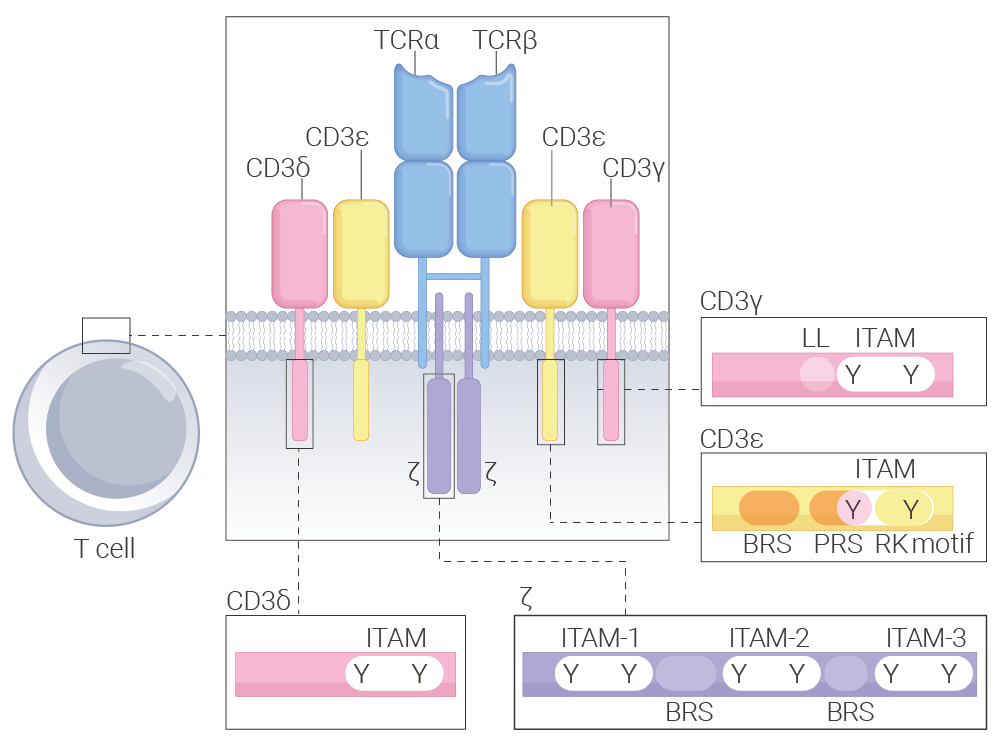
Figure 1. TCR and its functional signal modes[1].
Signal transduction is instead mediated by associated CD3 subunits (CD3γε, CD3δε, and ζ chains), whose cytoplasmic regions are enriched in immunoreceptor tyrosine-based activation motifs (ITAMs). Upon antigen binding, SRC family kinases such as LCK phosphorylate ITAMs, leading to the recruitment of downstream signaling molecules, including ZAP-70, and initiation of signaling cascades.
In addition to ITAMs, CD3 subunits contain multiple regulatory motifs (e.g., PRS, RK, BRS, and endocytosis-related motifs), which contribute to signal amplification, membrane localization, kinase recruitment, and receptor internalization. These features enable precise spatial and temporal regulation of TCR signaling.
TCR activation involves multi-level conformational changes and spatial reorganization after antigen binding. According to the "kinetic segregation model", TCR engagement with pMHC leads to receptor clustering and formation of tight contact zones within the immune synapse. This process excludes large phosphatases such as CD45 and CD148, thereby promoting sustained LCK-mediated ITAM phosphorylation and signal amplification.
Concurrently, conformational rearrangements within the TCR–CD3 complex expose functional motifs such as ITAM, PRS, and RK on CD3ζ and CD3ε, facilitating the recruitment of signaling proteins such as ZAP-70, NCK, and PI3K.
Cryo-electron microscopy studies further suggest that resting TCR complexes adopt a self-inhibited conformation stabilized by membrane cholesterol and cytoplasmic tail interactions. Antigen binding or membrane changes release this inhibition, triggering activation.
Additionally, CD4/CD8 co-receptors enhance LCK recruitment and stabilize pMHC binding, enabling T cells to surpass activation thresholds even under conditions of low antigen affinity or density.
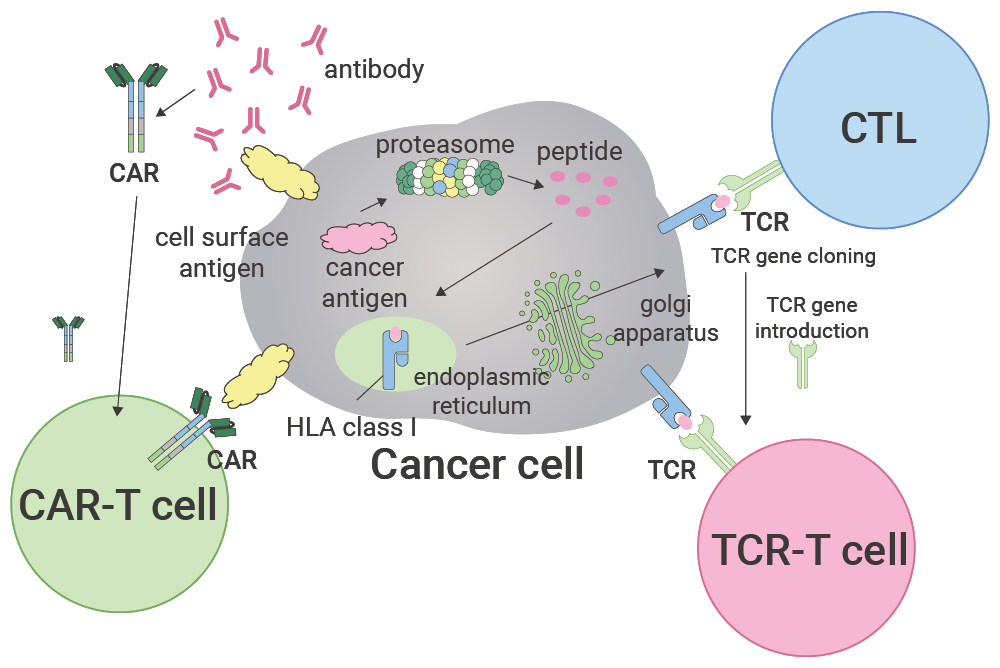
Figure 2. Different mechanisms of action of CAR-T cell and TCR-T cell therapies[2].
TCR-T cell therapy involves genetically modifying autologous T cells to express tumor-specific TCRs. Unlike CAR-T cells, which recognize surface antigens in an MHC-independent manner, TCR-T cells recognize intracellular tumor-derived peptides presented by MHC molecules.
This MHC-dependent recognition allows TCR-T cells to target a broader range of antigens, including cancer-testis antigens (e.g., NY-ESO-1, MAGE-A4) and neoantigens derived from somatic mutations (e.g., KRAS G12D). Consequently, TCR-T therapy expands the scope of targetable tumor antigens beyond surface molecules.
The manufacturing processes of TCR-T and CAR-T cells: T cells are broadly similar, involving T cell collection, genetic modification, ex vivo expansion, and reinfusion following lymphodepletion.
Feature | CAR-T Cell Therapy | TCR-T Cell Therapy |
|---|---|---|
| Target antigens | Surface antigens (eg, CD19, BCMA) | Intracellular peptide antigens presented on MHC (eg, NY-ESO-1, MAGE-A4 |
| T-cell receptor structure | CAR | TCR |
| Major histocompatibility complex (MHC) dependency | MHC-independent | MHC-dependent |
| Approved therapies (mainly for hematologic malignancies) | Tisagenlecleucel, Axicabtagene ciloleucel, Brexucabtagene autoleucel, Idecabtagene vicleucel, Lisocabtagene maraleucel, Ciltacabtagene autoleucel | Afamitresgene autoleucel |
Notably, in August 2024, the U.S. FDA granted accelerated approval to afamitresgene autoleucel, a TCR-T cell therapy that targets the MAGE-A4 antigen presented by a specific human leukocyte antigen (HLA) type, for unresectable or metastatic synovial sarcoma. The SPEARHEAD-1 clinical trial reported an overall response rate of 39% in 44 patients, representing a significant milestone for TCR-T therapy in solid tumors.
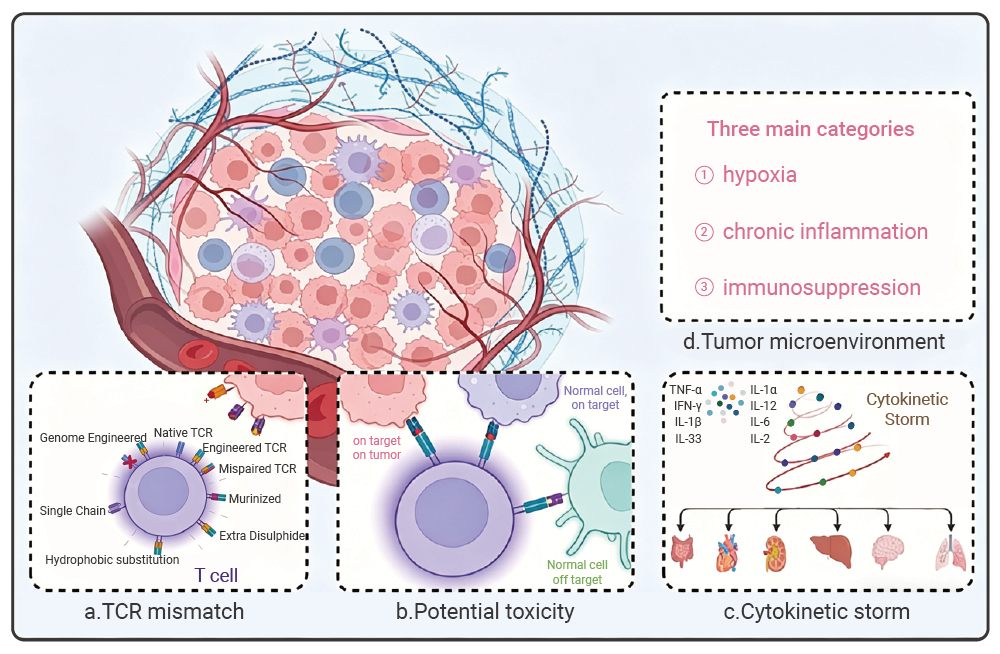
Figure 3. Challenges of TCR-T therapy in solid tumors[3].
Despite promising clinical activity, TCR-T therapy faces several critical challenges in solid tumors. These can be broadly categorized into four areas: TCR mismatch, potential toxicity, cytokine storm, and the tumor microenvironment (TME).
Mismatch between exogenous and endogenous TCR chains is major challenge. Introduced TCR chains may pair with endogenous chains to form mixed dimers with unpredictable specificity, potentially impairing function and causing safety risks such as graft-versus-host disease (GVHD).
Additionally, mixed dimers may compete for limited CD3 components, reducing the efficiency of engineered TCR expression and increasing off-target effects.
Strategies to address this issue include:
• Disulfide Bond Engineering: Introducing cysteine residues into the TCR constant domains to form supplementary disulfide bonds significantly enhances the pairing stability of exogenous TCR chains.
• Murinization: Constructing hybrid TCRs with murine constant regions prevents cross-pairing with endogenous TCRs, though this approach must be weighed against potential immunogenicity concerns.
• Affinity Maturation: Utilizing yeast surface display to screen for high-affinity TCRs inherently minimizes the risk of mispairing.
• Transmembrane Modification: Applying hydrophobic modifications to the transmembrane domain further augments chain pairing and structural stability.
• Single-chain TCRs (scTCRs): Fusing the recognition and signaling domains into a single polypeptide chain serves as a highly effective structural strategy to circumvent mispairing entirely.
TCR-T therapy is highly sensitive to antigen recognition, making it prone to both on-target and off-target toxicity. On-target toxicity arises when target antigens are also expressed in normal tissues, while off-target toxicity results from cross-reactivity with unrelated peptides.
Clinical evidence highlights these risks. For example, high-affinity TCRs targeting MAGE-A3 caused fatal cardiotoxicity in patients despite the lack of myocardial MAGE-A3 expression, underscoring the lethal consequences of off-target peptide cross-reactivity. Similarly, targeting melanocyte antigens damages normal melanocytes, and carcinoembryonic antigen (CEA)-targeted TCR-T therapy can induce severe colitis.
A key challenge lies in balancing TCR affinity: while higher affinity enhances anti-tumor activity, it also increases the risk of cross-reactivity and T cell exhaustion.
Cytokine storm (CS) is a severe systemic inflammatory response induced by cellular immunotherapies, clinically manifesting as fever, tachycardia, hypotension, and dyspnea. Its pathogenesis is primarily driven by the persistent elevation of pro-inflammatory cytokines, including IFN-γ, IL-1, IL-6, TNF, and IL-18.
Although TCR-T therapy typically exhibits a lower CS incidence than CAR-T owing to its physiological signaling, significant clinical risks persist. For instance, affinity-enhanced TCRs targeting NY-ESO-1 or MAGE-A4 have still triggered early-onset CS and immune effector cell-related neurotoxicity syndrome (ICANS), requiring tocilizumab intervention.
Therefore, decoupling systemic inflammation from potent anti-tumor efficacy remains a critical challenge for optimizing the safety and clinical translation of TCR-T therapies.
The tumor microenvironment presents a major barrier to TCR-T efficacy. It is characterized by hypoxia, chronic inflammation, and immunosuppression. Hypoxic and acidic conditions intrinsically limit T cell proliferation, cytokine secretion, and cytotoxicity. Concurrently, metabolic abnormalities drive the accumulation of suppressive metabolites that accelerate CD8+ T cell exhaustion. This suppression is further compounded by tumor-associated macrophages (TAMs) and stromal cells, which highly express inhibitory ligands like PD-L1, and the upregulation of molecules like CD39 on T cells. Together, these factors synergize to induce T cell dysfunction and apoptosis, severely restricting T cell-mediated anti-tumor efficacy.
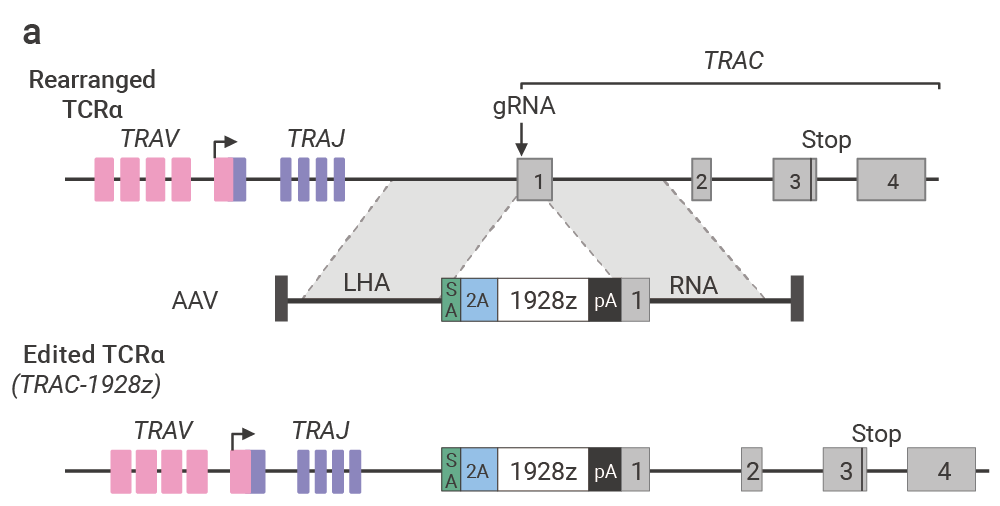
Figure 4. CRISPR/Cas9-targeted CAR gene integration into the TRAC locus[4].
CRISPR/Cas9-mediated knockout of endogenous TRAC and TRBC genes, combined with targeted knock-in at the TRAC locus, enables exogenous TCRs to be expressed under physiological regulatory control. This strategy ensures uniform receptor expression, significantly reduces TCR chain mispairing, and improves signaling consistency. Compared with conventional random viral integration, it minimizes expression heterogeneity and allows engineered T cells to more closely mimic the signaling behavior of native T cells[4].
In addition, personalized neoantigen screening combined with CRISPR-edited TCR-T cell reinfusion has demonstrated promising potential in the treatment of solid tumors[5].
Protein engineering approaches further enhance TCR structural stability. These include introducing additional disulfide bonds in the constant region to promote αβ chain pairing, replacing human constant regions with murine counterparts to reduce heterologous pairing, and designing scTCRs to prevent inter-chain recombination. Collectively, these strategies improve the consistency and controllability of TCR expression.
Technologies such as phage display, yeast display and structure-guided mutagenesis enable precise optimization of TCR binding to peptide-MHC complexes while preserving antigen specificity. Affinity maturation strategies follow the functional "golden window" principle—optimizing TCR affinity to a moderately enhanced range (low nM level) to improve anti-tumor activity while minimizing off-target recognition and T cell exhaustion associated with excessive affinity[5].
Current TCR engineering strategies emphasize structural precision. Tumor-specific recognition is enhanced through complementary determining region (CDR) redesign, while overall receptor stability is improved via framework mutations. In parallel, structural information of pMHC is increasingly used for reverse screening to eliminate potential cross-reactivity[6].
"Armored TCR-T cells" are engineered to express additional functional modules that enable sustained activity within immunosuppressive TME[7]. A core strategy involves the expression of immunomodulatory cytokines: IL-12 enhances Th1 responses and cytotoxicity, IL-15 supports memory T cell persistence, and IL-18 promotes IFN-γ production and long-term anti-tumor effects. These modifications have shown enhanced anti-tumor activity and resistance to T cell exhaustion in preclinical models.
Chemokinase receptor engineering further enhances tumor infiltration. For example, expression of CCR2b or CXCR3 improves T cell migration and accumulation within tumor tissues. Additionally, "receptor switch engineering" converts inhibitory signals into activating ones by replacing inhibitory domains (e.g., PD-1) with co-stimulatory domains such as CD28 or 4-1BB. This approach sustains T cell activation in suppressive environments, and promotes the transition of TCR-T cells from passive response responders to actively adaptive immune effectors[7].
Combining TCR-T therapy with immune checkpoint inhibitors restores T cell proliferation and cytotoxicity by blocking the PD-1/PD-L1 axis, resulting in improved tumor control compared with monotherapy in multiple clinical studies[8].
Radiotherapy enhances antigen release and presentation by inducing immunogenic cell death, thereby broadening the antigen repertoire and promoting epitope spreading. Chemotherapy facilitates TCR-T cells engraftment through lymphodepletion, while also reducing immunosuppressive cell populations and improving the TME. These combination strategies have demonstrated feasibility and therapeutic benefit in clinical studies[5,8].
Allogeneic "off-the-shelf" TCR-T are engineered through multiplex gene editing to improve compatibility and persistence. This includes knockout of endogenous TCRs to prevent graft-versus-host disease (GVHD), deletion of HLA-I molecules (e.g., β2-microglobulin) to reduce host rejection, and incorporation of immune-evasion strategies to prolong in vivo survival[7,9].
Encouraging progress has been achieved in clinical trials for solid tumors such as synovial sarcoma, providing a foundation for the development of allogeneic TCR-T platforms[9]. With continued advances in gene editing and cell manufacturing technologies, allogeneic TCR-T therapy is poised to shift cell therapy from a personalized approach toward a standardized, scalable biopharmaceutical model.
TCR-T cell therapy expands the spectrum of targetable tumor antigens by recognizing intracellular peptides presented by MHC molecules and is showing early clinical activity in solid tumors. However, its efficacy is still limited by challenges including TCR mispairing, safety concerns, off-target toxicity, and the immunosuppressive TME. Advances in TCR engineering, functional reprogramming, combination strategies, and allogeneic platforms are expected to improve therapeutic performance and accelerate its broader clinical application.
Product Name | Cat. No. | Protein | Species |
|---|---|---|---|
| CD19 CAR mRNA (Human) | CD19 CAR | Human | |
| Human IL1A mRNA | HY-174628 | IL1A | Human |
| Human IL6 mRNA | HY-174600 | IL6 | Human |
| Human TNF mRNA | TNF | Human | |
| Human IL18 mRNA | HY-174631 | IL18 | Human |
| BCMA CAR mRNA | HY-185002 | BCMA CAR | Human |
| Anti-CD19 Antibody (4G7) | HY-P990870 | CD19 Antibody | Human |
| Anti-CD19 Antibody (FMC63) | HY-P991839 | CD19 Antibody | Human |
| IMC-C103C | HY-P990603 | MAGE-A4 Antibody | Human |
| Tebentafusp | HY-P99339 | gp100 Antibody | Human |
| HLA-A*02:01&B2M&NY-ESO-1(SLLMWITQC) Tetramer Protein | HY-P77757 | HLA-A*02:01&B2M&NY-ESO-1(SLLMWITQC) | Human |
| HLA-A*11:01&B2M&KRAS G12D(VVVGADGVGK) Protein | HY-P77783 | HLA-A*11:01&B2M&KRAS G12D(VVVGADGVGK) | Human |
| HLA-A*11:01&B2M&KRAS G12V(VVGAVGVGK) Monomer Protein | HY-P77786 | HLA-A*11:01&B2M&KRAS G12V(VVGAVGVGK) | Human |
| CD3D-CD3E Heterodimer Protein | HY-P70434 | CD3D-CD3E | Human |
| CD3E-CD3G Heterodimer Protein | HY-P77609 | CD3E-CD3G | Human |
 LinkedIn
 Researchgate
 Instagram
 X
X Facebook
 WhatsApp
 Reddit
 Mail
Mail- [1]. Minguet S., et al. Nat Rev Immunol 25, 212–224 (2025). [Content Brief]
- [2]. Sanomachi T, et al. Cancers (Basel). 2025 Jun 11;17(12):1945. [Content Brief]
- [3]. He W, et al. Front Pharmacol. 2025 Mar 10;16:1493346. [Content Brief]
- [4]. Eyquem J, et al. Nature. 2017;543(7643):113-117. [Content Brief]
- [5]. Li J, et al. Front Immunol. 2024;15:1487782. [Content Brief]
- [6]. Thomas S, et al. Nat Commun. 2019;10:4451. [Content Brief]
- [7]. Rafiq S, et al. Nat Rev Clin Oncol. 2020;17(3):147-167. [Content Brief]
- [8]. He W, et al. Front Pharmacol. 2025;16:1493346. [Content Brief]
- [9]. D'Angelo SP, et al. Lancet. 2024;403(10438):1460-1471. [Content Brief]