



GM-CSF Protein, Mouse
Based on 45 publication(s) in Google Scholar
GM-CSF Protein is a hematopoietic growth factor and immunomodulator. By binding to specific receptors on the surface of target cells, GM-CSF Protein activates intracellular signaling pathways to regulate cell proliferation, differentiation, maturation, and function. GM-CSF Protein plays an important role in the hematopoietic process and the immune system. GM-CSF Protein, Mouse is a recombinant GM-CSF Protein expressed by E. coli without a tag.
- Species: Mouse
- Source: E. coli
-
Storage:Stored at -20°C for 2 years from date of receipt. After reconstitution, it is stable at 4°C for 1 week or -20°C for longer (with carrier protein). It is recommended to freeze aliquots at -20°C or -80°C for extended storage.


To place orders, for customer services and technical support, please contact: MedChemExpress USA
Tel: 609-228-6898 E-mail: [email protected] [email protected]


-
 Biological Activity
-
Technical Parameters
-
Product Properties
- Documentation
- References
- Help & FAQs


-

HY-P7080
IL-4 Protein, Mouse (CHO) -
HY-P70644
IL-4 Protein, Mouse -
HY-P7085
M-CSF Protein, Mouse -
HY-P7063
IL-6 Protein, Mouse -
HY-P70653
IL-4 Protein, Mouse (HEK293, His) -
HY-P7071
IFN-gamma Protein, Mouse -
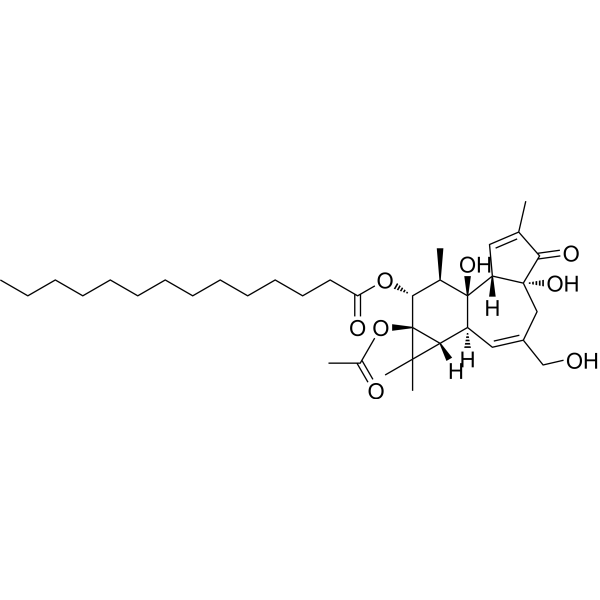
HY-18739
Phorbol 12-myristate 13-acetate -
HY-P7016A
GM-CSF Protein, Human -
HY-P7077
IL-2 Protein, Mouse -
HY-P701093
IL-4 Protein, Mouse (HEK293) -
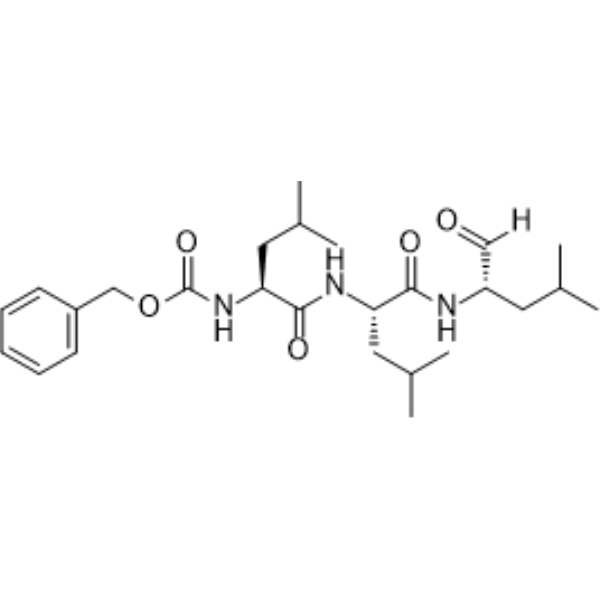
HY-13259
MG-132 -
HY-K0202
Protein A/G Magnetic Beads


Biological Activity
Description
GM-CSF Protein is a hematopoietic growth factor and immunomodulator. By binding to specific receptors on the surface of target cells, GM-CSF Protein activates intracellular signaling pathways to regulate cell proliferation, differentiation, maturation, and function. GM-CSF Protein plays an important role in the hematopoietic process and the immune system. GM-CSF Protein, Mouse is a recombinant GM-CSF Protein expressed by E. coli without a tag[1][2][3][4].
Background
GM-CSF is a cytokine secreted by various cells (such as T cells, monocytes, endothelial cells, etc.), playing an important role in the immune system and hematopoietic process. GM-CSF can stimulate the proliferation and differentiation of precursor cells of granulocytes (such as neutrophils and eosinophils) and macrophages in the bone marrow, promoting the production of mature blood cells. GM-CSF can also activate mature granulocytes and macrophages, enhancing their phagocytic ability, bactericidal activity, and antigen-presenting function, and participating in innate and adaptive immune responses. In addition, GM-CSF also has pro-inflammatory activity[1][2][3][4].
In Vitro
GM-CSF Protein (Mouse; 25 ng/mL; 30 min-24 h) enhances glycolytic capacity in mouse bone marrow-derived macrophages, upregulates the expression of glucose transporters GLUT-1, -3, and -4, and induces the transcription and protein expression of c-Myc[5].
In Vivo
GM-CSF Protein (Mouse; 2-4 ng; aerosol inhalation; 4-5 weeks) improves pulmonary alveolar proteinosis in GM-CSF-deficient mice[6].
Verified Bioactivity
1.The ED50 is <5 pg/mL as measured by murine FDC-P1 cells, corresponding to a specific activity of >2 × 10⁷ units/mg.
2.Measured in a cell proliferation assay using THP-1 human erythroleukemic cells. The ED50 for this effect is ≤30 pg/mL, corresponding to a specific activity is ≥3.33×10⁷ units/mg.
3.Mouse GM-CSF R alpha captured on CM5 Chip can bind Mouse GM-CSF with an affinity constant of 1.0-10.0 nM as determined in SPR assay.
MCE Validation Data
-
Purity - SDS-PAGE
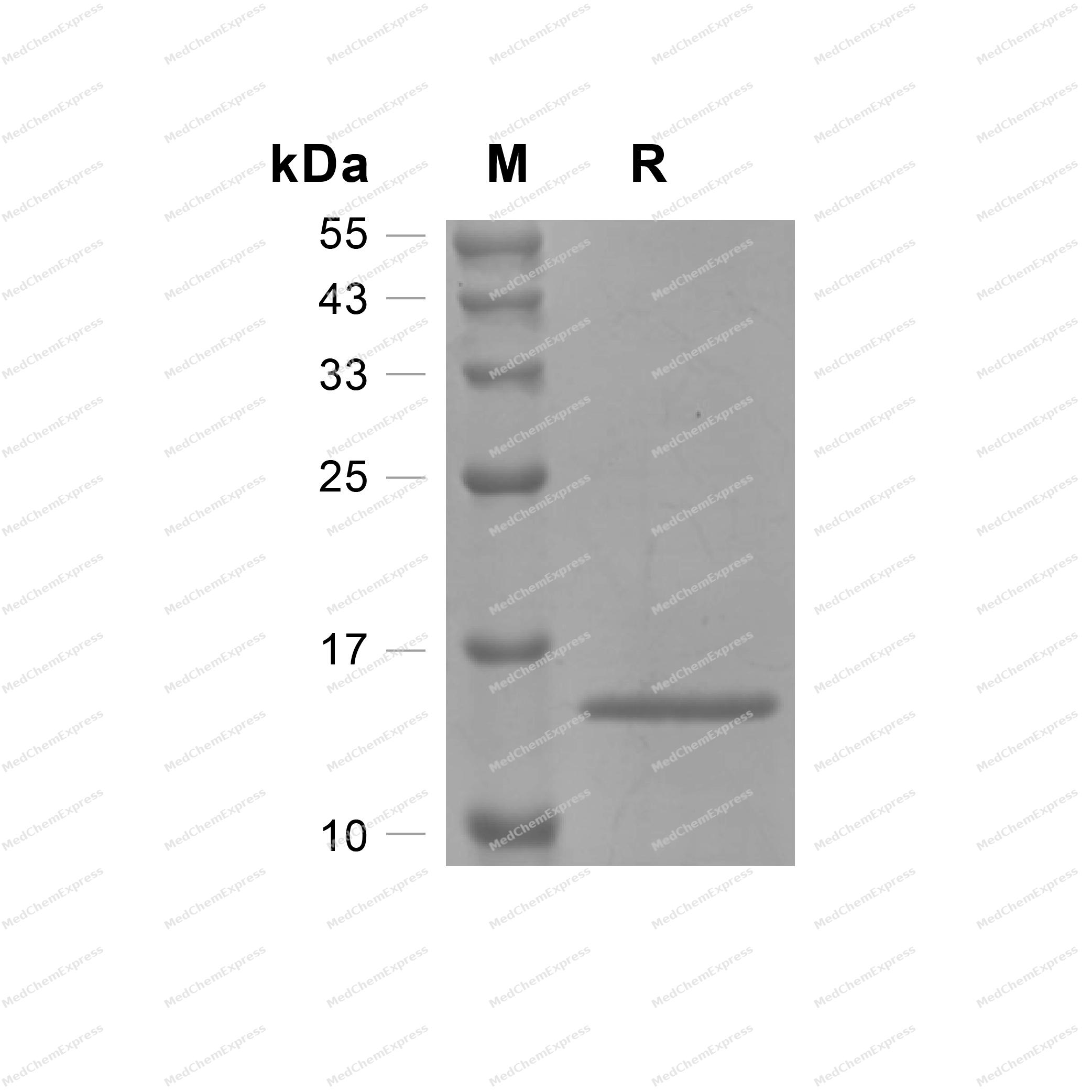
Purity - SDS-PAGE
-
Bioactivity - Cell-Based Assay
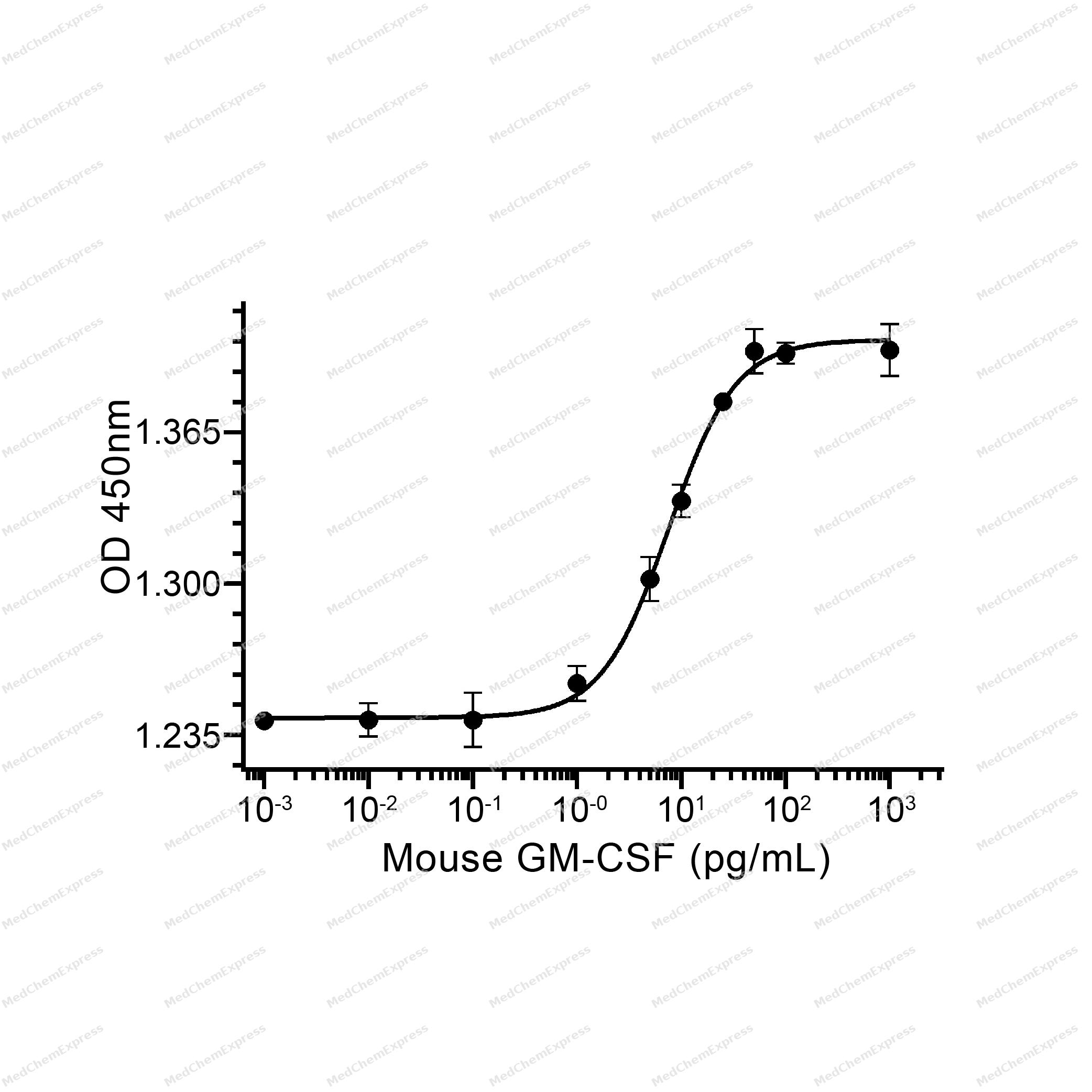
Bioactivity - Cell-Based Assay


Publications (45)
-
Journal Impact Factor
-
Most Recent
-
Science
2026 Feb 26;391(6788):eads4405. PMID: 41747053 -
Imeta
Akkermansia muciniphila-derived hypoacylated rough-type lipopolysaccharides alleviate diet-induced obesity via activation of TLR4-IL-23-IL-22 immune axis. [Abstract]2025 Jul 17;4(5):e70066. PMID: 41112049 -
Adv Mater
Nanoadjuvant-Mediated Electro-Immunotherapy Enhances Irreversible Electroporation for Pancreatic Cancer Treatment. [Abstract]2026 Apr;38(19):e20546. PMID: 41803617 -
-
Nat Cell Biol
Targeting a key disulfide linkage to regulate RIG-I condensation and cytosolic RNA-sensing. [Abstract]2025 Apr 14. PMID: 40229436 -
Nat Commun
Neoantigens combined with in situ cancer vaccination induce personalized immunity and reshape the tumor microenvironment. [Abstract]2025 May 31;16(1):5074. PMID: 40450037 -
ACS Nano
Self-Illuminating Nanoagonist Simultaneously Induces Dual Cell Death Pathways via Death Receptor Clustering for Cancer Therapy. [Abstract]2024 Jul 2;18(26):17119-17134. PMID: 38912613 -
-
J Nanobiotechnology
New insights into allergic rhinitis treatment: MSC nanovesicles targeting dendritic cells. [Abstract]2024 Sep 19;22(1):575. PMID: 39294599 -
Adv Sci (Weinh)
Trackable Tolerogenic Macrophages Integrate PD-L1 and Rapamycin Signaling to Suppress Alloimmune Responses in Transplantation. [Abstract]2026 Apr;13(21):e20420. PMID: 41655212 -
Adv Sci (Weinh)
Programmable Stapling Peptide Based on Sulfonium as Universal Vaccine Adjuvants for Multiple Types of Vaccines. [Abstract]2025 Mar;12(11):e2409567. PMID: 39878394 -
Adv Sci (Weinh)
Pathophysiology-Directed Engineering of a Combination Nanoanalgesic for Neuropathic Pain. [Abstract]2025 Feb;12(8):e2405483. PMID: 39716944 -
Adv Sci (Weinh)
Postbiotics From Lactobacillus Johnsonii Activates Gut Innate Immunity to Mitigate Alcohol-Associated Liver Disease. [Abstract]2025 Jan;12(2):e2405781. PMID: 39574408 -
Cell Rep Med
HE4 drives PD-L1 expression in myeloid cells via IFN-γR-JAK-STAT3 signaling to promote tumor immune evasion. [Abstract]2026 Apr 21;7(4):102691. PMID: 41861828 -
-
J Control Release
"Cytokine-microfactories" recruit DCs and deliver tumor antigens via gap junctions for immunotherapy. [Abstract]2021 Sep 10:337:417-430. PMID: 34324896 -
Cell Death Dis
ATM inhibition enhance immunotherapy by activating STING signaling and augmenting MHC Class I. [Abstract]2024 Jul 20;15(7):519. PMID: 39033176 -
Small
Tolerogenic Nanovaccine Synergizing Citrullinated Peptide and TSP-1 Plasmid for Antigen-Specific Immunotherapy of Rheumatoid Arthritis. [Abstract]2026 Jul;22(37):e73817. PMID: 42143696 -
Phytomedicine
Platycodon D promotes immunogenic cell death in lung cancer cells by targeting NFS1 to induce PANoptosis. [Abstract]2026 Apr 26:156:158249. PMID: 42068882 -
Adv Healthc Mater
Salmonella Bacteria Membrane-Fusion Paclitaxel Loaded Liposomes for Enhanced Therapy of Intraperitoneal Metastatic Ovarian Cancer. [Abstract]2026 Apr;15(15):e05868. PMID: 41612733 -
Mater Today Bio
Phosphorus-32 microspheres: A dual-modality transarterial radioembolization approach for hepatocellular carcinoma therapy and Anti-PD1 immunotherapy potentiation. [Abstract]2025 Aug 16:34:102210. PMID: 40893370 -
Adv Healthc Mater
Copper Peroxide-Ring Stabilized Bicelle Loaded with GSH-Responsive Derivative of Doxorubicin to Induce Amplified Cuproptosis. [Abstract]2025 Jul;14(18):e2500691. PMID: 40424095 -
Acta Biomater
Carrier-free spherical nucleic acids engineered by coordination-competition for programmable release and cancer immunotherapy. [Abstract]2026 Jun:216:333-347. PMID: 41962730 -
Acta Biomater
Omeprazole-mediated nanodelivery of copper for synchronous remodeling of copper influx and efflux in cuproptotic glioblastoma therapy. [Abstract]2025 Dec 2:S1742-7061(25)00897-9. PMID: 41344596 -
JACS Au
2024 Sep 20;4(10):3988-3999. PMID: 39483232 -
ACS Appl Mater Interfaces
Ex Vivo High-Dose Ionizing Irradiation-Conditioned Nanovesicles for Enhancing the Immune Effects of Tumor Radiotherapy. [Abstract]2025 Aug 20;17(33):46705-46719. PMID: 40773763 -
ACS Appl Mater Interfaces
Exaggerated Lung Inflammation Induced by Lung-Targeted mRNA-LNP Dampens Vaccines against Tuberculosis. [Abstract]2025 May 28;17(21):30625-30636. PMID: 40378077 -
ACS Appl Mater Interfaces
Reshaped Local and Systemic Immune Responses Triggered by a Biomimetic Multifunctional Nanoplatform Coordinating Multi-Pathways for Cancer Therapy. [Abstract]2024 Oct 16;16(41):55881-55898. PMID: 39356986 -
Food Funct
Cyanidin-3- O-glucoside promotes late-stage venous thrombus resolution in mice, accompanied by reduced macrophage M1-associated inflammation and attenuated HIF-1α-linked signaling. [Abstract]2026 Mar 23;17(6):2718-2735. PMID: 41734240 -
Inflamm Res
Gngt2 promotes inflammatory dendritic cell programming through an ATG5-NF-κB signaling axis in neutrophilic asthma. [Abstract]2026 Jun 2;75(1):126. PMID: 42228185 -
Cancer Immunol Immunother
A nanotherapeutic system for gastric cancer suppression by synergistic chemotherapy and immunotherapy based on iPSCs and DCs exosomes. [Abstract]2023 Jun;72(6):1673-1683. PMID: 36622422 -
-
Int Immunopharmacol
Cationic stearic acid-chitosan micelles enhance intranasal antigen delivery and mucosal immunity. [Abstract]2026 Feb 1:170:116071. PMID: 41448001 -
-
Hum Vaccin Immunother
The characterization of technical design of a virus-like structure (VLS) nanodelivery system as vaccine candidate against SARS-CoV-2 variants. [Abstract]2025 Dec;21(1):2473183. PMID: 40045463 -
Animals (Basel)
Development of a Mucosal Immune-Enhancing Oral Vaccine Candidate Against Porcine Epidemic Diarrhea Virus Using Lactobacillus paracasei. [Abstract]2026 Feb 3;16(3):471. PMID: 41681452 -
Immunol Lett
Escherichia coli J5-derived OMVs with hypoendotoxic LPS: Potential boosters of T-cell immunity and IL-17 production for enhanced vaccine efficacy. [Abstract]2026 Jan 5:279:107137. PMID: 41500265 -
PLoS One
Xiao Qing Long Tang ameliorates neutrophil extracellular trap-dendritic cells-T helper 17 cell axis in Neutrophilic Asthma. [Abstract]2025 Nov 6;20(11):e0336333. PMID: 41196933 -
-
-
-
-
-
-


Technical Parameters
-
Species Mouse
-
Source E. coli
-
Tag Tag Free
-
Accession
Q14AD9 (A18-K141)
-
Molecular Construction
-
N-term
-
GM-CSF (A18-K141)
Accession # Q14AD9 -
C-term
-
-
Protein Length
Full Length of Mature Protein
-
Synonyms
CSF2; Molgramostim; Colony Stimulating Factor 2; Molgramostin; GMCSF; CSF; Sargramostim; Granulocyte-Macrophage Colony Stimulating Factor; GM-CSF; Granulocyte Macrophage-Colony Stimulating Factor; Colony Stimulating Factor 2 (Granulocyte-Macrophage); Colo
-
AA Sequence
APTRSPITVTRPWKHVEAIKEALNLLDDMPVTLNEEVEVVSNEFSFKKLTCVQTRLKIFEQGLRGNFTKLKGALNMTASYYQTYCPPTPETDCETQVTTYADFIDSLKTFLTDIPFECKKPVQK
-
Predicted Molecular Mass
14.2 kDa
-
Molecular Weight
Approximately 14-15 kDa, based on SDS-PAGE under reducing conditions, due to the glycosylation.
-
Purity
≥ 95%, as determined by reducing SDS-PAGE.


Product Properties
Lyophilized powder
1.Lyophilized from a 0.22 μm filtered solution of 50 mM Tris-HCl, 300 mM NaCl, 200 mM arginine, pH 8.0.
2.Lyophilized from a 0.22 μm filtered solution of PBS, pH 7.4, 8% trehalose.
Please refer to the lot-specific COA for specific buffer information.
Note: For SPR assay, please replace the buffer. Primary amine components (e.g., Tris, imidazole) can affect protein-coupled chips.
<0.2 EU/μg, determined by LAL method.
It is not recommended to reconstitute to a concentration less than 100 μg/mL in ddH2O. For long term storage it is recommended to add a carrier protein (0.1% BSA, 5% HSA, 10% FBS or 5% Trehalose).
Stored at -20°C for 2 years from date of receipt. After reconstitution, it is stable at 4°C for 1 week or -20°C for longer (with carrier protein). It is recommended to freeze aliquots at -20°C or -80°C for extended storage.
Room temperature in continental US; may vary elsewhere.


Documentation
-
Data Sheet (264 KB)
-
SDS (254 KB)
- English - EN (254 KB)
- Français - FR (254 KB)
- Deutsch - DE (254 KB)
- Norwegian - NO (254 KB)
- Español - ES (254 KB)
- Swedish - SV (254 KB)
- Italian - IT (254 KB)
- Korean - KR (254 KB)
- Portuguese - PT (254 KB)
-
Handling Instructions (2659 KB)


References
[1]. Shi Y, et al. Granulocyte-macrophage colony-stimulating factor (GM-CSF) and T-cell responses: what we do and don't know. Cell Res. 2006 Feb;16(2):126-33. [Content Brief]
[2]. Gasson JC, et al. Human granulocyte-macrophage colony-stimulating factor (GM-CSF): regulation of expression. Prog Clin Biol Res. 1990;338:27-41. [Content Brief]
[3]. Gomez-Cambronero J, et al. Granulocyte-macrophage colony-stimulating factor is a chemoattractant cytokine for human neutrophils: involvement of the ribosomal p70 S6 kinase signaling pathway. J Immunol. 2003 Dec 15;171(12):6846-55. [Content Brief]
[4]. Shiomi A, et al. GM-CSF as a therapeutic target in autoimmune diseases. Inflamm Regen. 2016 Jul 5;36:8. [Content Brief]
[5]. Na YR, et al. GM-CSF Induces Inflammatory Macrophages by Regulating Glycolysis and Lipid Metabolism. J Immunol. 2016 Nov 15;197(10):4101-4109. doi: 10.4049/jimmunol.1600745IF: 3.6 Q2 . Epub 2016 Oct 14. Erratum in: J Immunol. 2017 Apr 1;198(7):3000. [Content Brief]

Calculators
Concentration (start) × Volume (start) = Concentration (final) × Volume (final)


 Powered by Bioz

