



5-Iodotubercidin
Based on 13 publication(s) in Google Scholar
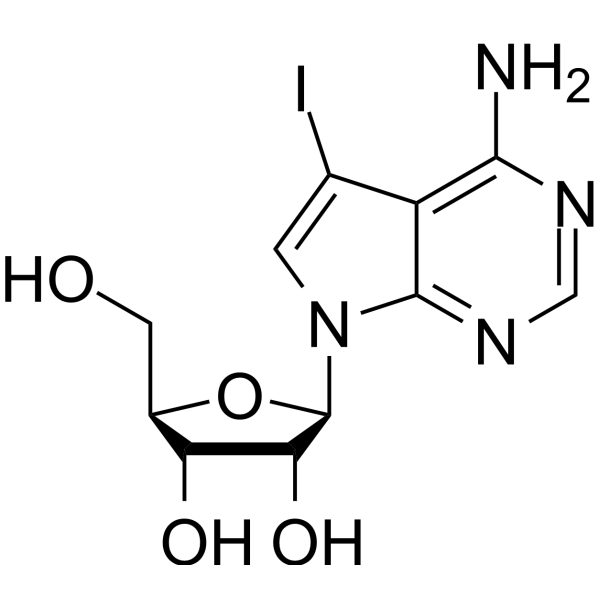
5-Iodotubercidin (NSC 113939), an ATP mimetic, is a potent adenosine kinase inhibitor with an IC50 of 26 nM. 5-Iodotubercidin (NSC 113939) initiates glycogen synthesis in isolated hepatocytes by causing inactivation of phosphorylase and activation of glycogen synthase. 5-Iodotubercidin (NSC 113939) also inhibits CK1, insulin receptor tyrosine kinase, phosphorylase kinase, PKA, CK2, PKC and Haspin.
For research use only. We do not sell to patients.
- Purity : 99.95%
- CAS No.: 24386-93-4
- Formula: C11H13IN4O4
- Molecular Weight:392.15
-
Storage:Powder -20°C, 3 years , 4°C, 2 years ; In solvent -80°C, 1 year , -20°C, 6 months

To place orders, for customer services and technical support, please contact: MedChemExpress USA
Tel: 609-228-6898 E-mail: [email protected] [email protected]


-
 Biological Activity
-
Chemical Information
-
Solvent & Solubility
- Protocols
- Purity & Documentation
- References
-
 Help & FAQs


-
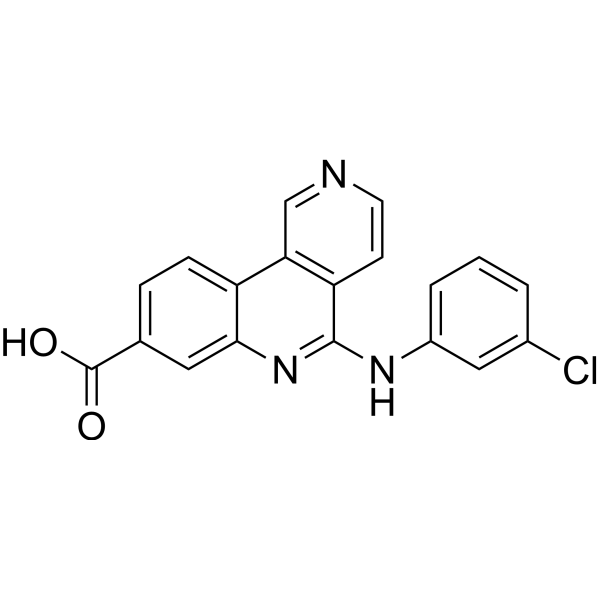
HY-50855
SilmitasertibCasein Kinase 2 Inhibitor -
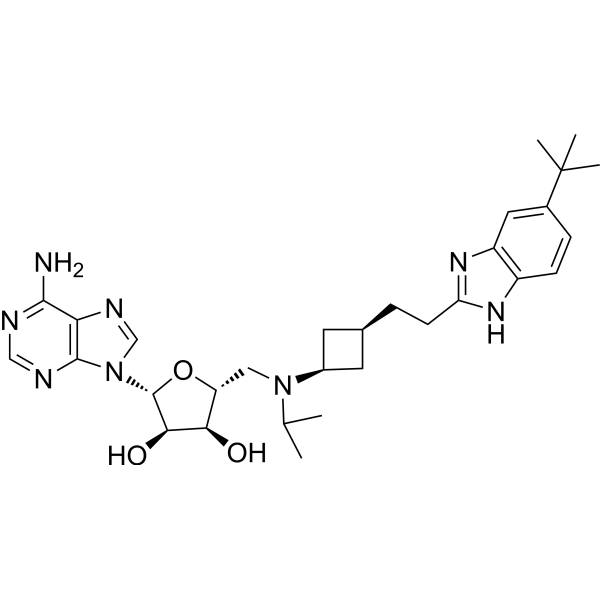
HY-15593
PinometostatDOT1L Inhibitor -
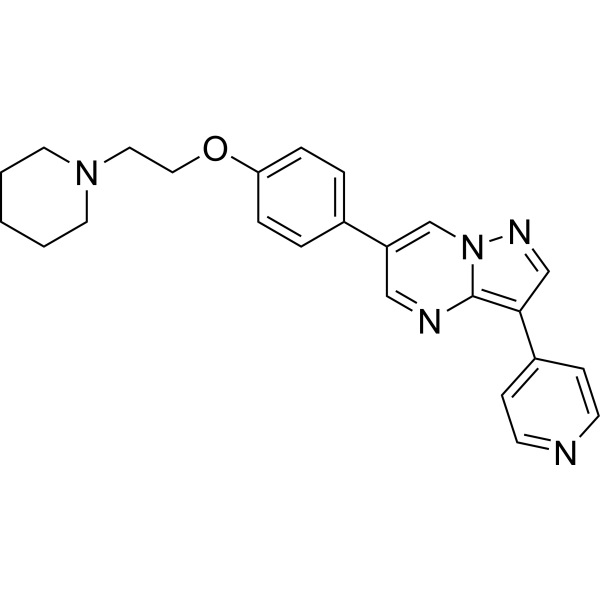
HY-13418A
DorsomorphinAMPK Inhibitor -
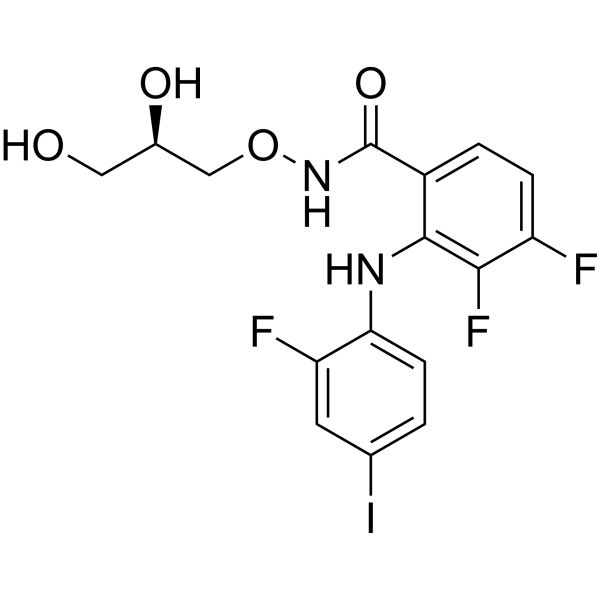
HY-10254
MirdametinibMEK Inhibitor -
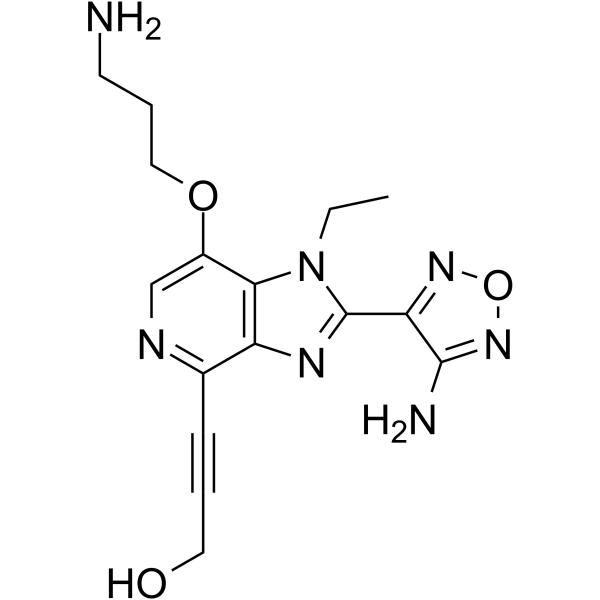
HY-10249A
AKT Kinase InhibitorAkt Inhibitor -
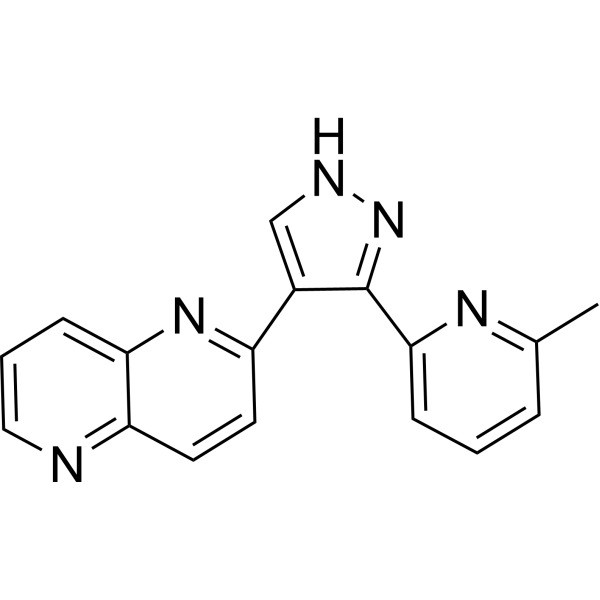
HY-13012
RepSoxTGFβR-1/ALK5 Inhibitor -
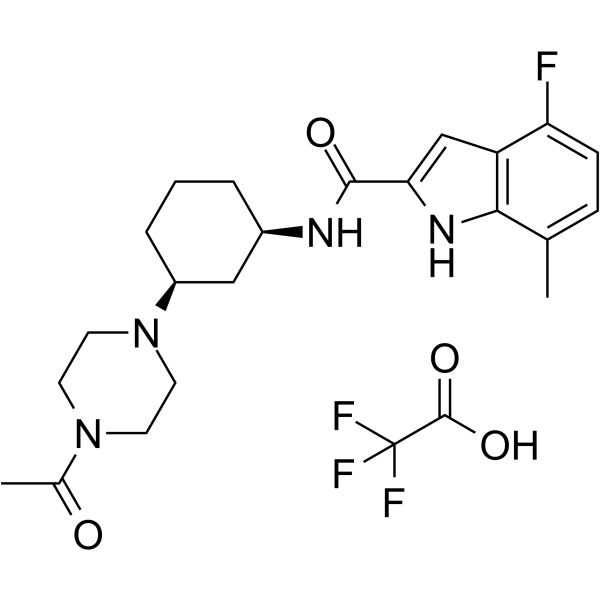
HY-136328
EZM0414 TFASETD2 Inhibitor -
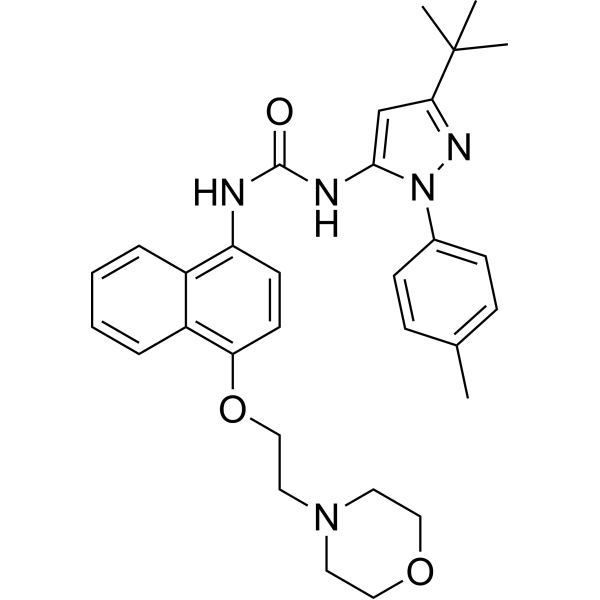
HY-10320
Doramapimodp38 MAPK Inhibitor -
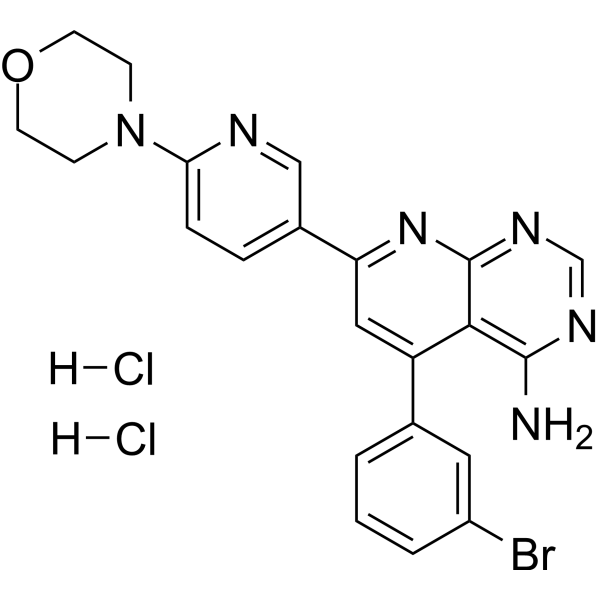
HY-103161
ABT-702 dihydrochlorideAdenosine Kinase Inhibitor -
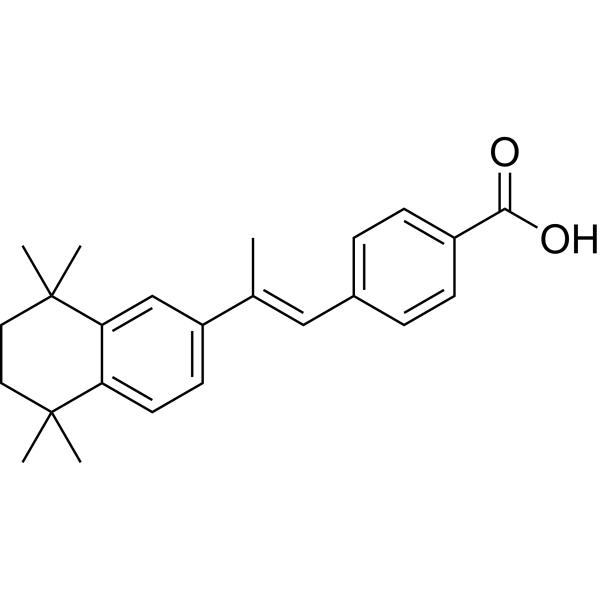
HY-15682
TTNPBApoptosis Inducer -
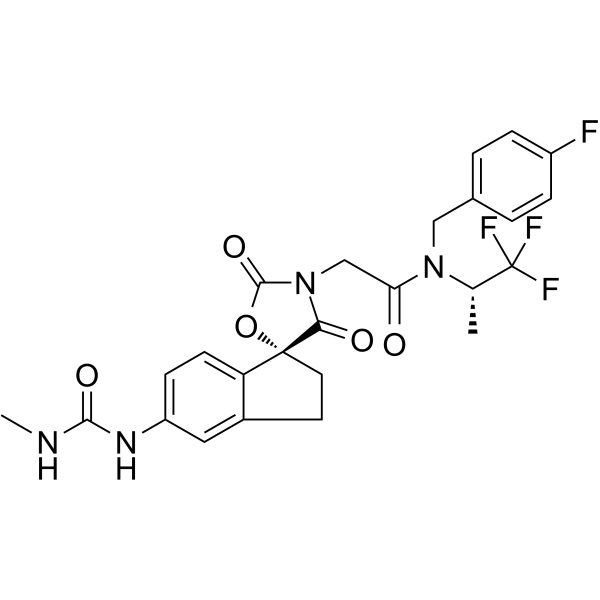
HY-107455
A-485p300/CBP Inhibitor -
HY-15826
SGC-CBP30CBP/p300 Inhibitor
Publications Citing Use of MedChemExpress (MCE) 5-Iodotubercidin
More- Cell. 2026 Jun 11;189(12):3541-3552.e18. [Abstract]
- Cell Stem Cell. 2023 Apr 6;30(4):450-459.e9. [Abstract]
- Cancer Res. 2025 Feb 17;85(4):692-703. [Abstract]
- Sci Transl Med. 2020 May 6;12(542):eaba0769. [Abstract]
- J Exp Med. 2026 Jan 5;223(1):e20250603. [Abstract]
- Cell Death Discov. 2023 Jul 26;9(1):262. [Abstract]
- Cell Rep. 2023 May 23;42(6):112547. [Abstract]
- Transl Psychiatry. 2026 Apr 1;16(1):275. [Abstract]
- Emerg Microbes Infect. 2025 Dec;14(1):2529889. [Abstract]
- Sci Rep. 2017 Feb 21:7:42885. [Abstract]
- Front Mol Neurosci. 2016 Jun 3:9:42. [Abstract]
- Acta Crystallogr F Struct Biol Commun. 2019 Jul 1;75(Pt 7):515-519. [Abstract]
- Research Square Preprint. 2023 May 26.
 Customer Validation & Images

-
Cell Proliferation/Viability Assay
-
WB
-
Cell Imaging/Staining
-
Cell Proliferation/Viability Assay
-
Bio/Physico-chemical Assay


Biological Activity
Description
IC50 & Target
IC50: 26 nM (adenosine kinase)
Cellular Effect
|
Cell Line

|
Type | Value | Description | References |
|---|---|---|---|---|
| HFF | IC50 |
2 μM
Compound: 1s
|
Cytotoxicity against uninfected human foreskin fibroblast(HFF cells)
Cytotoxicity against uninfected human foreskin fibroblast(HFF cells)
|
[PMID: 2846837] |
| KB | IC50 |
2.1 μM
Compound: 1s
|
Cytotoxicity against human neoplastic cell line(KB cells)
Cytotoxicity against human neoplastic cell line(KB cells)
|
[PMID: 2846837] |
| Pancreatic beta cell | EC50 |
0.31 μM
Compound: 5-IT
|
Induction of cell proliferation in human beta cells
Induction of cell proliferation in human beta cells
|
[PMID: 32077280] |
| Pancreatic beta cell | EC50 |
0.46 μM
Compound: 5-IT
|
Induction of cell proliferation in rat beta cells
Induction of cell proliferation in rat beta cells
|
[PMID: 32077280] |
In Vitro
5-Iodotubercidin (NSC 113939) inhibits CK1, insulin receptor tyrosine kinase, phosphorylase kinase, PKA, CK2 and PKC, and the IC50 values are 0.4, 3.5, 5-10, 5-10, 10.9 and 27.7 μM respectively[1].
5-Iodotubercidin (20 μM) causes an important decrease in ATP concentration, and a concomitant smaller increase in AMP concentration. 5-Iodotubercidin decreases the activity of ACC and the rates of synthesis of fatty acids and cholesterol. In line with the iodotubercidin-mediated inhibition of ACC, 5-iodotubercidin induces a marked decrease in the intracellular concentration of malonyl-CoA[4].
MedChemExpress (MCE) has not independently confirmed the accuracy of these methods. They are for reference only.
In Vivo
MedChemExpress (MCE) has not independently confirmed the accuracy of these methods. They are for reference only.


Chemical Information
-
CAS No. 24386-93-4
-
Appearance Solid
-
Molecular Weight 392.15
-
Formula C11H13IN4O4
-
Color White to gray
-
SMILES
NC1=C2C(N([C@@H]3O[C@H](CO)[C@@H](O)[C@H]3O)C=C2I)=NC=N1
-
Synonyms
NSC 113939; 5-ITu
-
Shipping
Room temperature in continental US; may vary elsewhere.
-
Storage
Powder -20°C 3 years 4°C 2 years In solvent -80°C 1 year -20°C 6 months


Publications (13)
-
Journal Impact Factor
-
Most Recent
-
Cell
2026 Jun 11;189(12):3541-3552.e18. PMID: 41999746 -
Cell Stem Cell
Highly efficient and rapid generation of human pluripotent stem cells by chemical reprogramming. [Abstract]2023 Apr 6;30(4):450-459.e9. PMID: 36944335 -
Cancer Res
Adenosine Uptake through the Nucleoside Transporter ENT1 Suppresses Antitumor Immunity and T-cell Pyrimidine Synthesis. [Abstract]2025 Feb 17;85(4):692-703. PMID: 39652568
5-Iodotubercidin purchased from MedChemExpress. Usage Cited in: Cancer Res. 2025 Feb 17;85(4):692-703. [Abstract]
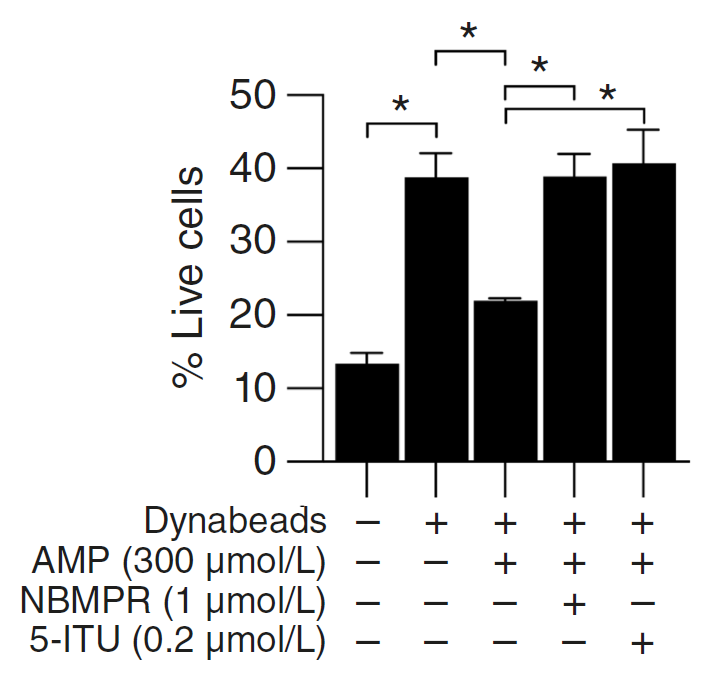
T cells from healthy donor's peripheral blood mononuclear cells were activated in the presence of AMP (300 μM) with or without 5-Iodotubercidin (5-ITU) (0.2 μM; 3 d). 5-Iodotubercidin (5-ITU) inhibited ADK and restored T cells' activation exposed to exogenous AMP.
-
Sci Transl Med
2020 May 6;12(542):eaba0769. PMID: 32376767
5-Iodotubercidin purchased from MedChemExpress. Usage Cited in: Sci Transl Med. 2020 May 6;12(542):eaba0769. [Abstract]
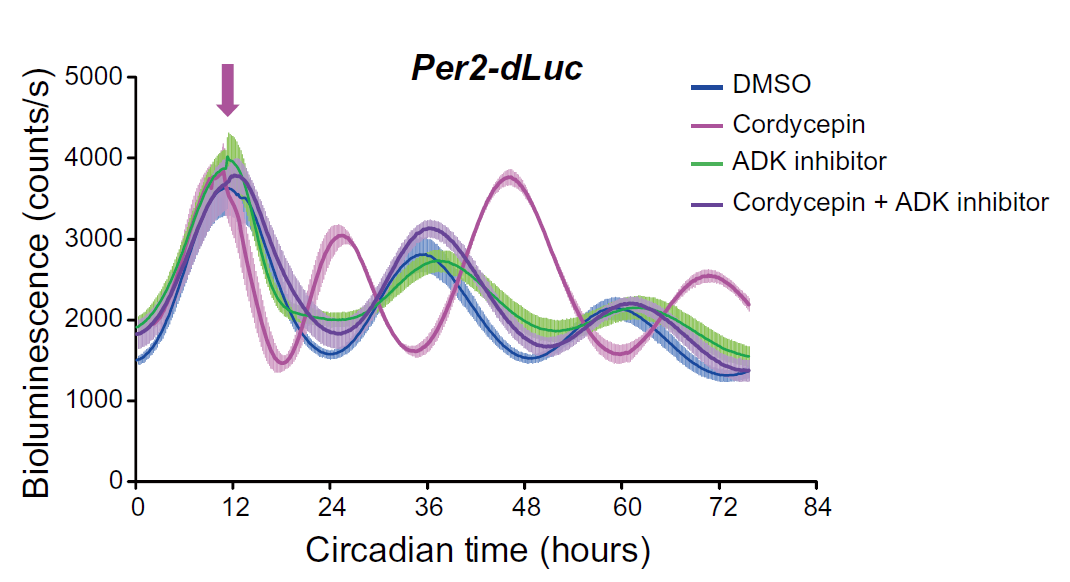
Effect of 5-Iodotubercidina (10 μM),an denosine kinase inhibitor, on cordycepin (25 μM)–induced phase shift. 5-Iodotubercidina was coincubated with cordycepin and eliminated the phase shift effect in Per2-dLuc U2OS cells.
-
J Exp Med
Adenosine metabolic clearance maintains liver homeostasis by licensing arginine methylation of RIPK1. [Abstract]2026 Jan 5;223(1):e20250603. PMID: 41081715
5-Iodotubercidin purchased from MedChemExpress. Usage Cited in: J Exp Med. 2026 Jan 5;223(1):e20250603. [Abstract]
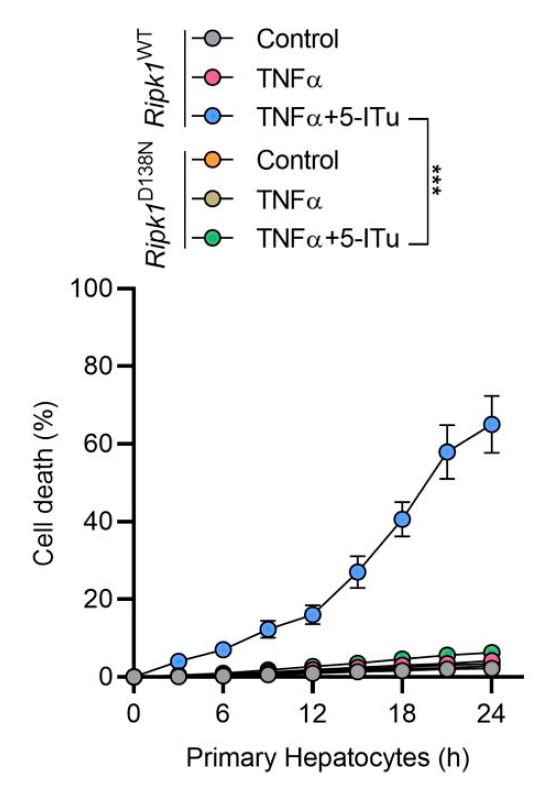
Primary hepatocytes from Ripk1WT/WT or Ripk1D138N/D138N mice were treated with TNFα (10 ng/mL) for the indicated time in the presence or absence of 5-Iodotubercidin (5-ITu) (20 μM). 5-Iodotubercidin (5-ITu), an ADK inhibitor, promoted RIPK1 kinase–driven TNFα-induced apoptosis.
5-Iodotubercidin purchased from MedChemExpress. Usage Cited in: J Exp Med. 2026 Jan 5;223(1):e20250603. [Abstract]
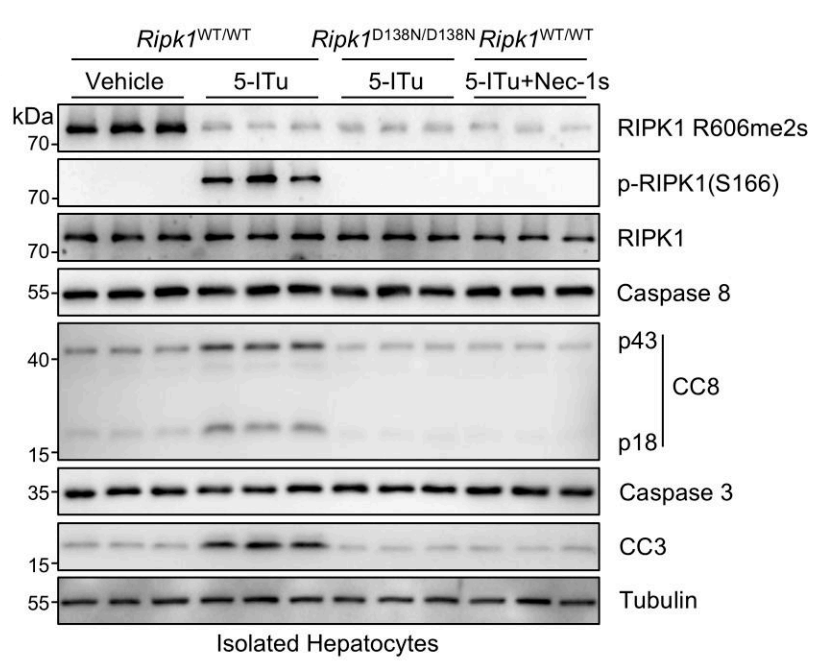
The levels of p-RIPK1(S166), CC8, CC3, and ADK in hepatocytes isolated from the livers were determined by immunoblotting. 5-Iodotubercidin (5-ITu) (100 mg/kg; i.p.; once daily) administration decreased hepatic RIPK1 R606me2s levels and promoted RIPK1 kinase activation of 8-wk-old Ripk1WT/WT mice.
5-Iodotubercidin purchased from MedChemExpress. Usage Cited in: J Exp Med. 2026 Jan 5;223(1):e20250603. [Abstract]
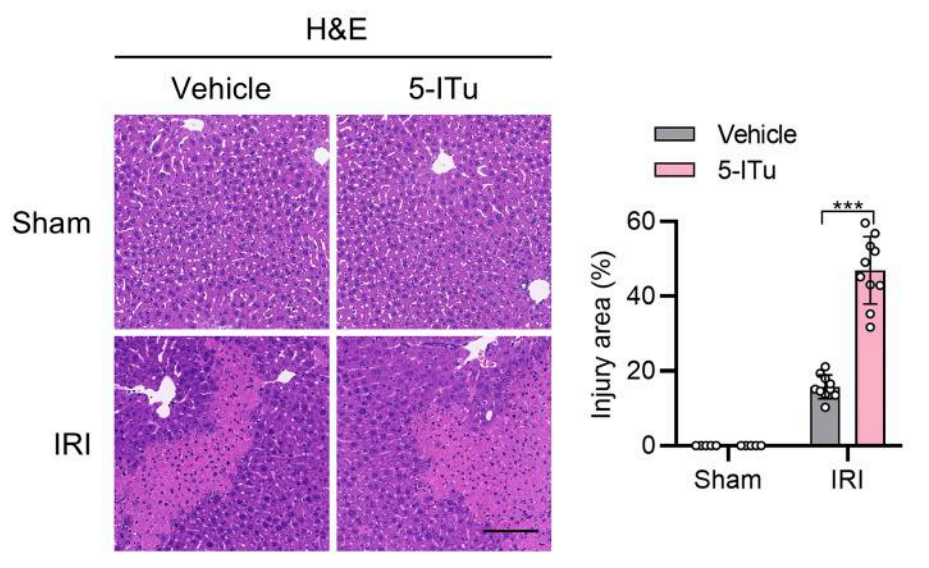
Vehicle or 5-Iodotubercidin (5-ITu) (20 mg/kg; i.p.) was injected to WT mice at the age of 8 wk. 1 h after the injection, the mice underwent 1-h ischemia/6-h reperfusion operation. 5-Iodotubercidin (5-ITu) blocked ADK activity and exacerbated IRI.
-
Cell Death Discov
5-Iodotubercidin sensitizes cells to RIPK1-dependent necroptosis by interfering with NFκB signaling. [Abstract]2023 Jul 26;9(1):262. PMID: 37495567 -
Cell Rep
2023 May 23;42(6):112547. PMID: 37224020 -
Transl Psychiatry
Non-gene-edited neural stem cells reverse neuroinflammation and microbiota dysbiosis in a sprague-dawley rat model of autism spectrum disorder. [Abstract]2026 Apr 1;16(1):275. PMID: 41922322 -
Emerg Microbes Infect
Chlorinated biscoumarins inhibit chikungunya virus replication in cell-based and animal models. [Abstract]2025 Dec;14(1):2529889. PMID: 40608982 -
Sci Rep
2017 Feb 21:7:42885. PMID: 28220892 -
Front Mol Neurosci
Adenosine Kinase Inhibition Protects against Cranial Radiation-Induced Cognitive Dysfunction. [Abstract]2016 Jun 3:9:42. PMID: 27375429 -
Acta Crystallogr F Struct Biol Commun
A promiscuous kinase inhibitor delineates the conspicuous structural features of protein kinase CK2a1. [Abstract]2019 Jul 1;75(Pt 7):515-519. PMID: 31282872 -


Solvent & Solubility
In Vitro:
DMSO : 25 mg/mL (63.75 mM; Need ultrasonic; Hygroscopic DMSO has a significant impact on the solubility of product, please use newly opened DMSO)
Please refer to the solubility information to select the appropriate solvent. Once prepared, please aliquot and store the solution to prevent product inactivation from repeated freeze-thaw cycles.
Storage method and period of stock solution: -80°C, 1 year; -20°C, 6 months. When stored at -80°C, please use it within 1 year. When stored at -20°C, please use it within 6 months.
Please refer to the solubility information to select the appropriate solvent. Once prepared, please aliquot and store the solution to prevent product inactivation from repeated freeze-thaw cycles.
Storage method and period of stock solution: -80°C, 1 year; -20°C, 6 months. When stored at -80°C, please use it within 1 year. When stored at -20°C, please use it within 6 months.
Concentration (start) × Volume (start) = Concentration (final) × Volume (final)
In Vivo:
Select the appropriate dissolution method based on your experimental animal and administration route.
- For the following dissolution methods, please ensure to first prepare a clear stock solution using an In Vitro approach and then sequentially add co-solvents:
- To ensure reliable experimental results, the clarified stock solution can be appropriately stored based on storage conditions. As for the working solution for In Vivo experiments, it is recommended to prepare freshly and use it on the same day.
- The percentages shown for the solvents indicate their volumetric ratio in the final prepared solution. If precipitation or phase separation occurs during preparation, heat and/or sonication can be used to aid dissolution.
Add each solvent one by one: 10% DMSO 40% PEG300 5% Tween-80 45% Saline
Solubility: ≥ 2.5 mg/mL (6.38 mM); Clear solution
This protocol yields a clear solution of ≥ 2.5 mg/mL (saturation unknown).
Taking 1 mL working solution as an example, add 100 μL DMSO stock solution (25.0 mg/mL) to 400 μL PEG300, and mix evenly; then add 50 μL Tween-80 and mix evenly; then add 450 μL Saline to adjust the volume to 1 mL.
Preparation of Saline: Dissolve 0.9 g sodium chloride in ddH₂O and dilute to 100 mL to obtain a clear Saline solution.
Add each solvent one by one: 10% DMSO 90% (20% SBE-β-CD in Saline)
Solubility: ≥ 2.5 mg/mL (6.38 mM); Clear solution
This protocol yields a clear solution of ≥ 2.5 mg/mL (saturation unknown).
Taking 1 mL working solution as an example, add 100 μL DMSO stock solution (25.0 mg/mL) to 900 μL 20% SBE-β-CD in Saline, and mix evenly.
Preparation of 20% SBE-β-CD in Saline (4°C, storage for one week): 2 g SBE-β-CD powder is dissolved in 10 mL Saline, completely dissolve until clear.
Add each solvent one by one: 1% DMSO 99% Saline
Solubility: ≥ 0.5 mg/mL (1.28 mM); Clear solution
In Vivo Dissolution Calculator
Please enter the basic information of animal experiments:
-
-
-
-
Recommended: Prepare an additional quantity of animals to account for potential losses during experiments.
Please enter your animal formula composition:
-
%DMSO +
Recommended: Keep the proportion of DMSO in working solution below 2% if your animal is weak.
-
%+
-
+%Tween-80 + +
-
%Saline +
The co-solvents required include: DMSO, . All of co-solvents are available by MedChemExpress (MCE). , Tween 80. All of co-solvents are available by MedChemExpress (MCE).
Working solution concentration: 0.22 mg/mL
Method for preparing stock solution: mg drug dissolved in μL DMSO. Stock solution concentration: mg/mL.
1. Take μL DMSO stock solution;
2. Add μL .
μL , mix evenly;
3. Then add μL Tween 80, mix evenly;
4. Then add μL
Please ensure that the stock solution in the first step is dissolved to a clear state, and add co-solvents in sequence. You can use ultrasonic heating (ultrasonic cleaner, recommended frequency 20-40 kHz), vortexing, etc. to assist dissolution.


Purity & Documentation
-
Data Sheet (297 KB)
-
SDS (396 KB)
- English - EN (396 KB)
- Français - FR (396 KB)
- Deutsch - DE (396 KB)
- Norwegian - NO (396 KB)
- Español - ES (396 KB)
- Swedish - SV (396 KB)
- Italian - IT (396 KB)
- Korean - KR (396 KB)
- Portuguese - PT (396 KB)
-
Handling Instructions (2659 KB)
References
[1]. Massillon D, et al. Identification of the glycogenic compound 5-iodotubercidin as a general protein kinase inhibitor. Biochem J. 1994 Apr 1;299 (Pt 1):123-8. [Content Brief]
[2]. Ugarkar BG, et al. Adenosine kinase inhibitors. 1. Synthesis, enzyme inhibition, and antiseizure activity of 5-iodotubercidin analogues. J Med Chem. 2000 Jul 27;43(15):2883-93. [Content Brief]
[3]. García-Villafranca J, et al. Effects of 5-iodotubercidin on hepatic fatty acid metabolism mediated by the inhibition of acetyl-CoA carboxylase. Biochem Pharmacol. 2002 Jun 1;63(11):1997-2000. [Content Brief]
[4]. De Antoni A, et al. A small-molecule inhibitor of Haspin alters the kinetochore functions of Aurora B. J Cell Biol. 2012 Oct 15;199(2):269-84. [Content Brief]
[5]. Acharya MM, et al. Adenosine Kinase Inhibition Protects against Cranial Radiation-Induced Cognitive Dysfunction. Front Mol Neurosci. 2016 Jun 3;9:42. [Content Brief]


Complete Stock Solution Preparation Table
Please refer to the solubility information to select the appropriate solvent. Once prepared, please aliquot and store the solution to prevent product inactivation from repeated freeze-thaw cycles.
Storage method and period of stock solution: -80°C, 1 year; -20°C, 6 months. When stored at -80°C, please use it within 1 year. When stored at -20°C, please use it within 6 months.
| Optional Solvent | Concentration Solvent Mass | 1 mg | 5 mg | 10 mg | 25 mg |
|---|---|---|---|---|---|
| DMSO | 1 mM | 2.5500 mL | 12.7502 mL | 25.5004 mL | 63.7511 mL |
| 5 mM | 0.5100 mL | 2.5500 mL | 5.1001 mL | 12.7502 mL | |
| 10 mM | 0.2550 mL | 1.2750 mL | 2.5500 mL | 6.3751 mL | |
| 15 mM | 0.1700 mL | 0.8500 mL | 1.7000 mL | 4.2501 mL | |
| 20 mM | 0.1275 mL | 0.6375 mL | 1.2750 mL | 3.1876 mL | |
| 25 mM | 0.1020 mL | 0.5100 mL | 1.0200 mL | 2.5500 mL | |
| 30 mM | 0.0850 mL | 0.4250 mL | 0.8500 mL | 2.1250 mL | |
| 40 mM | 0.0638 mL | 0.3188 mL | 0.6375 mL | 1.5938 mL | |
| 50 mM | 0.0510 mL | 0.2550 mL | 0.5100 mL | 1.2750 mL | |
| 60 mM | 0.0425 mL | 0.2125 mL | 0.4250 mL | 1.0625 mL |


5-Iodotubercidin Related Classifications
HY-15424 Related Classifications
 Powered by Bioz