



Brain Natriuretic Peptide (1-32), rat
Brain Natriuretic Peptide (1-32), rat (BNP (1-32), rat) is a 32 amino acid polypeptide secreted by the ventricles of the heart in response to excessive stretching of heart muscle cells (cardiomyocytes).
For research use only. We do not sell to patients.
- CAS No.: 133448-20-1
- Formula: C146H239N47O44S3
- Molecular Weight:3452.94
-
Storage:
Please store the product under the recommended conditions in the Certificate of Analysis.

To place orders, for customer services and technical support, please contact: MedChemExpress USA
Tel: 609-228-6898 E-mail: [email protected] [email protected]


-
 Biological Activity
-
Chemical Information
-
Solvent & Solubility
- Purity & Documentation
- References
-
 Help & FAQs


-
HY-114161
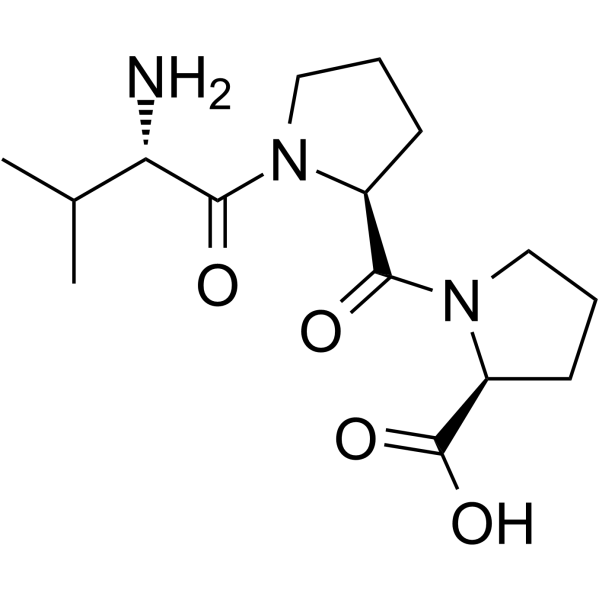
H-Val-Pro-Pro-OH -
HY-P1769
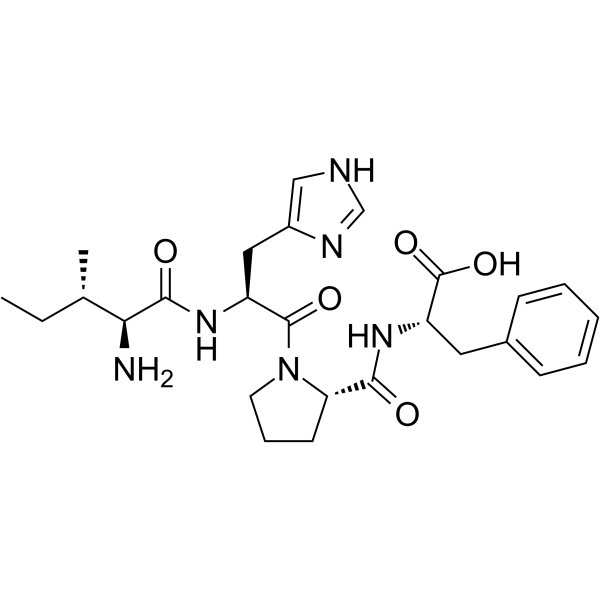
Angiotensin II (5-8), human -
HY-P0080
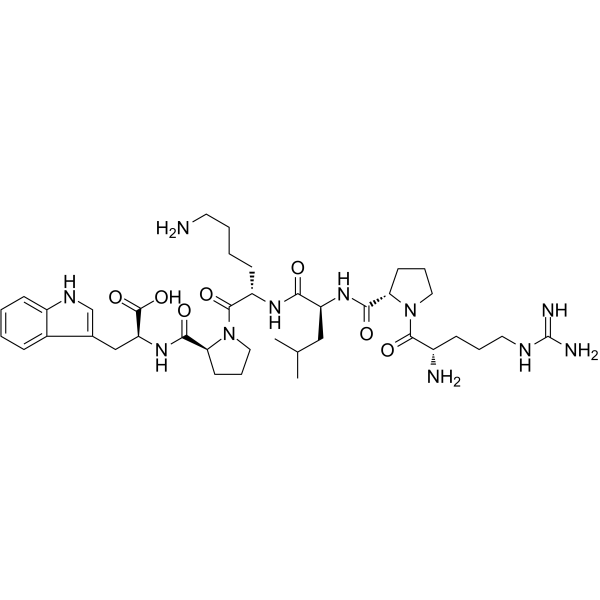
Novokinin -
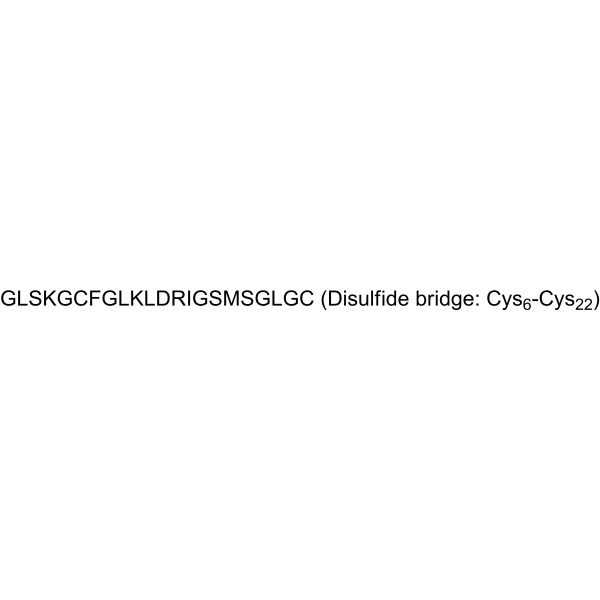
HY-P1237
C-Type Natriuretic Peptide (CNP) (1-22), human -
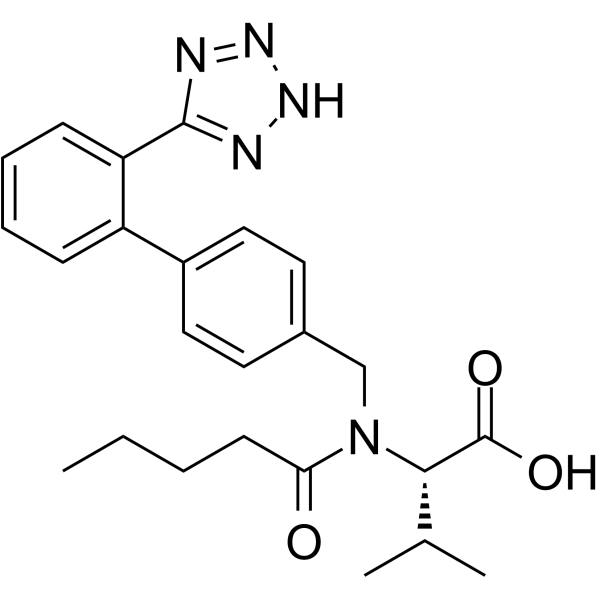
HY-18204
Valsartan -
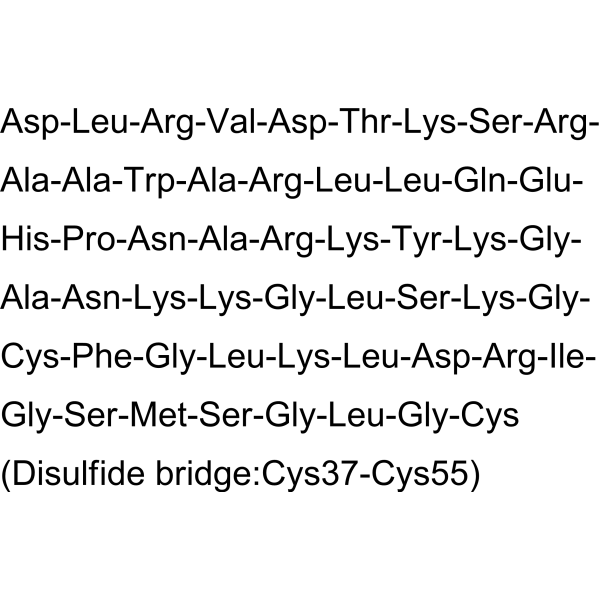
HY-P1815
C-Type Natriuretic Peptide (1-53), human -
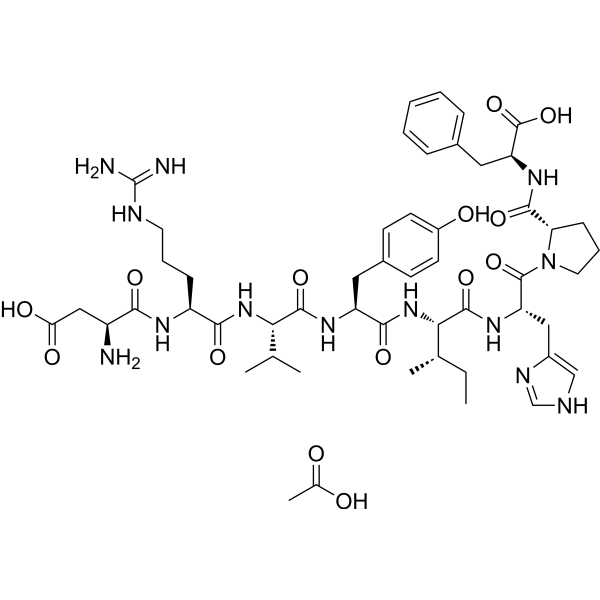
HY-13948A
Angiotensin II human acetate -
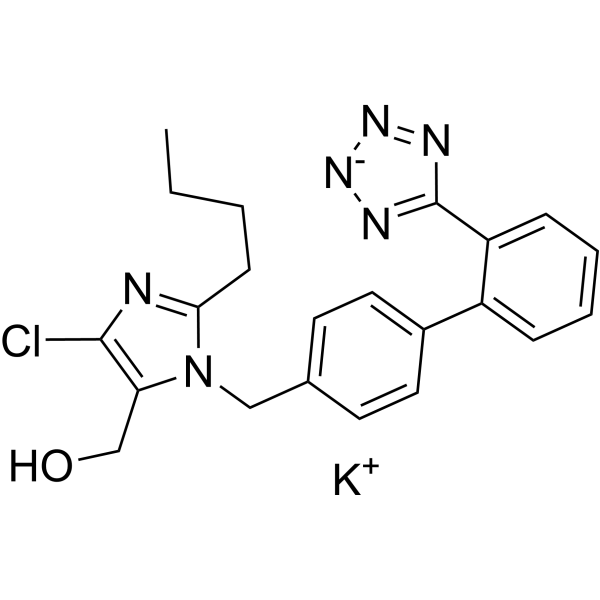
HY-17512A
Losartan potassium -
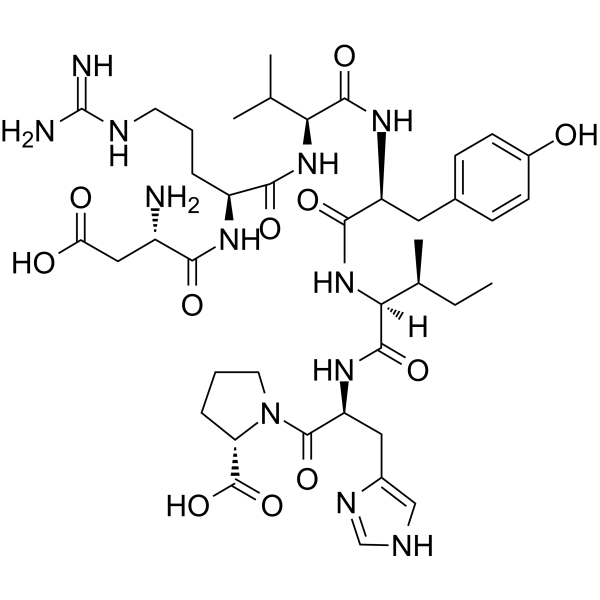
HY-12403
Talfirastide -
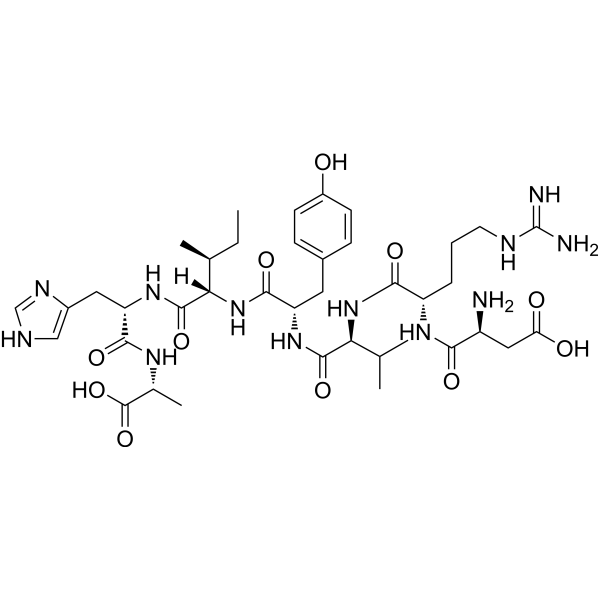
HY-P0216
A 779 -
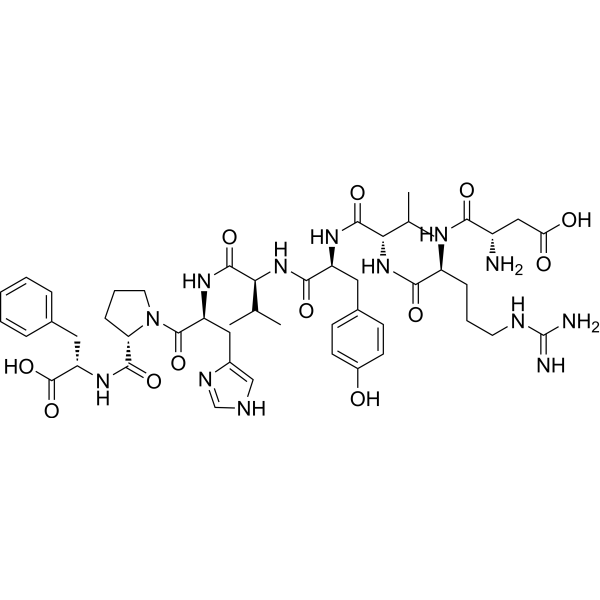
HY-P0108
Angiotensin II 5-valine -
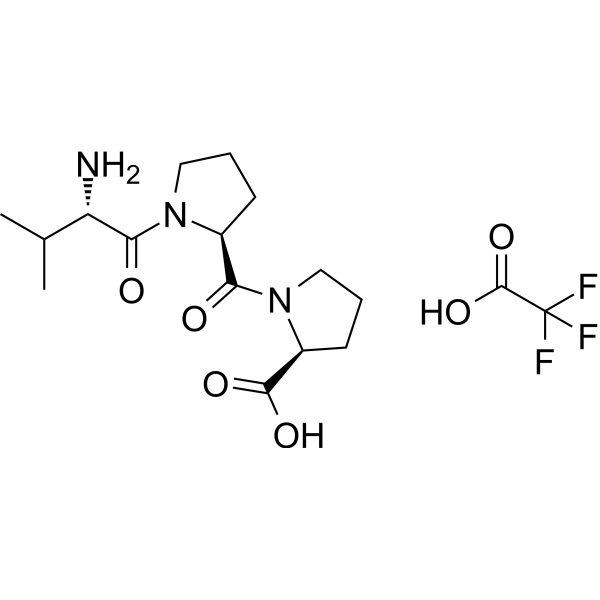
HY-114161A
H-Val-Pro-Pro-OH TFA
All Angiotensin Receptor Isoforms
More

Biological Activity
Description
In Vitro
B-type natriuretic peptide (BNP) combats cardiac stress by reducing blood pressure and ventricular fibrosis. Rat BNP BNP (1-32) (rBNP (1-32)) is an amino-truncated form of the 45 residue natural rat form of BNP[1]. Atrial natriuretic peptide-(1-28) (ANP), brain natriuretic peptide-(1-32) (BNP) and C-Type natriuretic polypeptide (CNP) occur in the brain, are concentrated in the anteroventral area of the third cerebral ventricle and participate in the regulation of body fluid homeostasis. The ANP(1-28), BNP (1-32) and CNP(1-32) function in the mammalian brain to regulate salt and water homeostasis via their receptors NPR-A and NPR-B[2].
MedChemExpress (MCE) has not independently confirmed the accuracy of these methods. They are for reference only.
In Vivo
MedChemExpress (MCE) has not independently confirmed the accuracy of these methods. They are for reference only.


Chemical Information
-
CAS No. 133448-20-1
-
Molecular Weight 3452.94
-
Formula C146H239N47O44S3
-
Synonyms
BNP (1-32), rat
-
Sequence
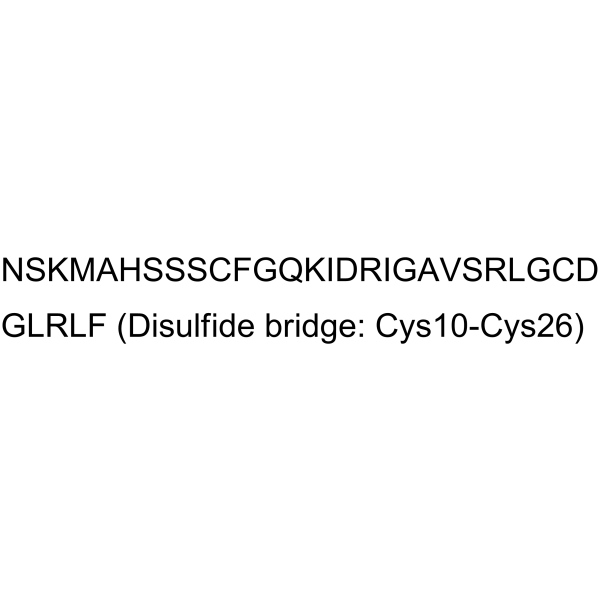
Asn-Ser-Lys-Met-Ala-His-Ser-Ser-Ser-Cys-Phe-Gly-Gln-Lys-Ile-Asp-Arg-Ile-Gly-Ala-Val-Ser-Arg-Leu-Gly-Cys-Asp-Gly-Leu-Arg-Leu-Phe (Disulfide bridge: Cys10-Cys26)
-
Sequence Shortening
NSKMAHSSSCFGQKIDRIGAVSRLGCDGLRLF (Disulfide bridge: Cys10-Cys26)
-
Shipping
Room temperature in continental US; may vary elsewhere.
-
Storage
Please store the product under the recommended conditions in the Certificate of Analysis.


Solvent & Solubility
In Vitro
H2O
Peptide Solubility and Storage Guidelines:
1. Calculate the length of the peptide.
2. Calculate the overall charge of the entire peptide according to the following table:
| Contents | Assign value | |
|---|---|---|
| Acidic amino acid | Asp (D), Glu (E), and the C-terminal -COOH. | -1 |
| Basic amino acid | Arg (R), Lys (K), His (H), and the N-terminal -NH2 | +1 |
| Neutral amino acid | Gly (G), Ala (A), Leu (L), Ile (I), Val (V), Cys (C), Met (M), Thr (T), Ser (S), Phe (F), Tyr (Y), Trp (W), Pro (P), Asn (N), Gln (Q) | 0 |
3. Recommended solution:
| Overall charge of peptide | Details |
|---|---|
| Negative (<0) |
1. Try to dissolve the peptide in water first. 2. If water fails, add NH4OH (<50 μL). 3. If the peptide still does not dissolve, add DMSO (50-100 μL) to solubilize the peptide. |
| Positive (>0) |
1. Try to dissolve the peptide in water first. 2. If water fails, try dissolving the peptide in a 10%-30% acetic acid solution. 3. If the peptide still does not dissolve, try dissolving the peptide in a small amount of DMSO. |
| Zero (=0) |
1. Try to dissolve the peptide in organic solvent (acetonitrile, methanol, etc.) first. 2. For very hydrophobic peptides, try dissolving the peptide in a small amount of DMSO, and then dilute the solution with water to the desired concentration. |


Purity & Documentation
References
[1]. Dickey DM, et al. Human B-type natriuretic peptide is not degraded by meprin A. Biochem Pharmacol. 2010 Oct 1;80(7):1007-11. [Content Brief]
[2]. Wellard J, et al. Natriuretic peptides, but not nitric oxide donors, elevate levels of cytosolic guanosine 3',5'-cyclic monophosphate in ependymal cells ex vivo. Neurosci Lett. 2006 Jan 16;392(3):187-92. [Content Brief]
[3]. Seymour AA, et al. Potentiation of brain natriuretic peptides by SQ 28,603, an inhibitor of neutral endopeptidase3.4.24.11, in monkeys and rats. J Pharmacol Exp Ther. 1992 Jul;262(1):60-70. [Content Brief]

Calculators
Concentration (start) × Volume (start) = Concentration (final) × Volume (final)


Brain Natriuretic Peptide (1-32), rat Related Classifications
HY-P1519 Related Classifications
 Powered by Bioz