



Araceae Extract
-
- Acorus gramineus Soland. (10)
- Acorus calamus L. (8)
- Acorus tatarinowii Schott (7)
- Homalomena occulta (Lour.) Schott (5)
- Alocasia cucullata (Lour.) Schott (4)
- Homalomena aromatica Gagnep. (4)
- Sauromatum giganteum (Engler) Cusimano & Hetterscheid (4)
- Pinellia pedatisecta Schott (3)
- Pinellia ternata (Thunb.) Breit. (3)
- Amorphophallus (2)
- Rhaphidophora decursiva (Roxb.) Schott (2)
- Spirodela polyrhiza (L.) Schleid. (2)
- Amorphophallus paeoniifolius (Dennst.) Nicolson (1)
- Arisaema franchetianum Engl. (1)
- Pothos chinensis (Raf.) Merr. (1)
- Scindapsus officinalis (Roxb.) Schott (1)
- Zantedeschia aethiopica (Linn.) Spreng. (1)
-
Araceae Extract (59)

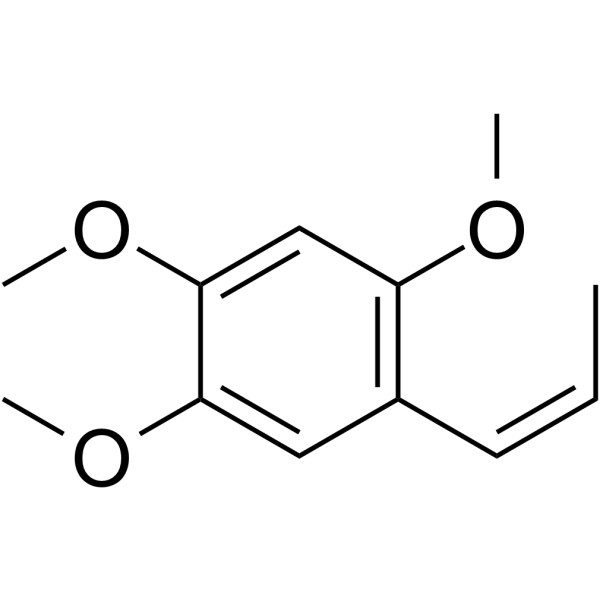
- Formule: C12H16O3
- Masse moléculaire: 208.25
Beta-asarone is an orally active and BBB-penetrable anti-inflammatory agent and neuroprotective agent, which is the major ingredient of Acorus tatarinowii Schott. Beta-asarone can protect nerve cells from apoptosis and autophagy, inhibit expression of α-synuclein, as well as myocardial protection. Beta-asarone can be used in the study of neurological and cardiovascular diseases.
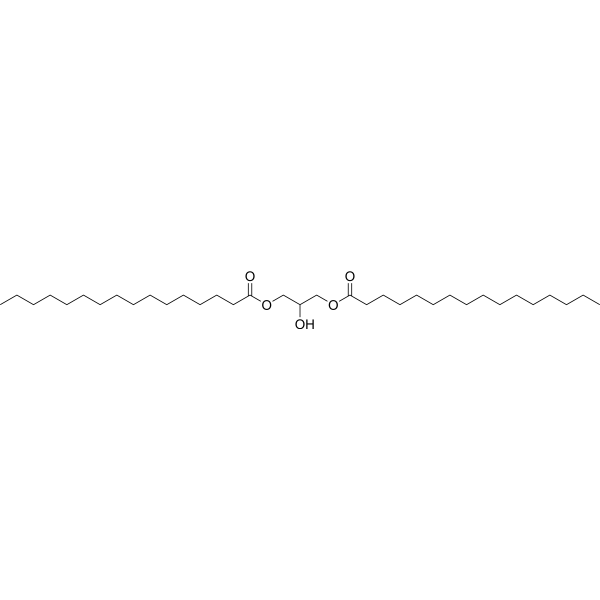
- Formule: C35H68O5
- Masse moléculaire: 568.91
1,3-Dipalmitin (1,3-Dipalmitoylglycerol) is a diacylglycerol compound that can be found in the tuberous roots of Typhonium giganteum Engl. 1,3-Dipalmitin acts as an adsorption inhibitor for 1,3-diglycerides and β-carotene.
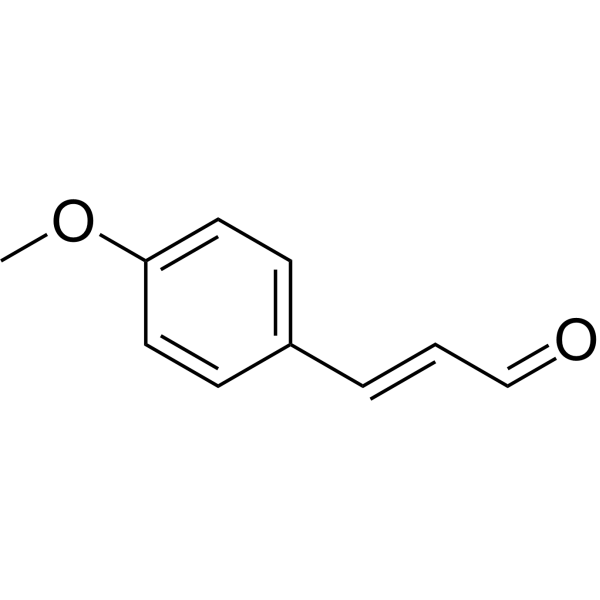
- Formule: C10H10O2
- Masse moléculaire: 162.19
4-Methoxycinnamaldehyde (p-Methoxycinnamaldehyde), an active constituent of Agastache rugosa, exhibits cytoprotective activity against respiratory syncytial virus (RSV) in human larynx carcinoma cell line. 4-Methoxycinnamaldehyde effectively inhibits cytopathic effect of RSV with an estimated IC50 of 0.055 μg/mL.

Amylopectin is a branched glucan polymer and one of the two principal components of starch, found in botanical sources including corn, amaranth, and potato.


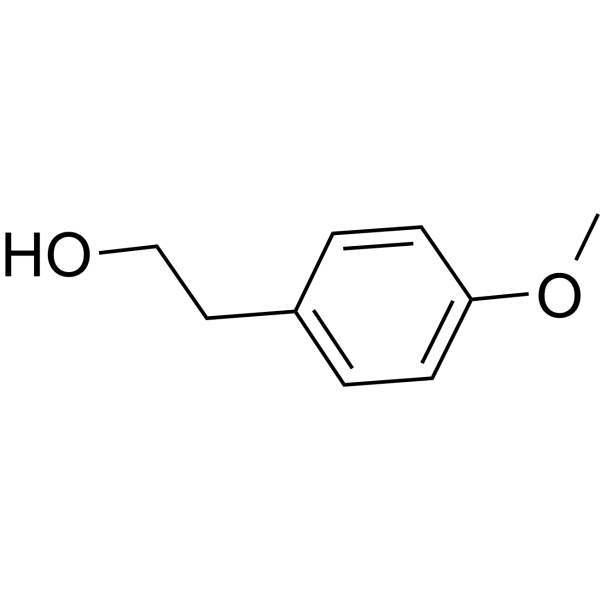
- Formule: C9H12O2
- Masse moléculaire: 152.19
4-Methoxyphenethyl alcohol, an aromatic alcohol, is the major component in the anise-like odour produced by Amorphophallus. 4-Methoxyphenethyl alcohol can inhibits the protein, RNA and DNA synthesis in Escherichia coli.
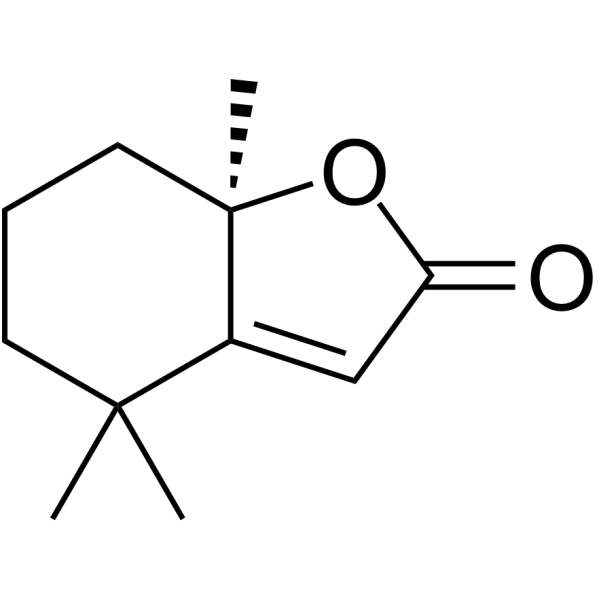
- Formule: C11H16O2
- Masse moléculaire: 180.24
Dihydroactinidiolide, existing in plant leaves and fruits, is a potent plant growth inhibitor, a regulator of gene expression and is responsible for photo acclimation in Arabidopsis. Dihydroactinidiolide has antioxidant activity, antibacterial activity, anticancer activity and neuroprotective effect. Dihydroactinidiolide is also an inhibitor of AChE (IC50=34.03 nM) and has scavenging activities for DPPH and (.NO). Dihydroactinidiolide is present in plant leaves and fruits and is a potent plant growth inhibitor, regulator of gene expression, and responsible for light adaptation in Arabidopsis.
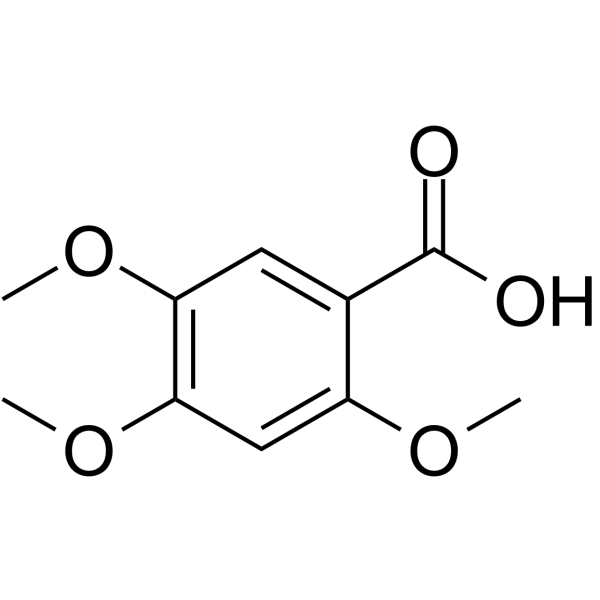
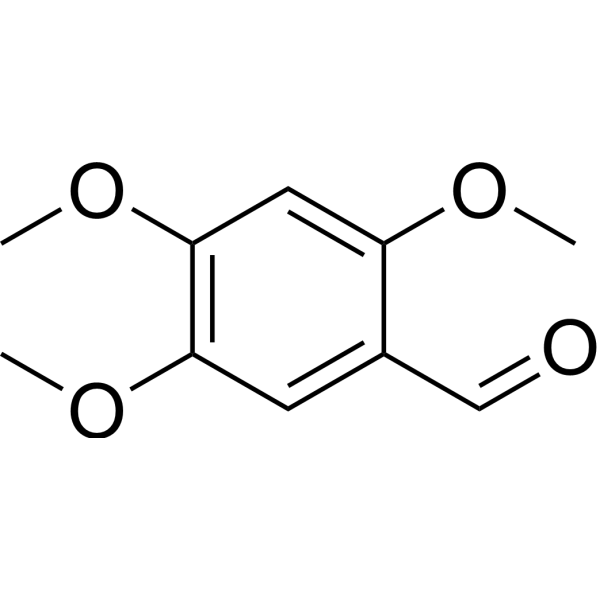
- Formule: C10H12O5
- Masse moléculaire: 212.20
2,4,5-Trimethoxybenzoic acid (Asaronic acid) is a compound identified in purple perilla extracts. 2,4,5-Trimethoxybenzoic acid inhibits LPS (HY-D1056)-induced inflammatory responses, inhibits the activation of NF-κB and STAT signaling pathways. 2,4,5-Trimethoxybenzoic acid inhibits M1 macrophage phenotype-mediated inflammation in diabetes.

- Formule: C12H16O3
- Masse moléculaire: 208.25
Beta-asarone (Standard) is the analytical standard of Beta-asarone. This product is intended for research and analytical applications. Beta-asarone is an orally active and BBB-penetrable anti-inflammatory agent and neuroprotective agent, which is the major ingredient of Acorus tatarinowii Schott. Beta-asarone can protect nerve cells from apoptosis and autophagy, inhibit expression of α-synuclein, as well as myocardial protection. Beta-asarone can be used in the study of neurological and cardiovascular diseases.
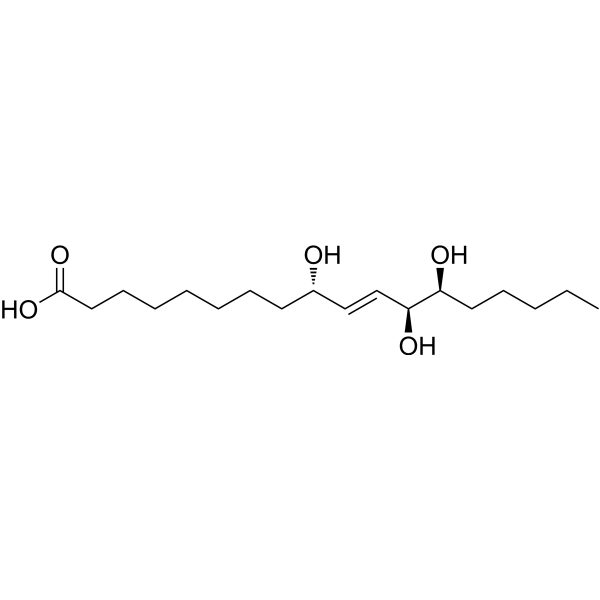
- Formule: C18H34O5
- Masse moléculaire: 330.46
Pinellic acid is an orally active adjuvant for intranasal influenza vaccines. Pinellic acid can be extracted from the tubers of Pinellia ternata Breitenbach. When administered intranasally in combination with influenza HA vaccine, Pinellic acid slightly increases the titers of antiviral IgG antibodies in bronchoalveolar lavage fluid and serum. Pinellic acid shows no hemolytic activity. Pinellic acid can be used in studies related to influenza virus infection.
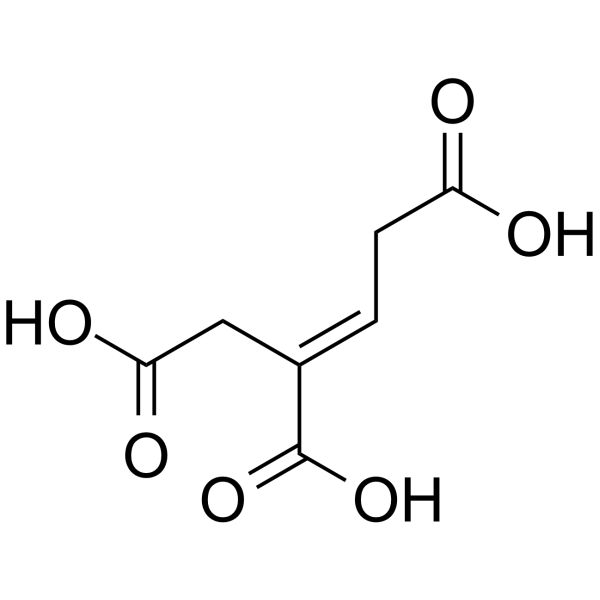
- Formule: C7H8O6
- Masse moléculaire: 188.13
Triglochinic acid is a monomeric compound isolated from tubers of Pinellia pedatisecta Schott.

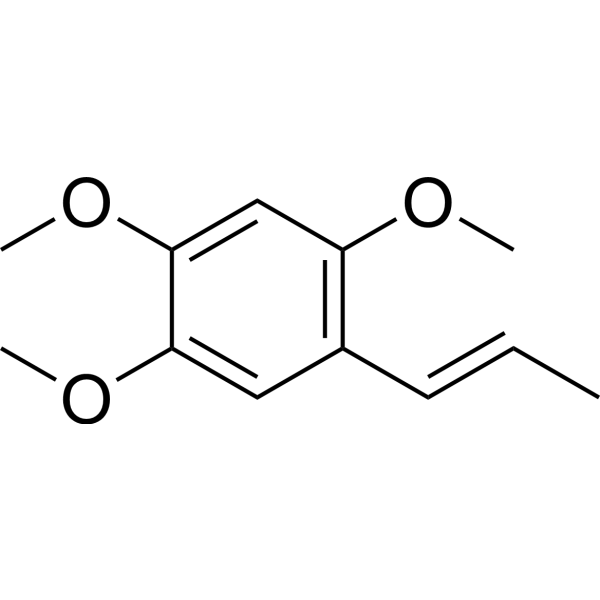
- Formule: C₁₂H₁₆O₃
- Masse moléculaire: 208.25
alpha-Asarone (Standard) is the analytical standard of alpha-Asarone. This product is intended for research and analytical applications. alpha-Asarone (α-Asarone) is one of the main psychoactive compounds, and possesses an antidepressant-like activity in mice.


- Formule: C23H30O7
- Masse moléculaire: 418.48
(R,R)-Polysphorin is a neolignan antimalarial agent that is isolated from the dried leaves and stems of Rhaphidophora decursiva. (R,R)-Polysphorin inhibits the growth of chloroquine-sensitive and chloroquine-resistant Plasmodium falciparum clones in vitro by mediating free radical damage to key cellular components via conjugated double bonds. (R,R)-Polysphorin also exhibits cytotoxicity against human oral epidermoid carcinoma cells.

- Formule: C15H17NO4
- Masse moléculaire: 275.30
Scinamine C is a natural alkaloid.



