



Cathepsin K
Cathepsin K (CTSK) is a lysosomal cysteine protease highly expressed by bone-resorbing osteoclasts and shows potent collagenase activity in bone matrix degradation[1]. Mechanistically, CTSK supports osteoclastic resorption because it cleaves collagen I, whereas cathepsins B, S, and L show weaker or non-detected roles in osteoclast bone resorption contexts[2]. Heparan sulfate regulates CTSK by forming stable complexes, inducing dimerization, preserving peptidase activity, and selectively inhibiting collagenase activity without blocking the active site[3]. In osteoarthritis research, CTSK links to cartilage degradation through type II collagen cleavage, with increased serum CTSK in patients and upregulated CTSK in degraded cartilage in animal models[4]. In periodontitis models, CTSK inhibition with odanacatib reduced osteoclasts, macrophages, T cells, Toll-like receptor expression, bone loss, and immune activation[5]. Compared with related isoforms, CTSK has distinctive collagenolytic activity and selectivity challenges because homologous CTSK/S binding sites can cause unselective inhibition[6]. For experimental applications, CTSK inhibitors, heparan sulfate oligosaccharides, and light-activated inhibitors provide tools to study bone resorption, cartilage degradation, and collagen I degradation in 3D tumor spheroids[3][4][7].
References:
- [1]. Guan X, et al. Small-molecule Cathepsin K inhibitors: a medicinal chemistry perspective. Future Med Chem. 2025 Jul;17(14):1757-1770. [Content Brief]
- [2]. Zaidi M, et al. Cathepsin K, osteoclastic resorption, and osteoporosis therapy. J Bone Miner Res. 2001 Oct;16(10):1747-9. [Content Brief]
- [3]. Zhang X, et al. Heparan sulfate selectively inhibits the collagenase activity of cathepsin K. Matrix Biol. 2024 May;129:15-28. [Content Brief]
- [4]. Brizuela L, et al. Cathepsin K Inhibitors as Potential Drugs for the Treatment of Osteoarthritis. Int J Mol Sci. 2025 Mar 22;26(7):2896. [Content Brief]
- [5]. Hao L, et al. Odanacatib, A Cathepsin K-Specific Inhibitor, Inhibits Inflammation and Bone Loss Caused by Periodontal Diseases. J Periodontol. 2015 Aug;86(8):972-83. [Content Brief]
- [6]. Khalili M, et al. Underserved Does Not Mean Undeserved: Unfurling the HCV Care in the Safety Net. Dig Dis Sci. 2018 Dec;63(12):3250-3252. [Content Brief]
- [7]. Herroon MK, et al. Photoactivated inhibition of cathepsin K in a 3D tumor model. Biol Chem. 2016 Jun 1;397(6):571-82. [Content Brief]
-
Cathepsin K Related Products (22)
Related Products (22)

-
Recombinant Proteins (1)
-
Antibodies (1)
- 1
- 2
-
E-64
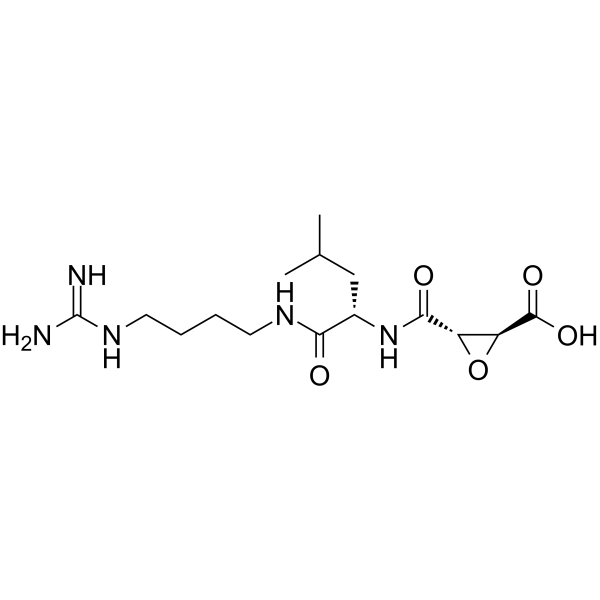 0 ImagesSynonyms: Proteinase inhibitor E 64E-64 (Proteinase inhibitor E 64) is a potent irreversible inhibitor against general cysteine proteases with IC50 of 9 nM for papain.
-
Calpeptin
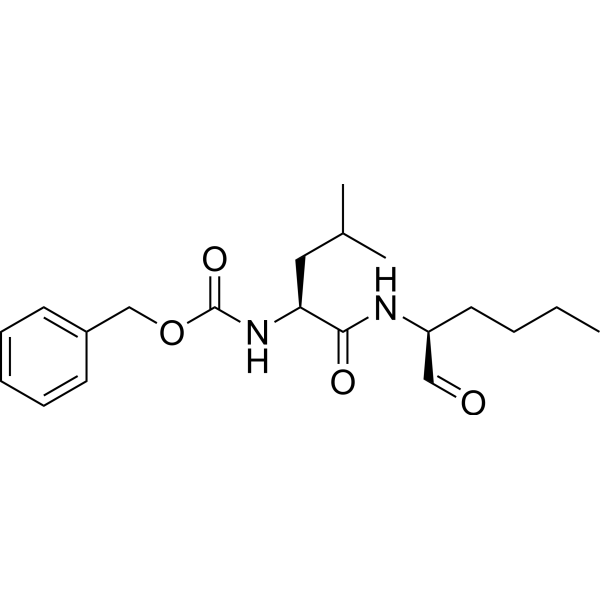 0 ImagesCalpeptin is a potent, cell penetrating calpain inhibitor, with an ID50 of 40 nM for Calpain I in human platelets. Calpeptin is also an inhibitor of cathepsin K.
-
Odanacatib
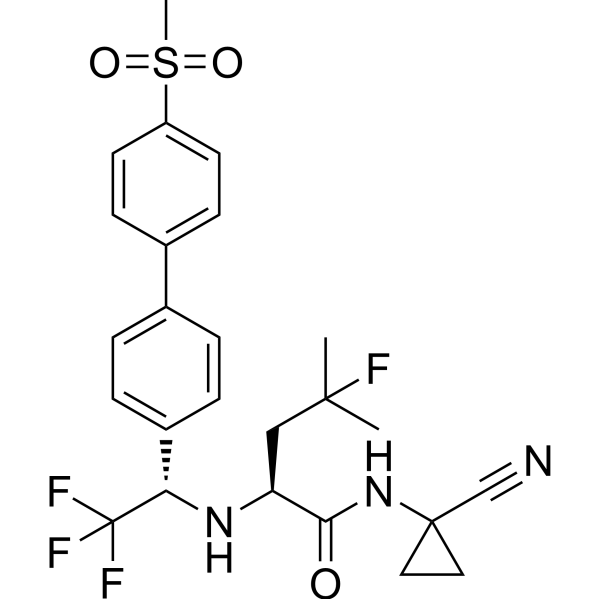 0 ImagesSynonyms: MK-0822Odanacatib (MK-0822) is a potent and selective inhibitor of cathepsin K, with an IC50 of 0.2 nM for human cathepsin K.
-
Hepcidin-1 (mouse) TFA
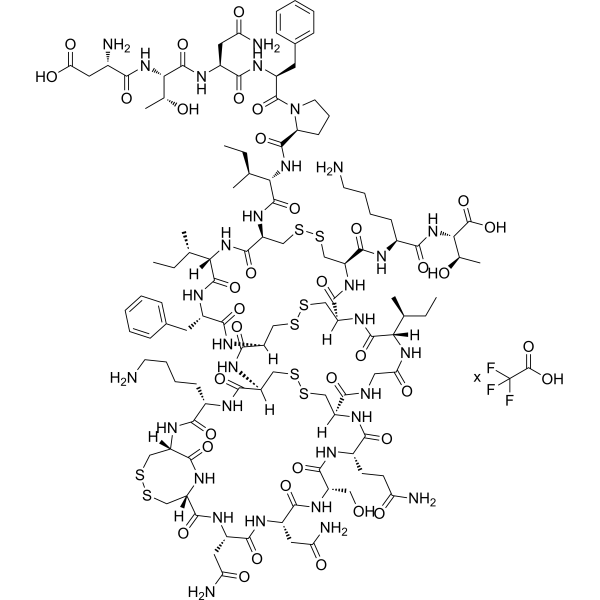 0 ImagesCat. No.: HY-P4373APurity: 98.86%Hepcidin-1 (mouse) TFA is an endogenous peptide hormone involved in the regulation of iron homeostasis. Hepcidin-1 (mouse) TFA upregulates mRNA levels of TRAP, cathepsin K, and MMP-9 and increases TRAP-5b protein secretion. Hepcidin-1 (mouse) TFA downregulates the level of FPN1 protein and increases intracellular iron. Hepcidin-1 (mouse) TFA facilitates osteoclast differentiation.
-
Z-Leu-Arg-AMC
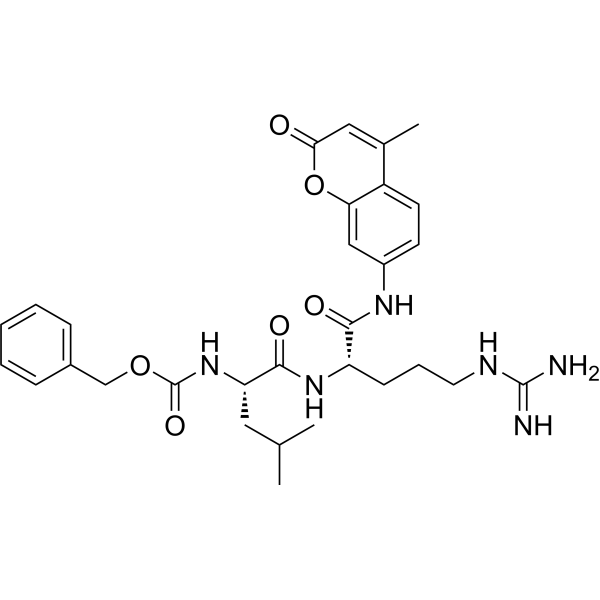 0 ImagesZ-Leu-Arg-AMC is a fluorogenic peptide substrate for cysteine proteases (e.g., Cathepsin) (Ex=350 nm,Em=460 nm). Z-Leu-Arg-AMC is preferentially cleaved by Cathepsin K and S under weakly acidic conditions, while its hydrolysis relies on residual Cathepsin S activity at neutral pH. Z-Leu-Arg-AMC serves as a substrate for recombinant Sphenophorus levis Cathepsin L, falcipain-2, falcipain-3, berghepain-2, knowlepain-2, vivapain-2, as well as falcipain-2 chimeras and constructs. It enables quantitative detection of cysteine protease activity in human inflammatory bronchoalveolar lavage fluid via fluorescence generation. Z-Leu-Arg-AMC can be used in research related to pulmonary inflammatory diseases and malaria.
-
MV061194
 0 ImagesCat. No.: HY-15101CAS No.: 1021423-50-6MV061194 is a selective cathepsin K inhibitor with a human Ki of 2.5 nM. MV061194 can be used for the research of osteoporosis.
-
Balicatib
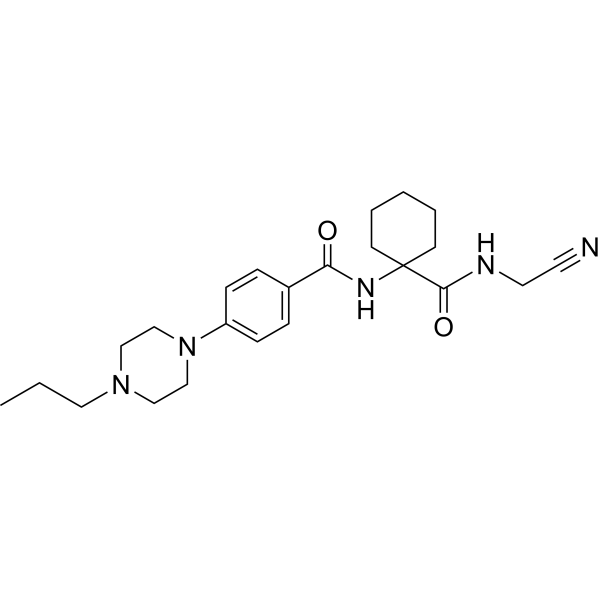 0 ImagesSynonyms: AAE581Balicatib (AAE581) is a potent, orally active and selective cathepsin K inhibitor with IC50 values of 22, 61, 48, 2900 nM for cathepsin K, cathepsin B, cathepsin L, cathepsin S, respectively. Balicatib inhibits bone turnover, decreases bone formation rates. Balicatib has the potential for the research of osteoporosis.
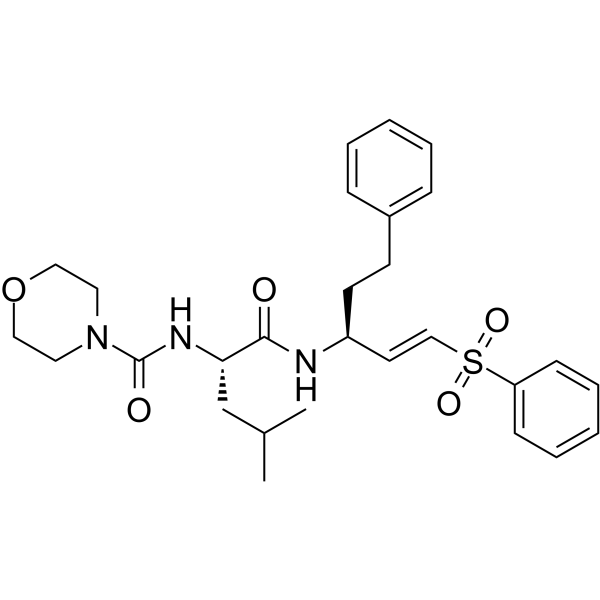
-
Relacatib
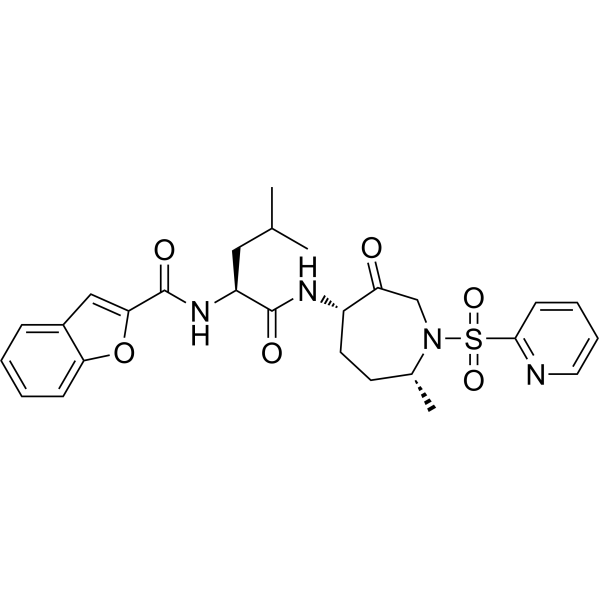 0 ImagesSynonyms: SB-462795Relacatib (SB-462795) is a novel, potent, and orally active inhibitor of human cathepsins K, L, and V with Ki values of 41 pM, 68 pM, and 53 pM, respectively. Relacatib inhibits endogenous cathepsin K in situ in human osteoclasts and human osteoclast-mediated bone resorption with IC50 values of 45 nM and 70 nM, respectively. Relacatib inhibits bone resorption in vitro in human tissue as well as in cynomolgus monkeys in vivo.
-
L-006235
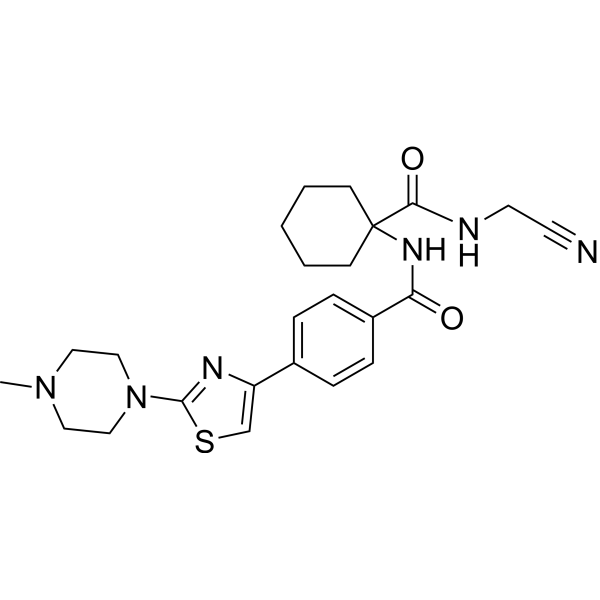 0 ImagesSynonyms: L-235L-006235 (L-235) is a potent, selective, reversible and orally active inhibitor of cathepsin K, with an IC50 of 5 nM in bone resorption assay. L-006235 shows selectivity for cathepsin K (Ki=0.2 nM) over cathepsin B, cathepsin L, and cathepsin S (Ki=1, 6, and 47 μM, respectively). L-006235 can reduce collagen degradation and prevent bone loss.
-
VBY-825
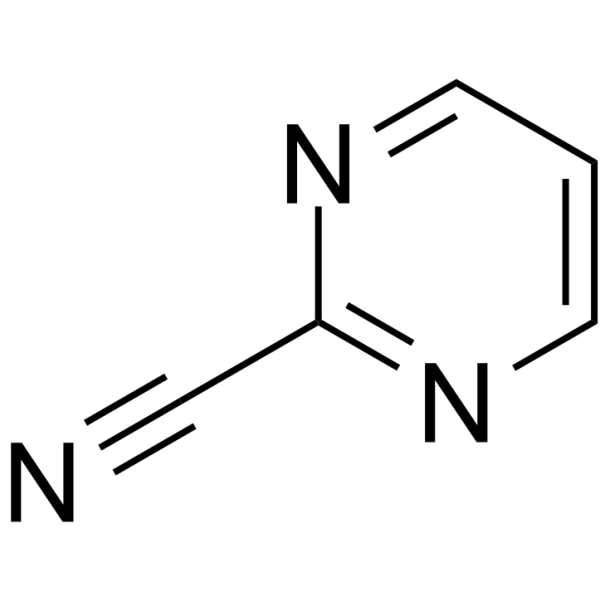
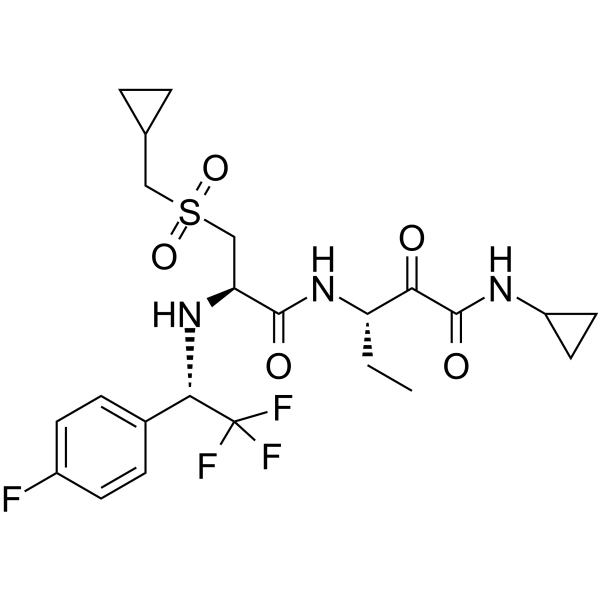 0 ImagesVBY-825 is an orally available novel reversible cathepsin inhibitor that has high inhibitory potency against cathepsin B, L, S and V, and possesses anti-tumor, anti-inflammatory and analgesic effects.
-
ONO-5334
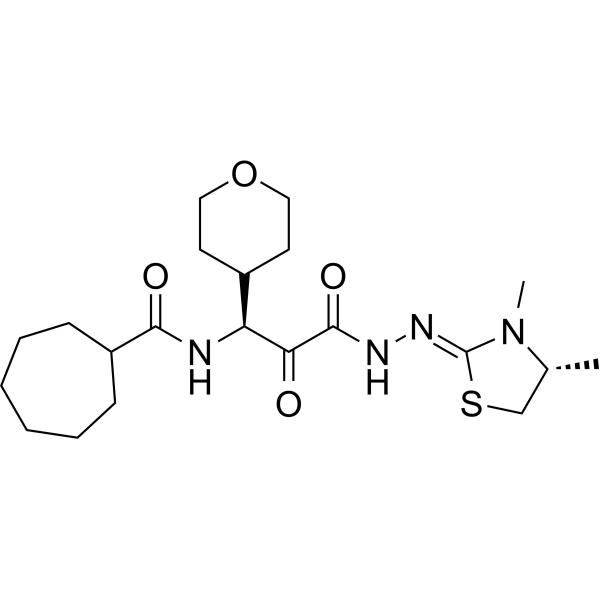 0 ImagesONO-5334 is a potent, selective and orally active cathepsin K inhibitor with Ki values of 0.10 nM, 0.049 nM and 0.85 nM for human, rabbit and rat cathepsin K, respectively. ONO 5334 is an effective antiviral compound against SAR-COV-2 virus activity with an EC50 value of 500 nM. ONO-5334 has the potential for the study of osteoporosis and COVID-19 disease.
-
Gü2602
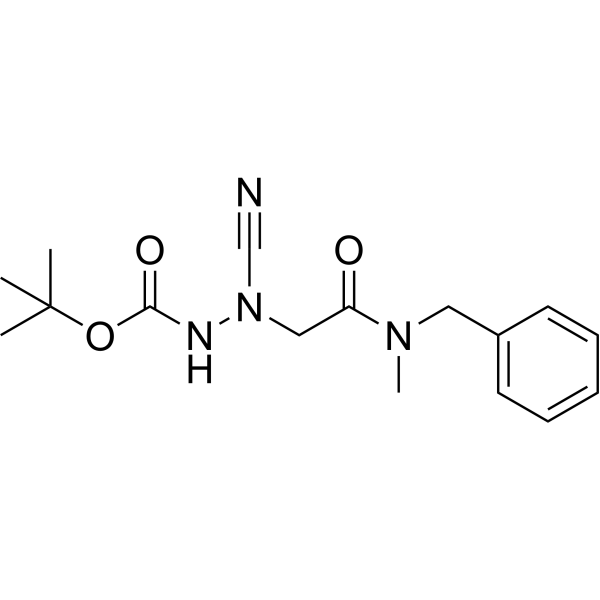 0 ImagesGü2602 is a potent, reversible cathepsin K (CatK) inhibitor with a Ki of 0.013 nM for mature CatK (mCatK). Gü2602 suppresses the autocatalytic activation of the cathepsin K zymogen.
-
Cathepsin K
 0 ImagesCat. No.: HY-P3153CAS No.: 94716-09-3Cathepsin K is a cysteine protease with endo and collagenolytic activities. Cathepsin K induces degradation of bone collagen and can be used for the research of osteoporosis.
-
Hepcidin-1 (mouse)
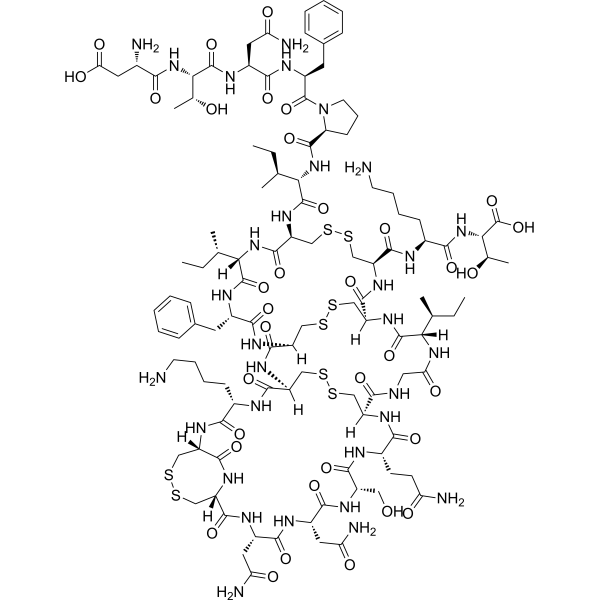 0 ImagesCat. No.: HY-P4373CAS No.: 1676104-75-8Hepcidin-1 (mouse) is an endogenous peptide hormone involved in the regulation of iron homeostasis. Hepcidin-1 (mouse) upregulates mRNA levels of TRAP, cathepsin K, and MMP-9 and increases TRAP-5b protein secretion. Hepcidin-1 (mouse) downregulates the level of FPN1 protein and increases intracellular iron. Hepcidin-1 (mouse) facilitates osteoclast differentiation.
-
L-873724
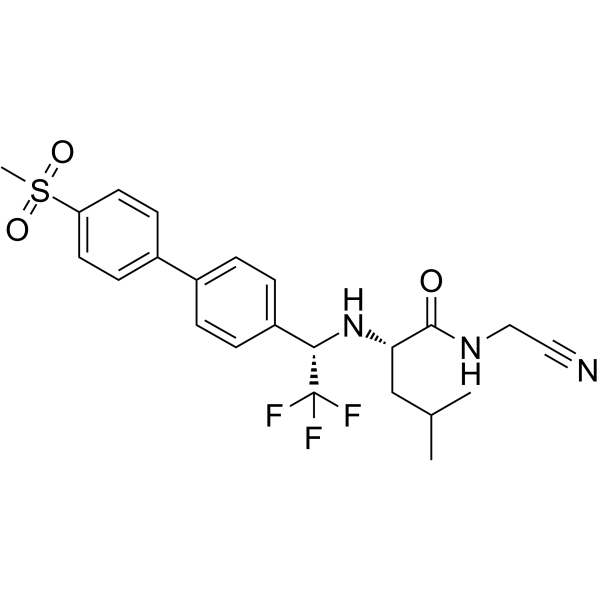 0 ImagesL-873724 is a potent, orally bioavailable, selective and reversible non-basic cathepsin K inhibitor, with IC50s of 0.2, 178, 264, and 5239 nM for cathepsin K, cathepsin S, cathepsin L, cathepsin B, respectively. L-873724 also exhibits an IC50 of 0.5 nM for rabbit cathepsin K. L-873724 inhibits bone resorption.
-
Cathepsin K inhibitor 6
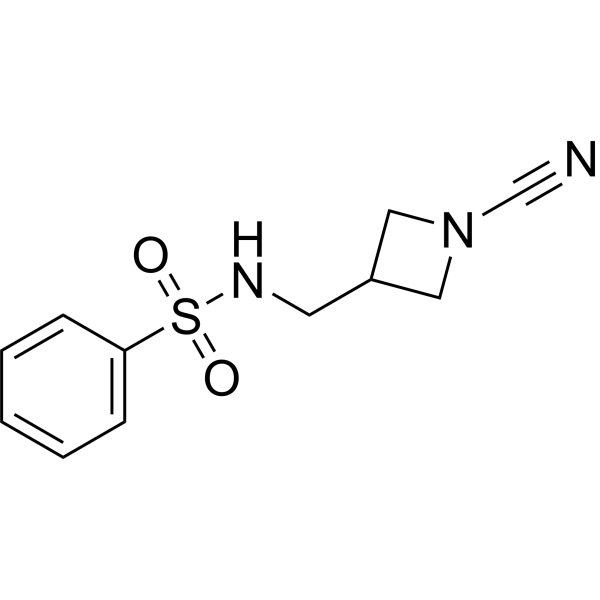 0 ImagesCathepsin K inhibitor 6 (compound 19) is an inhibitor of cathepsin K (Cat K) with an IC50 of 17 nM. Cathepsin K inhibitor 6 also has inhibitory effects on other isoforms, with IC50s of 0.05 μM (Cat L) and 0.3 μM (Cat B), respectively.
-
Cathepsin K inhibitor 3
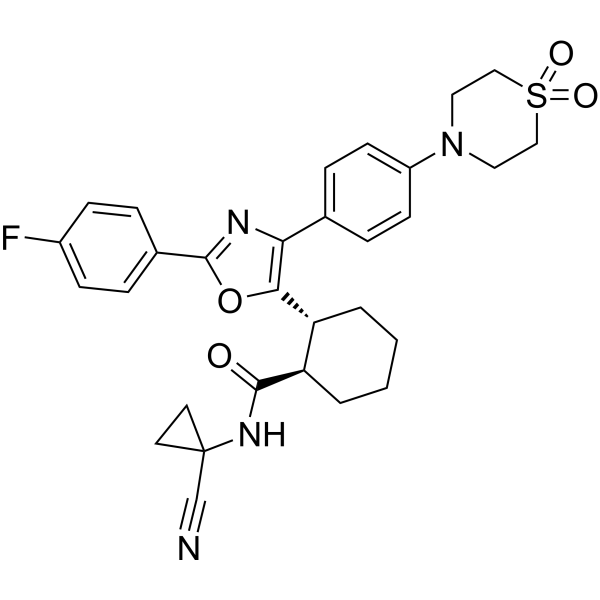 0 ImagesCat. No.: HY-151524CAS No.: 1694638-70-4Cathepsin K inhibitor 3 (compound 23) is a highly selective cathepsin K inhibitor with an IC50 value of 0.5 nM. Cathepsin K inhibitor 3 has a favorable pharmacokinetic profile and may be used in osteoarthritis (OA) disease studies.
-
ABP 25
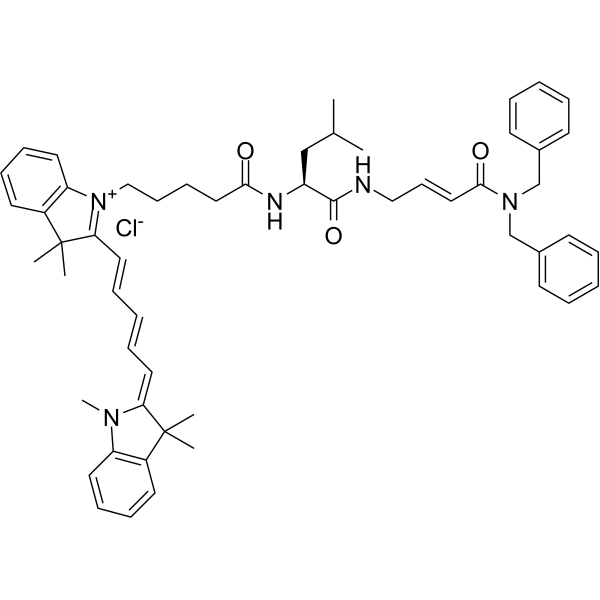 0 ImagesCat. No.: HY-139685CAS No.: 2965359-45-7ABP 25 is an activity-based probe for cathepsin K imaging with excellent potency and selectivity.
- 1
- 2




