



OAT
Organic anion transporter
Organic anion transporters (OATs), a subfamily of the solute carrier 22 (SLC22) transporters, are localized on the physiological barriers of multiple tissues, such as kidney, liver, brain, placenta, retina, and olfactory mucosa. They are the key players for the translocation of various substances into and out of cells, such as signaling molecules, toxins, and a diverse array of important clinical therapeutics, including antivirals, anti-cancer drugs, antibiotics, anti-hypertensives, and anti-inflammatories.
All Product Categories
-
OAT Related Products (55)
Related Products (55)

-
Erlotinib Hydrochloride (Standard)
 0 ImagesSynonyms: CP-358774 hydrochloride (Standard); NSC 718781 hydrochloride (Standard); OSI-774 hydrochloride (Standard)Erlotinib Hydrochloride Standard (CP-358774 hydrochloride Standard) is the analytical standard of Erlotinib Hydrochloride (HY-12008). This product is intended for research and analytical applications. Erlotinib (CP-358774) Hydrochloride is a selective, orally active EGFR tyrosine kinase inhibitor. Erlotinib Hydrochloride also acts as a substrate and inhibitor of OATP2B1, with an IC50 of approximately 0.079 μM for inhibiting OATP2B1-mediated uptake of estrone 3-sulfate. Erlotinib Hydrochloride blocks EGFR phosphorylation, downstream signal transduction, as well as the growth and proliferation of cancer cells. Erlotinib Hydrochloride inhibits MMP-10-mediated renal injury, fibrotic lesions, the ERK1/2, GSK-3β and β-catenin signaling pathways, as well as the deposition of fibronectin, α-SMA, collagen and renal injury markers. Erlotinib Hydrochloride is metabolized via CYP3A to produce the active metabolite OSI-420. Erlotinib Hydrochloride can be used in research related to non-small cell lung cancer, gastric cancer, papillary renal cell carcinoma, EGFR inhibitor resistance and renal fibrosis.
-
18β-Glycyrrhetyl-3-O-sulfate
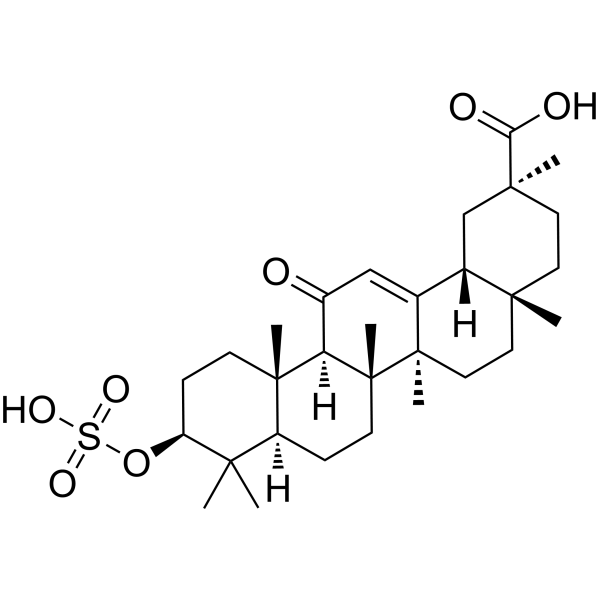 0 ImagesSynonyms: Glycyrrhetic acid 3-O-hydrogen sulfate18β-Glycyrrhetyl-3-O-sulfate (Glycyrrhetic acid 3-O-(hydrogen sulfate)) is a potent type 2 11β-hydroxysteroid dehydrogenase (11β-HSD2) inhibitor with an IC50 of 0.10 µM using rat kidney microsome. 18β-Glycyrrhetyl-3-O-sulfate is the major metabolite of Glycyrrhetinic acid (GA). 18β-Glycyrrhetyl-3-O-sulfate is the substrate of organic anion transporter (OAT) 1 and OAT3. 18β-Glycyrrhetyl-3-O-sulfate has anti-inflammatory effects and has the potential for pseudohyperaldosteronism research.
-
Lesinurad sodium
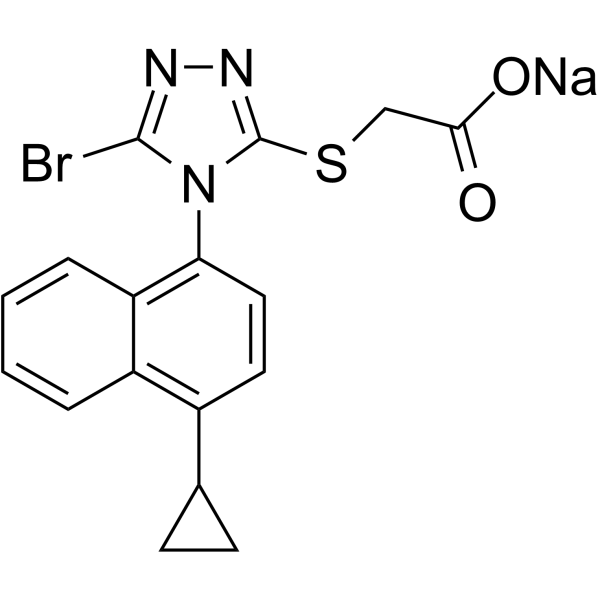 0 ImagesSynonyms: RDEA-594 sodium
-
Erlotinib-d6
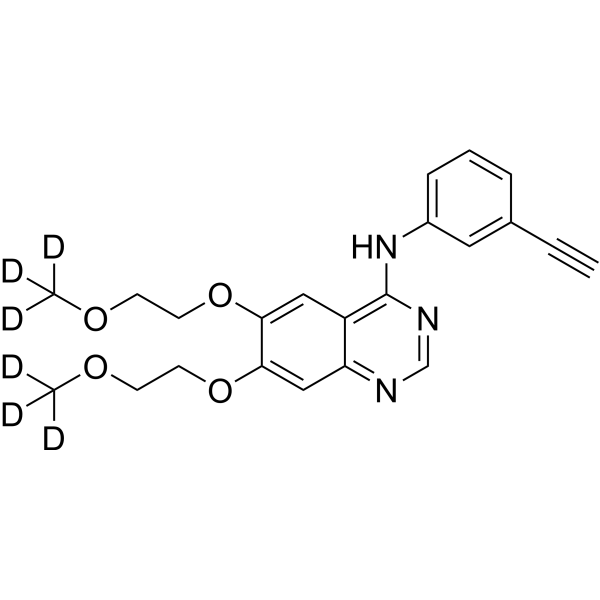 0 ImagesSynonyms: CP-358774-d6; NSC 718781-d6; OSI-774-d6Erlotinib-d6 (CP-358774-d6) is the deuterated-labeled Erlotinib (HY-50896). Erlotinib (CP-358774) is a selective, orally active EGFR tyrosine kinase inhibitor. Erlotinib also acts as a substrate and inhibitor of OATP2B1, with an IC50 of approximately 0.079 μM for inhibiting OATP2B1-mediated uptake of estrone 3-sulfate. Erlotinib blocks EGFR phosphorylation, downstream signal transduction, as well as the growth and proliferation of cancer cells. Erlotinib inhibits MMP-10-mediated renal injury, fibrotic lesions, the ERK1/2, GSK-3β and β-catenin signaling pathways, fibronectin, α-SMA, collagen deposition, and renal injury markers. Erlotinib is metabolized via CYP3A to produce the active metabolite OSI-420. Erlotinib can be used in research related to non-small cell lung cancer, gastric cancer, papillary renal cell carcinoma, pancreatic cancer, renal fibrosis, and other conditions.
-
Estradiol 3-glucuronide sodium
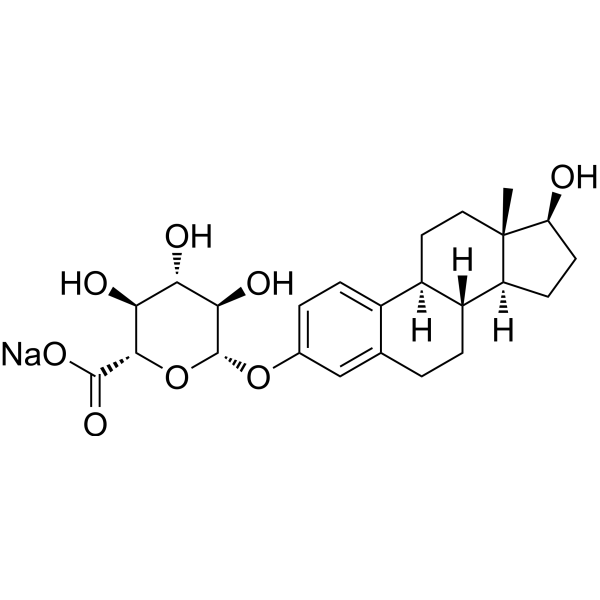 0 ImagesEstradiol 3-glucuronide sodium is an estrogen metabolite, which is a glucuronide conjugate formed by the catalysis of uridine diphosphate glucuronosyltransferase in tissues such as the liver from Estradiol (HY-B0141). Estradiol 3-glucuronide sodium is a potent substrate of Mrp2, with an S50 of 55.7 μM. Estradiol 3-glucuronide sodium achieves hepatobiliary transport in hepatocytes through basolateral uptake via OATP1B1, OATP1B3 and OATP2B1, as well as apical efflux via MRP2 and BCRP.
-
Epaminurad
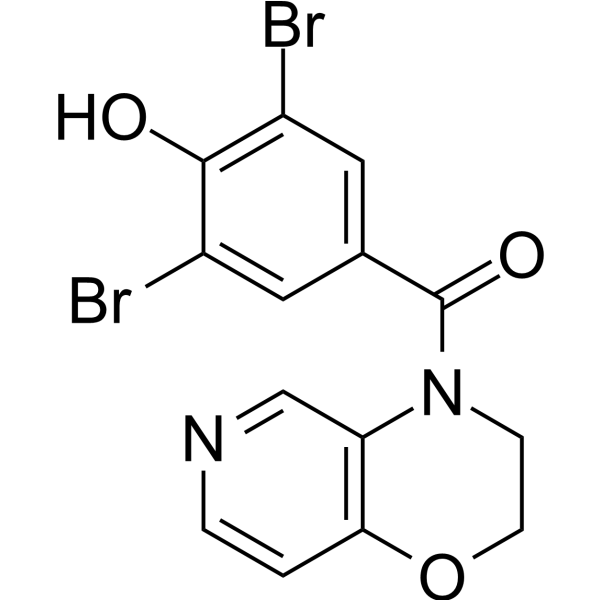 0 ImagesSynonyms: UR-1102; URC-102Epaminurad (UR-1102) is an orally active, potent and selective URAT1 (urate transporter 1) inhibitor, with a Ki of 0.057 μM. Epaminurad quite modestly inhibits OAT1 and OAT3 (organic anion transporter). Epaminurad is a uricosuric agent. Epaminurad can be used for gout and hyperuricemia research.
-
Erlotinib-d6 hydrochloride
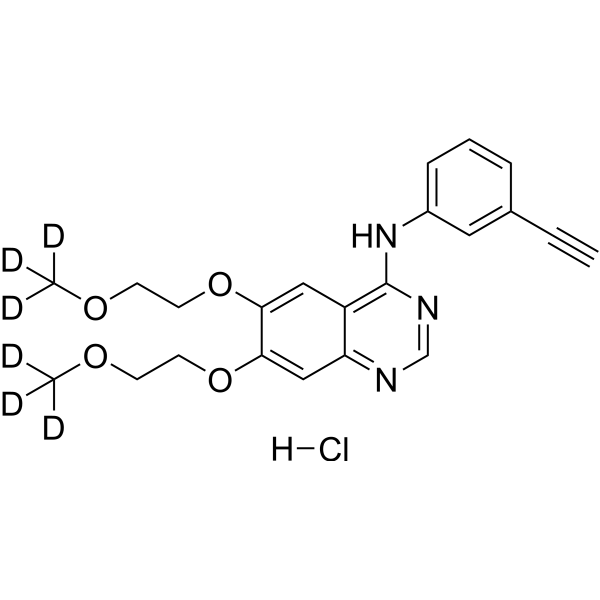 0 ImagesSynonyms: CP-358774-d6 hydrochloride; NSC 718781-d6 hydrochloride; OSI-774-d6 hydrochlorideErlotinib-d6 hydrochloride (CP-358774-d6 hydrochloride) is the deuterated-labeled Erlotinib Hydrochloride (HY-12008). Erlotinib (CP-358774) Hydrochloride is a selective, orally active EGFR tyrosine kinase inhibitor. Erlotinib Hydrochloride also acts as a substrate and inhibitor of OATP2B1, with an IC50 of approximately 0.079 μM for inhibiting OATP2B1-mediated uptake of estrone 3-sulfate. Erlotinib Hydrochloride blocks EGFR phosphorylation, downstream signal transduction, as well as the growth and proliferation of cancer cells. Erlotinib Hydrochloride inhibits MMP-10-mediated renal injury, fibrotic lesions, the ERK1/2, GSK-3β and β-catenin signaling pathways, as well as the deposition of fibronectin, α-SMA, collagen and renal injury markers. Erlotinib Hydrochloride is metabolized via CYP3A to produce the active metabolite OSI-420. Erlotinib Hydrochloride can be used in research related to non-small cell lung cancer, gastric cancer, papillary renal cell carcinoma, EGFR inhibitor resistance and renal fibrosis.
-
Tebipenem pivoxil hydrochloride
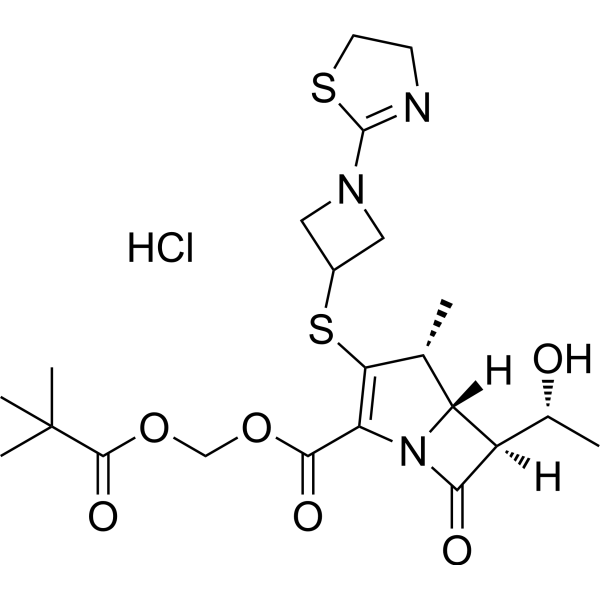 0 ImagesCat. No.: HY-B0396ACAS No.: 211558-19-9Synonyms: L084 hydrochlorideTebipenem pivoxil hydrochloride (L084 hydrochloride) is an orally active carbapenem Antibiotic. Tebipenem pivoxil hydrochloride acts as a substrate of OATP1A2 with high affinity for this transporter (Km = 41.1 μM). Tebipenem pivoxil hydrochloride achieves intestinal absorption via carrier-mediated uptake and simple diffusion. Tebipenem pivoxil hydrochloride inhibits the growth of Gram-positive bacteria, Gram-negative bacteria, multidrug-resistant bacteria, and pathogens producing extended-spectrum β-lactamases. Tebipenem pivoxil hydrochloride eliminates intestinal infection pathogens and reduces mortality in septic mice. Tebipenem pivoxil hydrochloride can be used in research related to bacterial pneumonia, severe gastrointestinal infections, bacterial sepsis, complicated urinary tract infections, and acute pyelonephritis.
-
18β-Glycyrrhetyl-3-O-sulfate (Standard)
 0 ImagesCat. No.: HY-148682RCAS No.: 10251-38-4Synonyms: Glycyrrhetic acid 3-O-hydrogen sulfate (Standard)(Z)-Methyl icos-11-enoate (Standard) is the analytical standard of (Z)-Methyl icos-11-enoate. This product is intended for research and analytical applications. (Z)-Methyl icos-11-enoate is a biochemical reagent that can be used as a biological material or organic compound for life science related research.
-
4’-Hydroxy Trazodone
 0 ImagesCat. No.: HY-W740244CAS No.: 53818-10-34’-hydroxy Trazodone is a metabolite of the antidepressant and sedative trazodone. It is an inhibitor of organic anion transporter 3 (OAT3; Ki=16.9 μM) and is selective for OAT3 over OAT1 (Ki=>200 μM).
-
NLRP3/URAT1-IN-1
 0 ImagesCat. No.: HY-175645CAS No.: 2994637-53-3NLRP3/URAT1-IN-1 is an orally active double inhibitor of NLRP3 and URAT1 (IC50 = 3.81 μM). NLRP3/URAT1-IN-1 inhibits IL-1β release in LPS (HY-D1056) and ATP-stimulated mouse bone marrow-derived macrophages (BMDMs), with an IC50 of 2.61 μM. NLRP3/URAT1-IN-1 reduces serum uric acid (SUA) and alleviates liver/kidney damage in mice with acute hyperuricemia (HUA). NLRP3/URAT1-IN-1can be used for the study of gout and hyperuricemia.
-
Pradigastat sodium
 0 ImagesCat. No.: HY-16278ACAS No.: 956136-98-4Synonyms: LCQ 908 sodiumPradigastat sodium (LCQ 908 sodium) is a selective and orally effective diacylglyceryl acyltransferase 1 (DGAT1) inhibitor with IC50 at 0.157 µM. Pradigastat is primarily used to study diseases associated with abnormal triglyceride metabolism. Pradigastat has anti-obesity and anti-diabetic effects. Pradigastat inhibited BCRP, OATP1B1, OATP1B3 and OAT3 activities with IC50 of 5 µM, 1.66µM, 3.34µM and 0.973µM, respectively. In addition, Pradigastat has antiviral activity and can inhibit hepatitis C virus replication in vitro.
-
Euphol acetate
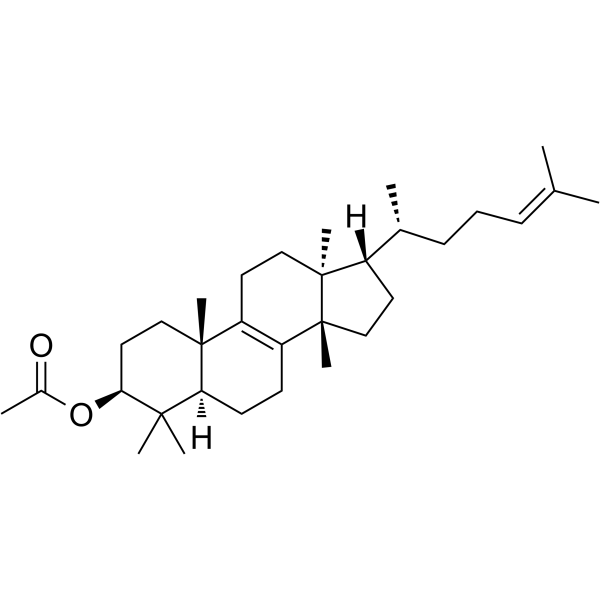 0 ImagesCat. No.: HY-138142CAS No.: 13879-04-4Euphol acetate is a triterpene that can be isolated from Euphorbia broteri. Euphol acetate is an inhibitor of hepatic transport proteins organic anion-transporting polypeptide 1/3 (OATP1B1/3).
-
Tebipenem pivoxil (Standard)
 0 ImagesSynonyms: L084 (Standard)Tebipenem pivoxil (Standard) (L084 (Standard)) is the analytical standard of Tebipenem pivoxil (HY-B0396). This product is intended for research and analytical applications. Tebipenem pivoxil (L084 hydrobromide) is an orally active carbapenem Antibiotic. Tebipenem pivoxil acts as a substrate of OATP1A2 with high affinity for this transporter (Km = 41.1 μM). Tebipenem pivoxil achieves intestinal absorption via carrier-mediated uptake and simple diffusion. Tebipenem pivoxil inhibits the growth of Gram-positive bacteria, Gram-negative bacteria, multidrug-resistant bacteria, and pathogens producing extended-spectrum β-lactamases. Tebipenem pivoxil eliminates intestinal infection pathogens and reduces mortality in septic mice. Tebipenem pivoxil can be used in research related to bacterial pneumonia, severe gastrointestinal infections, bacterial sepsis, complicated urinary tract infections, and acute pyelonephritis.
-
OAT1/3-IN-2
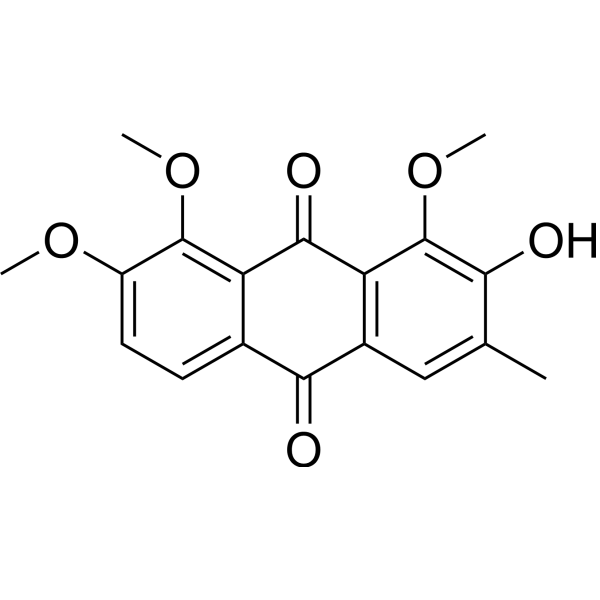 0 ImagesCat. No.: HY-N12008CAS No.: 2195434-05-8OAT1/3-IN-2 (compound 8) is a dual inhibitor of OAT1 and OAT3. OAT1/3-IN-2 can reverse the toxicity of Cys-Hg on HEK-OAT1 cells (10 μM) and has a potential protective effect on the kidneys. OAT1/3-IN-2 can be used to study mercury-induced kidney damage.

-
OAT1/3-IN-1
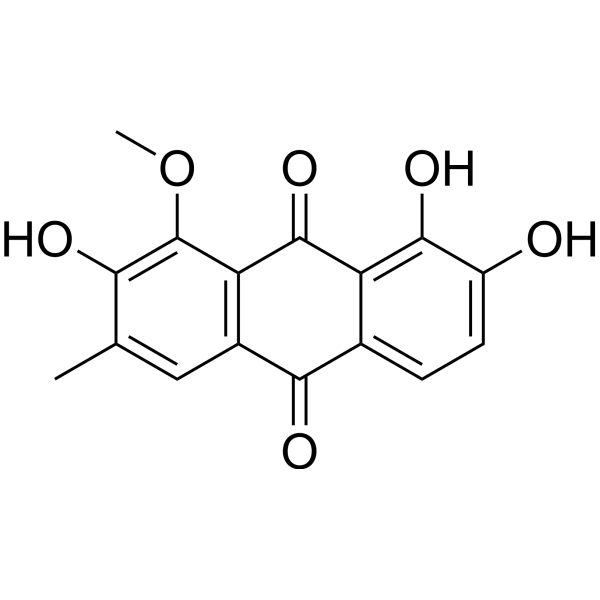 0 ImagesCat. No.: HY-N12007CAS No.: 38393-73-6OAT1/3-IN-1 (compound 7) is a dual inhibitor of OAT1 and OAT3. OAT1/3-IN-1 can reverse the toxicity of Cys-Hg on HEK-OAT1 cells (10 μM) and has a potential protective effect on the kidneys. OAT1/3-IN-1 can be used to study mercury-induced kidney damage.
-
DZ-1-DHA
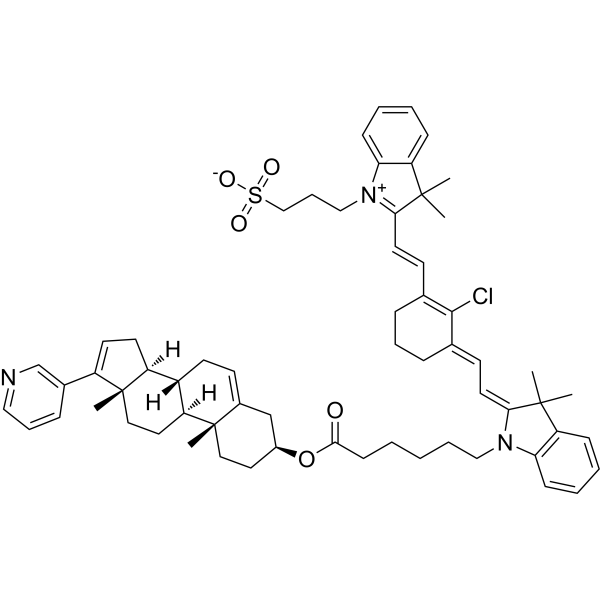
 0 ImagesCat. No.: HY-184557CAS No.: 2223036-84-6DZ-1-DHA is a conjugate of DHA (HY-B2167) and DZ-1 dye. DZ-1-DHA mediates selective cellular uptake via binding to overexpressed OATP1A2. DZ-1-DHA induces the cleavage of Caspase-3, Caspase-8, Caspase-9 and PARP-1. DZ-1-DHA induces Apoptosis and Ferroptosis. DZ-1-DHA induces ROS production through a Fenton-like mechanism, causes mitochondrial membrane depolarization, and triggers lipid peroxidation. DZ-1-DHA can be used in studies related to colorectal cancer liver metastasis.
-
Cabotegravir-d6
 0 ImagesCat. No.: HY-15592S4Synonyms: GSK-1265744-d6; S/GSK1265744-d6Cabotegravir-d6 (GSK-1265744-d6) is the deuterium labeled Cabotegravir (HY-15592). Cabotegravir (GSK-1265744) is a orally active and long-acting HIV integrase strand transfer inhibitor and organic anion transporter 1/3 (OAT1/OAT3) inhibitor with IC50 values of 2.5 nM, 0.41 μM and 0.81 μM for HIVADA, OAT3 and OAT1, respectively. Cabotegravir is primarily metabolized by uridine diphosphate glucuronosyltransferase (UGT) 1A1, with low potential to interact with other antiretroviral agents (ARVs). Cabotegravir can be used to research AIDS.



