



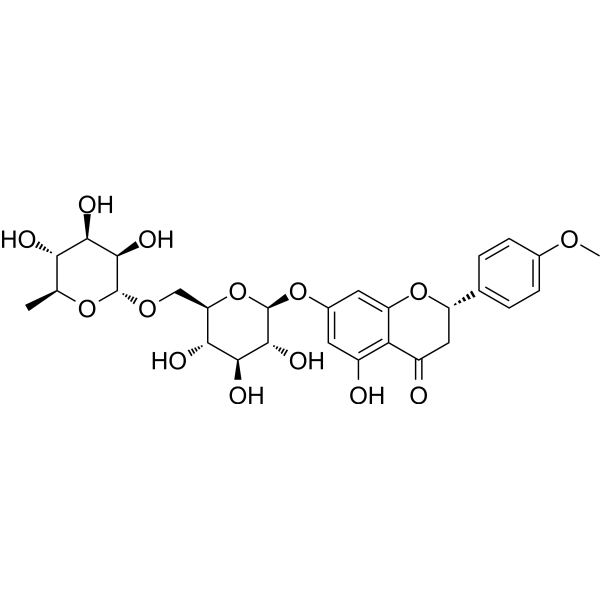
Didymin
Based on 5 publication(s) in Google Scholar
Didymin, a flavonoid glycoside, possesses antioxidant and anticancer properties. Didymin induces apoptosis by inhibiting N-Myc and upregulating RKIP in neuroblastoma.
For research use only. We do not sell to patients.
- Purity : 99.93%
- CAS No.: 14259-47-3
- Formula: C28H34O14
- Molecular Weight:594.56
-
Storage:
4°C, protect from light
* In solvent : -80°C, 6 months; -20°C, 1 month (protect from light)

To place orders, for customer services and technical support, please contact: MedChemExpress USA
Tel: 609-228-6898 E-mail: [email protected] [email protected]


-
 Biological Activity
-
Chemical Information
-
Solvent & Solubility
- Protocols
- Purity & Documentation
- References
-
 Help & FAQs


-
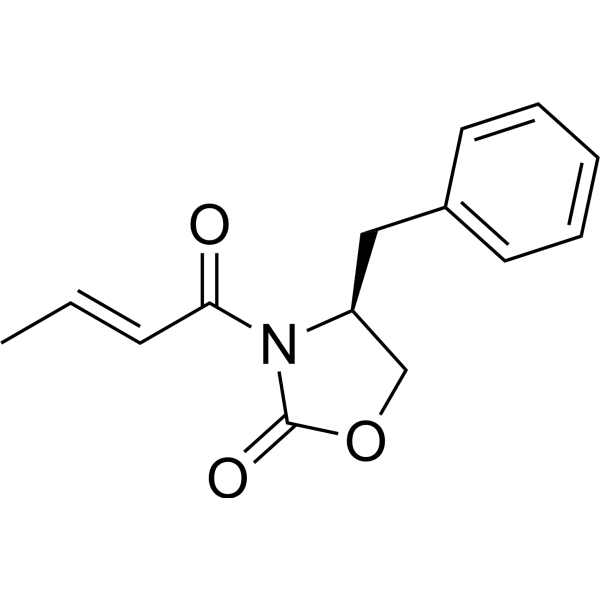
HY-W013411A
LocostatinRKIP Inhibitor -
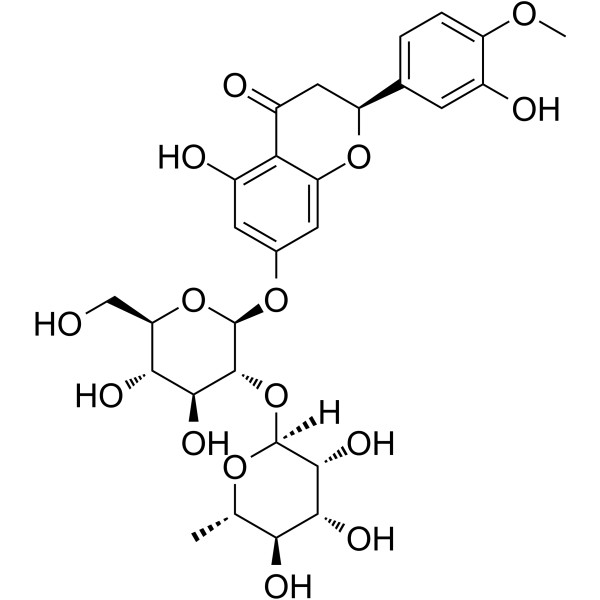
HY-N0101
NeohesperidinWnt/β-Catenin Activator -
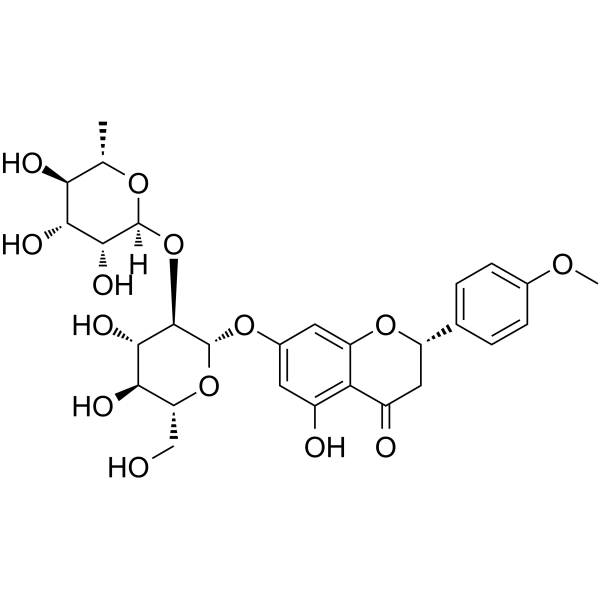
HY-N2258
PoncirinAnti-Hyperalgesia Agent -
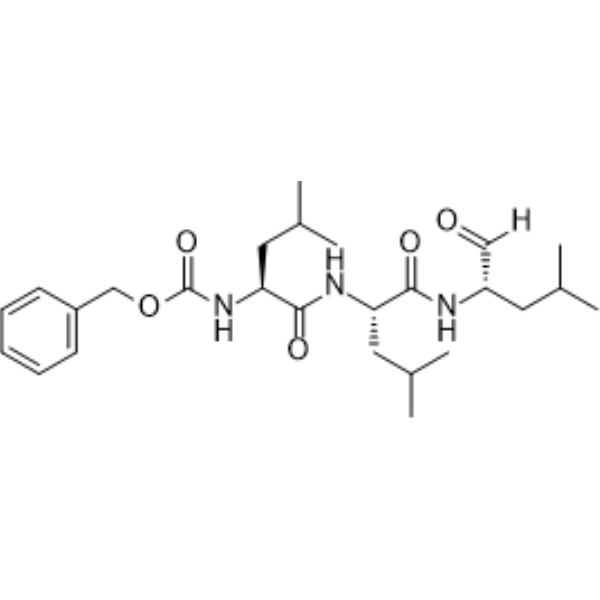
HY-13259
MG-132Proteasome Inhibitor -
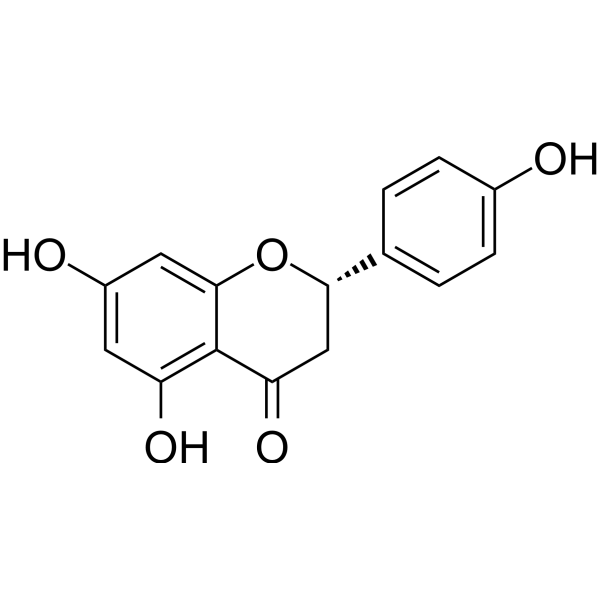
HY-N0100
NaringeninFlavonoid -
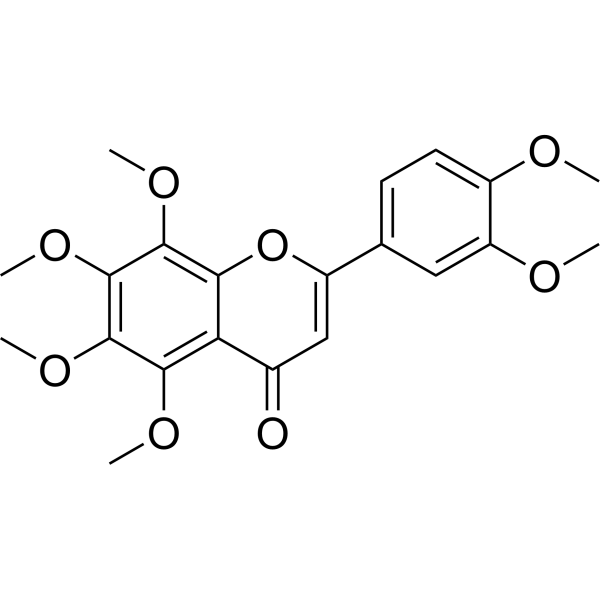
HY-N0155
NobiletinROR Agonist -
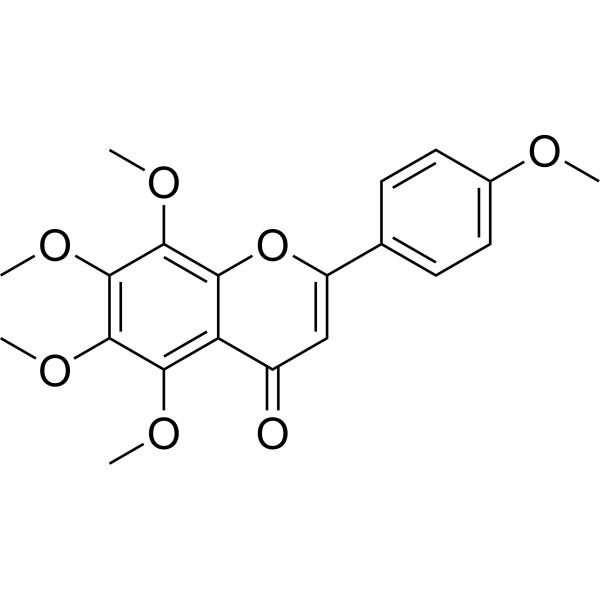
HY-N0133
TangeretinApoptosis Inducer -
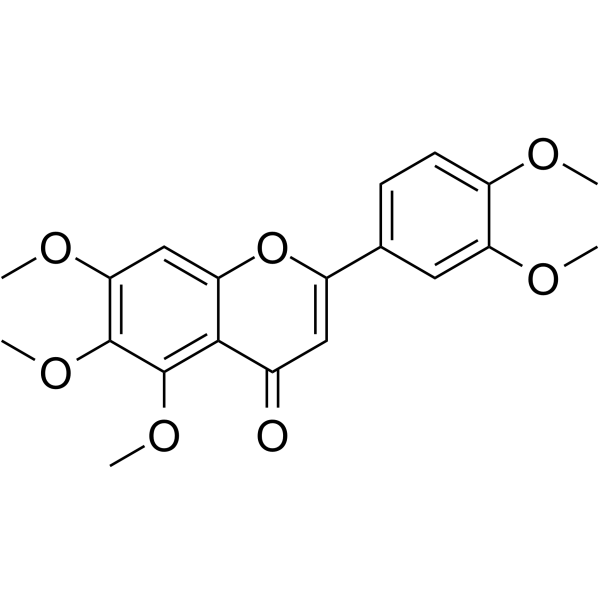
HY-N0297
SinensetinTNF Receptor Inhibitor -

HY-N2068R
Didymin (Standard)Apoptosis Inducer -
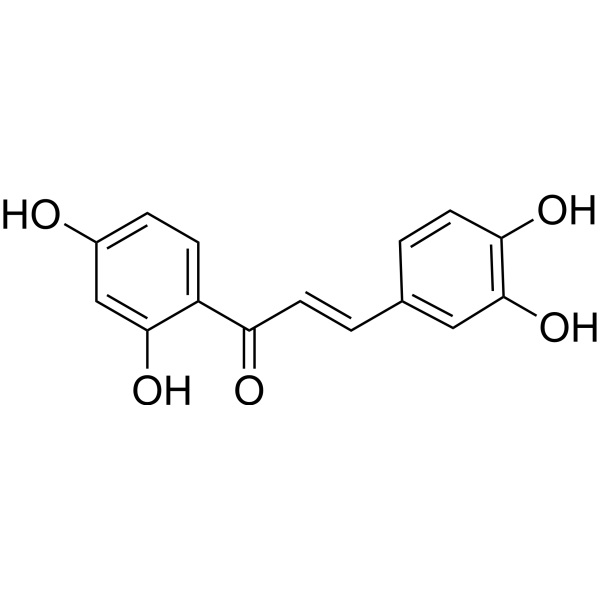
HY-16558
ButeinEGFR/PDE Inhibitor -
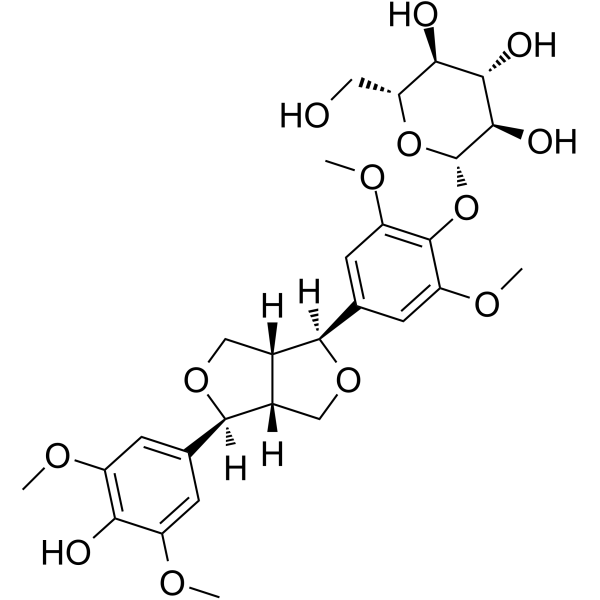
HY-N2807
Acanthoside BBioactive Lignan -
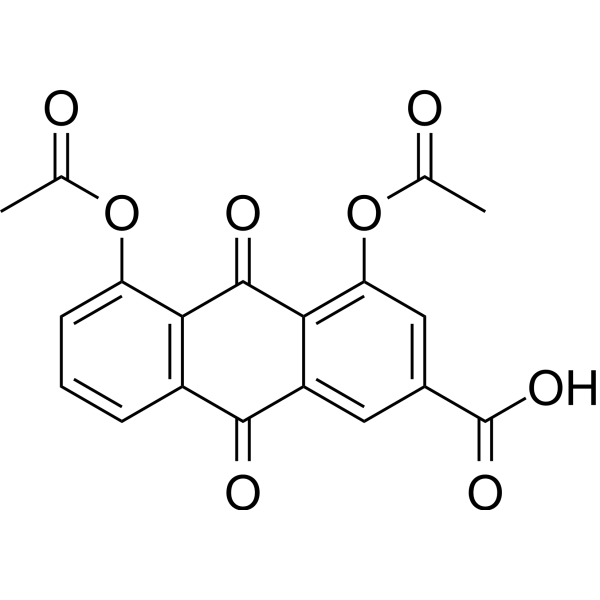
HY-N0283
DiacereinIL-1 Inhibitor
Publications Citing Use of MedChemExpress (MCE) Didymin
More Customer Validation & Images

-
Cell Imaging/Staining
-
RT-PCR
-
WB
-
Cell Proliferation/Viability Assay
-
Apoptosis Analysis


Biological Activity
Description
In Vitro
Didymin (1-20 μM; 48 h) inhibits cell proliferation in human non-small-cell lung cancer cells[1].
Didymin (10-20 μM; 12-48 h) induced apoptosis in A549 and H460 cells, without affecting the cell cycle distribution.[1].
MedChemExpress (MCE) has not independently confirmed the accuracy of these methods. They are for reference only.
-
Cell Line:A549 and H460 cells
-
Concentration:1 μM, 5 μM, 10 μM, 20 μM
-
Incubation Time:48 h
-
Result:Inhibited cell proliferation in human non-small-cell lung cancer cells.
-
Cell Line:A549 and H460 cells
-
Concentration:10 μM, 20 μM
-
Incubation Time:12 h, 24 h, 48 h
-
Result:Induced apoptosis in A549 and H460 cells, without affecting the cell cycle distribution.
In Vivo
MedChemExpress (MCE) has not independently confirmed the accuracy of these methods. They are for reference only.
-
Animal Model:Male nude mice [6 weeks old; BALB/cA-nu (nu/nu)] injected with A549 cells[1]
-
Dosage:6 mg/kg/day
-
Administration:i.p.; daily for 28 days
-
Result:Inhibited tumor growth in nude mice.


Chemical Information
-
CAS No. 14259-47-3
-
Appearance Solid
-
Molecular Weight 594.56
-
Formula C28H34O14
-
Color White to yellow
-
SMILES
O=C1C[C@@H](C2=CC=C(OC)C=C2)OC3=CC(O[C@H]4[C@@H]([C@H]([C@@H]([C@@H](CO[C@H]5[C@@H]([C@@H]([C@H]([C@H](C)O5)O)O)O)O4)O)O)O)=CC(O)=C13
-
Structure Classification
-
Initial Source
-
Shipping
Room temperature in continental US; may vary elsewhere.
-
Storage
4°C, protect from light
* In solvent : -80°C, 6 months; -20°C, 1 month (protect from light)


Publications (5)
-
Journal Impact Factor
-
Most Recent
-
Nat Commun
RKIP regulates bone marrow macrophage differentiation to mediate osteoclastogenesis and H-type vessel formation. [Abstract]2025 Aug 15;16(1):7604. PMID: 40817102
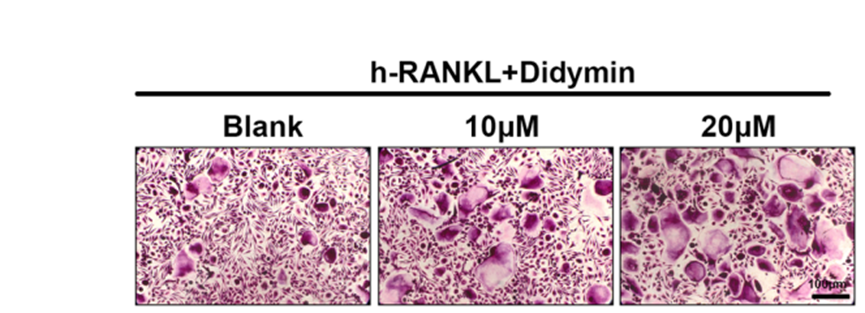
Didymin purchased from MedChemExpress. Usage Cited in: Nat Commun. 2025 Aug 15;16(1):7604. [Abstract]
TRAP staining to detect osteoclastogenesis of PBMCs with various concentrations of Didymin (10, 20 μM) treatment.
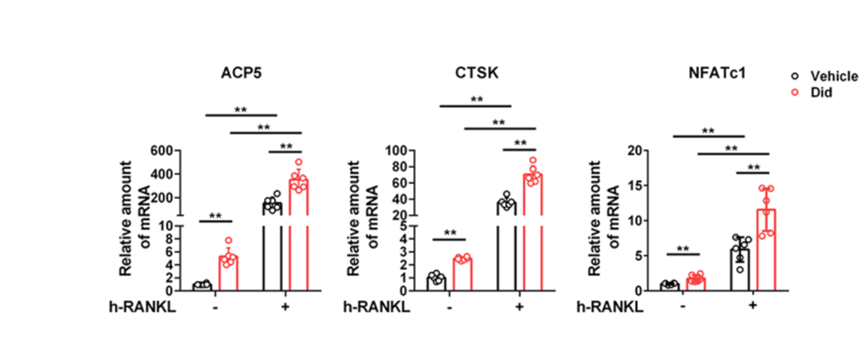
Didymin purchased from MedChemExpress. Usage Cited in: Nat Commun. 2025 Aug 15;16(1):7604. [Abstract]
The mRNA level of ACP5, CTSK, NFATc1 in PBMCs with vehicle or Didymin (10, 20 μM) treatment in the presence or absence of h-RANKL for 10 days.
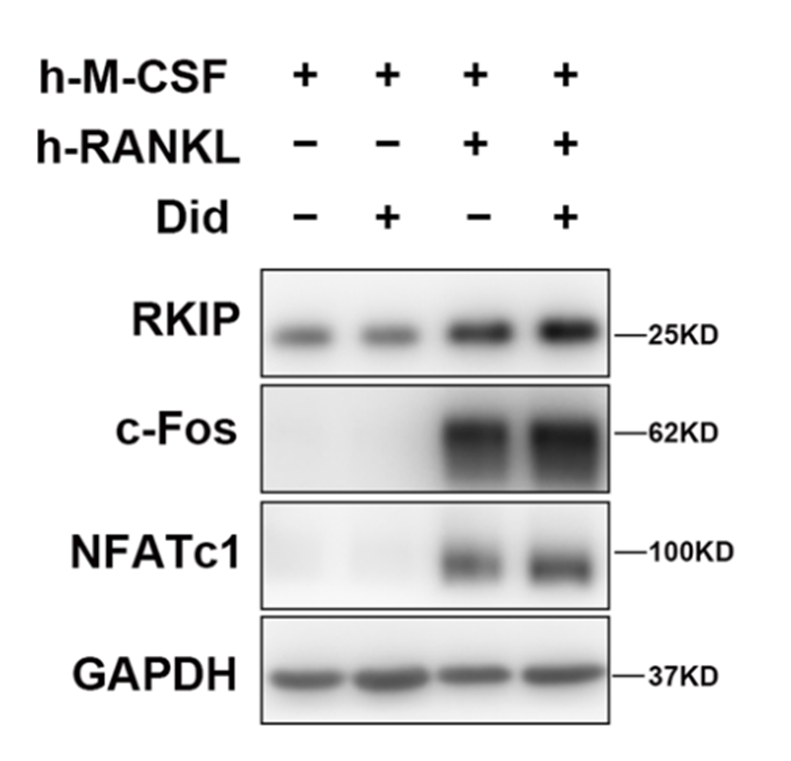
Didymin purchased from MedChemExpress. Usage Cited in: Nat Commun. 2025 Aug 15;16(1):7604. [Abstract]
Western blots of RKIP, c-Fos, and NFATc1 protein levels in PBMCs with vehicle or Didymin (10, 20 μM) treatment in the presence or absence of h-RANKL for 10 days.
-
J Transl Med
Didymin alleviates metabolic dysfunction-associated fatty liver disease (MAFLD) via the stimulation of Sirt1-mediated lipophagy and mitochondrial biogenesis. [Abstract]2023 Dec 19;21(1):921. PMID: 38115075
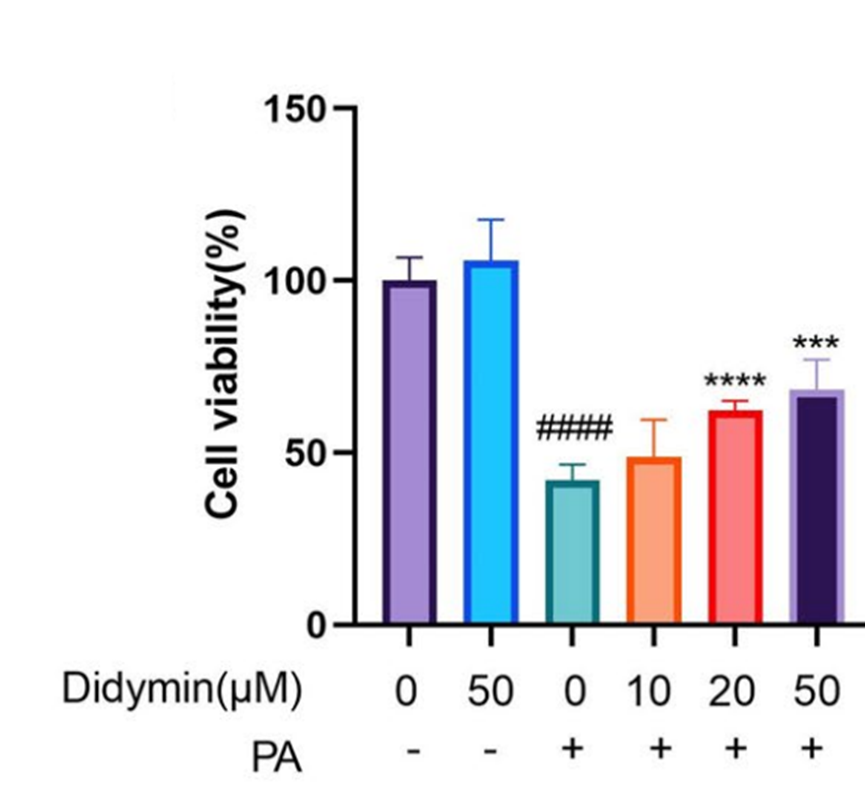
Didymin purchased from MedChemExpress. Usage Cited in: J Transl Med. 2023 Dec 19;21(1):921. [Abstract]
Cell viability of AML12 cells treated with PA and different concentrations of Didymin. (10, 20, 50 μM).
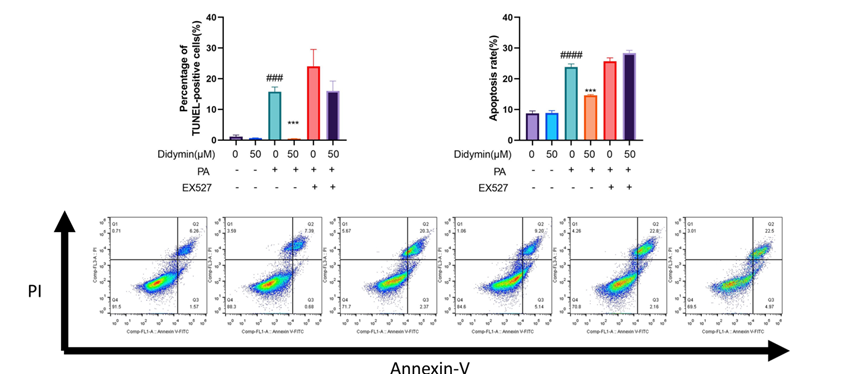
Didymin purchased from MedChemExpress. Usage Cited in: J Transl Med. 2023 Dec 19;21(1):921. [Abstract]
Co-treatment of Didymin (50 μM) and EX-527 resulted in a re-increase in the number of apoptotic cells by Flow cytometry analysis.
-
J Ethnopharmacol
Didymin alleviates neuropathic pain by targeting RKIP-mediated NF-κB/NLRP3 crosstalk to inhibit pyroptosis and neuroinflammation. [Abstract]2026 Mar 25:359:121046. PMID: 41453551 -
Diabetol Metab Syndr
Didymin protects pancreatic beta cells by enhancing mitochondrial function in high-fat diet-induced impaired glucose tolerance. [Abstract]2024 Jan 3;16(1):7. PMID: 38172956 -
Yonsei Med J
Didymin Alleviates Cerebral Ischemia-Reperfusion Injury by Activating the PPAR Signaling Pathway. [Abstract]2022 Oct;63(10):956-965. PMID: 36168249


Solvent & Solubility
In Vitro:
DMSO : 250 mg/mL (420.48 mM; Need ultrasonic; Hygroscopic DMSO has a significant impact on the solubility of product, please use newly opened DMSO)
Please refer to the solubility information to select the appropriate solvent. Once prepared, please aliquot and store the solution to prevent product inactivation from repeated freeze-thaw cycles.
Storage method and period of stock solution: -80°C, 6 months; -20°C, 1 month (protect from light). When stored at -80°C, please use it within 6 months. When stored at -20°C, please use it within 1 month.
Please refer to the solubility information to select the appropriate solvent. Once prepared, please aliquot and store the solution to prevent product inactivation from repeated freeze-thaw cycles.
Storage method and period of stock solution: -80°C, 6 months; -20°C, 1 month (protect from light). When stored at -80°C, please use it within 6 months. When stored at -20°C, please use it within 1 month.
Concentration (start) × Volume (start) = Concentration (final) × Volume (final)
In Vivo:
Select the appropriate dissolution method based on your experimental animal and administration route.
- For the following dissolution methods, please ensure to first prepare a clear stock solution using an In Vitro approach and then sequentially add co-solvents:
- To ensure reliable experimental results, the clarified stock solution can be appropriately stored based on storage conditions. As for the working solution for In Vivo experiments, it is recommended to prepare freshly and use it on the same day.
- The percentages shown for the solvents indicate their volumetric ratio in the final prepared solution. If precipitation or phase separation occurs during preparation, heat and/or sonication can be used to aid dissolution.
Add each solvent one by one: 10% DMSO 40% PEG300 5% Tween-80 45% Saline
Solubility: ≥ 2.17 mg/mL (3.65 mM); Clear solution
This protocol yields a clear solution of ≥ 2.17 mg/mL (saturation unknown).
Taking 1 mL working solution as an example, add 100 μL DMSO stock solution (21.7 mg/mL) to 400 μL PEG300, and mix evenly; then add 50 μL Tween-80 and mix evenly; then add 450 μL Saline to adjust the volume to 1 mL.
Preparation of Saline: Dissolve 0.9 g sodium chloride in ddH₂O and dilute to 100 mL to obtain a clear Saline solution.
Add each solvent one by one: 10% DMSO 90% (20% SBE-β-CD in Saline)
Solubility: ≥ 2.17 mg/mL (3.65 mM); Clear solution
This protocol yields a clear solution of ≥ 2.17 mg/mL (saturation unknown).
Taking 1 mL working solution as an example, add 100 μL DMSO stock solution (21.7 mg/mL) to 900 μL 20% SBE-β-CD in Saline, and mix evenly.
Preparation of 20% SBE-β-CD in Saline (4°C, storage for one week): 2 g SBE-β-CD powder is dissolved in 10 mL Saline, completely dissolve until clear.
In Vivo Dissolution Calculator
Please enter the basic information of animal experiments:
-
-
-
-
Recommended: Prepare an additional quantity of animals to account for potential losses during experiments.
Please enter your animal formula composition:
-
%DMSO +
Recommended: Keep the proportion of DMSO in working solution below 2% if your animal is weak.
-
%+
-
+%Tween-80 + +
-
%Saline +
The co-solvents required include: DMSO, . All of co-solvents are available by MedChemExpress (MCE). , Tween 80. All of co-solvents are available by MedChemExpress (MCE).
Working solution concentration: 0.22 mg/mL
Method for preparing stock solution: mg drug dissolved in μL DMSO. Stock solution concentration: mg/mL. * In solvent : -80°C, 6 months; -20°C, 1 month (protect from light)
1. Take μL DMSO stock solution;
2. Add μL .
μL , mix evenly;
3. Then add μL Tween 80, mix evenly;
4. Then add μL
Please ensure that the stock solution in the first step is dissolved to a clear state, and add co-solvents in sequence. You can use ultrasonic heating (ultrasonic cleaner, recommended frequency 20-40 kHz), vortexing, etc. to assist dissolution.


Purity & Documentation
-
Data Sheet (274 KB)
-
SDS (393 KB)
- English - EN (393 KB)
- Français - FR (393 KB)
- Deutsch - DE (393 KB)
- Norwegian - NO (393 KB)
- Español - ES (393 KB)
- Swedish - SV (393 KB)
- Italian - IT (393 KB)
- Korean - KR (393 KB)
- Portuguese - PT (393 KB)
-
Handling Instructions (2659 KB)
References
[1]. Hung JY, et al. Didymin, a dietary flavonoid glycoside from citrus fruits, induces Fas-mediated apoptotic pathway in human non-small-cell lung cancer cells in vitro and in vivo. Lung Cancer. 2010 Jun;68(3):366-74. [Content Brief]
[2]. Singhal J, et al. Didymin induces apoptosis by inhibiting N-Myc and upregulating RKIP in neuroblastoma. Cancer Prev Res (Phila). 2012 Mar;5(3):473-83. [Content Brief]


Complete Stock Solution Preparation Table
Please refer to the solubility information to select the appropriate solvent. Once prepared, please aliquot and store the solution to prevent product inactivation from repeated freeze-thaw cycles.
Storage method and period of stock solution: -80°C, 6 months; -20°C, 1 month (protect from light). When stored at -80°C, please use it within 6 months. When stored at -20°C, please use it within 1 month.
| Optional Solvent | Concentration Solvent Mass | 1 mg | 5 mg | 10 mg | 25 mg |
|---|---|---|---|---|---|
| DMSO | 1 mM | 1.6819 mL | 8.4096 mL | 16.8192 mL | 42.0479 mL |
| 5 mM | 0.3364 mL | 1.6819 mL | 3.3638 mL | 8.4096 mL | |
| 10 mM | 0.1682 mL | 0.8410 mL | 1.6819 mL | 4.2048 mL | |
| 15 mM | 0.1121 mL | 0.5606 mL | 1.1213 mL | 2.8032 mL | |
| 20 mM | 0.0841 mL | 0.4205 mL | 0.8410 mL | 2.1024 mL | |
| 25 mM | 0.0673 mL | 0.3364 mL | 0.6728 mL | 1.6819 mL | |
| 30 mM | 0.0561 mL | 0.2803 mL | 0.5606 mL | 1.4016 mL | |
| 40 mM | 0.0420 mL | 0.2102 mL | 0.4205 mL | 1.0512 mL | |
| 50 mM | 0.0336 mL | 0.1682 mL | 0.3364 mL | 0.8410 mL | |
| 60 mM | 0.0280 mL | 0.1402 mL | 0.2803 mL | 0.7008 mL | |
| 80 mM | 0.0210 mL | 0.1051 mL | 0.2102 mL | 0.5256 mL | |
| 100 mM | 0.0168 mL | 0.0841 mL | 0.1682 mL | 0.4205 mL |


Didymin Related Classifications
HY-N2068 Related Classifications
 Powered by Bioz