



IL-6 Protein, Human
Based on 60 publication(s) in Google Scholar
IL-6 protein is a multifunctional cytokine that plays multiple biological functions in immunity, tissue regeneration, and metabolism. After binding to IL6R, the resulting complex binds to the signaling subunit IL6ST/gp130, triggering the intracellular IL6 signaling pathway. IL-6 Protein, Human (N-His) is the recombinant human-derived IL-6 protein, expressed by E. coli.
- Species: Human
- Source: E. coli
-
Storage:Stored at -20°C for 2 years from date of receipt. After reconstitution, it is stable at 4°C for 1 week or -20°C for longer (with carrier protein). It is recommended to freeze aliquots at -20°C or -80°C for extended storage.


To place orders, for customer services and technical support, please contact: MedChemExpress USA
Tel: 609-228-6898 E-mail: [email protected] [email protected]


-
 Biological Activity
-
Technical Parameters
-
Product Properties
- Documentation
- References
- Help & FAQs


-

HY-P7028
IL-1 beta Protein, Human -
HY-P7058
TNF-alpha/TNFSF2 Protein, Human -
HY-P7025
IFN-gamma Protein, Human -
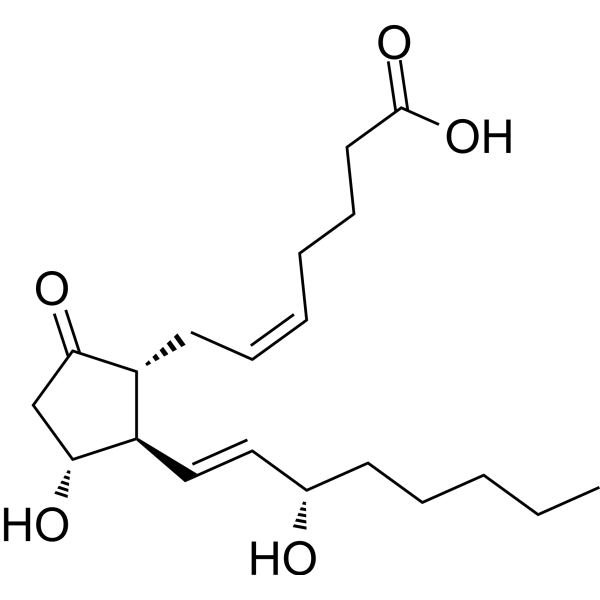
HY-101952
Prostaglandin E2 -
HY-P70445
IL-4 Protein, Human -
HY-P70781
SCF Protein, Human -
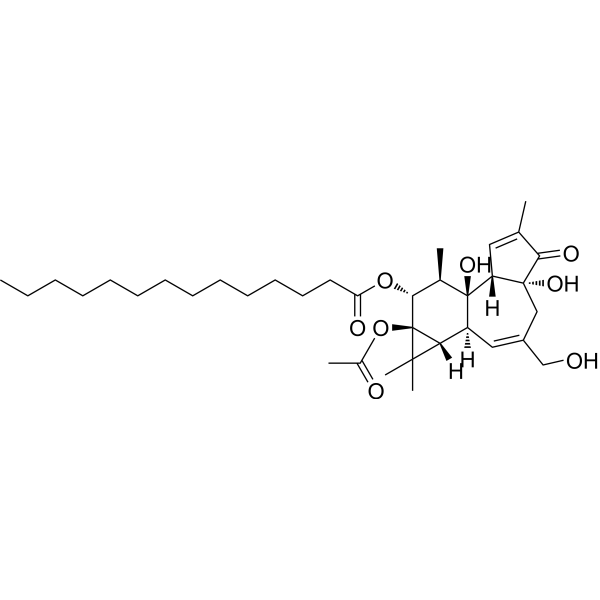
HY-18739
Phorbol 12-myristate 13-acetate -
HY-P7063
IL-6 Protein, Mouse -
HY-P7016A
GM-CSF Protein, Human -
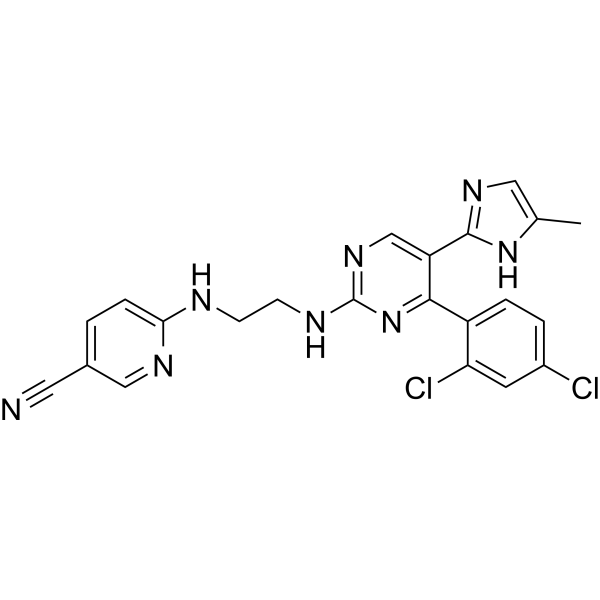
HY-10182
Laduviglusib -
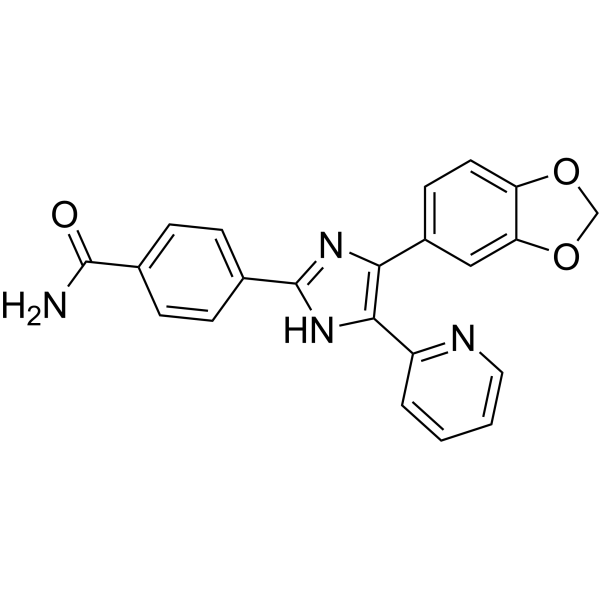
HY-10431
SB-431542 -
HY-13818
Stattic


Biological Activity
Description
IL-6 protein is a multifunctional cytokine that plays multiple biological functions in immunity, tissue regeneration, and metabolism. After binding to IL6R, the resulting complex binds to the signaling subunit IL6ST/gp130, triggering the intracellular IL6 signaling pathway. IL-6 Protein, Human (N-His) is the recombinant human-derived IL-6 protein, expressed by E. coli.
Background
Interleukin-6 (IL-6) is a 26-kD protein released by fibroblasts, T lymphocytes, endothelial cells, monocytes, and keratinocytes during inflammatory responses. IL-6 has pluripotent activities, including the stimulation of the monocytic lineage, the induction of megakaryopoiesis and the hepatic acute phase response, as well as the modulation of T- and B-cell responses. IL-6 is also capable of mediating direct and indirect tumor cell destruction and that it is potentially important for the immunotherapy of cancer[1. Recombinant human interleukin-6 (IL-6/BSF-2/HSF) regulates the synthesis of acute phase proteins in human hepatocytes[2].
In Vitro
IL-6 protein (Human, 10 ng/mL, 24 h) activates STAT3 signaling pathway, and promotes the expression of the PIM1 gene in cancer cells T47D and MCF-7, enhances cell invasion, and induces epithelial-mesenchymal transition (EMT) and stemness of T47D and MCF-7[3].
In Vivo
IL-6 protein (Human, 5-80 μg/kg/day, sc, twice daily for 14 days) promotes the platelet production and the maturation of megakaryocytes in rhesus monkey. IL-6 protein also causes side effects such as weight loss, anemia, neutrophilia, and monocytosis in rhesus monkey[4].
Verified Bioactivity
1.The ED50 is <1.5 ng/mL as measured by TF-1 cells, corresponding to a specific activity of > 6× 10⁵ units/mg.
2.ED50 <0.1 ng/mL, measured by the dose dependent stimulation of the proliferation of IL-6 dependent murine 7TD1 cells, corresponding to a specilic activity of > 1 x 10⁷ units/mg.
MCE Validation Data
-
Purity - SDS-PAGE
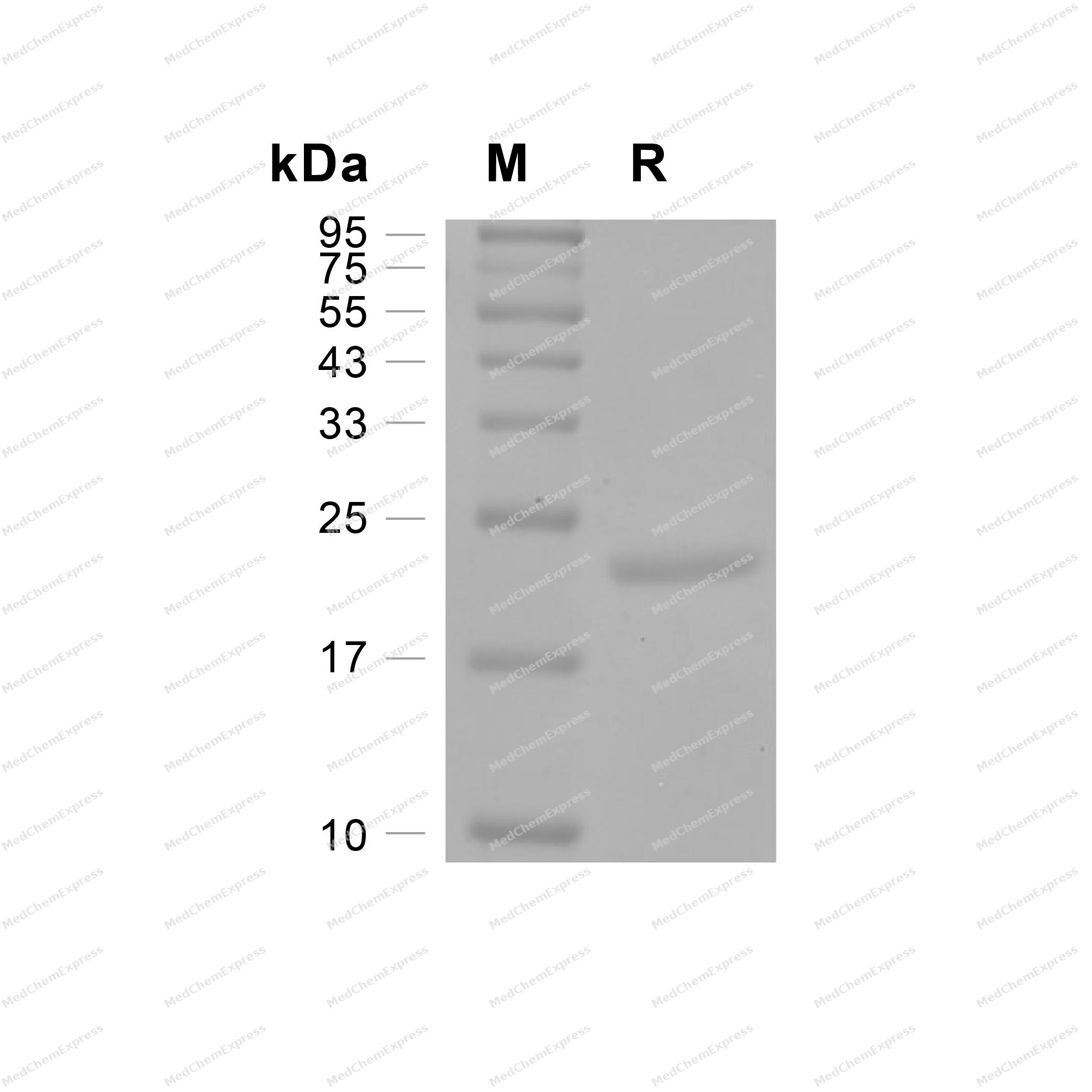
Purity - SDS-PAGE
-
Bioactivity - Cell-Based Assay
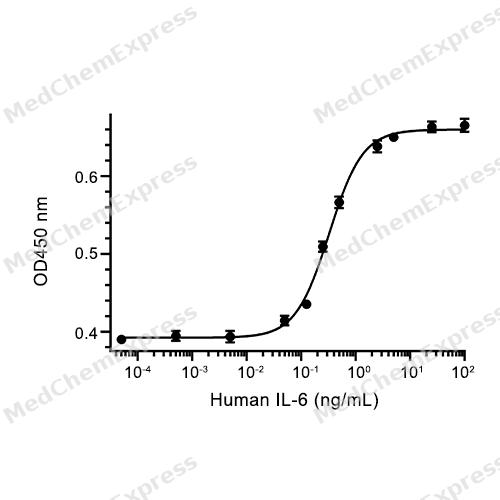
Bioactivity - Cell-Based Assay


Publications (60)
-
Journal Impact Factor
-
Most Recent
-
Cell
Cancer SLC6A6-mediated taurine uptake transactivates immune checkpoint genes and induces exhaustion in CD8+ T cells. [Abstract]2024 Apr 25;187(9):2288-2304.e27. PMID: 38565142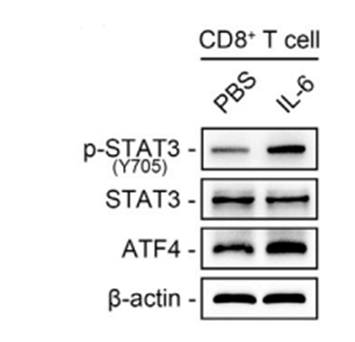
IL-6 Protein, Human purchased from MedChemExpress. Usage Cited in: Cell. 2024 Apr 25;187(9):2288-2304.e27. [Abstract]
Protein levels of the indicated molecules and ATF4 mRNA levels in CD8+ T cells treated with PBS or IL-6 (20 μg/mL).
-
J Adv Res
High throughput screening identifies sanguinarine chloride as a multi-faceted therapeutic agent for PRCC-TFE3 rRCC by targeting lactylation-driven VEGFB-VEGFR2 signaling and PMN-MDSC infiltration. [Abstract]2026 Apr 7:S2090-1232(26)00291-2. PMID: 41956242 -
J Adv Res
Shikonin nasal spray film preparation promoted the repair of nasal mucosal injury by the interaction of shikonin with interleukin-6. [Abstract]2025 Jun 18:S2090-1232(25)00453-9. PMID: 40541778 -
J Exp Clin Cancer Res
Integrated metabolomic and transcriptomic analysis identifies adipogenic differentiation of mesenchymal stem cells as a driver of chemoresistance in acute myeloid leukemia. [Abstract]2025 Oct 17;44(1):291. PMID: 41107983
IL-6 Protein, Human purchased from MedChemExpress. Usage Cited in: J Exp Clin Cancer Res. 2025 Oct 17;44(1):291. [Abstract]
WB revealed that IL-6 (50 ng/mL, 24 h) treatment markedly enhanced PI3K and Akt phosphorylation compared with both the blank and solvent control groups.
-
Adv Sci (Weinh)
CD177 Deficiency Defines a Stable Subtype of Human Neutrophil Granulocytes with Tumor Promoting Activity. [Abstract]2026 Jun 22:e76236. PMID: 42325214 -
Adv Sci (Weinh)
ETV4 Promotes Colorectal Cancer Progression by Reprogramming Asparagine Metabolism to Remodel the Stromal Microenvironment. [Abstract]2026 Mar 20:e16557. PMID: 41861091 -
Adv Sci (Weinh)
RIG-I-Inducing Small Molecules Potently Inhibit HMA-Resistant AML Through Igniting the Overloaded dsRNA Arsenal. [Abstract]2025 Sep;12(36):e14477. PMID: 40568903 -
Adv Sci (Weinh)
Loss of OVOL2 in Triple-Negative Breast Cancer Promotes Fatty Acid Oxidation Fueling Stemness Characteristics. [Abstract]2024 Jun;11(24):e2308945. PMID: 38627980 -
Adv Sci (Weinh)
MSL1 Promotes Liver Regeneration by Driving Phase Separation of STAT3 and Histone H4 and Enhancing Their Acetylation. [Abstract]2023 Aug;10(23):e2301094. PMID: 37279389 -
Cell Death Dis
Tumor cell-derived EMP1 is essential for cancer-associated fibroblast infiltration in tumor microenvironment of triple-negative breast cancer. [Abstract]2025 Feb 27;16(1):143. PMID: 40016223 -
Cancer Lett
2025 Aug 28:626:217791. PMID: 40349909 -
Int J Biol Sci
IL-6 signaling accelerates iron overload by upregulating DMT1 in endothelial cells to promote aortic dissection. [Abstract]2024 Aug 6;20(11):4222-4237. PMID: 39247821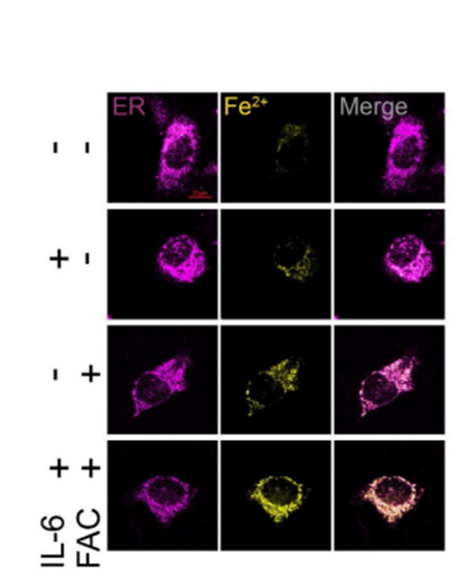
IL-6 Protein, Human purchased from MedChemExpress. Usage Cited in: Int J Biol Sci. 2024 Aug 6;20(11):4222-4237. [Abstract]
IL-6 (50 ng/mL, 24 h) and FAC (12 mg/L, 24 h) increased the Fe2+ content in HAECs by confocal fluorescence imaging detected.
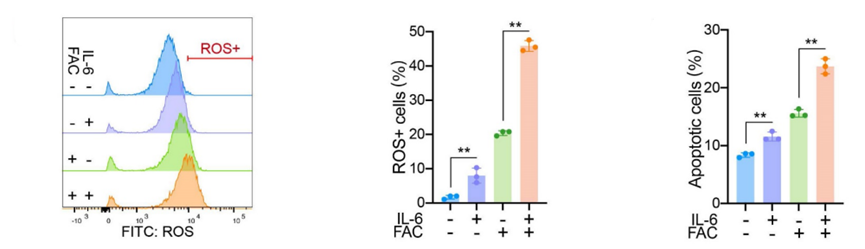
IL-6 Protein, Human purchased from MedChemExpress. Usage Cited in: Int J Biol Sci. 2024 Aug 6;20(11):4222-4237. [Abstract]
Flow cytometry detected ROS and apoptosis levels, IL-6 (50 ng/mL, 24 h) clearly sensitized HAECs to FAC-induced damage.
-
Cell Commun Signal
Increased HERV-E clone 4-1 expression contributes to DNA hypomethylation and IL-17 release from CD4+ T cells via miR-302d/MBD2 in systemic lupus erythematosus. [Abstract]2019 Aug 14;17(1):94. PMID: 31412880 -
Phytomedicine
β, β-Dimethylacrylshikonin potentiates paclitaxel activity, suppresses immune evasion and triple negative breast cancer progression via STAT3Y705 phosphorylation inhibition based on network pharmacology and transcriptomics analysis. [Abstract]2023 Jun:114:154769. PMID: 36940580 -
-
J Transl Med
Esophageal microbial dysbiosis impairs mucosal barrier integrity via toll-like receptor 2 pathway in patients with gastroesophageal reflux symptoms. [Abstract]2024 Dec 24;22(1):1145. PMID: 39719586 -
Free Radic Biol Med
IL-6/STAT3 signaling drives mitochondrial oxidative phosphorylation dysfunction and AP-1 activation in fibroblasts during sepsis-induced lung injury. [Abstract]2026 May 26:253:148-163. PMID: 42191040 -
Free Radic Biol Med
Elabela alleviates ferroptosis, myocardial remodeling, fibrosis and heart dysfunction in hypertensive mice by modulating the IL-6/STAT3/GPX4 signaling. [Abstract]2022 Mar:181:130-142. PMID: 35122997 -
Stem Cell Res Ther
A serum-free adipose-conditioned medium delays stem cell senescence and maintains tissue homeostasis via IL-6/STAT3 axis suppression. [Abstract]2025 Nov 28;16(1):668. PMID: 41316397 -
Br J Cancer
New mechanistic understanding of FXR agonist Vonafexor: inducing sublethal damage of HBV-positive liver cancer cells via promoting anti-tumor immunity. [Abstract]2025 Sep;133(5):697-708. PMID: 40588513 -
Anal Chem
The Dual Nondestructive Amplification Strategy Realizes the Ultrasensitive Detection of Soluble TRAIL in Human Plasma. [Abstract]2025 Nov 18;97(45):25295-25303. PMID: 41195534 -
J Invest Dermatol
E3 Ubiquitin Ligase NEDD4L Negatively Regulates Skin Tumorigenesis by Inhibiting IL-6/GP130 Signaling Pathway. [Abstract]2024 Nov;144(11):2453-2464.e11. PMID: 38580105 -
CNS Neurosci Ther
2023 Nov;29(11):3430-3445. PMID: 37308741 -
Life Sci
Melatonin attenuates cellular senescence and apoptosis in diabetic nephropathy by regulating STAT3 phosphorylation. [Abstract]2023 Nov 1:332:122108. PMID: 37739161 -
Life Sci
Silencing KPNA2 inhibits IL-6-induced breast cancer exacerbation by blocking NF-κB signaling and c-Myc nuclear translocation in vitro. [Abstract]2020 Jul 15;253:117736. PMID: 32360571 -
Cells
Upregulated Hexokinase-2 in Airway Epithelium Regulates Apoptosis and Drives Inflammation in Asthma via Peptidylprolyl Isomerase F. [Abstract]2025 Jul 1;14(13):1004. PMID: 40643524 -
Cells
STAT3 Inhibitor ODZ10117 Suppresses Glioblastoma Malignancy and Prolongs Survival in a Glioblastoma Xenograft Model. [Abstract]2020 Mar 15;9(3):722. PMID: 32183406 -
Esophagus
Acid bile salt induces esophageal mucosal barrier dysfunction through miR-146a-5p-KYNU pathway in gastroesophageal reflux disease. [Abstract]2026 Apr;23(2):419-433. PMID: 41703371 -
Mol Med Rep
Role of TGM2 in T‑cell lymphoblastic lymphoma via regulation of IL‑6/JAK/STAT3 signalling. [Abstract]2022 Mar;25(3):76. PMID: 35014680 -
Mol Med Rep
Hsa_circ_0010957 level is increased and sponges microRNA‑125b in CD4+ T cells of patients with systemic lupus erythematosus. [Abstract]2021 Jun;23(6):469. PMID: 33880592 -
Cancer Sci
Integrated Transcriptomic and Functional Analyses Reveal lncRNA-miRNA-mRNA Axis in AML Relapse After Allo-HSCT. [Abstract]2026 May 18. PMID: 42151054 -
Sci Rep
Loganin alleviates oxidative stress-induced apoptosis by modulating mitochondrial function and STAT3 signaling in DSS-induced colitis and H2O2-injured Caco-2 cells. [Abstract]2026 May 28. PMID: 42203917 -
Transl Oncol
Investigation of the pan-cancer property of FNDC1 and its molecular mechanism to promote lung adenocarcinoma metastasis. [Abstract]2024 Jun:44:101953. PMID: 38593585 -
Mediators Inflamm
2021 Jan 6:2021:5318369. PMID: 33505213 -
Neoplasia
Prkci activates Jak2/Stat3 signaling to promote tumor angiogenesis: Short Name: Prkci in tumor angiogenesis. [Abstract]2025 Oct:68:101219. PMID: 40840329 -
Oncol Rep
Knockdown of CCT2 inhibits the malignant progression of hepatocellular carcinoma cells by impairing STAT3 activation. [Abstract]2026 May;55(5):81. PMID: 41789667 -
Mol Cell Biochem
Arctigenin ameliorates neointima formation induced by vascular injury by inhibiting inflammatory response and proliferation through the IL-6/JAK2/STAT3 pathway. [Abstract]2026 Jan 9. PMID: 41511720 -
Cell Signal
Glioblastoma cells secrete ICAM1 via FASN signaling to promote glioma-associated macrophage infiltration. [Abstract]2025 Aug:132:111823. PMID: 40252818 -
Antiviral Res
2022 Jan:197:105228. PMID: 34929248 -
ACS Pharmacol Transl Sci
Bruceine B Displays Potent Antimyeloma Activity by Inducing the Degradation of the Transcription Factor c-Maf. [Abstract]2023 Dec 5;7(1):176-185. PMID: 38230274 -
Microb Pathog
Treponema pallidum protein Tp47 upregulates TNFAIP3 to promote microglia-mediated angiogenesis through the SOCS3/IL6 signaling pathway. [Abstract]2026 Jan:210:108172. PMID: 41224156 -
Breast Cancer
PIM1 is responsible for IL-6-induced breast cancer cell EMT and stemness via c-myc activation. [Abstract]2019 Sep;26(5):663-671. PMID: 30989585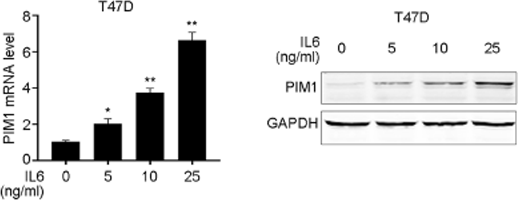
IL-6 Protein, Human purchased from MedChemExpress. Usage Cited in: Breast Cancer. 2019 Sep;26(5):663-671. [Abstract]
The mRNA and protein levels of PIM1 in T47D cells treated with IL-6 in gradient concentration are examined by qRT-PCR and western blot, respectively.
-
Toxicol Appl Pharmacol
Corynoxine suppresses hepatocellular carcinoma progression by forming the ROS-STAT3 cycle. [Abstract]2026 Jun 16:514:117917. PMID: 42303055 -
-
Cell Biochem Funct
Matrix Stiffness Regulates Interleukin-10 Secretion in Human Microglia (HMC3) via YAP-Mediated Mechanotransduction. [Abstract]2025 Mar;43(3):e70061. PMID: 40011226 -
Immun Inflamm Dis
PCSK9 promotes T helper 1 and T helper 17 cell differentiation by activating the nuclear factor-κB pathway in ankylosing spondylitis. [Abstract]2023 May;11(5):e870. PMID: 37249282 -
Front Oncol
Metformin Downregulates PD-L1 Expression in Esophageal Squamous Cell Catrcinoma by Inhibiting IL-6 Signaling Pathway. [Abstract]2021 Nov 22;11:762523. PMID: 34881181 -
J Clin Med
Development of Oxadiazole-Based ODZ10117 as a Small-Molecule Inhibitor of STAT3 for Targeted Cancer Therapy. [Abstract]2019 Nov 2;8(11):1847. PMID: 31684051 -
Oral Dis
ALDH3A1 overexpression in OSCC inhibits inflammation via phospho-Ser727 at STAT3 in tumor-associated macrophages. [Abstract]2023 May;29(4):1513-1524. PMID: 35188323 -
Cell Biochem Biophys
Resolvin D1 Inhibits IL-6-Induced Epithelial-Mesenchymal Transition of Colorectal Cancer Cells by Targeting IL-6/STAT3 Signaling. [Abstract]2024 Jun;82(2):1453-1461. PMID: 38740668 -
Stem Cell Res
Generation of a human induced pluripotent stem cell line (SJTUXHi002-A) from an individual with autism spectrum disorder carrying a heterozygous mutation in GRIA2. [Abstract]2022 Apr;60:102676. PMID: 35134694 -
Stem Cell Res
Generation of induced pluripotent stem cell, BCHSCTi001-A, derived from a Hemophilia A patient with F8 (p. R391C) mutation. [Abstract]2021 Oct:56:102491. PMID: 34496342 -
-
-
-
-
Sci Total Environ
Exposure to coal dust exacerbates cognitive impairment by activating the IL6/ERK1/2/SP1 signaling pathway. [Abstract]2024 Oct 10:946:174202. PMID: 38925396 -
-
Bioengineered
Cilengitide, an αvβ3-integrin inhibitor, enhances the efficacy of anti-programmed cell death-1 therapy in a murine melanoma model. [Abstract]2022 Feb;13(2):4557-4572. PMID: 35142593 -
Biomed Pharmacother
Limonin enhances the radiosensitivity of nasopharyngeal carcinoma cells via attenuating Stat3-induced cell stemness. [Abstract]2019 Oct:118:109366. PMID: 31545261


Technical Parameters
-
Species Human
-
Source E. coli
-
Tag Tag Free
-
Accession
P05231 (V30-M212)
-
Molecular Construction
-
N-term
-
IL-6 (V30-M212)
Accession # P05231 -
C-term
-
-
Protein Length
Full Length of Mature Protein
-
Synonyms
IL6; Hybridoma Growth Factor; Prev. IFNB2; IFN-Beta-2; IL-6; BSF-2; Interleukin-6; CDF; BSF2; Interleukin 6 (Interferon, Beta 2); HGF; B-Cell Differentiation Factor; HSF; Truncated Interleukin 6; B-Cell Stimulatory Factor 2; Interferon, Beta 2; CTL Differ
-
AA Sequence
VPPGEDSKDVAAPHRQPLTSSERIDKQIRYILDGISALRKETCNKSNMCESSKEALAENNLNLPKMAEKDGCFQSGFNEETCLVKIITGLLEFEVYLEYLQNRFESSEEQARAVQMSTKVLIQFLQKKAKNLDAITTPDPTTNASLLTKLQAQNQWLQDMTTHLILRSFKEFLQSSLRALRQM
-
Predicted Molecular Mass
20.9 kDa
-
Molecular Weight
Approximately 20-21 kDa, based on SDS-PAGE under reducing conditions, due to the glycosylation.
-
Purity
≥ 95%, as determined by reducing SDS-PAGE.


Product Properties
Lyophilized powder
1.Lyophilized after extensive dialysis against 20 mM HAc-NaAc, pH 5.0, 150 mM NaAc buffer.
2.Lyophilized after extensive dialysis against PBS, pH 7.4.
3.Lyophilized after extensive dialysis against PBS, pH 7.4, 8% trehalose.
Please refer to the lot-specific COA for specific buffer information.
<0.2 EU/μg, determined by LAL method.
It is not recommended to reconstitute to a concentration less than 100 μg/mL in ddH2O. For long term storage it is recommended to add a carrier protein (0.1% BSA, 5% HSA, 10% FBS or 5% Trehalose).
Stored at -20°C for 2 years from date of receipt. After reconstitution, it is stable at 4°C for 1 week or -20°C for longer (with carrier protein). It is recommended to freeze aliquots at -20°C or -80°C for extended storage.
Room temperature in continental US; may vary elsewhere.


Documentation
-
Data Sheet (263 KB)
-
SDS (252 KB)
- English - EN (252 KB)
- Français - FR (252 KB)
- Deutsch - DE (252 KB)
- Norwegian - NO (252 KB)
- Español - ES (252 KB)
- Swedish - SV (252 KB)
- Italian - IT (252 KB)
- Korean - KR (252 KB)
- Portuguese - PT (252 KB)
-
Handling Instructions (2659 KB)


References
[1]. Nieken J, et al. Recombinant human interleukin-6 induces a rapid and reversible anemia in cancer patients. Blood. 1995 Aug 1;86(3):900-5. [Content Brief]
[2]. Castell JV, et al. Recombinant human interleukin-6 (IL-6/BSF-2/HSF) regulates the synthesis of acute phase proteins in human hepatocytes. FEBS Lett. 1988 May 23;232(2):347-50. [Content Brief]
[3]. Gao X, et al., PIM1 is responsible for IL-6-induced breast cancer cell EMT and stemness via c-myc activation. Breast Cancer. 2019 Sep;26(5):663-671 [Content Brief]

Calculators
Concentration (start) × Volume (start) = Concentration (final) × Volume (final)


 Powered by Bioz

