



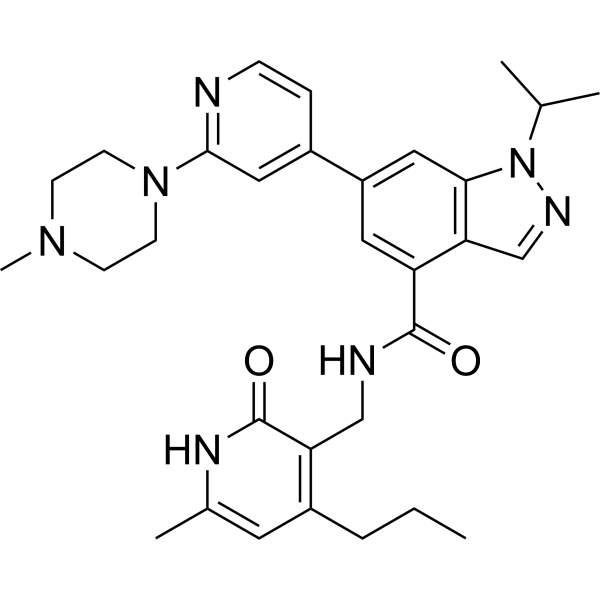
GSK343
Based on 33 publication(s) in Google Scholar
GSK343, a chemical probe, is a highly potent and selective EZH2 inhibitor with an IC50 of 4 nM.
For research use only. We do not sell to patients.
- Purity : 99.85%
- CAS No.: 1346704-33-3
- Formula: C31H39N7O2
- Molecular Weight:541.69
-
Storage:Powder -20°C, 3 years , 4°C, 2 years ; In solvent -80°C, 2 years , -20°C, 1 year

To place orders, for customer services and technical support, please contact: MedChemExpress USA
Tel: 609-228-6898 E-mail: [email protected] [email protected]


-
 Biological Activity
-
Chemical Information
-
Solvent & Solubility
- Purity & Documentation
- References
-
 Help & FAQs


-
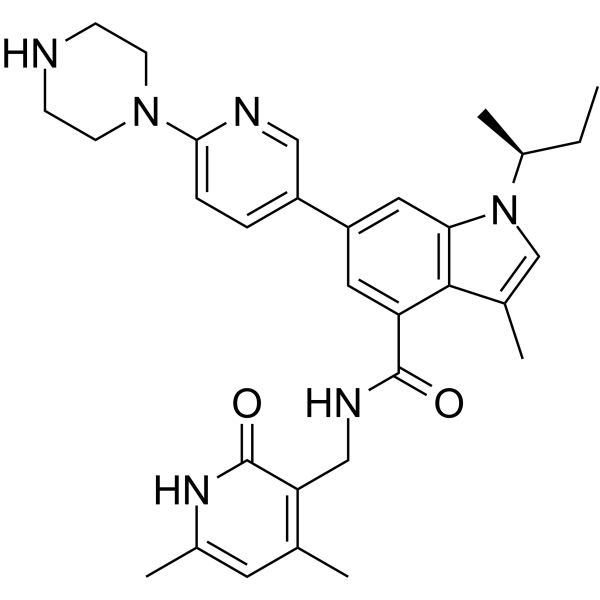
HY-13470
GSK126EZH2 Inhibitor -
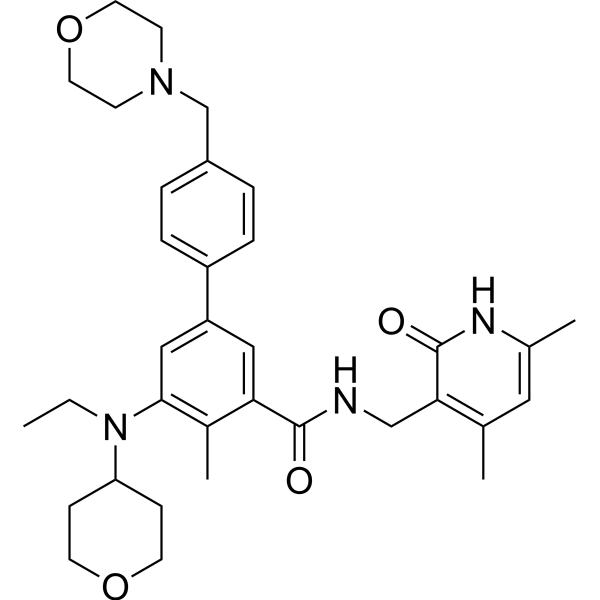
HY-13803
TazemetostatEZH2 Inhibitor -
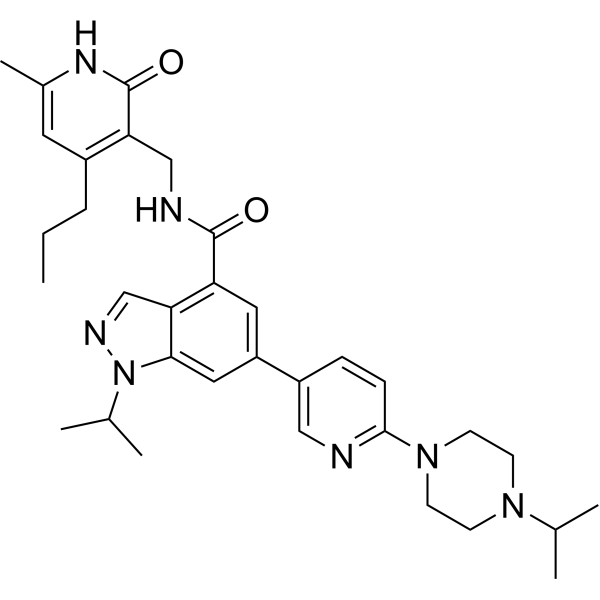
HY-15646
UNC1999EZH1/2 Inhibitor -
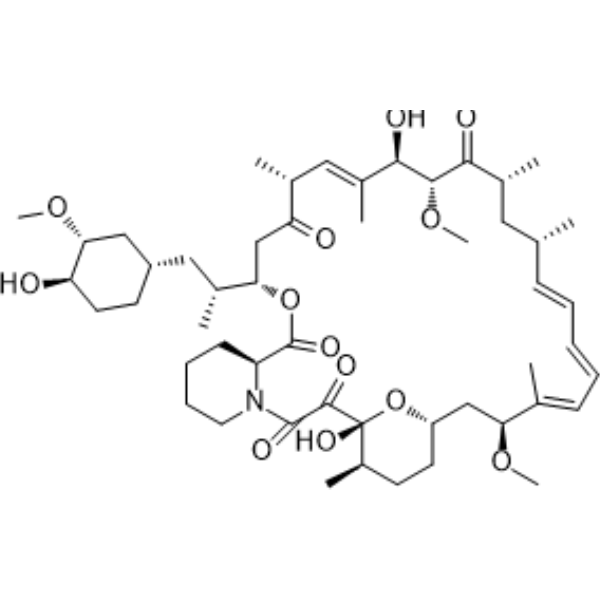
HY-10219
RapamycinmTOR Inhibitor -
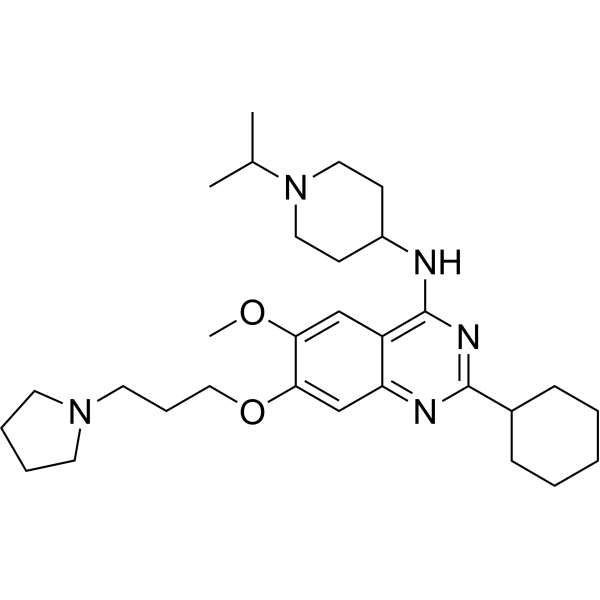
HY-15273
UNC0638G9a/GLP Inhibitor -
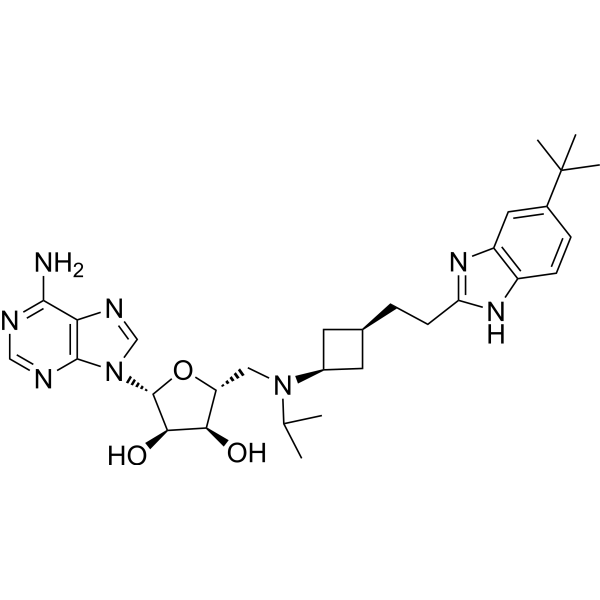
HY-15593
PinometostatDOT1L Inhibitor -
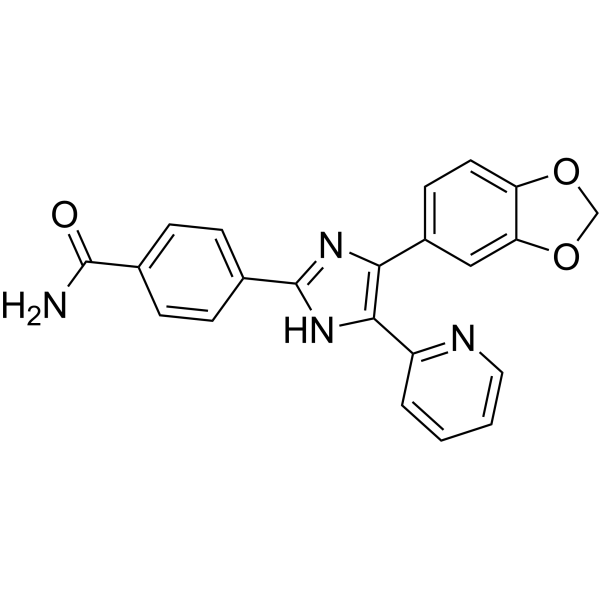
HY-10431
SB-431542TGF-β Receptor Kinase Inhibitor -
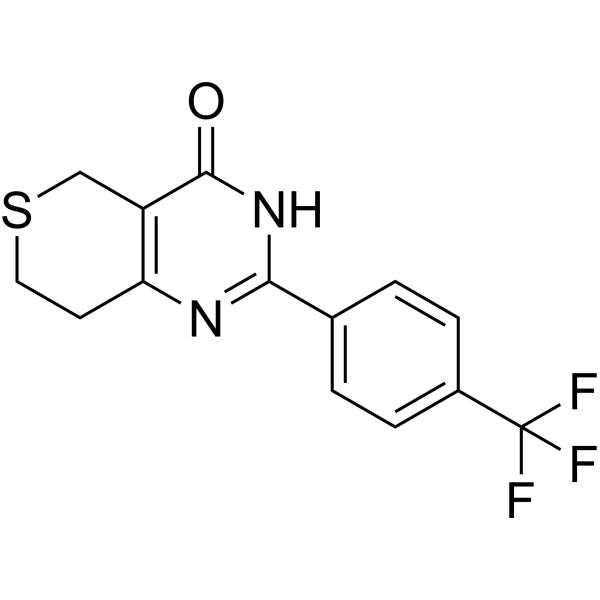
HY-15147
XAV-939Tankyrase Inhibitor -
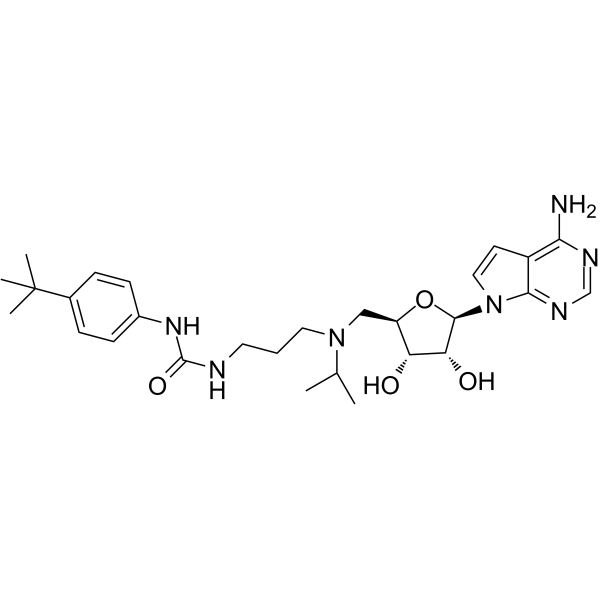
HY-15227
EPZ004777DOT1L Inhibitor -
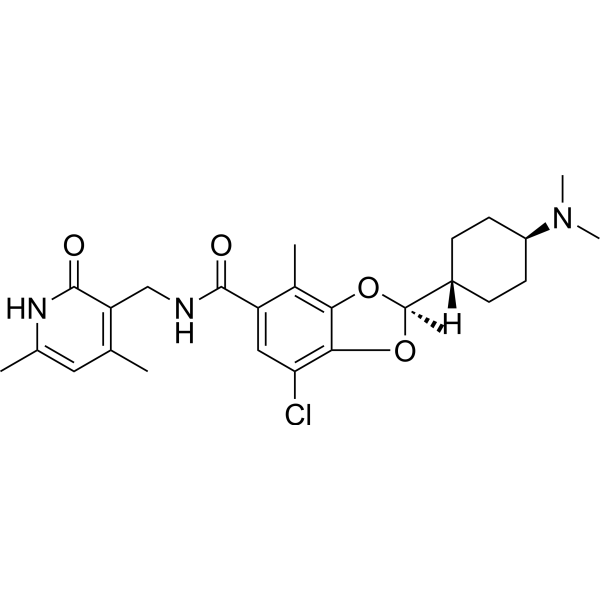
HY-109108
ValemetostatEZH1/2 Inhibitor -
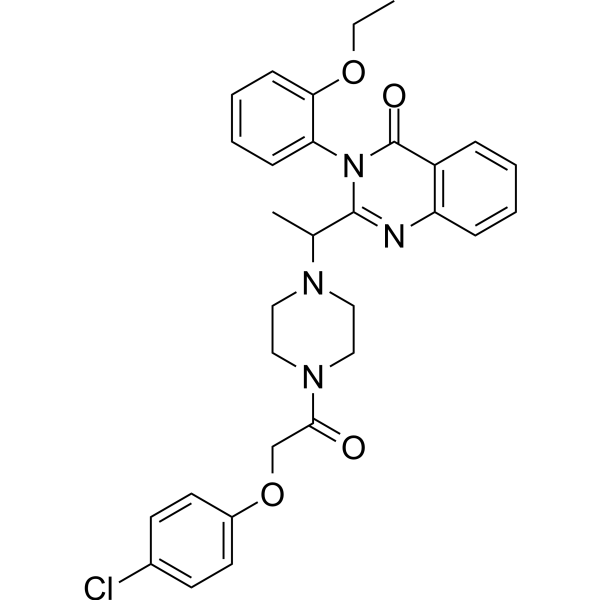
HY-15763
ErastinFerroptosis Inducer -
HY-100681
GSK2837808ALDHA Inhibitor
Publications Citing Use of MedChemExpress (MCE) GSK343
More- Blood. 2026 May 29:blood.2025031615. [Abstract]
- Cell Stem Cell. 2019 May 2;24(5):769-784.e6. [Abstract]
- Nat Commun. 2026 Feb 12;17(1):1214. [Abstract]
- Nat Commun. 2024 Aug 6;15(1):6672. [Abstract]
- Nat Chem Biol. 2023 Sep;19(9):1105-1115. [Abstract]
- Nucleic Acids Res. 2026 Jun 8;54(11):gkag529.
- Theranostics. 2019 Jul 9;9(17):5020-5034. [Abstract]
- Theranostics. 2019 Jan 24;9(3):761-777. [Abstract]
- Cell Death Differ. 2023 Apr;30(4):952-965. [Abstract]
- Cell Death Dis. 2025 Nov 30. [Abstract]
- Cell Death Dis. 2025 Apr 14;16(1):291. [Abstract]
- J Cachexia Sarcopenia Muscle. 2022 Feb;13(1):240-253. [Abstract]
- Cancer Cell Int. 2020 May 19:20:175. [Abstract]
- Eur J Pharmacol. 2020 Aug 5:880:173076. [Abstract]
- Int Immunopharmacol. 2023 Jun:119:110155. [Abstract]
- Int J Mol Sci. 2023 May 10;24(10):8517. [Abstract]
- Int Immunopharmacol. 2022 Sep:110:109073. [Abstract]
- Biol Res. 2024 Nov 8;57(1):83. [Abstract]
- Stem Cell Rev Rep. 2021 Jun;17(3):938-951. [Abstract]
- J Mol Cell Cardiol. 2019 Oct:135:119-133. [Abstract]
- Neoplasia. 2025 Oct 27:70:101243. [Abstract]
- Cancers (Basel). 2022 Jan 10;14(2):323. [Abstract]
- Ren Fail. 2023 Dec;45(1):2149411. [Abstract]
- Biol Reprod. 2021 Mar 11;104(3):562-577. [Abstract]
- Reprod Sci. 2020 Sep;27(9):1812-1820. [Abstract]
- Exp Ther Med. 2021 May;21(5):437. [Abstract]
- Oncol Lett. 2018 Jul;16(1):1231-1236. [Abstract]
- University of Groningen. 2025 Jul 4.
- biorxiv. 2024 Jun 08.
- bioRxiv. 2023 Apr 3.
- Research Square Print. September 20th, 2022.
- Patent. US20210024934A1.
- Patent. US20180263995A1.
 Customer Validation & Images

-
WB
-
IF
-
WB
-
WB
All Histone Methyltransferase Isoforms
More

Biological Activity
Description
IC50 & Target
|
EZH2 |
Cellular Effect
|
Cell Line

|
Type | Value | Description | References |
|---|---|---|---|---|
| HCC1806 | IC50 |
174 nM
Compound: 6, GSK343
|
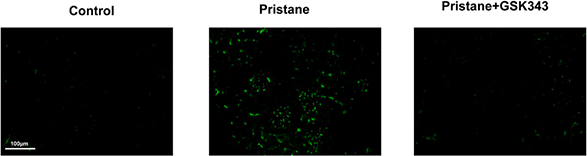
Inhibition of EZH2-mediated nuclear H3K27 methylation in human HCC1806 cells after 72 hrs by immunofluorescence analysis
Inhibition of EZH2-mediated nuclear H3K27 methylation in human HCC1806 cells after 72 hrs by immunofluorescence analysis
|
[PMID: 24900432] |
| LNCaP | IC50 |
2.9 μM
Compound: 6, GSK343
|
Inhibition of EZH2-mediated proliferation of human LNCaP cells after 6 days by chemiluminescence analysis
Inhibition of EZH2-mediated proliferation of human LNCaP cells after 6 days by chemiluminescence analysis
|
[PMID: 24900432] |
| NSC | IC50 |
9 μM
Compound: Chemical Probe: GSK343
|
Cytotoxicity against human fetal NSC assessed as reduction in cell vaibility incubated for 48 hrs by alamar blue assay
Cytotoxicity against human fetal NSC assessed as reduction in cell vaibility incubated for 48 hrs by alamar blue assay
|
[PMID: 30559935] |
In Vitro
GSK343, which contains an n-propyl group at the 4-position of the pyridone, has EZH2 Kiapp=1.2±0.2 nM. In this 6-day proliferation assay, among the cell lines evaluated in this study, the prostate cancer cell line LNCaP is the most sensitive to EZH2 inhibition, with growth IC50 value of 2.9 μM for GSK343[1]. GSK343 is found to have half maximal inhibitory concentration values of 13 μM in HeLa cells and 15 μM in SiHa cells[2].
MedChemExpress (MCE) has not independently confirmed the accuracy of these methods. They are for reference only.
In Vivo
MedChemExpress (MCE) has not independently confirmed the accuracy of these methods. They are for reference only.


Chemical Information
-
CAS No. 1346704-33-3
-
Appearance Solid
-
Molecular Weight 541.69
-
Formula C31H39N7O2
-
Color White to yellow
-
SMILES
O=C(C1=CC(C2=CC(N3CCN(C)CC3)=NC=C2)=CC4=C1C=NN4C(C)C)NCC5=C(CCC)C=C(C)NC5=O
-
Shipping
Room temperature in continental US; may vary elsewhere.
-
Storage
Powder -20°C 3 years 4°C 2 years In solvent -80°C 2 years -20°C 1 year


Publications (33)
-
Journal Impact Factor
-
Most Recent
-
Blood
DOT1L Shapes ncPRC1-Target Gene Repression to Maintain Germinal Center B Cell Identity of Diffuse Large B cell Lymphoma. [Abstract]2026 May 29:blood.2025031615. PMID: 42213647 -
Cell Stem Cell
Mesenchymal Niche-Specific Expression of Cxcl12 Controls Quiescence of Treatment-Resistant Leukemia Stem Cells. [Abstract]2019 May 2;24(5):769-784.e6. PMID: 30905620 -
Nat Commun
Human iPSC-based Modeling of Pulmonary Fibrosis Reveals p300/CBP Inhibition Suppresses Alveolar Transitional Cell State. [Abstract]2026 Feb 12;17(1):1214. PMID: 41680175 -
Nat Commun
Epigenome-wide impact of MAT2A sustains the androgen-indifferent state and confers synthetic vulnerability in ERG fusion-positive prostate cancer. [Abstract]2024 Aug 6;15(1):6672. PMID: 39107274 -
Nat Chem Biol
2023 Sep;19(9):1105-1115. PMID: 36973442
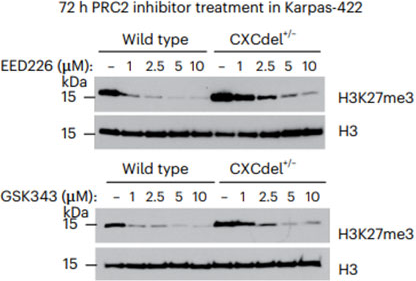
GSK343 purchased from MedChemExpress. Usage Cited in: Nat Chem Biol. 2023 Sep;19(9):1105-1115. [Abstract]
GSK343 (1, 2.5, 5, 10 μM; 72 h) reduces the level of H3K27me3 in wild-type and CXCdel+/− Karpas-422 cells.
-
-
Theranostics
2019 Jul 9;9(17):5020-5034. PMID: 31410199 -
Theranostics
Epigenetic Co-Deregulation of EZH2/TET1 is a Senescence-Countering, Actionable Vulnerability in Triple-Negative Breast Cancer. [Abstract]2019 Jan 24;9(3):761-777. PMID: 30809307
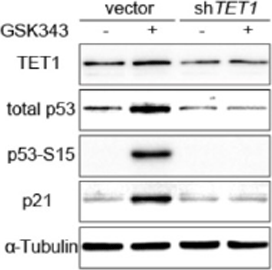
GSK343 purchased from MedChemExpress. Usage Cited in: Theranostics. 2019 Jan 24;9(3):761-777. [Abstract]
Immunoblot analysis of the indicated proteins in lysates from cells as in G with α-Tubulin as loading control with or without the treatment of GSK343.
-
Cell Death Differ
Cell differentiation modifies the p53 transcriptional program through a combination of gene silencing and constitutive transactivation. [Abstract]2023 Apr;30(4):952-965. PMID: 36681780 -
Cell Death Dis
RAD51B-EZH2 axis as a potential therapeutic target for TNBC through cell fate conversion. [Abstract]2025 Nov 30. PMID: 41318657 -
Cell Death Dis
A targetable antioxidant defense mechanism to EZH2 inhibitors enhances tumor cell vulnerability to ferroptosis. [Abstract]2025 Apr 14;16(1):291. PMID: 40229247 -
J Cachexia Sarcopenia Muscle
Epigenome-wide association study of sarcopenia: findings from the Hertfordshire Sarcopenia Study (HSS). [Abstract]2022 Feb;13(1):240-253. PMID: 34862756 -
Cancer Cell Int
EZH2 inhibitors-mediated epigenetic reactivation of FOSB inhibits triple-negative breast cancer progress. [Abstract]2020 May 19:20:175. PMID: 32477007 -
Eur J Pharmacol
GSK343, an inhibitor of EZH2, mitigates fibrosis and inflammation mediated by HIF-1α in human peritoneal mesothelial cells treated with high glucose. [Abstract]2020 Aug 5:880:173076. PMID: 32222493 -
Int Immunopharmacol
EZH2 inhibition dampens autoantibody production in lupus by restoring B cell immune tolerance. [Abstract]2023 Jun:119:110155. PMID: 37044035
GSK343 purchased from MedChemExpress. Usage Cited in: Int Immunopharmacol. 2023 Jun:119:110155. [Abstract]
GSK343 (2.5 mg/kg; i.p.; 32 weeks) reduces extensive IgG deposition in the kidneys of lupus mice.(once every other day for the first 16 weeks, then twice a week for 8 weeks, and finally once a week for 8 weeks)
-
Int J Mol Sci
Less Severe Sepsis in Cecal Ligation and Puncture Models with and without Lipopolysaccharide in Mice with Conditional Ezh2-Deleted Macrophages (LysM-Cre System). [Abstract]2023 May 10;24(10):8517. PMID: 37239864 -
Int Immunopharmacol
Targeting EZH2 prevents the occurrence and mitigates the development of Sjögren's syndrome in mice. [Abstract]2022 Sep:110:109073. PMID: 35978516 -
Biol Res
2024 Nov 8;57(1):83. PMID: 39511641 -
Stem Cell Rev Rep
Ubiquitin-Specific-Processing Protease 7 Regulates Female Germline Stem Cell Self-Renewal Through DNA Methylation. [Abstract]2021 Jun;17(3):938-951. PMID: 33151468 -
J Mol Cell Cardiol
2019 Oct:135:119-133. PMID: 31408621 -
Neoplasia
Cholesterol biosynthesis as a drug-induced vulnerability in diffuse large B cell lymphoma insensitive to EZH2 inhibition. [Abstract]2025 Oct 27:70:101243. PMID: 41151153 -
Cancers (Basel)
Nicotinamide Inhibits T Cell Exhaustion and Increases Differentiation of CD8 Effector T Cells. [Abstract]2022 Jan 10;14(2):323. PMID: 35053490 -
Ren Fail
Inhibition of EZH2 mitigates peritoneal fibrosis and lipid precipitation in peritoneal mesothelial cells mediated by klotho. [Abstract]2023 Dec;45(1):2149411. PMID: 36724065 -
Biol Reprod
EZH2 is essential for spindle assembly regulation and chromosomal integrity during porcine oocyte meiotic maturation†. [Abstract]2021 Mar 11;104(3):562-577. PMID: 33246325 -
Reprod Sci
Inhibition of Histone Methyltransferase EZH2 Suppresses Endometriotic Vesicle Development in a Rat Model of Endometriosis. [Abstract]2020 Sep;27(9):1812-1820. PMID: 32651901 -
Exp Ther Med
2021 May;21(5):437. PMID: 33747174 -
Oncol Lett
EZH2 inhibition promotes methyl jasmonate-induced apoptosis of human colorectal cancer through the Wnt/β-catenin pathway. [Abstract]2018 Jul;16(1):1231-1236. PMID: 30061944
GSK343 purchased from MedChemExpress. Usage Cited in: Oncol Lett. 2018 Jul;16(1):1231-1236. [Abstract]
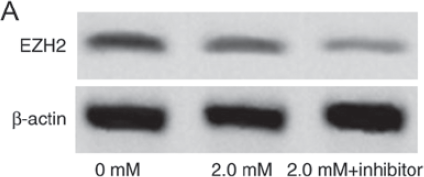
EZH2 protein expression in T24 cells treated with methyl jasmonate alone or in combination with GSK343 is analyzed using western blot analysis.
-
-
-
-
-
-


Solvent & Solubility
In Vitro:
DMSO : 15.62 mg/mL (28.84 mM; Need ultrasonic; Hygroscopic DMSO has a significant impact on the solubility of product, please use newly opened DMSO)
H2O : < 0.1 mg/mL (insoluble)
Please refer to the solubility information to select the appropriate solvent. Once prepared, please aliquot and store the solution to prevent product inactivation from repeated freeze-thaw cycles.
Storage method and period of stock solution: -80°C, 2 years; -20°C, 1 year. When stored at -80°C, please use it within 2 years. When stored at -20°C, please use it within 1 year.
Please refer to the solubility information to select the appropriate solvent. Once prepared, please aliquot and store the solution to prevent product inactivation from repeated freeze-thaw cycles.
Storage method and period of stock solution: -80°C, 2 years; -20°C, 1 year. When stored at -80°C, please use it within 2 years. When stored at -20°C, please use it within 1 year.
Concentration (start) × Volume (start) = Concentration (final) × Volume (final)
In Vivo:
Select the appropriate dissolution method based on your experimental animal and administration route.
- For the following dissolution methods, please ensure to first prepare a clear stock solution using an In Vitro approach and then sequentially add co-solvents:
- To ensure reliable experimental results, the clarified stock solution can be appropriately stored based on storage conditions. As for the working solution for In Vivo experiments, it is recommended to prepare freshly and use it on the same day.
- The percentages shown for the solvents indicate their volumetric ratio in the final prepared solution. If precipitation or phase separation occurs during preparation, heat and/or sonication can be used to aid dissolution.
Add each solvent one by one: 10% DMSO 40% PEG300 5% Tween-80 45% Saline
Solubility: ≥ 1.56 mg/mL (2.88 mM); Clear solution
This protocol yields a clear solution of ≥ 1.56 mg/mL (saturation unknown).
Taking 1 mL working solution as an example, add 100 μL DMSO stock solution (15.6 mg/mL) to 400 μL PEG300, and mix evenly; then add 50 μL Tween-80 and mix evenly; then add 450 μL Saline to adjust the volume to 1 mL.
Preparation of Saline: Dissolve 0.9 g sodium chloride in ddH₂O and dilute to 100 mL to obtain a clear Saline solution.
Add each solvent one by one: 10% DMSO 90% (20% SBE-β-CD in Saline)
Solubility: ≥ 1.56 mg/mL (2.88 mM); Clear solution
This protocol yields a clear solution of ≥ 1.56 mg/mL (saturation unknown).
Taking 1 mL working solution as an example, add 100 μL DMSO stock solution (15.6 mg/mL) to 900 μL 20% SBE-β-CD in Saline, and mix evenly.
Preparation of 20% SBE-β-CD in Saline (4°C, storage for one week): 2 g SBE-β-CD powder is dissolved in 10 mL Saline, completely dissolve until clear.
For the following dissolution methods, please prepare the working solution directly:
It is recommended to prepare fresh solutions and use them promptly within a short period of time.
The percentages shown for the solvents indicate their volumetric ratio in the final prepared solution. If precipitation or phase separation occurs during preparation, heat and/or sonication can be used to aid dissolution.
Add each solvent one by one: 0.5% CMC-Na/saline water
Solubility: 2 mg/mL (3.69 mM); Suspended solution; Need ultrasonic
In Vivo Dissolution Calculator
Please enter the basic information of animal experiments:
-
-
-
-
Recommended: Prepare an additional quantity of animals to account for potential losses during experiments.
Please enter your animal formula composition:
-
%DMSO +
Recommended: Keep the proportion of DMSO in working solution below 2% if your animal is weak.
-
%+
-
+%Tween-80 + +
-
%Saline +
The co-solvents required include: DMSO, . All of co-solvents are available by MedChemExpress (MCE). , Tween 80. All of co-solvents are available by MedChemExpress (MCE).
Working solution concentration: 0.22 mg/mL
Method for preparing stock solution: mg drug dissolved in μL DMSO. Stock solution concentration: mg/mL.
1. Take μL DMSO stock solution;
2. Add μL .
μL , mix evenly;
3. Then add μL Tween 80, mix evenly;
4. Then add μL
Please ensure that the stock solution in the first step is dissolved to a clear state, and add co-solvents in sequence. You can use ultrasonic heating (ultrasonic cleaner, recommended frequency 20-40 kHz), vortexing, etc. to assist dissolution.


Purity & Documentation
-
Data Sheet (285 KB)
-
SDS (393 KB)
- English - EN (393 KB)
- Français - FR (393 KB)
- Deutsch - DE (393 KB)
- Norwegian - NO (393 KB)
- Español - ES (393 KB)
- Swedish - SV (393 KB)
- Italian - IT (393 KB)
- Korean - KR (393 KB)
- Portuguese - PT (393 KB)
-
Handling Instructions (2659 KB)
References
[1]. Sharad K, et al. Identification of Potent, Selective, Cell-Active Inhibitors of the Histone Lysine Methyltransferase EZH2. ACS Med Chem Lett. 2012 Oct 19;3(12):1091-6. [Content Brief]
[2]. Ding M, et al. The polycomb group protein enhancer of zeste 2 is a novel therapeutic target for cervical cancer. Clin Exp Pharmacol Physiol. 2015 May;42(5):458-64. [Content Brief]


Complete Stock Solution Preparation Table
Please refer to the solubility information to select the appropriate solvent. Once prepared, please aliquot and store the solution to prevent product inactivation from repeated freeze-thaw cycles.
Storage method and period of stock solution: -80°C, 2 years; -20°C, 1 year. When stored at -80°C, please use it within 2 years. When stored at -20°C, please use it within 1 year.
| Optional Solvent | Concentration Solvent Mass | 1 mg | 5 mg | 10 mg | 25 mg |
|---|---|---|---|---|---|
| DMSO | 1 mM | 1.8461 mL | 9.2304 mL | 18.4607 mL | 46.1519 mL |
| 5 mM | 0.3692 mL | 1.8461 mL | 3.6921 mL | 9.2304 mL | |
| 10 mM | 0.1846 mL | 0.9230 mL | 1.8461 mL | 4.6152 mL | |
| 15 mM | 0.1231 mL | 0.6154 mL | 1.2307 mL | 3.0768 mL | |
| 20 mM | 0.0923 mL | 0.4615 mL | 0.9230 mL | 2.3076 mL | |
| 25 mM | 0.0738 mL | 0.3692 mL | 0.7384 mL | 1.8461 mL |


GSK343 Related Classifications
HY-13500 Related Classifications
 Powered by Bioz