Infection
-
Infection Related Products (18782)
Related Products (18782)

-
Antibodies (22)
-
Yadanzioside L
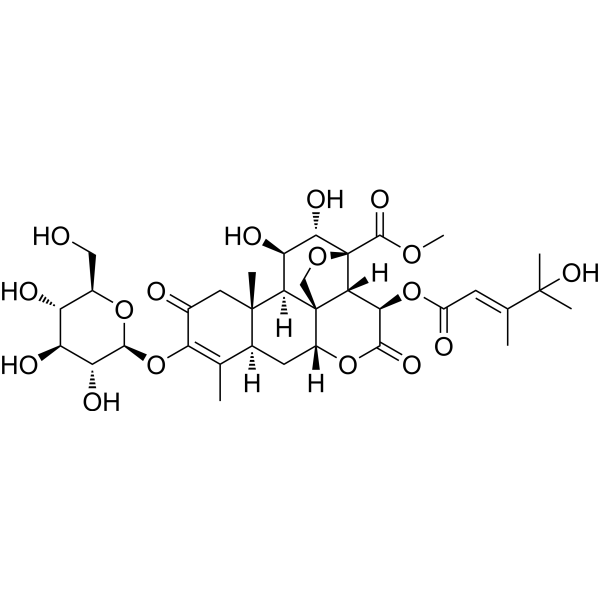 0 ImagesCat. No.: HY-N7194CAS No.: 99132-97-5
Yadanzioside L is a quassinoid and shows anti-tobacco mosaic virus (TMV) activity (IC50=4.86 μM).
-
HP211206
 0 ImagesCat. No.: HY-170598CAS No.: 3119106-17-8
HP211206 is a bifunctional CRBN-recruiting SARS-CoV-2 Mpro PROTAC degrader with a CRBN IC50 of 3.2 μM and a SARS-CoV-2 Mpro DC50 of 621 nM. HP211206 recruits E3 ubiquitin ligase CRBN to drive ubiquitination and proteasomal degradation of wild-type SARS-CoV-2 Mpro and E166 mutant while inhibiting Mpro enzymatic activity, exhibits no cytotoxicity against normal mammalian cells at tested concentrations, and can be used for the study of COVID-19 and SARS-CoV-2 infection
-
A3N19
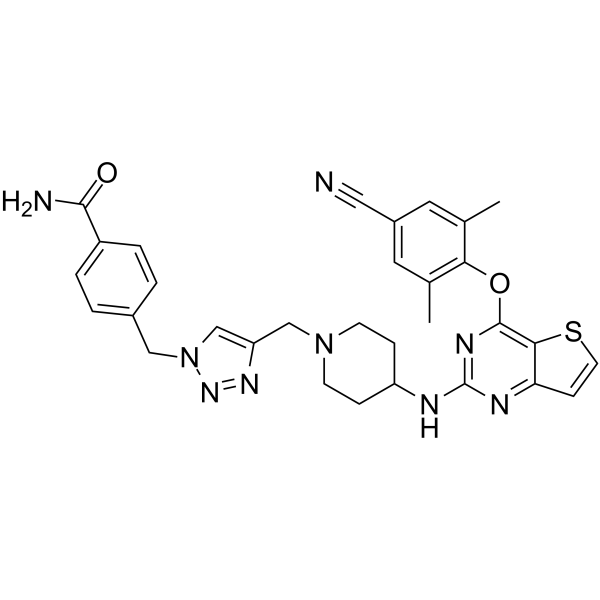 0 ImagesCat. No.: HY-146031CAS No.: 2249755-49-3
A3N19 is a potent HIV-1 non-nucleoside reverse transcriptase inhibitor, with an EC50 of 3.28 nM against HIV-1 IIIB.
-
RIPK1-IN-31
 0 ImagesCat. No.: HY-173574CAS No.: 2857845-45-3
RIPK1-IN-31 (Compound 36) is a selective allosteric modulator of RIPK1 (receptor-interacting protein kinase 1) with an IC50 value of 16 nM. RIPK1-IN-31 is promising for research of infectious, autoimmune, and neurodegenerative diseases.
-
CD4 (81-92) (human)
 0 ImagesCat. No.: HY-P11802CAS No.: 126144-46-5
CD4 (81-92) (human) is a fragment of hCD4. CD4 (81-92) (human) can undergo structural modifications including derivatization and cyclization to enhance antiviral potency and stability, with sequence alterations affecting its activity. CD4 (81-92) (human) is applicable to studies related to HIV-1 infection.
-
HIV-1 inhibitor-49
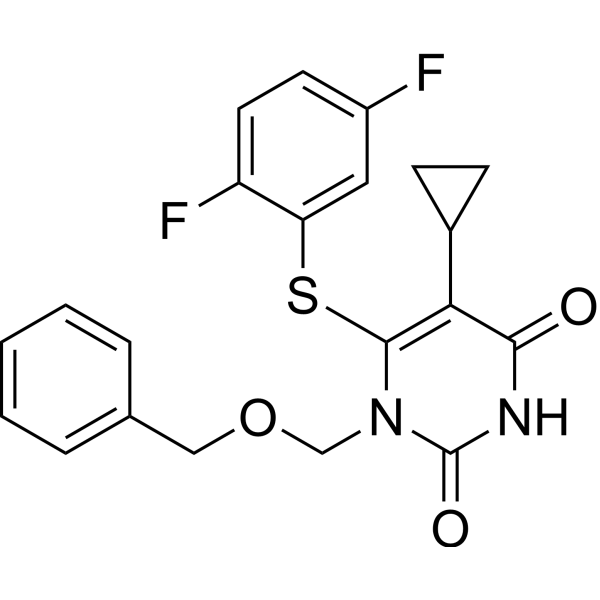 0 ImagesCat. No.: HY-151933CAS No.: 3038135-11-1
HIV-1 inhibitor-49 is an orally active HIV-1 inhibitor, is a HEPT analog. HIV-1 inhibitor-49 possesses great pharmacokinetics profiles and potent non-nucleoside reverse transcriptase inhibitory activity (IC50=30 nM). HIV-1 inhibitor-49 exerts potential safety without acute toxicity in mouse model.
-
BDM91288
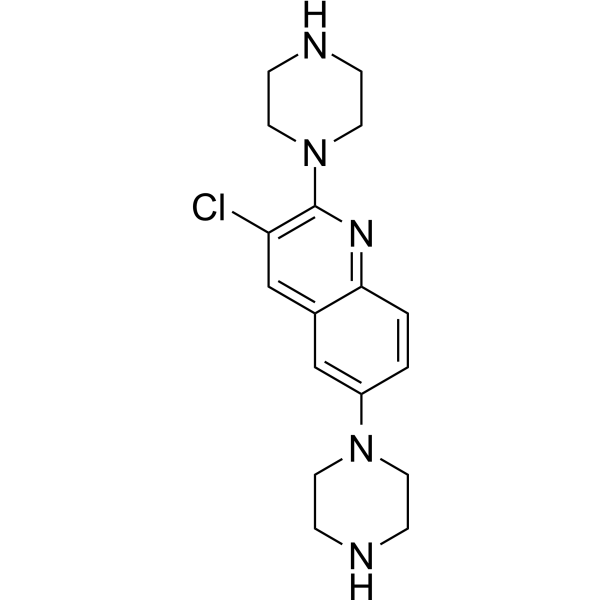 0 ImagesCat. No.: HY-162144CAS No.: 2892824-53-0
-
Albomycin ε
 0 ImagesCat. No.: HY-N16461CAS No.: 12676-10-7
Albomycin ε is a siderophore-antibiotic conjugate targeting bacterial ribosomes (MIC values:>512 μg/mL). Albomycin ε is promising for research of Streptococcus pneumoniae and Staphylococcus aureus infections.
-
KZR-8445 TFA
 0 ImagesCat. No.: HY-P10466A
KZR-8445 TFA, a cyclic depsipeptide, is a client-selective Sec61 inhibitor. KZR-8445 TFA binds to the fully opened Sec61 lateral gate, blocks lumenal plug domain access, stabilizes lateral gate helices, traps select signal peptides, and disrupts secretory and membrane protein biogenesis. KZR-8445 TFA inhibits pro-inflammatory cytokine secretion in primary immune cells. KZR-8445 TFA inhibits SARS-CoV-2 replication, virus-induced cytotoxicity, and spike protein biogenesis. KZR-8445 TFA blocks disease progression in a mouse model of rheumatoid arthritis. KZR-8445 TFA can be used for the researches of rheumatoid arthritis and SARS-CoV-2 infection.
-
Trigonelline chloride (Standard)
 0 Images
Trigonelline (chloride) (Standard) is the analytical standard of Trigonelline (chloride). This product is intended for research and analytical applications. Trigonelline chloride is an alkaloid with potential antidiabetic activity that can be isolated from Trigonella foenum-graecum L or Leonurus artemisia. Trigonelline chloride is a potent Nrf2 inhibitor that blocks Nrf2-dependent proteasome activity, thereby enhancing apoptosis in pancreatic cancer cells. Trigonelline chloride also has anti-HSV-1, antibacterial, and antifungal activity, and induces ferroptosis.
-
Clindamycin 2,4-diphosphate
 0 ImagesCat. No.: HY-163967CAS No.: 1309048-48-3
Clindamycin 2,4-diphosphate is a related impurity of Clindamycin phosphate (HY-B1064), a prodrug of Clindamycin (HY-B1455). Clindamycin phosphate inhibits protein synthesis by targeting the bacterial ribosomal 50S subunit.
-
NDM-1 inhibitor-2
 0 ImagesCat. No.: HY-118013CAS No.: 665013-76-3
NDM-1 inhibitor-2 is an inhibitor of New Delhi metallo-β-lactamase-1 (NDM-1) and has the ability to inhibit NDM-1 activity. NDM-1 inhibitor-2 exhibits a good inhibitory effect on drug-resistant bacterial strains that overexpress NDM-1. When NDM-1 inhibitor-2 is used in combination with the carbapenem antibiotic meropenem, a favorable synergistic effect can be produced.
-
SNAP-25 (187-203)
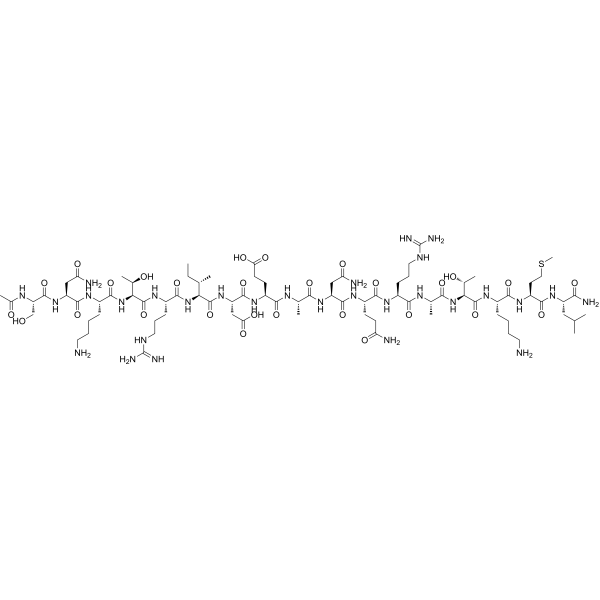 0 ImagesCat. No.: HY-P1820CAS No.: 216568-37-5
SNAP-25 (187-203), a peptide corresponding to residues 187–203 of SNAP-25, is a substrate for botulinum neurotoxin (BoNT)/A and can be used as a substrate for quantifying the activity of BoNT/C1(1-430) .
-
Posizolid
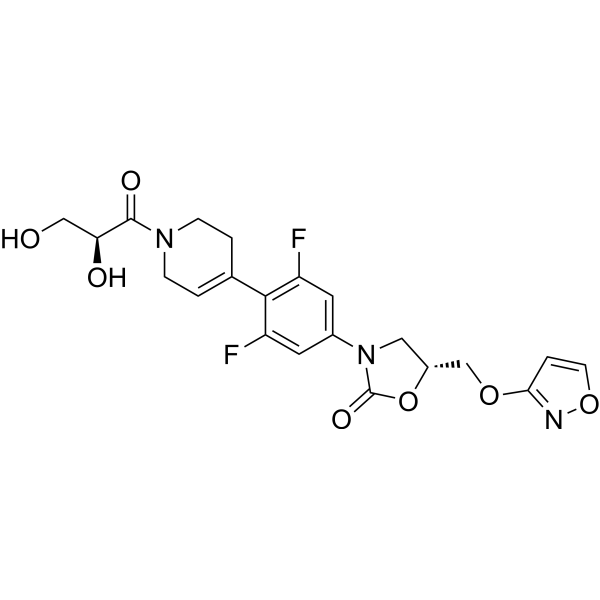 0 ImagesCat. No.: HY-15993CAS No.: 252260-02-9Synonyms: AZD2563; AZD5847
Posizolid (AZD2563), an oxazolidinone antibiotic, is developed by AstraZeneca for the study of bacterial infections. Posizolid shows very good anti-mycobacterial activity.
-
Neuraminidase-IN-11
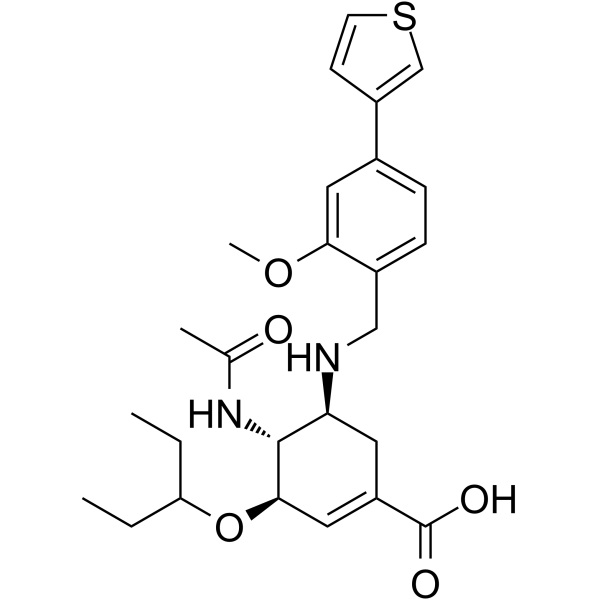 0 ImagesCat. No.: HY-151104CAS No.: 2685786-28-9
Neuraminidase-IN-11 (15e) is a potent and selective neuraminidase (NA) inhibitor with the IC50 values of 4.7 nM, 8.46 nM and 1.5 nM against H1N1, H5N1 and H5N8 NAs respectively.
-
PA-IIL
 0 ImagesCat. No.: HY-NP216Synonyms: LecB
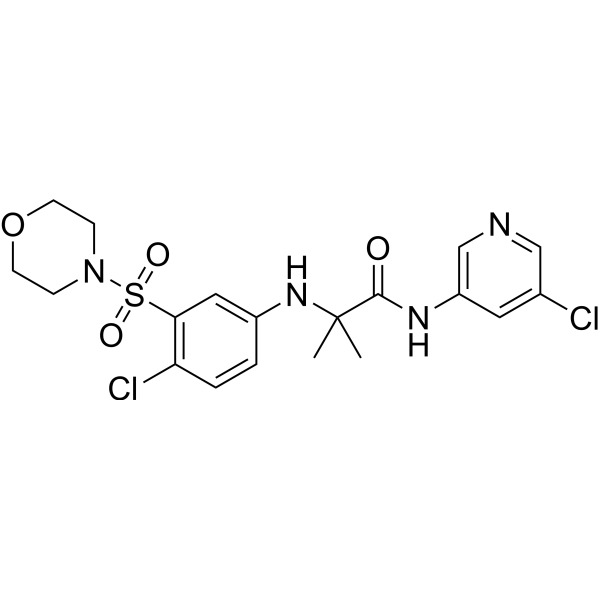
PA-IIL (LecB) is a lectin produced by Pseudomonas aeruginosa. PA-IIL binds to glycosylated β1-integrin, fucose-containing glycosphingolipids, fucosylated/mannosylated neutrophil glycoconjugates, and pre-formed neutrophil extracellular traps. PA-IIL disrupts host defenses: it creates favorable conditions for Pseudomonas aeruginosa infection and dissemination by modulating the bactericidal activity of neutrophils, impairing the trafficking and recruitment of immune cells, and compromising the repair capacity of epithelial barriers. PA-IIL can be used in studies related to Pseudomonas aeruginosa infection.
-
AMPK activator 20
 0 ImagesCat. No.: HY-120913CAS No.: 1243184-62-4
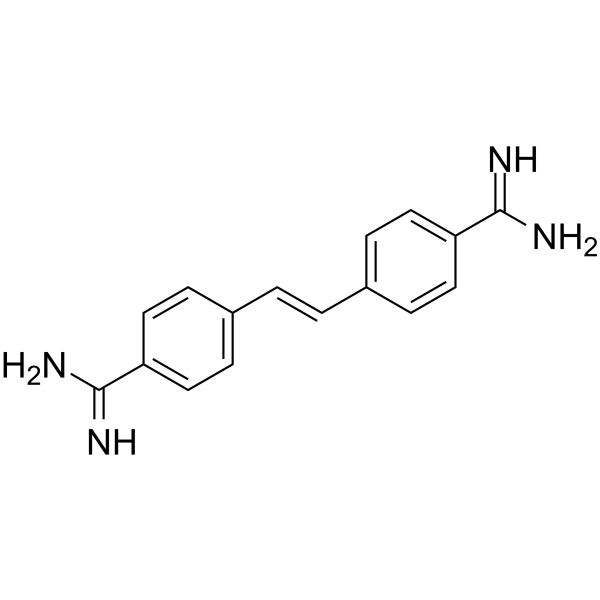
AMPK activator 20 is an α1-selective AMPK activator. AMPK activator 20 inhibits Helicobacter pylori-induced ROS production. AMPK activator 20 induces AMPK-dependent expression of Heme oxygenase-1. AMPK activator 20 suppresses Helicobacter pylori-induced Apoptosis. AMPK activator 20 exerts protective activity against Helicobacter pylori-induced cytotoxicity via an AMPK-dependent pathway. AMPK activator 20 is applicable to research related to Helicobacter pylori infection and gastric diseases.
-
hCAIX/XII-IN-6
 0 ImagesCat. No.: HY-151472CAS No.: 3031666-31-3
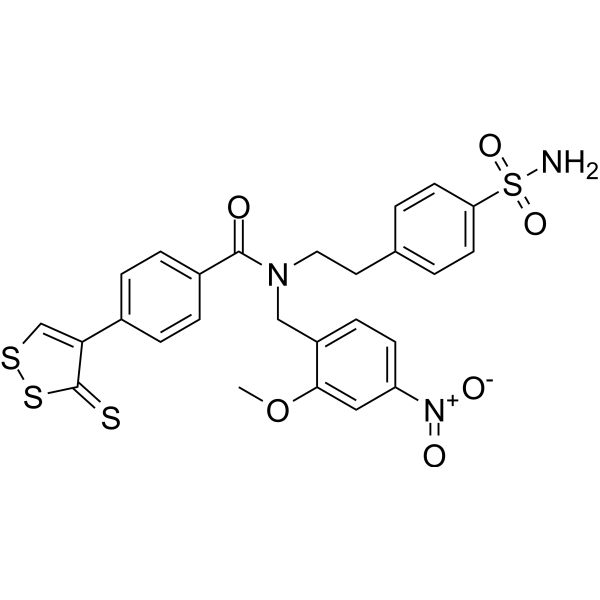
hCAIX/XII-IN-6 is an orally active carbonic anhydrase (CA) inhibitor. hCAIX/XII-IN-6 inhibits human CA isoforms hCA I, II, IV, IX, and XII with Ki values of 6697 nM, 2950 nM, 4093 nM, 4.1 nM and 7.7 nM, respectively. hCAIX/XII-IN-6 can be used for the research of rheumatoid arthritis (RA).