Infection
-
Infection Related Products (18884)
Related Products (18884)

-
Antibodies (22)
-
RSV-IN-4
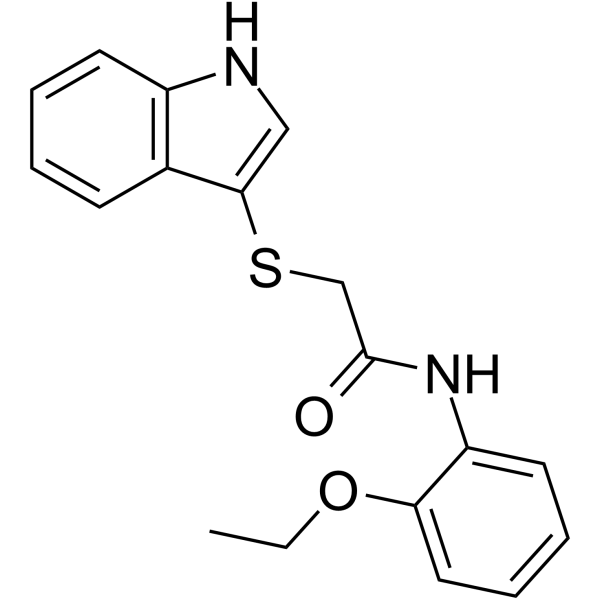 0 ImagesCat. No.: HY-143496CAS No.: 862825-89-6
RSV-IN-4 (Compound 2) is a dual inhibitor of respiratory syncytial virus (RSV) and influenza virus A (IAV). RSV-IN-4 shows anti-RSV activity (EC50 = 11.76 μM).
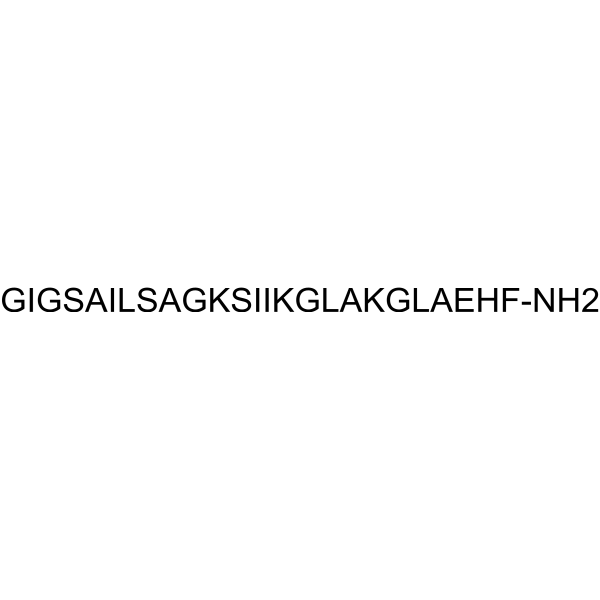
-
Rubia cordifolia extract
 0 ImagesCat. No.: HY-N18677CAS No.: 91845-24-8
Rubia cordifolia extract, derived from the madder plant, is valued for its anti-inflammatory, antioxidant, antibacterial, and blood-purifying properties. Active ingredients in Rubia cordifolia extract include anthraquinone compounds (such as alizarin and alizarin red), flavonoids, and tannins.
-
TMV-IN-7
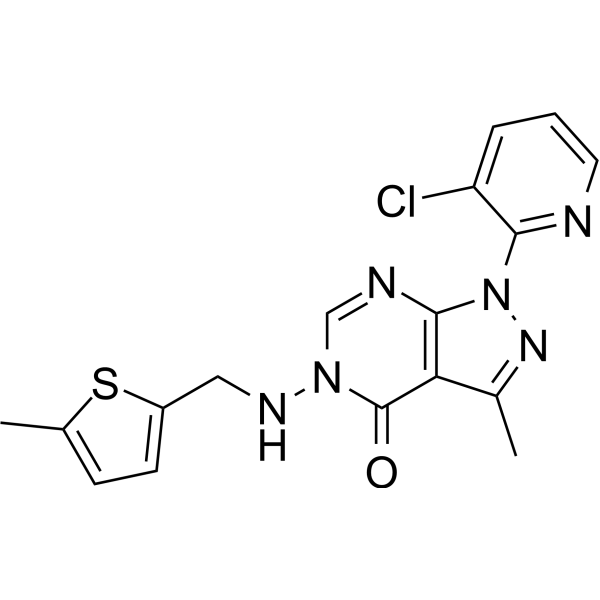 0 ImagesCat. No.: HY-163201CAS No.: 3027364-57-1
TMV-IN-7 (compound G2) is a potent inhibitor of tobacco mosaic virus (TMV). TMV-IN-7 exhibits strong hydrophobic interactions to obstructing the virus’s self-assembly.
-
Tigecycline (Standard)
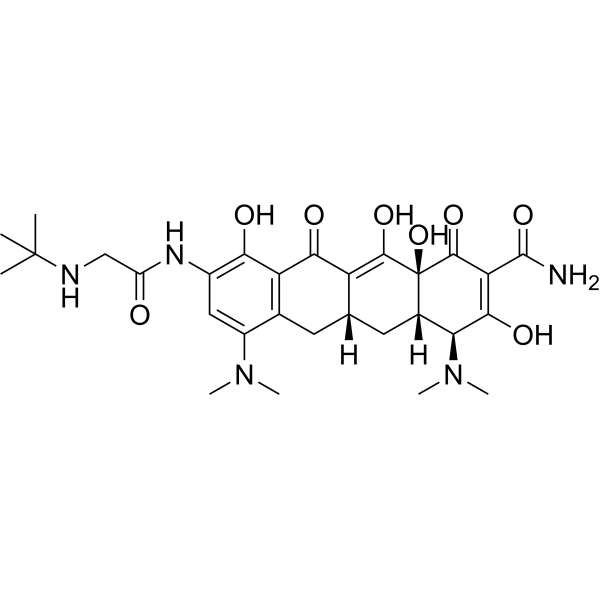 0 ImagesSynonyms: GAR-936 (Standard)
Tigecycline (Standard) is the analytical standard of Tigecycline. This product is intended for research and analytical applications. Tigecycline (GAR-936) is a broad-spectrum glycylcycline antibiotic. The mean inhibitory concentration (MIC) of Tigecycline for E. coli (MG1655 strain) is approximately 125 ng/mL. MIC50 and MIC90 are 1 and 2 mg/L for Acinetobacter baumannii (A. baumannii), respectively.
-
Anidulafungin-d11
 0 ImagesCat. No.: HY-13553SCAS No.: 1123186-04-8
Anidulafungin-d11 is the deuterium labeled Anidulafungin (HY-13553). Anidulafungin is a new semisynthetic echinocandin with antifungal potency.
-
Chitin synthase inhibitor 6
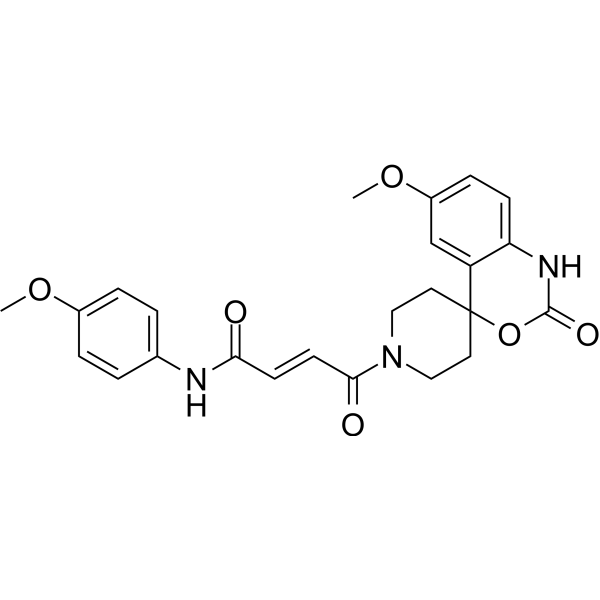 0 ImagesCat. No.: HY-151416CAS No.: 3033645-29-0
Chitin synthase inhibitor 6 (compound 9b) is a potent chitin synthase (CHS) inhibitor with an IC50 value of 0.21 mM. Chitin synthase inhibitor 6 has broad-spectrum antifungal activity against drug-resistant fungi. Chitin synthase inhibitor 6 can be used in the research of fungi infection.
-
Forsyshiyanine A
 0 ImagesCat. No.: HY-N17236CAS No.: 2767053-65-4
Foryshiyanine A is a triterpenoid alkaloid. Foryshiyanine A possesses anti-inflammatory activity, inhibiting the release of β-glucuronidase from rat polymorphonuclear leukocytes. Foryshiyanine A exhibits antiviral activity, with an EC50 of 4.5 μM against respiratory syncytial virus (RSV) and an IC50 of 7.3 μM against influenza A virus (H1N1). Foryshiyanine A reduces viral load by disrupting viral replication and entry. Foryshiyanine A may be used for the researches of inflammation and infection.
-
IWY357
 0 ImagesCat. No.: HY-159637CAS No.: 3052672-51-9Synonyms: NVP-IWY357
IWY357 is a long-acting, blood-stage inhibitor of Plasmodium falciparum.
-
Iprodione-d5
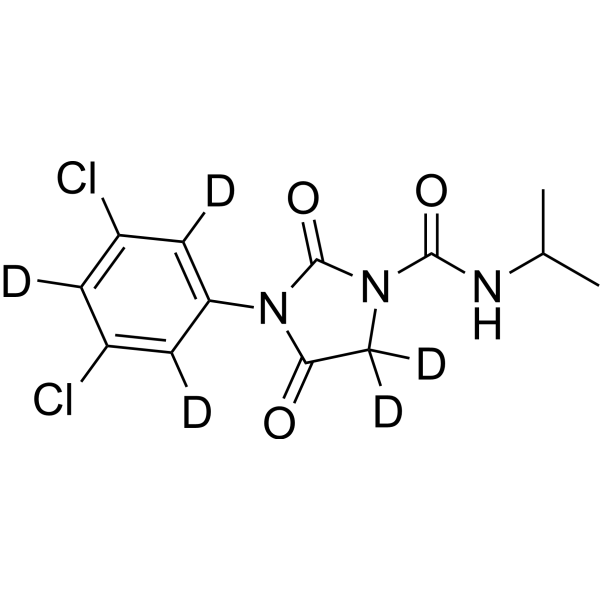 0 ImagesCat. No.: HY-B1978SCAS No.: 1215631-57-4
Iprodione-d5 is the deuterium labeled Iprodione. Iprodione, a dicarboximide fungicide, has a highly specific action, with a capacity to cause oxidative damage through production of free oxygen radicals (ROS). Iprodione does not appear to be species selective.
-
Eugenol acetate (Standard)
 0 ImagesSynonyms: Acetyleugenol (Standard)
Eugenol acetate (Standard) is the analytical standard of Eugenol acetate. This product is intended for research and analytical applications. Eugenol acetate (Eugenyl acetate) is an antibacterial, anticancer, anti-inflammatory and antioxidant. Eugenol acetate inhibits NF-κB and enhances the expression of p53 and p21 (WAF1). Eugenol acetate can prevent chemically induced skin cancer, inhibit cancer cell proliferation and induce apoptosis.
-
Antibacterial agent 106
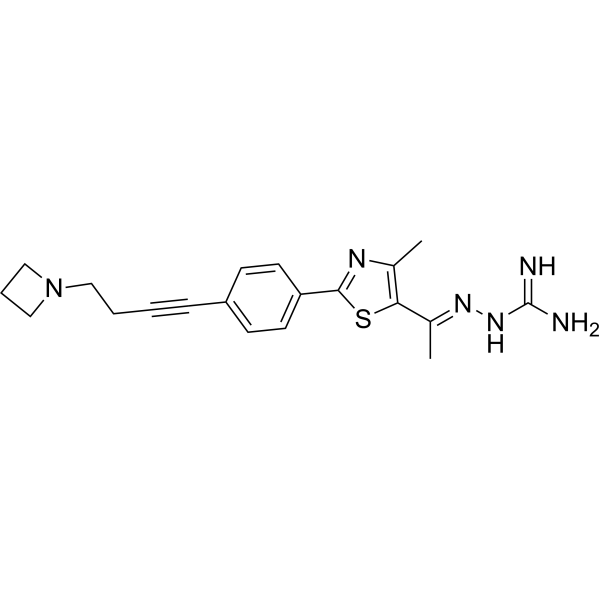 0 ImagesCat. No.: HY-147531CAS No.: 2459657-11-3
Antibacterial agent 106 (compound 8) is an orally active and potent antibacterial agent with antibiofilm activity. Antibacterial agent 106 shows potent antibacterial effect against multi-agent resistant (MDR)-Gram positive pathogens. Antibacterial agent 106 is highly effective in clearing 99.7% of the intracellular methicillin-resistant S. aureus (MRSA) harbored inside macrophages. Antibacterial agent 106 is a click chemistry reagent, it contains an Alkyne group and can undergo copper-catalyzed azide-alkyne cycloaddition (CuAAc) with molecules containing Azide groups.
-
SARS-CoV-2/MERS Mpro-IN-2
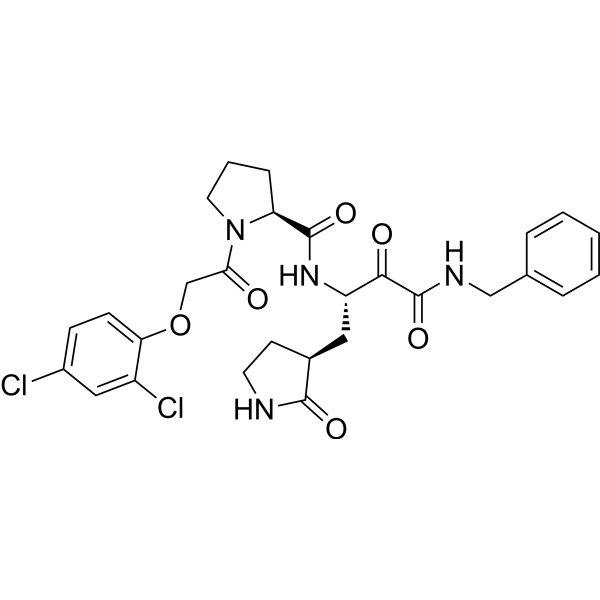 0 ImagesCat. No.: HY-151991CAS No.: 3034217-02-9
SARS-CoV-2/MERS Mpro-IN-2 (compound 9d) is a potent SARS-CoV-2 and MERS main protease inhibitor with IC50 values of 0.21, 0.07 µM, respectively.
-
Anti-Mouse Vβ4 TCR Antibody (KT4)
 0 ImagesCat. No.: HY-P990142
Anti-Mouse Vβ4 TCR Antibody (KT4) is an anti-mouse Vβ4 TCR IgG2b monoclonal antibody. Anti-Mouse Vβ4 TCR Antibody (KT4) can reduce the proportion of Vβ4+ T cells without affecting their function. Anti-Mouse Vβ4 TCR Antibody (KT4) can be used for research on immunology and infection conditions such as virus infection. Anti-Mouse Vβ4 TCR Antibody (KT4) is often used in flow cytometry.
-
Anti-infective agent 7
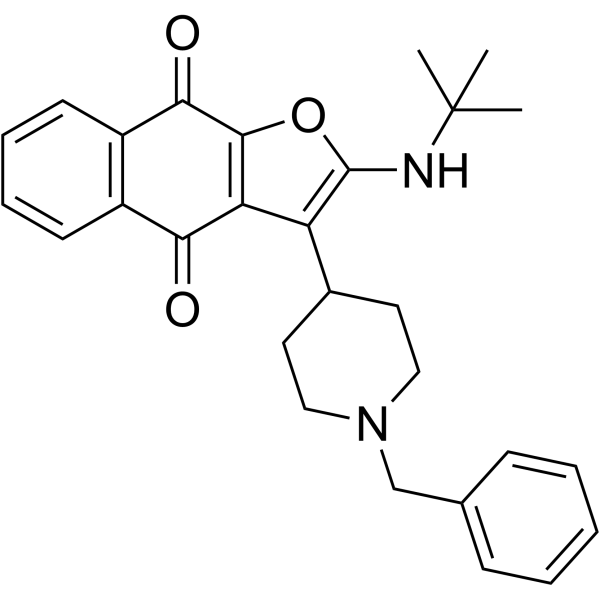 0 ImagesCat. No.: HY-151614CAS No.: 2839192-25-3
Anti-infective agent 7 is a potent anti-infectious agent. Anti-infective agent 7 has anti-infection activity against P. falciparum (IC50=2.5 μM) and M. tuberculosis (MIC=9 μM).
-
Antifungal agent 63
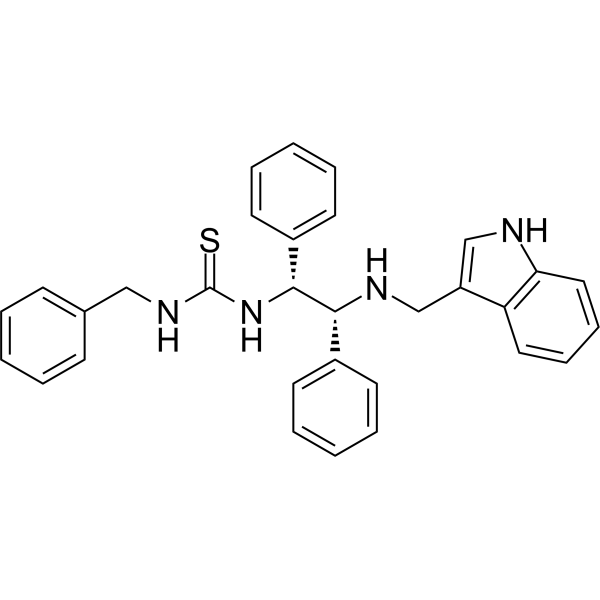 0 ImagesCat. No.: HY-155660
Antifungal agent 63 (Compound 3i) is a fungicidal agent with excellent fungicidal activities against Fusarium oxysporum f.sp. cucumerinum. Antifungal agent 63 can be used for antiviral and fungicidal research.
-
FAM labled GPI2A sodium
 0 ImagesCat. No.: HY-177636C
FAM labled GPI2A sodiumis a FAM labled GPI2A sodium.
-
Urechistachykinin I
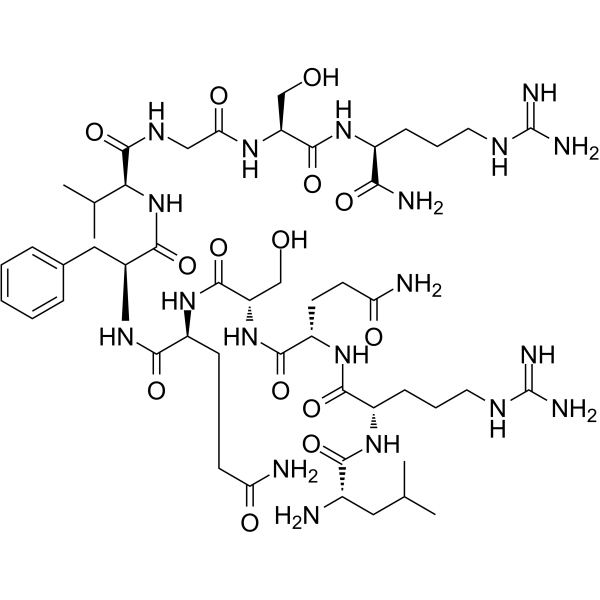 0 ImagesCat. No.: HY-P1768CAS No.: 149097-03-0Synonyms: Uru-TK I
Urechistachykinin I (Uru-TK I), an invertebrate tachykinin-related peptides (TRPs) isolated from echiuroid worms, shows antimicrobial activities without a hemolytic effect.
-
SARS-CoV-2-IN-23 disodium
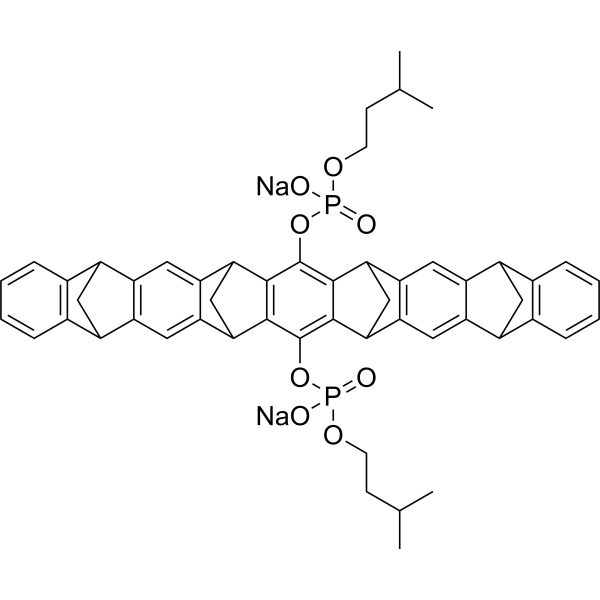 0 ImagesCat. No.: HY-151269A
SARS-CoV-2-IN-23 disodium is a two-armed diphosphate ester and medium length molecular tweezers. SARS-CoV-2-IN-23 disodium exhibits antiviral activity with IC50s of 8.2 μM and 2.6 μM against SARS-CoV-2 activity and the spike pseudoparticle transduction, respectively. SARS-CoV-2-IN-23 disodium induces liposomal membrane disruption with an EC50 value of 4.4 μM.