



Aromatase/CYP19A1 Activator
-
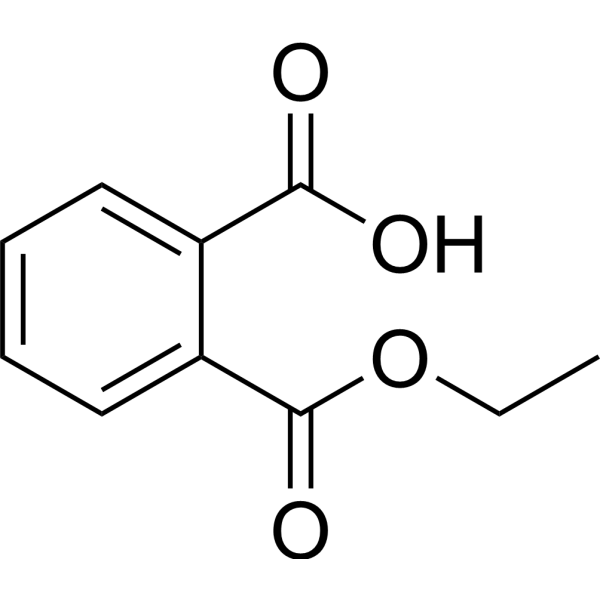
Monoethyl phthalate
 0 Images
Monoethyl phthalate is an orally active PDX-1 activator and the major hydrolytic metabolite of Diethyl phthalate (HY-Y0284) in vivo, with reproductive toxicity. Monoethyl phthalate targets aromatase (aromatase/CYP19A1) and PPAR to induce cell proliferation. The plasma protein binding rate of Monoethyl phthalate in rats and humans is lower than that of Diethyl phthalate. It exhibits significant enterohepatic circulation in rats and mainly accumulates in liver tissues. Monoethyl phthalate shows no estrogenic activity in estrogen-dependent human breast cancer cells. Monoethyl phthalate can be used in studies of reproductive toxicity and related environmental endocrine disruption mechanisms.
-
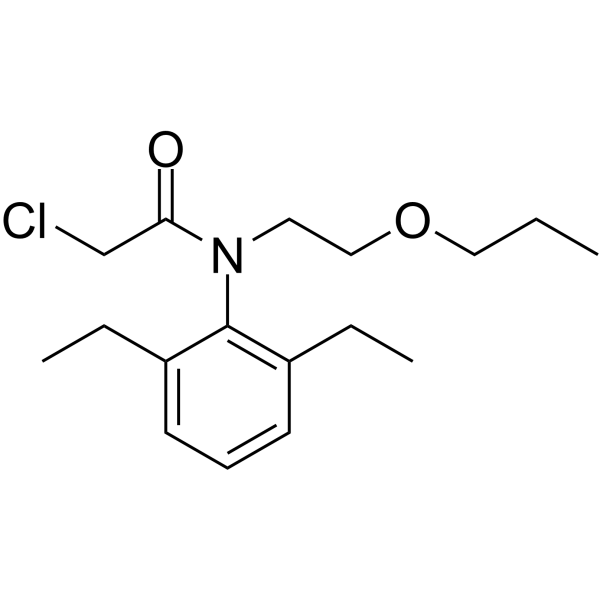
Pretilachlor
 0 Images
Pretilachlor is a chloroacetamide herbicide with biological activities including endocrine disruption, oxidative stress induction, apoptosis induction, and immunotoxicity. Pretilachlor exerts its effects by interfering with hormone metabolism, inducing oxidative stress, activating apoptotic pathways, and inhibiting immune functions. Pretilachlor upregulates the transcription of P53, Mdm2, and Bbc3, and increases the activities of Caspase3 and Caspase9; it upregulates the transcription of genes in the HPG/HPT axis and the activity of aromatase; it induces oxidative stress, elevates ROS levels, and upregulates CAT, SOD, and GPX. Pretilachlor downregulates the transcription of CXCL-C1C, IL-1β, and IL-8. Pretilachlor disrupts the normal physiological processes and embryonic development of fish, exhibiting significant toxicity. Pretilachlor can be used in studies related to weeding, environmental pollution, and behavioral toxicity in fish.



