



Isotope-Labeled Compounds
Isotope-labeled compounds are chemical substances in which some atoms in their molecules are replaced by isotope atoms. The range of stable isotope products can cover from gases to complex molecules. Isotope-labeled compounds could provide a site-specific investigation of structures, making molecules easily detectable by mass spectrometry and NMR, and maintaining the physico-chemical properties of the target molecule at the same time.
MCE isotope-labeled compounds are all stable isotope-labeled compounds and are non-radioactive labeled substances. MCE isotope-labeled compounds are unique tools for identifying and understanding biological and chemical processes. Stable isotope-labeled products are now getting more and more popular among scientists. The scope of application is gradually penetrating into various scientific fields, such as life sciences, food and medicine, agriculture, environment, geology, etc. Stable isotope-labeled compounds have a wide range of applications in the Life Science areas, such as Metabolomics, Proteomics, Clinical studies, Deuterium drugs, etc.
All Product Categories
-
Isotope-Labeled Compounds Related Products (11128)
Related Products (11128)

-
β-Zearalanol-d4
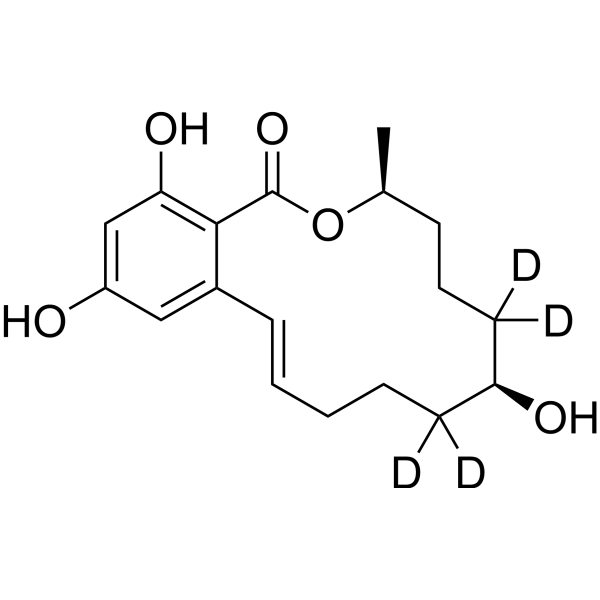 0 ImagesCat. No.: HY-N6740SCAS No.: 1778735-09-3β-Zearalanol-d4 is the deuterated-labeled β-Zearalenol (HY-N6741). β-Zearalenol is a zearalenone metabolite and Estrogen receptor binder (Kd = 0.406 nM) that induces apoptosis through activation of p53, JNK, and p38 kinases and the mitochondrial apoptosis pathway, while inhibiting CYP19A1 and inducing autophagy via SIRT1. β-Zearalenol is used in research on cardiotoxicity, mycotoxin-induced reproductive toxicity, and breast cancer.
-
L-Lactic acid-2-d sodium
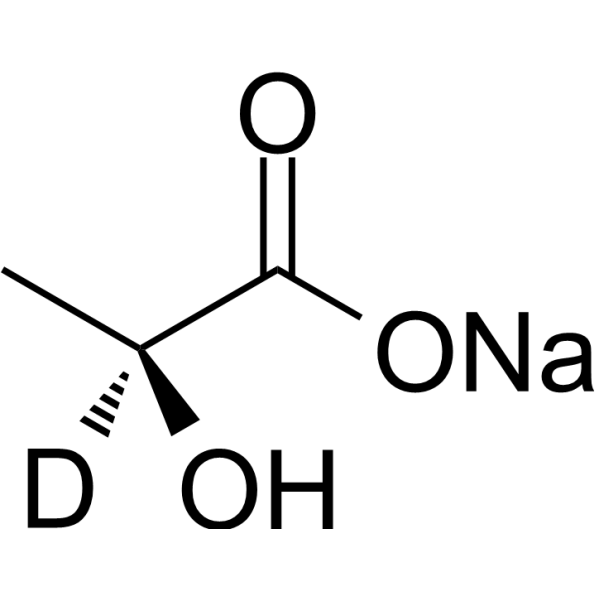 0 ImagesSynonyms: (S)-2-Hydroxypropanoic acid-2-dSodium L-Lactate-2-d is the deuterium labeled Sodium L-Lactate-2.
-
Bisphenol AF-13C12
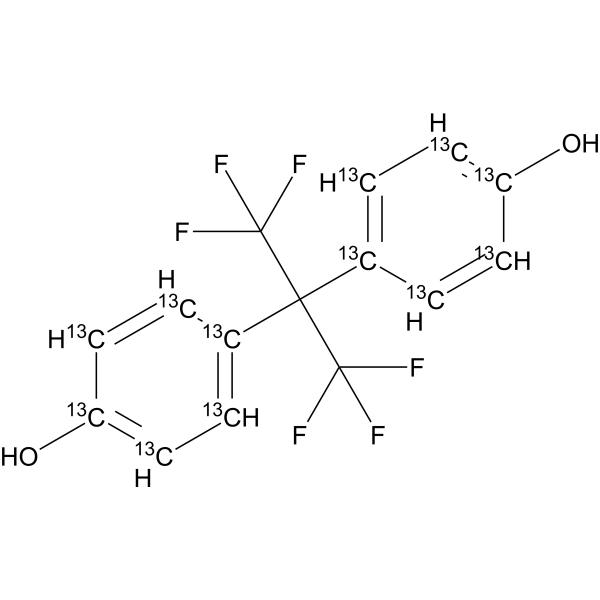 0 ImagesCat. No.: HY-W654078CAS No.: 2411504-31-7Synonyms: BPAF-13C12; 4,4'-(Perfluoropropane-2,2-diyl)diphenol-13C12Bisphenol AF-13C12 is an isotopic label of Bisphenol AF. Bisphenol AF is used in polycarbonate plastic and epoxy resin manufacturing. Bisphenol AF can significantly increase intracellular ROS levels.
-
18-Methyleicosanoic acid-d3
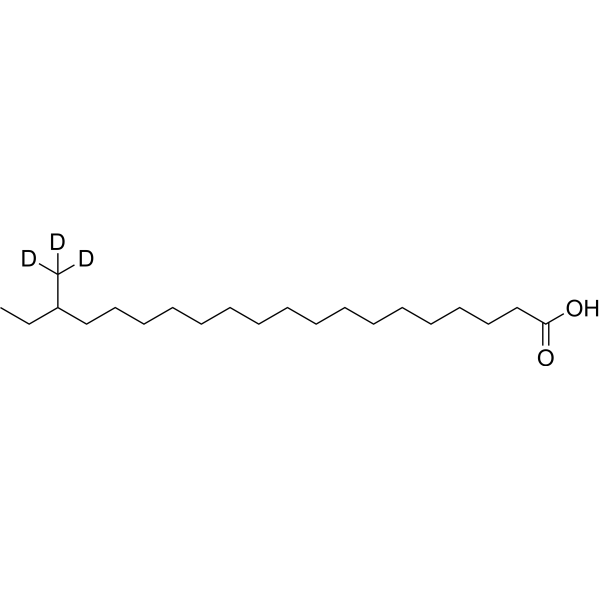 0 Images18-Methyleicosanoic acid-d3 is the deuterium labeled 18-Methyleicosanoic acid.
-
2,4-Dichlorobenzoic acid-d3
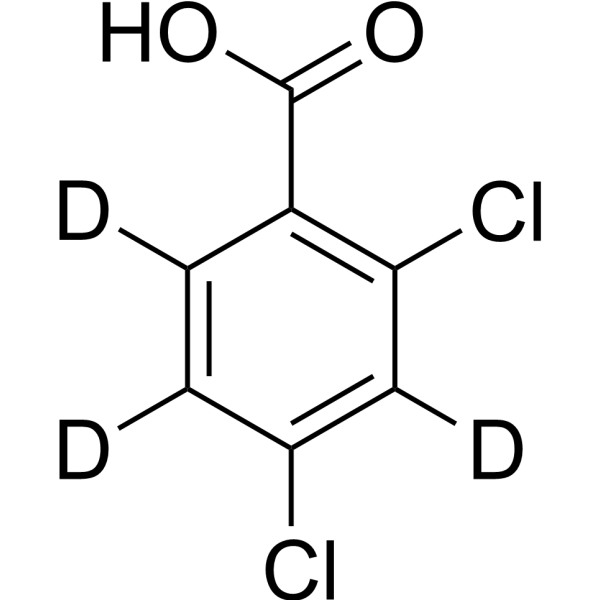 0 ImagesCat. No.: HY-W012510SCAS No.: 1398065-99-02,4-Dichlorobenzoic acid-d3 is the deuterium labeled 2,4-Dichlorobenzoic acid.
-
Benzothioamide-d5
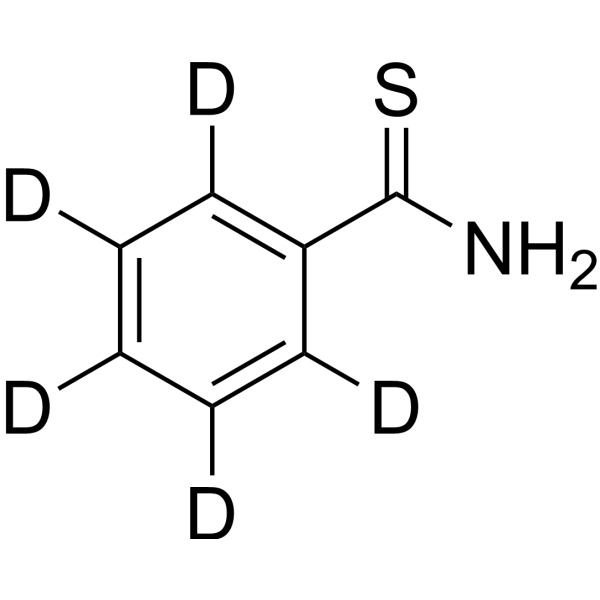 0 ImagesBenzothioamide-d5 is the deuterium labeled Benzothioamide.
-
Stachydrine-d6
 0 ImagesCat. No.: HY-N0298SCAS No.: 515835-70-8Stachydrine-d6 is a deuterated labeled Stachydrine (HY-N0298). Stachydrine is a major constituent of Chinese herb leonurus heterophyllus sweet used to promote blood circulation and dispel blood stasis. Stachydrine can inhibit the NF-κB signal pathway.
-
Nicotinamide-13C,15N
 0 ImagesCat. No.: HY-B0150S4Purity: 98.71%Synonyms: Niacinamide-13C,15N; Nicotinic acid amide-13C,15NNicotinamide-13C,15N (Niacinamide-13C,15N) is the 13C- and 15N-labeled Nicotinamide (HY-B0150). Nicotinamide is a form of vitamin B3 or niacin. Nicotinamide Hydrochloride inhibits SIRT2 activity (IC50: 2 μM). Nicotinamide also inhibits SIRT1. Nicotinamide increases cellular NAD+, ATP, ROS levels. Nicotinamide inhibits tumor growth and improves survival. Nicotinamide also has anti-HBV activity.
-
ZLN005-d4 hydrochloride
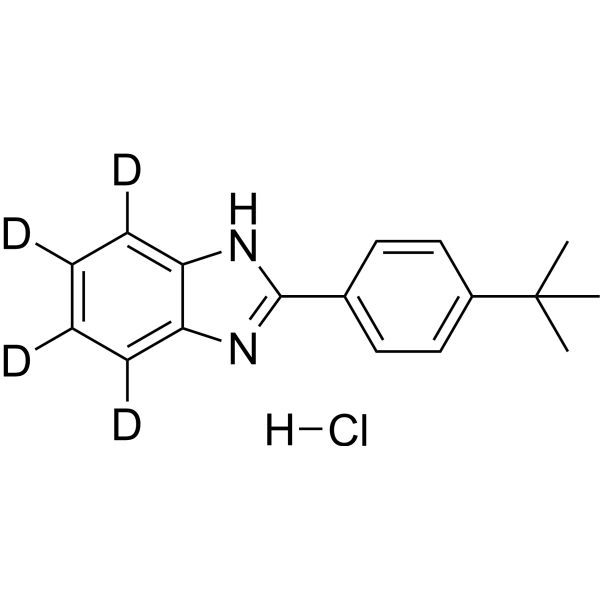 0 ImagesCat. No.: HY-17538ASZLN005-d4 hydrochloride is the deuterium labeled ZLN005.
-
(±)9(10)-EpOME-d4
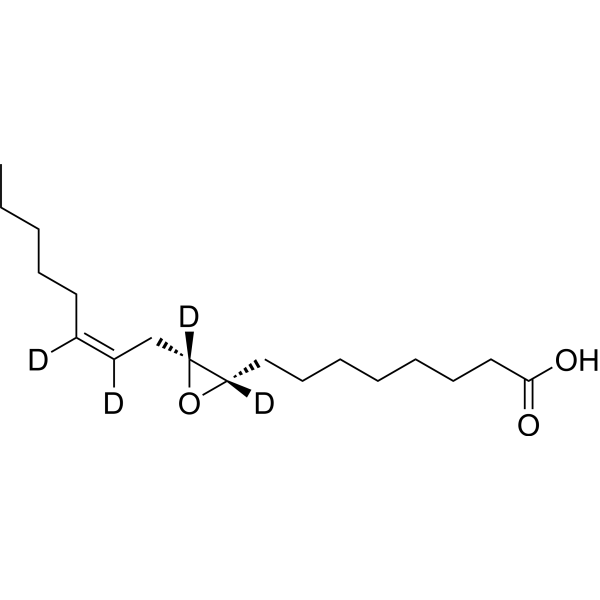 0 ImagesCat. No.: HY-139942SCAS No.: 1215168-54-9(±)9(10)-EpOME-d4 is the deuterium labeled (±)9(10)-EpOME.
-
16:1 SM (d18:1/16:1)-d9
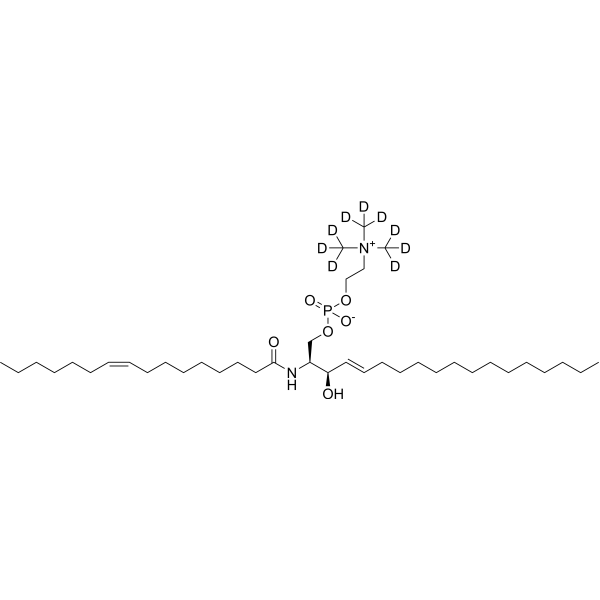 0 ImagesCat. No.: HY-146930SCAS No.: 2342574-45-016:1 SM (d18:1/16:1)-d9 is deuterium labeled 16:1 SM (d18:1/16:1).
-
Ponesimod-d4
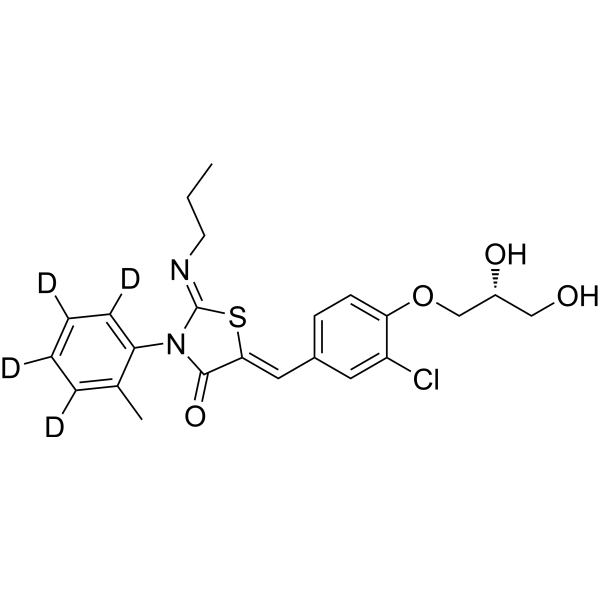 0 ImagesCat. No.: HY-10569SSynonyms: ACT-128800-d4Ponesimod-d4 (ACT-128800-d4) is the deuterium labeled Ponesimod (HY-10569). Ponesimod (ACT-128800) is a potent, selective and orally active agonist of S1P1, with an IC50 of 6 nM in a radioligand binding assay. Ponesimod activates S1P1-mediated signal transduction with high potency (EC50=5.7 nM). Ponesimod can protect against lymphocyte-mediated tissue inflammation.
-
N-(1-Oxoheptadecyl)glycine-d2
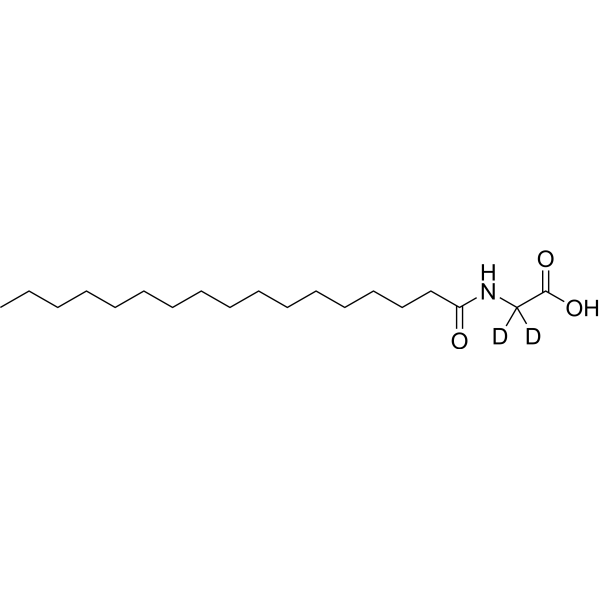 0 ImagesCat. No.: HY-158088SCAS No.: 3008541-84-9N-(1-Oxoheptadecyl)glycine-d2 is the deuterated labeled N-(1-Oxoheptadecyl)glycine.
-
Zofenopril-d5
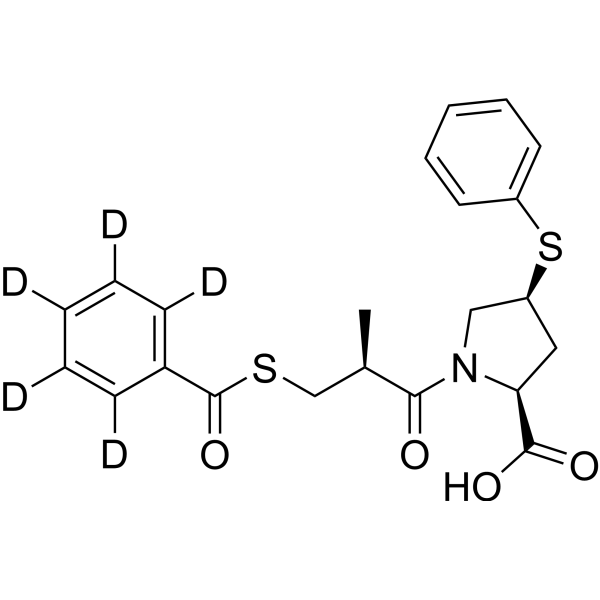 0 ImagesCat. No.: HY-108321SPurity: 99.92%Zofenopril-d5 is deuterium labeled Zofenopril. Zofenopril is an angiotensin-converting enzyme (ACE) inhibitor with an IC50 of 81 μM.
-
Niclosamide-13C6
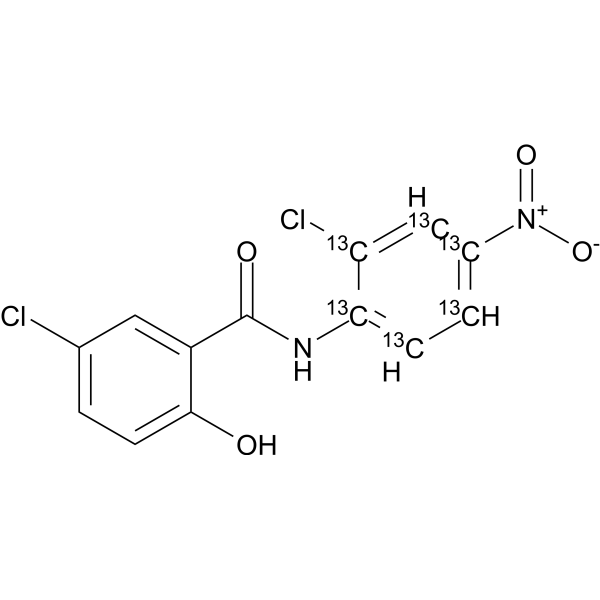 0 ImagesSynonyms: BAY2353-13C6Niclosamide-13C6 is the 13C6 labeled Niclosamide. Niclosamide (BAY2353) is an orally bioavailable chlorinated salicylanilide, with anthelmintic and potential antineoplastic activity. Niclosamide (BAY2353) inhibits STAT3 with IC50 of 0.25 μM in HeLa cells and inhibits DNA replication in a cell-free assay.
-
Salbutamol-d9 acetate
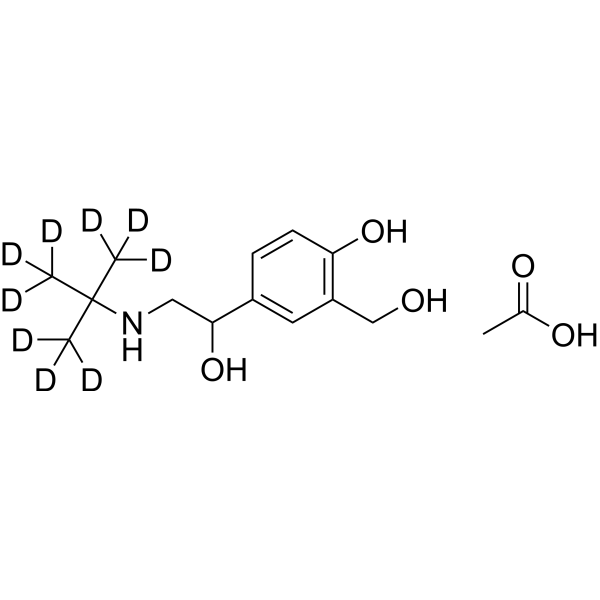 0 ImagesSynonyms: Albuterol-d9 acetate; AH-3365-d9 acetateSalbutamol-d9 (Albuterol-d9) acetate is the deuterium labeled Salbutamol (HY-B1037). Salbutamol (Albuterol) is an orally active short-acting β2-adrenergic receptor agonist. Salbutamol promotes tumorigenesis in gastric cancer cells through the β2-AR/ERK/EMT pathway. Salbutamol can relax bronchial smooth muscle and is used to study bronchospasm induced by asthma and chronic obstructive pulmonary disease.
-
17α-Hydroxyprogesterone-13C3
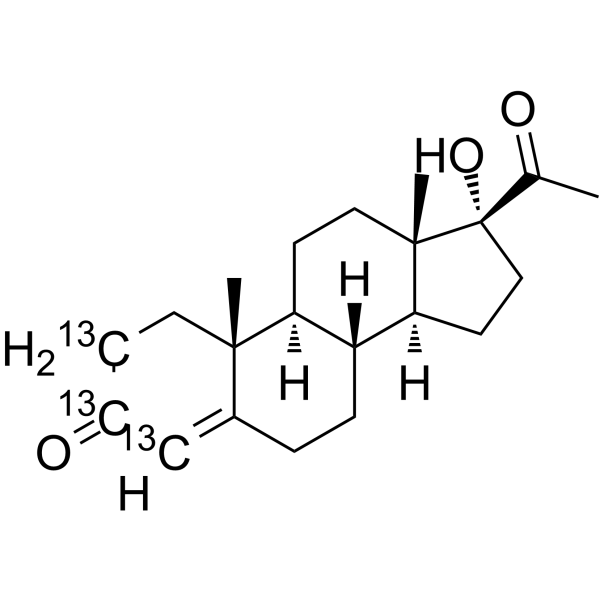 0 ImagesCat. No.: HY-B0891S1CAS No.: 1356154-92-1Synonyms: 17-Hydroxyprogesterone-13C3; 17-OHP-13C317α-Hydroxyprogesterone-13C3 is the 13C-labeled 17α-Hydroxyprogesterone. 17α-Hydroxyprogesterone (17-Hydroxyprogesterone) is an endogenous progestogen as well as chemical intermediate in the biosynthesis of other steroid hormones, including the corticosteroids and the androgens and the estrogens.
-
Diflunisal-d3
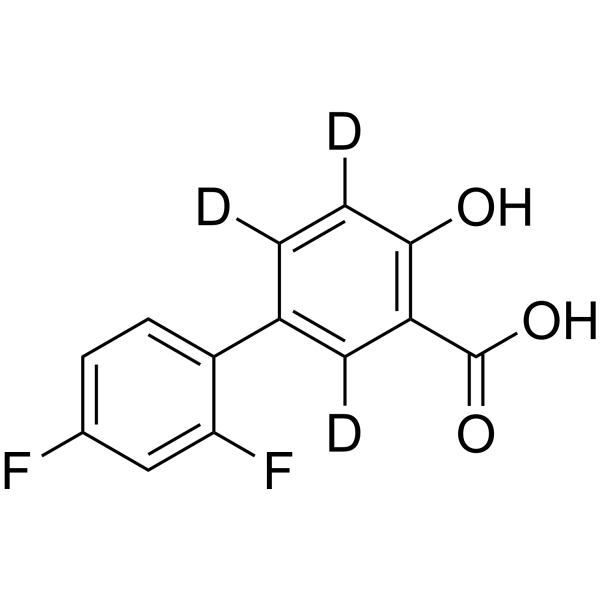 0 ImagesSynonyms: MK-647-d3Diflunisal-d3 is the deuterium labeled Diflunisal. Diflunisal (MK-647) is a salicylate derivative with nonsteroidal anti-inflammatory and uricosuric properties, which is used alone as an analgesic and in rheumatoid arthritis patients. The mechanism of action of diflunisal is as a Cyclooxygenase (COX) Inhibitor.
-
Acetaminophen glucuronide-d3 sodium salt
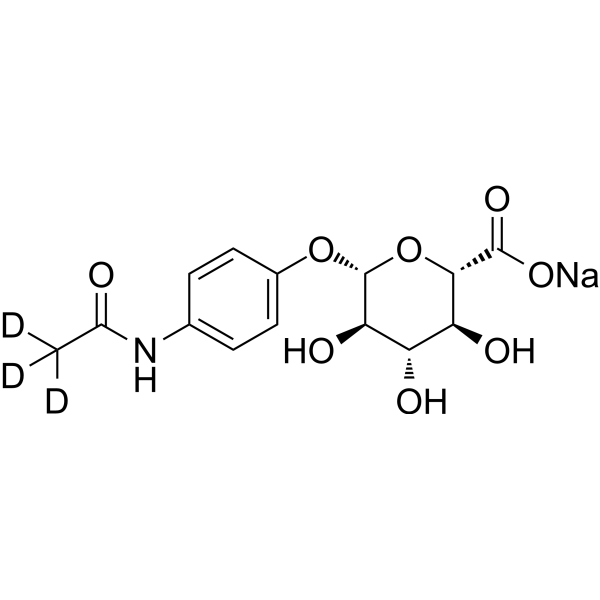 0 ImagesCat. No.: HY-W016034SCAS No.: 1260619-61-1Synonyms: p-Acetamidophenyl β-D-glucuronide-d3 sodium salt; p-AAPG-d3 sodium saltAcetaminophen glucuronide-d3 sodium salt is the deuterium labeled Acetaminophen glucuronide sodium salt.
-
Calcium carbonate,99.8%,PT-13C
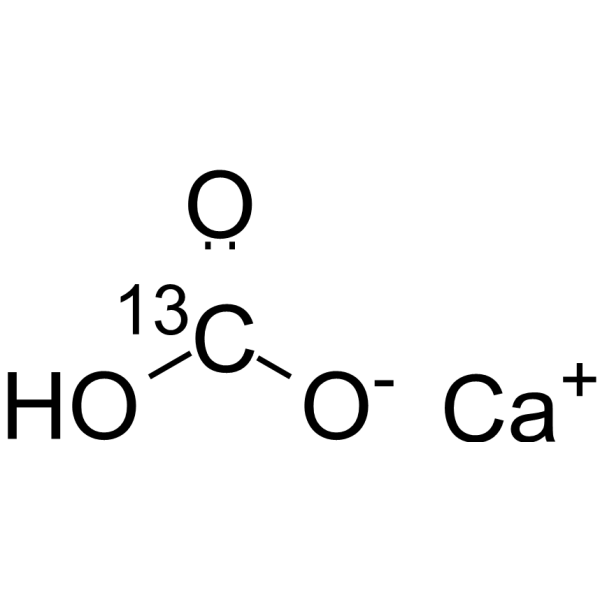 0 ImagesCalcium carbonate,99.8%,PT-13C is the 13C labeled Calcium carbonate,99.95-100.05%,PT.



