



TrxR Inhibitor
- 1
- 2
-
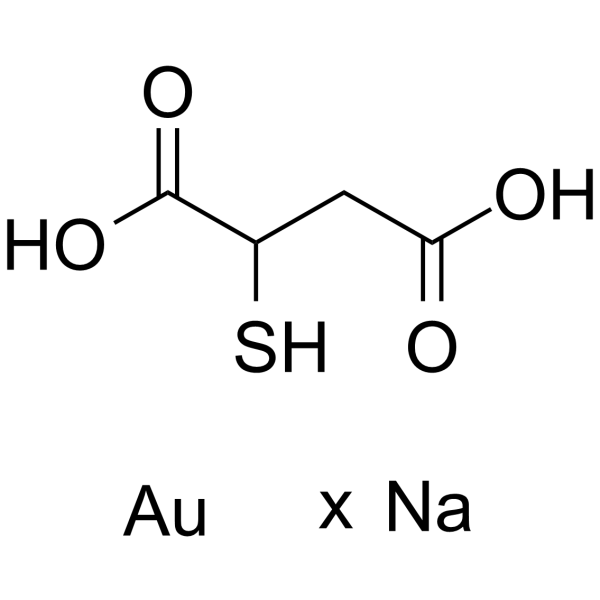
Aurothiomalate sodium
 0 Images
Aurothiomalate sodium acts as an inhibitor of PKCI and TrxR1. Aurothiomalate sodium disrupts the PKCI-Par6-Rac1 signaling pathway, and also inhibits TrxR1 activity, TNFα-induced NF-κB activation, and the expression of pro-inflammatory genes. Aurothiomalate sodium blocks Kras-mediated BASC expansion and lung tumor growth, inhibits anchorage-independent growth and tumorigenicity of lung cancer cells, and suppresses neutrophil chemotaxis, phagocytosis, and leukocyte extravasation. Aurothiomalate sodium can be used in research related to rheumatoid arthritis and non-small cell lung cancer.
-
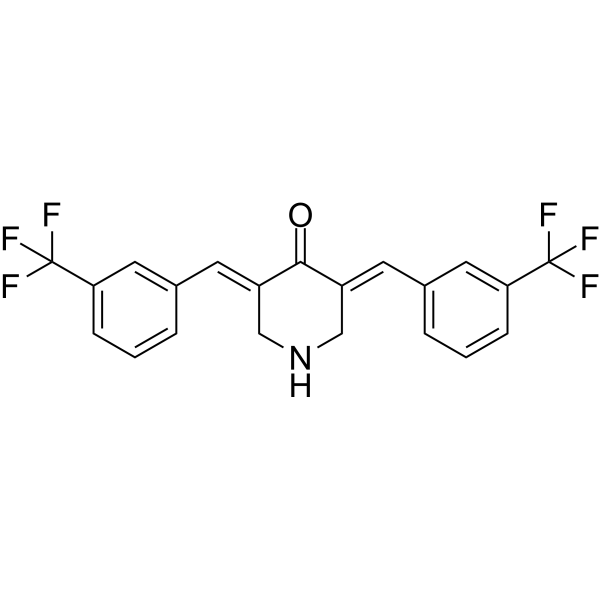
ROS-generating agent 1
 0 Images
ROS-generating agent 1 is a selective ROS-generating agent. ROS-generating agent 1 inhibits TrxR activity and expression in cancer cells. ROS-generating agent 1 induces ROS-dependent apoptosis and ferroptosis in cancer cells. ROS-generating agent 1 selectively kills lung cancer cells and inhibits the growth of cancer cell xenograft tumors in nude mice. ROS-generating agent 1 can be used for the research of non-small cell lung cancer.
-
Nitrovin hydrochloride
 0 Images
Nitrovin (Difurazon) hydrochloride is an orally active inhibitor of thioredoxin reductase 1 (TrxR1) with both antibacterial and anticancer activities. Nitrovin hydrochloride induces ROS generation and endoplasmic reticulum stress by targeting and inhibiting TrxR1, which in turn induces cytoplasmic vacuolation, activates MAPK, and inhibits Alix. Nitrovin hydrochloride induces paraptosis-like non-apoptotic cell death, thereby exerting significant cytotoxicity against cancer cells. Nitrovin hydrochloride is used for research on glioblastoma, liver cancer, and bacterial infections.
-
Aurothiomalate tetramer sodium
 0 ImagesArt. -Nr.: HY-106381AReinheit: 98.0%
Aurothiomalate tetramer sodium is the tetrameric form of Aurothiomalate sodium (HY-106381). Aurothiomalate sodium acts as an inhibitor of PKCI and TrxR1. Aurothiomalate sodium disrupts the PKCI-Par6-Rac1 signaling pathway, and also inhibits TrxR1 activity, TNFα-induced NF-κB activation, and the expression of pro-inflammatory genes. Aurothiomalate sodium blocks Kras-mediated BASC expansion and lung tumor growth, inhibits anchorage-independent growth and tumorigenicity of lung cancer cells, and suppresses neutrophil chemotaxis, phagocytosis, and leukocyte extravasation. Aurothiomalate sodium can be used in research related to rheumatoid arthritis and non-small cell lung cancer.
-
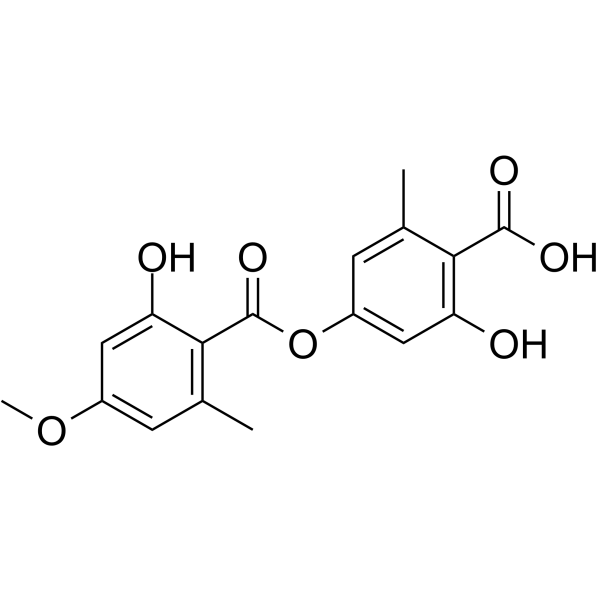
Evernic Acid
 0 Images
Evernic Acid is an orally active thioredoxin reductase 1 (TrxR1) inhibitor and antiproliferative agent. Evernic Acid inhibits the proliferation and migration of human breast cancer cells. Evernic Acid blocks the NF-κB pathway by inhibiting p65 nuclear translocation and IκBα phosphorylation, thereby suppressing downstream inflammatory mediators. Evernic Acid acts as an antioxidant, anti-inflammatory agent and neuroprotective agent, protects neurons from cell death, mitochondrial dysfunction and oxidative stress damage, reduces astrocyte activation, and ameliorates dopaminergic neuron loss and neuroinflammation. Evernic Acid inhibits enoyl reductases FabI and FabZ of Plasmodium falciparum. Evernic Acid downregulates the expression of lasB and rhlA genes in Pseudomonas aeruginosa, inhibits quorum sensing and biofilm formation, and exerts antibacterial activity against Gram-positive bacteria, Gram-negative bacteria and fungi. Evernic Acid is applicable to research related to breast cancer, Parkinson's disease, bacterial infections and fungal infections.
-
Necroptosis inducer 1
 0 ImagesArt. -Nr.: HY-181718
Necroptosis inducer 1 is a necroptosis inducer. Necroptosis inducer 1 inhibits the activity of thioredoxin reductase (TrxR), elevates intracellular ROS levels, triggers ROS-mediated necroptosis, and induces necroptosis-dependent immunogenic cell death. Necroptosis inducer 1 inhibits tumor growth, remodels the tumor immune microenvironment, and exerts a synergistic effect with anti-PD-1 in animal models. Necroptosis inducer 1 is applicable to the research of colon cancer.
-
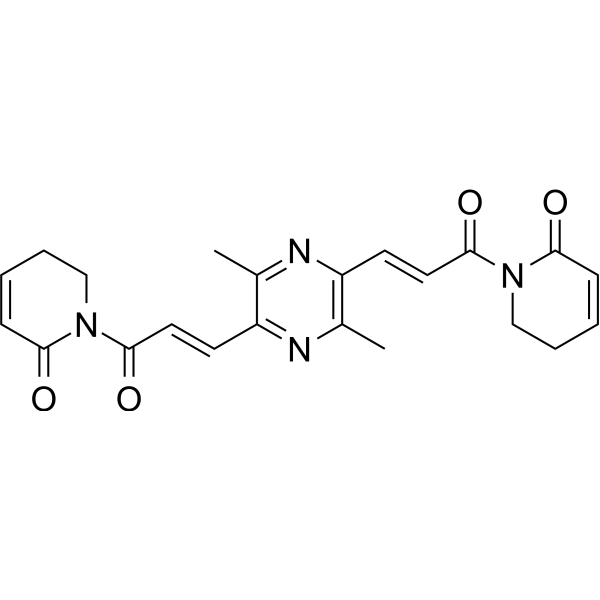
TrxR-IN-2
 0 ImagesArt. -Nr.: HY-132972CAS. Nr.: 2866261-50-7
TrxR-IN-2 is a thioredoxin reductase (TrxR) inhibitor. TrxR-IN-2 increases reactive oxidative species (ROS) levels and decreases mitochondrial transmembrane potential levels. TrxR-IN-2 triggers DNA damage via H2AX regulation, and induces autophagy via LC3, beclin-1, and p62 regulation. TrxR-IN-2 can be used for the research of drug-resistant hepatocellular carcinoma[1].
-
8α-Tigloyloxyhirsutinolide 13-O-acetate
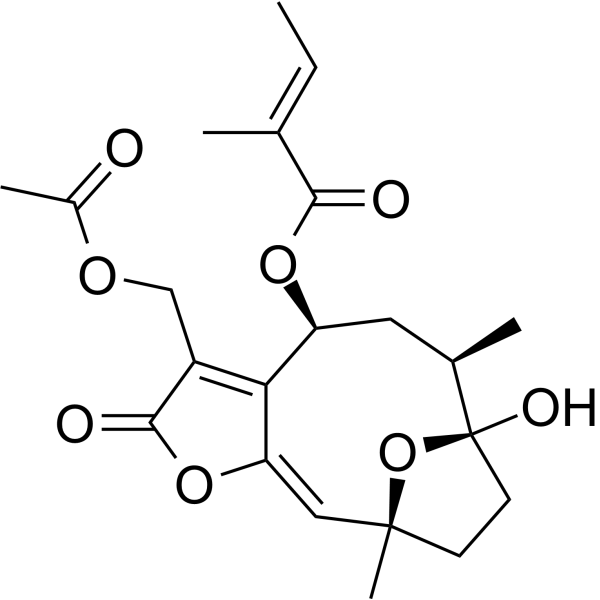 0 ImagesArt. -Nr.: HY-138071CAS. Nr.: 83182-58-5Synonyms: 8αTGH
8α-Tigloyloxyhirsutinolide 13-O-acetate (8αTGH) is a potent and orally active STAT3 inhibitor. 8α-Tigloyloxyhirsutinolide 13-O-acetate induces early oxidative stress and pyroptosis, and late DNA damage, cell cycle arrest, apoptosis in the TNBC cells. 8α-Tigloyloxyhirsutinolide 13-O-acetate suppresses tumor cell growth in vitro and tumor growth in vivo.
-
Nitrovin
 0 ImagesArt. -Nr.: HY-W504391CAS. Nr.: 804-36-4Synonyms: Difurazon
Nitrovin (Difurazon) is an orally active inhibitor of thioredoxin reductase 1 (TrxR1) with both antibacterial and anticancer activities. Nitrovin induces ROS generation and endoplasmic reticulum stress by targeting and inhibiting TrxR1, which in turn induces cytoplasmic vacuolation, activates MAPK, and inhibits Alix. Nitrovin induces paraptosis-like non-apoptotic cell death, thereby exerting significant cytotoxicity against cancer cells. Nitrovin is used for research on glioblastoma, liver cancer, and bacterial infections.
-
PMX464
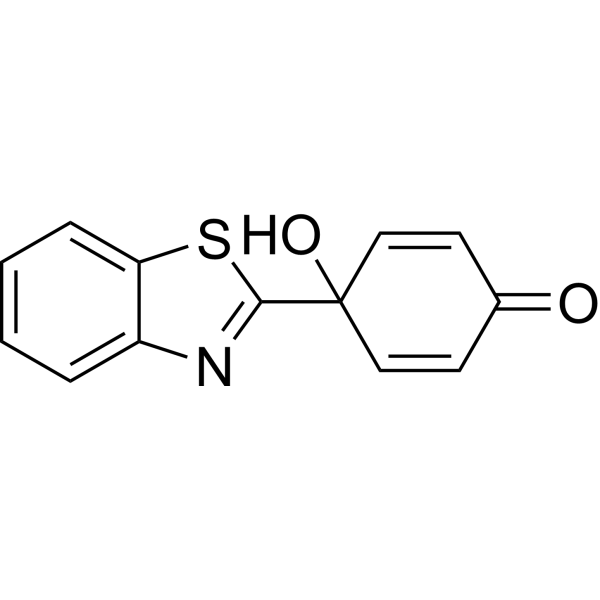 0 ImagesArt. -Nr.: HY-108534CAS. Nr.: 485842-97-5Synonyms: AW 464
PMX464 (AW 464) is a thiol-reactive quinol compound and an inhibitor of the thioredoxin-thioredoxin reductase (Trx/TrxR) system, with an IC50 value of 6.5 μM against TrxR. PMX464 acts by irreversibly inhibiting the thioredoxin (Trx-1) system, blocking HIF-1α transcriptional activation and the NF-κB inflammatory pathway, inducing apoptosis, attenuating platelet function and inhibiting thrombosis, and specifically disrupting the trypanothione antioxidant metabolic network in parasites. PMX464 is used in research concerning malignant tumors (colorectal cancer, breast cancer, renal cancer, and leukemia), pulmonary inflammation, African sleeping sickness, and antithrombotic applications.

-
Fa-Au
 0 ImagesArt. -Nr.: HY-183554
Fa-Au is a TrxR inhibitor. Fa-Au downregulates GPX4, induces oxidative stress, mitochondria-associated ferroptosis (ferroptosis) and immunogenic cell death. Fa-Au induces ROS production in hepatoma cells. Fa-Au remodels the tumor immune microenvironment via M1 macrophage polarization, dendritic cell maturation, CD8+ T cell activation and reduction of regulatory T cells. Fa-Au induces an anti-tumor immune feedback loop through the IFNγ/STAT1/SLC7A11 axis. Fa-Au inhibits tumor growth. Fa-Au is applicable to hepatocellular carcinoma-related research.
-
TrxR-IN-9
 0 ImagesArt. -Nr.: HY-181825
TrxR-IN-9 is a thioredoxin reductase (TrxR) inhibitor with an IC50 of 0.26 μM. TrxR-IN-9 disrupts cellular redox balance. TrxR-IN-9 induces S-phase cell cycle arrest, promotes apoptosis and exhibits antiproliferative activity across cancer cells. TrxR-IN-9 exerts effects via synergistic nitric oxide (NO) and reactive oxygen species (ROS) action. TrxR-IN-9 can be used for the research of breast cancer, gastric cancer, colorectal cancer, liver cancer.
-
BGC4
 0 ImagesArt. -Nr.: HY-172115
BGC4 is a biphenyl-based gold(III) complex. BGC4 inhibits human recombinant thioredoxin reductase (TrxR) with an IC50 of 10.7 μM, exhibits cytotoxicity (IC50 for MDA-MB-231 is 5.4 μM), and induces apoptosis. BGC4 exhibits antitumor efficacy in mouse models.
-
As-CA11
 0 ImagesArt. -Nr.: HY-179712
As-CA11 is a Thioredoxin reductase (TrxR) inhibitor with an IC50 of 18.7 nM. As-CA11 can induce cancer cells apoptosis and ROS production. As-CA11 can reduce the level of reduced Trx and increase the level of oxidized Trx. As-CA11 demonstrates anti-tumor activity in the 4T1 tumor-bearing mouse model.
-
TrxR1-IN-3
 0 ImagesArt. -Nr.: HY-184328CAS. Nr.: 3028398-90-2
TrxR1-IN-3 is a selective TrxR1 inhibitor with an IC50 of 1.19 μM. TrxR1-IN-3 increases intracellular reactive oxygen species (ROS) levels, induces endoplasmic reticulum (ER) stress, and activates Caspase-dependent Apoptosis. TrxR1-IN-3 exhibits anticancer activity against multiple breast cancer subtypes, including triple-negative breast cancer (TNBC). TrxR1-IN-3 can be used in breast cancer-related research.
-
TrxR1-IN-B19
 0 ImagesArt. -Nr.: HY-120914CAS. Nr.: 170950-29-5Synonyms: GO-Y015
TrxR1-IN-B19 (GO-Y015) is a Curcumin (HY-N0005) derivative and TrxR1 inhibitor. TrxR1-IN-B19 inhibits de novo selenoprotein synthesis, suppresses SeP and GPx expression, and impairs selenium incorporation into Sec-tRNA[Sec]. TrxR1-IN-B19 induces Nrf2 accumulation through Keap1 cysteine modification, HO-1 expression, GSH synthesis, ROS accumulation, ER stress, mitochondrial dysfunction, Apoptosis, and G2/M phase arrest. TrxR1-IN-B19 improves glucose tolerance and insulin sensitivity, lowers blood glucose, inhibits tumor growth, and reduces arsenic accumulation. TrxR1-IN-B19 can be used for research on type 2 diabetes, arsenite-induced toxicity, and gastric cancer.
-
TrxR-IN-3
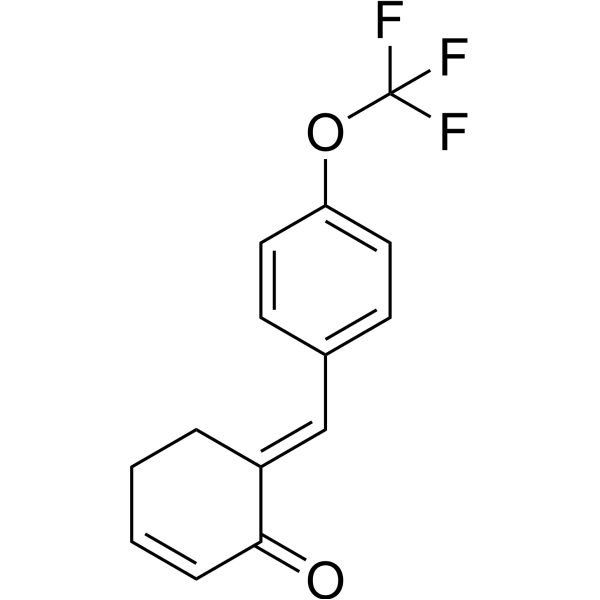 0 ImagesArt. -Nr.: HY-146307CAS. Nr.: 2445565-58-0
TrxR-IN-3 is a thioredoxin reductase (TrxR) inhibitor with an IC50 of 0.12 µM in MDA-MB-231 cells. TrxR-IN-3 inhibits TrxR enzyme activity and suppresses TrxR protein expression. TrxR-IN-3 induces reactive oxygen species (ROS) accumulation, apoptosis, and autophagy. TrxR-IN-3 modulates apoptosis-related proteins by decreasing anti-apoptotic protein levels and increasing caspase cleavage. TrxR-IN-3 modulates autophagy-related proteins by increasing autophagy markers and reducing autophagy substrate proteins. TrxR-IN-3 can be used for breast cancer research.
-
TrxR1-IN-1
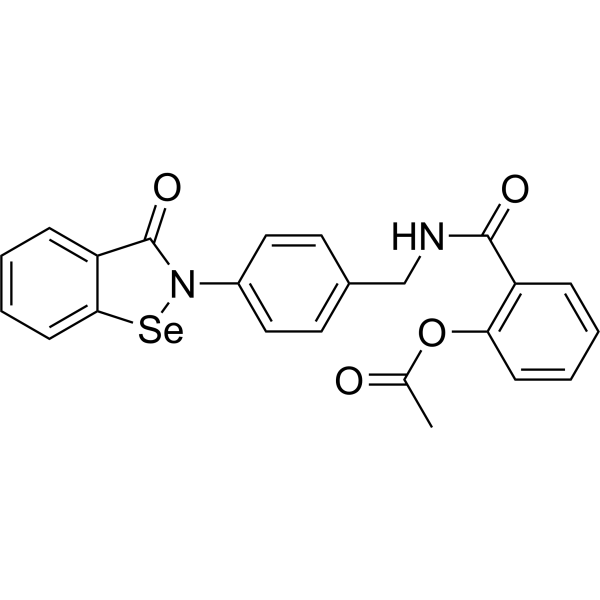 0 ImagesArt. -Nr.: HY-149390CAS. Nr.: 3052303-04-2
TrxR1-IN-1 (Compound 5j) is a TrxR1 inhibitor (IC50: 8.8 μM). TrxR1-IN-1 has anticancer activity, with IC50s of MCF-7 (1.5 μM), HeLa (1.7 μM), BGC-823 (2.4 μM), SW-480 (2.8 μM), A549 (2.1 μM). TrxR1-IN-1 has antioxidant activity, and scavenges DPPH radical.
-
CS47
 0 ImagesArt. -Nr.: HY-175806CAS. Nr.: 1372792-51-2
CS47 is a Thioredoxin Reductase 1 (TRXR1) inhibitor and ferroptosis inducer. CS47 binds non-covalently to sites between the FAD and NADPH pockets of TRXR1. CS47 drives glutathione depletion, lipid reactive oxygen species accumulation, HMOX1-dependent iron overload, and selective cytotoxicity in lung cancer cells. CS47 can be used for the research of lung cancer.
- 1
- 2



