



Tanzisertib
Based on 12 publication(s) in Google Scholar
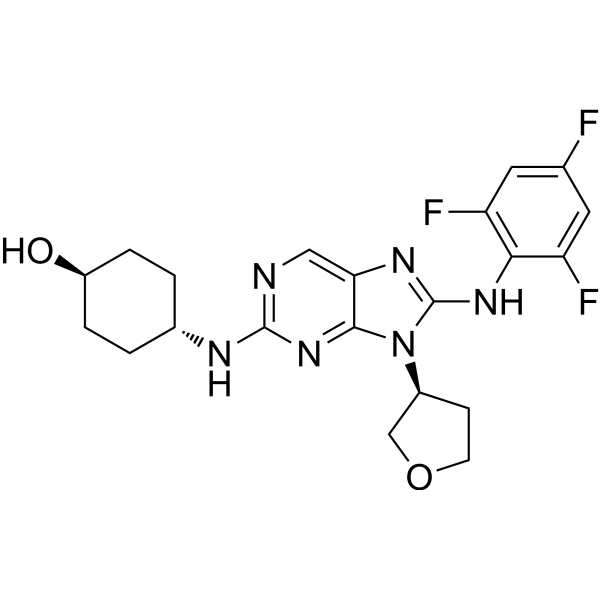
Tanzisertib (CC-930) is a potent JNK1/2/3 inhibitor with IC50s of 61/7/6 nM, respectively.
For research use only. We do not sell to patients.
- Purity : 99.98%
- CAS No.: 899805-25-5
- Formula: C21H23F3N6O2
- Molecular Weight:448.44
-
Storage:Powder -20°C, 3 years , 4°C, 2 years ; In solvent -80°C, 2 years , -20°C, 1 year

To place orders, for customer services and technical support, please contact: MedChemExpress USA
Tel: 609-228-6898 E-mail: [email protected] [email protected]


-
 Biological Activity
-
Chemical Information
-
Solvent & Solubility
- Purity & Documentation
- References
-
 Help & FAQs


-
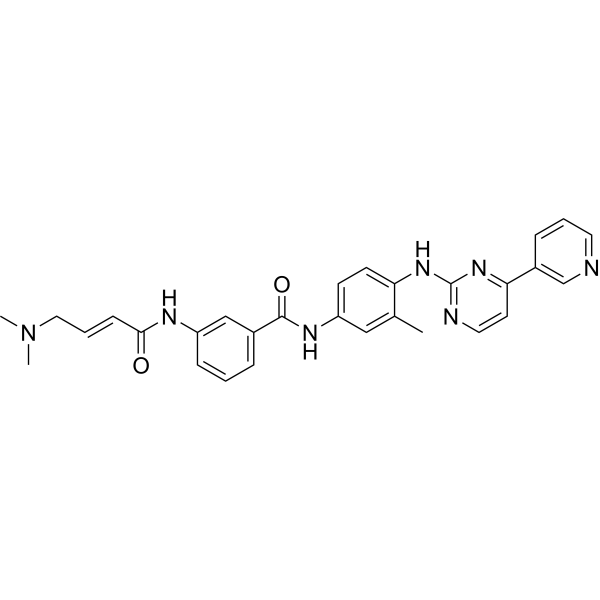
HY-13319
JNK-IN-8JNK Inhibitor -
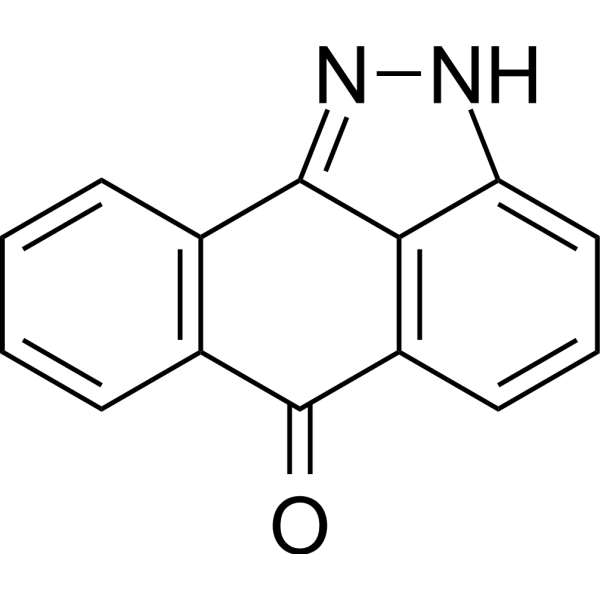
HY-12041
SP600125JNK Inhibitor -
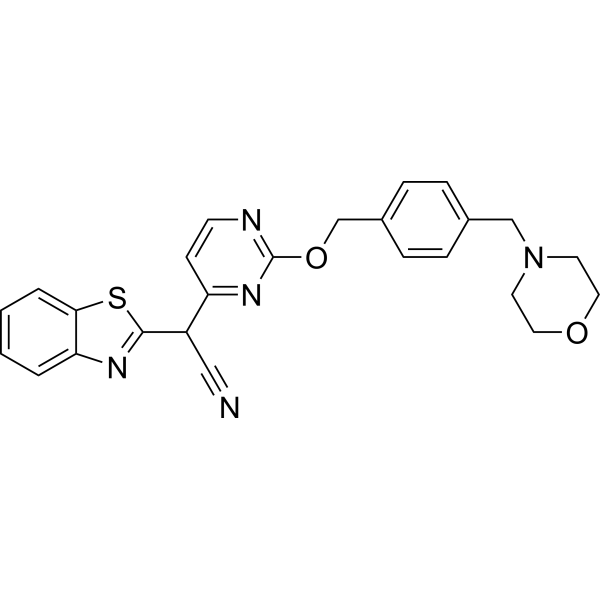
HY-14761
BentamapimodJNK Inhibitor -
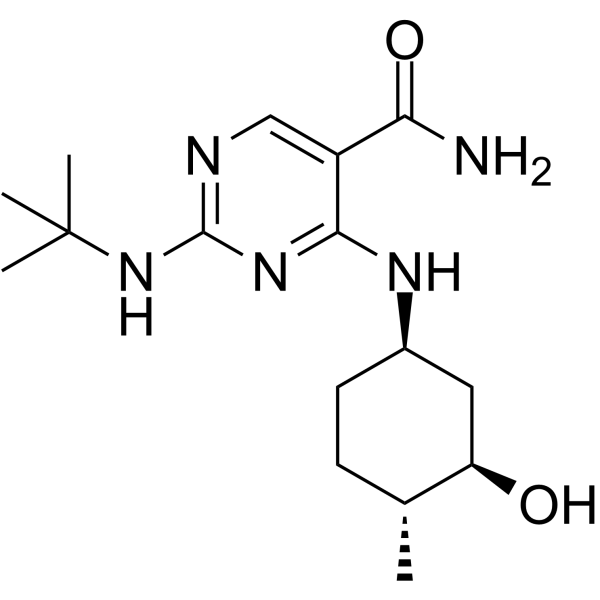
HY-138304
CC-90001JNK Inhibitor -
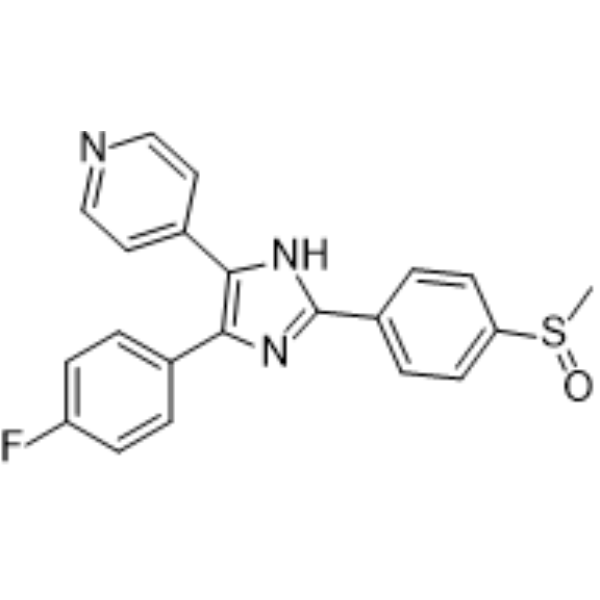
HY-10256
Adezmapimodp38 MAPK Inhibitor -
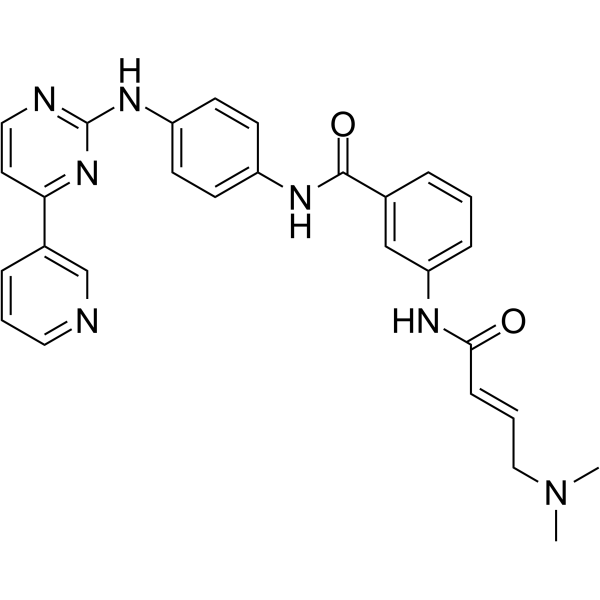
HY-15617
JNK-IN-7JNK Inhibitor -
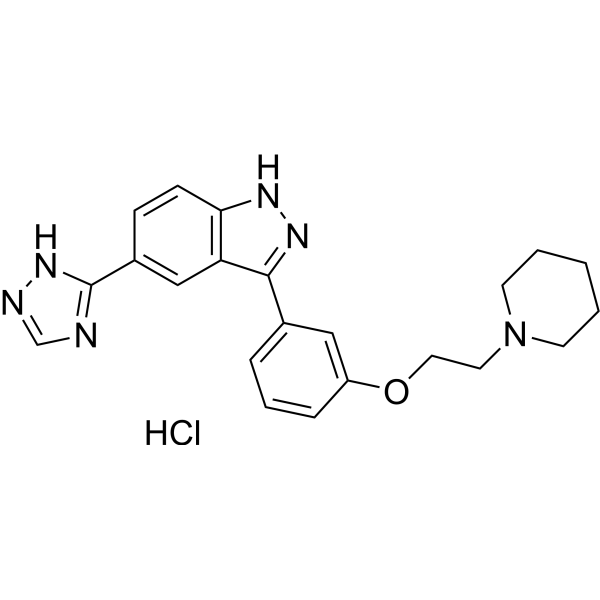
HY-13022
CC-401 hydrochlorideJNK Inhibitor -
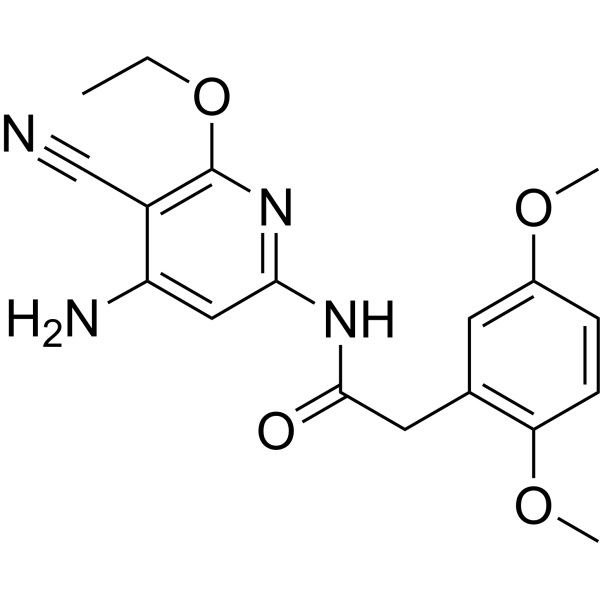
HY-107598
JNK Inhibitor VIIIJNK Inhibitor -
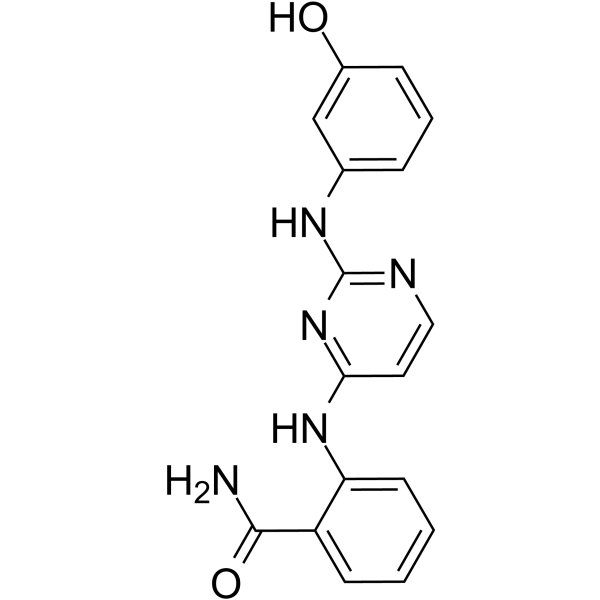
HY-15737
DB07268JNK Inhibitor -
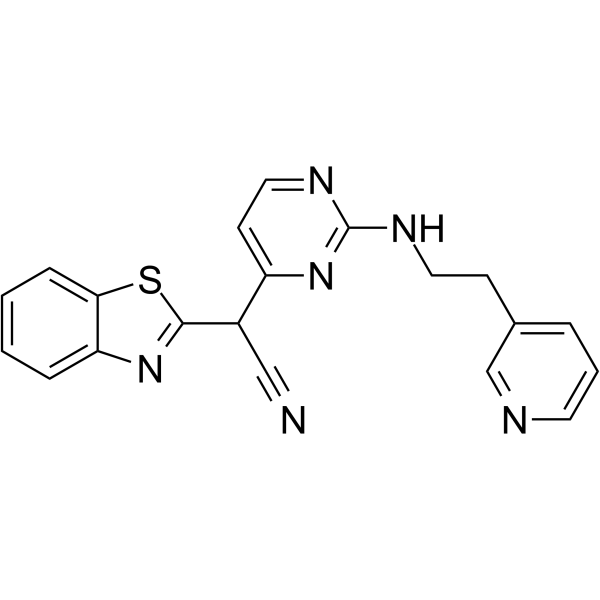
HY-11010
AS601245JNK Inhibitor -
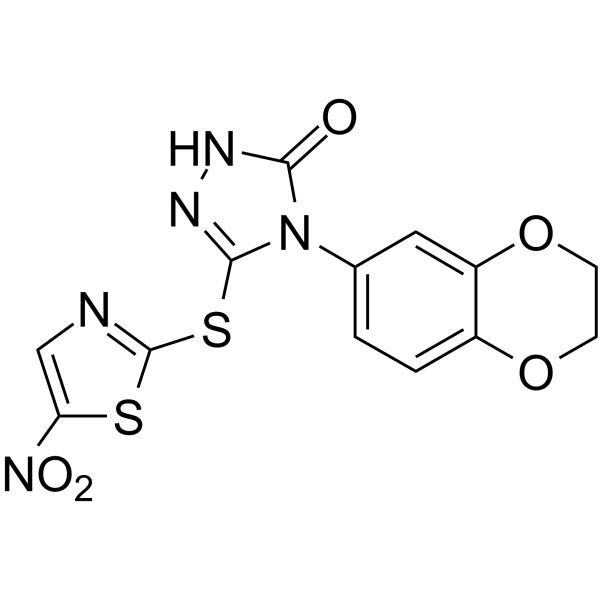
HY-10366
BI-78D3JNK Inhibitor -
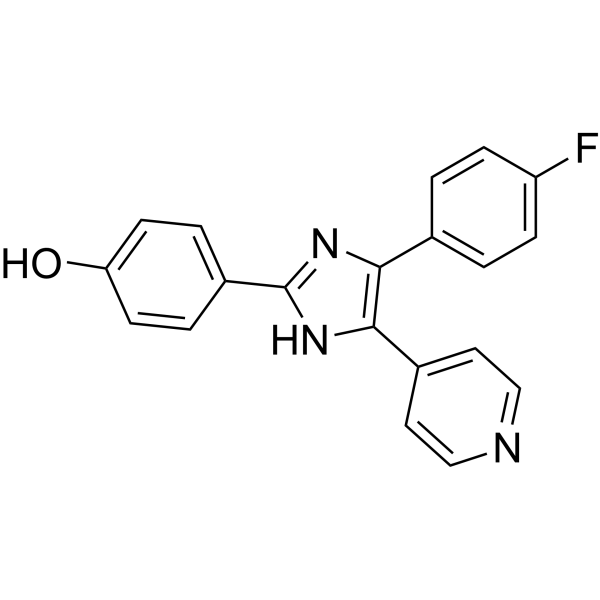
HY-10295
SB 202190p38 MAPK Inhibitor
Publications Citing Use of MedChemExpress (MCE) Tanzisertib
More- Science. 2017 Dec 1;358(6367):eaan4368. [Abstract]
- Nat Cell Biol. 2017 Jun;19(6):698-710. [Abstract]
- Nat Commun. 2020 Jan 3;11(1):71. [Abstract]
- Sci Transl Med. 2018 Jul 18;10(450):eaaq1093. [Abstract]
- Cell Death Differ. 2020 May;27(5):1569-1587. [Abstract]
- J Immunother Cancer. 2024 Nov 24;12(11):e009805. [Abstract]
- Br J Pharmacol. 2019 Aug;176(15):2691-2707. [Abstract]
- J Endocrinol. 2020 Aug;246(2):123-134. [Abstract]
- Int J Mol Sci. 2023 Mar 13;24(6):5452. [Abstract]
- Mol Hum Reprod. 2020 Feb 29;26(2):88-100. [Abstract]
- J Proteomics. 2025 Jan 16:311:105355. [Abstract]
- Methods Mol Biol. 2018:1711:351-398. [Abstract]
 Customer Validation & Images

-
WB


Biological Activity
Description
IC50 & Target
[1]|
JNK3 6 nM (IC50) |
JNK2 7 nM (IC50) |
JNK1 61 nM (IC50) |
Cellular Effect
|
Cell Line

|
Type | Value | Description | References |
|---|---|---|---|---|
| Jurkat | IC50 |
0.2 μM
Compound: 1, CC-930
|
Inhibition of JNK-mediated GST tagged c-Jun phosphorylation in human Jurkat T cells compound treated for 30 mins prior anisomycin stimulation measured after 40 mins by fluorescence spectrophotometry
Inhibition of JNK-mediated GST tagged c-Jun phosphorylation in human Jurkat T cells compound treated for 30 mins prior anisomycin stimulation measured after 40 mins by fluorescence spectrophotometry
|
[PMID: 22244937] |
In Vitro
Tanzisertib (CC-930) inhibits the formation of phospho-cJun in human PBMC stimulated by phorbol-12-myristate-13-acetate and phytohemeagglutinin (IC50=1 μM)[1]. Tanzisertib (CC-930) (1-2 μM) substantially reduces hepatocyte apoptosis and necrosis, abrogates apoptosis and necrosis in FC-loaded WT hepatocytes[2]. Tanzisertib (CC-930) blocks the JNK pathway that is activated by pro-fibrotic cytokines in systemic sclerosis[3].
MedChemExpress (MCE) has not independently confirmed the accuracy of these methods. They are for reference only.
In Vivo
MedChemExpress (MCE) has not independently confirmed the accuracy of these methods. They are for reference only.
Clinical Trial
| NCT Number | Sponsor | Condition | Start Date |
Phase
|
|---|---|---|---|---|
| NCT01329991 | 2011-05 | PHASE1 |


Chemical Information
-
CAS No. 899805-25-5
-
Appearance Solid
-
Molecular Weight 448.44
-
Formula C21H23F3N6O2
-
Color Off-white to yellow
-
SMILES
O[C@H]1CC[C@H](NC2=NC=C3N=C(NC4=C(F)C=C(F)C=C4F)N([C@@H]5COCC5)C3=N2)CC1
-
Synonyms
CC-930
-
Shipping
Room temperature in continental US; may vary elsewhere.
-
Storage
Powder -20°C 3 years 4°C 2 years In solvent -80°C 2 years -20°C 1 year


Publications (12)
-
Journal Impact Factor
-
Most Recent
-
Science
2017 Dec 1;358(6367):eaan4368. PMID: 29191878 -
Nat Cell Biol
2017 Jun;19(6):698-710. PMID: 28459443
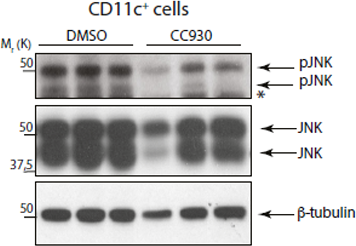
Tanzisertib purchased from MedChemExpress. Usage Cited in: Nat Cell Biol. 2017 Jun;19(6):698-710. [Abstract]
Immunoblot analysis of phospho-JNK of splenic XBP1ΔDC CD11c+ cells of XBP1ΔDC mice treated with CC-930 or vehicle. Total JNK and β-tubulin levels serve as loading control. Each lane represents one mouse.
-
Nat Commun
2020 Jan 3;11(1):71. PMID: 31900415 -
Sci Transl Med
PP2A inhibition is a druggable MEK inhibitor resistance mechanism in KRAS-mutant lung cancer cells. [Abstract]2018 Jul 18;10(450):eaaq1093. PMID: 30021885 -
Cell Death Differ
Membrane-bound TNF mediates microtubule-targeting chemotherapeutics-induced cancer cytolysis via juxtacrine inter-cancer-cell death signaling. [Abstract]2020 May;27(5):1569-1587. PMID: 31645676 -
J Immunother Cancer
Propafenone facilitates mitochondrial-associated ferroptosis and synergizes with immunotherapy in melanoma. [Abstract]2024 Nov 24;12(11):e009805. PMID: 39581704 -
Br J Pharmacol
Blockade of the forward Na+ /Ca2+ exchanger suppresses the growth of glioblastoma cells through Ca2+ -mediated cell death. [Abstract]2019 Aug;176(15):2691-2707. PMID: 31034096 -
J Endocrinol
Novel mineralocorticoid receptor mechanisms regulate cardiac tissue inflammation in male mice. [Abstract]2020 Aug;246(2):123-134. PMID: 32464598 -
Int J Mol Sci
Exostosin 1 Knockdown Induces Chemoresistance in MV3 Melanoma Cells by Upregulating JNK and MEK/ERK Signaling. [Abstract]2023 Mar 13;24(6):5452. PMID: 36982528 -
Mol Hum Reprod
Excess palmitate induces decidual stromal cell apoptosis via the TLR4/JNK/NF-kB pathways and possibly through glutamine oxidation. [Abstract]2020 Feb 29;26(2):88-100. PMID: 31977025 -
J Proteomics
2025 Jan 16:311:105355. PMID: 39547397 -
Methods Mol Biol
2018:1711:351-398. PMID: 29344898


Solvent & Solubility
In Vitro:
1M HCl : 100 mg/mL (223.00 mM; ultrasonic and adjust pH to 1 with HCl)
DMSO : ≥ 33 mg/mL (73.59 mM; Hygroscopic DMSO has a significant impact on the solubility of product, please use newly opened DMSO)
* "≥" means soluble, but saturation unknown.
Please refer to the solubility information to select the appropriate solvent. Once prepared, please aliquot and store the solution to prevent product inactivation from repeated freeze-thaw cycles.
Storage method and period of stock solution: -80°C, 2 years; -20°C, 1 year. When stored at -80°C, please use it within 2 years. When stored at -20°C, please use it within 1 year.
Please refer to the solubility information to select the appropriate solvent. Once prepared, please aliquot and store the solution to prevent product inactivation from repeated freeze-thaw cycles.
Storage method and period of stock solution: -80°C, 2 years; -20°C, 1 year. When stored at -80°C, please use it within 2 years. When stored at -20°C, please use it within 1 year.
Concentration (start) × Volume (start) = Concentration (final) × Volume (final)
In Vivo:
Select the appropriate dissolution method based on your experimental animal and administration route.
- For the following dissolution methods, please ensure to first prepare a clear stock solution using an In Vitro approach and then sequentially add co-solvents:
- To ensure reliable experimental results, the clarified stock solution can be appropriately stored based on storage conditions. As for the working solution for In Vivo experiments, it is recommended to prepare freshly and use it on the same day.
- The percentages shown for the solvents indicate their volumetric ratio in the final prepared solution. If precipitation or phase separation occurs during preparation, heat and/or sonication can be used to aid dissolution.
Add each solvent one by one: 10% DMSO 40% PEG300 5% Tween-80 45% Saline
Solubility: ≥ 2.5 mg/mL (5.57 mM); Clear solution
This protocol yields a clear solution of ≥ 2.5 mg/mL (saturation unknown).
Taking 1 mL working solution as an example, add 100 μL DMSO stock solution (25.0 mg/mL) to 400 μL PEG300, and mix evenly; then add 50 μL Tween-80 and mix evenly; then add 450 μL Saline to adjust the volume to 1 mL.
Preparation of Saline: Dissolve 0.9 g sodium chloride in ddH₂O and dilute to 100 mL to obtain a clear Saline solution.
Add each solvent one by one: 10% DMSO 90% (20% SBE-β-CD in Saline)
Solubility: ≥ 2.5 mg/mL (5.57 mM); Clear solution
This protocol yields a clear solution of ≥ 2.5 mg/mL (saturation unknown).
Taking 1 mL working solution as an example, add 100 μL DMSO stock solution (25.0 mg/mL) to 900 μL 20% SBE-β-CD in Saline, and mix evenly.
Preparation of 20% SBE-β-CD in Saline (4°C, storage for one week): 2 g SBE-β-CD powder is dissolved in 10 mL Saline, completely dissolve until clear.
In Vivo Dissolution Calculator
Please enter the basic information of animal experiments:
-
-
-
-
Recommended: Prepare an additional quantity of animals to account for potential losses during experiments.
Please enter your animal formula composition:
-
%DMSO +
Recommended: Keep the proportion of DMSO in working solution below 2% if your animal is weak.
-
%+
-
+%Tween-80 + +
-
%Saline +
The co-solvents required include: DMSO, . All of co-solvents are available by MedChemExpress (MCE). , Tween 80. All of co-solvents are available by MedChemExpress (MCE).
Working solution concentration: 0.22 mg/mL
Method for preparing stock solution: mg drug dissolved in μL DMSO. Stock solution concentration: mg/mL.
1. Take μL DMSO stock solution;
2. Add μL .
μL , mix evenly;
3. Then add μL Tween 80, mix evenly;
4. Then add μL
Please ensure that the stock solution in the first step is dissolved to a clear state, and add co-solvents in sequence. You can use ultrasonic heating (ultrasonic cleaner, recommended frequency 20-40 kHz), vortexing, etc. to assist dissolution.


Purity & Documentation
-
Data Sheet (279 KB)
-
SDS (392 KB)
- English - EN (392 KB)
- Français - FR (392 KB)
- Deutsch - DE (392 KB)
- Norwegian - NO (392 KB)
- Español - ES (392 KB)
- Swedish - SV (392 KB)
- Italian - IT (392 KB)
- Korean - KR (392 KB)
- Portuguese - PT (392 KB)
-
Handling Instructions (2659 KB)
References
[1]. Lay T Gan, et al. Hepatocyte free cholesterol lipotoxicity results from JNK1-mediated mitochondrial injury and is HMGB1 and TLR4-dependent. J Hepatol. 2014 Dec;61(6):1376-84. [Content Brief]
[2]. Nicole Reich, et al. Jun N-terminal kinase as a potential molecular target for prevention and treatment of dermal fibrosis. Ann Rheum Dis. 2012 May;71(5):737-45. [Content Brief]


Complete Stock Solution Preparation Table
Please refer to the solubility information to select the appropriate solvent. Once prepared, please aliquot and store the solution to prevent product inactivation from repeated freeze-thaw cycles.
Storage method and period of stock solution: -80°C, 2 years; -20°C, 1 year. When stored at -80°C, please use it within 2 years. When stored at -20°C, please use it within 1 year.
| Optional Solvent | Concentration Solvent Mass | 1 mg | 5 mg | 10 mg | 25 mg |
|---|---|---|---|---|---|
| DMSO / 1M HCl | 1 mM | 2.2300 mL | 11.1498 mL | 22.2995 mL | 55.7488 mL |
| 5 mM | 0.4460 mL | 2.2300 mL | 4.4599 mL | 11.1498 mL | |
| 10 mM | 0.2230 mL | 1.1150 mL | 2.2300 mL | 5.5749 mL | |
| 15 mM | 0.1487 mL | 0.7433 mL | 1.4866 mL | 3.7166 mL | |
| 20 mM | 0.1115 mL | 0.5575 mL | 1.1150 mL | 2.7874 mL | |
| 25 mM | 0.0892 mL | 0.4460 mL | 0.8920 mL | 2.2300 mL | |
| 30 mM | 0.0743 mL | 0.3717 mL | 0.7433 mL | 1.8583 mL | |
| 40 mM | 0.0557 mL | 0.2787 mL | 0.5575 mL | 1.3937 mL | |
| 50 mM | 0.0446 mL | 0.2230 mL | 0.4460 mL | 1.1150 mL | |
| 60 mM | 0.0372 mL | 0.1858 mL | 0.3717 mL | 0.9291 mL | |
| 1M HCl | 80 mM | 0.0279 mL | 0.1394 mL | 0.2787 mL | 0.6969 mL |
| 100 mM | 0.0223 mL | 0.1115 mL | 0.2230 mL | 0.5575 mL |


Tanzisertib Related Classifications
HY-15495 Related Classifications
 Powered by Bioz