



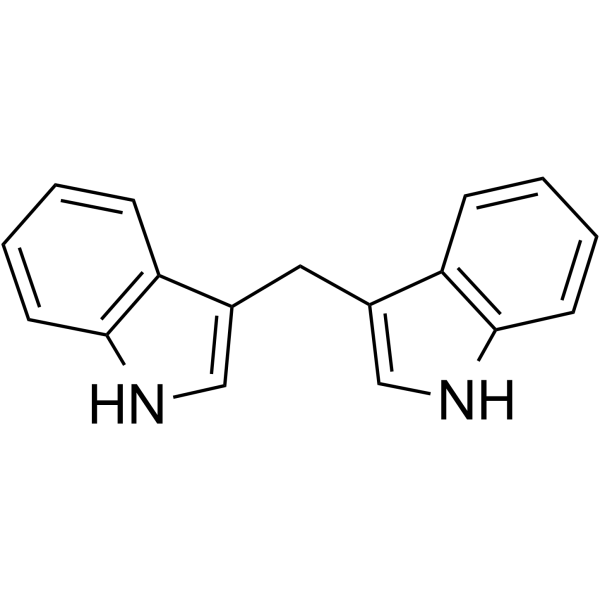
3,3'-Diindolylmethane
Based on 12 publication(s) in Google Scholar
3,3'-Diindolylmethane is a strong, pure androgen receptor (AR) antagonist.
For research use only. We do not sell to patients.
- Purity : 99.89%
- CAS No.: 1968-05-4
- Formula: C17H14N2
- Molecular Weight:246.31
-
Storage:
4°C, protect from light, stored under nitrogen
* In solvent : -80°C, 6 months; -20°C, 1 month (protect from light, stored under nitrogen)

To place orders, for customer services and technical support, please contact: MedChemExpress USA
Tel: 609-228-6898 E-mail: [email protected] [email protected]


-
 Biological Activity
-
Chemical Information
-
Solvent & Solubility
- Protocols
- Purity & Documentation
- References
-
 Help & FAQs


-
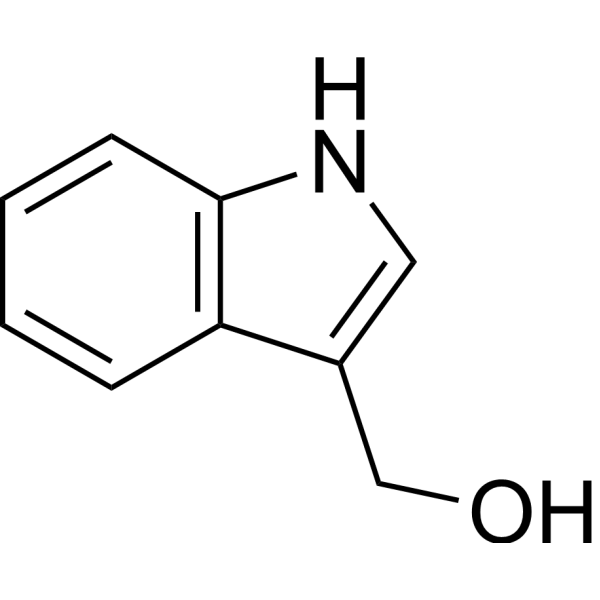
HY-N0170
Indole-3-carbinolEndogenous Metabolite -
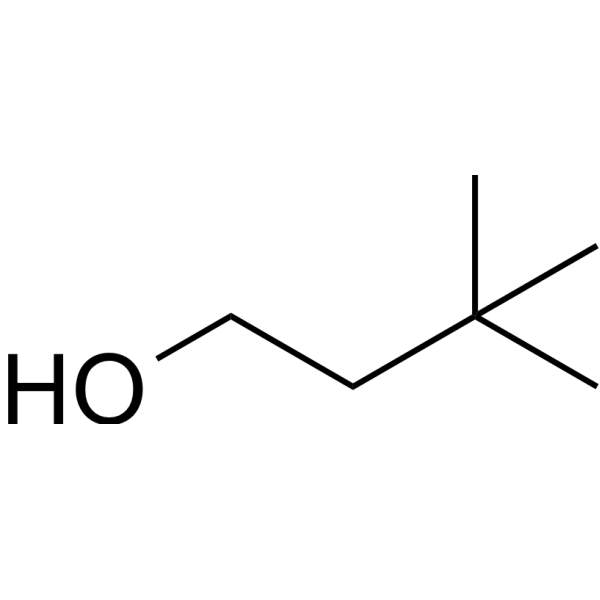
HY-W012977
3,3-Dimethyl-1-butanolTMA /TMAO Inhinbitor -
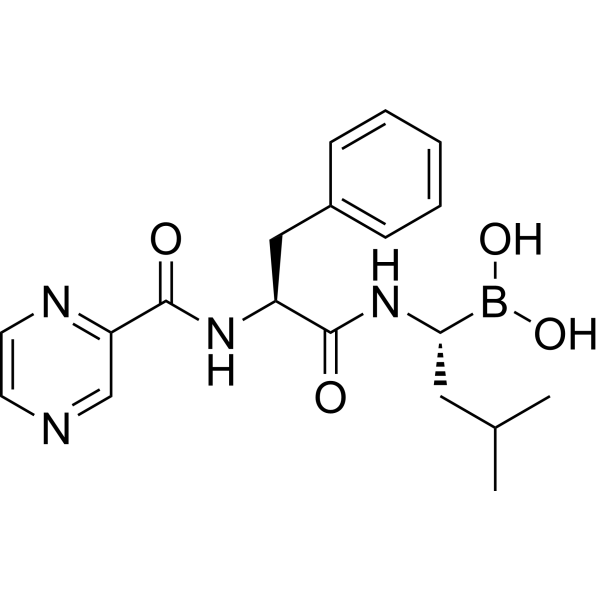
HY-10227
BortezomibProteasome Inhibitor -
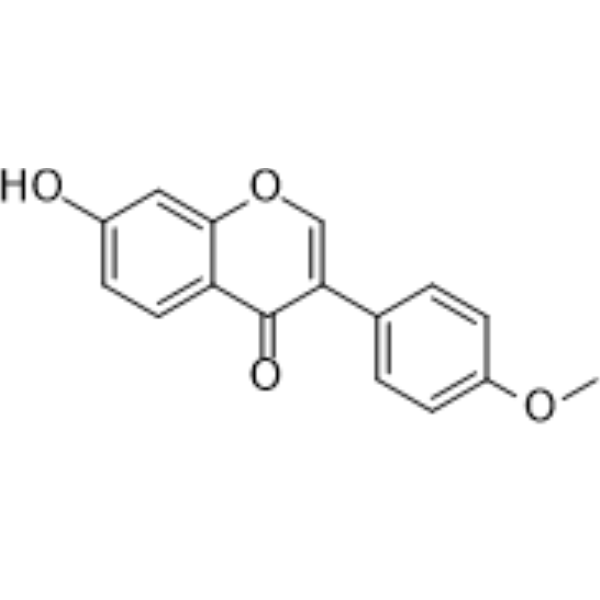
HY-N0183
FormononetinFGFR2 Inhibitor -
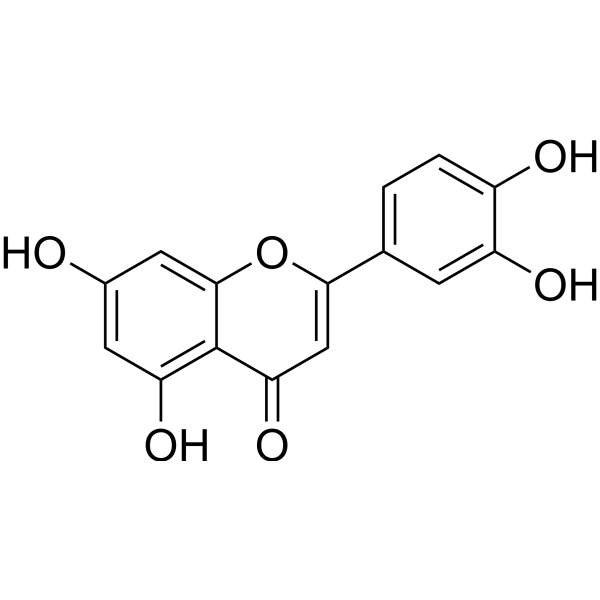
HY-N0162
LuteolinNrf2 Inhibitor -
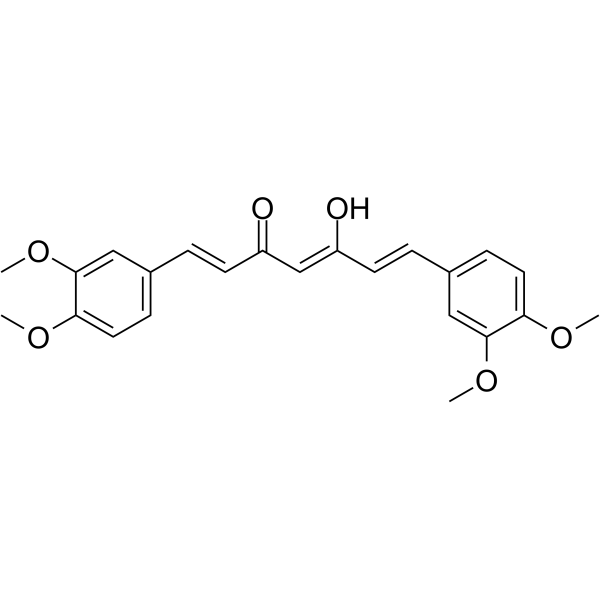
HY-15194
DimethylcurcuminAndrogen Receptor Inhibitor -
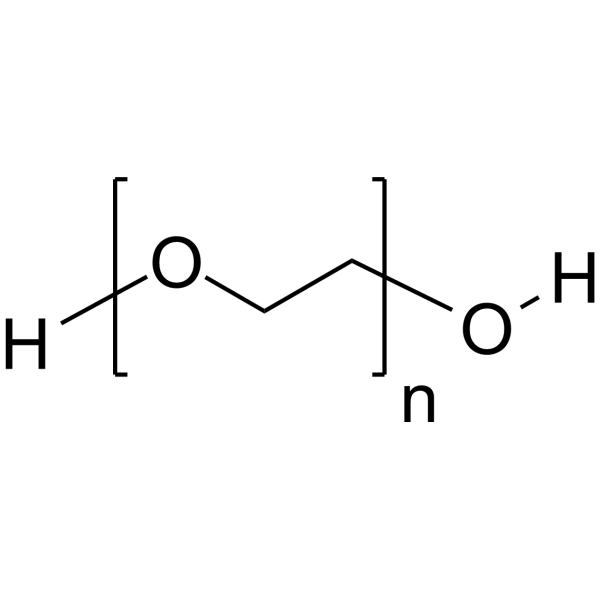
HY-Y0873
PEG300Neutral Polymer -
HY-17031
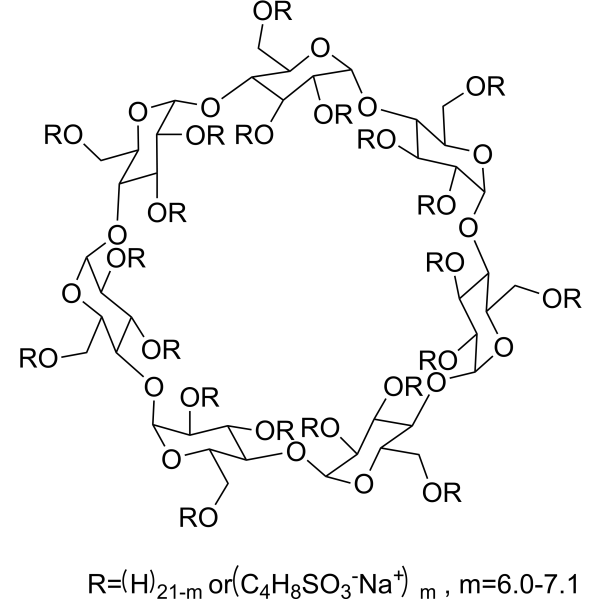
SBE-β-CDExcipient -
HY-12684
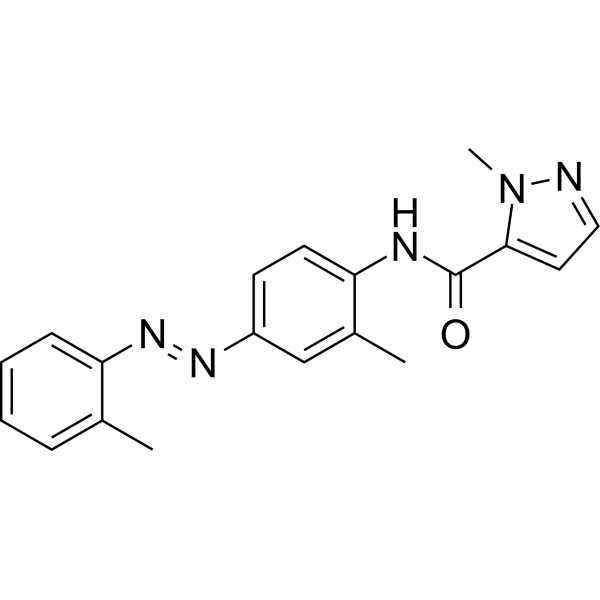
CH-223191AhR Antagonist -
HY-12451
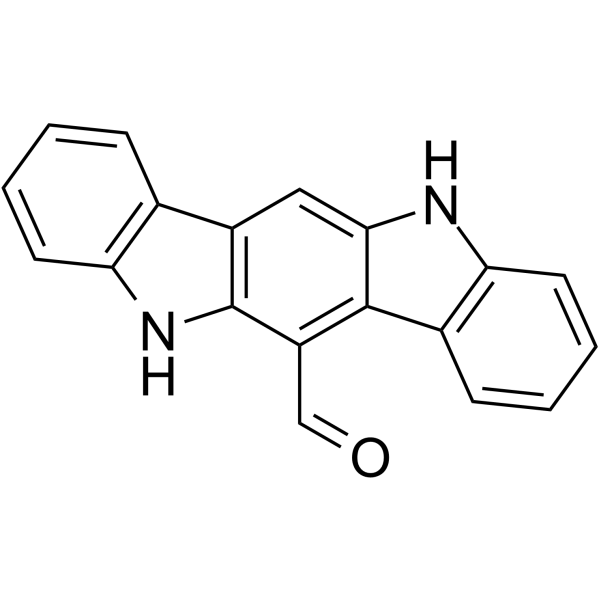
FICZAhR Agonist -
HY-112735
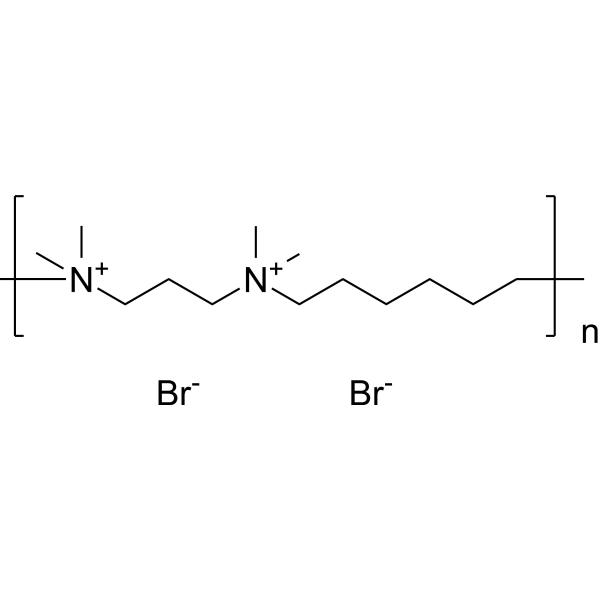
Hexadimethrine bromideCationic Polyelectrolyte -
HY-N0174
CryptotanshinoneAutophagy Inducer
Publications Citing Use of MedChemExpress (MCE) 3,3'-Diindolylmethane
More- J Exp Clin Cancer Res. 2020 Jun 16;39(1):113. [Abstract]
- Phytomedicine. 2026 Jun 11:159:158426. [Abstract]
- Phytomedicine. 2023 Jul 25:116:154874. [Abstract]
- Environ Health (Wash). 2025 Jan 10;3(4):414-424. [Abstract]
- J Agric Food Chem. 2024 Jun 12;72(23):13069-13082. [Abstract]
- Int Immunopharmacol. 2022 Apr 26;109:108795. [Abstract]
- Mol Med Rep. 2019 Jun;19(6):5115-5122. [Abstract]
- J Cell Commun Signal. 2020 Jun;14(2):175-192. [Abstract]
- Mol Immunol. 2023 Nov:163:147-162. [Abstract]
- Immunol Res. 2024 Aug;72(4):741-753. [Abstract]
- In Vitro Cell Dev Biol Anim. 2024 Jun;60(6):678-688. [Abstract]
- SSRN. 2026 Mar 20.
 Customer Validation & Images

-
IHC
-
WB


Biological Activity
Description
IC50 & Target
Androgen receptor[1]
Cellular Effect
|
Cell Line

|
Type | Value | Description | References |
|---|---|---|---|---|
| CHO | EC50 |
0.368 μM
Compound: 8; DIM
|
Positive allosteric modulation of recombinant human GPR84 expressed in CHO cell membranes co-expressing beta-arrestin2 assessed as increase in [3H]PSB-1584 binding measured after 6 hrs by scintillation counting method
Positive allosteric modulation of recombinant human GPR84 expressed in CHO cell membranes co-expressing beta-arrestin2 assessed as increase in [3H]PSB-1584 binding measured after 6 hrs by scintillation counting method
|
[PMID: 31721581] |
| CHO | EC50 |
0.5 μM
Compound: 8; DIM
|
Agonist activity at human N-terminal FLAG-tagged GPR84 receptor stably expressed in CHO cell membranes assessed as stimulation of [35S]GTPgammaS binding incubated for 1 hr by liquid scintillation counting method
Agonist activity at human N-terminal FLAG-tagged GPR84 receptor stably expressed in CHO cell membranes assessed as stimulation of [35S]GTPgammaS binding incubated for 1 hr by liquid scintillation counting method
|
[PMID: 31721581] |
| CHO | EC50 |
0.7 μM
Compound: 8; DIM
|
Agonist activity at human N-terminal FLAG-tagged GPR84 receptor stably expressed in CHO cells assessed as inhibition of forskolin-induced cAMP production preincubated for 20 mins followed by forskolin addition and measured after 20 mins
Agonist activity at human N-terminal FLAG-tagged GPR84 receptor stably expressed in CHO cells assessed as inhibition of forskolin-induced cAMP production preincubated for 20 mins followed by forskolin addition and measured after 20 mins
|
[PMID: 31721581] |
| HEK293 | EC50 |
1.11 μM
Compound: 8; DIM
|
Agonist activity at recombinant human HA-tagged GPR84 stably expressed in HEK293 cells assessed as stimulation of [35S]GTPgammaS binding measured after 30 mins by liquid scintillation counting method
Agonist activity at recombinant human HA-tagged GPR84 stably expressed in HEK293 cells assessed as stimulation of [35S]GTPgammaS binding measured after 30 mins by liquid scintillation counting method
|
[PMID: 31721581] |
| MCF7 | IC50 |
5.5 μM
Compound: 2, DIM
|
Antitumor activity against MCF7 cells
Antitumor activity against MCF7 cells
|
[PMID: 17602463] |
| MCF7 | IC50 |
50 μM
Compound: DIM
|
Growth inhibition of human MCF7 cells after 48 hrs by MTT assay
Growth inhibition of human MCF7 cells after 48 hrs by MTT assay
|
[PMID: 22277074] |
| MDA-MB-231 | IC50 |
10 μM
Compound: DIM
|
Growth inhibition of human MDA-MB-231 cells after 48 hrs by MTT assay
Growth inhibition of human MDA-MB-231 cells after 48 hrs by MTT assay
|
[PMID: 22277074] |
| Sf9 | EC50 |
11 μM
Compound: 8; DIM
|
Agonist activity at human Gi1alpha-coupled GPR84 expressed in baculovirus infected Sf9 insect cells assessed as stimulation of [35S]GTPgammaS binding measured after 30 mins by top-count liquid scintillation counting method
Agonist activity at human Gi1alpha-coupled GPR84 expressed in baculovirus infected Sf9 insect cells assessed as stimulation of [35S]GTPgammaS binding measured after 30 mins by top-count liquid scintillation counting method
|
[PMID: 31721581] |
| Sf9 | EC50 |
5.9 μM
Compound: 8; DIM
|
Agonist activity at human Gi1alpha-coupled GPR84 expressed in baculovirus infected Sf9 insect cells assessed as stimulation of [35S]GTPgammaS binding measured after 30 mins by liquid scintillation counting method
Agonist activity at human Gi1alpha-coupled GPR84 expressed in baculovirus infected Sf9 insect cells assessed as stimulation of [35S]GTPgammaS binding measured after 30 mins by liquid scintillation counting method
|
[PMID: 31721581] |
| U-251 | EC50 |
280 μM
Compound: 6; DIM
|
Cytotoxicity against human U251 cells assessed as decrease in cell proliferation after 72 hrs by SRB assay
Cytotoxicity against human U251 cells assessed as decrease in cell proliferation after 72 hrs by SRB assay
|
[PMID: 28256372] |
In Vitro
3,3'-Diindolylmethane (DIM) is a strong antagonist of androgen receptor (AR) function but exhibits less than obvious structural similarity to the endogenous AR ligand, dihydrotestosterone (DHT). 3,3'-Diindolylmethane is a major digestive product of indole-3-carbinol, a potential anticancer component of cruciferous vegetables. 3,3'-Diindolylmethane exhibits potent antiproliferative and antiandrogenic properties in androgen-dependent human prostate cancer cells. 3,3'-Diindolylmethane suppresses cell proliferation of LNCaP cells and inhibits DHT stimulation of DNA synthesis. Moreover, 3,3'-Diindolylmethane inhibits endogenous PSA transcription and reduced intracellular and secreted PSA protein levels induced by DHT in LNCaP cells. Also, 3,3'-Diindolylmethane inhibits, in a concentration-dependent manner, the DHT-induced expression of a prostate-specific antigen promoter-regulated reporter gene construct in transiently transfected LNCaP cells. Co-treatment with 50 μM 3,3'-Diindolylmethane partially inhibits the translocation of AR induced by DHT treatment and showed distribution of the AR to be both cytoplasmic and nuclear. Furthermore, 3,3'-Diindolylmethane treatment prevents the formation of AR foci in the nucleus. 3,3'-Diindolylmethane alone produces a predominantly cytoplasmic distribution of fluorescence[1].
MedChemExpress (MCE) has not independently confirmed the accuracy of these methods. They are for reference only. Further protocols information, click here.
In Vivo
MedChemExpress (MCE) has not independently confirmed the accuracy of these methods. They are for reference only.
Clinical Trial
| NCT Number | Sponsor | Condition | Start Date |
Phase
|
|---|---|---|---|---|
| NCT01329991 | Plexxikon| | 2011-05 | PHASE1 |


Chemical Information
-
CAS No. 1968-05-4
-
Appearance Solid
-
Molecular Weight 246.31
-
Formula C17H14N2
-
Color Off-white to pink
-
SMILES
C1(CC2=CNC3=C2C=CC=C3)=CNC4=C1C=CC=C4
-
Synonyms
DIM; Arundine; HB 236
-
Structure Classification
-
Initial Source
-
Shipping
Room temperature in continental US; may vary elsewhere.
-
Storage
4°C, protect from light, stored under nitrogen
* In solvent : -80°C, 6 months; -20°C, 1 month (protect from light, stored under nitrogen)


Publications (12)
-
Journal Impact Factor
-
Most Recent
-
J Exp Clin Cancer Res
3,3'-Diindolylmethane modulates aryl hydrocarbon receptor of esophageal squamous cell carcinoma to reverse epithelial-mesenchymal transition through repressing RhoA/ROCK1-mediated COX2/PGE2 pathway. [Abstract]2020 Jun 16;39(1):113. PMID: 32546278
3,3'-Diindolylmethane purchased from MedChemExpress. Usage Cited in: J Exp Clin Cancer Res. 2020 Jun 16;39(1):113. [Abstract]
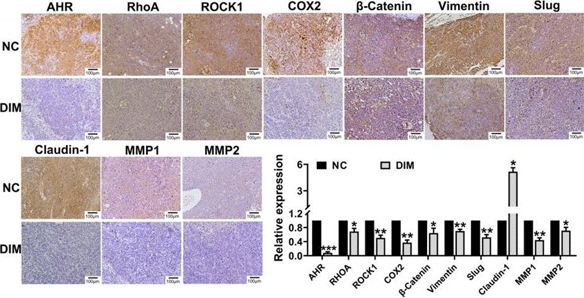
IHC results of xenografts staining shows downexpression of AHR, RhoA, ROCK1, COX2 and mesenchymal cell markers as well as upregulation of epithelial cell marker Claudin-1.
-
Phytomedicine
Ciwujianoside B alleviates cholestatic liver injury by regulating TMAO synthesis via remodeling of the gut microbiota. [Abstract]2026 Jun 11:159:158426. PMID: 42335639 -
Phytomedicine
3, 3'-diindolylmethane enhances macrophage efferocytosis and subsequently relieves visceral pain via the AhR/Nrf2/Arg-1-mediated arginine metabolism pathway. [Abstract]2023 Jul 25:116:154874. PMID: 37216760 -
Environ Health (Wash)
Fish Skin Mucus Vitellogenin as a Noninvasive, Sensitive Biomarker for Aquatic Xenoestrogens. [Abstract]2025 Jan 10;3(4):414-424. PMID: 40270534 -
J Agric Food Chem
Aryl Hydrocarbon Receptor Activation Limits the Fatty Acid Synthesis and Subsequent "miR-193a-3p-HDAC3-FASN" Signals to Alleviate Intestinal Fibrosis. [Abstract]2024 Jun 12;72(23):13069-13082. PMID: 38809951 -
Int Immunopharmacol
3, 3'- diindolylmethane hinders IL-17A/IL-17RA interaction and mitigates imiquimod-induced psoriasiform in mice. [Abstract]2022 Apr 26;109:108795. PMID: 35487087 -
Mol Med Rep
3,3'‑Diindolylmethane mitigates lipopolysaccharide‑induced acute kidney injury in mice by inhibiting NOX‑mediated oxidative stress and the apoptosis of renal tubular epithelial cells. [Abstract]2019 Jun;19(6):5115-5122. PMID: 31059037 -
J Cell Commun Signal
Modulation of aryl hydrocarbon receptor inhibits esophageal squamous cell carcinoma progression by repressing COX2/PGE2/STAT3 axis. [Abstract]2020 Jun;14(2):175-192. PMID: 31925646
3,3'-Diindolylmethane purchased from MedChemExpress. Usage Cited in: J Cell Commun Signal. 2020 Jun;14(2):175-192. [Abstract]
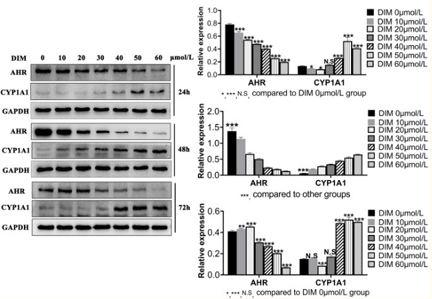
Western blot shows the results that at the 48 h time point, cells exerted the potent reactivity when exposing DIM treatment in that the expression of AHR reduces gradually on the basis of increased DIM concentrations and the production of CYP1A1 increases in the same way.
-
Mol Immunol
3, 3'-diindolylmethane, a natural aryl hydrocarbon receptor agonist, alleviates ulcerative colitis by enhancing "glycolysis-lactate-STAT3″ and TIP60 signals-mediated Treg differentiation. [Abstract]2023 Nov:163:147-162. PMID: 37793204 -
Immunol Res
β-Indole-3-acetic acid attenuated collagen-induced arthritis through reducing the ubiquitination of Foxp3 via the AhR-TAZ-Tip60 pathway. [Abstract]2024 Aug;72(4):741-753. PMID: 38630408 -
In Vitro Cell Dev Biol Anim
3,3'-Diindolylmethane inhibits Th17 cell differentiation via impairing IRF-7-mediated plasmacytoid dendritic cell activation in imiquimod-induced psoriasis mice. [Abstract]2024 Jun;60(6):678-688. PMID: 38602626 -


Solvent & Solubility
In Vitro:
DMSO : ≥ 100 mg/mL (405.99 mM; Hygroscopic DMSO has a significant impact on the solubility of product, please use newly opened DMSO)
* "≥" means soluble, but saturation unknown.
Please refer to the solubility information to select the appropriate solvent. Once prepared, please aliquot and store the solution to prevent product inactivation from repeated freeze-thaw cycles.
Storage method and period of stock solution: -80°C, 6 months; -20°C, 1 month (protect from light, stored under nitrogen). When stored at -80°C, please use it within 6 months. When stored at -20°C, please use it within 1 month.
Please refer to the solubility information to select the appropriate solvent. Once prepared, please aliquot and store the solution to prevent product inactivation from repeated freeze-thaw cycles.
Storage method and period of stock solution: -80°C, 6 months; -20°C, 1 month (protect from light, stored under nitrogen). When stored at -80°C, please use it within 6 months. When stored at -20°C, please use it within 1 month.
Concentration (start) × Volume (start) = Concentration (final) × Volume (final)
In Vivo:
Select the appropriate dissolution method based on your experimental animal and administration route.
- For the following dissolution methods, please ensure to first prepare a clear stock solution using an In Vitro approach and then sequentially add co-solvents:
- To ensure reliable experimental results, the clarified stock solution can be appropriately stored based on storage conditions. As for the working solution for In Vivo experiments, it is recommended to prepare freshly and use it on the same day.
- The percentages shown for the solvents indicate their volumetric ratio in the final prepared solution. If precipitation or phase separation occurs during preparation, heat and/or sonication can be used to aid dissolution.
Add each solvent one by one: 10% DMSO 40% PEG300 5% Tween-80 45% Saline
Solubility: ≥ 2.5 mg/mL (10.15 mM); Clear solution
This protocol yields a clear solution of ≥ 2.5 mg/mL (saturation unknown).
Taking 1 mL working solution as an example, add 100 μL DMSO stock solution (25.0 mg/mL) to 400 μL PEG300, and mix evenly; then add 50 μL Tween-80 and mix evenly; then add 450 μL Saline to adjust the volume to 1 mL.
Preparation of Saline: Dissolve 0.9 g sodium chloride in ddH₂O and dilute to 100 mL to obtain a clear Saline solution.
Add each solvent one by one: 10% DMSO 90% (20% SBE-β-CD in Saline)
Solubility: 2.5 mg/mL (10.15 mM); Suspended solution; Need ultrasonic
This protocol yields a suspended solution of 2.5 mg/mL. Suspended solution can be used for oral and intraperitoneal injection.
Taking 1 mL working solution as an example, add 100 μL DMSO stock solution (25.0 mg/mL) to 900 μL 20% SBE-β-CD in Saline, and mix evenly.
Preparation of 20% SBE-β-CD in Saline (4°C, storage for one week): 2 g SBE-β-CD powder is dissolved in 10 mL Saline, completely dissolve until clear.
In Vivo Dissolution Calculator
Please enter the basic information of animal experiments:
-
-
-
-
Recommended: Prepare an additional quantity of animals to account for potential losses during experiments.
Please enter your animal formula composition:
-
%DMSO +
Recommended: Keep the proportion of DMSO in working solution below 2% if your animal is weak.
-
%+
-
+%Tween-80 + +
-
%Saline +
The co-solvents required include: DMSO, . All of co-solvents are available by MedChemExpress (MCE). , Tween 80. All of co-solvents are available by MedChemExpress (MCE).
Working solution concentration: 0.22 mg/mL
Method for preparing stock solution: mg drug dissolved in μL DMSO. Stock solution concentration: mg/mL. * In solvent : -80°C, 6 months; -20°C, 1 month (protect from light, stored under nitrogen)
1. Take μL DMSO stock solution;
2. Add μL .
μL , mix evenly;
3. Then add μL Tween 80, mix evenly;
4. Then add μL
Please ensure that the stock solution in the first step is dissolved to a clear state, and add co-solvents in sequence. You can use ultrasonic heating (ultrasonic cleaner, recommended frequency 20-40 kHz), vortexing, etc. to assist dissolution.

Protocols
-
Research Protocol for Endocrine Diseases
Endocrine diseases often arise from disrupted hormone production, hormone signaling, or target-tissue responsiveness; for diabetes-focused endocrine disease models, insulin signaling regulates glucose uptake, hepatic glucose output, lipid metabolism, and β-cell compensation. Type 2 diabetes develops through interacting defects in insulin resistance, β-cell dysfunction, adipose inflammation, hepatic glucose overproduction, altered incretin signaling, and ectopic lipid metabolism. A major unresolved question is whether endocrine dysfunction is driven primarily by target-tissue insulin resistance, intrinsic β-cell failure, immune/inflammatory stress, or combined multi-organ failure that differs by disease stage.


Purity & Documentation
-
Data Sheet (283 KB)
-
SDS (394 KB)
- English - EN (394 KB)
- Français - FR (394 KB)
- Deutsch - DE (394 KB)
- Norwegian - NO (394 KB)
- Español - ES (394 KB)
- Swedish - SV (394 KB)
- Italian - IT (394 KB)
- Korean - KR (394 KB)
- Portuguese - PT (394 KB)
-
Handling Instructions (2659 KB)
References
[1]. Le HT, et al. Plant-derived 3,3'-Diindolylmethane is a strong androgen antagonist in human prostate cancer cells. J Biol Chem. 2003 Jun 6;278(23):21136-45. [Content Brief]
[2]. Li XJ, et al. 3,3'-Diindolylmethane suppresses the growth of gastric cancer cells via activation of the Hippo signaling pathway. Oncol Rep. 2013 Nov;30(5):2419-26. [Content Brief]


Complete Stock Solution Preparation Table
Please refer to the solubility information to select the appropriate solvent. Once prepared, please aliquot and store the solution to prevent product inactivation from repeated freeze-thaw cycles.
Storage method and period of stock solution: -80°C, 6 months; -20°C, 1 month (protect from light, stored under nitrogen). When stored at -80°C, please use it within 6 months. When stored at -20°C, please use it within 1 month.
| Optional Solvent | Concentration Solvent Mass | 1 mg | 5 mg | 10 mg | 25 mg |
|---|---|---|---|---|---|
| DMSO | 1 mM | 4.0599 mL | 20.2994 mL | 40.5987 mL | 101.4969 mL |
| 5 mM | 0.8120 mL | 4.0599 mL | 8.1197 mL | 20.2994 mL | |
| 10 mM | 0.4060 mL | 2.0299 mL | 4.0599 mL | 10.1497 mL | |
| 15 mM | 0.2707 mL | 1.3533 mL | 2.7066 mL | 6.7665 mL | |
| 20 mM | 0.2030 mL | 1.0150 mL | 2.0299 mL | 5.0748 mL | |
| 25 mM | 0.1624 mL | 0.8120 mL | 1.6239 mL | 4.0599 mL | |
| 30 mM | 0.1353 mL | 0.6766 mL | 1.3533 mL | 3.3832 mL | |
| 40 mM | 0.1015 mL | 0.5075 mL | 1.0150 mL | 2.5374 mL | |
| 50 mM | 0.0812 mL | 0.4060 mL | 0.8120 mL | 2.0299 mL | |
| 60 mM | 0.0677 mL | 0.3383 mL | 0.6766 mL | 1.6916 mL | |
| 80 mM | 0.0507 mL | 0.2537 mL | 0.5075 mL | 1.2687 mL | |
| 100 mM | 0.0406 mL | 0.2030 mL | 0.4060 mL | 1.0150 mL |


3,3'-Diindolylmethane Related Classifications
HY-15758 Related Classifications
 Powered by Bioz